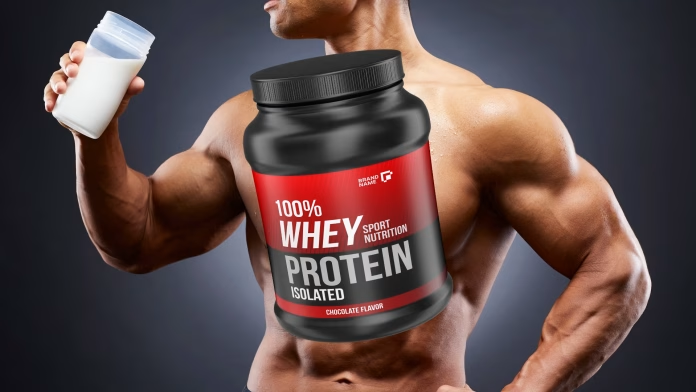
Whey protein, once confined to bulky tubs and niche fitness audiences, is undergoing a significant transformation as brands introduce sachets and single-scoop packs to make the category more accessible and mainstream. This shift mirrors traditional fast-moving consumer goods (FMCG) strategies, where smaller pack sizes are used to drive trial, affordability, and habitual consumption among a wider consumer base.
Historically, whey protein has been perceived as a premium and somewhat exclusive product, often priced above ₹2,000 per kilogram, limiting its reach to fitness enthusiasts and bodybuilders. However, growing awareness around protein deficiency and overall wellness is pushing the category into everyday consumption. Industry leaders like Zydus Wellness note that consumers are increasingly recognising the importance of protein in daily diets, accelerating the shift from discretionary supplement to lifestyle staple.
To bridge the affordability gap, brands such as MuscleBlaze, Optimum Nutrition, Truebasics, and Wellbeing Nutrition are offering smaller packs priced between ₹699 and ₹999, compared to ₹3,500–₹4,400 for larger tubs. While the per-gram cost in sachets can be up to 40% higher, these formats significantly lower the entry barrier, enabling first-time users to experiment without committing to expensive bulk purchases.
Beyond pricing, convenience is a key driver of this trend. Sachets are portable, travel-friendly, and suitable for on-the-go consumption, aligning well with modern lifestyles. They also allow consumers to test different flavours and formulations, making them particularly appealing in households where multiple users may have varying preferences. According to industry experts, these smaller formats cater to multiple use cases—from gym recovery to casual supplementation—broadening the category’s appeal.
For brands, the sachet strategy is less about immediate profitability and more about market creation and customer acquisition. By lowering friction in the buying journey, companies aim to convert trial users into long-term consumers who may eventually upgrade to larger packs. As a result, while bulk formats still contribute the majority of revenue, sachets play a crucial role in expanding the user base and building consumption habits in an underpenetrated market.
The rise of quick commerce platforms is further accelerating this shift. Smaller SKUs tend to perform better on platforms that prioritise convenience and lower ticket sizes, enabling faster purchase decisions and repeat orders. These platforms also provide valuable consumer data, allowing brands to iterate quickly on flavours, formats, and pricing strategies.
In parallel, the protein category itself is evolving beyond powders. Companies are increasingly launching adjacent formats such as protein bars, chips, and ready-to-drink beverages to integrate protein into everyday eating occasions rather than positioning it solely as a supplement.
Overall, the move toward smaller packs signals a broader transformation in how protein is marketed and consumed in India. By adopting FMCG-style strategies and focusing on accessibility, brands are not only expanding their reach but also reshaping whey protein into a daily nutrition essential rather than a specialised fitness product.