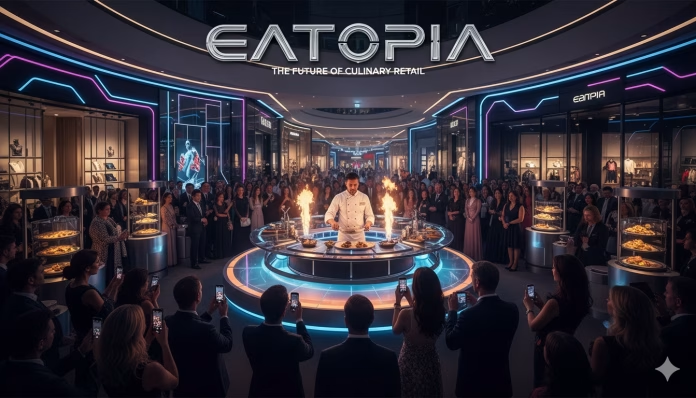
Eatopia is positioning itself at the vanguard of a new retail trend that blends high‑end food with curated experiences. The chain emphasizes premium cuisine and a deliberately designed customer journey, promising consistent flavors and service no matter which location a guest visits.
Celebrity collaboration at the core
A key pillar of Eatopia’s concept is its partnership with singer Shankar Mahadevan, who has worked with the brand to curate each dish. The collaboration goes beyond a name on a menu: recipes and plating have been developed jointly to reflect a particular culinary identity tied to the partnership.
Standardization to scale the experience
Eatopia relies on tightly standardized recipes and operational processes to replicate that curated dining across outlets. The company says these systems are designed to preserve taste and presentation so diners receive an identical experience regardless of location.
Why gastro‑entertainment is catching on
Retailers are increasingly looking for ways to differentiate physical locations as e‑commerce captures more basic spending. Gastro‑entertainment — combining food, ambiance and often performance or storytelling — offers higher ticket items and longer dwell times, which can drive ancillary sales and brand loyalty.
Industry impact
If successful, Eatopia’s model could accelerate a shift in the foodservice sector toward experience‑led formats. Operators may invest more in menu development, themed design and partnerships with celebrities or influencers to create distinct propositions. This has cascading effects on supply chains, as standardized recipes require more controlled sourcing and training; on real estate, as operators seek locations that support both dining and experiential elements; and on unit economics, where higher average spends must offset increased capex and operating complexity.
Risks and uncertainties
The concept faces several practical challenges. Celebrity ties can boost initial curiosity but may not guarantee repeat visits. Maintaining uniform quality at scale is operationally demanding and can raise costs. Consumer tastes can shift, and higher‑price experiential formats are vulnerable during economic slowdowns. Finally, regulatory and local sourcing constraints could complicate the standardized approach Eatopia relies on.
Eatopia’s push into gastro‑entertainment reflects a broader industry test: can differentiated, experience‑driven dining sustain premium pricing and scale, or will operational friction and changing consumer habits limit growth? The answer will shape how many retailers choose to place food and experience at the center of their growth strategies.