Nature’s Basket, the gourmet retail subsidiary of Spencer’s Retail, has launched its flagship store in Mumbai, as announced in a press release on Monday. Spanning over 9,200 sq. ft. of retail space, the new outlet is located on the third floor of Krishna Curve, Linking Rd, Santacruz West, Mumbai.
This latest establishment marks the third addition to the ‘Artisan Pantry’ brand, providing a selection of more than 10,000 gourmet ingredients.
Within the store, visitors can explore a meticulously curated wine cellar, a cheese room, a chocolate factory, a truffle to nut bar, a farmer’s market, a salt station, a tearoom, a counter offering baked artisanal bread, a live honey counter, an array of exotic fresh meats, and experience live cooking demonstrations at The Good Food Cafe, along with a global dining area known as Chef’s Table.
In January 2024, the retail chain unveiled its second Artisan Pantry in Kolkata, following the inaugural launch of its first outlet at Phoenix Palladium, Lower Parel, Mumbai, in November 2023. Spanning a vast 12,000 sq. ft., it holds the distinction of being the largest Nature’s Basket store in India.
Nature’s Basket, a wholly owned subsidiary of Spencer’s Retail and a member of the RP-Sanjiv Goenka group headquartered in Kolkata, West Bengal, began its journey as a gourmet retail brand in 2005 with a solitary store in Mumbai.
Presently, the brand has evolved into an omni-channel retail enterprise, boasting more than 33 stores spanning cities like Mumbai, Pune, Bangalore, NCR, and Kolkata.
Spencer’s Retail, a multi-format retailer, offers a diverse array of products spanning categories such as food, personal care, fashion, home essentials, and electronics. According to its official LinkedIn page, Spencer’s operates more than 158 stores, including 48 hyper stores, across over 35 cities in India.
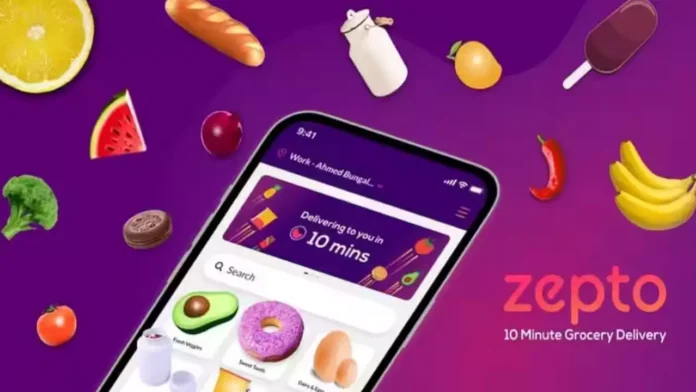
Zepto, the quick-commerce unicorn, is experimenting with a membership program called Zepto Pass.
Priced at INR 99 per month, the membership offers unlimited free deliveries on orders costing INR 99 or more, and discounts of up to 20% on certain orders. While discounts are available to some users for orders of INR 299 or more, for others the threshold is INR 699 or more. The firm is currently offering the service to a targeted set of users, with some receiving an introductory price of INR 19.
With Zepto Pass, Zepto joins Swiggy Instamart as the second quick-commerce firm to provide subscription benefits. In contrast, Zomato, a rival of Swiggy, does not offer benefits from its Gold subscription to its quick-commerce service, Blinkit.
“We are constantly running dozens of small experiments to improve customer experience. Only a few of these experiments are brought to market, hence we do not comment on them,” a spokesperson for Zepto said, declining to give further details about the plan.
Subscriptions play a significant role for food-delivery and quick-commerce firms in increasing usage and fostering user loyalty. In its report for the quarter ended June 30, Zomato disclosed that the Gold program contributed over 30% of the total gross order value (GOV) for its food business, amounting to INR 7,318 crore for that quarter.
In contrast, Swiggy has been striving to broaden the reach of its One subscription by packaging it with telecom subscriptions and financial products like credit cards.
Swiggy One is priced at INR 1,299 for a three-month period without any discounts, while Zomato Gold is offered at INR 999 for the same duration. However, both companies provide substantial targeted discounts to customers. Three-month subscriptions of Zomato Gold were found to be priced at INR 99 and INR 249 for different customers, while three-month subscriptions of Swiggy One were available at INR 39 and INR 149.
Quick-commerce companies are exploring innovative methods to boost their earnings, including leveraging advertising opportunities. Blinkit reported a significant surge in its ad revenue during the December quarter, with a more than threefold increase compared to the corresponding period last year, as announced on February 8.
In the financial year that ended in March 2023, Zepto’s revenue surged over 14 times, reaching INR 2,024 crore. However, the Mumbai-based company incurred a loss of INR 1,272 crore in FY23, which was over three times wider than the previous year.
Godrej Yummiez, the frozen ready-to-cook brand from Godrej Tyson Foods Ltd, is set to enter the South African market by the first quarter of the next financial year, as stated by Mohit Marwaha, AVP of Yummiez at Godrej Tyson Foods.
Yummiez recently forayed into the markets of Singapore and Bangladesh, Marwaha said.
“We’re exploring opportunities in South Africa, given its significant Indian diaspora. Additionally, the UK remains on the cards,” he added.
Moreover, the company plans to allocate INR 25-30 crore towards setting up dedicated Yummiez freezers in retail outlets across India within the next 2-3 years.
Marwaha stated that Yummiez plans to broaden its sachet format.
“We have recently launched a pack of two chicken sausages priced at INR 30, and we are receiving good traction on this product in India due to its affordable pricing. We are planning to add more products in sachet format for both the veg and non-veg segments within the next quarter,” he said.
Marwaha observed that there is increasing acceptance of having frozen food at home, and he anticipates a robust double-digit growth in the frozen food category moving forward.
“I have observed positive changes deep in the infrastructure, particularly in the supply chain and storage for stock. Across logistics, freight, and retail, there’s a noticeable improvement. In the retail sector, especially for frozen food, there’s a solid foundation, and resources for last-mile delivery have become more readily available. This overall enhancement is expected to drive growth in this category,” he said.
Marwaha highlighted the advantages of competition, particularly in a niche category such as the frozen food market. He expressed his belief that the entry of more players into the market could enhance awareness and be advantageous for all involved. Given the current single-digit penetration in various categories, he views competition as a driving force for accelerated category growth.
Marwaha stated that there’s a widespread consumer belief that frozen food is unhealthy and laden with preservatives. To counter this perception, we launched a campaign for Yummiez, emphasizing its preservative-free nature.
“For instance, storing green peas in freezers without preservatives, thanks to the low temperature of minus 20 degrees, extends their shelf life. People are recognising the benefits of frozen food, its nutritional value, and adopting it as a valid and convenient option,” he added.
According to a recent CRISIL Ratings analysis of branded hotel companies with 70,000 rooms across categories, the hospitality industry in India is poised for a healthy revenue growth of 11-13% in the next fiscal year. This follows a strong 15-17% growth in the current fiscal year. The anticipated growth is supported by steady domestic demand and an expected ramp-up in foreign traveler demand.
The strong demand dynamics, along with modest new supply, will keep the operating performance of the industry healthy over the near term.
CRISIL Ratings has noted that the robust operating performance bodes well for industry profitability, with earnings before interest, taxes, and depreciation (EBITDA) expected to maintain strong momentum throughout the current and upcoming fiscal periods.
This, coupled with restricted capital spending, will maintain robust credit profiles.
According to Anand Kulkarni, director of CRISIL Ratings, the ongoing domestic travel demand, which has been a significant factor this fiscal year, is expected to continue into the next fiscal year.
“This momentum will be supported by healthy economic activity which drives business demand and continuing leisure travel demand which reinvigorated post the pandemic,” he said.
”While the demand will remain strong, the growth rate is expected to taper off next fiscal due to high base. Consequently, the average room rates (ARRs) are expected to grow 5-7% next fiscal against 10-12% this fiscal and the occupancy is expected to remain healthy at current levels of 73-74%,” he added.
CRISIL Ratings noted that an anticipated increase in inbound foreign travel demand will further boost hotel demand in the upcoming fiscal year.
In addition to the factors mentioned above, demand in the MICE (meetings, incentives, conventions, and events) segment is anticipated to stay robust, with corporations resuming their activities following the pandemic-induced pause.
CRISIL Ratings highlighted that besides demand, a favorable supply situation plays a crucial role in driving the industry’s strong performance.
According to Nitin Kansal, director at CRISIL Ratings, greenfield capital expenditure is projected to remain subdued, with new room additions expected to stay at 4-5% per fiscal over the next few years.
“While the demand rebound has boosted the industry sentiments, the cost dynamics still remain a constraining factor for new capex,” he said.
“High land costs, sizeable increase in construction costs, long gestation period coupled with cyclicality in the sector is resulting in cautious new capex in the sector. Therefore, brands may keep adding rooms through management contracts, which will limit their upfront capital costs,” he added.
CRISIL Ratings said the effect of conducive demand supply dynamics is also visible on the operating profitability of the industry.
“While costs are expected to inch up gradually, operating leverage will help maintain strong operating profitability, at 32-33% over the current and the next fiscal similar to last fiscal and 1,000 bps higher than the pre-pandemic level,” it stated.
“In this milieu, credit profiles of the hotel companies will continue to improve. For instance, interest coverage is expected to rise to 4.3 times and 5.5 times this and next fiscal which will be higher than 3.2 times last fiscal,” it added.
The Food Safety and Standards Authority of India (FSSAI) has certified over 500 hospitals nationwide as ‘Eat Right Campus’. This program, a cornerstone of FSSAI’s Eat Right India movement, is dedicated to fostering safe, healthy, and sustainable food settings within diverse institutions and workplaces, including hospitals. This milestone marks a significant change in the healthcare sector’s approach, emphasizing the importance of nutritious dietary options alongside medical care to enhance the health and wellness of both staff and visitors.
Out of these accredited hospitals and medical colleges, a remarkable 100 are government hospitals, setting a commendable example by guaranteeing access to safe and nourishing food for everyone. The extensive embrace of the “Eat Right Campus” program underscores hospitals’ shared dedication to advancing food safety and sustainable approaches, prioritizing the health and satisfaction of both their personnel and guests.
Institutions such as SNM Hospital Leh, Bangalore Baptist Hospital, Mumbai’s Breach Candy Hospital, and Tata Memorial Hospital are also at the forefront of this transformation, actively embracing the initiative. From renowned establishments like Delhi’s Fortis Hospital, BLK Max Hospital, and Lok Nayak Hospital in the national capital region to facilities like Kalimpong Hospital in Darjeeling, West Bengal, and District Women’s Hospital in Varanasi, Uttar Pradesh, as well as over 50 Sadar/District hospitals nationwide, attaining certification as an Eat Right Campus reflects a steadfast dedication to food safety spanning diverse geographical regions.
Launched in 2019 as part of the Eat Right India movement, the Food Safety and Standards Authority of India (FSSAI) has implemented stringent standards and a thorough assessment procedure for the ‘Eat Right Campus’ certification program.
Hospitals undergo comprehensive audits to ensure adherence to four essential parameters: food safety protocols, initiatives promoting the availability of nutritious food, and endeavors to enhance awareness among individuals for making informed dietary decisions.
Leading the nationwide ‘Eat Right India’ movement, FSSAI is making substantial progress in promoting healthy eating habits within workplaces through its ‘Eat Right Campus’ initiative. With over 2,900 workplaces now acknowledged as Eat Right Campuses nationwide, the lives of countless individuals working in these settings are being positively impacted.
The initiative not only enhances the reputation and public image of the certified campuses but also serves as a source of inspiration for others to embrace comparable best practices, demonstrating their dedication to the health and well-being of their employees.
Beyoung, an Indian direct-to-consumer (D2C) fashion brand has announced that it has received a strategic investment from the Royal Office of Sheikh Tahnoon Bin Saeed Bin Tahnoon Al Nahyan.
The Royal family has invested significantly in various sectors of the global startup ecosystem, including real estate, retail, genomics, and deeptech. This strategic investment represents a crucial milestone for Beyoung, not only providing financial backing but also affirming the startup’s international prospects. The investment aims to bolster Beyoung’s omnichannel presence on a global scale, with ambitious plans to establish more than 300 stores worldwide over the next three years, as stated in an official announcement.
“We recognize the immense potential within Beyoung, especially in its strategic focus on reaching tier II and tier III cities globally. The strategic Investment in Beyoung aligns with our long-term vision of supporting the Indian apparel industry and fostering the creation of international brands. We believe in Beyoung’s potential to not only excel in the domestic market but also emerge as a global fashion leader,” said Zulfiquar Ghadiyali, executive director – private office of highness Sheikh Tahnoon Bin Saeed Bin Tahnoon Al Nahyan.
With this investment, Beyoung aims to fortify its market position, drive innovation in the fashion industry, and continue delivering high-quality, affordable clothing to its Beyoungsters.
“Coming from a small town, we understand the importance of reaching out to diverse regions. Partnering with the Abu Dhabi royal family opens doors not only to the GCC and MENA regions but also paves the way for a global expansion strategy. This investment is a substantial backing that will enable us to grow multifolds exponentially, reaching new heights on a domestic as well as international scale,” Founder and CEO of Beyoung, Shivam Soni, said.
Established in 2018 in Udaipur, Rajasthan, Beyoung currently boasts a GMV (Gross Merchandise Value) of INR 150 crore. The company aims to reach a GMV of INR 600 crore within the next three years.
As the world’s second-most populated country, India represents a lucrative market for apparel brands, particularly with the younger demographic showing a growing affinity for Western-style clothing. Within the apparel industry, brands like H&M and Puma garner more than 40-50% of their revenues from online sales, signaling a rising preference for ecommerce platforms following the pandemic.
By 2027, the fashion and lifestyle ecommerce market is projected to reach a value of $35-40 billion, with experts indicating an addressable market of at least $15-20 billion within the direct-to-consumer (D2C) segment alone.
The raised capital will be directed towards strengthening its direct-to-consumer (D2C) strategy, broadening its market presence through e-commerce channels, and diversifying its product offerings.
Founded in 2023 by Harini Rajagopalan and Mahesh Muraleedharan, Basil is a first-of-its-kind D2C startup aimed at reimagining the consumer houseware market in India, typically dominated by a handful of traditional players. The startup offers tailored products designed to specifically appeal to Generation Alpha and their millennial parents.
According to Datum Intelligence, the Indian consumer houseware market is set to cross INR 507 billion by 2027. Within the houseware market, categories such as lunchboxes, drinkware, storage containers and insulated products, contribute to 22 per cent of the overall market share. With the evolving lifestyle of Indians, high degree of urbanization, proliferation of nuclear families and technological advancement, India is witnessing a major shift in the houseware industry.
Harini Rajagopalan, Co-Founder of Basil said, “Our mission is to disrupt this overlooked space, infusing it with breakthrough designs based on market needs, premium materials, functional designs and aesthetic appeal. With our launch product range, we aim to emerge as the preferred choice for Indian parents seeking the best for their children and at the same time, be seen as a fun, cool, engaging & aspirational brand for kids.”
Basil seeks to revolutionize this sector by introducing innovative designs tailored to market demands, utilizing high-quality materials, functional yet stylish designs, and aesthetic appeal. Its products are accessible nationwide through their direct-to-consumer (D2C) platform and prominent online marketplaces like Amazon.
Over the next 12 months, the Bengaluru-based company aims to diversify its product offerings by launching lunch bags for kids and introducing a new range of bento boxes tailored for working professionals.
Basil competes with companies like Rabitat, Vaya, Solara, Milton, and Cello, as well as the unbranded segment.
According to regulatory filings with the Registrar of Companies, Pratech Brands’ board has approved a special resolution to allocate 21,77,817 Seed Compulsory Convertible Preference Shares (Seed CCPS) at a price of INR 168.15 each, amounting to INR 36.62 crore (approximately $4.4 million). Additionally, the company passed a separate resolution to issue 29,735 partly paid CCPS at INR 168.15 per share and 1,500 non-convertible debentures (NCDs) priced at INR 1,00,000 each to Stride Ventures, raising INR 15.5 crore.
In the funding round, Stride Venture and Spring Marketing Capital took the lead with investments of INR 15.5 crore and INR 12.5 crore, respectively. Following closely, Surge Ventures contributed INR 10 crore to the round.
The remaining amount was invested by Oorumane Mercantile, Patni Wealth Advisors, Eco Power Systems, AS Desaai Consultants, AMD Consultancy Services, and individuals including Nihir Parikh, Dhaval Parikh, Sandhya Shah, Rohan Mehta, Suhagi Parikh, Nimish Shah, Prakash Shah, Nitesh Jha, Simraan Teckchandani, Priya Ujgaonkar, and Karan Jindal.
According to estimates from the startup intelligence platform TheKredible, Pratech Brands is valued at approximately INR 160 crore or slightly over $19 million. To date, the company has raised approximately $9.3 million.
Pratech Brands is a tech-first hub of brands specializing in home and health products, driven by identifying consumer needs and cultivating consumer brands.
In January, its health and wellness brand HyugaLife secured $1 million in funding from Stride Ventures and Getvantage. Additionally, the brand enjoys support from Indian cricketer K L Rahul and actress Katrina Kaif.
For context, HyugaLife operates under Hyuga Health & Wellness Private Limited and Hyuga Ecommerce Ventures Private Limited, both of which are subsidiaries of Pratech Brands Private Limited.
Additionally, Pratech Brands also owns Neesan Ventures and a natural healthcare brand for female hormones, Inaari.
Following the fresh capital infusion, the company’s promoters, including Neehar Modi, Sandhya Shah, Sachin Parikh, Shruti Parikh, and Anvi Shah, now collectively possess more than 52% ownership. Surge Ventures holds an 18.6% stake, while Spring Marketing Capital retains a 9.4% stake in the company.
In FY23, Pratech Brands saw its revenue from operations grow to INR 4.87 crore from INR 1.71 lakh in FY22. However, as per TheKredible, the company’s losses surged to INR 25.39 crore during FY23 compared to INR 99 lakh in FY22.
The government has formed a panel to examine the possibility of bringing nutraceuticals under the ambit of the apex drug regulator CDSCO instead of the food regulator FSSAI to address regulatory challenges and promote consumer safety Presently, the Food Safety and Standards Authority of India (FSSAI) regulates the usage of health supplements and nutraceuticals under the Food Safety and Standards (Health Supplements, Nutraceuticals, Food for Special Dietary Use, Food for Special Medical Purpose, and Prebiotic and Probiotic Food) Regulations, 2022.
According to official sources, this regulation includes food items that undergo special processing or formulation for specific nutritional or dietary purposes.
Nutraceuticals are products derived from food sources that are believed to provide extra health benefits besides the basic nutritional value found in foods
The sources indicated that during a recent meeting with officials from the Central Drugs Standard Control Organisation (CDSCO), challenges related to uniform implementation and enforcement, interchangeable usage of the same nutrient/ingredient at varying doses for pharmaceutical and nutraceutical purposes, as well as overlapping prophylactic and therapeutic uses, alongside claims of reducing disease risk, were discussed.
“Several issues were discussed following which a high-level committee under the chairmanship of Secretary, Ministry of Health has been constituted to review the regulatory challenges in nutraceutical and drugs to ensure consumer safety,” a source said.
The committee comprises the Secretary of the Ministry of Ayush, the Secretary of the Ministry of Food Processing Industries, the Secretary of the Department of Pharmaceuticals, the Chief Executive Officer (CEO) of FSSAI, the Drugs Controller General of India, the Director General of the Indian Council of Medical Research, and the Director General of Health Services (DGHS).
According to industry data, the nutraceutical market in India is projected to reach USD 18 billion by the end of 2025, compared to USD 4 billion in 2020.
During the meeting some officials noted that many health supplements like probiotics, vitamins, minerals and botanicals also have therapeutic usage and due to unclear demarcation, many companies are shifting from CDSCO to FSSAI for approval of ingredients which are akin to drugs such as melatonin and zinc carnosine.
According to the sources, some officials mentioned that numerous supplements are being marketed with claims of managing diseases or reducing disease risk. This is because the same ingredients are permitted in both drug and nutraceutical regulations.
“Besides, there is no mandatory medical supervision for products covered under nutra regulations as a result people might consume it for longer duration and/or in higher doses which might prove harmful,” the sources said.
Officials said due to unsupervised usage of supplements, people at the same time consume supplements along with drugs which might interact with each other and may cause adverse effects on the health of the consumer.
Due to availability of health supplements over the counter there are chances of consuming multiple nutrients whose action might be antagonistic to each other like calcium from a multi-mineral supplement might affect the absorption of iron.
“The committee will identify the feasibility of regulating probiotic/prebiotic in food formats and drug formats. It will also examine if there is a need and possibility of bringing nutraceuticals and health supplements under the ambit of the CDSCO,” another official source said.
The panel will also explore the feasibility of price control for categories covered under nutraceutical regulations, besides, examining the feasibility of GMP provisions and certification for nutraceuticals and similar products in alignment with schedule M of drugs.
Zomato may soon encounter competition from ecommerce giants such as Amazon and Flipkart as it delves into expanding its 10-minute delivery service, Blinkit, to include a diverse range of brands across various categories. This ambitious move into the rapidly expanding direct-to-consumer (D2C) market involves Zomato establishing its own supply chain to procure branded products directly and handle inventory. Multiple sources familiar with the company’s plans revealed that Zomato intends to deliver these products through Blinkit.
Zomato, currently expanding its quick commerce operations, has engaged in discussions with individual brand owners across various categories to increase inventory. This initiative is being viewed as a potential driver for long-term growth, according to one source.
This wouldn’t entail direct ownership of inventory by the company. Instead, it would involve overseeing the product flow for D2C brands, akin to how marketplaces operate.
Zomato declined to comment on queries.
As part of its strategy, the Deepinder Goyal-led firm has attempted to acquire and merge with Shiprocket at least twice, according to another individual briefed on the discussions. However, Shiprocket, which collaborates with many D2C brands, did not agree to the proposal.
During Shiprocket’s $185-million round in 2021, Zomato acquired a stake in the company, and as per Tracxn, it presently possesses a 6.6% share in the logistics provider.
As of press time, queries directed to Shiprocket have gone unanswered.
As discussions between the two parties progress, Zomato has leased one warehouse each in New Delhi and Mumbai to bolster Blinkit’s ecommerce initiative.
Apart from its largest segment, food delivery, and quick commerce, Zomato also operates in the business-to-business grocery supply sector through Hyperpure. Additionally, it has a presence in the going-out segment with an event ticketing vertical known as Zomaland, as well as a dining out vertical.
Recently, with growth slowing in its core business, analysts have started viewing Blinkit as the next major growth opportunity for Zomato.
“New-age D2C brands in categories like home needs, small electronics, beauty and personal care are looking at quick commerce as a growing channel for sales,” said an industry watcher. “Blinkit has a strong footing there. Now, Zomato wants to set up a backend structure, where it would work directly with brands and help them sell on Blinkit. With this, the company gets greater control over its supply chain.”
Zomato and Swiggy, India’s leading food delivery platforms, have been exploring diversification strategies. In a similar vein, Swiggy introduced its ecommerce marketplace, Minis, last year. Minis emphasizes local delivery of various brands across sectors and notably operates with zero marketplace fees.
Zomato aims to leverage hyperlocal warehouses and expedited delivery schedules to gain a competitive edge. With Blinkit, it intends to challenge established players like Flipkart, owned by Walmart, and Amazon.
For Blinkit, expanding into new categories, particularly within the D2C realm, is a strategic move aimed at increasing its average order value (AOV). This metric has been instrumental in driving the company’s revenue growth by minimizing losses. In the December quarter, Blinkit’s AOV reached INR 635, up from INR 553 the previous year and INR 607 in the September quarter.
Margins could have been more robust if it weren’t for the slim profit margins that most grocery businesses operate on.
“For a large part, entry into newer categories has been responsible…for the increase in Blinkit’s AOV…but the company hasn’t given out details on its product mix,” said a Mumbai-based consumer sector analyst. “Typically, grocery products are less accretive on margins, so it’s likely that profitability is also improving on account of higher (share in the) mix (of) products such as consumer electronics, beauty and personal care, etc.”
Flipkart has unveiled same-day delivery services across 20 cities for various products. While ecommerce companies aren’t directly competing in the grocery sector, they are consistently reducing delivery times in response to heightened competition from quick commerce firms, particularly for specific products.
The analyst also highlighted Blinkit’s tactic of leveraging events and occasions such as popular cricket matches, festivals, New Year’s Eve, and holidays.
“Through these occasions, Blinkit is marketed as a larger platform for D2C products and brands…the items move quickly through inventory and turn in higher margins in rupee value terms than groceries and FMCG,” he said.
Blinkit has been offering occasional items with lower price tags, such as flowers, earthen lamps, and stuffed toys, alongside high-value goods like top-end smartphones.
We use cookies to ensure that we give you the best experience on our website. If you continue to use this site we will assume that you are happy with it.