The initial public offer of Gopal Snacks was subscribed 56 per cent on the first day of bidding on Wednesday.
The Initial Public Offer (IPO) received bids for 66,61,628 shares against 1,19,79,993 shares on offer, as per NSE data.
The portion for Retail Individual Investors (RIIs) fetched 88 per cent subscription, while the quota for non-institutional investors got subscribed 49 per cent.
The IPO has an Offer For Sale (OFS) aggregating up to INR 650 crore. The proposed IPO is entirely an OFS of equity shares by promoters and other selling shareholders.
The IPO comes in a price range of INR 381-401 a share.
Gopal Snacks Ltd on Tuesday said it has garnered INR 194 crore from anchor investors.
The Rajkot-based company’s IPO would conclude on March 11.
Founded in 1999, Gopal Snacks is a fast-moving consumer goods company in India, offering namkeen, western snacks, and other products across India and internationally. As of September 2023, the namkeen makers’ products were sold in 10 states and 2 Union Territories. It has a network of 3 depots and 617 distributors.
The company operates three manufacturing facilities — Rajkot and Modasa in Gujarat, and Nagpur in Maharashtra. Furthermore, it runs three ancillary manufacturing facilities that mostly produce ‘besan’, raw snack pellets, seasoning, and spices. These are mainly used internally to make finished products like namkeen, gathiya, and snack pellets.
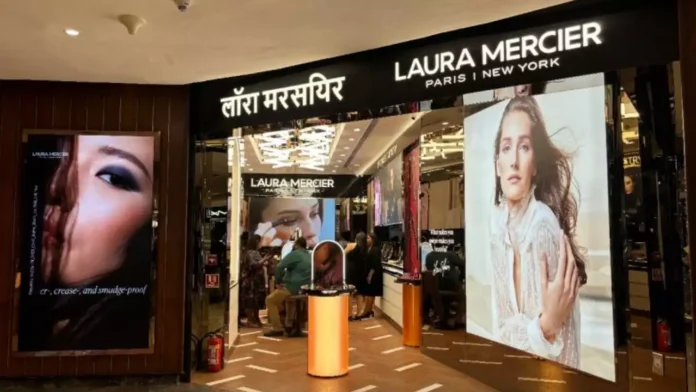
Laura Mercier, the renowned French-American cosmetics and skincare brand, has made its entry into the Indian market with the unveiling of its first retail store in Mumbai. As announced by an industry official on social media, the store is conveniently situated at Phoenix Palladium Mall, Lower Parel, Mumbai, Maharashtra.
Baccarose, a Mumbai-based luxury beauty company, introduced the brand to India. Baccarose manages over 65 brands on e-commerce platforms and collaborates with retailers such as Sephora, Nykaa, Shopper Stop, and Lifestyle.
“Palladium Mumbai welcomes the first store of Laura Mercier in India,” wrote Asha Someshwar, general manager leasing at The Phoenix Mills Ltd. in a LinkedIn post.
In addition to skincare products and fragrances, the store provides a variety of cosmetics for eyes, lips, and face.
Established in 1996 by celebrity makeup artist Laura Mercier, the personal care brand extends its merchandise through various channels, including exclusive retail outlets and partnerships with Sephora, Nordstrom, Hudson’s Bay, Saks Fifth Avenue, and Shoppers Drug Mart.
Meanwhile, Baccarose, established in 1984 by Hemansu Kotecha, asserts itself as a prominent distributor of international luxury beauty brands in India. With a multi-tier distribution network encompassing 16 warehouses nationwide, the company caters to diverse segments of the market.
Recently, Baccarose brought the French luxury perfume brand Alexandre.J to India, further expanding its fragrance portfolio.
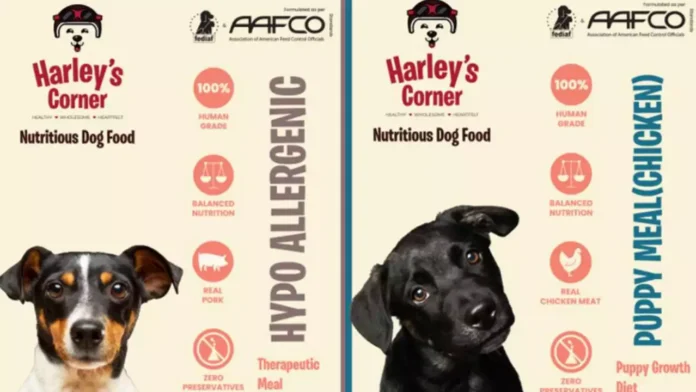
Harley’s Corner, a pioneering brand renowned for its 100% preservative-free wet dog food, unveils a groundbreaking expansion in India with the introduction of two novel product categories. This marks a significant milestone as it becomes the first indigenous brand in the country to offer such diverse options. The new additions comprise Puppy Food and Therapeutic Food, broadening the brand’s spectrum to cater to a wider array of canine nutritional requirements.
The Puppy Food line showcases expertly formulated recipes designed to nurture the optimal growth and development of young pups, supplying vital nutrients frequently absent in conventional dog food selections.
In addition to the Puppy Food line, Harley’s Corner presents its innovative Therapeutic Food category, targeting distinct health issues and dietary needs of dogs. This range encompasses formulations catering to gastrointestinal wellness, mobility and joint assistance, hypoallergenic requirements, renal health, and weight management, providing holistic solutions for pet owners.
Ishmeet Singh Chandiok, the visionary Founder of Harley’s Corner and India’s pioneer Dog chef, shares his excitement for the latest product expansions, underlining the brand’s steadfast dedication to offering top-tier choices for pet owners. The launch of Puppy Food and Therapeutic Food underscores Harley’s Corner’s unwavering commitment to delivering nutritious and convenient meal solutions tailored to dogs at all stages of life.
Dedicated to employing solely the finest human-grade ingredients, Harley’s Corner guarantees dogs receive tailor-made optimal nutrition. The option to pre-order Puppy Food and Therapeutic Food through the Harley’s Corner website represents a notable achievement in the brand’s endeavor to spearhead the pet food sector by furnishing nourishing meal choices for dogs, irrespective of age, breed, or health status.
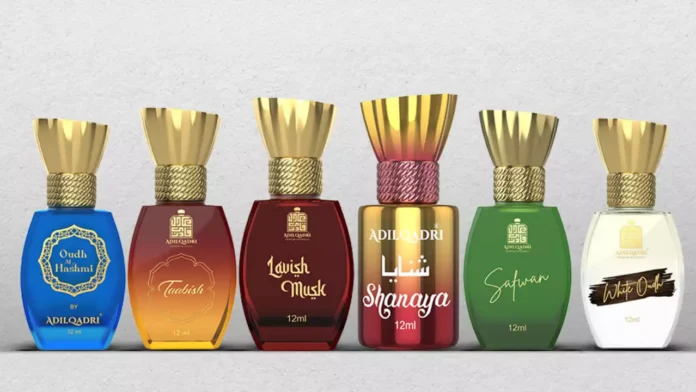
AdilQadri, a direct-to-consumer perfume brand, has set its sights on achieving INR 250 crore in revenues for the fiscal year 2025. Additionally, it intends to secure $4-5 million in funding from venture capitalists.
In FY23, the company achieved about INR 20 crore in revenue and is projected to conclude the current fiscal year with sales totaling INR 90 crore.
“We are looking to open online stores in the US, Canada. And we are planning offline and online stores in Saudi and we are expanding to D2C in Dubai which previously only had a retail store,” said Qadri who started the firm in 2018.
With 15 stores already established in Gujarat and Maharashtra, expansion plans are underway to reach regions such as Telangana, Kerala, and Delhi. The company aims to build a network of 111 stores across India and overseas within the next five years.
From a modest 20 orders in 2019, AdilQadri Perfumes has surged to over 80,000 orders monthly across various channels. According to a Technavio report, the perfume market in India is projected to expand to $1328 million between 2022 and 2027, with a compound annual growth rate (CAGR) of 15.23%. This growth hinges on several factors, including rising demand from millennials, impactful endorsements by celebrities and on social media platforms, and a growing emphasis on personal grooming.
The Gujarat-based firm has emphasized its collaboration with multiple tech enablers to cater to various functions and business needs. For example, it utilizes Shopify as a platform, Shiprocket for logistics, and GoKwik for checkout, return to origin, and prepaid shares. The company has reported that GoKwik contributed to a 40-45% increase in prepaid transactions.
“Over the past two years, this strategic collaboration has proven immensely successful, with checkout conversions soaring from 18% to an impressive 30%. The prepaid orders also experienced a significant uplift of 40%, while the RTO rate has come down from 35% to 27%, showcasing the brand’s commitment to building solutions that optimised shopper experience, thereby unlocking growth for the brand,” said Qadri
Roughly one-third of the orders are received for gifting purposes, and the company intends to enhance the gifting experience by focusing on packaging and expanding its product line. Additionally, the company is gearing up to introduce its incense sticks on its website, thereby broadening its offerings in the fragrance category.
HyFun Foods, a producer of frozen potato products, has announced plans to invest approximately INR 850 crore in establishing three new plants in Gujarat. This strategic expansion aims to fuel business growth and reach a target annual revenue of INR 5,000 crore by 2028. Additionally, the company will allocate INR 150 crore towards the establishment of a water treatment facility in Gujarat.
HyFun Foods operates five potato processing facilities located in the Mehsana district of Gujarat, boasting a combined annual capacity of 2.5 lakh tonnes.
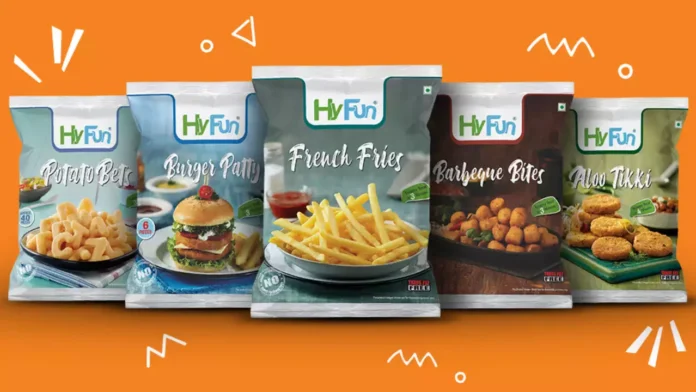
HyFun Foods offers an extensive range of over 20 ready-to-cook frozen snacks, including favorites like french fries, aloo tikki, burger patties, and nuggets. These products are distributed across various segments, including the HoReCa (hotels, restaurants, and canteens), Quick Service Restaurants (QSR), and retail markets. Notably, HyFun Foods supplies its products to well-known brands such as Burger King and KFC.
Haresh Karamchandani, MD and CEO of HyFun Foods, said, “We are setting up three new plants in Mehsana for potato flakes, french fries and potato speciality products.”
He said the construction of potato flakes plant has started and will be operational this year while the other two will come up by 2025-end.
Asked about investments on these three new plants, Karamchandani said it would be around INR 850 crore.
That apart, he said the company plans to set up a water treatment plant, to treat waste water from its factories, with an investment of INR 150 crore.
The investments of INR 1,000 crore will be funded through internal accruals and bank loans.
Asked about turnover, Karamchandani said it would be around INR 1,300 crore this fiscal as against INR 1,000 crore in the previous year. In volume also, it expects to achieve 30-35 per cent growth.
Out of the total turnover, the export market contributes 70 per cent.
“We are targeting a revenue of INR 2,000 crore in the next fiscal and INR 5,000 crore by 2028,” he said, adding that exports and domestic revenue would become equal by then.
Karamchandani said the company is also expanding presence in retail, both physical and online. Its products are available in stores of Reliance Fresh.
He said the company is also looking to expand portfolio of frozen food items beyond potatoes.
It might go for third party manufacturing to introduce such products.
HyFun Foods buys potatoes from Gujarat, Uttar Pradesh and Madhya Pradesh.
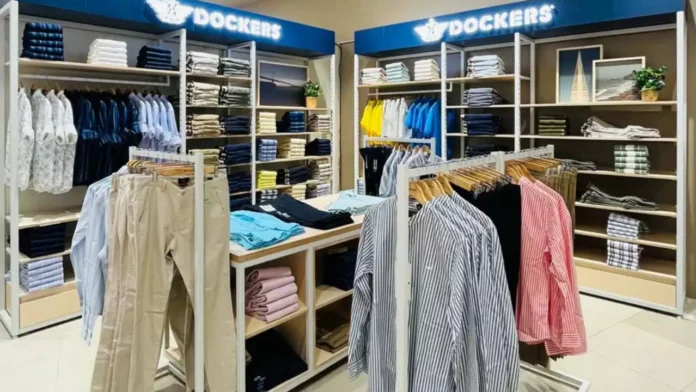
Ace Turtle, India’s forefront technology-native retail company, has partnered with Shoppers Stop, India’s premium omnichannel fashion and beauty destination, to introduce Dockers, the leading global khaki brand. This collaboration heralds the arrival of Dockers’ versatile and enduring men’s collection in 15 Shoppers Stop stores and shoppersstop.com, marking a significant milestone for both retail giants.
The assortment of Dockers at Shoppers Stop presents a meticulously selected array of apparel and accessories designed specifically for the modern Indian shopper. Spanning from chinos and shirts to sweaters and jackets, every item embodies Dockers’ commitment to exceptional craftsmanship, inventive materials, and enduring style. Whether navigating urban environments or embarking on new adventures, Dockers encourages individuals to confidently express their true selves with style.
Kavindra Mishra, Customer Care Associate, Executive Director, and CEO of Shoppers Stop Ltd said, “It has been our constant endeavor to offer premium brands to Indian consumers. In line with our journey towards premiumization, our strategic collaboration with Ace Turtle to launch Dockers signifies our commitment to curating the best brands for our customers. Dockers brings a timeless blend of quality and style that resonates with the evolving preferences of the modern Indian consumer. Dockers collection will resonate strongly with those who appreciate timeless classics with a modern twist.”
Nitin Chhabra, CEO of Ace Turtle, the exclusive licensee of Dockers in India, stated, “We are delighted to partner with Shoppers Stop to reach a wider audience across the country. Shoppers Stop’s extensive reach and brand recognition, coupled with Dockers’ global appeal, creates a winning combination for success. We aim to leverage our unique technology-driven operating model and omnichannel commerce expertise to take Dockers to millions of Indian consumers through relevant online and offline channels. Our tech-enabled pan-India reach, data-driven approach, deep consumer understanding will aim to unlock new opportunities presented by the dynamic Indian fashion retailing market.”
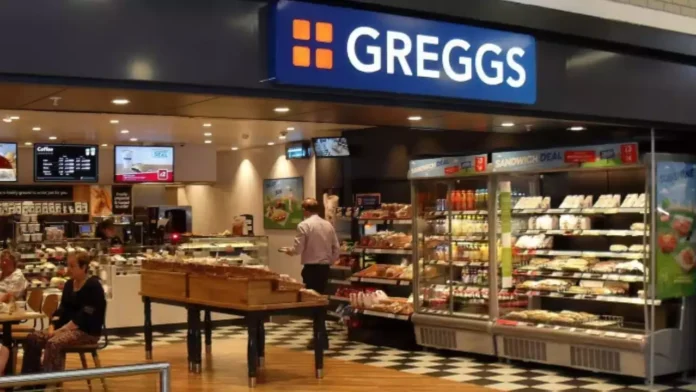
Greggs, the British food-to-go retailer, anticipates another year of growth in 2024 following a 13% increase in profit last year. This growth was fueled by robust demand for breakfast offerings, extended evening hours, and the expansion of food delivery services.
The Newcastle upon Tyne-based company, renowned for its sausage rolls and vegan steak bakes, announced on Tuesday that the expansion of new outlets in supermarkets, train stations, airports, and the introduction of drive-thrus would fuel its growth.
Greggs shares rose by 2% to 2,760 pence in early trading as the company confirmed a strong start to 2024, with underlying sales increasing by 8.2% in the first nine weeks.
Greggs affirmed that its five-year plan to double sales by 2026 and establish 3,000 stores in the long run remained on course. This trajectory comes as Britons, grappling with elevated inflation and interest rates, increasingly seek value-oriented options.
“You can shop with us a few times a week and still be cheaper than potentially having a few coffees somewhere else. We know that encourages frequency of purchase,” Chief Executive Roisin Currie said in an interview.
With 2,473 stores, the company recently surpassed McDonald’s as Britain’s leading breakfast on-the-go retailer, a testament to the popularity of its hot food selections, Currie noted.
According to Currie, customers now have the option to purchase their evening meals at Greggs, with half of its stores operating late hours. Alternatively, they can choose to stay home and order a Greggs pizza or chicken shawarma flatbread through platforms like Just Eat and Uber Eats.
In 2023, Greggs reported a 13% increase in underlying pretax profit, excluding exceptional income, reaching £168 million ($213 million), with total sales reaching £1.8 billion. Analysts anticipate a further 11% increase in profits for the current year.
The group said it would pay a special dividend of 40 pence per share on top of its 62 pence annual payout.
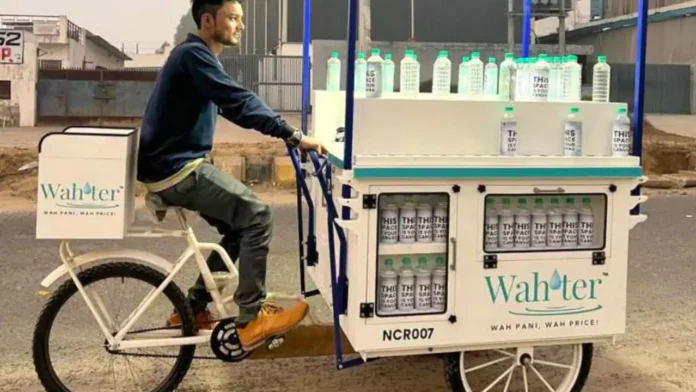
Wahter, the renowned packaged drinking water brand from India, has launched its exclusive carts throughout the National Capital Region (NCR), marking a notable change in the availability of economical drinking water. Targeting students, youngsters, and underserved communities, Wahter provides its top-notch bottled water at an impressive 80 percent markdown compared to current market prices.
Wahter’s commitment to making clean drinking water accessible and affordable is clear from its pricing approach, with bottles priced at INR 1 for 250 ml and INR 2 for 500 ml. The goal is to guarantee access to safe drinking water for all residents of the NCR, irrespective of their socio-economic circumstances.
Amitt Nenwani, Co-Founder of Wahter said, “These carts represent more than just a distribution mechanism; they symbolize our dedication to democratizing access to clean drinking water. By offering our branded packaged drinking water at significantly reduced prices, we are empowering individuals in every corner of the NCR to have equitable access to water.”
Strategically, Wahter has positioned its exclusive carts and strollers in key locations throughout the NCR, such as Advant in Noida, India Gate, and Huda Sector 44 in Gurgaon, offering packaged drinking water at an impressive 80 percent discount.
In an effort to broaden its audience, Wahter has initiated a captivating advertising campaign on the SonyLIV Channel, aired during episodes of Shark Tank India. The brand’s dedication to accessibility is reinforced through partnerships with organizations like the Shoobhi Foundation (BOAT CSR) and Vijay Sales.
As Wahter leads the way in innovation within the packaged drinking water industry, it remains unwavering in its commitment to ensuring that clean and safe drinking water is within reach of every person, thereby fostering a healthier and fairer society.
Additionally, Wahter underscores its commitment to sustainability by teaming up with Scrapbuddy to gather and repurpose used bottles. Setting an ambitious target, the company aims to recycle 10 million bottles into clothing within the coming three months.
Adwait Vikram Singh, Ankur Dahiya and Mukesh Christopher, Co-founders, Rozana
Rozana, a rural commerce startup, has raised $22.5 million (around INR 186.5 crore) in a fresh funding round led by Bertelsmann India Investments (BII). This funding round also saw participation from Fireside Ventures, Vivek Gupta, co-founder of Licious, and existing investor 3one4 Capital.
The fresh capital secured by the startup will be allocated towards expanding its warehousing and logistics infrastructure, enhancing its technology stack, and bolstering hiring efforts across technology, product, and operations departments.
Established in 2021 by Ankur Dahiya, Adwait Vikram Singh, Mukesh Christopher, and Prithvi Pal Singh, Rozana functions as both an ecommerce platform and a logistics network, with a primary focus on catering to the requirements of rural communities in India.
The startup asserts its presence in 13 districts, boasting a network of approximately 18,000 peer partners.
“With this funding, we will continue building out our logistics and supply chain infrastructure to reach new districts and empower rural communities with access to essential products,” said Dahiya.
“The opportunity in rural India is greatly underappreciated and this team is the ideal one to unlock it. The possibility to create meaningful impact in millions of lives excites us and we are thrilled to partner with Rozana on this journey,” said Rohit Sood, partner at Bertelsmann India Investments.
Kanwal Singh, founder and managing partner at Fireside Ventures, said, “Rozana’s focus on providing a wide range of products across categories in rural markets and the unique background of their founders make them well-poised to build a very successful business.”
Before this, Rozana had raised a total of $4 million in funding through two previous rounds.
It competes with Peel-Works, Jumbotail, ElasticRun, Copia Global, and Kasha.
The Indian ecommerce market, expected to reach $400 billion by 2030, saw a significant reduction in startup funding in 2023. Reports indicate that Indian ecommerce startups raised $2.6 billion during the year, marking a 32% decline from the $3.8 billion raised in 2022.
Meanwhile, the number of deals also decreased by 33.6% to over 192 from over 288 a year ago. Overall, ecommerce funding reverted to 2019 levels when the sector secured a total of $2.5 billion across 130 deals.
Leading fashion and apparel retailers are adjusting their discount strategies amidst subdued demand and significantly reduced inventory levels, as stated by chief executives. This adjustment follows cautious procurement practices over the past 2-3 quarters, with a focus on enhancing margins and profitability.
These companies believe that in times of low foot traffic in stores, offering extra discounts is unnecessary. Instead, they prioritize enhancing the premium experience for these consumers.
Ashish Dikshit, the managing director of Aditya Birla Fashion & Retail, a major apparel retailer and manufacturer, noted a slowdown evident in reduced foot traffic to malls and stores. He informed investors that the company has opted to reduce discounting, a strategy that notably boosted margins in the last quarter.
“We recognized that in this market situation, it would be a sharper strategy to stay tight on discounts, manage for profitability, which is what we have done. So we were able to make the most of the footfalls, which came into the stores, which was linked with the premiumization strategy,” said Dikshit, who runs stores like Pantaloons and sells brands like Allen Solly, Reebok and host of ethnic designer brands like Sabyasachi and Masaba.
Arvind Fashions, known for its brands such as Arrow, Calvin Klein, and Tommy Hilfiger, has also adjusted its discounting strategies at its stores. Shailesh Chaturvedi, the company’s managing director, highlighted that although participating in early end-of-season sales (EOSS) could have potentially boosted revenue growth in the last quarter, the company prioritized profitability and reduced discounts due to stringent inventory management.
“We also made a choice of increasing marketing investment by 130 basis points in order to support growth and keep our brands top of mind. We chose investment in marketing over investment into discounting,” Chaturvedi told analysts. A basis point is 0.01 of a percentage point.
Arvind Fashions witnessed an 18% growth in EBITDA (earnings before interest, taxes, depreciation, and amortization) last quarter, attributed to reduced discounting. Meanwhile, Aditya Birla Fashion & Retail achieved a consolidated EBITDA of Rs 605 crore, with a margin expansion of 150 basis points, reaching 14.5% compared to 13% in the same period last year.
Apparel brands and retailers have experienced a downturn in sales since November 2022, following a significant surge in demand driven by post-COVID wardrobe refreshes. The abrupt decline in demand caught brands off guard, leaving them with excess unsold inventory. Consequently, there has been a widespread need to reduce sourcing and clear stock through frequent and substantial discounting.
Even during the last festive season, demand failed to rebound, with brands attributing the decline to the adverse impact of cricket matches during the ICC World Cup. Despite this challenge, nearly all brands succeeded in lowering their inventory levels through decreased sourcing efforts.
Devang Parikh, the business head of Shoppers Stop’s apparel value retail format, Intune, informed analysts that this innovative format has exceeded all projections regarding full-price sell-through. The retailer refrained from significant discounting during the last end-of-season sale (EOSS).
“We may have some liquidation as is the nature of the business and everyone needs to. But we don’t see the need for a very aggressive EOSS in Intune as of now,” he said.
We use cookies to ensure that we give you the best experience on our website. If you continue to use this site we will assume that you are happy with it.