Sleepyhead, the direct-to-consumer (D2C) brand specializing in sleep solutions, has launched its first brick-and-mortar retail store in India. Situated in Banaswadi, Karnataka, this marks Sleepyhead’s entry into offline retail.
The new store offers a variety of sleep products, such as mattresses, pillows, bedding accessories, alongside a selection of sofas, recliners, and storage solutions tailored for living spaces.
“Our expansion into the offline realm with our inaugural store signifies a significant milestone in Sleepyhead’s brand evolution. While e-commerce has played a vital role in connecting with our predominantly youthful consumer base nationwide, our physical presence provides a distinctive avenue for direct engagement with our brand,” stated Sridhar Balakrishnan, CEO of Duroflex Group.
He further added, “By merging the convenience of online shopping with the hands-on experience of in-store exploration, our goal is to offer customers a fully immersive shopping journey, ensuring they discover the ideal sleep solution customized to their requirements.”
The store showcases interactive displays and offers personalized assistance from sleep experts, complemented by promotional activities and events.
Established in 2017, Sleepyhead, headquartered in Bengaluru, operates as a subsidiary of the mattress brand Duroflex.
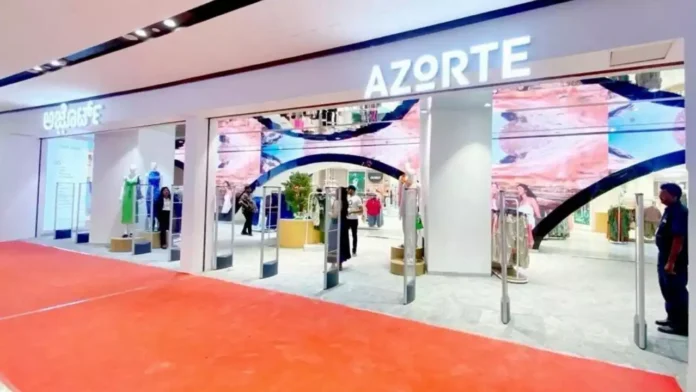
Reliance Retail‘s upscale fashion and lifestyle chain, Azorte, has unveiled its second outlet in Bengaluru, as announced in a social media post by a company representative. The new store occupies a spacious 19,000 square feet at Phoenix Mall of Asia, Hebbal.
“On the auspicious occasion of the Ugadi festival, Azorte, India’s premier fashion neostore, returns to Bengaluru with its second store at Phoenix Mall of Asia,” stated Rakesh Jallipally, Azorte’s business head, in a LinkedIn post on Thursday.
The technologically advanced store caters to the fashion and lifestyle needs of women, men, and children. It includes intelligent fitting rooms, self-service checkout kiosks, interactive displays, and mobile scan-and-pay capabilities.
Azorte was launched in September 2022 by Reliance Retail, with its first physical store in Bengaluru. The brand currently operates 13 retail outlets across the country, such as Mumbai, Hyderabad, Gurugram, Delhi, Ahmedabad, Bengaluru, & Pune.
The retail behemoth is also pursuing an aggressive expansion strategy for Azorte, with ambitions to open as many as 250 stores within the next two to three years.
Reliance Retail, the retail company of Reliance Industries Ltd., oversees a varied portfolio of fashion and leisure brands, including Reliance Trends, Avantra by Trends, Azorte & Centro. Furthermore, the company has a strong portfolio of over 50 respected worldwide brands, including Armani, Burberry, Diesel, Marks & Spencer, and Superdry, among others.
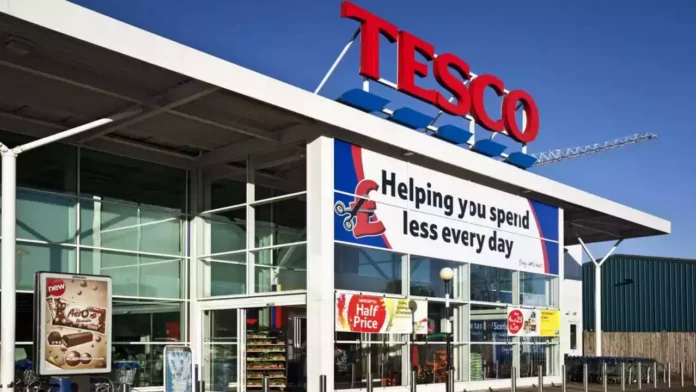
Tesco, the largest retailer in Britain, projected a continued increase in profits, attributing it to early indications of enhanced consumer sentiment. This forecast comes after securing customers from competitors, which contributed to an 11% surge in the previous year.
CEO Ken Murphy expressed optimism for 2024, citing factors such as easing food inflation, reduced energy costs, and stable employment levels as reasons for his positive outlook.
On Wednesday, he informed reporters, “while acknowledging considerable uncertainty, I observe a gradual enhancement in customer sentiment, and I’m confident about the robust state of our business.”
His remarks echoed recent survey findings indicating a mitigation of Britain’s two-year cost of living crisis. The data suggests a growing confidence among UK consumers regarding their financial prospects, with fewer individuals facing difficulties in paying their bills compared to the previous year.
The supermarket chain, commanding a 27.3% share of Britain’s grocery market, saw a 40 basis points increase over the previous year. It anticipates its retail adjusted operating profit, a crucial profitability metric, to reach “at least” £2.8 billion ($3.55 billion) for the fiscal year 2024/25.
In the fiscal year ending on February 24, 2024, it generated £2.76 billion, slightly surpassing the guidance of £2.75 billion and marking an increase from £2.49 billion in the preceding year.
Sales rose 7.4% to £61.5 billion after gasoline, VAT, sales tax, and other excise taxes were subtracted. UK like-for-like sales increased by 7.7%. An increase in volumes, or the number of products sold, which was especially noticeable in the second half of the period, supported this expansion.
Tesco’s shares rose by 3.8%, extending year-on-year gains to 12%.
“Customers are progressively choosing to shop at Tesco, as demonstrated by our growing market share, driven by their positive response to the enhancements we’ve implemented in both the value as well as the quality of our products,” Murphy said.
He emphasized the acquisition of customers from high-end retailers, noting that sales of the Tesco Finest brand surged by 15.7% during the year, surpassing £2 billion.
He mentioned that UK consumers continued to prioritize saving money by opting for home-cooked meals and entertaining at home instead of dining out.
Tesco was additionally reaping the rewards of its strategy to align prices with those of the discount chain Aldi on essential items, alongside the widespread appeal of its Clubcard loyalty program, offering discounted prices to its members.
Over the past two years, these initiatives have been funded by reducing costs within the business by £1.2 billion. An additional £500 million in savings is targeted for 2024/25.
Tesco increased its dividend by 11% and announced plans to repurchase an additional £1 billion worth of shares within the next year.
A top 40 investor in Tesco commented, “Maintaining robust investments in the business while distributing the remaining cash to shareholders appears to be a very prudent approach.”
Explosive Whey, a meticulously curated brand tailored to cater to the dynamic requirements of fitness enthusiasts, athletes, and health-conscious individuals, has unveiled its official debut. Backed and supported by the renowned figure Mahendra Singh Dhoni, this brand endeavors to redefine the market with its top-tier offerings.
Established by Indian Cricketer Kedar Jadhav, along with Mandar Bhandari and Rishikesh Hande, Explosive Whey encapsulates the spirit of velocity and power. Embodied by a lion in its emblem, echoing the motto “Rule with Strength.”
Explosive Whey has garnered the prestigious certification from Informed Sports, assuring stringent testing for banned substances. This accreditation is highly regarded by professional athletes and endorsed by the World Anti-Doping Agency (WADA).
Kedar Jadhav emphasizes, “Explosive Whey transcends mere supplementation; it embodies our unwavering commitment to aiding athletes in attaining their fitness objectives. Our collaboration with Mahi Bhai, who embodies not only a shareholder and mentor but also an avid consumer, further strengthens our brand endorsement.”
Along with other premium-quality sports supplements, Explosive Whey sells a variety of goods, including the Elite Series Whey Protein and the Athlete Series Whey Protein. Adding his enthusiasm to the brand, MS Dhoni stated, “As an athlete committed to achieving peak performance & fitness, I’m delighted to be part of the Explosive Whey community.”
Mandar Bhandari, the Founder and CEO, provided insights into the genesis of the brand, explaining, “The concept of Explosive Whey stemmed from the lack of high-quality supplements catering to athletes in India. Having experienced the challenges as an athlete firsthand, I understood the impact of inadequate nutrition on performance and recovery.”
Vikas Hasija, overseeing partnerships and investments for MSD, expressed his fervent endorsement of the brand, saying, “Explosive Whey is a product personally endorsed by MSD sir, making our investment in it both natural and strategic. With its Informed Sports certification, Explosive Whey is committed to providing athletes with premium resources for protein, hydration, and more, enabling them to reach peak performance.”
Shankar Basu, Former Strength and Conditioning Coach of the Indian National Cricket Team, endorsed the effectiveness of Explosive Whey, affirming, “I have integrated Explosive Whey into my personal routine and that of my clients for over a year and a half. The outcomes have been remarkable – consistent absence of bloating coupled with evident muscle mass gains.”
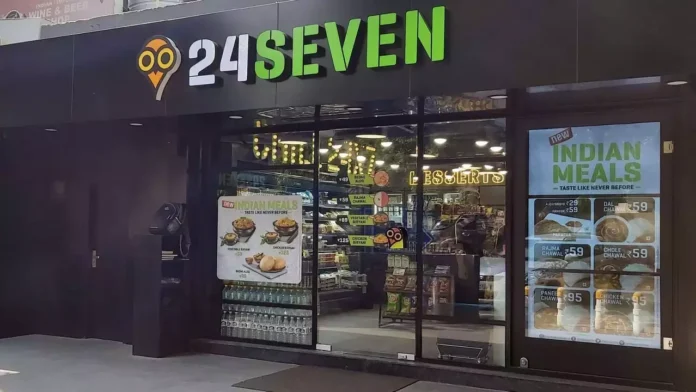
On Friday, tobacco manufacturer Godfrey Phillips India Ltd announced its decision to discontinue its retail business division, 24Seven, due to a negative net worth as of March 31, 2023, following incurred losses.
Godfrey Phillips informed the exchanges that, after carefully evaluating the performance of their retail business division, operating as “24Seven,” and taking into account stakeholder feedback, the division’s performance since its inception, current market conditions in the retail sector, and the company’s long-term business strategy, the Board of Directors has decided to discontinue the operations of the Retail Business Division.
It further added that the exit would be subject to the completion of the necessary formalities.
Additionally, as per the company’s filing, the revenue generated from operations for the retail business in FY23 amounted to INR 396 crore, constituting approximately 9.3 percent of the total revenue from operations for both the Company and the retail division.
As of December 2023, the retail chain 24Seven, owned by the KK Modi Group firm, was managing 150 stores.
At 24Seven stores, customers can find groceries for daily needs, ready-to-eat meals, beverages, cosmetics, personal hygiene products, music and movies, as well as magazines.
Moreover, it provides various services including bill payments, mobile phone recharges, movie ticket purchases, instant photo printing, as well as domestic and international courier services.
Godfrey Phillips India serves as the flagship business of Modi Enterprises, specializing in the production of renowned cigarette brands such as Tipper, Cavanders, Red & White, Four Square, and North Pole. Additionally, the company manufactures and markets the Marlboro brand under license from Philip Morris.
As temperatures steadily climb and the onset of a heatwave looms, FMCG and dairy companies specializing in cola-based fizzy drinks, juices, mineral water, ice creams, and milk-based beverages are bracing for a surge in sales. They have significantly increased production and bolstered their inventories to cater to the expected uptick in consumer demand. Executives from beverage & ice cream companies mentioned that they are launching new products to keep up with changing consumer tastes. For the upcoming season, they are also heavily investing on distribution channel expansion and promotions.
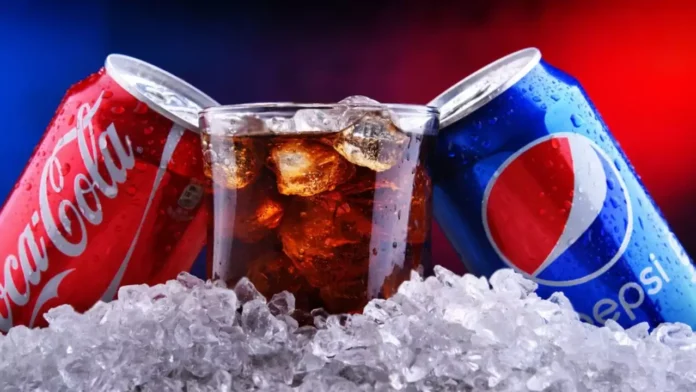
PepsiCo, a leading player in the beverage industry, expressed that the summer months inherently present the most opportune season for its product category. The company remains “optimistic” that its array of brands will continue to captivate consumers throughout this period.
The corporation, which boasts a portfolio including brands like Pepsi, 7up, Mirinda, Mountain Dew, Slice, Gatorade, and Tropicana, has initiated campaigns featuring prominent personalities such as Ranbir Kapoor, Rashmika Mandanna, Hrithik Roshan, Mahesh Babu, Kiara Advani, and Nayanthara to attract consumers.
“We’re thrilled about our high-energy 2024 summer campaigns, launched throughout March and April. Our initial assessment indicates that consumers are responding extremely positively to all our initiatives,” shared a spokesperson from PepsiCo India.
Dabur India, a leading FMCG company, anticipates that a more robust and extended summer season will benefit its summer-focused products, especially its range of beverages and glucose offerings.
“We’ve commenced stocking inventory for this purpose, both at the retail and stockist levels,” stated Anshul Gupta, Head of Sales at Dabur India Ltd.
In anticipation of summer demand, Dabur has increased capacity at its beverage plant located in Pantnagar, Uttarakhand.
“Additionally, we’ve set up a new facility in Indore for beverages & another one in Jammu for aerated fruit beverages to meet the growing demand during the summer,” he stated.
Coca-Cola India stated that it remains keenly attentive to market dynamics and evolving consumer preferences, and is accordingly increasing its production capacity.
“Ahead of the summer season, we’re implementing a segmented approach and strategically enhancing distribution to maintain strong connections with our consumers and fully embrace this seasonal period,” remarked a spokesperson from Coca-Cola India.
Havmor Ice Cream, now under the ownership of South Korean confectionery company LOTTE Wellfood Co, has noted forecasts indicating that this year is expected to be one of the warmest, similar to the previous year. The company anticipates the continued momentum in the category.
Komal Anand, Managing Director of Havmor Ice Cream, said, “We have increased production capacity at our current factories to meet the rising demand and will be prepared to fulfil additional demand with the launch of our new factory in Pune, planned for July-August 2024.”
The company intends to unveil 12 new flavors throughout the season.
Furthermore, Anand stated, “Given the prevailing K-wave trend among consumers, we are also broadening the LOTTE range by introducing new Korean-inspired products in the forthcoming months.”
Meanwhile, a prominent milk supplier in Delhi-NCR is set to unveil 30 new products this summer, primarily focusing on the ice cream and yogurt segments, in anticipation of a 25-30 percent surge in consumer demand.
“Given the India Meteorological Department’s forecast of above-normal temperatures and a hot summer this year, we anticipate a significant increase in demand for these categories,” remarked Manish Bandlish, Managing Director of Mother Dairy Fruits and Vegetables Pvt Ltd, last month.
Meanwhile, Baskin Robbins India stated that amid increasing demand for premium and distinctive ice cream products and rising temperatures nationwide, the company is aptly positioned to fulfill consumer expectations throughout the season.
“Our strategic innovations, along with the addition of the new plant, have allowed us to elevate our position in customer preferences. This strategy will enable us to introduce not only new seasonal flavors but also unveil several exciting new formats that are perfect for snacking,” stated Mohit Khattar, CEO of Graviss Foods, the master franchise holder for Baskin Robbins in South Asia.
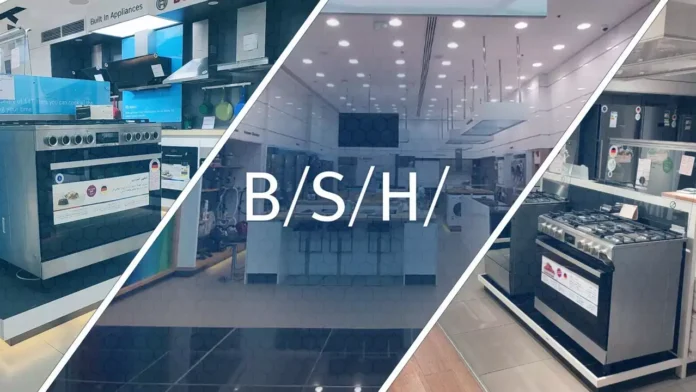
India ranks as the second-largest emerging market for BSH Hausgeräte GmbH, the German home appliances manufacturer, according to Rudolf Klotscher, the company’s global chief of sales and services. Klotscher emphasized India’s importance as a “huge focus” country, alongside Turkey.
The Euro 14.8-billion company, renowned for its Bosch and Siemens brands of refrigerators, dishwashers, and kitchen appliances, has experienced double-digit growth in India across various categories, including built-in appliances and dishwashers, amidst the country’s 7-8% market expansion. While Rudolf Klotscher didn’t disclose specific revenue figures or the company’s overall revenue growth in India, he underscored the notable performance in these segments.
Klotscher, speaking on the sidelines of BSH’s annual global press event conducted virtually on Thursday, highlighted the immense future potential in India, citing its vast population of 1.4 billion as a significant market opportunity.
“In 2024, we anticipate a double-digit growth compared to 2023 for India. While the Indian market is expanding at around 7-8%, BSH aims to achieve double-digit growth figures in the coming years,” he remarked.
BSH reported a 2.2% decrease in turnover for its emerging markets region in 2023, which encompasses India. However, excluding the company’s exit from the Russian market, there would have been a slight turnover increase in emerging markets, largely propelled by Turkey.
Klotscher noted a significant surge in demand for luxury appliances in India, particularly dishwashers and built-in cooking ranges. With only 0.3% of Indian households owning dishwashers, the category witnessed an impressive 18% growth in 2023. Additionally, premium built-in cooking appliances experienced an 11% year-on-year growth, while the small appliances sector also saw a notable 12% year-on-year increase in 2023.
BSH manufactures cooling appliances and washing machines at its facility near Chennai, while also operating a development center in Bangalore. Notably, this center has specifically engineered cookers tailored for the Indian market.
“We have colleagues dedicated to crafting appliances customized for the Indian market. Additionally, we maintain numerous sales offices to engage and inspire our consumers in India. These efforts underscore the significance of the Indian market for us,” remarked Klotscher.
The global management of BSH predicted in 2022 that by 2025, the company’s operations in India would generate half a billion euros in sales.
During the press conference, Matthias Metz, the global chief executive, emphasized BSH’s commitment to sustained growth across all regions. He stated that the company is actively broadening its footprint in local markets and striving to introduce market-specific product innovations to ensure ongoing success.
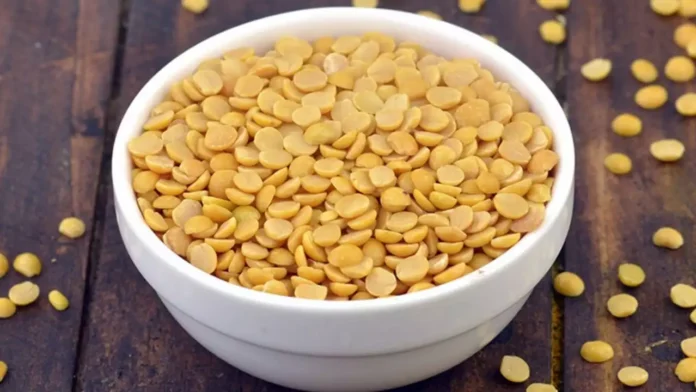
Despite the open import policy, tur dal prices have risen by over 10% in less than a month. The pulse processing sector has alleged that raw tur is in short supply for conversion into tur dal.
Despite the government suspecting hoarding by importers, the Indian Pulses and Grains Association (IPGA) trade body has attributed the recent surge in tur dal prices to hoarding by exporting countries and Gujarat’s procurement of tur dal.
Tur prices in the Latur market have surged from INR 102-104/kg to INR 115-117/kg within a month, marking an increase of approximately 12%. Retail consumers are now shelling out INR 160-200 per kilogram of tur dal.
According to the processing industry, the recent price hike is attributed to a shortage of raw material, specifically the whole unprocessed tur beans, which are split into dal at mills, as well as the elevated prices of imported tur.
Suresh Agarwal, chairman of the All India Dal Millers Association, highlighted, “Domestic tur production is notably lower this year, particularly in Maharashtra and Karnataka. The import policy should enable pulse processors to directly import pulses instead of relying solely on import houses.”
Despite India permitting unrestricted import of tur dal, Rupesh Rathi, a pulses processor from Akola in Vidarbha, remarked, “Throughout this year, the prices of imported tur have consistently stayed high since the start of the import season. Additionally, we are encountering a shortage in tur availability for dal production.”
Industry representatives anticipate a further increase in prices until the end of April, with consumers potentially experiencing some relief thereafter.
Hindustan Unilever Ltd., the largest consumer company in the world’s most populous nation, has been providing everyday products from detergent to instant coffee to Indians for decades. Now, it finds its fortunes flagging as an increasingly sophisticated consumer class with disposable incomes demands more. The Indian unit of Unilever Plc is battling a slowing rate of growth in revenue and profits while its share price is lagging.
The discerning tastes of India’s affluent are driving the thriving popularity of organic personal-care brands, propelled by polished social media marketing strategies. The emergence of players like homegrown newcomer Honasa Consumer Ltd, alongside the advancing presence of global giants like Estee Lauder Companies Inc. and Clinique Laboratories LLC, is compelling Hindustan Unilever to increase investments in both product innovation and promotional efforts.
The hurdles faced by the company echo those encountered by fellow consumer-goods behemoths like Procter & Gamble Co., L’Oreal SA, and its London-based parent company. These industry leaders have found themselves compelled in recent years to acquire niche brands that have been eroding market share from their own in-house offerings.
“In simple terms, larger companies such as Hindustan Unilever tend to move and strategize at a slower pace compared to the newer, more agile brands,” remarked Arvind Singhal, chairman of consulting firm Technopak Advisors Pvt.
“The influence of major brands is dwindling steadily as challenger brands emerge across all price ranges. These newcomers provide retailers with better margins, enticing local shopkeepers to give them a try,” he added.
Hindustan Unilever declined to comment, stating that it is in an earnings quiet period.
Redseer Management Consulting Pvt. estimates that India’s personal-care sector will grow from $20 billion in 2022 to a projected $33 billion market by 2027.
As the producer of Dove soaps and Magnum ice cream, the competition for affluent clientele intensifies, necessitating price reductions for its most economical brands. This adjustment comes in response to reduced spending among rural consumers with lower income levels.
This situation is putting pressure on the company from both directions, a position often regarded as indicative of consumer spending trends in India, given the widespread availability of its household products across the nation.
The company’s revenue grew by 3% in the first nine months of the fiscal year that ended in December, which is a considerable decrease from the 17% growth that was seen in the corresponding period of the prior year. Similarly, net profit declined, increasing by only 4% to 77 billion rupees for the nine months that ended on December 31 as opposed to the 14% growth that was recorded in the corresponding period of the prior year.
The consumer products manufacturer spent a total of 48 billion rupees ($576 million) on advertising and promotional costs from April to December, up from 36 billion rupees in the same time of the previous fiscal year.
During January, Emkay Global Financial Services Ltd. and Centrum Broking Pvt. revised down their earnings forecasts for Hindustan Unilever. The brokerages expressed concerns that profit margins would be squeezed further as the company is compelled to allocate additional resources to compete against new brands in the premium segment.
The company has long enjoyed the advantages of its well-established supply chain network, effectively stocking shelves in both neighborhood convenience stores and large supermarkets throughout the country.
However, according to Nitin Gupta, an analyst at Emkay Global, niche competitors who sell directly to consumers online bypass the traditional distribution network.
Gupta pointed out, “Even when HUL does introduce a premium product, they tend to be tardy in reaching the market. Their innovation hasn’t kept pace with consumer demands.”
Since the beginning of this year, the stock has declined by 15%, trailing behind the 4.5% decrease seen in the broader index of consumer stocks in India. Conversely, the market benchmark, S&P BSE Sensex, has shown gains in 2024.
According to Vidushi Agrawal, an independent brand consultant situated in Mumbai, Hindustan Unilever is encountering difficulties in introducing new products in the premium segment that generate market excitement.
Its modern competitors are targeting specific demographic segments—such as youth or new parents—and leveraging social media influencers to promote their brands.
Hindustan Unilever’s personal-care brands like Simple or Love, Beauty and Planet, which were introduced a few years back, are only now beginning to gain traction on social media. However, each of these brands has accumulated fewer than 92,000 Instagram followers, for instance. In contrast, Mamaearth, a personal-care brand by newcomer Honasa Consumer, boasts over 1.3 million followers on the platform.
Karthik M, an accountant from Mumbai, mentioned that he now tends to pass over most HUL items on store shelves. When shopping for personal grooming products, he prefers those from Bombay Shaving Co. and Beardo, which is backed by Marico Ltd.
“I extensively research the science behind shampoos and soaps and carefully select the chemicals I want on my face,” he explained. “Apart from Pears soap, I refrain from purchasing any other hair and beard products from Unilever’s India unit.”
In the past two years, Hindustan Unilever has launched numerous new body care products. Additionally, in December, the company divided its personal care division into two separate entities to enhance specialized marketing efforts.
During a January conference call with analysts, Hindustan Unilever Chief Executive Officer Rohit Jawa stated that over 80% of the company’s product lines are either experiencing growth or maintaining their brand identity among consumers.
According to a statement from the company, the premium beauty business segment, which was founded three years ago, brings in over a billion rupees in recurring revenue annually. The unit’s profit isn’t disclosed, though.
Nevertheless, the company’s struggle to uphold its longstanding dominance over Indian consumers appears poised to escalate. Laxmichand Gada, owner of Mumbai retail chain Society Stores, noted that agile competitors are providing shoppers with greater variety and retailers with increased profits.
Because of this, he’s choosing to stock more niche domestic and international brands on his shelves and less Unilever personal care goods.
Majority of the protein powders leading the market in India fall short in terms of quality, accuracy in labeling, or fulfillment of advertised claims, as revealed by a first-of-its-kind observational analysis.
Last week, a peer-reviewed journal, Medicine, published the results of an analysis conducted on 36 various brands of protein powders. These brands included products containing herbal and dietary supplements like vitamins, minerals, and other natural or synthetic ingredients.
Protein supplements serve as concentrated sources of high-quality protein derived from various food sources. They are commonly utilized in bodybuilding and as dietary supplements to meet protein requirements, offering a lean and pure source of essential amino acids, which are the fundamental building blocks of proteins.
The study revealed that almost 70 percent of the 36 supplements examined provided inaccurate protein content information, with certain brands delivering only half of the claimed amount. Additionally, approximately 14 percent of the samples contained harmful fungal aflatoxins, while 8 percent showed detectable levels of pesticide residue.
Additionally, the authors — clinical researchers linked with Rajagiri Hospital in Kerala and a technology entrepreneur from the US — highlighted that “the majority of Indian-made herbal protein-based supplements are of substandard quality and contain botanicals that are harmful to the liver.”
“The findings highlight the need for rigorous scrutiny, regulation, & fundamental safety assessments before allowing the sale of protein-based herbal & dietary supplements,” said the authors.
Dr. Cyriac Abby Philips, a hepatologist at Rajagiri Hospital in Aluva, Kerala, and the lead investigator of the self-funded study, emphasized that despite existing published data from numerous research groups and clinical units worldwide concerning organ damage, particularly liver injury caused by herbal and dietary supplements, there has been a lack of proactive and prospective analysis of widely used supplements — especially protein-based ones — in the published literature.
“There are sporadic published reports examining the quality of whey protein and amino acid analysis in protein supplements, aiming to detect amino acid spiking or ‘doping’ to artificially inflate protein content,” he stated.
Philips further noted that a study examined the adherence of marketed protein supplements to quality regulations, primarily focusing on products sold in the US. However, there have been no comparable studies conducted in the Asia Pacific region.
“Our research highlights the lapses in regulatory efforts, highlights the importance of consumer rights in accessing transparent information to make well-informed decisions about safe food as well as supplement options, and reveals the general indifference of the medical community towards educating the public about the potential benefits versus risks of food as well as dietary supplements,” he stated.
Efforts to reach G. Kamala Vardhana Rao, Chief Executive of the Food Safety and Standards Authority of India (FSSAI), for comments on the findings outlined in the paper were made via phone calls. Nevertheless, no response had been received as of the time of publication.
Responding to an inquiry in the Lok Sabha in August last year, Union Health Minister Mansukh Mandaviya informed the Lower House that during the fiscal year 2022-23, the Food Safety and Standards Authority of India (FSSAI) lodged a total of 38,053 civil cases and 4,817 criminal cases pertaining to non-conforming food samples, which included protein powders and dietary supplements.
The 36 analyzed protein powders comprised blended formulations, pure plant-based options, and pure whey-based formulations (derived from whey, the liquid portion of milk that separates during cheese production).
The blends encompassed various combinations of proteins or those supplemented with herbal extracts.
Among the 14 blended formulations, seven incorporated herbal extracts, while the remaining consisted of diverse protein sources, including pea, soy, egg, milk (whole, whey, or casein), and peanuts.
Four products were exclusively plant-based, while 18 powders were either pure whey-based or blends of whey (comprising concentrate, hydrolysate, and isolate).
Twenty products originated from India, while the remainder were produced by multinational corporations.
Among the 36 products, nine exhibited a detected protein content of less than 40 percent, while the remaining had levels surpassing 60 percent. In total, 25 protein supplements (69.4 percent) were mislabeled regarding their protein content. This discrepancy ranged from less than 10 percent to over 50 percent deficit compared to the advertised product content per 100g.
Two products from a single manufacturer exhibited protein contents that were 62 percent and 50.4 percent lower than advertised. Additionally, a commonly recommended protein supplement from a reputable company also misrepresented its protein content, showing an approximate deficit of 30 percent compared to what was advertised.
Furthermore, as per the authors’ observations, specific protein brands were identified to contain higher protein content than what was indicated on their labels during the quantification analysis.
The researchers pointed out that elevated protein content could indicate the use of high-quality protein sources in manufacturing. However, it could also be indicative of “protein or amino spiking,” wherein supplement manufacturers deliberately incorporate less expensive protein components like readily available amino acids glycine and taurine to falsely portray higher protein content.
In the analysis of fungal toxins, it was discovered that five out of 36 samples (13.9 percent) were tainted with aflatoxins, toxins produced by specific fungi. In several instances, the aflatoxin levels exceeded 10 μg/kg. Regarding pesticide residue analysis, three samples (8.3 percent) were found to contain trace amounts of contamination.
Philips conveyed via social media that, according to these findings, the protein powder from BigMuscles was deemed the “poorest brand,” while Amway’s offering was identified as the “least favorable among plant-based options.” Furthermore, Philips categorized Protinex, Ensure, and B-Protin as the “most disappointing brands advertised as superior.”
Hello, I have a fantastic Saturday morning read for you. In fact, you'll be engrossed in this the whole day.
As promised, we have published our disruptive project – the unique public-health project funded by @paraschopra to analyze common/well-known protein supplements sold in… pic.twitter.com/xzb7Gh0G3Q
He additionally cautioned that brands requiring extreme vigilance include Elements and Nutrilite by Amway, due to their contamination with fungal toxins.
Efforts were made to contact the manufacturers of these powders (Big Muscles Nutrition, Amway, Nestle, Abbott, Danone India, and British Biologicals) via email to obtain their comments on the findings. However, no responses were received from any of them by the time of publication.
According to the findings, Philips identified One Science Nutrition as the “top-rated” whey brand in the Indian market, while Nutrabox’s protein supplement was deemed the “most favorable medium-range” whey option. The analysis also concluded that the protein powder from Origin stood out as the “premier choice” among vegan protein options.
The study underscores that, akin to the United States Food and Drug Administration, the FSSAI does not grant approval for herbal and dietary supplements but instead oversees adherence to good manufacturing practices.
According to the study’s authors, manufacturers are responsible for ensuring the safety of the ingredients in protein-based herbal and dietary supplements. However, the scrutiny of content and labeling is conducted by the FSSAI based on test results submitted by the manufacturer. These results are not disclosed to the public and remain non-transparent.
“Our study has significant impacts,” said Philips. First and foremost, when it comes to food and dietary supplements, regulatory agencies need to put an emphasis on accountability and openness. These products are not rigorously tested for safety or efficacy, unlike pharmaceuticals and medications.”
The sole criterion that deems such products “market-ready” is adherence to good manufacturing practices, elucidated the hepatologist and medical researcher. Furthermore, the manufacturers cannot be relied upon, as they often prioritize profit and promotional endeavors over ensuring realistic quality standards.
For instance, he pointed out that the recent analysis revealed discrepancies between the labeled protein content and the actual content identified in numerous brands, with indications of “protein spiking or amino acid doping” present in some of the brands examined.
“In the absence of regulatory oversight in such scenarios, it essentially becomes a ‘survival of the fittest’ situation for buyers when choosing a food supplement,” he said. “This absence of regulation is both unfair & hazardous.”
Dr. Sabine Kapasi, an adviser on public health and healthcare services strategy with the United Nations Covid-19 task force, who is not directly affiliated with the study, also concurred that it highlights the pressing necessity for enhanced regulations and quality control in the manufacturing and labeling of protein supplements.
“It emphasizes the significance of providing transparent and precise product information, empowering consumers to make informed choices regarding their health,” she remarked.
Kapase further noted that the Supreme Court’s issuance of a contempt notice to the ayurvedic conglomerate Patanjali for persistently disseminating misleading advertisements underscores the imperative for rigorous accountability within the health supplement sector.
“These findings highlight growing concerns about false information, a lack of openness, and possible health risks related to these goods. It is imperative that we as customers continue to be aware of these issues and use caution when choosing protein supplements, she said.
Kapase emphasized that although protein supplements can provide benefits when used appropriately, the findings of the study underscore the pressing necessity for heightened scrutiny and regulation within the industry.
We use cookies to ensure that we give you the best experience on our website. If you continue to use this site we will assume that you are happy with it.