Friday, December 19, 2025
Home Blog Page 132

Handpickd Turns Profitable in Gurugram, Expands to Bengaluru With a Bold New Approach to Fresh Produce Delivery

0
Image of Handpickd founder
Handpickd Turns Profitable in Gurugram, Expands to Bengaluru With a Bold New Approach to Fresh Produce Delivery

After making a profitable mark in Gurugram, fresh produce delivery platform Handpickd has now set its sights on Bengaluru, promising to revolutionize the way urban households buy fruits and vegetables. Launched in April 2024 by Anant Goel — co-founder of Milkbasket — along with Nitin and Sahil (also former Milkbasket team members), Handpickd is built on a unique premise: giving consumers the freedom to buy exactly what they want, in any quantity, and of any quality, just like they would at a local vegetable market.

The result? Handpickd has turned EBITDA-positive in Gurugram within a short span and is now poised to replicate its success in Bengaluru, a city known for its high-demand grocery market.

Founder Anant Goel believes Handpickd’s approach is fundamentally different from other fresh produce delivery platforms. Rather than dictating quality or quantity to consumers, the platform works on a match-making principle. Every family has its own definition of ‘good quality’ when it comes to fruits and vegetables — some prefer soft, ripe bananas while others want them firm and green. Some households want small, tender bottle gourds while others prefer larger, mature ones. Handpickd allows families to communicate their preferences, and the platform matches those preferences with the freshest available produce, ensuring they get exactly what they like.

Continue Exploring: NONSTOP launches first flagship store in Mumbai, offering mobility and wellness solutions

According to Goel, the platform has already witnessed an incredible response in Gurugram, with families spending an average of ₹4,000 per month on fruits and vegetables — nearly ten times higher than the spending on quick-commerce platforms and five times higher than traditional e-grocers. This shift, Goel believes, is a clear indicator that families are ready to move their fresh produce shopping online if the experience mirrors that of an offline market.

Following its success in Gurugram, Handpickd has now expanded its operations to Bengaluru — a market known for its tech-savvy consumer base and demand for premium-quality groceries. Goel said the decision to enter Bengaluru was strategic, allowing them to test their model in a larger and more diverse market. The platform aims to iron out any operational gaps and further streamline its supply chain in Bengaluru before expanding to other cities.

What sets Handpickd apart is its zero-inventory model. The platform sources fruits and vegetables directly from farmers within hours of harvest, eliminating storage time and reducing wastage. Produce is delivered to families within 7-8 hours of being picked, ensuring freshness while minimizing supply chain inefficiencies. This hyper-efficient model not only maintains superior quality but also helps Handpickd operate with minimal wastage, setting it apart from conventional online grocery platforms.

Continue Exploring: The End of a Retail Era: Neville Noronha Checks Out, Anshul Asawa Checks In

Goel believes that one of the biggest advantages of Handpickd’s model is its ability to capture granular consumer preferences. With every order, the platform learns more about what families like and fine-tunes its sourcing accordingly. This level of personalization has resulted in deep consumer loyalty and a rapidly growing order value, driving profitability in Gurugram within a matter of months.

The company now has ambitious expansion plans. Handpickd aims to scale its presence to 30 micro-markets across key Indian cities by the end of 2025. The team is betting heavily on technology, data-driven insights, and highly optimized supply chains to drive profitability at scale while maintaining the superior quality and customization that has become its hallmark.

As Handpickd enters Bengaluru, the company is keenly observing customer behavior and preferences to see how well its match-making model translates to a new market. If the platform can replicate the same success it saw in Gurugram, it may very well redefine how urban India shops for fresh produce — not just in terms of convenience but also in offering a deeply personalized buying experience that feels as close to an offline market as possible.

Advertisement

Delhi HC Orders Removal of Arshad’s ‘Zepto’ Trademark After 8 Years of Zero Use — Startup Now Gearing Up for $1 Bn IPO

0
Image of zepto
Delhi HC Orders Removal of Arshad’s ‘Zepto’ Trademark After 8 Years of Zero Use — Startup Now Gearing Up for $1 Bn IPO

Zepto’s parent company, Kiranakart, recently secured a major legal victory in the Delhi High Court, bringing an end to an almost year-long trademark dispute in its favor.

The court ruled in favor of the four-year-old quick commerce startup, directing the removal of the trademark ‘Zepto,’ which had been registered by Mohammad Arshad on July 14, 2014, from the official Trade Marks Register. Zepto had filed a rectification petition seeking the cancellation of Arshad’s mark, arguing that it had been using the name ‘Zepto’ extensively since July 2021 and had built significant brand recognition around it.

In a judgment passed on March 3, Justice Amit Bansal sided with Zepto, noting that the company had continuously and prominently used the ‘Zepto’ trademark since 2021, resulting in strong brand association among consumers. On the contrary, the court observed that Arshad had never commercially used the trademark in the eight years since registering it, weakening his claim.

“The respondent (Arshad) had no genuine intention to use the trademark for the services claimed in the registration. Over eight years have passed since the mark was registered, yet the respondent has failed to put it to any commercial use under Class 35. Therefore, the trademark serves no real purpose and merely occupies space in the Trade Marks Register,” the court stated.

According to court records, Arshad’s ‘Zepto’ was registered under Class 9 and Class 35 for goods and services related to smartphones, phone accessories, computer software, and telephone instruments. However, there was no evidence to suggest that Arshad had used the trademark for any commercial purpose during this period.

Zepto argued that Arshad’s opposition to its trademark application was a deliberate attempt to delay the registration and harass the company. The startup also revealed that Arshad had approached them in July 2024, proposing an out-of-court settlement. However, Zepto rejected the offer after concluding that Arshad was merely trying to extract money under the pretense of an amicable resolution.

In its ruling, the court also noted that Arshad neither filed a response to the rectification petition nor appeared for the hearings, further strengthening Zepto’s case.

Continue Exploring: NONSTOP launches first flagship store in Mumbai, offering mobility and wellness solutions

Citing Section 47(1)(b) of the Trade Marks Act, the court highlighted that any registered trademark that remains unused for five consecutive years is liable to be removed from the Register of Trade Marks. Given that Arshad had failed to demonstrate any commercial use of the mark since its registration, the court found merit in Zepto’s plea.

During the hearing, Zepto also presented its business scale to underscore the significance of the trademark. The company revealed that it currently operates around 350 delivery hubs (dark stores) across India, employs over 1,000 full-time professionals, and has a network of 40,000 delivery executives. Zepto also stated that it has processed orders for over 8 million customers in more than 10 cities across the country.

Continue Exploring: The End of a Retail Era: Neville Noronha Checks Out, Anshul Asawa Checks In

The startup, which raised $665 million in a funding round last June, had then announced plans to double its dark store count from 350 to 700 by March 2025. However, recent reports suggest that Zepto has already crossed the 900-store mark as of January 2025, surpassing its original target ahead of time. The company is now reportedly aiming to expand its dark store network beyond 1,000 locations in the near future.

In comparison, Zepto’s closest competitor, Blinkit, was operating 1,007 dark stores by the end of the December 2024 quarter. Meanwhile, Swiggy added 96 new dark stores in Q3 FY25, bringing its total count to 705.

Buoyed by its rapid growth, Zepto is now gearing up for a massive public listing. The startup is expected to file for an IPO in the range of $800 million to $1 billion, with roughly $300-400 million worth of shares to be offloaded through an Offer for Sale (OFS) and the remainder raised through new share issuance.

Advertisement

Swiggy Introduces ‘Fasting Mode’ to Respect Religious and Cultural Traditions, Offers Special Post-Fast Discounts

0
Image of swiigy
Swiggy Introduces ‘Fasting Mode’ to Respect Religious and Cultural Traditions, Offers Special Post-Fast Discounts

In a unique move aimed at catering to religious and cultural sensitivities, food delivery giant Swiggy, led by Sriharsha Majety, has launched a new feature called “Fasting Mode” that allows users to temporarily pause food notifications during specific fasting hours. This initiative comes as a response to growing demand for more mindful and personalized user experiences, especially during religious observances like Ramzan and Navratri.

Swiggy’s move directly targets a vast demographic that observes religious fasts, offering them an option to mute food delivery notifications during the fasting period, ensuring they aren’t bombarded with food temptations. The company’s biggest rival, Zomato, led by Deepinder Goyal, is yet to roll out any such feature, giving Swiggy a competitive edge in building deeper cultural and emotional connections with users.

How Does Fasting Mode Work?

Once users activate Fasting Mode from the Swiggy app, they will automatically stop receiving food-related notifications between Suhoor (pre-dawn) and 4 p.m. during Ramzan. The feature is designed to eliminate unnecessary distractions or cravings for users who are fasting. As soon as the fasting hours end, notifications resume automatically, without any manual intervention required.

The feature is not limited to Ramzan alone. Swiggy confirmed that Fasting Mode will be available year-round, allowing users to customize their notification preferences for various religious and cultural fasting periods, such as Navratri, Shravan, Ekadashi, and other significant occasions. Users can turn the feature on or off anytime, giving them complete control over their experience.

Post-Fast Discounts and Special Meals

In an interesting twist, Swiggy plans to tap into the post-fast consumption rush by offering special discounts and curated meal options after the fasting period ends each day. During Ramzan, once the fast concludes, users will be shown top-rated dishes, Iftar meal combos, and up to 50% discounts on select restaurants.

The company also confirmed that similar post-fast promotions would be introduced during other major fasting festivals like Navratri, where special vegetarian thalis or vrat-friendly food will be highlighted. This smart marketing move not only respects religious practices but also drives higher order volumes once the fasting window closes.

A Strategic Move in a Competitive Market

While Zomato has focused on expanding its cloud kitchen network and premium dining services, Swiggy seems to be tapping into emotional and cultural relevance to capture market share. By acknowledging religious traditions and tailoring experiences accordingly, Swiggy is positioning itself as a sensitive and culturally aware brand.

Continue Exploring: NONSTOP launches first flagship store in Mumbai, offering mobility and wellness solutions

This feature is also likely to boost user retention during fasting months, as it allows users to avoid unnecessary temptation while keeping them connected to the platform. Swiggy’s approach cleverly balances respecting personal choices while still maximizing revenue during peak post-fast hours.

Strong Revenue Growth, But Rising Losses

On the business front, Swiggy’s latest financials paint a mixed picture. The company reported a 31% increase in revenue for Q3 FY25, generating ₹3,993 crore in operational revenue, compared to ₹3,048 crore during the same period last year. However, its net loss widened to ₹799 crore, up from ₹574 crore in Q3 FY24.

Despite the rising losses, the company’s overall income surged by 31% year-on-year, reaching ₹4,095.8 crore in Q3 FY25. Swiggy remains confident that strategic user-first features like Fasting Mode, coupled with hyperlocal marketing campaigns, will drive long-term revenue growth and reduce customer churn.

Continue Exploring: The End of a Retail Era: Neville Noronha Checks Out, Anshul Asawa Checks In

A Market-First Initiative

Swiggy’s Fasting Mode is arguably one of the first of its kind in India’s food delivery space. By acknowledging the cultural and religious diversity of its users, the company is not only boosting customer loyalty but also shaping a new benchmark for personalized user experiences in the industry.

As Ramzan unfolds, Swiggy expects a sharp spike in post-Iftar orders and has lined up massive promotional offers to capitalize on that demand. Moreover, by extending Fasting Mode to other festivals like Navratri, Shravan, and Paryushan, Swiggy may have just unlocked a whole new dimension of culturally-driven growth — something that Zomato has yet to explore.

Advertisement

PepsiCo Bets Big on India: Plans to Double Revenue in 5 Years, Open New Plants Across the Country

0
Image of pepsico
PepsiCo Bets Big on India: Plans to Double Revenue in 5 Years, Open New Plants Across the Country

PepsiCo is setting its sights on India as a critical growth driver for its global business, with ambitious plans to double its revenue in the country within the next five years. The beverage and snack giant is ramping up investments and expanding its manufacturing capacity, seeing India as a “key anchor market” that will significantly contribute to its global top-line growth, according to Jagrut Kotecha, CEO of PepsiCo India & South Asia.

In an exclusive conversation with PTI, Kotecha revealed that India is now among the top three fastest-growing markets for PepsiCo globally, registering consistent double-digit growth. “We firmly believe that India will be the engine of growth for PepsiCo’s global business. Our per capita consumption here is still relatively low, and the demand curve is rapidly shifting in our favor,” he said.

Aggressive Investments, New Manufacturing Plants

To stay ahead of the surging demand, PepsiCo has been pumping capital into India with a clear growth strategy. The company has already established large-scale manufacturing facilities in Uttar Pradesh and Assam and has no plans of slowing down. Kotecha disclosed that PepsiCo is planning to open two more manufacturing units, one of which will be in southern India, reinforcing the company’s long-term commitment to the market.

“We’re not investment-shy when it comes to India. We want to expand our production capacity significantly to meet the growing demand for both snacks and beverages. The growth momentum here is too strong to ignore,” Kotecha added.

PepsiCo has already crossed ₹8,200 crore in revenue in 2023, including revenue from the full calendar year after it aligned its fiscal year globally. With a consistent double-digit growth rate, the company believes that touching $2 billion (around ₹17,000 crore) in annual revenue within the next five years is within reach.

Why India Is Key to PepsiCo’s Global Growth

While PepsiCo’s North American business continues to dominate in size, Kotecha emphasized that India offers untapped potential that could push it up the ranks in global markets. Currently, India is among PepsiCo’s top 15 markets, but with its current growth trajectory, the country could soon become one of the top five global markets for the company.

“There’s a huge runway for growth in India. Our per capita consumption here, both in snacks and beverages, is still far lower than many developed markets. That’s where we see a massive opportunity to scale up,” Kotecha noted.

PepsiCo has also mapped out 13 to 15 ‘anchor markets’ globally, defined as regions where the company expects the most incremental growth in the next five to seven years. India sits prominently on that list, signaling the company’s bullish stance toward the market.

Continue Exploring: The End of a Retail Era: Neville Noronha Checks Out, Anshul Asawa Checks In

Aligning with India’s Growth Story

Kotecha pointed out that PepsiCo’s aggressive push in India also aligns well with the Indian government’s broader economic vision for 2030 — one that positions the country among the world’s top three economies.

“India’s macroeconomic fundamentals are strong, the middle-class population is growing, and consumer spending is increasing. It’s one of the most promising markets globally, and PepsiCo sees tremendous potential here,” he said.

PepsiCo has already tailored its India strategy to align with regional tastes and preferences. The company has divided the country into nine different taste clusters, ensuring its products cater to hyper-local preferences. Additionally, PepsiCo is heavily investing in sustainable manufacturing practices to reduce its carbon footprint, keeping pace with evolving global sustainability standards.

Chasing the ₹17,000 Crore Milestone

PepsiCo’s revenue in India stood at ₹5,950 crore for nine months in 2023 after it shifted its financial year to align with global standards. However, if the January-March quarter is factored in based on previous revenue trends, the company’s full-year revenue would hover around ₹8,200 crore.

Continue Exploring: NONSTOP launches first flagship store in Mumbai, offering mobility and wellness solutions

The company’s internal projections indicate that if its double-digit growth momentum persists, reaching ₹17,000 crore ($2 billion) in revenue within the next five years is highly achievable. However, Kotecha stopped short of confirming a definite timeline.

“It’s a vision, an aspiration. If we execute our strategy correctly — with expanded capacity, localized innovation, and sustained demand — there’s no reason why we won’t get there,” he stated.

With two new manufacturing plants in the pipeline, aggressive market expansion, and a hyper-localized product approach, PepsiCo is leaving no stone unturned to make India one of its largest global markets. The next five years could very well see the brand crossing the ₹17,000 crore milestone, cementing India’s position as a critical growth engine for the multinational giant.

Advertisement

Libas Partners with Myntra M-Now to Deliver Ethnic Wear in Just 30 Minutes

0
Image of libas
Libas Partners with Myntra M-Now to Deliver Ethnic Wear in Just 30 Minutes

Imagine shopping for a stunning kurta set and having it delivered to your doorstep within 30 minutes — that’s exactly what Libas, one of India’s leading ethnic wear brands, is now offering through its latest partnership with Myntra M-Now, the platform’s hyper-fast delivery service.

The collaboration aims to make fashion more accessible and instant, especially for customers who want beautiful ethnic wear delivered on demand. Starting with Bengaluru, Libas has made 150 of its best-selling kurta sets available on M-Now, allowing shoppers to get their favorite styles almost as fast as they would get food delivery. This move is set to redefine how customers experience fashion, eliminating long delivery waits while ensuring style remains uncompromised.

Continue Exploring: The End of a Retail Era: Neville Noronha Checks Out, Anshul Asawa Checks In

Speaking about this partnership, Sidhant Keshwani, Founder & CEO of Libas, said, “Our journey with Myntra has been incredible over the past decade, and this new venture with M-Now takes it to the next level. We understand how fast-paced our customers’ lives are, and making our popular styles available for 30-minute delivery aligns perfectly with their need for instant fashion. It’s a game-changer in the ethnic wear space.”

The collaboration comes at a time when customers increasingly value speed and convenience in their shopping experience. Myntra’s M-Now is designed specifically for those who can’t wait days for delivery, catering to the growing demand for quick commerce in the fashion space.

Sharon Pais, Chief Business Officer at Myntra, echoed the sentiment, stating, “Our vision with M-Now has always been to combine speed with fashion. Having a marquee brand like Libas on board allows us to offer high-quality ethnic wear to our customers in under 30 minutes. This partnership is a testament to how we are pushing the boundaries of convenience and style.”

The M-Now service, which is currently available only in Bengaluru, is rapidly gaining popularity for offering instant access to fashion, beauty, and lifestyle products. With Libas now in the mix, the platform is set to capture the growing demand for ethnic wear during festive seasons, weddings, and spontaneous fashion needs.

Libas’ decision to onboard M-Now is also a strategic step in expanding its omnichannel presence. The brand has already built a massive following for its affordable and stylish ethnic wear, and adding lightning-fast delivery to the mix further strengthens its market position.

Continue Exploring: NONSTOP launches first flagship store in Mumbai, offering mobility and wellness solutions

“We’ve always believed that fashion should be effortless — both in wearing and receiving it. Through M-Now, we’re taking a bold step toward making instant fashion a reality,” added Keshwani.

The initial rollout includes 150 handpicked styles, featuring Libas’ most-loved kurta sets, perfect for both casual and festive occasions. With the summer season around the corner and events like weddings, housewarmings, and festive gatherings increasing, the partnership couldn’t have come at a better time.

Myntra, on the other hand, has been heavily investing in scaling M-Now’s operations. The platform already offers 30-minute delivery for a wide range of categories, including beauty, fashion, and home products. With Libas joining the platform, Myntra is now strengthening its dominance in the ethnic wear segment — a rapidly growing category in India.

The future looks promising for this partnership. As Myntra M-Now continues to expand its reach beyond Bengaluru, customers across the country might soon experience the

Advertisement

Nurturing Green Goes From 8 Cities to 47 in Just Two Months — Founder Annu Grover Eyes Series A to Build a Multi Crore Brand

0
Image of annu grover
Nurturing Green Goes From 8 Cities to 47 in Just Two Months — Founder Annu Grover Eyes Series A to Build a Multi Crore Brand

Nurturing Green, founded by Annu Grover, has been witnessing significant growth, particularly after its appearance on Shark Tank India. The company, which focuses on green gifting and gardening solutions, has been expanding its reach through multiple channels, with a strong emphasis on quick commerce platforms like Blinkit and Zepto.

In a recent interview, Grover revealed that the brand is now preparing for a Series A funding round to further scale its operations. The funding will primarily be used to enhance their presence in quick commerce, expand their offline retail footprint, and invest in new growth initiatives.

Continue Exploring: “Kuch Nahi Hoga”—Anupam Mittal Challenges This Dangerous Mindset in Policy Bazaar’s New Ad

Quick Commerce as a Major Growth Driver

Nurturing Green’s rapid scale-up has largely been driven by the growing popularity of quick commerce platforms. Grover shared that the brand has been able to tap into a new customer base by offering gardening products like potting mix, planters, tools, and small plants through platforms like Blinkit and Zepto, where delivery times are often as low as 10 minutes.

Grover believes quick commerce will fundamentally change the gardening industry. “If you’re gardening at home and suddenly run out of potting mix, you’re not going to a nursery; you’ll simply order it on Zepto or Blinkit,” he explained. This shift in consumer behavior has led the brand to significantly expand its product portfolio on quick commerce platforms, catering to the growing demand for gardening essentials.

Balancing Growth and Profitability

While Nurturing Green is scaling rapidly, Grover is also mindful of the challenges associated with quick commerce. Lower average order values (AOV) and higher distribution costs remain hurdles, but Grover is optimistic about the long-term potential. He noted that quick commerce is helping the brand attract new customers who might not have considered gardening products otherwise.

Additionally, the company continues to strengthen its offline retail presence through partnerships with modern trade stores and by enhancing its visibility in general trade (GT). This balanced approach aims to create a sustainable growth trajectory for Nurturing Green.

Future Plans and Series A Funding

Grover confirmed that Nurturing Green is now preparing to raise capital through a Series A funding round. The fresh capital will be directed towards three key areas — expanding their quick commerce business, strengthening their offline presence, and launching large-scale garden centers to cater to B2B segments such as architects and landscaping professionals.

Continue Exploring: Lahori Beverages Nears ₹450 Crore Fundraise as Valuation Soars to ₹2,500 Crore – A New Challenger in India’s Booming Drinks Market

With a clear focus on making gardening more accessible through quick commerce and expanding its offline footprint, Nurturing Green is poised to become a market leader in the green gifting and gardening solutions space. Grover remains confident that their multi-channel strategy will position the company for sustained long-term growth.

Advertisement

Swiggy Expands Food Delivery Service to 100 Railway Stations Across 20 States in Partnership with IRCTC

0
Image of swiggy
Image of swiggy

Swiggy, a major competitor to Zomato in the food delivery space, has significantly expanded its services in collaboration with the Indian Railway Catering and Tourism Corporation (IRCTC). The company now delivers food to 100 railway stations across 20 states, allowing train passengers to enjoy a wide range of meal options during their journeys.

Continue Exploring: Lahori Beverages Nears ₹450 Crore Fundraise as Valuation Soars to ₹2,500 Crore – A New Challenger in India’s Booming Drinks Market

Travelers can choose from over 7 million menu items, representing at least 35 different cuisines, offered by more than 60,000 restaurant brands. The food is delivered directly to their seat, making the travel experience more comfortable and convenient for passengers who want high-quality and diverse meal options.

Swiggy has also introduced a unique guarantee — if a passenger’s meal isn’t delivered before the train departs, they will receive a full refund. This ensures reliability and confidence for travelers placing orders. Passengers can easily pre-order their meals by searching for “Train” on the Swiggy app, entering their PNR number, and selecting the station where they’d like their food delivered.

To enhance the onboard dining experience, Swiggy has also introduced sustainable cutlery with every order. Each meal now comes with a spoon, fork, and tissue packaged in an eco-friendly pouch, ensuring convenience while promoting environmental responsibility.

Continue Exploring: “Kuch Nahi Hoga”—Anupam Mittal Challenges This Dangerous Mindset in Policy Bazaar’s New Ad

Massive Growth Since Launch

Swiggy’s journey into train delivery began in March 2024 when it first partnered with IRCTC to start serving meals on trains. The response has been overwhelming, with the platform already fulfilling over 10 lakh orders within a few months.

Among the most active stations, Vijayawada Junction has seen the highest number of orders, while Kalyan Junction recorded the largest single order — consisting of 41 burgers and 40 fries. Biryani has emerged as the most popular dish, with over 1 lakh orders placed so far.

Interestingly, passengers aren’t just sticking to familiar cuisines. Swiggy has noticed a growing demand for diverse dishes, including Tibetan baked cheesy momos, Lebanese chicken shawarma, Mexican mushroom and cheese quesadillas, and cinnamon churros. This shift indicates a growing curiosity among travelers to explore international cuisines during their train journeys.

A Word from Swiggy’s Leadership

Commenting on the expansion, Deepak Maloo, Vice President of Swiggy Food Marketplace, emphasized how deeply food is tied to the train travel experience in India.

“Train journeys have always been a core part of India’s cultural landscape, and food makes those journeys even more memorable. Expanding Swiggy Food on Trains allows us to offer passengers a richer and more convenient dining experience while traveling,” Maloo said.

He further noted that this rapid growth is a clear reflection of how technology and logistics can seamlessly come together to improve the customer experience, allowing travelers to enjoy restaurant-quality food without compromising their journey.

As Swiggy continues to scale its operations in collaboration with IRCTC, the company aims to further expand its reach to more railway stations and offer an even wider variety of cuisines, making train travel not just about the destination but also about the delicious meals along the way.

Advertisement

Banana Club Opens Its 10th Retail Store in Mumbai, Strengthening Its Offline Presence

0
Image of banana club
Banana Club Opens Its 10th Retail Store in Mumbai, Strengthening Its Offline Presence

Banana Club, a fast-growing direct-to-consumer (D2C) men’s fashion brand, has officially opened the doors to its 10th retail outlet, this time in Mumbai’s bustling R City Mall, Ghatkopar West. The announcement was made by Prashant Lalwani, Co-Founder of Banana Club, through a LinkedIn post, where he also expressed gratitude to customers and the team behind the brand’s success.

“Thrilled to share that we’ve just launched our 10th Banana Club store at R City Mall, Mumbai! This journey would have never been possible without the incredible love from our customers and the relentless hard work of our team,” wrote Lalwani, alongside photos of the newly inaugurated outlet.

The Mumbai store marks another key milestone for Banana Club, which began its journey in 2012 when Nilesh Bafna and Prashant Lalwani opened a small offline store in Bengaluru. Over the past 12 years, the brand has transformed into a prominent player in men’s casual fashion, boasting a growing physical footprint across major cities like Bengaluru, Hyderabad, and Mumbai.

Continue Exploring: Lahori Beverages Nears ₹450 Crore Fundraise as Valuation Soars to ₹2,500 Crore – A New Challenger in India’s Booming Drinks Market

Apart from its offline stores, Banana Club has built a strong digital presence, with its products listed on leading e-commerce platforms like Myntra and Ajio, where it enjoys a sizable customer base. The brand’s popularity has been driven by its youth-centric designs, affordable pricing, and trend-forward collections, catering primarily to fashion-conscious men looking for stylish yet budget-friendly apparel.

The launch of the Mumbai store underscores Banana Club’s growing focus on expanding its offline retail presence, tapping into high-footfall locations to offer customers a direct, in-store shopping experience. This strategic move is also a response to the growing demand for physical touchpoints in addition to online convenience.

With 10 stores now operational and plans for further expansion, Banana Club is fast becoming a notable name in the men’s casual fashion space, offering everything from graphic t-shirts and trendy shirts to stylish trousers and everyday wear.

Continue Exploring: “Kuch Nahi Hoga”—Anupam Mittal Challenges This Dangerous Mindset in Policy Bazaar’s New Ad

As the brand continues to grow, Lalwani hinted that more store launches in other metro cities are already in the pipeline. “This is just the beginning — we have big plans to bring Banana Club closer to our customers across the country,” he added.

Advertisement

How Three Brothers Built Nutrabay Into a ₹500 Crore Sports Nutrition Empire — And Why It’s Dominating India’s Fitness Market

0
Image of nutrabay
How Three Brothers Built Nutrabay Into a ₹500 Crore Sports Nutrition Empire — And Why It’s Dominating India’s Fitness Market

The surge in health and fitness consciousness in recent years has completely transformed the way people approach their well-being. With social media flooded with fitness tips, diet trends, and workout routines, the demand for high-quality sports nutrition products has skyrocketed. Riding this wave, three brothers from New Delhi — Shreyans Jain, Divay Jain, and Sharad Jain — saw an untapped opportunity in the market and laid the foundation for Nutrabay, a brand that’s now become a major player in India’s sports nutrition space.

What started as a small operation distributing health supplements has now evolved into a full-scale direct-to-consumer (D2C) powerhouse offering both international and in-house brands. Today, Nutrabay boasts over 1.5 million customers, adding 15,000 to 20,000 new customers every month, and fulfilling over 3 million orders monthly across various platforms.

The Spark That Started It All

The idea for Nutrabay was born around 2011-2012, when the Jain brothers noticed glaring problems in the sports nutrition industry in India. At the time, fake supplements, poor-quality products, and unreliable supply chains were rampant. The lack of authenticity in the market made it incredibly difficult for fitness enthusiasts to find genuine health supplements.

“We realized that most customers had no way of knowing if the products they were consuming were genuine or not,” recalls Shreyans Jain, Co-Founder & Executive Director of Nutrabay. “The distribution system was broken, and there was no proper check to ensure product authenticity.”

To bridge this gap, the trio initially began their journey as distributors for international sports nutrition brands. However, they quickly hit a roadblock. Acting as middlemen didn’t allow them to control the supply chain, pricing, or product authenticity — three critical factors that were essential in winning the customer’s trust.

Determined to solve this problem, the brothers decided to launch their own e-commerce platform — Nutrabay — in 2016, focusing solely on selling authentic and high-quality sports nutrition products directly to consumers. This move allowed them to eliminate intermediaries and have complete control over product quality, pricing, and delivery.

Continue Exploring: Lahori Beverages Nears ₹450 Crore Fundraise as Valuation Soars to ₹2,500 Crore – A New Challenger in India’s Booming Drinks Market

The company was entirely self-funded, with the brothers investing Rs 1 crore from their personal savings to get the business off the ground.

The Turning Point: Launching Their Own Brand

By 2019, Nutrabay had established itself as one of the most trusted platforms for buying health supplements in India. However, another gap in the market quickly became apparent — affordable, high-quality sports nutrition products. While international brands dominated the market, their products were often priced out of reach for the average Indian fitness enthusiast.

Realizing this, the brothers decided to take a bold step — launching their own private-label brand under the Nutrabay name. This allowed them to control not just the sourcing and manufacturing but also the pricing, making sports nutrition more affordable without compromising on quality.

Continue Exploring: “Kuch Nahi Hoga”—Anupam Mittal Challenges This Dangerous Mindset in Policy Bazaar’s New Ad

“We wanted to make high-quality supplements accessible to everyone — from beginners to professional athletes,” said Shreyans. “Creating our own brand allowed us to reduce costs and pass those savings on to our customers.”

The strategy worked wonders. Nutrabay’s private-label products now account for a significant chunk of their revenue, with categories spanning protein powders, mass gainers, pre-workouts, vitamins, and other health supplements.

Massive Growth and Market Presence

Today, Nutrabay has an impressive catalog of over 4,000 products (SKUs) across various categories. Their products are sold through multiple channels, including their D2C website, leading online marketplaces, and exclusive brand outlets (EBOs).

Advertisement

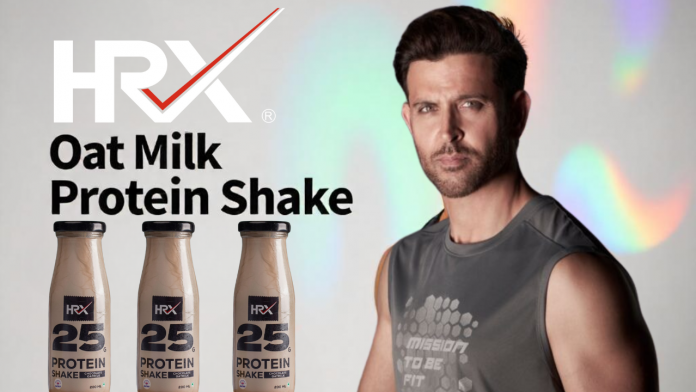
Meet Kunal Mutha: The Man Betting Big on Oat Milk in India’s ₹300 Crore Plant-Based Dairy Market

0
Image of kunal mutha
Meet Kunal Mutha: The Man Betting Big on Oat Milk in India’s ₹300 Crore Plant-Based Dairy Market

In 2019, Kunal Mutha found himself at a crossroads. Having successfully built and exited a packaging business that catered to some of the biggest food and beverage brands in the country—Cadbury, Kellogg’s, and leading beverage companies—Kunal could have comfortably joined his family business after his first entrepreneurial exit. Instead, he chose a different path—one fueled by passion, purpose, and a deep insight into India’s changing consumer landscape.

Kunal’s previous packaging business, which was acquired by global packaging giant Huhtamaki in 2019, gave him an inside look at consumer goods industries. With this knowledge and a desire to build something transformative, he launched his second venture during the peak of the Covid-19 pandemic—this time in the plant-based food and beverage space with “Only Earth”.

How Kunal Mutha Is Leading the Plant-Based Revolution in India with Oat Milk

The idea stemmed from a personal shift. Though not lactose-intolerant himself, Kunal switched to a plant-based diet for moral reasons and quickly realized a significant gap in the market. “Once I switched, I found that there were hardly any compelling options for someone trying to live a plant-based lifestyle without feeling compromised,” Kunal shares. This insight laid the foundation for his new company, Only Eart. which aimed to be a bridge for people transitioning to plant-based diets or seeking healthier, more sustainable options.

In 2020, Kunal’s company Only Earth became the first in India to launch oat milk—a segment that was gaining traction globally but remained untapped in the Indian market. The response was phenomenal. Today, Kunal’s brand commands the largest market share for oat milk in India, with a strong presence across quick commerce platforms, modern trade, and general trade, spanning over 1,000 stores in 18 cities.

While plant-based milk in India is still a nascent market—estimated at around ₹300 crore—the category is rapidly evolving. Globally, almond milk dominates plant-based dairy, but Kunal is betting big on oat milk. “Oat is the fastest-growing category worldwide, and we’re confident it will overtake almond in India as well,” he explains. Recognizing the diversity in consumer preferences, his company has also expanded into almond milk, coconut milk, and soon, soy milk.

Disrupting the Dairy Market with Oat Milk

The challenge, however, lies in scaling the business in a highly price-sensitive market. Plant-based milk is often perceived as a premium product, which can limit adoption. Kunal is tackling this by expanding retail presence and creating new product formats that cater to everyday consumption, such as plant-based milkshakes and yogurt. The goal is to normalize plant-based consumption without customers feeling the pinch of premium pricing.

Continue Exploring: “Kuch Nahi Hoga”—Anupam Mittal Challenges This Dangerous Mindset in Policy Bazaar’s New Ad

But the ambition doesn’t stop there. While the primary focus remains on capturing the Indian market, the brand has already begun exporting to international markets, including the Middle East and as far as Barbados. “Exports are a bonus for us. Our primary focus is still India because it’s a clean slate. This ₹300 crore category is projected to hit ₹1,000 crore soon, and we want to lead that growth,” says Kunal.

To scale operations and drive the next phase of growth, Kunal has also onboarded a seasoned CEO from Tata Consumer Products, ensuring that the company’s vision aligns with execution excellence. The company is now preparing for rapid offline expansion while simultaneously solidifying its dominance in quick commerce and e-commerce channels.

Continue Exploring: Lahori Beverages Nears ₹450 Crore Fundraise as Valuation Soars to ₹2,500 Crore – A New Challenger in India’s Booming Drinks Market

As Kunal envisions it, his company isn’t just about selling oat milk—it’s about transforming how India consumes dairy alternatives. And with strong tailwinds in favor of health, sustainability, and conscious consumption, his second entrepreneurial venture might just end up redefining India’s plant-based market.

Advertisement