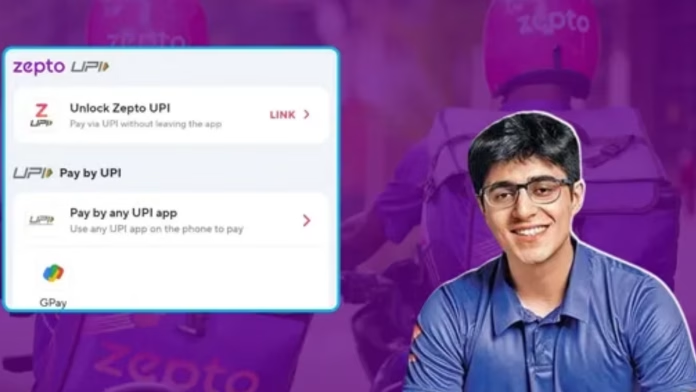
Quick commerce major Zepto has quietly introduced an in app UPI payment option, marking a significant step in how delivery platforms are reworking their checkout experience. The feature has been live for nearly six months, according to people familiar with the development, and allows customers to complete UPI payments within the Zepto app without being redirected to third party applications such as Google Pay or PhonePe.
The rollout reflects a wider industry shift, with large consumer internet platforms increasingly choosing to internalise payments as they chase faster checkouts and higher transaction success rates. Zepto has not made a formal announcement on the launch and did not respond to questions on the backend structure of the offering at the time of publication.
By adding in app UPI, Zepto joins food delivery peers Swiggy and Zomato, both of which have built proprietary UPI flows over the past year. Swiggy introduced Swiggy UPI using NPCI’s UPI plug in framework, enabling users to pay within the app after a one time setup. The company has said the move helps reduce checkout time and lowers payment failures caused by app switching.
Zomato has taken a slightly different route, launching its own UPI service in partnership with ICICI Bank. The feature allows users to generate a Zomato linked UPI ID and complete real time payments directly inside the app, giving the platform deeper control over the payment experience.
Industry executives say payments have become a key lever for delivery platforms operating at scale. Even small gains in transaction speed or success rates can translate into meaningful improvements in order completion, especially during peak demand windows. Bringing payments in house also reduces dependence on external apps and gives platforms better visibility into transaction flows.
For Zepto, which has been expanding its dark store footprint and processing a rising volume of high frequency orders, tightening the checkout layer fits into its broader focus on speed and reliability. The move highlights how payments are no longer just an infrastructure layer but a strategic priority as competition in food delivery and quick commerce intensifies.