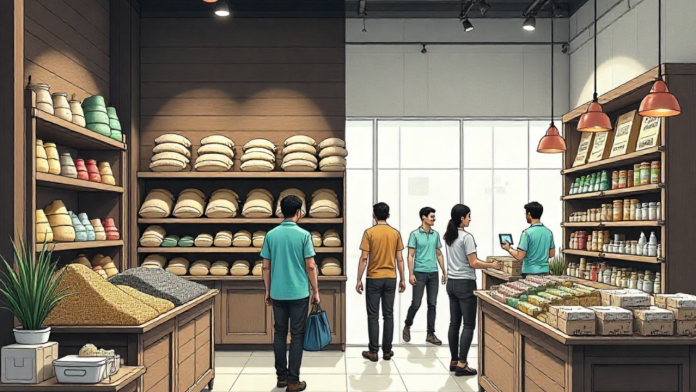
Across India, traditional kirana stores have been the backbone of retail for decades. With their familiar counters, handwritten ledgers, and strong community trust, they remain unbeatable in customer loyalty. But times are changing—urbanization, e-commerce, and shifting consumer expectations are forcing even the most established kiranas to modernize. The good news is, transforming a traditional grocery store into a modern shop doesn’t require Reliance-level capital; it just takes smart upgrades, technology adoption, and customer-centric thinking.
Step One: Upgrade the Look and Layout
A clean, organized, and well-lit store instantly elevates perception. Instead of cluttered shelves, consider open racks, baskets, and glass displays. Simple changes like branding your store name, adding signage, or creating product categories (staples, snacks, dairy, personal care) make shopping easier. Chains like D-Mart have shown how self-service layouts boost basket size, and even small shops can replicate that on a smaller scale.
Step Two: Embrace Digital Payments and Billing
Cash and udhaar (credit) may still dominate, but UPI has become non-negotiable. Adding QR codes, card machines, and even digital billing (POS systems like Paytm for Business or GoFrugal) makes transactions seamless while helping you track inventory. Many kiranas that adopted billing software during the pandemic report reduced pilferage and better profit tracking.
Step Three: Introduce Delivery and WhatsApp Ordering
Customers today value convenience as much as price. Offering home delivery via WhatsApp orders can modernize a traditional store instantly. Start small—deliver within 2–3 km using local staff or delivery boys. Many kiranas in Bengaluru and Delhi are already competing with Blinkit and Zepto by promising “within-the-hour” delivery through their own networks.
Step Four: Stock Smarter, Not Just More
Modernization isn’t about adding 1,000 SKUs; it’s about understanding what sells. Use billing software or even a notebook to track fast-moving items. For instance, staples (atta, rice, pulses) drive footfall, but high-margin products like chips, biscuits, and cosmetics improve profitability. Successful kiranas balance both, just as big retailers like Reliance Smart and Big Bazaar once did.
Step Five: Leverage Loyalty and Personalization
One strength kiranas already have is personal connection. Modernize it with loyalty programs—offer discounts after a certain spend, or send bulk SMS/WhatsApp updates about new arrivals and festive offers. A kirana that remembers customer preferences can build stickiness that even Amazon Fresh can’t replicate.
Step Six: Partner with Online Marketplaces
Apps like JioMart Partner, Udaan, and Flipkart Wholesale are modernizing kirana supply chains by offering bulk purchases at better margins. Tying up with these ensures competitive pricing without relying solely on local distributors. Some kiranas are also listing themselves on Swiggy Instamart or Dunzo to expand reach.
The Bottom Line
Converting a traditional grocery store into a modern shop is not about becoming a supermarket overnight. It’s about blending trust and tradition with convenience and technology. With small, steady steps—better layouts, digital payments, delivery, smarter stocking—any kirana can stay competitive in India’s evolving retail market.