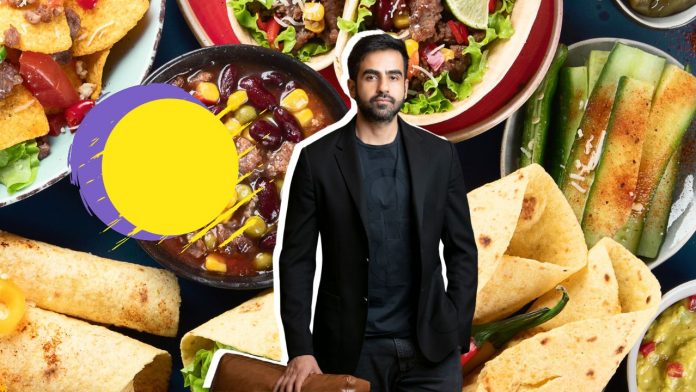
Nikhil Kamath’s insightful social media post on Instagram has generated a significant conversation around the evolving food landscape in India, particularly highlighting the growing demand for healthier food options. His observations are in line with the latest data from Swiggy and Bain & Company, which reveal that the Indian food service market is projected to reach ₹5.2 trillion by 2025, growing at a compound annual growth rate (CAGR) of 10-12%. Additionally, the rise of online food delivery, especially in Tier 2 and 3 cities, shows how quickly dining habits are shifting in favor of convenience.
A key theme in Kamath’s post was the “healthy wave” sweeping through India. He observed that, as more Indians embrace fitness-focused lifestyles, there is a noticeable increase in demand for nutritious, low-calorie food that doesn’t compromise on flavor. This trend is part of a larger global movement where consumers are more aware than ever of the connection between diet and long-term health. In India, this shift has been significantly fueled by rising disposable incomes, greater access to wellness information, and a growing preference for convenient, healthier food options.
Continue Exploring: Lahori Beverages Nears ₹450 Crore Fundraise as Valuation Soars to ₹2,500 Crore – A New Challenger in India’s Booming Drinks Market
According to recent reports, the market for healthy snacks in India is expected to grow by 15% annually, with products like gluten-free, organic, and low-sugar snacks becoming increasingly popular. This surge in demand presents a significant opportunity for both established food chains and new entrants into the market. Kamath suggests that entrepreneurs can seize this opportunity by focusing on the “healthy snacking and diet food service” segment, which is projected to reach ₹25,000 crore by 2025.
For food businesses, this means more than just offering healthy items. They need to strike a balance between health-conscious ingredients and affordability, which remains a key concern for most Indian consumers. Transparency in nutritional information and the ability to cater to various dietary needs such as vegan, gluten-free, and keto diets will become essential. Additionally, the convenience factor of these meals—especially for consumers in fast-paced urban environments—is driving the demand for healthier ready-to-eat and meal delivery services.
Continue Exploring: “Kuch Nahi Hoga”—Anupam Mittal Challenges This Dangerous Mindset in Policy Bazaar’s New Ad
Restaurants and food businesses must innovate by creating dedicated healthy menus, partnering with nutritionists, and using innovative cooking techniques to retain nutrients while maintaining taste. In addition to health-conscious dining, Kamath points out the potential of fortified foods and functional snacks that cater to busy professionals seeking both nutrition and convenience in one package.
The future of India’s food industry is evolving rapidly, and as consumer preferences shift towards healthier eating, businesses that understand these dynamics and invest in healthier alternatives will be well-positioned for success. Kamath’s observations underscore the need for food companies to adapt and innovate to meet the growing demand for healthier, convenient food solutions, paving the way for a healthier India.