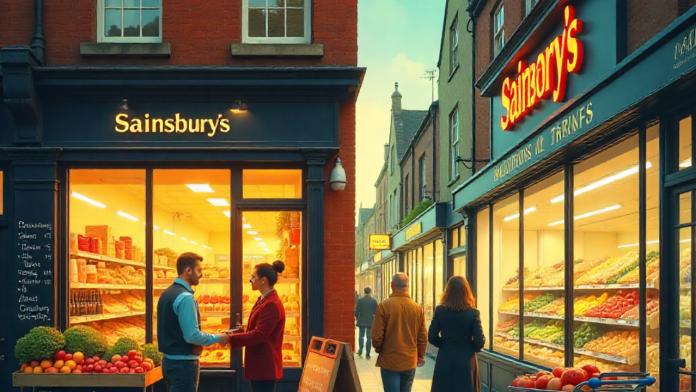
The UK grocery market is one of the most competitive in the world, dominated by giants like Tesco, Sainsbury’s, Asda, and Aldi. Yet, despite the scale of these players, independent grocery stores—whether corner shops, ethnic food stores, or local mini-markets—continue to thrive. For aspiring entrepreneurs, setting up a grocery store in the UK can be a profitable venture, provided you understand the regulations, customer expectations, and operational essentials.
Understanding the Market
Before setting up, you need clarity on the segment you want to target. Do you want to run a convenience store for everyday essentials, a speciality ethnic grocery shop (Indian, Polish, African, Middle Eastern), or a local organic store? According to Kantar, convenience shopping accounts for nearly 23% of UK grocery sales, and demand for ethnic and organic foods is growing year on year. Identifying your niche is the first step.
Location and Licensing
Location is critical. A store near residential areas, schools, or busy high streets ensures steady footfall. Once you secure premises, you’ll need to register as a food business with your local council at least 28 days before opening. You may also need:
- A Premises Licence if selling alcohol (issued under the Licensing Act 2003).
- Food Hygiene Certification for handling and storing perishable goods.
- Compliance with Health and Safety and Fire Safety regulations.
Store Setup and Inventory
Modern UK grocery stores blend functionality with experience. Clear aisles, proper refrigeration, and attractive displays influence buying behaviour. Stock your shelves with a balance of essentials (bread, milk, canned goods, cleaning items) and niche products that differentiate you. For example, many Indian and Asian stores in London thrive by importing spices, pulses, and ready-to-eat meals that big supermarkets don’t offer.
Technology and Payments
Cash is still common, but most UK customers expect contactless card and mobile payments. Investing in a good Point of Sale (POS) system helps track sales, manage stock, and generate reports. Many small stores now use POS software that integrates loyalty schemes to encourage repeat customers.
Supply Chain and Margins
You can source products from wholesalers such as Booker, Bestway, or Costco UK, or partner directly with suppliers. Margins vary—staple items like bread and milk offer lower profits but ensure footfall, while imported or specialty goods offer higher markups. Smart pricing strategies—like bundle offers or discounts on repeat buys—can keep you competitive.
Marketing and Customer Retention
Word of mouth remains powerful in local UK communities, but pairing it with digital outreach is key. Create a Google Business Profile, encourage reviews, and consider offering delivery through apps like Uber Eats, Deliveroo, or Snappy Shopper, which many corner shops now use. Small gestures, like remembering regular customers’ preferences or offering loyalty discounts, build long-term relationships.
The Bottom Line
Setting up a grocery store in the UK requires more than just stocking shelves. It’s about location, compliance, customer experience, and community connection. With the right niche and smart operations, small grocers can not only survive but thrive—even in a market dominated by supermarket giants.