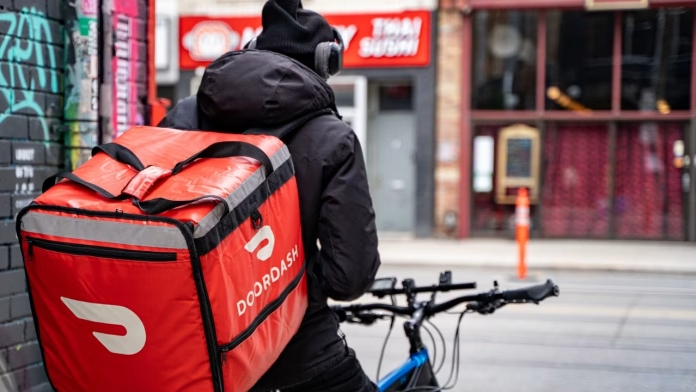
DoorDash has permanently deactivated a delivery partner after an investigation found that an artificial intelligence generated image was used to falsely mark an order as delivered, raising fresh concerns around fraud and platform safeguards in the on-demand delivery economy.
The incident came to light after Austin-based author and investor Byrne Hobart reported receiving a delivery confirmation for an order that never arrived. According to Hobart, the DoorDash app showed the order as completed along with a photo that closely resembled the entrance of his home. However, no delivery driver was present and no food was found at the location. After contacting customer support, DoorDash issued a refund, provided account credit and arranged a replacement order, which arrived within the original delivery window.
Hobart later shared the experience on social media, prompting other users in Austin to report similar issues. One individual claimed to have encountered a comparable situation involving a driver using the same display name, though there is no confirmation that the incidents were connected. Online discussion suggested the possibility that the driver account may have been compromised or misused to falsely complete deliveries.
Typically, DoorDash requires delivery partners to capture a live photo at the point of drop-off, rather than uploading existing images. However, users speculated that system limitations, network issues or altered devices could allow workarounds. Others noted that platforms may retain visual records from previous successful deliveries, which could potentially be exploited to create convincing but misleading proof of delivery.
In a statement to TechCrunch, DoorDash confirmed that it investigated the matter, banned the delivery partner involved and ensured the customer was fully reimbursed. The company said it maintains a strict zero-tolerance stance on fraud and relies on a combination of automated detection tools and manual reviews to identify misuse.
The case highlights growing challenges for delivery platforms as AI-generated content becomes easier to create and harder to detect, putting pressure on companies to strengthen verification systems while maintaining speed and convenience for users.