


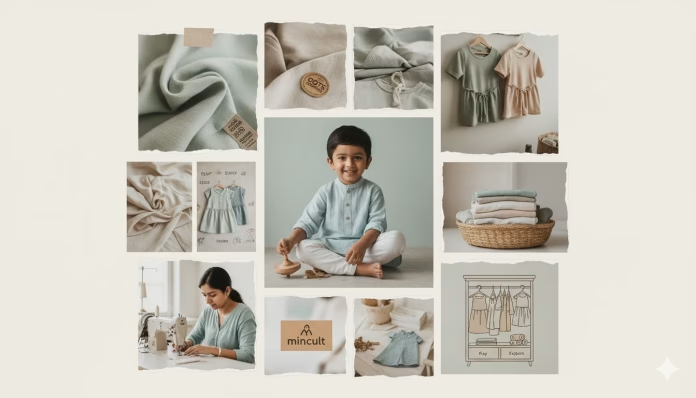
India’s $24.6 billion kidswear market is changing fast. Parents are moving away from flashy, synthetic-heavy clothing and leaning toward safer, softer, and more durable natural fabrics. A 2023 HP survey found that 80% of Indian parents are willing to pay a premium for higher-quality kidswear — significantly above the global average.
But while demand has evolved, supply hasn’t quite caught up. The market is still split between expensive premium labels and low-cost options that often fall short on fit, fabric quality, or durability. Pure cotton essentials built for India’s climate remain limited at scale.
That’s the gap Minicult set out to solve.
Essentials, Not Occasions
Founded in 2018 by NIFT graduates Neha Sharma Raj and Amit Raj, Minicult was built around a different thesis: kidswear isn’t just about fashion drops — it’s about everyday essentials.
Over time, Neha’s brother Nischal Sharma joined the founding team, strengthening the brand’s design and operational backbone. Together, the team focused on building dependable wardrobe staples for children from newborns to 16 years old — pieces designed for daily wear, frequent washing, and India’s heat-heavy climate.
Instead of chasing trend-led, impulse-driven purchases, Minicult positioned itself as a high-rotation basics brand.
100% Cotton, Built for Indian Weather
Minicult’s biggest differentiator is its strict cotton-first approach. The brand uses 100% cotton across nine product categories and more than 7,500 SKUs, covering everyday essentials, seasonal drops, climate-specific designs, and licensed ranges featuring Disney and Marvel characters.
Comfort, durability, and consistent sizing sit at the centre of the brand’s playbook. Each product undergoes in-line and post-production quality checks to ensure fabric integrity and fit reliability.
While operating on an asset-light manufacturing model, Minicult retains control through an in-house R&D centre that handles sampling, fabric testing, and size standardisation. This allows the brand to set quality benchmarks while scaling production through partner factories.
It has also invested in order and warehouse management systems to support smoother fulfilment and customer experience as volumes rise.
Multipacks That Make Sense
Recognising that kidswear is a replenishment category, Minicult uses multipacks strategically. Essentials such as pyjama pants and innerwear are offered in two-to-five-unit packs, lowering per-unit logistics costs and delivering better value to parents.
Digital marketplaces account for 85–90% of total sales. Hero products — especially cotton pyjama pants — consistently rank among top-rated listings on Amazon and Myntra, driving repeat purchases and strong customer reviews.
The brand reported 79% year-on-year growth, with revenue increasing from ₹13.16 crore in FY24 to ₹23.57 crore in FY25. In FY26 so far, revenue stands at ₹28.11 crore, with a target of ₹38.08 crore by fiscal year-end.
From Digital-First to Household Name
Looking ahead, Minicult plans to deepen its marketplace presence while expanding into quick commerce to tap impulse-led buying. The brand also aims to scale seasonal offerings and explore international markets where premium cotton positioning holds appeal.
By FY28, Minicult intends to build an offline retail footprint and transition from a digital-first brand to a broader kidswear ecosystem focused on essentials and licensed apparel.
As Indian parents increasingly prioritise fabric quality and climate suitability, Minicult’s cotton-first strategy positions it to capture a growing demand for durable, everyday kidswear built specifically for India.