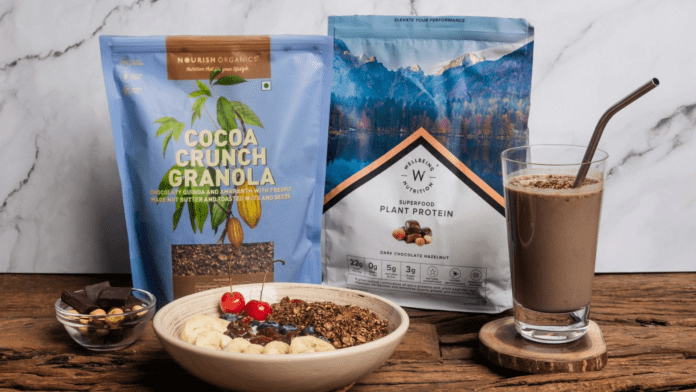
Wellbeing Nutrition, the leading nutraceutical brand in India, and Nourish Organics, a brand committed to advocating a holistic lifestyle, have jointly unveiled the groundbreaking “Nourish Your Wellbeing Combo.” This dynamic duo stands ready to elevate your health and well-being to new heights!
The harmonious collaboration between Wellbeing Nutrition and Nourish Organics represents a seamless integration, guided by their shared objective to promote holistic well-being through nourishing, organic nourishment. Central to this partnership is an unyielding dedication to using top-quality ingredients and maintaining transparency. Both brands take great pride in offering a comprehensive breakdown of each product element, fostering a sense of trust among their clientele. This resolute commitment guarantees customers’ assurance in the legitimacy and efficacy of their wellness products, especially during the wellness week.
Saurabh Kapoor, Co-Founder of Wellbeing Nutrition, said, “We are thrilled to join with Nourish Organics. This collaboration embodies our shared vision to empower individuals in their journey toward holistic health. Our dedication to providing products with zero artificial ingredients aligns seamlessly with Nourish Organics’ commitment to natural and organic offerings.”
Seema Jindal, Founder of Nourish Organics said, “Rooted in our unwavering commitment to providing fad-free, well-researched nutrition, this extraordinary combo celebrates the power of whole foods and balanced meals.”
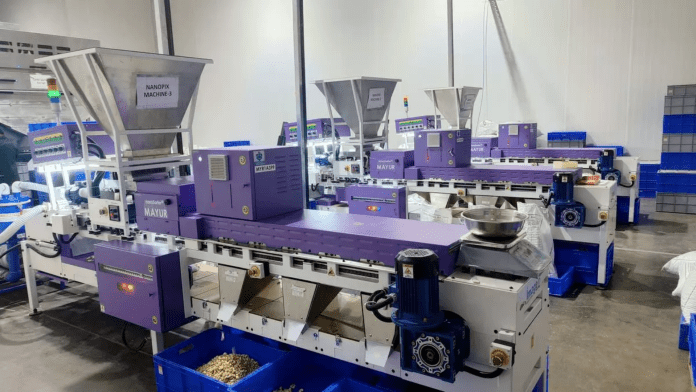
With a capacity to process 100 tonnes of cashew daily, the facility not only handles cashew processing but also generates cashew shell oil.
India’s leading grape exporter, Sahyadri Farmers Producer Company, situated in Nashik, has taken a significant step by establishing Maharashtra’s largest cashew processing plant. This endeavor is part of their commitment to create a robust value chain for cashew, a crucial crop in both the Konkan region and the tribal belt of the State. The processing plant has been strategically set up on Sahyadri’s Mohadi campus in Nashik, showcasing their dedication to enhancing the cashew industry.
With a capacity to process 100 tonnes of cashew daily, the facility not only handles cashew processing but also generates cashew shell oil. This dual-purpose operation is poised to uplift the economic well-being of farmers, contributing to an enhanced financial standing for them.
Vilas Shinde, President and Managing Director of Sahyadri, pointed out that despite holding the position of the world’s foremost cashew producer, India falls short of fulfilling its own domestic demand.
“There is immense opportunity in cashew farming and business as cashew has the potential to revolutionise the economy of Konkan and areas in the Sahyadri mountain range,” he said.
Shinde emphasized the importance of enhancing average cashew productivity and underscored the need to prioritize the establishment of substantial initiatives for both cashew pulp and cashew nut products.
“This will not only increase the income of the cashew farmers but also create job opportunities in the villages and curb migration to cities,” he said.
The plant boasts several noteworthy features that set it apart. With a remarkable daily capacity to process 100 metric tonnes of cashew, it stands as the largest of its kind in the State and ranks among the top 10 facilities nationwide. The plant’s approach to processing is centralized, streamlining operations for efficiency. An additional highlight is the inclusion of a specialized 20-tonne unit dedicated to extracting oil from cashew shells, further enhancing its utility. The plant’s management adheres to standards equivalent to those of the British Retail Consortium (BRC), ensuring top-tier quality and practices. Beyond its industrial significance, the plant plays a pivotal role in the community by providing permanent employment for over 300 local women, contributing to their economic empowerment.
The distinctive menu can be savored at various outlets situated in Mumbai, Pune, Nasik, and Hyderabad.
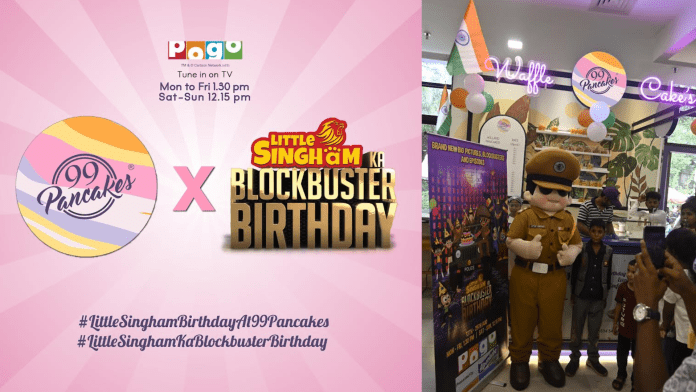
99 Pancakes, India’s first QSR in the pancake segment, is marking a special moment by presenting an inventive menu dedicated to India’s favorite animated supercop, Little Singham. In celebration of his birthday, the delightful menu, named “Little Singham’s Blockbuster Birthday Bonanza,” has been thoughtfully curated. From August 15 to August 25, this QSR brand is paying homage to the birthday festivities of the much-adored cartoon character, Little Singham.
Get ready to join the festivities as Little Singham’s birthday is celebrated with a range of one-of-a-kind treats and pleasures. Indulge in Panja Attack Pancakes, Atta Majhi Satakli Waffles, and Sher Ka Dum Hot Chocolate, all crafted to honor this special occasion. Enjoy a 30% discount on the exclusive pancakes and a 15% discount on both the waffles and Hot Chocolate, making this celebration even more delightful.
The distinctive menu can be savored at various outlets situated in Mumbai, Pune, Nasik, and Hyderabad. Additionally, the pancake QSR has introduced the hashtags #LittleSinghamBirthdayAt99Pancakes and #LittleSinghamKaBlockbusterBirthday to partake in the celebration of Little Singham’s special day.
As Little Singham steps into its sixth year, it maintains its status as a nationwide symbol of courage and unwavering resolve for children, setting an inspiring example.
Azmat Jagmag, Head of Marketing, Warner Bros. Discovery, South Asia, said, “We are excited to collaborate with 99 Pancakes in creating an extraordinary birthday celebration for Little Singham. Our partnership with 99 Pancakes not only amplifies the excitement but also provides a platform to connect with an even wider range of Little Singham fans across India.”
Commenting on the collaboration with Warner Bros Discovery, Renuka Chalekar, Head Of Marketing, 99 Pancakes, said, “We’re super excited to have teamed up with Pogo’s beloved cartoon character Little Singham to create a magical fusion of flavors and fun. This collaboration is mainly targeted towards our junior audience and promises to transport them to a world where delectable desserts meet animated adventures, where every bite is as delightful as every scene. We believe that the synergy between these two iconic brands will not only satisfy your little one’s cravings but also ignite their imagination.”
99 Pancakes stands as one of India’s prominent QSR chains, specializing in offering a diverse array of pancakes. Commencing its inaugural outlet in Kala Ghoda, Mumbai, in 2017, the brand has rapidly expanded over a mere span of 6 years, establishing a presence across 13 cities within India, boasting more than 40 outlets.
The company is vigorously pursuing its expansion ambitions and intends to establish its presence in Northern India through a combination of franchising and company-owned establishments. Furthermore, 99 Pancakes has diversified into the FMCG sector with products falling under the snacking category.
In the previous year, specifically in May, the company secured a funding round of INR 65 million from a consortium of angel investors. Currently, the company is actively seeking to secure additional funding as part of its ongoing growth strategy.
Pan Asian dining establishment is located on Golf Course Road in Gurugram
Nirula’s has recently unveiled its latest culinary endeavor, Pan Asian, further enriching its already varied collection of dining establishments. Boasting a legacy that spans numerous decades, Nirula’s has consistently pioneered the introduction of iconic culinary offerings to the people of Delhi.
Having initially delved into the realm of cloud kitchens to gauge market responses, the triumph of their sibling brands has propelled Nirula’s to inaugurate independent establishments for both Big Boy Burger and, most recently, their Pan Asian dining establishment located on Golf Course Road in Gurugram.
According to an official statement from the company, the menu at Pan Asian presents a harmonious blend of Oriental flavors artfully intertwined with a delightful Indian essence.
Sumedha Singhal, Director Marketing for Nirula’s, said, “We are thrilled to present Pan Asian to the residents and visitors of Golf Course Road. Our commitment to delivering exceptional dining experiences, combined with the love and support we have received over the years, has driven us to continuously innovate and expand our offerings. Pan Asian embodies the perfect combinations of multiple beloved cuisines and is sure to delight everyone who walks through our doors.”
While upholding its premium status rooted in the utilization of top-tier ingredients and the creation of a captivating amalgamation of Oriental and Indian tastes, Pan Asian maintains a steadfast dedication to ensuring its cuisine remains accessible in terms of cost, as stated in the press release.
The establishment holds the belief that everyone should have the chance to indulge in delightful culinary journeys without straining their finances. Through skillfully harmonizing premium selections with sensible pricing, Pan Asian seeks to extend its hospitality to a broad spectrum of food aficionados, fostering an all-embracing and inviting atmosphere that welcomes all, the statement further emphasized.
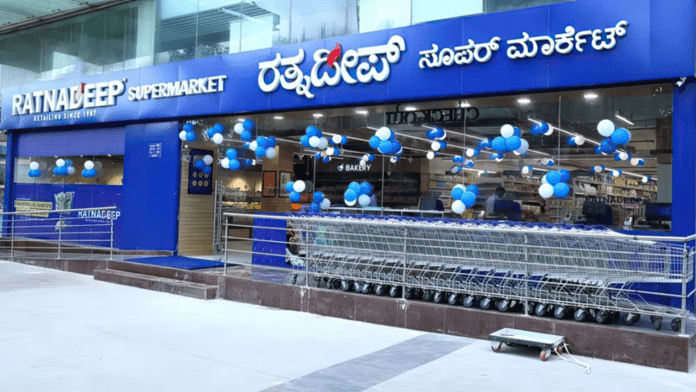
Ratnadeep, a prominent retail chain in South India, has achieved a significant milestone with the inauguration of its 150th outlet across the nation. This remarkable feat was accomplished as the company successfully launched four new stores on a single day.
The latest additions to Ratnadeep’s portfolio can be found in various prime locations: Panathur (Bengaluru), Secunderabad Club (Hyderabad), Marina Skies (Hyderabad), and TNGOS Colony (Hyderabad).
Sandeep Agarwal, Managing Director, Ratnadeep, said, “Since 1987, the journey has been remarkable, filled with challenges that we faced head-on and opportunities that we seized and reached here. It was not possible without the hard work, passion of our employees, and the trust our customers have in us.”
Founded in 1987, the supermarket franchise inaugurated its inaugural outlet in Hyderabad. The significant milestone of 100 stores was reached in December 2020. Presently, the brand has established a strong presence across Telangana, Andhra Pradesh, and Karnataka, serving a customer base of over 30 lakh individuals each month.
The updated logo features a minimalist design: a central M encircled by the brand's newest tagline, "Healing with Science."
Palak Notes, a frontrunner in the world of health and wellness, is undergoing a significant transformation. With a steadfast commitment to bridging the gap between Ayurveda and Western Sciences, the brand is proud to introduce its new identity: Miduty. This rebranding is a reflection of the brand’s aspiration to embody the fusion of scientific healing and growth, as well as its dedication to guiding individuals on their journey towards optimal health and wellness.
Additionally, Miduty’s rebranding aims to expand its identity beyond being perceived solely as a personal brand. The previous name of the brand, Palak Notes, was chosen to align with the journey of Palak Midha, the founder of Miduty, as she established the company and developed its product offerings.
Nonetheless, in light of its aspirations to enter the global market and diversify its product line by introducing new categories like skincare and cosmetics, Miduty’s identity has undergone a substantial transformation. This evolution is mirrored in the brand’s fresh name and logo design.
The updated logo features a minimalist design: a central M encircled by the brand’s newest tagline, “Healing with Science.” This design aptly echoes Miduty’s core principle of harmonizing traditional and contemporary sciences. Through its rebranding, Miduty consistently underscores its commitment to wellness, innovation, excellence, and ethical practices.
While announcing the rebranding, Palak Midha – Co-Founder, Miduty said, “As we embark on this incredible journey from Palak Notes to Miduty, our hearts are brimming with excitement. This rebranding isn’t just a name change – it’s a profound reflection of our deepest values. Throughout our journey, transparency has been our guiding light, and that guiding principle will continue to shine brightly. Miduty is more than a mere word; it symbolises our unwavering belief that well-being is the cornerstone of genuine growth. With our new tagline, “Healing with Science,” we are embracing the merging of cutting-edge scientific wisdom with the transformative powers of health and wellness. This tagline resonates with our commitment to making a difference in people’s lives – a promise that each step will touch hearts and heal souls.”
Pranav Midha, Co-Founder and Managing Director, Miduty, said, “The rebranding of Palak Notes to Miduty is a strategic move towards aligning our identity with our expansive vision and global ambitions. Miduty now stands poised to enter international markets and diversify its product offerings, including skincare and cosmetics. Our new name reflects not only our commitment to the science of healing but also our dedication to catalysing growth for individuals and the organisation. Our renewed identity encapsulates the fusion of ancient wisdom and modern progress, a testament to our unwavering commitment to innovation and excellence. We look forward to further driving our growth momentum and expanding our business to new markets.”
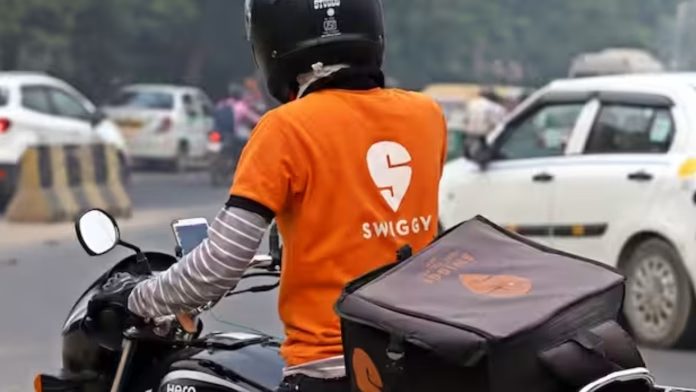
On Thursday, Gogoro Inc, a leading provider of electric vehicle battery-swapping solutions, revealed a strategic collaboration with Swiggy. This partnership aims to introduce Gogoro’s electric Smartscooters to the last-mile delivery associates of Swiggy, the prominent on-demand convenience delivery platform operating throughout India.
According to Horace Luke, the CEO and Founder of Gogoro, the collaboration between Gogoro and Swiggy will offer riders a smooth transition to eco-friendly electric transportation, enhancing both their environmental impact and business effectiveness.
“Partnering with Swiggy, a leading player in the industry, to provide access to Gogoro Smartscooters and battery swapping is essential in successfully transforming India’s urban fleets to electric,” he added.
Swiggy Head of Operations Mihir Shah said, “This partnership with Gogoro is another key step in our commitment to creating greener and cost-effective solutions for our delivery fleet.”
Shah further said, “Gogoro’s battery swapping technology represents a new generation of electric refueling that has proven successful on a mass scale for last-mile delivery, and we look forward to working with them to transform hyperlocal deliveries to be more sustainable and efficient in India.”
In 2021, Swiggy declared its dedication to accomplish a daily coverage of 800,000 kilometers through electric vehicle deliveries.
Conversely, the Gogoro platform offers a battery swapping system for two-wheelers, allowing delivery operators to enhance the efficiency and sustainability of their fleet management and delivery services.
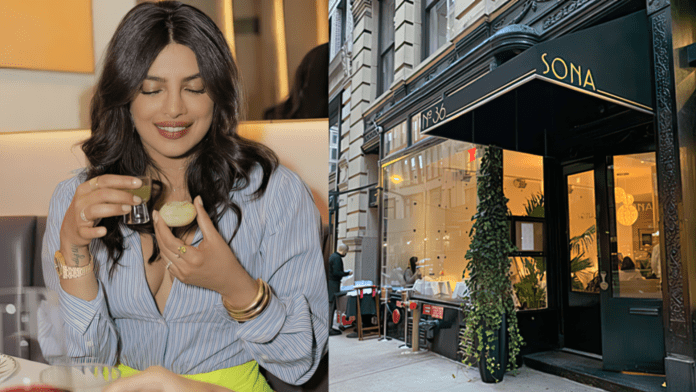
Priyanka Chopra, who, in collaboration with Maneesh Goyal, established the New York eatery called “Sona” in 2021, is taking a step back from the venture, as revealed by People magazine. Priyanka’s representatives shared a statement with the publication, stating, “Priyanka has stepped away from her partnership at Sona.” The restaurant, however, will continue to operate as usual.
The statement added, “Starting this business will always be a proud and significant moment in her career” and said, “Bringing Sona to life will invariably be a proud and significant moment in her career. Priyanka has always endeavored to bring Indian culture to the fore through storytelling, whether that’s via engaging content for film and TV, or a beautifully plated dish that embodies the haute cuisine of India.”
Goyal remarked, “Even though Priyanka has moved away from the business, her fingerprints are all over Sona.”
He added, “While she will no longer be involved as a creative partner moving forward, she remains in the Sona family and we are excited for our respective new chapters ahead.”
Sona made its debut in March 2021 amid the backdrop of ongoing Covid-19 restrictions, yet swiftly amassed a substantial social media following. Priyanka frequently shared snapshots from the eatery and even played host to several familial gatherings there. In addition, she unveiled the Sona Home collection in 2022, encompassing an array of products including dinnerware, table linens, bar accessories, decor, and thoughtful gifts.
In the year 2021, Maneesh took to his social media and attributed Priyanka as the “creative force” behind the venture. He stated, “First, my kind friend @priyankachopra, who has been the creative force behind SONA. There is no one who better—and more boldly—personifies ‘global Indian’ than Pri. SONA is so lucky to have her in our corner. From the design, to the menu, to the music, to even the name, Priyanka has her fingerprints all over SONA. Love you dear Pri! Our baby is finally ready for the world to see.”
Priyanka had then shared, “I’m thrilled to present to you SONA, a new restaurant in NYC that I poured my love for Indian food into. SONA is the very embodiment of timeless India and the flavours I grew up with. The kitchen is helmed by the incredible Chef @harinayak, a masterful talent, who has created the most delicious and innovative menu, taking you on a food journey through my amazing country.”
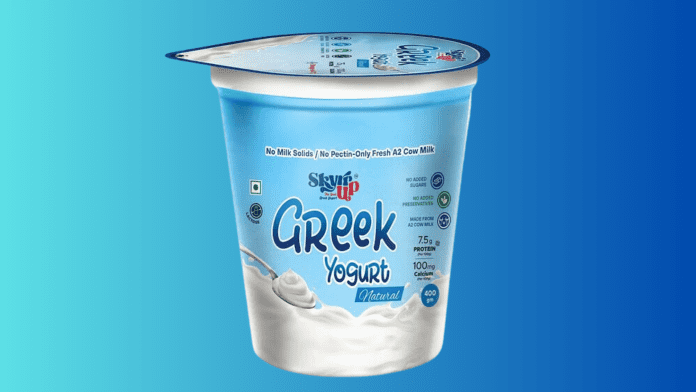
Bharat Skyr & Doodh Products, a well-established name in the realm of premium dairy products, is proud to introduce a new gem in their lineup – Skyrrup. This distinguished brand is delighted to present its latest innovation tailored for yogurt aficionados: the lactose-free Greek Yogurt. Meticulously crafted from the finest A2 Cow Milk, Skyrrup’s Greek Yogurt boasts an impressive protein content of 7.5 grams, catering to both nutritional needs and culinary desires.
Going beyond mere nourishment, this Greek Yogurt is an embodiment of sensory pleasure. By seamlessly merging the power of protein with an array of exceptional benefits, Skyrrup encapsulates the essence of wellness. It offers a delightful and effortlessly accessible avenue to prioritize one’s health without compromising on taste or convenience.
Every spoonful of the Greek yogurt from Bharat Skyr & Doodh Products is a product of meticulous craftsmanship, deriving its essence from the purity of A2 cow’s milk. Proudly manufactured within India, it serves as an excellent and dependable source of protein and calcium. With its smooth and creamy texture, coupled with its low-fat content, this product caters to the preferences of all family members, embodying a delightful and nutritious option for their consumption.
The Skyrrup Greek yogurt stands out as a lush and creamy dairy offering, boasting a texture that exudes richness. Crafted through a process of whey straining, it holds the distinct advantage of being lactose-free, a feature that particularly resonates with individuals dealing with lactose intolerance. Devoid of any additional sugar or preservatives, this yogurt emerges as a perfect go-to snack for consumers who prioritize their health, aligning seamlessly with their conscious dietary choices.
Sharing thoughts on the launch, S.N Dwivedi, Managing Director of Bharat Skyr & Doodh Products, said, “We have leveraged our expertise in yogurt to build the category in the market and establish the relevance for the category through the right product innovation. The dairy division is poised for healthy growth with new product offerings. We are committed to providing the best product with no preservatives, no added sugars and completely lactose-free. We are certain that our consumers will love the product as it’s a perfect blend of health and taste.”
Skyrrup’s Greek Yogurt is conveniently packaged in a 400gm container, priced at INR 265. This delectable offering is set to be easily accessible through well-established retail outlets and the brand’s dedicated eCommerce platform, accessible at www.skyrrup.com.
With a vision to extend its influence, the brand is in the midst of a strategic expansion endeavor. This forward-looking strategy entails meticulous planning and precise execution in order to introduce the product to fresh territories. Beyond its initial launch site, the brand is dedicated to the careful selection of additional cities. This calculated expansion demonstrates the brand’s resolute commitment to securing a more significant share of the market and fostering connections with a broader audience.
The comprehensive approach to this expansion encompasses crucial elements such as exhaustive market research, precise logistical arrangements, and targeted marketing initiatives. These combined efforts are poised to facilitate a triumphant and impactful entrance into each new location, ensuring that the availability of this exceptional product resonates effectively with consumers in diverse cities.
Mumbai’s Ummrao Courtyard by Marriott is excited to introduce a majestic culinary journey that celebrates the enduring legacy of Awadhi cuisine. Enveloped within the graceful ambiance of The Royal Rivayat, this occasion offers a chance to embark on a nostalgic voyage, indulging in the finest tastes of traditional Awadhi dishes. These delectable heirloom recipes have been thoughtfully selected by the esteemed Chef Manzilat Fatima, promising an experience that transports diners to a bygone era.
Mark your calendars for a gastronomic delight as Ummrao Courtyard by Marriott presents an exceptional culinary affair from August 17th to 27th, 2023. Indulge in a lavish celebration of Awadhi cuisine’s opulent heritage during the event “The Royal Rivayat,” where both aficionados and admirers can bask in the sumptuousness of flavors that have gracefully endured across generations.
Taking the spotlight at this event is the renowned Chef Manzilat Fatima, who seamlessly combines her culinary mastery with her royal lineage to craft a menu that embodies the very heart of Awadhi cuisine. Guided by a heritage steeped in gastronomic brilliance, Chef Manzilat’s collection of ancestral recipes ensures that each dish carries diners back to a time when every taste was a truly majestic affair.
Chef Manzilat Fatima
Immerse yourself in a realm of splendor and taste by indulging in “The Royal Rivayat” – an invitation to savor the delights of Awadhi cuisine within an ambiance that reverberates with historical significance and culinary craftsmanship.
Event Details:
Event Name: The Royal Rivayat
Date: From 17th to 27th August, 2023
Cost: VEGETARIAN SET MENU INR 2499+| +NON-VEGETARIAN SET MENU INR 2999++
Location: Ummrao Courtyard by Marriott Mumbai International Airport
Reservation: To reserve your table and indulge in this regal experience, call: +91 8976708345.
We use cookies to ensure that we give you the best experience on our website. If you continue to use this site we will assume that you are happy with it.