Persimmon, known as Japan’s national fruit, has made a notable impact in the Kulgam district of South Kashmir. Recently introduced to the region, this non-native fruit crop has proven to be a more lucrative choice than apples, substantially increasing the income of local farmers.
Thriving in the picturesque district of Kulgam in Kashmir, the bittersweet, orange-hued fruit originally hailing from China has found a new home. Shabbir Ahmad Itoo, a resident of Sonigam in Kulgam, brings a diverse educational background to his farming endeavors and has successfully introduced non-native persimmons to the region, planting them on his farm.
Shabbir said the fruit had been brought by his father from Himachal Pradesh.
Japan’s National Fruit – Persimmon:
“The fruit does not need much care or pesticides like apples. This fruit has very good medicinal value with vitamin C in it. The fruit is also useful for expecting mothers, with qualities that increase blood circulation and provide relief from joint pains,” Shabbir said.
He added, “It took us about two years, and now it’s bearing fruits. These plants grow significantly, much like apple trees. Furthermore, it has a promising market value. In Kashmir, this fruit is relatively new, but we successfully introduced it in Delhi, where one kg of these fruits sells for more than INR 100.”
With a history spanning more than two millennia, the Diospyros kaki, commonly known as Persimmon, has its origins rooted in China. Presently, China, Japan, and South Korea have emerged as the foremost cultivators and leading producers of this delicious fruit, firmly establishing its importance in East Asian agriculture.
According to Tetra Pak Index 2023, consumers are now factoring in environmental concerns in addition to their personal well-being when making food purchases. These environmentally mindful individuals, often referred to as “Climatarians,” are willing to adjust their dietary choices to safeguard the planet.
The market for health-conscious foods is firmly established, with consumers actively searching for products that promote their physical well-being. However, a substantial majority now adopt a more comprehensive perspective. Seventy percent of them believe that healthful products should also be eco-friendly, while an additional 54% are prepared to adjust their diets to play their part in creating a better world for the environment.
Tetra Pak Index – Survey!
This dual emphasis is evident in the increasing number of consumers who are intentionally reducing their meat consumption, commonly referred to as ‘flexitarians.’ Nearly half of all consumers indicate that they are either decreasing their meat consumption or eliminating meat from their diets entirely. The Tetra Pak Index, derived from a survey conducted by the global market research firm IPSOS across ten countries, reveals that this trend of reducing meat consumption is a worldwide phenomenon. A total of 56% of survey respondents attribute their dietary choices to health concerns, including adopting flexitarian, pescatarian, vegetarian, or vegan diets, while more than a third (36%) specifically point to environmental considerations as their primary motivation.
The study further uncovers that convenience is no longer the reigning priority. In a significant departure from long-standing beliefs, 70% of individuals are now willing to forego convenience in favor of healthier products. Additionally, the pursuit of health remains unwavering, even amidst the current economic challenges, as only 17% are prepared to give up food and beverages with health benefits in the face of the cost-of-living crisis.
Tetra Pak follows The climatarian trend is anticipated to expand as the consequences of climate change become more pronounced. Consumers increasingly demand that food manufacturers provide products that are not only health-conscious but also sustainable.
Adolfo Orive, president and chief executive officer at Tetra Pak, comments, “The findings of this year’s Index are reflective of the direction we have taken in the last few years, to decarbonize the food industry and make food systems more resilient and sustainable. In many parts of the world, people rely on products such as milk and juices for their daily nutrition, so it is critical to optimize their value chain with innovations in sourcing, packaging, processing and distribution, which is where we have been playing an active role together with our customers and suppliers.
In addition, considering that the world will need 60% more food by 2050, Tetra Pak are complementing these efforts through technologies that can help explore new sources of nutrition – ranging from new plant-based sources to alternative proteins produced with biomass and precision fermentation. Both these areas are critical to contribute towards food system sustainability.”
Tetra Pak Technology: Cutting-edge advancements in food technology can significantly aid in producing products that are not just delicious but also resource-efficient. The encouraging news is that consumers are open to embracing innovations that enhance our lifestyles and dietary choices, with 62% acknowledging the potential of technology in fostering a more sustainable future. Nevertheless, there are concerns among some consumers that such innovations might not be as natural as fresh, unprocessed foods. Hence, striking the right balance will be crucial.
“This area is developing quite rapidly, and it is difficult to predict when and to what extent it will succeed; but it is only through continued efforts and leveraging collaboration to explore every potential opportunity, that we will find solutions to the current food system challenges,” says Adolfo (CEO of Tetra Pak Group).
On Saturday, the government announced a minimum export price (MEP) of $800 per metric tonne for onion exports, effective from October 29 through December 31, 2023.
The measure has been taken to address the declining quantity of stored Rabi 2023 onions and to ensure an adequate supply of onions to local consumers at reasonable prices. This has been achieved by reducing the volume of onion exports.
Why Govt Sets minimum Onion Export Price to $800/Tonne?
The MEP of $800 per metric tonne equates to roughly INR 67 per kg.
In addition to the imposition of MEP on onion exports, the government has declared the acquisition of an extra 200,000 tonnes of onions for the buffer stock, in addition to the 500,000 tonnes already procured.
In a concerted effort to stabilize onion prices and ensure accessibility to consumers, onions from the buffer stock have been consistently distributed. Since the second week of August, these onions have been actively dispensed across key consumption centers nationwide. Moreover, to enhance accessibility, retail consumers have been provided access to these onions at an affordable price of INR 25 per kg. This initiative has been facilitated through the operation of mobile vans managed by the National Cooperative Consumers’ Federation (NCCF) and the National Agricultural Cooperative Marketing Federation of India (NAFED).
Till date about 1.70 lakh metric tonne of onion has been disposed from the buffer.
This ongoing process of acquiring and distributing onions from the buffer stock stands as a testament to the government’s commitment to ensuring stabilized prices for consumers. Simultaneously, it endeavors to secure equitable returns for onion farmers, establishing a harmonious balance in the onion market landscape.
IPO-bound hospitality unicorn OYO witnessed a 34% decrease in its net loss to INR 1,286.5 Cr during the financial year 2022-23 (FY23), down from INR 1,941.5 Cr. This reduction occurred despite marginal declines in expenses, all while the business continued to grow.
The startup supported by SoftBank experienced a 14% increase in its operating revenue, rising to INR 5,463.9 Cr in FY23, compared to INR 4,781.3 Cr in the preceding fiscal year. The primary sources of revenue include earnings from accommodation service sales, commissions from bookings, and subscription fees.
Taking into account other sources of income, the total revenue similarly surged by 14%, reaching INR 5,601.7 Cr in FY23, up from INR 4,904.7 Cr in FY22.
History Of OYO!
Established in 2012 by Ritesh Agarwal, OYO provides a diverse range of accommodations, including vacation homes, casino hotels, coworking spaces, budget hotels, corporate lodging, and more.
The startup, which was valued at approximately $9 billion in its last assessment, successfully trimmed its expenses in the year under consideration, even as its business expanded. The total expenditure decreased by 3%, dropping to INR 6,799.6 Cr from INR 6,985.3 Cr in the preceding fiscal year.
The hospitality unicorn allocated INR 1,548 Cr toward employee benefit expenses in FY23, marking a 17% reduction from the INR 1,861.7 Cr spent in the previous fiscal year. It is worth mentioning that OYO underwent a restructuring effort during FY23, resulting in the layoff of approximately 600 employees.
OYO’s expenses associated with leases, comprising both the service component of the lease and lease rentals, increased by 10% to INR 2,843 Cr in FY23, up from INR 2,578 Cr in the preceding year.
OYO’s marketing expenses reduced by 17% to INR 154.8 Cr in FY23, down from INR 1,861.7 Cr in FY22.
Having joined the unicorn club in 2018, OYO has secured more than $3 billion in funding thus far. Notable investors in OYO include Microsoft, Airbnb, and Peak XV Partners.
According to an internal email accessed, OYO was on track to report its first-ever profitable quarter in the second quarter of FY24, with a projected profit of INR 16 Cr. Earlier, the startup told its employees that it posted an adjusted EBITDA of about INR 175 Cr in Q1 FY24.
At present, the startup is actively seeking to secure $250 million from investors, given the postponement of its initial public offering (IPO). A significant portion of this funding will be earmarked for the purpose of retiring its $660 million term loan B.
Earlier this year, the startup chose a confidential route to pre-file its draft documents for its public offering and downsized its IPO to a range of INR 3,286 Cr to INR 4,929 Cr ($400 million to $600 million).
Juice Guys has announced the opening of its flagship store at Select City Walk Mall in Saket, New Delhi. This launch signifies the initiation of Juice Guys’ extensive expansion plan, aspiring to establish over 200 outlets nationwide within three years.
The company is targeting the recruitment of 1500 individuals for a range of operational roles from the Economically Weaker Sections (EWS) category. Juice Guys continues to demonstrate its dedication to fostering diversity and creating opportunities through this initiative.
Juice Guys’ Vision: 200+ Outlets in India!
The company has ambitious goals, intending to launch over 200 outlets in Delhi-NCR and other prominent cities across India within the upcoming three years. This bold expansion strategy highlights the brand’s belief in its distinctive concept and the increasing demand for health-conscious dining alternatives.
“The juice market in India constituted a compound average growth rate of more than 10 percent in the period of six years. The juice market in India constituted a compound average growth rate of more than 10 percent in the period of six years. According to India Juice Market Outlook, 2027, the juice market is expected to grow with a CAGR of more than 11 percent by the end of the forecasted period of 2027.
The juice market in India registered a negative compound annual growth rate (CAGR) of 5.45 percent during the period 2016 to 2021 with a sales value of INR 3,262.48 million in 2021, an increase of 52.25 percent over 2020. The market achieved its strongest performance in 2021 when it grew by 52.25 percent over the previous year” said Sahaj Chopra, Founder, Juice Guys.
“The juice market anticipates huge growth in the coming years. Health-conscious people are also shifting from fruit drinks to the fruit and vegetable juice segment as it is healthier and has non-added preservatives or artificial flavours like that in the fruit drinks segment. Rapid urbanisation, surging income, and increasing health consciousness would further drive the Indian Juice market.
This presents an opportunity for brands like Juice Guys to inspire people to make healthier choices and enjoy a happy and refreshing lifestyle. To the world, we are excited to introduce Juice Guys. Behind our drive to create is a deep passion for healthy, scrumptious beverages and munchies. Without sacrificing flavour, people’s health choices can be inspired by Juice Guys.” he added.
The Montana group, a prominent player in the food and beverages industry, has recently inked an agreement with Kiscon Hospitality. This strategic partnership involves the creation of a joint venture with equal ownership, committing an impressive $10 million for a specific purpose: the expansion of more than 50 Carls Jr restaurants. Notably, Kiscon Hospitality holds the franchise rights for the renowned California-based premium burger chain, Carls Jr.
The company announced on Saturday that this collaboration aims to inject $10 million into the venture, with the objective of establishing over 50 new Carls Jr restaurants within a three-year timeframe.
Since 1941, Carl’s Jr has been delighting burger enthusiasts worldwide with its chargrilled Californian burgers, and it continues to do so with a global presence of over 3,800 outlets across 39 countries.
50 Carls Jr Restaurants Deal between Montana Group and KHPL:
As per the company’s statement, the collaboration between the Montana group and KHPL underscores their dedication to reinvigorate and reintroduce this brand to the Indian market.
The collaboration aims to bring the essence of California’s culinary excellence to discerning Indian consumers.
Monty Singh, Founder and Chairman of the Montana group, said, “With our USD 10 million investment, we are committed to upholding the brand’s legacy while introducing it to a new generation of Indian consumers.”
Jappreet Singh, Founder and Chairman of Kiscon Hospitality Pvt Ltd said, “This partnership marks an exciting chapter for Carls Jr in India. We’re delighted to team up with the Montana group to reintroduce this iconic brand to Indian consumers.
“With our combined expertise, we aim to offer a true taste of California to our customers”.
The joint venture between the Montana group and KHPL is envisioned not only to introduce premium burgers to India but also to create 5000 direct and indirect job opportunities, emphasizing a commitment to shaping a more robust future, as stated by the company.
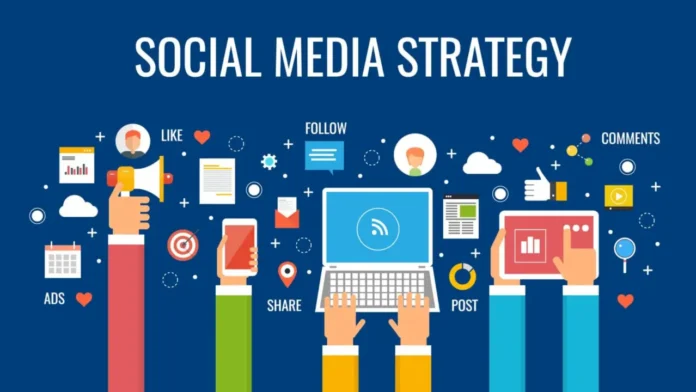
Social Media Strategy: In today’s digital age, social media has become a powerhouse for marketing and brand promotion. Among the various strategies, collaborating with influencers has emerged as a prominent method to reach and engage with audiences. Influencers hold significant sway over their followers, making their involvement a powerful asset in a brand’s social media strategy.
Understanding Influencer Marketing
Influencer marketing involves partnering with individuals who have amassed a loyal and engaged following on social media platforms. These individuals, often termed influencers, come from diverse niches – from fashion and beauty to travel, fitness, technology, and more. Leveraging their credibility and rapport with their audience, brands can effectively promote products or services.
Importance of Influencer Collaboration
The fundamental appeal of influencer collaboration lies in the trust and authenticity they’ve built with their followers. When an influencer endorses a product or service, it comes with an implicit endorsement of trust. This trust is invaluable, as consumers are more likely to consider a purchase recommended by someone they admire and trust.
Moreover, influencers possess the ability to create content that resonates with their audience. Their unique style and voice enable brands to tap into specific demographics that might be challenging to reach through traditional marketing methods. This tailored approach helps in personalizing the brand’s message and making it more relatable to potential consumers.
Integration into Social Media Strategy
Integrating influencer collaborations into a social media strategy requires a well-thought-out plan. The first step involves identifying the right influencers whose values align with the brand’s identity and target audience. Research and analysis play a crucial role in selecting the most suitable influencers based on their engagement rates, demographics, and content quality.
Once the right influencers are identified, the collaboration strategy needs to be established. This includes defining the goals, setting clear expectations, and ensuring a mutual understanding of the campaign’s objectives. From sponsored posts to takeovers, giveaways, or long-term partnerships, various collaboration formats exist, each with its unique advantages.
Measuring Success and ROI
Effectively measuring the success of influencer collaborations is essential. Metrics like engagement rates, reach, clicks, conversions, and sales can determine the impact of the campaign. Tools and platforms can aid in tracking these metrics, providing valuable insights into the effectiveness of the collaboration.
Determining the return on investment (ROI) is crucial to justify the resources allocated to influencer collaborations. This involves comparing the campaign’s costs against the generated revenue or increased brand awareness. While direct sales might be a tangible indicator, heightened brand visibility and long-term impact on customer loyalty are equally important but might be more challenging to quantify.
Navigating Challenges and Risks
Influencer collaborations also come with potential challenges and risks. Authenticity is crucial, and any perception of inauthenticity or lack of alignment between the influencer and the brand could backfire. The risk of negative publicity, influencer controversies, or shifts in consumer sentiment are factors that need to be navigated carefully.
Additionally, changes in algorithms and regulations on various social media platforms can impact the reach and visibility of influencer content. Being adaptable and flexible in strategies is crucial to overcome these challenges.
The Future of Influencer Collaborations
The landscape of influencer collaborations is continually evolving. Micro-influencers, with smaller yet highly engaged audiences, are gaining traction due to their authentic connections with followers. Video content, especially on platforms like TikTok and Instagram Reels, is becoming increasingly popular, presenting new opportunities for creative collaborations.
Moreover, the importance of diversity, equity, and inclusion in influencer marketing is growing. Brands are seeking influencers representing diverse backgrounds to ensure more inclusive campaigns that resonate with broader audiences.
Final Thoughts on Social Media Strategy:
Influencer collaborations offer an effective way to connect with audiences, foster brand awareness, and drive sales in the digital realm. Leveraging influencers in your social media strategy demands a strategic approach, clear objectives, and a deep understanding of both the brand and the influencer’s audience.
The continual evolution of social media and influencer marketing emphasizes the need for brands to remain agile, adaptable, and open to new trends. As this form of marketing continues to mature, the potential for innovative collaborations and authentic connections between influencers and brands remains limitless. Understanding, embracing, and effectively integrating influencer collaborations can significantly amplify a brand’s social media strategy, fostering long-term success in the ever-evolving digital landscape.
Sales Metrics: In the realm of business, success is often measured by the ability to generate revenue and sustain growth. For companies seeking investment or aiming to attract stakeholders, sales metrics play a pivotal role in quantifying success and capturing investor attention. Understanding and effectively presenting these metrics can be the difference between piquing investor interest and being overlooked. This article will delve into key sales metrics that hold significance in the eyes of investors and why they matter.
Sales Metrics Features:
1. Revenue Growth: Investors are keen on understanding how a company’s revenue is evolving over time. The rate of revenue growth is a fundamental indicator of a company’s market traction and potential profitability. Consistent and robust revenue growth signifies a healthy business. When presenting revenue growth metrics, showcasing not only the overall growth but also segment-specific growth rates can provide a more comprehensive picture.
2. Customer Acquisition Cost (CAC) and Customer Lifetime Value (CLV): The relationship between CAC and CLV is crucial. A low CAC compared to CLV is attractive to investors as it demonstrates an efficient and profitable business model. When a company can acquire customers at a reasonable cost relative to the value those customers bring over their lifetime, it indicates a strong potential for sustainable revenue generation.
3. Gross and Net Profit Margins: Gross profit margin measures the percentage of revenue that exceeds the cost of goods sold. Net profit margin, on the other hand, factors in all expenses, including operational and overhead costs. Healthy margins indicate a company’s ability to generate profits. Investors seek sustainable margins that can withstand market fluctuations and competitive pressures.
4. Churn Rate: For businesses with a subscription-based model or those reliant on recurring revenue, the churn rate holds significant importance. A high churn rate can negate growth and decrease the lifetime value of customers. Lower churn rates are indicative of customer satisfaction and loyalty, factors crucial for sustained success.
Sales Metrics (Representative Image)
5. Sales Pipeline and Conversion Rates: The visibility and health of the sales pipeline are essential. Conversion rates at each stage of the pipeline demonstrate the efficiency of the sales process. A robust pipeline with consistent conversion rates indicates predictable revenue generation, a critical aspect for investors assessing future business performance.
6. Average Sales Cycle Length: The time it takes from initial contact with a lead to closing a deal is essential. A shorter sales cycle suggests efficiency and responsiveness to market demands. Investors value companies that can secure deals swiftly, as it often correlates with better revenue predictability.
7. Market Penetration and Customer Satisfaction: Metrics reflecting the company’s position within its market and customer satisfaction levels are invaluable. They showcase the company’s competitive stance and its ability to retain and satisfy customers. High customer satisfaction often translates into repeat business and positive referrals, both essential for sustained growth.
8. Ratio of New vs. Existing Customers: Investors look at the balance between acquiring new customers and retaining existing ones. A healthy mix indicates that the business is not only expanding its customer base but also retaining and growing relationships, potentially leading to stable revenue streams.
Presenting these metrics to investors is not just about the numbers; it’s also about the story they tell. Contextualizing these figures, providing explanations for fluctuations, and outlining strategies to maintain or improve these metrics can significantly impact investor perception. Investors seek not only a snapshot of the current state but also the potential for future growth and sustainability.
Moreover, a company’s ability to align these metrics with its overall strategy and market positioning is crucial. Metrics alone do not define success; they are part of a larger narrative that includes the company’s mission, market potential, competitive advantages, and the team driving the business forward.
Sales Metrics – Final Thoughts:
Sales metrics provide a quantifiable means to depict a company’s performance and potential. When these metrics are carefully chosen, consistently tracked, and presented cohesively, they form a compelling case for investors. They serve as indicators of a company’s health, efficiency, and growth potential, thereby capturing the attention of potential stakeholders and investors looking for promising opportunities.
Investors are not merely interested in the numbers; they are interested in the story behind those numbers. Companies that can effectively communicate their sales metrics in the context of their broader narrative stand a better chance of capturing investor attention and securing the funding needed to drive their growth and success.
In the ever-evolving landscape of business, the ability to showcase these metrics in a way that demonstrates adaptability, scalability, and sustainability is key to attracting the attention and support of investors.
In the world of sales, numbers are king. Sales performance is a critical aspect of any business, and evaluating it through key metrics is essential for achieving optimal results. These metrics, often referred to as key performance indicators (KPIs), provide valuable insights into the effectiveness of a sales team’s efforts, helping companies refine their strategies, boost revenue, and ultimately thrive in the competitive marketplace. In this article, we will delve into the metrics that matter most when evaluating sales performance and how businesses can use them to their advantage.
Sales Performance Metrics:
1. Revenue and Sales Growth
At the heart of any sales operation is revenue generation. Measuring total revenue and its growth over time is a fundamental metric. It gives an overall view of how well a company is performing in terms of sales. To evaluate sales performance optimally, one must analyze revenue at different levels, such as per salesperson, per product, or per region. Tracking sales growth over time allows companies to identify trends, set realistic revenue targets, and assess the success of their strategies.
2. Customer Acquisition Cost (CAC)
Understanding how much it costs to acquire each customer is vital for efficient resource allocation. CAC includes expenses related to marketing, sales, and other customer acquisition activities. By comparing CAC to the average customer’s lifetime value (CLTV), a business can determine whether their investment in acquiring customers is paying off. A lower CAC-to-CLTV ratio indicates more cost-effective customer acquisition and better sales performance.
3. Conversion Rates
Conversion rates measure the effectiveness of the sales funnel at various stages. These stages typically include lead generation, qualification, and closing the deal. For instance, lead-to-opportunity conversion rate, opportunity-to-deal conversion rate, and so on. By monitoring these conversion rates, a company can identify bottlenecks in the sales process and take actions to improve performance at each stage.
4. Sales Cycle Length
The length of the sales cycle, from the initial contact with a prospect to closing the deal, is a crucial metric. A shorter sales cycle often indicates efficiency and agility, which can lead to cost savings and increased revenue. A longer sales cycle, on the other hand, might signify inefficiencies or complications in the sales process that need addressing.
Sales Performance (Representative Image)
5. Average Deal Size
Understanding the average deal size can help companies fine-tune their sales strategy. It provides insight into the types of customers being targeted and whether the focus should shift towards larger or smaller deals. For businesses offering multiple products or services, breaking down the average deal size by product can help in identifying which offerings are the most profitable.
6. Customer Churn Rate
While acquiring new customers is essential, retaining existing ones is equally critical. The customer churn rate measures the percentage of customers who leave over a specific period. A high churn rate can offset new customer acquisition efforts and harm long-term revenue. Tracking churn and working to reduce it can lead to a more stable customer base and increased sales performance.
7. Pipeline Metrics
The sales pipeline represents potential deals at various stages of progression. Analyzing metrics related to the pipeline, such as the number of opportunities, their value, and their stage, helps sales teams prioritize and allocate resources effectively. For example, having a well-balanced pipeline with opportunities in different stages can reduce the risk associated with a few big deals and maintain a more predictable sales performance.
8. Lead Response Time
The speed at which sales teams respond to leads is a crucial metric. Research indicates that responding to leads quickly significantly increases the likelihood of closing a deal. Monitoring lead response time ensures that opportunities aren’t lost due to slow follow-up, thus enhancing sales performance.
9. Salesperson Performance Metrics
Evaluating individual sales team members’ performance is essential for optimizing overall sales. Key metrics for salespeople include the number of leads generated, the number of deals closed, the average deal size, and the time taken to close deals. These metrics provide insights into who the top performers are and where coaching or training may be needed.
10. Customer Satisfaction and Net Promoter Score (NPS)
Happy customers are more likely to become repeat buyers and refer others to the company. Monitoring customer satisfaction through surveys or NPS can provide insights into how well the sales team is serving the customer base. High NPS scores suggest that customers are not only satisfied but also willing to promote the company to others, contributing to increased sales and revenue.
11. Sales and Marketing Alignment
The alignment between sales and marketing is crucial for a successful sales operation. Metrics that indicate alignment might include the number of marketing-generated leads, the percentage of leads accepted by sales, and the win rate of marketing-generated leads. A strong alignment between these departments ensures that the sales team receives high-quality leads and is more likely to close deals successfully.
and more…
12. Competitive Metrics
Understanding how your sales performance compares to that of competitors can be valuable. Metrics such as win-loss rates, market share, and customer perception can help identify areas for improvement. Outperforming competitors in these areas can lead to increased market share and revenue.
13. Sales Forecast Accuracy
Accurate sales forecasting is vital for resource planning and financial management. By tracking how well actual sales match the forecast, companies can refine their sales strategies and make better-informed decisions.
14. Profit Margin and Gross Profit
While revenue is essential, profit margin and gross profit metrics provide insight into the overall health of the business. Tracking these metrics helps identify whether the sales team is focusing on high-margin products or services and whether costs are being controlled effectively.
Final Thoughts:
Measuring and evaluating sales performance through the right metrics is crucial for achieving optimal results. These metrics provide valuable insights into various aspects of the sales process, from lead generation to deal closure and customer satisfaction. By continually monitoring and analyzing these metrics, businesses can refine their strategies, enhance efficiency, and ultimately drive increased revenue and profitability.
However, it’s essential to remember that the importance of each metric may vary depending on the industry, company size, and specific goals. Therefore, businesses should carefully select and tailor their KPIs to align with their unique needs and objectives. Regardless of the specific metrics chosen, a data-driven approach to sales performance evaluation is a key driver of success in today’s competitive business landscape.
In today’s fast-paced and ever-evolving business landscape, staying ahead of the competition is crucial for brand expansion and long-term success. To achieve and maintain a competitive edge, companies must constantly adapt to changing market trends. These trends serve as a roadmap for businesses, guiding their strategies and ensuring they remain relevant and appealing to consumers. Here we will explore the significance of market trends and how they can be harnessed to propel brand expansion.
Understanding Market Trends:
Market trends refer to the patterns and shifts in consumer behavior, preferences, and industry developments that influence how businesses operate and market their products or services. These trends encompass a wide range of factors, including economic conditions, technological advancements, social and cultural changes, and political influences. By monitoring and analyzing these trends, companies can gain valuable insights into what their target audience wants and how they can meet those demands effectively.
Staying Relevant and Competitive
One of the primary reasons why market trends are essential for brand expansion is their role in helping businesses stay relevant and competitive. In today’s fast-paced world, consumer preferences can change rapidly, and companies that fail to keep up may find themselves losing market share to more adaptive competitors.
Market Trends News (Representative Image)
For example, the rise of eco-consciousness among consumers has led to a shift in demand towards sustainable and environmentally-friendly products. Brands that have recognized this trend and aligned their strategies to produce and market eco-friendly products have been able to capture a growing segment of the market. Conversely, companies that have ignored or underestimated this trend have lost ground and struggled to expand their brand’s reach.
Innovation and Differentiation
Market trends also serve as a source of inspiration for innovation and differentiation. When businesses embrace and leverage these trends, they can create products and services that align with the current consumer sentiment, thereby setting themselves apart from competitors. This differentiation can be a key driver of brand expansion.
Consider the technology industry, where rapid advancements and changing consumer preferences drive innovation. Companies like Apple have consistently expanded their brand by staying at the forefront of tech trends, such as introducing innovative features and sleek designs that resonate with consumers. This commitment to innovation not only retains existing customers but also attracts new ones, enabling brand expansion.
Targeted Marketing and Branding
Effective marketing and branding strategies are essential for brand expansion, and market trends play a critical role in shaping these strategies. By understanding the current landscape, companies can tailor their messaging and campaigns to align with consumer expectations, interests, and values. This targeted approach increases the effectiveness of marketing efforts and can lead to more significant brand growth.
For instance, in the era of social media and digital marketing, companies have recognized the importance of engaging with consumers on platforms like Facebook, Instagram, and Twitter. These platforms have become integral to marketing strategies due to the trend of increased online engagement. Brands that invest in these trends and build a strong online presence have a competitive edge in reaching and resonating with their target audience.
Risk Mitigation
Market trends are not only essential for growth but also for risk mitigation. Understanding the current market dynamics allows companies to identify potential threats and challenges. This proactive approach enables businesses to develop contingency plans and adapt to changing circumstances, reducing the risk of unexpected setbacks that can hinder brand expansion.
For example, during the COVID-19 pandemic, many industries faced significant disruptions. Companies that had been closely monitoring market trends were better equipped to pivot their strategies and adapt to the new normal. This agility allowed them to navigate the challenges and continue their expansion plans, while others that had not been as proactive struggled to stay afloat.
Market Expansion Opportunities
Market trends often reveal new opportunities for expansion. They can help businesses identify emerging markets or untapped niches where their products or services may find a receptive audience. By aligning with these trends, companies can position themselves to enter new markets successfully and grow their brand beyond their current boundaries.
Consider the growth of the plant-based food industry, driven by the trend of increasing consumer interest in health and sustainability. Companies that have recognized this trend have expanded into this market, offering innovative plant-based products to cater to the growing demand. This not only diversifies their brand but also opens up new avenues for expansion.
Effective Decision-Making
Market trends are invaluable for informed decision-making. They provide businesses with the data and insights needed to make strategic choices that align with the current market environment. Whether it’s deciding on product development, pricing strategies, or geographical expansion, a solid understanding of market trends ensures that decisions are well-informed and more likely to yield positive outcomes.
Market Trends 2023 (Representative Image)
For instance, a retail brand looking to expand to new locations can use market trend data to identify regions with a growing consumer base and a favorable economic outlook. This data-driven approach minimizes the risk associated with expansion and increases the likelihood of success.
Challenges and Pitfalls
While market trends offer substantial benefits for brand expansion, there are also challenges and pitfalls to consider. Businesses must be cautious not to overreact to short-term trends that may not have long-term viability. Additionally, there is a risk of relying too heavily on trends at the expense of a brand’s core values and identity. Striking the right balance between staying current and staying true to the brand’s identity is essential.
Moreover, accurately interpreting and acting on market trends can be complex. It often requires access to quality data, market research, and the ability to distinguish between fleeting fads and enduring shifts in consumer behavior. To address these challenges, companies may consider working with experts or utilizing advanced analytics tools to make more informed decisions.
Final Thoughts on Market Trends:
Market trends are essential for brand expansion in today’s competitive business landscape. They provide businesses with insights into evolving consumer preferences, technological advancements, and economic shifts. By embracing and adapting to these trends, companies can stay relevant, differentiate themselves, develop targeted marketing and branding strategies, mitigate risks, identify expansion opportunities, make informed decisions, and ultimately gain a competitive edge.
The key to harnessing market trends effectively is to strike a balance between embracing change and remaining true to the brand’s core values and identity. With the right strategies in place, businesses can leverage market trends to not only expand their brand but also build a lasting connection with their audience, ensuring sustained growth and success in the long term.
We use cookies to ensure that we give you the best experience on our website. If you continue to use this site we will assume that you are happy with it.