Friday, January 23, 2026
Home Blog Page 820

Sales Choreography: Sequencing Steps for the Perfect Product Sales Process

0

In the world of sales, success often depends on the ability to navigate a complex and dynamic dance with potential customers. This dance, which we can aptly call “sales choreography,” involves sequencing steps in the sales process to achieve the perfect pitch and close the deal. Like a carefully choreographed ballet, the sales process requires finesse, timing, and a deep understanding of your audience. This article will explore the key steps in the sales choreography, providing insights and strategies to help you create the perfect product sales process.

1. Research and Preparation

The first step in sales choreography is research and preparation. Before you step onto the stage, you must know your audience, understand their needs, and be armed with knowledge about your product or service. This step is crucial because it sets the tone for the entire sales process.

Start by identifying your target audience and understanding their pain points, desires, and challenges. Use market research, data analysis, and customer personas to gain valuable insights. Additionally, make sure you are intimately familiar with your product or service. This includes knowing its features, benefits, and unique selling points (USPs).

2. Rapport Building

Once you have gathered the necessary information, the next step is to build rapport with your potential customers. Just like in a dance, creating a connection is essential for a successful performance. This can be done through various means, such as active listening, empathy, and establishing common ground.

As you engage with your prospects, it’s important to show genuine interest in their concerns and needs. Ask open-ended questions to encourage them to share more about their challenges. The goal is to make them feel heard and understood.

3. Needs Assessment

In the next phase of the sales choreography, it’s time to assess your prospect’s needs and challenges. This step involves a deeper dive into their pain points and requirements, aligning your product or service with their specific situation.

A successful needs assessment often requires a consultative approach. You must ask probing questions, uncover latent needs, and demonstrate how your offering can address these issues. The key is to create a customized solution that resonates with your prospect’s unique circumstances.

4. Presentation

The presentation is the moment you’ve been working towards. Just like a dancer’s grand performance, this is your opportunity to showcase your product or service in the best light. Your presentation should be tailored to the prospect’s needs, highlighting how your offering can solve their problems and deliver value.

Visual aids, demos, and case studies can be powerful tools in your presentation. Use these elements to make the information engaging and easy to understand. Furthermore, don’t forget to emphasize the unique benefits and features that set your product apart from the competition.

5. Handling Objections

In every sales dance, there are moments when your prospect may raise objections or concerns. These objections are like unexpected twists in the choreography. How you handle them can determine the success of your performance.

To effectively address objections, be prepared to listen carefully and respond thoughtfully. Understand the root of the objection, acknowledge the prospect’s concerns, and then provide a well-structured response. It’s crucial to focus on the value your product or service brings and how it can overcome the specific objections raised.

6. Closing the Deal

Closing the deal is the climax of your sales choreography. It’s the moment when you bring all the elements of your performance together to secure the sale. Timing and finesse are essential in this step.

There are various techniques for closing a sale, including the assumptive close, the alternative choice close, and the trial close. The choice of technique depends on the dynamics of the conversation and the prospect’s readiness to commit. It’s important to recognize buying signals and seize the right moment to ask for the sale.

7. Follow-Up and Relationship Building

The curtain may have fallen on your performance, but the sales choreography doesn’t end there. After the sale, it’s crucial to follow up with your customers and continue building the relationship. This step is essential for customer retention and potential referrals.

A thoughtful follow-up can include expressing gratitude, ensuring that the customer is satisfied with their purchase, and offering additional support or resources. By maintaining open lines of communication and providing ongoing value, you can turn one-time buyers into loyal customers.

8. Continuous Improvement

Just as dancers strive to perfect their craft, sales professionals should continuously work on improving their skills and techniques. Regularly evaluate your sales process, seeking feedback from customers and colleagues, and identifying areas for enhancement.

Incorporate new technologies and methodologies to stay ahead of the competition. Sales choreography is not a static routine; it evolves with changing customer expectations, market dynamics, and technological advancements.

Final Thoughts:

Sales choreography is a carefully orchestrated sequence of steps that, when executed effectively, can lead to the perfect product sales process. Just like a well-rehearsed dance, each step plays a crucial role in achieving the desired outcome: a successful sale. By conducting thorough research, building rapport, assessing needs, delivering a compelling presentation, handling objections, closing the deal, following up, and continuously improving, sales professionals can master the art of sales choreography and achieve outstanding results in the world of business.

Advertisement

The Informed Consumer: Tips for Enriching Product Knowledge and Engagement

0
consumer buying

In today’s digital age, consumers are more empowered than ever before. They have access to a wealth of information at their fingertips, allowing them to make well-informed purchasing decisions. For businesses, this means that to capture and retain customers, it’s essential to focus on enriching product knowledge and engagement.

The Rise of the Informed Consumer

In today’s consumer landscape, there’s been a significant shift towards a more informed and empowered consumer base. This transformation can be attributed to two key factors:

  • The Digital Revolution: The internet and technology have revolutionized the way consumers gather information about products and services. With just a few clicks, consumers can access an abundance of data, allowing them to research, compare, and evaluate their purchasing decisions more thoroughly than ever before. The digital revolution has given consumers the tools to become well-informed and discerning shoppers.
  • Information at Your Fingertips: Consumers now have a wealth of resources readily available, including online reviews, expert opinions, and social media platforms. Online reviews and ratings provide insights into the real-life experiences of others, helping consumers make informed choices. Social media has become a platform for discussions, recommendations, and even direct interactions with brands. Together, these resources have created a dynamic environment where consumers can tap into a vast pool of knowledge before making a purchase.

In this context, businesses must recognize the power of the informed consumer and adapt their strategies to meet the expectations and demands of this digitally connected and well-informed audience.

Building Community and Brand Loyalty

In an age of informed consumers, building community and brand loyalty takes center stage. Here’s how businesses can achieve this:

Social Media Engagement: Fostering a Sense of Community through Social Platforms

Social media platforms are not just spaces for marketing; they’re places to build a community. Businesses can foster a sense of belonging by actively engaging with consumers on social platforms. This means responding to comments, initiating conversations, and creating content that encourages participation. When consumers feel like they are part of a brand’s community, it can strengthen their loyalty.

Brand Advocacy: Encouraging Satisfied Consumers to Become Brand Ambassadors

Satisfied consumers can be your most effective marketers. Encouraging them to become brand ambassadors is a powerful strategy. This can involve creating loyalty programs that reward customers for referrals, highlighting user-generated content in your marketing efforts, and actively seeking out and celebrating your most loyal customers. When consumers become advocates, they amplify your brand’s message and influence others.

Customer-Centric Culture: Why a Focus on the Informed Consumer Can Shape a Brand’s Identity

A customer-centric culture is essential for businesses aiming to thrive in the era of informed consumers. It involves aligning your brand’s values and actions with the preferences and needs of your customers. This isn’t just a marketing strategy; it’s a fundamental shift in how your brand operates. When customers see a business that truly values their opinions and needs, it shapes the brand’s identity as one that is trustworthy, caring, and focused on delivering real value.

Final Thoughts:

The informed consumer is not just a challenge for businesses; it’s also an opportunity. By embracing the informed consumer and adapting strategies to enrich their product knowledge and engagement, businesses can gain a competitive edge. Informed consumers have higher expectations, but they also offer higher loyalty when their expectations are met. The advantage of the informed consumer is that they can become your most loyal customers and advocates, driving growth and success in the long run. In this age of digital empowerment, those businesses that prioritize the informed consumer will be well-positioned to thrive in the ever-evolving marketplace.

Advertisement

Customer Clarity: Navigating Strategies to Identify Your Perfect Fit

0
customer

Knowing your consumers is like having a treasure map in the vast world of business. The path to discovering your “perfect fit,” or ideal clientele, may take some unexpected turns. However, the success of any business depends on obtaining customer clarity. 

Following are the strategies and methods to navigate the path towards identifying your perfect fit – those customers who align perfectly with your products or services.

The Quest for Customer Clarity

Defining the Perfect Fit: What exactly is a perfect fit customer, and why do they matter?

In the vast sea of potential customers, not all are created equal. The concept of a “perfect fit” customer is akin to finding the missing puzzle piece that seamlessly fits into your business’s growth and success. But what exactly makes a customer a perfect fit, and why do they matter?

A perfect fit customer can be defined as an individual or entity that aligns perfectly with your business offerings, values, and long-term goals. They are the customers who not only find immense value in your products or services but also contribute to the growth and sustainability of your business in various ways. These customers are characterized by several key attributes:

  • Alignment with Your Offering: Perfect fit customers have a genuine need for what your business provides. Your products or services directly address their pain points, desires, or goals.
  • Loyalty and Retention: They are more likely to become long-term customers who continue to engage with your brand. Their loyalty ensures consistent revenue and positive word-of-mouth.
  • Profitability: Perfect fit customers often yield higher profitability. They tend to make repeat purchases, invest in premium offerings, and refer others to your business.
  • Feedback and Growth: They actively provide feedback, helping you refine your products or services. Their insights contribute to the enhancement and expansion of your offerings.
  • Brand Advocacy: Perfect fit customers are not just passive buyers; they become advocates for your brand. They share their positive experiences with others, essentially becoming your brand ambassadors.

Now, why do perfect fit customers matter? They are the backbone of business success. Their presence and engagement can transform the way your business operates. By focusing on perfect fit customers, you can expect the following benefits:

The Benefits of Customer Clarity: Exploring how a clear understanding of your ideal customer can transform your business.

  1. Enhanced Efficiency: When you know who your perfect fit customers are, you can direct your marketing and sales efforts more efficiently. This saves resources and maximizes your ROI.
  2. Personalized Offerings: Understanding your perfect fit customers allows you to tailor your products, services, and marketing messages to meet their specific needs and preferences. Personalization breeds customer satisfaction.
  3. Loyalty and Retention: Perfect fit customers are more likely to stick around. This reduces customer churn and provides a stable source of revenue.
  4. Word-of-Mouth Marketing: Satisfied perfect fit customers become your most effective marketing team. Their recommendations and referrals attract new customers without additional marketing costs.
  5. Continuous Improvement: Feedback and insights from your ideal customers provide invaluable guidance for improving your offerings. This continuous enhancement keeps your business competitive and innovative.
  6. Strong Brand Reputation: With a focus on perfect fit customers, your business gains a reputation for delivering exceptional value. This positive brand image can attract even more ideal customers.
  7. Sustainable Growth: Your business becomes more resilient and sustainable, thanks to the stability provided by perfect fit customers. They act as a foundation for your growth initiatives.

In essence, a clear understanding of your ideal customer, or your perfect fit, is the compass that guides your business towards long-term success. By aligning your efforts with these customers, you can transform your business from a ship adrift in a vast sea to a purpose-driven vessel, sailing confidently towards its destination. The pursuit of customer clarity is not just a strategy; it’s the key to unlocking the full potential of your business.

Advertisement

The Recipe for Niche Success: Tailoring Your Food Brand for Specialized Markets

0
food brand

The world of food is as diverse as the people who consume it. While mainstream appeal is essential, there’s an equally exciting niche market waiting to be explored. These specialized markets are a treasure trove of opportunities for food brands.

The art of tailoring your food brand to cater to specialized markets and uncover the recipe for niche success.

Specialization Unveiled

When it comes to the food industry, specialization isn’t just about crafting a unique dish; it’s about a tailored experience. In this section, we’ll unveil the essence of specialized markets, exploring what they are and why they hold such a significant place in the culinary landscape.

Defining the Niche: What’s on the Menu?

In a world teeming with diverse culinary options, a specialized market is like a hidden gem. It’s a subcategory within the food industry that caters to a specific group of consumers with unique tastes, preferences, and requirements. These specialized markets can revolve around various factors, such as dietary choices (think vegan or gluten-free), cultural influences (like Korean or Italian cuisine enthusiasts), or even thematic preferences (imagine a dessert-only café).

But what makes these niches so special? For one, they allow food businesses to break away from the generic and create tailored experiences that resonate with a select audience. Specialization lets you dive deep into a specific culinary culture, ingredient, or dietary preference, creating dishes that are finely tuned to match the desires of your target customers. The beauty of a specialized market lies in its authenticity; it’s an opportunity to explore and celebrate a specific culinary identity.

Market Segmentation: Navigating the Flavorscape

Segmentation is the secret sauce that flavors the world of specialized markets. It’s the process of dividing the broader food market into smaller, more manageable, and defined segments. Each of these segments represents a group of customers who share common characteristics, needs, or desires. These segments are the building blocks of specialized markets.

To understand the niche market fully, you need to become a culinary detective. Dive into the data and embrace market research to identify unique preferences, dietary needs, and the latest food trends. Are there increasing demands for organic, locally-sourced ingredients? Is there a growing interest in low-carb options? Do customers in your specialized market value sustainability and ethical sourcing? By uncovering the specific needs and desires of your niche, you can curate a menu and brand that perfectly aligns with your target audience.

The Ingredients of a Niche Brand

Now that we’ve unveiled the allure of specialized markets, it’s time to roll up our sleeves and start crafting the identity of your niche food brand.

Finding Your Flavor: A Taste of Uniqueness

Positioning your brand within a niche market is akin to finding your flavor in a sea of culinary diversity. This is where you define what makes your brand special. Are you offering a twist on a traditional dish? Embracing a regional or ethnic identity? Perhaps you’re the pioneer of a new fusion cuisine. To find your flavor, consider what differentiates your brand from others in the niche. This could be your commitment to sourcing local, organic ingredients, your innovative approach to flavor combinations, or even the unique ambiance of your restaurant.

Your flavor is your brand’s personality, and it should resonate with the niche audience. It’s about more than just the food; it’s about the entire experience you offer. Finding your flavor involves aligning your brand’s values, mission, and visual identity with the preferences of your specialized market.

The Unique Spice: Your Special Ingredient

Unearthing your USP might involve offering something that no one else does in your niche. It could be your commitment to sustainability, your partnership with local artisans, or even a signature dish that’s unlike anything else. Your USP is the key to capturing the attention and loyalty of your niche audience. It’s the secret ingredient that keeps them coming back for more.

  • Stirring Up Stories: The Power of Connection

Creating a brand message that resonates with the niche audience is about stirring up stories that forge a deep connection. These stories are the narratives that your audience can relate to and remember. They go beyond just words; they evoke emotions and experiences.

Your brand’s story should reflect the values and aspirations of your niche market. It’s a tale of your journey, your dedication to providing exceptional culinary experiences, and your commitment to the niche’s unique preferences. Through storytelling, you form a connection that’s hard to forget, and this connection becomes a vital ingredient in your brand’s recipe for success.

Cooking Up Niche-Centric Products

In the world of niche branding, your success often hinges on the dishes you serve. Let’s explore how to cook up niche-centric products that will leave your customers craving for more.

  • Creative Culinary Adventures: Dishes That Speak to the Niche

One of the primary ingredients of niche success is the ability to create dishes that cater specifically to the unique preferences of your specialized market. This means embracing creativity and innovation in your culinary adventures.

Adapting or creating products tailored to niche preferences is an exciting process. It involves experimenting with ingredients, flavors, and techniques that resonate with your niche audience. Whether it’s offering vegan and gluten-free options, crafting fusion cuisine that blends different culinary traditions, or showcasing the latest food trends, your dishes should be a culinary adventure that your customers can’t resist.

  • Dietary Decisions: Ensuring Inclusivity

Dietary restrictions and preferences within the niche market are essential considerations. It’s crucial to address these dietary decisions to ensure inclusivity.

This might involve providing menu options that cater to various dietary requirements. For example, if you’re in a niche market that values health and wellness, offering low-calorie or organic options can be a hit. If you’re serving a niche that’s environmentally conscious, embracing plant-based or sustainable seafood choices is a smart move. The goal is to make sure that everyone within your niche can find something that suits their dietary choices.

  • Packaging Perfection: A Feast for the Eyes

In the culinary world, packaging is like the wrapping on a gift. It’s the first thing your customers see, and it should entice them. Packaging perfection in a niche market involves designing product packaging that not only protects your food but also appeals to the aesthetic sensibilities of your specialized audience.

This packaging should resonate with your brand’s flavor and your niche’s preferences. For example, if you’re serving a niche audience that values eco-friendliness, opting for sustainable and reusable packaging is a smart choice. If your niche is all about convenience, packaging should be designed to ensure that your food is easily accessible and can be enjoyed on the go. Packaging perfection is about making the visual experience as delightful as the culinary one.

Advertisement

Plotting the Course: Steps to Creating Comprehensive Customer Journey Maps

0
Customer Journey

Navigating the intricate web of customer interactions and experiences is a challenge that businesses face daily. The customer journey, a complex and dynamic path, is a puzzle with numerous pieces. To put it all together and create a comprehensive picture, businesses use customer journey maps.

So, with the passage of this article,  we will embark on a journey of our own to explore the steps involved in crafting these intricate yet invaluable roadmaps for understanding and enhancing the customer experience.

  • Define Your Customer Personas

The first step in creating a customer journey map is to define your customer personas. These are detailed, semi-fictional representations of your ideal customers. Understanding their needs, pain points, goals, and behaviors is crucial for mapping their journeys accurately.

  • Identify Touchpoints

A touchpoint is any interaction between the customer and your business. These interactions occur through various channels, such as websites, social media, customer service, and more. Identify all the touchpoints your customers encounter throughout their journey.

  • Map Customer Goals and Emotions

Determine what your customers are trying to achieve at each touchpoint, and note their emotions and expectations. This insight allows you to empathize with their experiences and build more effective solutions.

  • Sequence the Touchpoints

Arrange the touchpoints chronologically to create a journey timeline. This sequence helps you understand how the customer experience evolves from the initial point of contact to the final goal.

  • Gather Data and Feedback

Accurate mapping requires real data and feedback from customers. Analyze existing data, conduct surveys, and gather customer feedback to validate your assumptions and ensure your map is based on real experiences.

  • Create Visual Representations

Visualize your customer journey map using diagrams, charts, or software tools. Use these visual representations to make the journey easy to understand and share with your team.

  • Identify Pain Points and Opportunities

By examining the map, you can pinpoint pain points and opportunities for improvement. Pain points are areas where customers face difficulties, while opportunities are areas where you can enhance the experience.

  • Align with Business Goals

Ensure that your customer journey map aligns with your business objectives. It should help you identify where and how improvements can drive business growth and enhance customer satisfaction.

  • Implement Changes and Test

Once you’ve identified areas for improvement, take action. Implement changes to resolve pain points and seize opportunities. Continuously test these changes to ensure they have a positive impact on the customer journey.

  • Monitor and Update

Customer journeys are not static; they evolve as your business and customer base change. Regularly monitor and update your maps to reflect new touchpoints, changing customer behavior, and emerging trends.

Final Thoughts:

Creating comprehensive customer journey maps is like charting the course of an adventurous expedition. By defining customer personas, identifying touchpoints, mapping goals and emotions, sequencing interactions, gathering data, and creating visual representations, you paint a vivid picture of the customer experience. From there, it’s essential to identify pain points and opportunities, align with business goals, implement changes, test, and continuously monitor and update the maps. These maps serve as essential tools for understanding and improving the customer journey, ultimately leading to enhanced customer satisfaction and loyalty. As the landscape of customer interactions continues to evolve, those who master the art of comprehensive customer journey mapping will be better equipped to navigate and excel in the competitive business environment.

Advertisement

Veganz bolsters portfolio with acquisition of Happy Cheeze, strengthening plant-based market presence in Germany

0
Happy Cheeze

Berlin-based plant-based food retailer Veganz has strengthened its position in the market by purchasing “significant parts” of the cheese alternatives producer Happy Cheeze.

Happy Cheeze, formerly known as Dr. Mannah, initiated insolvency proceedings earlier this year.

Veganz is set to assume the brand’s collection of 13 products, encompassing various flavored vegan cheese spreads, as well as alternatives to parmesan and camembert.

The retailer will additionally acquire the brand’s 1,000m2 production facility located in Cuxhaven, Lower Saxony.

When questioned, Veganz CFO Massimo Garau opted not to disclose the exact amount of the acquisition.

In a statement on the company’s website, Veganz said it plans to boost Happy Cheeze’s “production range, distribution channels and production capacities”.

Garau said, “The acquisition of the manufacturing site gives us new capacity and the possibility to further expand in the future.

“The brand is a natural complement to ours and even if it is too early to comment on new products, we definitely see it as a strategic segment where we want to expand further.”

Until this point, Happy Cheeze products were available through online channels, as well as in organic shops and international retail outlets, such as Whole Foods in the UK, and Naturalia Vegan and Mon Epicerie Paris in France.

The brand also manufactures private-label plant-based cheeses for various retailers.

According to Garau, one of the motivations behind the acquisition is to “establish a presence” in some of the distribution channels previously utilized by Happy Cheeze.

“We believe we can leverage on this competence and sell also our other products in the same channels.

“From a geographic point of view, we are concentrating on Germany and the DACH region [which includes Austria and Switzerland] at first, but we will certainly continue to analyse options for expanding in other countries.”

The impact on the number of jobs at Happy Cheeze’s Cuxhaven facility due to the acquisition remains uncertain.

What happens to jobs at the site is the liquidator’s responsibility, but “Veganz will certainly do its part”, said Garau.

He added: “We are purchasing machinery, among other things and we plan to retain the production site, therefore we will certainly need manpower to operate them.”

Katjesgreenfood – the investment arm of German confectioner Katjes Group – secured a stake in Veganz in 2016.

Advertisement

Greater Than Gin expands reach with introduction of GT Minis in six new locations, aiming to make quality gin more accessible

0
Greater Than Gin

Greater Than Gin is broadening its presence by introducing 180ml miniature bottles in six more locations, which include Pune, Assam, Meghalaya, Mumbai, Puducherry, and Karnataka.

The GT Minis provide consumers with a convenient chance to sample the product without the requirement of purchasing a full-sized bottle.

This is especially advantageous for the brand as the gin market remains relatively niche within the liquor industry, and the introduction of 180ml bottles is intended to allure new customers.

Moreover, the Minis will not only be available in an expanded array of retail locations but will also be stocked in various dive bars.

“India is a unique market where the 180ml is the largest selling SKU across the spirits segment. As a craft player, while it is challenging for us to find the bandwidth to take on a task of this magnitude, we have a larger commitment to spreading the culture of quality gin as far and wide as possible. The 180ml is poised to take us to many more new consumers, helping us grow the overall Gin category.” said Anand Virmani, Co-Founder of NAO Spirits.

Founded in 2017, Greater Than Gin is an innovative and renowned craft London dry gin that played a pivotal role in sparking the gin trend in India.

Presently, Greater Than Gin is available in 11 states and 3 union territories across India, and it is also distributed in 11 other countries globally, with ongoing expansion efforts.

Advertisement

Tetra Pak to unveil sustainable packaging innovations at World Food India 2023

0
Tetra Pak

The upcoming ‘World Food India 2023,’ scheduled from November 3rd to 5th at Pragati Maidan in New Delhi, is gearing up for its second edition. Tetra Pak, a prominent provider of comprehensive solutions for the food and beverage industry, is poised to highlight over 35 years of successful operations in India by participating significantly in the event. The company intends to exhibit its most recent advancements in food and processing solutions, underscoring its dedication to sustainability and environmental accountability.

A standout feature of Tetra Pak’s presentation will be the unveiling of Tetra Recart, a pioneering and environmentally-friendly alternative to traditional cans and glass jars. Tetra Recart represents an efficient and forward-thinking packaging solution for a wide range of shelf-stable foods, such as purees, sauces, fruits, and ready-to-eat meals like Dal Makhani, Rajma, soups, and more. Notably, this innovative packaging solution achieves a substantial reduction in carbon emissions, with 81% less compared to steel cans and glass jars. Moreover, it results in a 40% reduction in energy consumption across the manufacturing, distribution, and waste management phases. Additionally, Tetra Recart is crafted from approximately 69% renewable paperboard material, responsibly sourced from managed forests and other controlled sources, and is certified by the Forest Stewardship Council™.

In addition to Tetra Recart, Tetra Pak will feature its versatile range of packaging solutions, tailored to align with changing consumer preferences and ensuring the safe distribution of food throughout the nation, all without the requirement for preservatives or refrigeration. The company will also demonstrate its proficiency in processing an array of prepared foods, encompassing items such as hummus, cream cheese, ready-to-eat meals, tomato ketchup, and an enticing selection of desserts.

Speaking on its participation at the global event, Cassio Simões, managing director, Tetra Pak South Asia said, “For over 35 years, Tetra Pak has remained steadfast in its commitment to ensuring food safety and accessibility throughout India, guided by our brand promise to ‘PROTECT WHAT’S GOOD.’ Aligned with this ethos, our innovative solutions aim to unlock a new future for the food and beverage industry in an environmentally sustainable manner. We are thrilled to support India’s growth story through our solutions and eagerly anticipate exploring new opportunities at this global platform – World Food India.”

Tetra Pak’s unwavering commitment to sustainability will be prominently emphasized at World Food India. This will be accomplished through an interactive presentation that showcases the recycling methods for used Tetra Pak cartons, unveiling a variety of practical end-products designed to capture the attention of both consumers and organizations.

In a bid to encourage investments in the multifaceted food processing sector and commemorate 2023 as the International Year of Millets, the Ministry of Food Processing Industries is orchestrating the second installment of World Food India 2023. This global event will convene more than 1,000 buyers and 950 exhibitors representing 81 countries, fostering collaborations between prominent Indian and international enterprises for investment opportunities and trade within the food processing industry.

Attendees are welcome to connect with the Tetra Pak team at Booth 4G in Hall 14, Pragati Maidan, New Delhi, during the dates of November 3 to 5.

Advertisement

ABD takes a premium turn with ‘PremBrands’ division and appoints Ankur Sachdeva as Chief Revenue Officer

0
Allied Blenders and Distillers Limited (ABD)

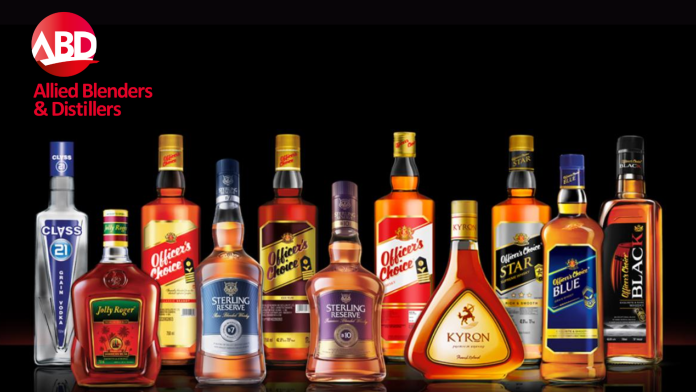
As part of a strategic initiative to capitalize on the premium segment within India’s alcohol retail industry, Allied Blenders and Distillers Limited (ABD) is orchestrating a substantial shift by refocusing on a more upscale product line. This strategic pivot is evident through the establishment of a specialized business division called ‘PremBrands,’ dedicated solely to serving ABD’s premium brand collection. Notable among their existing premium offerings are Sterling Reserve B10 Whisky, X&O Whisky, Srishti Whisky, and Kyron Brandy, with ABD set to unveil a host of new premium brands in the near future.

Moreover, ABD has named Ankur Sachdeva as the Chief Revenue Officer. In this capacity, Sachdeva will lead the overhaul of the company’s current revenue sources and the creation of fresh avenues for expansion, all with a sharp focus on improving product profitability. Possessing more than twenty years of extensive experience in the Alcohol Beverage industry, Sachdeva boasts an impressive track record. His most recent role was as the President of Operations at Radico Khaitan, where he played a pivotal role in the company’s transformation, optimizing on-site capabilities, enhancing the profitability of CSD, and pioneering the inception of novel business ventures.

Alok Gupta, MD, ABD said, “At ABD we are very conscious of the imperative of being ‘future-ready’. We will stay agile to meet our strategic goals and deliver on the premiumisation agenda. The creation of the PremBrands vertical will ensure sharper focus on the higher value portfolio. I am delighted to have a seasoned leader like Ankur on board to steer the revenue and margin agenda for the company.”

Ankur Sachdeva, Chief Revenue Officer, ABD remarked, “I am thrilled to be joining ABD at this pivotal moment in its journey. I see immense potential in the company’s existing and new brand portfolio and the concentrated efforts towards premiumisation. I am eager to be a part of the exceptional team at ABD and contribute to its continued growth and success.”

Advertisement

Kent introduces innovative cookware lineup for safer, eco-friendly cooking

0
Kent

Kent, renowned for its groundbreaking RO Water Purifiers and inventive kitchen gadgets, is thrilled to introduce a varied selection of kitchen necessities just in time for the festive season. Kent’s latest array of culinary tools includes Hard Anodised Pressure Cookers, Anodised Kadhai, Sauce Pan, Frying Pan, Roti Tawa, Dosa Tawa, Healthy Tri-Ply Pressure Cooker, and other items. This collection represents a notable shift towards healthier and eco-conscious cooking methods.

This festive cookware range adeptly blends practicality with elegance to meet the modern cooking needs of Indian households. Its design aims to transform your kitchen into a center of culinary joy and environmental consciousness.

Traditional aluminum cookware carries inherent health concerns, particularly when exposed to acidic ingredients that may lead to aluminum leaching into the food. This issue becomes more pronounced when using stainless steel (SS) cookware, which frequently faces challenges in even heat distribution, resulting in food sticking, burning, and developing undesirable odors.

KENT’s Tri-Ply Pressure Cooker with an Inner Lid strives to harmoniously blend the benefits of both aluminum and stainless steel. An aluminum layer nestled between layers of stainless steel effectively prevents food from sticking and burning, all while guaranteeing uniform heat distribution for healthier meal preparation. The cooking surface is crafted from top-notch 18/10 food-grade stainless steel, ensuring hygiene and resistance to acidic ingredients. At its core, there’s a 1.2mm thick layer of aluminum that efficiently retains heat for rapid frying and even cooking. The outer layer, boasting a thickness of 0.6mm and constructed from SS430 grade material, makes it compatible with both domestic gas and induction cooktops. It is equipped with a robust inner lid that securely locks under pressure, prioritizing safety. The heavy capsulated bottom design ensures durability and ease of use during cooking.

KENT has also unveiled its Hard Anodised Cookware, carefully crafted from premium aluminum and enhanced through a meticulous anodization process for added durability.

Dr. Mahesh Gupta, CMD of Kent RO Systems Limited, expressed, “This is not just a cooking solution; it represents a shift towards safer, more efficient, and enjoyable cooking. Join us in embracing the future of culinary experiences. This festival season, switch to Kent’s cookware range and rediscover the joy of cooking with reliable and health-conscious materials.”

KENT’s Hard Anodised Cookware ensures non-reactivity with acidic ingredients, thereby eliminating any potential health worries. The robust outer layer boasts exceptional durability, with a lifespan of up to a decade, ensuring unparalleled reliability in any kitchen.

These inventive cookware items are designed to endure high temperatures, guaranteeing that your food remains unburned and non-sticky, thereby prolonging the lifespan of your cookware. Each piece of cookware is equipped with a cool-touch handle that is injection-molded for utmost convenience during your culinary endeavors.

Starting at just INR 799, Kent’s Anodised cookware assortment is now accessible at authorized Kent outlets, reputable kitchen appliance retailers, and online marketplaces. Embrace the convenience, efficiency, and elegance that Kent brings to your culinary space.

Advertisement