Frazy, a US-based startup specializing in custom beverages, has unveiled its plans to launch the “world’s first” robotic beverage machine, FrazyBot.
With just a simple press of a button, FrazyBot has the ability to craft personalized specialty drinks right in the comfort of your home. It provides a selection of distinct drink modules, each tailored for coffee, tea, boba, cocktails, or mocktails.
As per Frazy, existing beverage machines face limitations in terms of drink options due to being “too large for countertops” and demanding “numerous ingredients.” FrazyBot, the company clarified, utilizes “Ingredient-Sensing Robotic Technology (InSeRT)” to enable cost-effective and customizable drinks.
The device comprises a foundational module featuring a touch panel and a water reservoir. Users can affix the drink module to the base, insert the ingredient box, and simply press a button to create their preferred beverages. Additionally, consumers have the option to incorporate their favorite milk or alcohol.
Frazy enables customers to place online orders for personalized drinks, providing specific details such as a red velvet latte with an additional espresso shot and oat milk, or a strawberry margarita with a touch of lavender syrup. The fresh ingredients are delivered in a compact, air-tight box.
The disposable box, accompanied by water or the preferred alcohol, is placed into the machine. With a single press of a button, the beverage is crafted, replicating the preparation process seen in a café or bar – encompassing tasks such as grinding beans, frothing milk, and incorporating artistic touches. Following the preparation, the machine automatically cleans itself, disposing of waste in the single-use box.
Frazy CEO and founder Balaji Krishnan said, “In-home devices have long promised to deliver café and bar quality in a simple way, but nothing has come close – until now. Other in-home beverage machines are unwieldy, drink-specific, usually require users to mix a lengthy list of ingredients manually to make a mess and are often hard to clean. And in the end, it may still not be exactly customised to your taste.”
He continued, “Our proprietary robotic technology disrupts the home beverage market and delivers the most authentic experience, creating users’ favourite drinks at home from fresh ingredients with a simple push of a button. FrazyBot is the first machine that prepares your favourite drink from end to end and delivers everything you want down to the smallest detail, exactly how it was ordered.”
South Korea‘s agricultural and food exports hit a record high in 2023, driven by strong demand for instant noodles, strawberries, and other staple items.
The Ministry of Agriculture, Food and Rural Affairs (MAFRA) reported on Friday that exports for the first 11 months of 2023 increased by 2.4% year-on-year, reaching 10.7 trillion won ($8.27 billion). This marks the sector’s highest recorded figure to date.
Leading the way, instant noodles saw a remarkable 25.9% surge in exports, reaching $876.1 million. Other notable gainers in the market included strawberries (increasing by 22.2% to $56.1 million), rice-processed foods (up by 20.7% to $197.5 million), beverages (up by 11.1% to $534 million), and kimchi (experiencing a 9.9% rise to $142.4 million).
South Korean agricultural and food exports continued to find strong demand in China and the US, with shipments to China increasing by 11.1% to $12.88 billion and exports to the US growing by 8.5% to $12.25 billion.
MAFRA is set to include sales from duty-free shops in its export data.
This is attributed to the robust recovery of the duty-free market, which has ensued with the relaxation of COVID-19 travel restrictions.
In the first 11 months of 2023, sales of agricultural and food products in duty-free shops reached $120 million, doubling the level of the same period last year.
Ginseng emerged as a particularly popular item in duty-free shops, experiencing a remarkable 74.6% surge in sales to reach $64 million.
Incorporating duty-free shop sales, agricultural and food exports for the first 11 months of 2023 would show a 3.2% increase, totaling $8.39 billion.
Japanese global apparel retailer Uniqlo has launched its first store in Faridabad today. Situated at The Mall of Faridabad, the store marks the brand’s eighth establishment in Delhi-NCR and the thirteenth in India.
“The opening of this new store rounds up a big year for Uniqlo in India, in which we have also opened our first Highway Store in Zirakpur, as well as our first-ever stores in Mumbai,” said Tomohiko Sei, Chief Executive Officer, Uniqlo India.
“Everywhere we have opened stores in India, we have been delighted to receive a warm welcome from customers,” he added.
Prior to the official store opening, a ribbon-cutting ceremony unfolded before an enthusiastic line of customers.
The recently established Faridabad store will showcase the complete array of Uniqlo Fall/Winter products, encompassing Ultra Light Down, HEATTECH, and Recycled Fleece garments. Additionally, the store will feature products crafted from premium fabrics like souffle yarn, lambswool, and merino.
Within the store, patrons can discover a variety of essential items from Uniqlo, including Easy-Care Rayon, AIRism T-shirts, denim, fine cloth shirts, and Smart Ankle Pants. The assortment will also feature the exclusive Uniqlo and KAWS collaboration UT Graphic T-shirt collection.
To celebrate the opening, Uniqlo is offering a series of special promotions, including limited-time offers on its popular core items such as Souffle Yarn Long Sleeve High Neck Sweaters, HEATTECH Ultra Warm Thermals, Ultra Light Down Parka, Flannel Shirts, and more. The first hundred customers will receive a free Round Mini Shoulder Bag (Corduroy) with every purchase. Customers will also enjoy a discount of INR 1,000 on purchases of INR 6,000 and above.
Moreover, customers making purchases of INR 6,000 and above will be eligible to receive a personalized Tiffin Bag (subject to availability). By downloading the Uniqlo App, customers can access exclusive offers and have the opportunity to win guaranteed prizes through the Lucky Draw.
Speaking about the new store Abhishek Bansal, Executive Director, Pacific Group said, “With the launch of the first Uniqlo store in Faridabad, we aim to elevate the city’s fashion ethos and cater to the discerning tastes of fashion enthusiasts.”
Uniqlo belongs to Fast Retailing Co., Ltd., a prominent Japanese retail holding company headquartered in Tokyo, Japan. Within the Fast Retailing Group, Uniqlo stands as the largest of eight brands, alongside GU, Theory, PLST, Comptoir des Cotonniers, Princesse tam.tam, J Brand, and Helmut Lang.
Uniqlo is a brand under Fast Retailing Co., Ltd., a prominent Japanese retail holding company headquartered in Tokyo, Japan. Within the Fast Retailing Group, Uniqlo holds the position as the largest among eight brands, alongside GU, Theory, PLST, Comptoir des Cotonniers, Princesse tam.tam, J Brand, and Helmut Lang.
Kapiva, a pioneer in modern Ayurvedic solutions, has partnered with Bollywood sensation Tiger Shroff to transform the understanding of Shilajit, a mineral-rich resin frequently misinterpreted. This distinctive collaboration seeks to break down stereotypes surrounding Ayurveda, highlighting the multifaceted uses of Shilajit in muscle building, recovery, energy enhancement, metabolism improvement, and joint health. With a focus on the fitness industry, Kapiva and Tiger aspire to redefine the perception of Ayurveda and advocate for its effectiveness over quick fixes, especially in the realm of muscle building.
The newest promotional film confronts the ongoing tendency to turn to steroids for muscle development, pushing back against societal inclinations toward quick fixes. It champions the use of natural products containing clinically tested ingredients, emphasizing that attaining fitness objectives does not necessitate shortcuts. Kapiva’s men’s wellness lineup showcases products driven by Shilajit and featuring ingredients such as Ashwagandha, Swarna Bhasma, Gokshura, and Black Musli – all rigorously tested for their testosterone-boosting, stress-managing, strength-enhancing, metabolism-supporting, and muscle recovery-accelerating properties.
“Tiger, renowned for his athletic prowess and whose fitness journey has been followed by many over the years, has embraced Ayurveda as a key element in his personal health and fitness journey. This signifies the beginning of a perfect partnership, aimed at collaborating and reshaping the narrative surrounding Shilajit, moving towards a more informed and nuanced understanding for our consumers. We are super excited to have him on-board,” stated Shantanu, Co-Founder of Kapiva.
Kapiva’s dedication to advancing modern Ayurveda is unmistakable in their thorough clinical testing, which guarantees the safety and effectiveness of their formulations. By merging age-old Ayurvedic insights with state-of-the-art clinical excellence, Kapiva strives to establish fresh benchmarks for contemporary wellness.
On Tuesday, the Food and Agriculture Organization (FAO) of the United Nations unveiled the 2023 Regional Overview of Food Security and Nutrition: Statistics and Trends. According to the report, 74.1% of Indians struggled to afford a nutritious diet in 2021, a slight improvement from 76.2% in 2020. In Pakistan, the percentage stood at 82.2%, while in Bangladesh, 66.1% of the population faced challenges in accessing healthy food. The report cautioned that the escalating costs of food, without corresponding increases in income, could result in a growing number of individuals unable to afford a nutritious diet.
“If food costs rise at the same time incomes fall, a compounding effect occurs that can result in even more people unable to afford healthy diets,” the report said.
The FAO report provides an insight into the advancements made toward achieving Sustainable Development Goals and global nutrition targets set by the World Health Assembly (WHA).
vThe report highlighted distressing statistics in the region during the COVID-19 pandemic and the “5Fs” crisis—Food, Feed, Fuel, Fertilizers, and Finance.
“Even to date, the region is still suffering from some protracted effects. The latest statistics indicate that the region, with 370.7 million undernourished people, continues to represent half of the global total. Similarly, the Asia and the Pacific region accounts for half of the world’s severe food insecurity, with more women than men being food insecure. Prevalence rates on stunting, wasting, and overweight among children under 5 years of age, as well as anaemia among women of reproductive age, are still off the marks in terms of World Health Assembly global nutrition targets,” the report said.
The report said 16.6% of the country’s population is undernourished. “The impacts of undernourishment extend beyond health and nutritional well-being to include economic and social costs,” it said. According to the report, the region exhibited lower rates of both moderate or severe and severe food insecurity compared to global prevalence since 2015.
“Southern Asia showed higher prevalence of severe food insecurity compared with the other subregions, and it is in Eastern Asia where the lowest prevalence of severe food insecurity was observed. Compared with the world, Southern Asia had higher percentages for both moderate or severe and severe food insecurity since 2015,” the report said.
Stunted growth affected 31.7% of children under the age of five in the country. “Stunted growth and development are the result of poor maternal health and nutrition, inadequate infant and young child feeding practices, and repeated infections interacting with a variety of other factors over a sustained period,” the report said.
India had the highest rate in the region for wasting (low weight for height), affecting 18.7% of children under the age of five, representing a significant health concern. “Reducing and maintaining childhood wasting to less than 5% is the WHA global nutrition target,” the report noted. 2.8% of the children below five years were overweight, another health risk.
53% of the country’s women aged between 15 to 49 had anaemia, which was the largest prevalence rate in the region in 2019. “It (anaemia) impairs health and well-being in women and increases the risk for adverse maternal and neonatal outcomes,” the report warned.
According to the FAO, the percentage of obese adults in the country was 1.6% in 2000, and this figure rose to 3.9% by 2016. In terms of exclusive breastfeeding among infants aged 0–5 months, India has made progress with a prevalence of 63.7%, surpassing the global prevalence of 47.7%. Additionally, India has the highest prevalence of low birthweight in the region at 27.4%, followed by Bangladesh and Nepal.
Similar figures were previously highlighted by the Global Hunger Index. The Center dismissed that data, asserting that the methodology was flawed. FAO collaborates closely with the governments of its member countries.
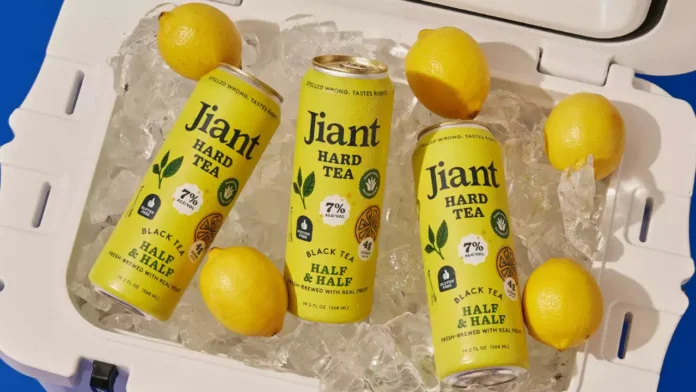
Jiant, a US-based ready-to-drink alcohol brand, secured $6 million in a Series A funding round, with Natureza Growth Partners taking the lead.
Participating in the funding round were G5 Capital, Sage Venture Partners, AIR Ventures, Semillero Partners, Brown Angel Group, Freedom Trail Capital, and Michael Silverstein.
Established in 2019, Jiant specializes in creating freshly brewed hard tea, kombucha, and cocktail-inspired beverages made with authentic tea, fruit, and botanical ingredients.
The funding will be utilized to improve production, expand distribution, facilitate entry into new sales channels, and expedite the growth of Jiant’s well-received hard tea product line.
Larry Haertel, co-founder of Jiant, said, “We are thrilled to have the support of investors who share our vision for redefining stale categories of alcoholic beverage and pushing the boundary of what beyond-beer products can deliver on taste and quality. This capital raise marks a pivotal moment in our journey, putting us in a position to amplify our reach, enhance our offerings, and connect more deeply with our consumers and retail partners.”
Aaron Telch, co-founder of Jiant, added, “We built a great business around our hard kombucha line, and our liquid is one of a kind. However, we saw a much bigger opportunity with hard tea to service more retailers, consumers and occasions and moved quickly”.
He continued, “We have a proven and unmatched prowess in creating delicious beyond-beer liquid using only simple, real ingredients. We believe this is showcased in our exceptional Junk-Free hard tea line and will continue to serve us well as a platform for innovation.”
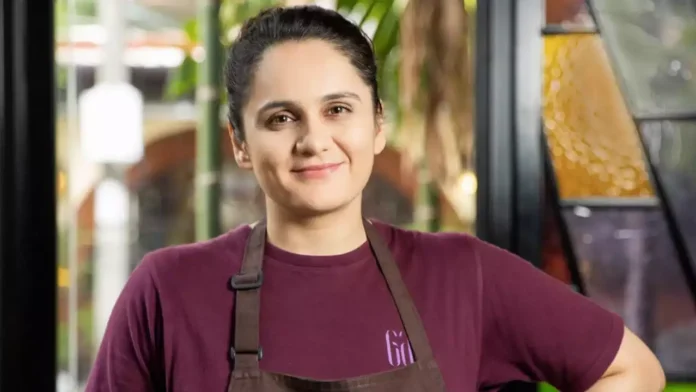
The Michelin Guide Thailand Star Revelation 2024, held on December 13, 2023, unveiled two restaurants that earned a second Michelin star. Among them is Gaa in Bangkok, a contemporary Indian restaurant led by Chef Garima Arora. This highly esteemed accolade, often regarded as the pinnacle of recognition in the culinary world, establishes Chef Garima as the first female Indian chef to achieve the distinction of not one, but two Michelin stars.
As per the Michelin Guide’s official website, Garima’s restaurant is described as having a traditional exterior and a contemporary interior.
“Gaa’s location mirrors chef Garima Arora’s exquisite cooking: old-school at heart, transformed with modern techniques and presentation,” it explains.
The restaurant’s tasting menu features Chef Garima’s “reinterpretations of street food snacks.” The guide depicts her culinary style as “assured, understated, and skillful,” praising the finely balanced spicing, extraordinary flavor combinations, and contrasts in texture and temperature evident in her creations.
Renowned chef Vikas Khanna expressed his joy on Instagram to celebrate the news. He shared a brief video clip featuring himself alongside Chef Garima. In the caption accompanying the post, he wrote, “Today might be “one of the most historic days for Indian Cuisine on a global platform”. The Garima Arora was awarded 2 Michelin Stars by @michelinguide @michelininspectors making her the first female Chef from our country for this honour. Congrats to the brilliant team of @restaurant_gaa for making INDIA so proud. Proudest brother. V.”
In 2023, Indian cuisine has experienced remarkable success on the global culinary stage. Numerous Indian chefs and restaurants have garnered widespread acclaim, securing significant awards and prestigious rankings across the globe.
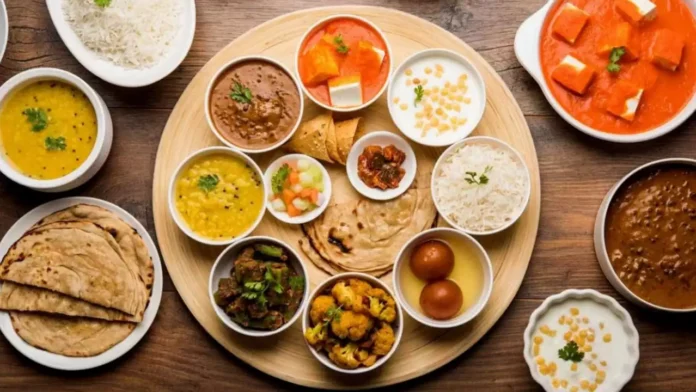
When it comes to culinary delights, India boasts a plethora of dishes, including a variety of curries that have captured the hearts of people. Whether one prefers vegetarian or non-vegetarian fare, Indians have consistently demonstrated their ability to make the most of every ingredient and vegetable available. Infused with a rich blend of flavors and spices, Indian cuisine provides a culinary journey that seamlessly combines tradition with innovative renditions.
The prestigious TasteAtlas, a Croatian experiential travel online guide, has recognized Indian Cuisine as the 11th best in the world, based on ratings of dishes and food products. While this acknowledgment is a source of pride for India, highlighting its deep-rooted culinary heritage and fantastic flavors, it’s noteworthy that Italy secured the top spot on the list, with Japan and Greece following closely behind.
According to TasteAtlas, Indian Cuisine has secured the 11th position as the world’s best cuisine. Surpassing countries such as the USA, South Korea, Lebanon, and Thailand, Indian Cuisine claimed this esteemed spot. Peru secured the 10th position with a score of 4.54, while Brazil claimed the 12th rank.
TasteAtlas wrote, “Based on 395,205 (271,819 valid) dish ratings, and 115,660 (80,863 valid) food product ratings, these cuisines have recorded the best average ratings for their respective top 50 highest-rated dishes and food products.”
The TasteAtlas list featured the top 9 cuisines, with Italy, Japan, Greece, Portugal, China, Indonesia, Mexico, France, and Spain claiming the leading positions. When it comes to the 100 best dishes globally, the rankings unveiled by the publication positioned Butter Garlic Naan at 7th place, Murgh Makhani (Butter Chicken) at 43rd, Chicken Tikka at 47th, and Chicken Tandoori at 48th. The top-ranking dishes on this list include Brazilian beef cut Picanha, Flatbread Roti Canai, Stir-fried Phat kaphrao, Pizza Napoletena, and Dumplings Guotie.
On their website, TasteAtlas wrote, “Out of 10,927 catalogued dishes, based on 395,205 user ratings (271,819 valid), these 100 dishes received the highest ratings.”
Securing the 11th position in TasteAtlas’ 100 Best Cuisines is a significant accolade for Indian cuisine, underscoring its global recognition. This acknowledgment, however, is not the sole instance of international acclaim. At the 2023 Cannes Film Festival, Indian chef Prateek Sandhu orchestrated the inaugural dinner, impressing attendees with a menu featuring delicacies such as Millet Thoran, Malvani-style Sole Fish, Potato Koshimbir, Bengali Sandesh, Mysore Pak, Kashmiri Kahwa, and more. Furthermore, TasteAtlas highlighted popular Indian street foods like tikka, dosa, chole bhature, and Amritsari kulcha in their compilation of the Best Street Foods in the World.
The internet has brought about a democratization of social spaces, providing ordinary individuals with the tools to express themselves. In a similar vein, the internet is leveling the playing field in markets, offering equal opportunities to both major and minor players. As the Indian e-retail market anticipates substantial growth and a significant portion of the population, particularly in Tier-II and Tier-III towns, engages in online shopping, formidable challenges arise for major FMCG companies. These companies traditionally dominate traditional distribution channels, where new entrants struggle to scale up rapidly and emerge as competitors within a few years.
The rapidly growing e-retail sector has the potential to foster the emergence of numerous small brands, each gradually chipping away at the market shares of larger brands in order to thrive.
A report jointly conducted by Bain & Company and Flipkart, foreseeing significant growth and substantial untapped potential in India’s e-retail sector, should serve as a cautionary signal for major FMCG companies, despite appearing to hold promising prospects for them. While these large corporations have undoubtedly considered the future growth potential in e-retail and are actively exploring opportunities in this sector, what they may not have fully considered are the profound and disruptive impacts on the retail landscape. Factors such as emerging consumer technology fueled by artificial intelligence, decreasing logistics costs, and the swiftly changing consumer behavior influenced by volatile social and cultural trends could introduce considerable unpredictability.
E-retail is poised to surpass the $160 billion (over INR 13 lakh crore) mark by 2028, as indicated by a recent report from Bain & Co. Anticipated to be in the range of $57-$60 billion (INR 4.75 lakh crore to INR 5 lakh crore) in 2023, with an annual shopper base of around 240 million, the e-retail market has witnessed an annual addition of $8-$12 billion since 2020.
“Long-term fundamentals of India’s e-retail industry, including affordable data, improved logistics and fintech infrastructure and strong digital consumer ecosystems remain intact,” Bain’s Innovation & Design Capability Area, Partner and Global Leader, Arpan Sheth said in a statement.
The e-retail market is set for substantial growth in the upcoming years, as online spending presently constitutes only 5-6 percent of the total retail spending in India. This is in stark contrast to the United States, where online spending comprises 23-24 percent, and China, where it is as high as 35 percent, underscoring significant potential for expansion. According to the report, the majority of retail expenditure in India (94-95 percent) remains offline, with general trade constituting 87 percent of the overall retail spend. The report further estimates that over 60 percent of internet users in India have yet to embrace online shopping.
Major FMCG corporations are making significant strides in e-commerce, making concerted efforts to leverage its extensive potential. Backed by substantial financial resources, robust brand recognition, and significant investments in technology, these companies are poised to ride the surging wave of e-commerce. However, their vulnerability lies in the rapid rise of Direct-to-Consumer (D2C) brands, which constantly keep them on their toes, presenting a perpetual and looming threat.
The expanding e-retail sector is giving rise to an increasing network of small sellers. “The seller ecosystem is also exploding to cater to these consumers,” the report says. “Twice as many sellers were added in 2022 compared to 2021. Two-thirds came from Tier 2+ cities, and three-fourths operate in the lifestyle, home, and electronics categories. Insurgent online-first brands have emerged as a fast-growing seller cohort, with more than threefold revenue growth from 2020 to 2022. These brands resonate especially with Gen Z consumers.”
Over 50% of the existing total seller base originates from seven cities, specifically Delhi NCR, Surat, Jaipur, Mumbai, Bengaluru, Hyderabad, and Kolkata. The noteworthy influx of new sellers from smaller cities suggests that major companies will encounter competition from numerous smaller brands. These emerging brands are poised to be closer to consumers, aligning with the fact that a significant portion of consumers resides in smaller towns and cities. Direct-to-consumer (D2C) brands, unencumbered by legacy issues, are recognized for positioning themselves in proximity to consumers.
“There is a large FMCG market and the per-capita consumption in many categories is low. But the job to increase penetration is for larger companies and when D2C targets their consumers offline, they will face a bigger challenge,” Soumya Mohanty of Kantar had said in a report early this year.
Over the past few years, several Direct-to-Consumer (D2C) brands have demonstrated that sizable retail brands can be established through modern digital channels, challenging the notion that a traditional retail approach is essential in today’s retail landscape. These D2C brands have successfully cultivated a more profound connection with customers. This highlights a changing consumer mindset, indicating that consumers are increasingly at ease with online transactions and place value on the overall shopping experience in addition to high-quality products.
Historically, marketplaces have harnessed the potential of the festive season by introducing extensive sales campaigns. Direct-to-Consumer (D2C) brands, however, had refrained from participating in sales during this period due to concerns about high return-to-origin (RTO) orders and customer acquisition costs. Yet, GoKwik reported last month that D2C brands on its network experienced a significant surge in order volumes on its platforms during the peak marketplace sale period this year, marking a reversal of the trend observed in recent years when these brands typically witnessed a decline in orders during marketplace festive season sales. Throughout the week-long marketplace sales, the Gross Merchandise Value (GMV) for D2C brands on the GoKwik network increased by 1.5 times in 2023 compared to the previous year. Order volume and GMV saw respective surges of 43% and 52%, aligning with the simultaneous growth in order volumes on marketplaces. A year prior, brands on the GoKwik network had experienced a 7% decrease in order volumes and a slight 6.5% uptick in GMV.
“This reversal in trend is a sign of natural progression of the eCommerce market. It means that the market is deepening. It shows that D2C is rapidly gaining popularity among shoppers, who are looking out for best offers and shopping experience,” said Chirag Taneja, co-founder and CEO, GoKwik, adding that the trend reversal did not imply that shoppers preferred D2C over marketplace or vice versa.
Another source of concern for major FMCG players could be the evolving consumer preferences, particularly among the masses who are transitioning to online shopping. According to a Redseer survey earlier this year, affluent consumers tend to favor premium products across various categories and are open to exploring new product lines. On the other hand, strivers prioritize essentials and favor sachetisation, while mass consumers are highly value-conscious, emphasizing the optimization of price over quality. The survey highlighted that nearly 60% of these consumers are willing to purchase unbranded products, provided they offer the right value. This inclination was even more pronounced in categories such as home & kitchen and fashion.
Major FMCG corporations must adopt greater agility and experimentation to seize the expansive emerging opportunities and ward off Direct-to-Consumer (D2C) brands. While these D2C brands may not necessarily scale up to directly compete, their growing numbers have the potential to erode market shares gradually with incremental impacts.
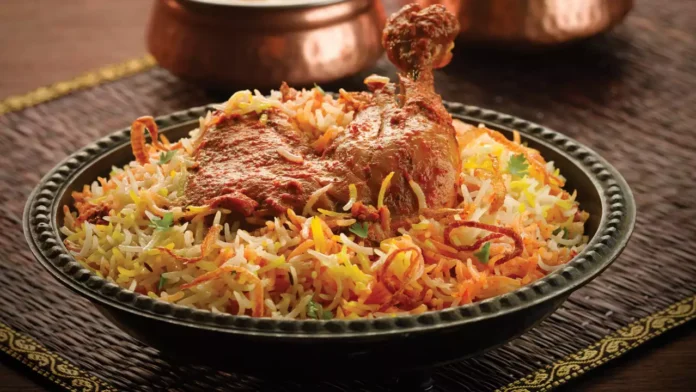
Swiggy, the food delivery platform, has unveiled its yearly summary report, providing valuable insights into the preferences and choices of India’s orders throughout the year. Biryani maintained its position as India’s preferred dish, securing the top spot as the most-ordered item on Swiggy for the eighth consecutive year.
In 2023, India recorded an impressive rate of 2.5 biryani orders per second, with Hyderabad emerging as the leading city in biryani consumption. Notably, every sixth order for the dish originated from Hyderabad, surpassing other cities in biryani preferences.
During the World Cup 2023 finals on November 19, India placed an order for 188 pizzas every minute.
The report also pointed out that user accounts in Chennai, Delhi, and Hyderabad led in placing orders, each having placed over 10,000 orders. The highest expenditure, in terms of value, came from a Mumbai user who spent INR 42.3 lakh on food.
During Durga Puja, Gulab Jamuns outpaced Rasgullas, securing over 7.7 million orders. As for the entirety of the nine-day Navaratri celebration, Masala Dosa consistently held its position as the most favored item in vegetarian orders.
The report highlighted that Bangalore claimed the title of the Cake capital of the country, with a staggering 8.5 million orders specifically for chocolate cake.
The report also provided data for Swiggy Instamart, its quick commerce vertical. The top-searched item on the platform was milk, followed by curd and onions.
“If you put all those who ordered from Swiggy Instamart’s top five cities in a country, it would be the 17th most populated in the world — Welcome to Insta-pur!,” it said.
The single highest order, valued at INR 31,748, was placed by a user in Chennai and included coffee, juice, cookies, nachos, and chips.
The biggest order, in terms of volume, was made by a user from Jaipur who placed 67 orders on Swiggy Instamart in a single day. As for the quickest delivery, Swiggy Instamart set a record in Delhi by delivering a packet of instant noodles in just 65 seconds.
The report emphasized that users of Swiggy Dineout witnessed savings amounting to INR 300 crore.
We use cookies to ensure that we give you the best experience on our website. If you continue to use this site we will assume that you are happy with it.