Friday, February 13, 2026
Home Blog Page 731

Campari gears up for a record acquisition, set to purchase Cognac brand Courvoisier for $1.32 Billion

0
Courvoisier

Campari has announced a deal to acquire the Cognac brand Courvoisier from Beam Suntory.

The Italian spirits group stated its intention to pay a sum of up to $1.32 billion for Courvoisier. Campari’s departing CEO, Bob Kunze-Concewitz, characterized Courvoisier as “a leading historical Cognac house, ranking among the top four.”

Courvoisier’s placement within the Beam Suntory portfolio traces its origins to the division of the UK spirits group Allied Domecq in 2005.

Greg Hughes, President and CEO of Beam Suntory, mentioned that the divestiture of Courvoisier will enable the company to concentrate more on its core areas of expertise, supporting the acceleration of its global growth aspirations.

Campari has stated that it is in the process of “engaging in exclusive negotiations” with Beam Suntory and has obtained a put option to purchase Beam Holding France, the entity that encompasses Courvoisier.

The arrangement of the deal, poised to become Campari’s most significant acquisition surpassing the 2016 Grand Marnier acquisition, involves an initial payment of $1.2 billion. An additional sum, capped at $120 million, is anticipated to be disbursed in 2029. According to publicly-listed Campari, this valuation results in an enterprise value multiple of approximately 17 times the brand’s contribution after A&P (Advertising and Promotion) from the previous year.

Citing data from Beam Suntory, Campari said the Courvoisier business, which also includes the Salignac brand, made net sales of $249m in 2022. The asset’s contribution after A&P was $78m, Campari added.

The owner of Aperol also furnished data for the initial ten months of 2023. During this period, the net sales of the Courvoisier business experienced a year-on-year decline of 33%, amounting to $148 million by October 31. The contribution after Advertising and Promotion (A&P) for the same period was $37 million. However, Campari did not disclose a corresponding figure for the ten months leading up to October 31, 2022.

In its statement, Campari explained, “This performance is influenced by recent market-driven trends, including the normalization of consumption in the US after peak post-Covid sales and destocking at the wholesaler level, aligning with broader trends in the Cognac industry.” Campari further noted that the United States, China, and travel retail collectively contribute to approximately 75% of the total category.

The Cognac markets in both the United States and China have faced challenges in recent quarters. Demand has declined in the US, and in China, the combination of a sluggish real estate sector and faltering economic growth is impacting expenditures on high-end consumer goods.

In October, Rémy Cointreau, the owner of Rémy Martin, reported a 30% fall in its Cognac revenue for the six months ending in September. Sales in the Americas halved during this period.

Based on Beam Suntory data presented by Campari, the United States represented approximately 60% of Courvoisier’s net sales in the fiscal year 2022. Campari highlighted that, collectively, the UK and China contributed to about a quarter of the brand’s net sales. Additionally, travel retail accounted for just over 3% of Courvoisier’s total net sales, as per Campari’s information.

In recent years, there has been speculation within the investment community that Campari might be inclined to undertake a substantial acquisition. This speculation gained renewed attention earlier this year due to a shift in the company’s voting structure, leading to market discussions suggesting the possibility of the group issuing a significant amount of equity without compromising family control.

The acquisition of Courvoisier is slated to be financed through a bridge loan of €1.2 billion ($1.32 billion). Campari stated today that it is consistently exploring different options, considering the evolving market conditions, to potentially fund the transaction using a combination of debt, cash, and equity or equity-like instruments. The timing and amounts for these alternatives are yet to be determined.

Kunze-Concewitz, who is set to step down as Campari CEO in April, said the deal “primed Cognac to become Campari Group’s fourth major leg along with aperitifs, Bourbon and Tequila”.

He added, “The addition of Courvoisier Cognac to our portfolio of global priorities is a rare and unique opportunity to expand our premium spirits portfolio and Cognac offering.”

Hughes has been Beam Suntory’s president and CEO since October, having spent more than eight years at the Maker’s Mark brand owner.

In a post on LinkedIn, Hughes said the sale of Courvoisier was part of the distiller’s “intentional steps to sharpen our focus on our areas of strength and our must-win brands and categories”.

He added, “Our team has thoughtfully built this brand with care, craftsmanship and quality and we know Courvoisier will continue to thrive under Campari Group’s skilled ownership.”
Advertisement

Gyan Dairy ramps up production with new advanced facility in Gorakhpur

0
Gyan Dairy

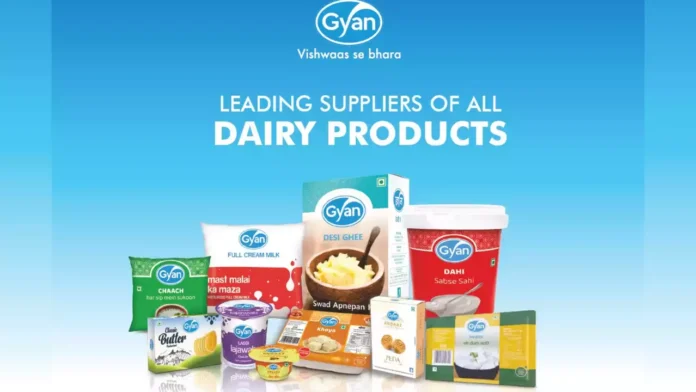
Gyan Dairy, a leading producer of fresh milk and dairy products and a subsidiary of CP Milk & Food based in Uttar Pradesh, has expanded its daily milk production capacity from 11 lakh litres to 15 lakh litres. This strategic move aims to leverage the increasing demand for milk and dairy products in the state of Uttar Pradesh.

The organization has established an advanced facility in GIDA Phase II, Gorakhpur, with a daily capacity of five lakh litres, involving an investment of around INR 120 crores. Spanning 20067 square meters, this facility has contributed to the creation of more than 1800 direct and indirect jobs, providing benefits to over 1 lakh families involved in cattle rearing.

As of November 2023, based on animal husbandry statistics, Uttar Pradesh holds the largest share, accounting for 15.72% of the country’s milk and dairy product production. The state maintains its leading position by annually producing 319 lakh metric tonnes (MTPA) of milk and dairy products. The dairy market in Uttar Pradesh was valued at INR 1,626.7 billion in 2022 and is anticipated to reach INR 3,613.2 billion by 2028, exhibiting a Compound Annual Growth Rate (CAGR) of 14.24% during the period from 2023 to 2028.

“We started our journey in 2007 with just two products in our portfolio, namely Gyan Skimmed Milk Powder and Gyan Desi Ghee. Milk was procured from the market and transported to our plant. The income from the sale of milk had gone to middlemen, depriving dairy farmers of fair compensation for their produce”, said Mr. Jai Agarwal, managing director, of CP Milk & Food Prod

“The situation is different now and everything has changed considerably over the last 6 to 7 years. Today we have a total of four plants in Lucknow, Barabanki, Varanasi and Gorakhpur with an increased capacity of processing 15 lakh per day and providing a range of packaged milk and other dairy products such as Dahi, Paneer, Khoya, Butter, Ghee and dairy-based beverages such as Lassi, Chaach, etc. Our range of products are available across the country via a strong network of over 50,000 retailers and over 50 Gyan Fresh stores”, added Mr. Agarwal.

Advertisement

South Seas Distilleries unveils ‘Crazy Cock’, its first whisky brand for direct consumer sales

0
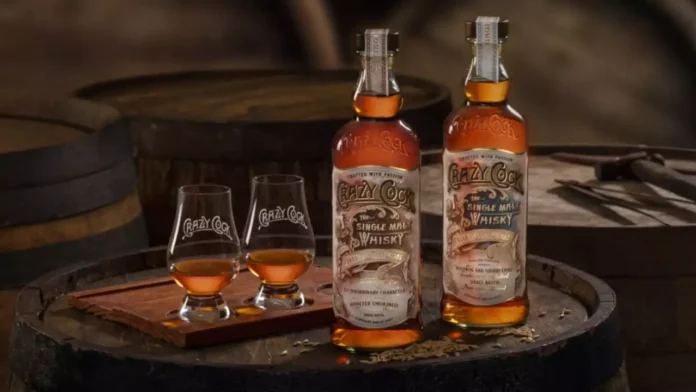
Crazy Cock

South Seas Distilleries and Breweries Pvt. Ltd., a distinguished Alcobev company with a rich heritage, is proud to present ‘Crazy Cock’ as its first whisky brand available for direct consumer sales.

Crazy Cock debuts as a unique single malt whisky, crafted from carefully selected 6-row Indian barley sourced with precision from the untainted plains of North India.

The barley undergoes classic malting and distillation in copper pots, creating a harmonious blend of flavors and a delightful array of nuanced aromas.

The Crazy Cock Dhua acquires its rich and complex flavor profile as it ages in casks previously used for bourbon and sherry. Distinctively smoked batches impart an exclusive deep, peaty quality to the whisky.

Crazy Cock Single Malt Whisky presents two variations: Rare, matured in Double Oak casks, and Dhua, recognized as the Peated expression.

“In the dynamic landscape of global spirits, Indian whiskies are currently enjoying a spotlight. Our esteemed clientele includes some of the world’s leading alcohol beverage giants, a testament to our longstanding partnerships. This initiative is a celebration of our enduring craftsmanship, as we joyfully continue our legacy by crafting a new array of exceptional whiskies under the banner of Crazy Cock,” said H.V. Chinoy.

Crazy Cock aims to enchant refined palates not only in India but also on a global scale, with a focus on establishing a distinctive presence in the luxury segment.

Initially available in Mumbai, Goa, and Haryana, the whiskey brand has plans for broader expansion in the coming months.

Advertisement

E-commerce giant Meesho onboards 25K non-GST sellers since Oct’23; aims for digitizing 10 Million by 2027

0
Meesho
Meesho

E-commerce platform Meesho reported on Friday that it has successfully onboarded 25,000 non-GST sellers since October 2023.

The platform witnessed a surge in non-GST seller registrations last month, with over 40% originating from more than 20 states.

The statement comes after the GST council granted permission for e-commerce platforms to onboard non-GST sellers with a turnover of INR 40 lakh.

“Committed to our goal of digitizing 10 million sellers by 2027, Meesho stands firm in driving innovation and embracing the government’s historic decision to eliminate mandatory GST registration for small businesses selling online,” said Megha Agarwal, CXO business, Meesho.

Additionally, the company emphasized that non-GST sellers contribute approximately 1.3 lakh product listings on the platform, with over 80% of these products being exclusive to Meesho.

Advertisement

Faasos revitalizes its menu with mouth-watering Shawarma range across India

0
Faasos' Shawarma

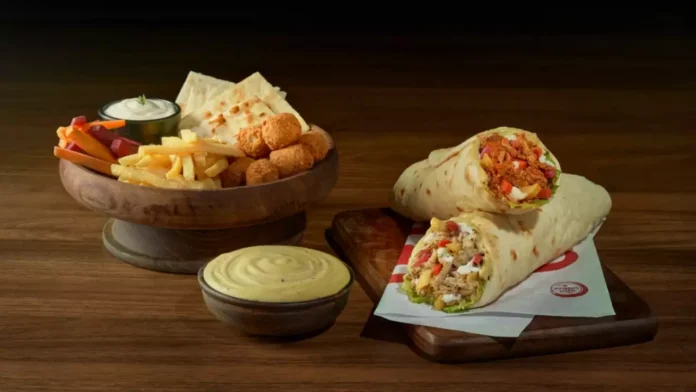
Faasos, the primary wrap brand operating under Rebel Foods, has elevated its offerings with the introduction of a fresh Shawarma line.

With a brand presence spanning over 75 cities across 335+ locations, Faasos’ Shawarma has transcended mere food, establishing itself as a nationwide favorite.

This debut establishes Faasos as a significant contender in the Shawarma market, offering a selection of eight variations that include Classic Peppy Chicken, Special Smoky Chicken, and Sizzled Falafel, among others.

“At Faasos, we take pride in our commitment to innovation and exceeding expectations. We understand that indulging in the same meals over and over can be boring. With this new range of Shawarmas, especially with the New Year celebrations approaching, we are elevating this festive spirit with more delightful food options to choose from. This launch also marks another milestone in the brand’s journey to reach new customers with unparalleled culinary experiences, making every meal memorable,” said Pragati Dalal, Vice President of Marketing at Rebel Foods.

During the Shawarma Fest, Faasos will be actively engaging with customers through various activities.

In major urban centers, collaborators partnering with Faasos will attire themselves as Arab sheikhs, injecting vibrancy into public spaces and transforming them into lively hubs.

The objective of this approach is to blend entertainment with informative sessions, utilizing these interactions as opportunities to spread joy.

The freshly introduced Shawarmas can be conveniently ordered through the Faasos app, EatSure app and website, along with several other food delivery platforms.

Advertisement

Meisterwurst: A Symphony of German Food and Indian Flavours

0
German Food Sausages

Picture Vincent van Gogh intuitively choosing colours from his palette, or Ghalib carefully weaving all the right words into a beautiful poem; in much the same way, Maurer treats his process of making sausages like crafting a culinary masterpiece, as he often puts it.

Do you remember reading about the Spice Trade of India? Condiments, flavours and culture, travelling across borders, for miles and miles. With the progress and adaptation, our taste buds have evolved, but the food dynamics haven’t. Meisterwurst, the brainchild of Mr. Arthur, is living proof. With his love for the Indian people, and a passion for German food, he envisioned bringing the fresh, authentic flavours of Germany to India. “There is so much more to German foods than beer, pretzels, sauerkraut, and schnitzels. You don’t need a festival to enjoy the very best of German treats; there is meat on every occasion!” says Maurer.

Meisterwurst is committed to bringing the finest quality processed meats to your doorstep– right from sourcing the freshest meats, purest seasonings and spices, to perfectly cooking, curing, smoking or simply processing as the case may be, every part of the process ads to the true essence of what it stands for.

What makes Mesiterwurst different? 

Maurer german food

“Our vision is to share a piece of Germany with the people of India”. Creating Meisterwurst in a place with a range of different taste preferences had its challenges. “I had to make the German flavours work for Indian taste buds, which was a bit tricky,” says Maurer. He described the process of finding the right mix as a beautiful adventure in cooking – “it’s all about discovering what everyone can enjoy together”, he said. 

While the process might be truly intriguing, the real secret that made it work for him, was the beauty of keeping it old school, and always prioritising affordability and quality. As Meisterwurst continues to flourish, Maurer has his eyes set on expanding the culinary dialogue between Germany and India.

 “I envision Meisterwurst becoming a household name, not just for sausages but as a symbol of culinary diplomacy,” he declares. His passion for fostering cultural exchange through food is palpable, and it’s this very spirit that sets Meisterwurst apart.

Future Goals and New Avenues

As a long term goal, with the increasing global interest in plant-based diets, Meisterwurst is gearing up to introduce vegan meals and has strategically chosen India as the testing ground for this venture. India, with its vast vegetarian population and rich history of vegetarianism spanning centuries, provides an ideal market for capturing the growing vegan consumer base.

To spearhead this initiative, Meisterwurst is set to launch Veganya, a dedicated brand focused on offering high-quality vegan meals. The company envisions leveraging the immense potential of the Indian market to establish Veganya as a prominent player in the vegan food sector. 

In addition, they are also planning to introduce vegan products and expand them through Meisterwurst innovative retail concepts. The company is in the process of creating unique shopping experiences through the establishment of more Meisterwurst stores.

German Food Meisterwurst

Bringing People Together through German Food

Maurer’s journey is a story of a man who brought a slice of Germany to the vibrant streets of India, one sausage at a time. He has given people an opportunity to become friends over their shared love of sausages, and his fond remembrance of people tasting German food for the first time is a demonstration of just that. Meisterwurst stands not just as a testament to his love for food but as a living legacy of cultural fusion, where the flavours of Germany and India intertwine harmoniously. Maurer even talks about his fond remembrance of people tasting German food for the first time.

“Food transcends borders. It’s a language that everyone understands, and I’m just grateful to be a part of this global conversation” — with that, he returns to the heart of Meisterwurst, where the aroma of sausages and the warmth of cultural exchange fill the air.

Check out this mix of Indian and Italian Cuisines!

Advertisement

Could Your PCOS Be Linked to the Milk You Are Consuming?

Milk PCOS

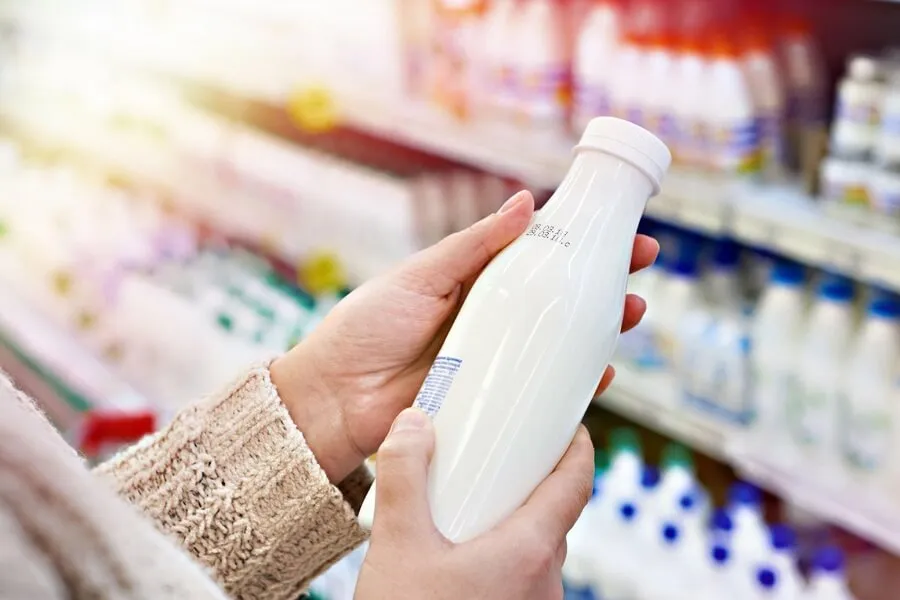
Think about your childhood – the daily routine of being told to drink a glass of milk, a symbol of health that has been with us since we were little. We’ve grown up believing in the goodness of milk. However, as we look closely at what’s on our plates today, a concerning truth emerges.

The drink that graced our breakfast tables may not be as pure as we believe. Adulteration, a practice that involves mixing or contaminating a product with harmful substances, has unfortunately become a pervasive issue. From water dilution to the addition of synthetic chemicals, the milk we consume may be far from the wholesome drink we expect. This deceptive tampering not only compromises the nutritional value but, might be linked to chronic health concerns, particularly the rise in Polycystic Ovary Syndrome (PCOS) among girls and women.

Adding to this concern is the commercialisation of dairy production, where cows are injected with hormones to boost output. “The human body absorbs injected oxytocin when it is consumed through milk or any other dairy product, leading to various adverse effects for everyone,” stated Dr. Arvind Vaid in a recent interview, who is Chief Infertility & IVF Specialist at Indira IVF Hospital in New Delhi. While this might seem like a shortcut to meet the ever-growing demand, it comes at a cost – the purity of the milk itself. The injection of hormones into dairy cows can introduce unwanted elements into the supply chain, potentially posing health risks for those who consume it. As we revisit our childhood ritual of drinking milk, it’s essential to rethink these practices and their potential impact on our well-being.

How Can Milk Be Responsible for PCOS

Milk PCOS

We all know that milk is a great source of calcium, but we often forget about the other constituents. It also contains various hormones like prolactin, luteinizing hormone (LH), Oestrogen, progesterone, oxytocin, and thyroid-stimulating hormone. These hormones can potentially disrupt our body’s hormonal balance, leading to fertility issues. Surprisingly, more than 70% of the oestrogen found in humans comes from dairy products. So, it’s worth considering the broader picture when it comes to the effect it has on our hormones and overall health.

Oxytocin is a widely used drug in the dairy industry, and one of its side effects is the early onset of puberty in girls. More women are dealing with PCOS and endometriosis, and some of it might be connected to drinking milk with too much oestrogen. Additionally, in men, it can lead to a decrease in testosterone production, resulting in low sperm movement and concentration.

Many people might also have an invisible allergy to casein, a protein, or an intolerance to lactose, which is a form of sugar, both of which can be found in milk. The most typical symptoms are tiredness, irritable bowel syndrome, and frequent exposure to these allergens, which triggers an immunological response across the body that reduces fertility by impairing egg quality, leading irregular ovulation, irregular periods, and recurrent miscarriages.

Moreover, it is advised that pregnant women should abstain from consuming too much milk since the excess of oxytocin may result in certain unwanted issues and malformed newborns. It can also prevent breastfeeding and raise a mother’s risk of hemorrhaging after giving delivery, Vaid said. If must be consumed, it is important to ensure that it has been boiled to help get rid of oxytocin residue.

Therefore, it’s critical to comprehend how adulteration can seriously harm a person’s health. In order to pay extra precaution, you can opt from the multiple local dairy farmers, and organic dairy farms, who are assured to supply fresh and unadulterated dairy products, instead of mass produced and industrially packaged packets of milk that potentially might be the reason to some serious health concerns.

Advertisement

Relief for consumers as subsidized pulses, lower onion prices hit the market

0
Onion
Onion

Following the government’s ban on onion exports and the permission for free import of yellow peas, there has been a slight decline in the retail prices of these essential commodities. Onion prices have fallen by almost 7% in the past week.

To regulate pulse prices, the government has initiated the sale of moong dal at subsidized rates through the retail outlets operated by the National Agricultural Cooperative Marketing Federation (Nafed).

Nafed is offering moong dal at INR 107 per kg, reflecting a reduction of INR 15 from its procurement cost, available through its outlets. Additionally, subsidized moong dal will soon be accessible through mobile vans operated by the National Cooperative Consumers Federation (NCCF) and Kendriya Bhandars. In the broader market, the average retail price of moong dal stands at INR 116 per kg.

“We expect there will be a significant fall in prices of all major pulses in the next couple of weeks because of free import of yellow peas. We are also confident of onion prices falling further with the arrival of more kharif (summer) crops, which have been harvested,” said an official.

According to government data, the average cost of onions has decreased to INR 56/kg, down from INR 60/kg one week earlier. As for pulses, there has been an average reduction of approximately INR 1 per kilogram. Officials have indicated that increased moong sales by Nafed and NCCF are expected to have a mitigating impact on prices.

Presently, Nafed holds approximately five lakh tonnes of moong dal stock, surpassing the one lakh tonne buffer. This ample “good stock” will enable government cooperatives to persist in offering moong and chana dals in wholesale and retail markets at subsidized rates.

Advertisement

8 Common Cooking Mistakes That Might Be Harmful for Your Health

Cooking

Our kitchens have changed and evolved over the past few decades to reflect new knowledge and the latest developments in everything from cooking techniques to appliances. But let’s not lose sight of the fact that the kitchen is the center of our homes and where the magic of preparing meals happens. It’s where we play with ingredients and flavours to nourish ourselves and our families. But, in the middle of all the hustle-bustle and daily chaos, there might be some minor errors that go unnoticed, that have an impact on our health. So let me just give you a heads-up on 10 culinary mistakes that can be subtly harming your health.

  1. Making Rotis on Direct Flame

Making Rotis

Roti is a staple on most North Indian dinner tables and has a special place in our hearts. An intriguing discovery has emerged from recent studies: high-temperature cooking techniques, like the traditional direct flame roasting, can produce toxic substances like polycyclic aromatic hydrocarbons (PAHs) and heterocyclic amines (HCAs), which have been linked to an increased risk of cancer. So instead, go for Tawa Rotis!

2. Cooking or storing acidic food in reactive pans

Cooking with aluminum pans can lead to reactive metals like Aluminium to mix with your food at high temperatures. This can pose health risks like dementia, Alzheimer’s, and kidney diseases.

3. Consuming cooked or heated honey

Heating or boiling honey ruins it and eliminates many of its health benefits. Cooked honey consumption causes blood glucose imbalance, respiratory disorders, weight gain, digestive issues, and some skin concerns. Furthermore, pasteurising honey may raise its glycemic index, which is bad for those who have diabetes. Also, as many honey products are heated and fried during processing, extreme caution should be exercised while purchasing them. Therefore, it is always best to purchase raw or organic honey from the market and eat it uncooked.

4. Using damaged non-stick cookware

Tiny fragments may break off from a scratched or damaged nonstick pan manufactured using PFAS and end up in your meal. These chemicals’ coatings cause thousands to millions of microplastics and nanoplastics to be released from these scratched pans. To protect yourself from potentially hazardous chemicals, you should never use a nonstick pan that has been dented or damaged.

5. Overheating healthy oils

Reusing cooking oil, whether it’s vegetable or other, more than twice increases the risk of converting the oil’s fatty acid composition into trans fatty acid if it is heated constantly. Trans fats, commonly known as trans-fatty acids, differ from conventional dietary fats due to the fact that they raise bad cholesterol, while also lowering the good cholestrol.

6. Throwing away leftover rotis

Certain meals, like rotis, can actually grow more nutritious if kept properly for up to as long as 12-15 hours, and are not harmful. Overnight-kept rotis have medicinal values to treat diabetes and also help in weight loss, improving blood pressure and curing bloating.

7. Adding uncooked salt over your food

Salt to Cooking

Consumption of excess uncooked salt in your food is an invitation to multiple health issues, and can impact the nervous as well as circulatory systems, giving rise to heart and kidney issues. The iron structure of the salt is simplified and absorbed more readily by the stomach when it is heated. Uncooked salt causes high blood pressure and hypertension because it retains its iron structure, which puts additional strain on the body.

8. Cooking vegetables for too long

Cooking/ boiling/ steaming vegetables for too long, until they turn soft and soggy, can result in the vegetables losing most of their nutrients. The same happens, when you fry your vegetables.

While you may choose to take a more familiar route everyday, it is best to keep your health at priority, and be mindful of the way we are preparing our meals everyday. Small changes can go a long way!

Check out some common blunders that are ruining the flavour of your food!

Advertisement

Bain Capital invests in sports nutrition company 1440 Foods, boosting active lifestyle market

0
1440 Foods

US-based sports and active nutrition company, 1440 Foods, has successfully secured investment from private-equity business Bain Capital.

Both parties have officially entered into a “definitive agreement,” wherein Bain Capital will acquire “a substantial stake in the company,” joining forces with the current shareholder, 4×4 Capital.

Specific financial details were not revealed.

Bain Capital stated that the transaction is expected to conclude this month, subject to the fulfillment of “customary closing conditions.”

Adam Nebesar, a partner at Bain Capital, expressed the investment group’s goal of establishing 1440 Foods as a leading force in the active lifestyle nutrition market.

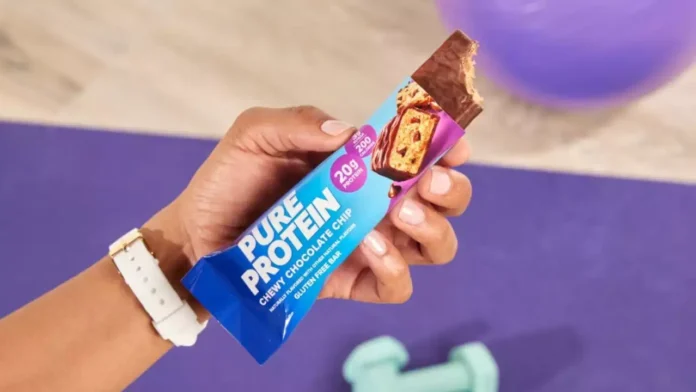
1440 Foods offers a variety of products encompassing Pure Protein RTDs, whey powders, and snack bars, as well as MET-Rx meal replacement supplements and high-protein shakes from Body Fortress.

Previously under the ownership of the US-based supplements group The Bountiful Company, 1440 was acquired by 4×4 Capital in 2021.

After the Bain Capital deal, Alex Medicis, co-founder of 4×4 Capital, will continue to serve as the chairman of the 1440 Foods board.

In a statement, Medicis said, “This achievement is a testament to how we support management teams to create value through top-line growth and operational excellence.

“We look forward to continuing to create value at 1440 Foods, in partnership with Bain Capital, as the 1440 Foods team accelerates its goals of shaping the future of ‘better for you’ snacking and meal replacement.”

Bain Capital stated that the investment will not affect the leadership of the protein bar maker, assuring that CEO Azania Andrews and her management team will persist in guiding the group.

The recent agreement, according to Azania Andrews, CEO of 1440, will empower the company to embark on a “new phase in our journey of growth.”

“Our vision is to become the go-to choice for people seeking flavourful, functional, and convenient nutrition as part of a balanced lifestyle,” she said.

“Bain Capital shares our vision and their deep expertise supporting the growth of global consumer brands will help us to expand our product offerings reaching more consumers in more occasions and channels, building upon our strong momentum as a leading lifestyle nutrition company.”

Within the private-equity firm’s portfolio is the Vietnamese Masan Group, receiving a $200 million investment in October. In the previous year, Bain Capital secured a minority stake in the US sous-vide group Cuisine Solutions and currently possesses Valeo Foods, the manufacturer of Kettle crisps and Jacob’s crackers.

Advertisement