Tuesday, February 17, 2026
Home Blog Page 680

Taj Mahal Tea faces boycott in Maharashtra as FMCG distributors protest HUL’s margin changes

0
Taj Mahal Tea

FMCG distributors demanding restoration of old margin structures from the leading maker HUL on Thursday said they would boycott its products in Maharashtra, starting with Taj Mahal Tea.

The distributors further said that if the company does not pay attention to their demand, then they will boycott the Kissan brand and leading detergent brand Rin along with Taj Mahal tea brand going ahead.

HUL’s Margin Adjustment

HUL, the owner of brands like Lux, Lifebuoy, Surf Excel, Rin, Pond’s, and Dove, has decreased the fixed margin by 60 basis points while raising the variable margins for its distributors by 100 to 130 basis points.

The distributors are demanding a minimum basic margin of 5 percent. They endorse incentive parameters but insist that these should not encroach upon the distributor’s margin.

The All India Consumer Products Distributors Federation (AICPDF), a collective body representing distributors, has raised concerns about the updated margin structure.

AICPDF on Thursday shared a statement from the Maharashtra Consumer Products Distributors Federation (MSCPDF), in which they have started non-cooperation against HUL from January 11, by boycotting its products starting with Taj Mahal Tea.

MSCPDF plans to keep the Taj Mahal Tea brand as “Inactive” till January 25, which “should be kept in Frozen so that it does not get booked and billed.” However, if “the company does not pay attention to our legitimate demand, then Kissan brand along with Taj Mahal tea will be Inactive / Frozen from January 25 to February 10,” MSCPDF said.

MSCPDF further said if no solution is found even after this, then products under HUL’s leading detergent brand “Rin along with Taj Mahal and Kissan brands will be Inactive from February 10 to February 25.” An E-mail sent to HUL remained unanswered by the time of filing of the story.

The federation further said from March 1, a nationwide movement will be organized in all the states along with a dharna with 1,000 distributors in front of HUL’s Mumbai-based head office.

“This movement will start from Maharashtra and spread to different parts of the country week after week,” AICPDF statement said, adding by February, more than 1,500 to 2,000 distributors from other parts of India are expected to participate.

Typically, FMCG companies offer two types of incentives: fixed margins and variable margins. The majority of these companies provide fixed margins ranging from 450 to 600 basis points, in addition to variable margins determined by factors like performance.

AICPDF claims to represent over 4 lakh distributors and the stockist pan India.

Two years before also AICPDF was in loggerheads with HUL over margin parity between business-to-business platforms and cash-and-carry players. It had called for a boycott of HUL products, which was later called off on January 4, 2022.

Continue Exploring: Hindustan Unilever’s margin restructuring sparks discontent among FMCG distributors in India, AICPDF labels move as ‘draconian agenda’

Advertisement

Seafood companies boost investments in local market amid global export challenges: Shrimps, squids, and lobsters see surge in domestic demand

0
Seafood
Seafood

Seafood companies are increasing their investments in the local market to meet the growing demand for premium seafood, including shrimps, squids, lobsters, and seer fish. This comes as exports face a decline amid global economic challenges.

The pandemic years have brought about a shift in the domestic seafood market, predominantly influenced by unorganized players.

“Overall, the local seafood market is growing by 9-10 percent. The market is seeing a gradual shift to organised players which are growing more than the industry at 30 percent or more,” said Shivam Gupta, director of WestCoast Fine Foods, an integrated seafood company with farms and hatcheries and an extensive retail network.

The pent-up demand in inland metropolises like Delhi and Bengaluru, coupled with the resurgence of sales in restaurants post-pandemic, has facilitated the growth, as stated by Gupta. He anticipates that the vertical will sustain its current levels of growth in the upcoming years.

The availability of shrimps in India has surged due to the thriving aquaculture industry, pushing the production to over 9 lakh tonnes. Presently, more than 7 lakh tonnes are exported, establishing it as a significant commodity in the seafood exports valued at $8 billion. Seafood processors and exporters estimate that approximately 30 percent of the production could be marketed domestically, as domestic prices are relatively competitive with export prices. The export market is currently experiencing a downturn in prices, attributed to oversupply and economic challenges in major markets like the US and Europe.

Continue Exploring: Govt launches INR 576 Crore aquaculture plan to transform northern states into sustainable shrimp farming hubs

Mathew Joseph, COO and co-founder of FreshToHome, a prominent online seafood and meat platform, reports that numerous high-value items, previously either exported or lacking local customer interest, are now gaining traction in the market.

“Vannamei shrimps, the mainstay of seafood export from India, are finding more takers domestically. Seer fish and tiger prawns selling in the range of INR 1,000 to 1,500 per kg have good demand. We even have requests for Atlantic salmon, which comes at INR 5,000 per kg, from big metros,” he said.

The company has allocated approximately INR 500 crore to enhance its infrastructure and transportation, ensuring the freshness of its products.

“We have factories in all the major cities in the country and we take extra care to maintain the cold chain network right from the harbour to the time it reaches the customer,” Joseph said.

For instance, the fish caught in Kerala is transported by air in the evening, reaching customers in Delhi the following morning. For deliveries beyond the city, the company utilizes its transportation equipped with cold storage facilities. Anticipating a minimum 20 percent increase in turnover this fiscal year, the company, valued at INR 1,100 crores, remains optimistic about its growth.

Seafood Preferences Shift: High-Value Items Gain Traction

According to research organization Expert Market Research, a key trend in the Indian shrimp market is the evolution of the food industry. This transformation is propelled by the increasing demand for ready-to-eat food items, spurred by factors such as rapid urbanization, busy work schedules, higher disposable incomes, heightened health consciousness, improved living standards, and a rise in the number of working women.

Even surimi, a value-added product crafted from fish meat paste to replicate the texture and flavor of items such as crab and lobsters, is gaining traction in the Indian market. Among the surimi products, crab sticks are particularly popular.

Gadre Marine Export, the leading surimi exporter in the nation, has penetrated the domestic market with its product offerings. “The rate of acceptance of surimi products in the Indian market has improved. We are doing INR 35-40 crore business in the Indian market. The domestic market is growing at 25 to 30 percent even though from a low base,” said Arjun Gadre, MD of the company.

Kings Infra Ventures Ltd., a company engaged in aquaculture farming and seafood trade, is entering the domestic market to establish a network of quick-service restaurants (QSR). With a plan to invest approximately INR 100 crore in the coming years, the company aims to establish QSRs on a franchisee basis, offering a range of ready-to-serve seafood recipes featuring prawns and other fish.

Initially, the company will establish 100 quick-service restaurants (QSRs) in Kerala and an additional 200 in Bengaluru.

“We intend to bring the convenience of heat and eat seafood delicacies in the domestic market under the brand Kings Bento,” Shaji Baby John, CMD of the company, said.

Abad Fisheries, a major seafood exporting company, conducts business worth INR 200 crore in India, utilizing 25 cold storages distributed across the southern states.

“At a time when we are facing reverses in the export market with new regulations, duties and attacks in the Red Sea leading to diversion of cargo, the domestic market is becoming stronger. Shrimp has ceased to be a specialty product and has become a regular affair even in weddings,” said its CMD Anwar Hashim.

Room for Growth: Developing the Domestic Seafood Market

Despite the increased affordability of high-value items like shrimp and a notable reduction in the general aversion to frozen fish, there is still room for further development in the domestic market, according to Abraham Tharakan, Chairman of Amalgam. Amalgam sells frozen food under the Buffet brand in the retail market.

“The government should go for a campaign similar to what it did for egg to promote seafood,” he said.

Ravi Kumar Yellanki, President of the All India Shrimp Hatcheries Association, noted that collaboration between the government and the industry is crucial to raise awareness about the health benefits of seafood such as shrimp. Additionally, efforts should be made to establish more cold chain networks.

“Shrimp has exquisite taste, is more versatile than chicken in making dishes and is highly sustainable to boot as it has lower feed conversion rates,” he said.

Mathew Joseph, associated with FreshToHome and serving as a fisheries task force member of the Confederation of Indian Industry (CII), mentioned that they have proposed to the government the establishment of infrastructure facilities, such as cold storages in harbors and fish markets, to minimize wastage. Expert Market Research anticipates a Compound Annual Growth Rate (CAGR) of 9.60 percent for the Indian shrimp market over eight years, projecting it to reach 2.12 million tonnes by 2032.

Continue Exploring: Andhra Pradesh’s Srikakulam district emerges as a global hub for shrimp exports, generating INR 10,000 Crore annually

Advertisement

Nestlé boosts coffee production capabilities with $100 Million investment in Vietnam

0
Nestle
Nestle

Nestlé Vietnam has strategically invested $100 million to enhance the production capabilities of its Tri An coffee facility in the southern province of Đồng Nai.

Nestlé says the investment is a response to the escalating demand for premium-quality coffee, both locally and globally.

The Tri An factory currently functions as an exporter of coffee products, including brands like Nescafé, Nescafé Dolce Gusto, and Starbucks, to over 29 countries globally. Since its establishment in 2011, Nestlé has invested over $500 million in this facility.

Vietnam’s Vital Role for Nestlé:

Vietnam, currently holding the position of the world’s second-largest coffee producer and exporter, plays a crucial role in Nestlé’s coffee sourcing operations.

As the leading coffee buyer in the nation, Nestlé consistently allocates around $700 million each year for coffee procurement.

In 2011, Nestlé launched the Nescafé Plan, a sustainability program aimed at promoting the responsible growth of coffee.

Implemented in the Central Highlands of Vietnam, the program actively assists farmers in embracing sustainable agricultural practices, facilitates the revitalization of coffee plantations through the distribution of high-quality plantlets, and advocates for the preservation of water resources and biodiversity.

Nestlé’s presence in Vietnam goes beyond coffee production, encompassing six operational factories specializing in coffee, cocoa malt beverages, cooking aids, and water. With an almost three-decade presence in the country, Nestlé currently has a workforce of around 3,000 individuals.

Continue Exploring: Nestlé charts expansion in Brazil with $1.2 Billion investment

Advertisement

Indonesia’s Bulog and IDFood set to import 120,000 Tons of meat from Brazil and India

0
meat
(Representative Image)

Indonesia has assigned its state food procurement entities, Bulog and IDFood, to acquire 120,000 metric tons of meat from Brazil and India this year, as announced by the National Food Agency (NFA) on Thursday.

Bulog was allocated an import quota of 100,000 tons of water buffalo meat from India, while IDFood was designated to import 20,000 tons of beef from Brazil, as stated by NFA chief Arief Prasetyo Adi to reporters.

Timely Meat Delivery Targeted for Ramadan

Bayu Krisnamurthi, the CEO of Bulog, announced plans to initiate a tender soon, with the aim of securing the meat delivery ahead of the Muslim fasting month of Ramadan in mid-March.

“We are trying to have them (arrive before Ramadan) to strengthen our stocks,” Bayu said.

Arief, the NFA chief, mentioned that the meat import quota for Bulog and IDFood has been maintained at a similar level to that of the previous year.

Continue Exploring: UK and Israel strike deal to expedite approval of cell-based meat products

Advertisement

Tata Starbucks records INR 24.97 Crore net loss, despite robust 70% revenue growth in FY23

0
Tata Starbucks

Tata Starbucks has reported a net loss of INR 24.97 crore from its operations in India for the financial year ending March 31, 2023, as per financial data obtained through the business intelligence platform Tofler.

However, its revenue from operations was at INR 1,086.89 crore for the said period, up 70 percent helped by the addition of more cafes and expansion of the network in more cities in India.

In India, Starbucks cafes are operated by Tata Starbucks Pvt Ltd.

It is a 50:50 joint venture between Tata Consumer Product Ltd (TCPL) and Emerald City CV, a wholly-owned entity of Starbucks Corporation, USA.

Tata Starbucks had reported a net loss of INR 94.84 crore in FY22 and its revenue from operations was at INR 636.11 crore.

Tata Starbucks Advertising Surge:

In FY23, Tata Starbucks’ Advertising promotional expenses increased 84.45 per cent to INR 34.05 crore. It was at INR 18.46 crore a year ago.

Besides, it has also paid a royalty of INR 76.83 crore in the financial year ended March 31, 2023.

Tata Starbucks Operations Expansion:

Tata Starbucks has expanded its store base. It was operating 333 Starbucks stores as on March 31, 2023 with the addition of 71 new stores. During the year, Tata Starbucks entered 15 new cities marking its presence in 41 cities.

Continue Exploring: Starbucks CEO bullish on India’s coffee market, targets 1000 cafes by 2028

As on March 31, 2023, total number of employees on the rolls of Tata Starbucks stood at 3,877, which comprised 2,357 male and 1,520 female employees.

Advertisement

Odisha’s red ant chutney officially recognized with GI tag

0
red ant chutney

In recent years, the culinary landscape has been shaped by a desire to rediscover our culinary heritage, emphasizing sustainability and the use of hyperlocal ingredients. Over the past few months, several of India’s indigenous culinary delights have been granted Geographical Indication (GI) tags. The latest addition to this list is the red ant chutney, a zesty delicacy from Odisha.

As reported, the chutney, also known as Similipal Kai Chutney, is skillfully crafted by the tribal people of Odisha’s Mayurbhanj district using red weaver ants. On January 2, 2024, it was granted the geographical identity tag, reflecting its deep-rooted connection to the region’s flavors and traditions. Notably, in 2018, renowned British chef Gordon Ramsay acknowledged its delectable taste, adding it to his menu.

Across different global communities, insects have been a traditional and nutritious food source, a practice referred to as entomophagy. From ants and crickets to silkworm larvae, these small creatures have become part of diverse diets. In India, the enjoyment of red ant chutney extends beyond Odisha; Chhattisgarh and Jharkhand also relish this delicacy, believed to be nutritious. During the pandemic, it was even considered a remedy for Covid.

Continue Exploring: Goa advances with GI tags for fish curry rice and traditional bread varieties

Crafted by indigenous tribes in Mayurbhanj, the chutney involves gathering red weaver ants, also known as kai pimpudi, from the sal trees in the nearby Similipal biosphere reserve. The task is no simple feat; the male ants are notably fierce, and their bites can be painful. Hence, the majority of individuals prefer to hunt these ants at dawn when they are less active.

Nutritional Benefits of Red Ant Chutney:

Once captured, the ants undergo a process involving crushing, bag collection, washing, and drying before being cooked. This chutney is renowned as a potent source of protein, fiber, and minerals, with reputed abilities to alleviate coughs, body aches, and fever. Additionally, the tribal communities utilize these ants in the preparation of soups and medicinal ointments by incorporating them into oils.

Red Ant Chutney has garnered attention over the past few years. In India, certain restaurants have incorporated this tribal delicacy into their menus. The GI tag not only enhances its recognition but also safeguards its distinctive identity, preventing imitations from diluting its unique flavor profile.

Advertisement

Uniqlo operator Fast Retailing reports 25% surge in Q1 operating profit fueled by strong overseas sales

0
Uniqlo
UNIQLO

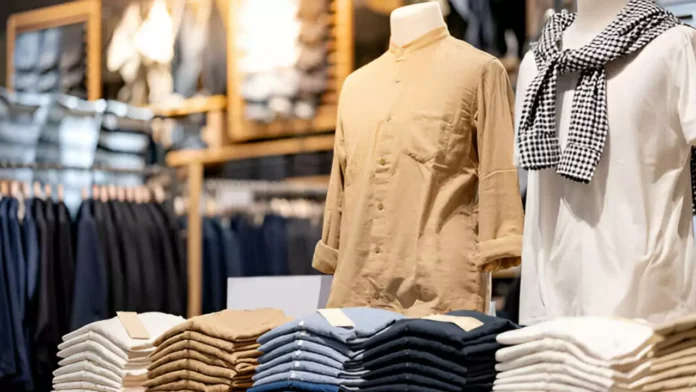
On Thursday, Japan’s Fast Retailing Co disclosed a 25% surge in first-quarter operating profit, propelled by robust overseas sales. The Uniqlo operator is set to achieve a third consecutive year of record earnings.

Earnings for the three months ending in November amounted to 146.7 billion yen ($1.01 billion), reflecting a notable increase from the 117.1 billion yen reported in the same period the previous year.

The consensus forecast was for 137.9 billion yen, according to the average estimate of five analysts surveyed by LSEG.

Fast Retailing maintained its full-year operating profit forecast at 450 billion yen, following record earnings of 381.1 billion yen in fiscal 2023.

Uniqlo noted a significant surge in revenue and profit for its operations in mainland China during the first quarter.

Founded and led by Japan’s richest man, the company secured successive record earnings over the past three years, driven by its aggressive growth strategy overseas.

In fiscal 2023, business in mainland China, its largest foreign market, experienced a revival after enduring over two years of slowdown due to the strict zero-COVID policy, which entailed city-wide lockdowns.

Uniqlo’s Expansion Plans: 20 New Stores in the US and Canada

During China’s economic downturn, the company intensified its efforts in North America, resulting in nearly doubling operating income last year. Fast Retailing aims to expand its presence by opening 20 new stores in the United States and Canada in 2024, in addition to the 72 stores already in operation as of the end of December.

Fast Retailing anticipates achieving another record profit in 2024, although the company, recognized for its rapid introduction of seasonal items like fleece jackets and thermal wear, could face challenges due to climate change.

Last year, deemed the hottest on record, analyst Mark Chadwick predicted a “sluggish beginning to the fiscal year” in a report on the Smartkarma platform before the results were announced, citing unusually warm conditions from September through December.

In October, Fast Retailing announced its intention to launch 80 new stores annually in Greater China, encompassing Hong Kong and Taiwan. With 931 Uniqlo outlets in mainland China, surpassing the count in Japan, the company stands as a key indicator for retailers operating in the world’s second-largest economy.

Fast Retailing’s shares surged by 32% in 2023, surpassing the 30% growth of the benchmark Nikkei index.

Continue Exploring: Uniqlo appoints Bollywood star Katrina Kaif as first Indian brand ambassador

Advertisement

Fashion jewellery brand salty secures INR 5.4 Crore for team expansion and product innovation

0
Salty

Fashion jewellery brand Salty has secured INR 5.4 crore in a recent funding round, with contributions from Anicut Capital, All in Capital, Suashish Diamonds, JK Group, and other investors.

The funds will be utilized for team expansion and the introduction of new product lines, aiming to offer consumers quality and affordable fashion accessories.

Established by Twishaa Gupta and Sonaal Goel, Salty presents an extensive range of accessories such as earrings, necklaces, bracelets, and more. Renowned for its use of quality materials and budget-friendly pricing, the brand also provides a diverse collection of trendy designs suitable for all occasions.

The brand has also earned accolades from multiple industry awards, including the India Design Council Award for Excellence in Fashion.

In the last year alone, the startup asserts that it has effectively fulfilled 60,000 orders for customers nationwide.

Continue Exploring: Jewellery consumption set for 10-12% value growth in FY24, driven by soaring gold prices: ICRA

Advertisement

Bevvy raises $1.5 Million in seed funding to revolutionize whisky exploration and expand into US markets

0
Bevvy

Bevvy, the whisky app, has announced the successful closure of a $1.5 million seed funding round, with the aim of supporting its expansion into new market regions.

The new investment primarily comes from angel investors based in Scotland, existing shareholders, and a family office in Denver, USA. The company is actively expanding its footprint in the United States, diversifying its collection of Bourbon bottles. A portion of the US investment is contingent upon the commitment to establishing a live and active presence in the US market by mid-2024.

Laurie Black, co-founder & head of whisky at Bevvy, commented, “Having already established the leading position in the digital whisky space; this new capital allows us to cement our market share and grow our consumer audience into new territories. We’re hugely excited to be heading Stateside in 2024.”

Bevvy’s Innovative App: Whisky Scanning and Insights

App users can leverage both the application and the camera on their mobile phones to scan the label of any whisky bottle, obtaining tasting notes and valuations. Central to this functionality is a robust database encompassing 200,000 whiskies released over the past 120 years. Upon scanning a bottle, the whisky’s “profile” is enriched with content from distilleries and bottlers, along with pricing data and expert tasting notes.

Greg Gormley, finance director for Bevvy, added, “In one of the most challenging fundraising environments I can recall, Bevvy’s successful raise underlines its dominant and growing position as a critical tool among whisky consumers and collectors. The interest and demand in whisky are growing at a pace not seen before. However, the market is fragmented and disjointed, with an absence of easy-to-access tools and information.”

He continued, “There is a considerable hole in the market for a value-add, information-led app that allows a bottle of whisky to be fully understood, in terms of taste, history and pricing. Bevvy is addressing this need and is finding its audience is both engaged and growing at a phenomenal pace.”

Bevvy has collaborated with bars and auctioneers, enabling bars to create a live menu and allowing auctioneers to provide potential sellers with estimated values for their whisky collections if they decide to auction their bottles.

Co-founder Black added, “This is an extraordinarily exciting time for us; we see thousands of bottle scans each and every week and we are gaining a fascinating insight into user taste preferences, price trends and industry strengths and weaknesses. Bevvy finds itself at the heart of a major shift in how consumers and collectors engage with this multi-billion-dollar market. 2024 is going to be a year of spectacular development and innovation.”

Continue Exploring: Pernod Ricard breaks new ground with the launch of first Chinese-made whisky

Advertisement

Hungary to implement mandatory ‘shrinkflation’ price warnings on retail products

0
FMCG
(Representative Image)

The Hungarian government will mandate larger food retailers to include labels indicating instances of “shrinkflation” on their products.

According to a statement from the country’s government, food retailers with a sales revenue larger than Ft1 billion ($2.9 million) will be required to display warnings on products that have shrunk in size while their prices have been maintained or increased.

Manufacturers are obligated to communicate any alterations in product size to retailers.

Shrinkflation Labeling Requirements

The labels must indicate any variations in weight or volume, with the measurements being compared to those of the same product between January 1, 2020, and July 1, 2023.

Retailers are required to furnish the information for a duration of two months from the date they commence selling the product in its reduced size.

The scheme is slated to roll out in the first half of February.

The Hungarian government has announced that the consumer protection authority will intervene in cases of non-compliance. Additionally, consumers will have access to a public database on the National Food Chain Safety Authority’s (NEBIH) website, which records changes related to the mandated labels indicating “shrinkflation” on products.

“In parallel with stagnant or rising prices of some produce, the size of packaging has been shrinking in many countries,” the statement said. “The result of this deceptive practice is that consumers get less for their money from the purchased products than before.”

The government stated that it is making every effort to safeguard families and is actively combating consumer deception in the face of challenging economic conditions.

Earlier this month, France also submitted plans to the EU for new rules to require the country’s retailers to alert shoppers about shrinkflation.

Paris has asked the European Commission to clear a move that would oblige grocers to tell consumers if a product has been reduced in size but its price has stayed the same.

Continue Exploring: Hungary to lift price caps on essential food items as inflation decreases

Advertisement