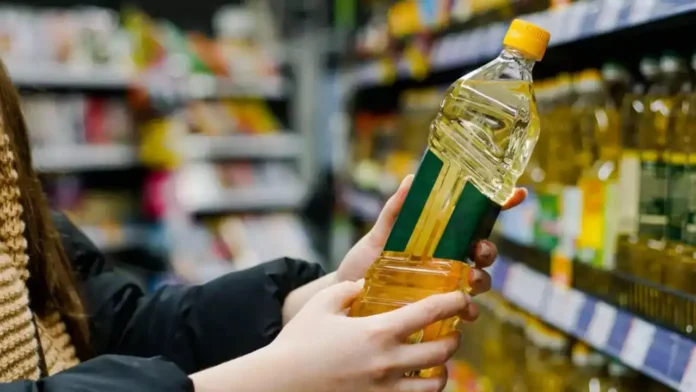
According to the solvent extractors association, the government has asked cooking oil companies to align their product prices with the decline in international rates. However, manufacturers have indicated that an immediate reduction may not be feasible
Industry executives stated that a reduction in retail prices may not be achievable until March, when the mustard crop harvest kicks off.
“The ministry of consumer affair has expressed that the MRP on oils like soyabean, sunflower and palm oil have not been reduced to the extent of decrease in international prices,” said Ajay Jhunjhunwala, president of Solvent Extractors’ Association of India, in a letter addressed to association members on Tuesday.
Nevertheless, industry executives indicated that there is limited room for an immediate decrease in prices.
“Cooking oil prices have been very stable. There was no steep increase or decrease in prices. Our MRP is corrected every month in line with the prevailing price trends. We do not foresee immediate correction in prices,” said Angshu Mallick, CEO of Adani Wilmar, which sells cooking oil under the ‘Fortune’ brand. “However, we keep on watching the international commodity prices and will take action based on that.”
Sandeep Bajoria, CEO of vegetable oil brokerage Sunvin Group, said, “Prices had declined by about 10% in December and have again increased by 8% in January.”
Executives mentioned that the majority of companies could only manage a price reduction of 3-4%.
India’s leading retailers have considerably decelerated their store expansion in the current fiscal year. According to their latest investor disclosures, the top five retail chains—Reliance Retail, Titan Company, Avenue Supermarts (owner of DMart), V-Mart Retail, and Shoppers Stop—have collectively opened 44% fewer stores in the first three quarters through December compared to the same period last year. This slowdown follows a record number of outlets opened by these retailers in the previous year.
During the period between April and December, Reliance Retail inaugurated 1,276 new stores, a significant decrease from the 2,376 stores opened in the corresponding period the previous year. Titan Company, owned by Tata, launched 239 outlets encompassing various brands, including Tanishq jewellery stores, a decline from the 359 stores opened in the same period last year. Avenue Supermarts, on the other hand, introduced 17 new DMart stores, down from 22 stores the previous year.
V-Mart and Shoppers Stop expanded their store presence compared to the first nine months of the previous fiscal year. V-Mart’s new store count increased from 42 to 46; however, considering closures of underperforming outlets, the net addition dropped to 31 from 34. Shoppers Stop has not disclosed its net count, as it hasn’t reported the number of stores it closed. Additionally, the retailer operates in the bridge-to-luxury and premium segment, which is less affected by shifts in consumption patterns.
According to top industry executives, the slowdown in store expansion can be attributed to a heightened focus on profitability. This shift occurred as consumption failed to reach the expected levels, and most new markets are already saturated with 2-4 retailers, leaving minimal room for additional outlets.
Lalit Agarwal, the Managing Director of V-Mart, said that until the last fiscal year, numerous untapped markets remained available. However, the scope for exploration has diminished as many retailers have undertaken significant expansion efforts.
“There is also a mindset change in the expansion strategy where the focus is now on profitability since overall consumption has not picked up. The rural and mass segment has improved year-on-year, but we are yet to return to the original consumption levels,” he said. “Hence, expansion has become muted for the industry this fiscal.”
Moreover, the expansion during the previous fiscal year was influenced by pent-up factors, as store additions during the peak of the Covid period (FY21 and FY22) were hampered by restrictions on offline store operating hours. According to a recent report from Jefferies, Reliance Retail has curtailed its retail business capital expenditure, and it is expected to remain moderate. The report highlighted that the peak investments in supply chain and digital infrastructure have already been made, and the pace of store additions has decreased. In the last quarter, Reliance Retail’s net store addition stood at 124, marking the lowest figure in five years, excluding the quarters affected by the Covid pandemic.
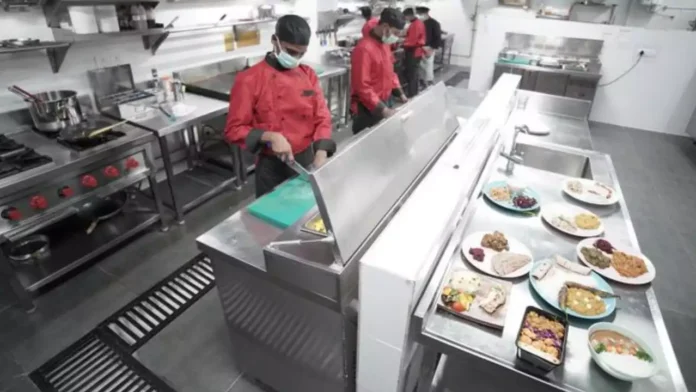
Continued inflation and a decrease in funding for startups might pose challenges for the cloud kitchen segment in India, making it difficult to maintain the pace of revenue growth seen in the past.
The earnings reports of the first two quarters for listed restaurant and food companies indicate a broader trend of sluggish growth amid macroeconomic headwinds.
In the fiscal year 2023, Rebel Foods, backed by Peak XV Partners and Coatue, reported a notable 40% year-over-year growth in revenue. Simultaneously, Curefoods, supported by Accel, witnessed a quadruple increase. Similarly, Biryani by Kilo, with backing from Alpha Wave, experienced a doubling of its revenue.
Listed restaurant chains like Jubilant Foodworks, Restaurant Brands Asia, Westlife Development, Devyani International, Sapphire Foods, and Barbeque Nation experienced year-over-year topline growth of 17-48% in the previous fiscal year. However, this growth narrowed to 6-22% in the first half of FY24, with Barbeque Nation reporting flat revenue growth during the April-September period.
Ankush Grover, CEO and co-founder for India and MENA regions at Rebel Foods, stated that the multi-brand company is experiencing a consistent year-over-year growth of 15-20% for its key brands such as Behrouz Biryani and Oven Story.
Ankit Nagori, the founder of Curefoods, emphasized that companies are prioritizing sustainable growth. Curefoods anticipates achieving a revenue of INR 800 crore by the end of FY24, reflecting a growth of over 100% from FY23.
“Inflation as well as interest rate increases are hampering the overall size of the consumer plate,” Nagori said. “For us, the food costs have gone up, and for customers the wallet sizes have shrunk. In general, disposable incomes are lower than the last 18 months, and I’m hoping it will correct in the next few months.”
Rebel Foods manages various brands like Faasos, Oven Story, and Behrouz Biryani. Curefoods oversees a range of cloud kitchen brands, including EatFit, CakeZone, Nomad Pizza, Sharief Bhai, and Frozen Bottle.
While Jubilant Foodworks holds the master franchise for Domino’s Pizza, Dunkin Donuts, and Popeye’s in India, Westlife Development operates McDonald’s restaurants in the southern and western regions of the country. As for Burger King, its master franchisee in India is Restaurant Brands Asia.
Devyani International manages Yum! Brands restaurants like Pizza Hut and KFC across 14 regions, including Karnataka, Telangana, Andhra Pradesh, and West Bengal. Meanwhile, Sapphire Foods oversees Pizza Hut and KFC outlets in 10 regions, encompassing Maharashtra, Delhi, Haryana, and Gujarat. Speciality Restaurants handles establishments such as Oh! Calcutta and Mainland China.
“There’s no doubt that more Indians are eating out…that’s in tandem with the growing young population, especially in urban areas with a demography of working professionals who don’t choose to cook at home,” a Mumbai-based consumer sector analyst said. “This is the cohort that will drive growth, because for these customers, eating out is not necessarily a discretionary spend.”
However, at present, the larger brands appear to be encountering a deceleration in their growth. According to industry experts, the price hikes implemented by restaurant chains and eateries in the past 12-15 months to address escalating food inflation may have reached their maximum elasticity.
Moreover, the rise of alternative choices like local chains or smaller brands may pose a challenge to their larger counterparts in competing for a slice of the market.
“On the pretext of inflation, a lot of restaurants, including cloud kitchen brands, started increasing their prices. While initially it worked out, there’s a tipping point to how much you can increase without impacting the demand,” explained Arvind Singhal, Chairman of Gurgaon-based consumer retail-focused consultancy firm Technopak. “The same thing is happening in the FMCG industry, where the story of premiumisation has been overplayed.”
He said, “The other factor is for every segment within the restaurant sector, there are more options available to the customer. Overall, the food and beverage sector is not suffering…simply because so much is starting to come from smaller players.”
According to Singhal, there has been a notable surge in the number of small eateries and restaurants after the Covid-19 pandemic.
As of September 30, 2023, Zomato, the food-delivery company, reported having 238,000 restaurant partners on its platform, compared to 207,000 the previous year and 173,000 as of the end of September 2021. This number includes both existing restaurants onboarded by Zomato and serves as a partial proxy for new eateries emerging on the platform.
Curefoods’ Nagori said, “Last two-three years, there were a lot of tailwinds in the cloud kitchen business including the change in consumer behaviour. Funding in the sector also fuelled a lot of growth. Next few years are all about chasing profitability, while also looking at omnichannel–that’s the only way to grow in tier-II, tier-III markets.”
In the October-December quarter, United Spirits reported a consolidated net profit of INR 350.2 crore, marking a 63 percent year-on-year (YoY) increase from the INR 214.2 crore reported in the corresponding period of the previous year.
The consolidated revenue from operations in Q3FY24 rose by 5.3 percent year-on-year (YoY) to reach INR 6,962 crore, compared to INR 6,609.8 crore in the corresponding period of the previous year.
In Q3FY24, the volume of cases for the Diageo-owned company declined by 1.8 percent Year-over-Year (YoY) to 16,476.
In the quarter spanning October to December, the sales of United Spirits’ Prestige and Above (PA) category surged by 10 percent Year over Year (YoY), reaching INR 2,369 crore. During the same period, PA volumes experienced a 4.6 percent growth, totaling 13,419 cases.
In the third quarter of FY24, the sales for the popular category dropped by 12.6 percent Year over Year (YoY) to INR 305 crore, with volumes witnessing a decline of 22.8 percent to 3,057 cases during the same period.
“Our consumer engagement remained high with a slew of festivals, the cricket world cup and peak wedding season. The focus on continuous improvement and value chain productivity is reflected in the performance,” said Hina Nagarajan, chief executive officer and managing director of United Spirits.
He further said that, as the company looks ahead, it maintains a cautiously optimistic stance on growth. This optimism is underpinned by ongoing investments in its brands, a firm belief in the potential of their innovation and renovation pipeline, and a long-term confidence in the consumer potential of India.
United Spirits’ range of products includes Indian-made foreign liquor such as whisky, brandy, rum, vodka, gin, and wine. Among its notable brands are Johnnie Walker, McDowells, Signature, and Smirnoff.
The Indian Hotels Company (IHCL) announced the signing of its third hotel in Ayodhya, Uttar Pradesh. According to a company statement, this brownfield project will bear the IHCL SeleQtions branding.
Puneet Chhatwal, Managing Director and Chief Executive Officer of IHCL, mentioned that this signing is in line with IHCL’s strategy to establish a significant presence in spiritual destinations.
“Ayodhya’s remarkable transformation to a world-class pilgrimage destination, marked by the inauguration of the Ram Janmabhoomi Mandir, is poised to draw an influx of tourists from around the world,” he said.
“This new hotel addition reflects our commitment to developing cultural circuits and itineraries, harnessing their tourism potential. IHCL will now offer three distinct brands in Ayodhya of about 400 rooms and we are delighted to collaborate with KM Vyapar Ltd for this SeleQtions hotel,” he added.
The company said that the 150-key hotel, spanning 1.3 acres, is conveniently located within a short driving distance from the upcoming Maryada Purushottam Shri Ram International Airport and well-known tourist attractions.
IHCL announced that it will offer various dining choices, including an all-day diner, along with additional recreational amenities such as a spa, swimming pool, and fitness center.
The hotel will also offer over 10,000 square feet of banqueting space for social gatherings and corporate events.
Aditya Jhunjhunwala, the promoter of KM Vyapar Ltd, expressed his delight in collaborating with IHCL for the hotel.
“We are confident that the company, with its successful track record of pioneering new destinations, will contribute to the growth and enhancement of Ayodhya’s hospitality landscape,” he added.
With this addition, IHCL will now have three hotels representing the SeleQtions, Vivanta, and Ginger brands in Ayodhya.
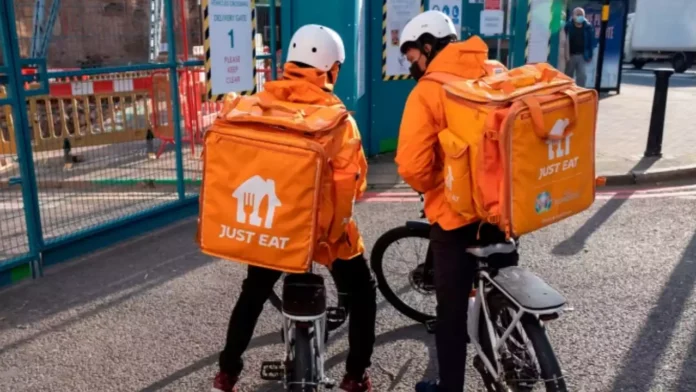
Just Eat Takeaway, the Netherlands-based food ordering and delivery company, has announced the closure of its in-house delivery service in Paris, France, as reported by Reuters.
The decision is expected to impact around 100 jobs.
The company has historically employed couriers in Europe, setting it apart from competitors like Uber, which rely on freelancers within the gig economy.
The decision to discontinue operations in Paris comes as part of Just Eat Takeaway’s strategic shift.
In 2022, the company ceased its in-house delivery operations across France, citing a competitive disadvantage.
Instead, it formed a partnership with the third-party courier service Stuart, which employs self-employed couriers.
According to a statement released by Just Eat Takeaway France, the expansion of this transition will now include Paris.
Jitse Groen, the CEO of Just Eat Takeaway, has criticized the European Union for its lack of action regarding the Platform Work Directive.
He emphasized the directive’s capacity to create a “presumption of employment” for gig workers.
Groen was quoted by Reuters as saying, “I think it’s a shame that European governments, especially the ones that have very stringent, strong (labour) beliefs, such as France, are opposing this legislation.”
In December 2023, the company announced its plans to test a new service enabling customers to place food orders through in-car applications.
The company is currently experimenting with a service that allows drivers to place orders through their car screens, either during a stop at a petrol station or while charging the vehicle.
The new service will only be available for stationary vehicles and will initially be accessible across Europe, starting in the UK.
In July 2023, the company recorded adjusted earnings before interest, taxes, depreciation, and amortization (EBITDA) of €143 million ($159 million) for the first half of 2023, marking a significant turnaround from the €134 million loss experienced in 2022.
Despite a 7% decrease in the total gross transaction value, which fell from €14.18 billion in 2022 to €13.22 billion, the company managed to shift to a profitable position.
Valentine’s Day is around the corner, and in celebration, McDonald’s has unveiled two new pink desserts that will be available for a limited time.
The popular fast-food chain has introduced several new items to its menu, set to be available in the upcoming weeks. Additionally, some beloved classics are making a return.
Featuring limited edition red and pink packaging, the new menu offerings are ideal for savoring in celebration of Valentine’s Day. Here’s a sneak peek at everything you can anticipate on the menu starting February 7.
According to The Mirror, McDonald’s is set to offer the all-new Raspberry and White Chocolate Pie. This delectable treat boasts a crispy pink pastry filled with a velvety white chocolate ganache and a zesty raspberry compote. The price for this delightful dessert is £1.99.
For those with a penchant for ice cream, McDonald’s is introducing the KitKat Ruby Chocolate McFlurry. This delightful treat blends velvety vanilla ice cream with KitKat pieces coated in ruby chocolate, accompanied by wafer bites and finished off with a drizzle of raspberry sauce. The regular size is priced at £1.59, while the larger version is available for £2.19.
If you’re eager to sample these desserts ahead of their official release, you can access an exclusive preview by downloading the McDonald’s app on February 7 and 8, preceding the official launch on the 9th. However, be sure to act quickly, as these delectable treats will only be on the menu until March 12.
For those with a savory preference, the fast-food chain is reintroducing the renowned Big Tasty burger priced at £7.69, and the Big Tasty with bacon, available for £8.49.
Making a comeback to the menu are the beloved Mozzarella Dippers with Salsa and the Mozzarella Dippers Sharebox with Salsa Dip, bringing joy to cheese enthusiasts. The individual dippers are priced at £2.39, while the Sharebox is available for £6.49. These returning items will be on the menu from February 7 until March 12.
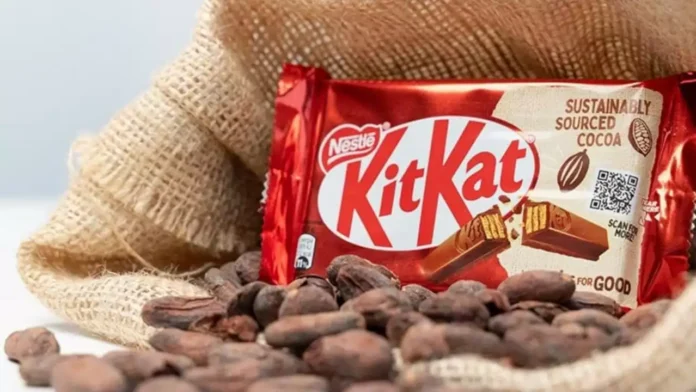
Nestlé has introduced the first KitKat crafted using cocoa mass sourced from beans cultivated by farmer families engaged in the company’s income accelerator initiative.
The company aims to connect consumers with the farmers in the program while raising awareness about the sustainability of the cocoa used in its KitKat bars.
Launched in January 2022, the initiative seeks to tackle income disparity among cocoa-farming families and reduce the risk of child labor. Furthermore, it endeavors to champion and implement improved agricultural practices while fostering gender equality.
Families engaged in the program receive assistance in embracing sustainable agricultural practices, participating in agroforestry initiatives, diversifying their sources of income, and facilitating their children’s education.
Nestlé’s income accelerator initiative has already positively affected more than 10,000 families in Côte d’Ivoire, West Africa, and plans to extend its reach to Ghana this year, benefiting a total of 30,000 families. Nestlé foresees that by 2030, the program will yield significant and widespread improvements, reaching approximately 160,000 cocoa-farming families within Nestlé’s global cocoa supply chain.
To achieve this objective, Nestlé has collaborated with diverse partners and suppliers, including the Rainforest Alliance, aiming to revolutionize its global cocoa sourcing methods. The goal is to attain complete traceability and physical segregation of cocoa obtained through its income accelerator program, ensuring the ability to monitor the entire journey of cocoa beans—from their origin to the factory—keeping them physically separate from other cocoa sources.
The cocoa mass from the income accelerator program conforms to stringent traceability standards, guaranteeing ‘mixed identity preserved’ traceability. This ensures that cocoa can be traced and stored separately, meeting high-quality standards.
Furthermore, Nestlé aims to incorporate segregated cocoa butter for all its KitKat chocolate in Europe by mid-2024, with intentions to extend this practice to other regions in the coming years.
Corinne Gabler, head of confectionery and ice cream for Nestlé, said, “KitKat has consistently embraced innovation, centred around its iconic ‘Have a break, Have a KitKat.’ Today, this innovation is brought to life through the Breaks for Good initiative that puts cocoa farmers at the centre of our product through our income accelerator programme. We couldn’t think of a better brand than KitKat to represent our efforts to create a meaningful impact in cocoa communities.”
Thierry Touchais, manager of strategic accounts for the Rainforest Alliance, commented, “We’re delighted to collaborate with Nestlé on their journey towards more sustainable cocoa sourcing. It’s encouraging to find a company of this scale using a ‘mixed identity preserved’ model in which cocoa can be traced back to Rainforest Alliance-certified farmers engaged in Nestlé’s income accelerator. The approach showcases the potential for positive change in the industry.”
The KitKat Breaks for Good are now accessible at retailers in 27 European countries, and they are set to debut in the UK in May. Moreover, a limited-edition KitKat featuring 70% dark chocolate, sourced from the income accelerator, has been introduced in the UK market as a pilot.
Archies, a renowned gifting brand, has collaborated with Mondelez India to enhance the gifting experience for customers ahead of the Valentine’s season, as announced in a press release on Tuesday.
The collaboration aims to enhance “meetha” (sweet) occasions by presenting tailored gift hampers from Mondelez India, according to the provided release.
“We are excited about the possibilities this collaboration brings,” said Varun Moolchandani, executive director, Archies.
“Mondelez India’s reputation for crafting delightful and high-quality chocolates perfectly complements our mission to provide customers with an array of choices that symbolize affection and thoughtfulness. This Valentine’s season is just the beginning, and we look forward to creating countless sweet moments for our customers together,” he added.
The collaboration officially kicks off with a lineup of Mondelez India’s gift hampers now offered at Archies stores.
Desmond D’Souza, vice president – sales, Mondelez India said, “We are excited to offer our differentiated gift hampers across Archies India’s stores and website. We look forward to jointly building a compelling gifting proposition for Indian shoppers, and to entrench our products as a gift item across multiple occasions, both large and small.”
Archies offers greeting cards, home decor, and various gifting products, boasting a network of over 200 stores nationwide. In December last year, it introduced same-day delivery services in Delhi-NCR.
Mondelez India, a division of the Mondelēz International group, launched Cadbury Dairy Milk and Bournvita in India in 1948. The company is based in Mumbai and maintains sales offices in New Delhi, Mumbai, Kolkata, and Chennai. Additionally, it operates manufacturing facilities in Maharashtra, Madhya Pradesh, Himachal Pradesh, and Andhra Pradesh.
Contrary to speculation suggesting that Swiggy might increase its platform fee for food orders from INR 5 to INR 10 in the upcoming months to counterbalance losses before its scheduled initial public offering (IPO), the Bengaluru-headquartered food delivery aggregator has refuted these claims, asserting that there are no such plans in its future strategies.
“We are always running small experiments to better understand the consumer’s choices. This was one such experiment, and we may or may not scale it up in the future if it doesn’t meet our goal of serving our users in the best way possible. We have been always looking for ways to make our platform more affordable, and our latest offering, Pockethero, is another example of that. Pockethero is designed for budget-conscious consumers, and we’re expanding it across the country right now,” stated a spokesperson from Swiggy.
According to a Moneycontrol report, the company is likely to double its platform fee on food orders from INR 5 to INR 10 in the coming months. This move is seen as a strategic effort to reduce losses as it gears up for its upcoming IPO later this year.
Swiggy has begun hinting at the introduction of a new fee for select customers on its app, as mentioned in the report.
Last year, Swiggy started experimenting with platform fees. During the initial trial period, the company cautiously introduced a nominal platform fee of INR 2 on specific food orders, regardless of the cart size.
Having noted that the extra fee had minimal impact on the volume of food orders, Swiggy broadened its approach. Several weeks later, the platform started implementing a uniform platform fee for all customers.
The foodtech giant has gradually increased its platform fee to INR 5, although a percentage of customers continues to pay a discounted fee of INR 3.
The platform fee, applied alongside the delivery fee, is applicable to all customers, including those enrolled in Swiggy’s loyalty program, Swiggy One.
Swiggy’s rival, Zomato, has recently increased the platform fee to INR 4 per order across key markets from INR 3, as indicated on its app.
Both platforms impose a platform fee in addition to the delivery charge, but this fee is waived for customers enrolled in their respective loyalty programs.
This is consistent with Swiggy’s pursuit of profitability, particularly as the company prepares for its stock market debut in 2024. The anticipated timeline for Swiggy’s IPO is mid-2024.
Established in 2014 by Sriharsha Majety, Nandan Reddy, Phani Kishan Addepalli, and Rahul Jaimini, Swiggy has secured a total funding of $3.6 billion so far.
Last year, Swiggy’s co-founder and CEO Sriharsha Majety announced that the company’s food delivery business had achieved profitability as of March 2023. “As of March 2023, Swiggy’s food delivery business has turned profitable (After factoring in all corporate costs; excluding employee stock option costs).”
In FY22, the company reported a consolidated loss of INR 3,629 crore and generated revenue of INR 5,704.9 crore. Notably, INR 3,444.4 crore of the total revenue originated from the food delivery business.
We use cookies to ensure that we give you the best experience on our website. If you continue to use this site we will assume that you are happy with it.