Monday, January 19, 2026
Home Blog Page 522

Pluckk launches new line of preservative-free cold-pressed juices, catering to India’s growing demand for health-conscious choices

0
Pluckk
Pluckk

Pluckk, a digital lifestyle-oriented fresh food brand has rolled out its latest line of preservative-free cold-pressed juices. This new offering underscores the evolving landscape of consumer preferences towards fresher choices, reflecting a rising demand for health-conscious living. In India, the market value of packaged juices currently stands at INR 1100 crore, showing a steady annual growth rate of 15%.

Featuring a selection of 10 enticing flavors, such as Mango, Pomegranate, Pineapple, and Valencia, these cold-pressed juices are meticulously crafted using only 100% fruit, providing a guilt-free treat without any additional sugar or concentrates. What’s more, these juices boast a shelf life of 21 days, made possible through innovative HPP technology.

Continue Exploring: Bollywood actress Kareena Kapoor Khan backs D2C startup Pluckk as brand ambassador and investor

Pratik Gupta, CEO of Pluckk, remarked on the launch, stating, “Here at Pluckk, we’re dedicated to sourcing our ingredients directly from trusted partner farms, ensuring top-notch quality and hygiene standards. As consumers increasingly gravitate towards fresh, preservative-free juice choices, we’re thrilled to unveil this new category. Pluckk Juices embody our brand ethos of providing clean label products crafted from the finest produce, underscoring our unwavering commitment to delivering excellence to our customers.”

Apart from its proprietary D2C platform, Pluckk juices can be found on a variety of platforms, including Zepto, Amazon, and Swiggy, as well as renowned outlets like Nature’s Basket and Foodsquare, ensuring widespread accessibility for consumers across the country.

Pluckk, which is available in six major cities—Mumbai, Bangalore, Pune, Chennai, Hyderabad, and the National Capital Region—has received widespread recognition for its creative approach to fresh cuisine.

By placing purity and quality at the forefront, Pluckk consistently sets new standards within the industry, providing consumers with a healthier and more wholesome beverage choice.

Continue Exploring: Food-tech startup Pluckk acquires KOOK to tap into growing demand for DIY meal kits

Advertisement

Retail sector sees 8% growth in March 2024

0
D2C Retail
(Representative Image)

Retail sales in March 2024 saw an 8% growth compared to the sales levels in March 2023, according to the survey by Retailers Association of India (RAI).

Retail businesses across various regions have shown increased sales compared to March 2023 levels, with South India leading the way with a 9% growth. West India followed closely with an 8% increase, while North and East India reported growth rates of 7% and 6%, respectively.

“In March 2024, our assessment of the retail sector unveiled indications of growth recovery. The consumer landscape seems sturdy, buoyed by heightened discretionary expenditure on apparel and sporting goods. Nevertheless, the jewellery sector, despite its notable expansion since the previous Diwali, encountered a minor deceleration this month, possibly attributed to the recent uptick in gold prices. The CDIT (consumer durables and IT) segment is still in the process of rebounding,” remarked Kumar Rajagopalan, CEO of the Retailers Association of India (RAI).

Continue Exploring: India’s consumer and retail sector sees surge in M&A and private equity deals, up 30% in Q1 2024: Grant Thornton Report

“As we approach the 2024 General Elections, we hold an optimistic view regarding the growth potential of the retail sector. Traditionally, election years stimulate economic activities, fostering heightened consumer spending across various regions and product categories. This year, we foresee a similar pattern, with significant rises in discretionary expenditure, especially within sectors like FMCG and consumer durables,” commented Rajagopalan.

Sports goods saw an 11% growth, while apparel and beauty categories both exhibited a 10% increase compared to sales levels in March 2023.

The optimism is evident in the resumption of retail chains expanding across the nation.

Continue Exploring: Digital wallets set to dominate retail payments, Worldpay study reveals

Advertisement

Agritech startup Ecozen secures $30 million in funding

0
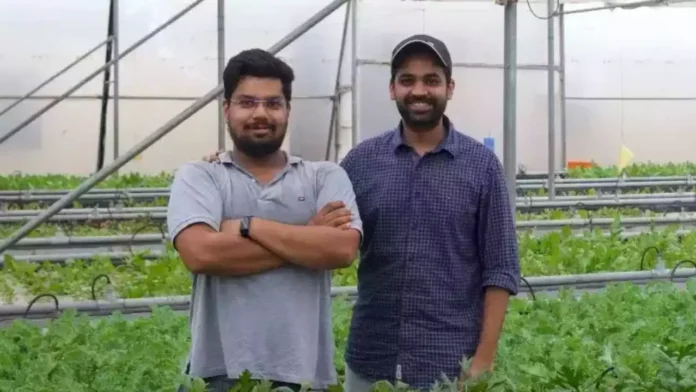
Vivek Pandey, Prateek Singhal & Devendra Gupta, Co-Founders, Ecozen

Ecozen, a Pune-based agritech firm, has raised $30 million (about INR 250 crore) in a mix of equity and debt from existing investors including US-based global investment manager Nuveen.

Ecozen’s adviser Setuka Partners facilitated the debt support provided by InCred Credit Fund and the U.S. International Development Finance Corporation.

The startup plans to use the funding to meet the growing demand for its solar-powered agricultural solutions, including cold storage boxes and irrigation systems. Additionally, it aims to expand its product offerings and enhance its market presence in Africa and Southeast Asia.

Continue Exploring: Ninjacart makes strategic investment in Philippines-based agritech firm Mayani

“Ecozen is experiencing rapid growth, fueled by the rising market demand for our innovative climate-smart solutions,” stated Devendra Gupta, CEO and Co-Founder of Ecozen.

The funds received will allow us to expand both domestically and internationally, as well as to grow our operations. We’re dedicated to empowering consumers and accelerating the worldwide adoption of climate-smart solutions,” he continued.

Founded by IIT Kharagpur alumni Devendra Gupta, Prateek Singhal, and Vivek Pandey, Ecozen assists farmers cultivating perishable crops to boost their yields, extend storage duration for their produce, and fetch higher prices in the market.

The company reports achieving a fivefold growth over the last two years, while profits have tripled during the same period. Anticipating a doubling of revenue in the current fiscal year, the company attributes this projection to strong demand for its existing product offerings.

It intends to leverage its technology stack, encompassing motors and controls, thermal energy storage, artificial intelligence, and the Internet of Things (IoT), to explore new industries transitioning towards cleaner energy sources.

In December 2022, the startup secured $25 million in a Series C funding round led by Nuveen and Dare Ventures. India EXIM Bank and existing investors also participated, leading to partial exits for early backers Omnivore and IFA.

Continue Exploring: Agritech startup DeHaat forays into consumer market with Honest Farms brand

Advertisement

ABFRL to raise INR 2500 Crore post-demerger of Madura business into Aditya Birla Lifestyle Brands

0
Aditya Birla Fashion

Aditya Birla Fashion and Retail Ltd (ABFRL) said that it will raise INR 2500 crore within a year by splitting its retail business and forming a new listed entity, Aditya Birla Lifestyle Brands Ltd (ABLBL), which will encompass the Madura Fashion division.

The demerger will be executed using an NCLT scheme of arrangement. Once finalized, all ABFRL shareholders will hold equal stakes in both resulting companies. For every share they currently possess, ABFRL shareholders will receive one share in the new entity, in addition to retaining their existing holdings. ABFRL’s borrowings, amounting to roughly INR 3000 crore until March 2024, will be apportioned between the two companies, with an estimated INR 1000 crore debt shifted to ABLBL. The division of business assets and liabilities will be carried out in accordance with regulatory provisions.

Continue Exploring: ABFRL to spin off Madura Fashion & Lifestyle into independent listed company

“The demerger is anticipated to generate substantial value for ABFRL shareholders, as each separate entity will possess distinct capital structures, pursue independent growth paths, and present unique opportunities for value creation,” stated the company in a filing with the stock exchange. “Within a year following the demerger’s conclusion, ABFRL intends to secure approximately INR 2,500 crore in equity capital to bolster its balance sheet and finance the expansion of its ongoing operations. The company’s promoter group is fully committed to backing this proposed equity raise.”

The Madura business segment will encompass four lifestyle brands—Louis Phillippe, Van Heusen, Allen Solly, and Peter England—alongside casual wear labels American Eagle and Forever 21, sportswear brand Reebok, and the innerwear division under Van Heusen. With annual sales reaching INR 7,607 crore, Madura brands and affiliated businesses contributed to nearly two-thirds of ABFRL’s total revenue amounting to INR 12,418 crore. Following the demerger, the remaining ABFRL portfolio will feature value brands Pantaloons and Style Up, an assortment of ethnic and designer labels including Sabyasachi, Shantanu and Nikhil, and Tasva, luxury establishments such as The Collective and Galeries Lafayette, and digital-first fashion brands under TMRW.

Continue Exploring: ABFRL’s Style Up continues Bengaluru expansion, opens third store

Analysts noted that the decision stemmed from the need to elevate stagnant valuation and offset losses observed during the last fiscal year, attributed to heightened investments in newer niche businesses.

In the last five years, ABFRL’s stock price has remained stagnant, with its market capitalization of INR 20,000 crore now standing at just one-seventh of Tata-owned Trent. This is a notable contrast to 2019, when both companies held similar valuations on the BSE.

Advertisement

Taco Bell teams up with Secret Aardvark to bring back Nacho Fries with a spicy twist

0
Nacho Fries
Nacho Fries

Taco Bell, a US-based fast food chain, has announced the return of Nacho Fries in partnership with sauce maker Secret Aardvark.

This partnership will debut the brand-new Serrabanero Ranch sauce, a fusion of serrano and habanero peppers, on Taco Bell’s menu for the mid-year season.

The Secret Aardvark Nacho Fries will hit stores starting April 25th of this year.

The return of Nacho Fries signifies Taco Bell’s 11th iteration of this item, with each occasion offering a distinct flavor profile.

Continue Exploring: Taco Bell introduces refreshing Agua Frescas beverages in California!

In this latest version, Taco Bell has infused Secret Aardvark’s Serrabanero sauce, blending the tastes of green tomatoes, roasted tomatillos, serrano, and green habanero peppers.

This dish showcases crispy fries seasoned with vibrant Mexican spices, adorned with slow-roasted chicken, a trio of cheeses, light sour cream, nacho cheese sauce, and pico de gallo.

Liz Matthews, Taco Bell’s global food innovations officer, expressed excitement, stating, “We’re delighted to reintroduce the beloved Nacho Fries for the 11th time, now with an added burst of flavor through our exciting collaboration with Secret Aardvark.”

“Secret Aardvark’s commitment to robust flavors and culinary creativity aligns perfectly with Taco Bell and our renowned Nacho Fries. Collaboratively, we’re elevating flavor discovery, guaranteeing our fans indulge in the ultimate taste adventure with every mouthful.”

Continue Exploring: Taco Bell launches Mexican-inspired frozen coffees and shakes in California

In July of last year, Taco Bell broadened its menu offerings with the introduction of the grilled cheese dipping taco.This fresh addition, accessible nationwide in the US, consists of a three-cheese blend encased within a crispy white corn shell, accompanied by nacho cheese sauce and a flavorful red dipping sauce.

This fresh addition, accessible nationwide in the US, consists of a three-cheese blend encased within a crispy white corn shell, accompanied by nacho cheese sauce and a flavorful red dipping sauce.

Advertisement

Flipkart’s UPI hits new high: Records 5 Million transactions in March

0
Flipkart

Walmart-backed e-commerce major Flipkart recorded 5 million UPI transactions worth INR 197.24 crore in March, marking its first month of full-fledged UPI launch.

Demonstrating its growing influence in the fintech sector, Flipkart surpassed Jio Payments Bank apps, Navi, and numerous banking apps in UPI transactions during its inaugural month, according to data from the National Payments Corporation of India (NPCI).

Flipkart remarked in a statement, “We’re pleased with the positive feedback from our customers. UPI has significantly enhanced accessibility and convenience for both commercial and non-commercial transactions. Our aim at Flipkart is to extend this same level of convenience across our platform.”

It’s worth noting that the total volume of UPI transactions in March reached approximately 13 billion, amounting to around INR 20 lakh crore.

Continue Exploring: Flipkart expands VIP subscription to eight new cities, intensifying competition with Amazon Prime 

While Flipkart registered 5 million UPI transactions in its first month, MobiKwik’s total transactions stood at around 8.3 million in March. Conversely, Groww logged 6.7 million UPI transactions last month, and Jupiter recorded 5.6 million.

Meanwhile, Google Pay, PhonePe, Paytm, and CRED maintain their dominance in the UPI landscape.

In March, Google Pay handled 5 billion transactions totaling around INR 7 lakh crore, PhonePe recorded 6.5 billion transactions valued at INR 10 lakh crore, and Paytm witnessed 1.2 billion transactions amounting to INR 1.3 lakh crore. Conversely, Amazon Pay processed 65.3 billion UPI transactions last month.

It’s important to highlight that Flipkart introduced its UPI service in January of this year, albeit to a restricted group of users.

According to a source familiar with the situation, Flipkart’s UPI service was launched for approximately 10,000 users in the initial phase during that month. The company had plans to expand its availability nationwide in the coming weeks.

Additionally, Flipkart partnered with Axis Bank for its UPI offerings. The @fkaxis UPI handle is poised to facilitate a range of transactions, spanning online and offline activities like e-commerce transactions, recharges, and bill payments.

Continue Exploring: Flipkart launches UPI handle to elevate digital payment experience for over 500 million users

According to an industry executive cited by Moneycontrol, Flipkart’s long-term UPI usage is expected to surpass that of Amazon Pay UPI.

The executive said, “Amazon focuses on premium customers in areas with high credit card penetration. Flipkart, on the other hand, is favored in tier 2 cities, towns, and villages, which may result in significantly higher UPI usage.”

In a statement last month, Dheeraj Aneja, Senior Vice President of the Fintech and Payments Group at Flipkart, expressed that the introduction of Flipkart UPI seamlessly combines the convenience and cost-effectiveness of UPI with the trusted efficiency that customers anticipate from the company.

“At Flipkart, we are dedicated to providing customers with the best possible online shopping experience by providing a variety of safe and practical payment options in addition to a vast array of benefits and incentives like Supercoins, brand vouchers, & others,” the spokesperson stated.

Advertisement

Hygiene and wellness brand Pee Safe surpasses INR 100 Crore revenue mark with over 50% sales growth in FY23-24

0
Srijana Bagaria & Vikas Bagaria, Co-Founders, Pee Safe

Hygiene and wellness brand Pee Safe has reported a sales growth of over 50% during FY23-24, propelling them past the INR 100 crore revenue mark.

Following a personal experience, Vikas Bagaria & Srijana Bagaria (a husband-wife duo) founded Pee Safe a decade ago with only one product—a toilet seat sanitizer. Over the last six years, the company has expanded its product line to include personal hygiene categories that meet the needs of girls from puberty to menopause. The portfolio includes intimate hygiene items like reusable pads, tampons, menstruation cups, and more.

“We grew by more than 50% last fiscal year, thanks to greater retail penetration and rising demand for quick-commerce. While most individuals in urban India recognise the need of hygiene for overall health, the majority still need encouragement and education to adopt a hygiene-conscious lifestyle. Bagaria stated that more work is needed to make hygiene a vital component of everyone’s lifestyle.

Continue Exploring: Hygiene brand Pee Safe raises $3 Million in ongoing Series B round

With less than 30% penetration of feminine hygiene products in India, numerous companies have ventured into the sector. Despite their considerable presence, they face significant hurdles in expanding market reach, attributed to insufficient awareness about feminine hygiene and the limited purchasing ability of many Indian women. Socio-economic factors like poverty, cultural norms, and educational disparities also influence product usage rates. Despite robust brand recognition and diverse product offerings, these established players cannot single-handedly overcome the underlying socio-economic obstacles hindering market expansion.

Bagaria emphasized the necessity for a shift in mindset to ensure the sustainability of hygiene practices. He stressed the importance of promoting hygiene not only in workplaces and public areas but also within households.

The company’s offline sales heavily depend on pharmacy and chemist channels, accounting for 70% of its sales. It maintains a robust presence in approximately 15,000 pharmacies, encompassing both organized and unorganized establishments like Apollo Pharmacy, Guardian Pharmacy, Tata 1mg, and Wellness Forever.

“These channels are essential to our company since we provide products that ensure safer periods, avoid infections from the toilet, and improve general health and wellness. Our affiliation with pharmacies and chemist stores not only boosts sales but also builds customer trust and brand recognition,” he added.

The company has stated that it currently has no intentions of establishing its own manufacturing facilities in the near future. Currently, approximately 8% of its products are outsourced for manufacturing, and the company is actively striving to localize its supply chain to the fullest extent possible.

The expansion plan entails strategically positioning the brand in urban and rural areas, as well as forging partnerships or distribution agreements to access a broader audience. Last year, the company secured $3 million in a Series B funding round led by Natco Pharma Limited and Rainmatter Health, with contributions from Nithin Kamath and Nikhil Kamath, the founders of Zerodha. Additionally, Alkemi Growth Capital, an existing investor, participated in the funding round.

Continue Exploring: Hygiene brand Pee Safe signs MoU with the Indian Navy, NWWA

Advertisement

Fashion brand Snitch goes big, unveils largest store yet in Gujarat

0
Snitch
Snitch

Snitch, a Bengaluru-based men’s fashion and apparel brand, has opened its largest store in Gujarat, as announced by a top company executive in a social media post.

The latest store is located at Neptune Trion in Vadodara, marking Snitch’s fifth establishment.

Siddharth Dungarwal, founder of Snitch, expressed excitement about the brand’s growth, stating, “Another significant milestone for us at Snitch. See you soon Vadodara! This marks our 5th store and 4th within the last 45 days. Big. Bigger. Biggest! Thrilled to announce the opening of our largest store in Gujarat, right in the heart of Vadodara at Neptune Trion.”

Snackfax previously covered the brand’s expansion strategy in Gujarat, where the company revealed intentions to establish between six to eight stores in the state. Additionally, Snitch unveiled its fourth and largest store in Bengaluru in March 2024. With a focus on rapid offline growth, the company has bolstered its top management over the past few months.

Continue Exploring: D2C men’s fashion brand Snitch set to unveil third store in Surat, eyes aggressive expansion in Gujarat

According to a LinkedIn post by the company’s head, Snitch experienced remarkable growth of over 150% in the financial year (FY) 2023-2024 compared to the preceding year. During this period, Snitch shipped over 3.5 million pieces across multiple channels and maintained profitability, achieving a net sales increase of over 2.25 times from the previous year.

Snitch, a direct-to-consumer (D2C) brand founded in 2020, gained recognition after making an appearance on Season 2 of Shark Tank India. Additionally, in December 2023, Snitch secured Rs 110 crore in a Series A fundraising round from Indian venture firm IvyCap Ventures and Singapore-based venture capital firm SWC Global.

Continue Exploring: Fashion brand Snitch achieves over 150% growth in FY23-24, marks highest GMV in March

Advertisement

Ninjacart makes strategic investment in Philippines-based agritech firm Mayani

0
Ninjacart

Ninjacart, a Walmart-backed agritech company, has made a strategic investment in Philippines-based agri-fisheries startup Mayani.

However, the financial terms of the deal were not disclosed by the company.

As per the deal, Ninjacart will not only provide capital but also offer supply chain support and advisory services to fuel Mayani’s innovation and growth trajectory, as outlined by the startup.

Additionally, Ninjacart will assist in Mayani’s expansion efforts and collaborate to establish an integrated Asian agri-food supply chain aimed at catalyzing further digital innovations to address the complexities of Asia’s food basket.

Continue Exploring: Flipkart-backed Ninjacart makes a bold entry into Brazil’s agribusiness sector

Founded by Ochie San Juan and Jeff Barreiro, Mayani works with farmers involved in pisciculture. The startup asserts its commitment to empowering them with sustainable pathways to market, improving yield, and climate resilience through quality inputs and alternative credit. It has already impacted the lives of more than 10 million farmers.

Among its investors, the startup includes AgFunder, ADB, Plug and Play Ventures, Ocean Impact, and Atlas Ventures.

As part of the company’s objectives for global expansion, Ninja Ventures, its venture capital arm, facilitated the new investment. According to the announcement, the collaboration will concentrate on locating and filling gaps in the world’s food supply while utilising international opportunities to increase Mayani’s market share.

Kartheeswaran K K, cofounder and CEO of Ninjacart, stated, “We are steadfastly committed to transforming the global agri-commerce industry, and this investment in Mayani reflects that.” We want to have a revolutionary effect and open up new avenues for growth in the Asian agri-commerce market by combining the knowledge of two agricultural giants, the Philippines and India.

“We’re excited about this investment,” Juan continued, “because Ninjacart has a deep understanding of the Asian agri-supply chain and it offers strategic additionality beyond capital.” The core of our company is strengthened—tech-enabled output market linkage—which in turn increases our upstream interventions on funding for rural areas and climate-positive inputs.

Continue Exploring: Seafood companies boost investments in local market amid global export challenges: Shrimps, squids, and lobsters see surge in domestic demand

Mayani plans to incorporate Ninjacart’s cutting-edge technology, source traceability, and inventory management solutions to attain interoperability, hyper-efficiency, predictive modeling, and to bolster its supply chain effectiveness.

According to Ninjacart, the agreement aligns with follow-on funding from current investors, such as the Jimenez family, subsequent to Mayani’s prosperous $1.7 million seed round spearheaded by AgFunder in 2023.

Ninjacart has been actively expanding its global presence. Last year, the agritech company disclosed its venture into the Brazilian market via a collaboration with Arado, an agribusiness marketplace in Brazil.

In FY23, Ninjacart surpassed the INR 1,000 crore mark in operating revenue. The B2B agritech startup recorded sales of INR 1,153.4 crore during this period, marking a 19% increase from INR 967.3 crore in FY22.

Continue Exploring: Flipkart-backed Ninjacart hits INR 1,000 Crore operating revenue milestone, records 19% YoY growth in FY23

Advertisement

Ministry of Consumer Affairs asks FSSAI to act on Nestle India over alleged sugar addition to Cerelac baby food

0
Nestle
Nestle

The Ministry of Consumer Affairs has sent a letter to the Food Safety and Standards Authority of India (FSSAI), urging action against Nestle India. This comes in response to a report by the Swiss investigative organization Public Eye and the International Baby Food Action Network, which alleges that Nestle India adds 2.2 grams of sugar per serving to its baby food brand Cerelac in India.

Current guidelines from the World Health Organization prohibit the inclusion of added sugars in baby food products.

Continue Exploring: Nestle faces regulatory heat as FSSAI launches probe into Cerelac sugar controversy

Nidhi Khare, secretary of the Ministry of Consumer Affairs, wrote to the chief executive of FSSAI, saying, “Based on this report, FSSAI is urged to take appropriate action against Nestle Company.”

Earlier, the Indian division of the Swiss multinational Nestle SA mentioned that it had reduced sugar by 30% in Cerelac over the past five years.

The company, known for its Maggi noodles, Kitkat chocolates, and Nescafe coffee, stated in a release that its products were produced in the country “fully compliant” with standards set by CODEX (a commission established by WHO and the Food and Agriculture Organization) and local specifications concerning nutrient requirements, including added sugars.

Continue Exploring: Nestle India responds to sugar concerns in baby food, highlights 30% reduction in added sugars over 5 years

According to the report, Cerelac in India has been discovered to contain an average of nearly 3 grams of sugar per serving. The study also noted the presence of added sugars in many other low- and middle-income countries, but not in developed markets such as the UK, Germany, Switzerland, and certain other European countries.

Advertisement