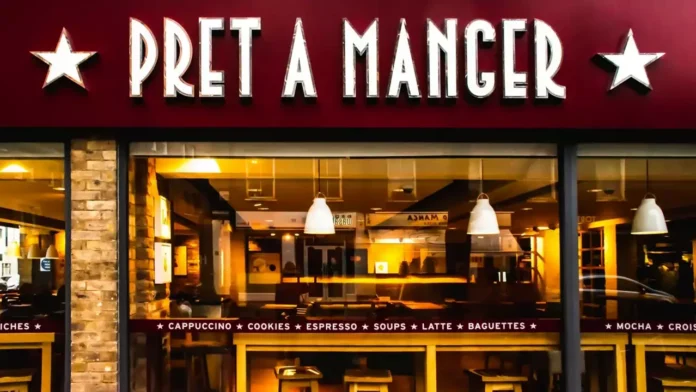
British sandwich and coffee chain Pret A Manger has decided not to proceed with its intention to establish outlets in Israel.
The decision is said to result from travel limitations imposed on UK personnel due to the ongoing conflict between Israel and the militant group Hamas in Palestine.
In December 2022, Pret A Manger finalized a deal with two Israeli firms, Fox Group and Yarzin Sella Group, to introduce the Pret brand to Israel.
Even with the agreement in place, there haven’t been any Pret shops established in the country so far.
Pret A Manger’s strategy, announced in 2021, aimed to double its business size within five years, including expansion into Israel.
With joint ownership by investment firm JAB and founder Sinclair Beecham, Pret A Manger currently runs 650 shops in 18 global markets.
Challenges Faced in Establishing Pret in Israel
A spokesperson from Pret A Manger said, “The extent of the progress regarding the store opening plans remains unclear at this time. We have made the challenging choice to terminate our existing agreement with Fox Group and Yarzin Sella Group.”
“Our teams have been unable to carry out the essential training and checks needed to establish Pret in a new market because of the significant and ongoing travel restrictions.” Our colleagues who go to Israel are not covered by our travel insurance policy.
According to a report in The Times of Israel, the coffee chain had plans to open a minimum of 40 cafes in the country by the year 2033.
In a saturated market, where countless brands offer health and personal care products, a Nagpur-based startup, Daivik Moringa stands out with its unique approach to wellness. Founded by Devika Bajaj, this brand has rapidly gained recognition for its high-quality, farm-to-table Moringa-based products, setting a new standard in the industry.
Anticipating a 2X growth this year, the brand is all set to leverage cutting-edge AI technology and a commitment to quality to distinguish itself from countless other brands. “We’re introducing a new AI-based feature on our website in the coming months. This feature will scan the visitor’s face to analyze skin issues like open pores, pigmentation, or acne-prone skin, and then recommend products from our range accordingly. This innovative approach will set our e-commerce website apart from others,” Devika informs us.
After realizing that customers, prefer to buy directly from website for various reasons, primarily authenticity, Devika’s brand has turned to AI to enhance consumer experience. Besides that, the moringa brand has also adopted performance marketing to increase its new customer base.
“We have been a completely organic brand, avoiding sponsored marketing. However, last year, with a 45% customer retention rate and growing confidence in our products’ impact, we ventured into performance marketing. The results have been outstanding, with a significant increase in new customer acquisition,” she says.
Daivik Moringa’s Diverse Product Range
Daivik Moringa’s product range is extensive and thoughtfully curated to meet diverse health and personal care needs. From Moringa powder and capsules to herbal teas, skincare oils, and sulfate-free shampoos, each product is designed to harness the full nutritional and medicinal potential of the Moringa tree. Having said that, one of the significant challenges Daivik Moringa faces is market competition, especially from brands offering similar products at lower prices.
Despite a higher price point, Daivik Moringa’s products are in high demand due to their superior quality. The brand owns its farms, ensuring complete control over the cultivation and processing of Moringa. This meticulous approach results in products with higher nutritional content compared to competitors.
“We don’t purchase Moringa from third parties. The quality of our Moringa depends on several factors like soil nutrients and climatic conditions. We’ve done lab comparisons and found our Moringa to be nutritionally superior,” Devika emphasizes.
Devika also talked about her entrepreneurial journey, which was anything but planned. Before getting into business, she was managing the international sales and marketing division of her family business. Her transition into the wellness industry was entirely serendipitous, driven by her own health challenges.
“In 2018, after my second child, I faced severe nutritional deficiencies, including D3, B12, and calcium, coupled with excessive hair fall and significant weight gain,” she shares. This personal health crisis led her to discover Moringa, a nutrient-rich superfood known for its numerous health benefits.
Expansion Plans:
Looking ahead, Daivik Moringa is poised for significant growth. The brand plans to expand its offline presence through collaborations with health experts and organic stores, and it recently launched in Relay International and domestic stores in Bangalore.
“The next year looks promising,” Devika affirms. “With the pandemic prompting a greater emphasis on health and fitness, the wellness industry is flourishing. We’re seeing a huge surge in new customer acquisition and are confident about the impact our products are making in the market.”
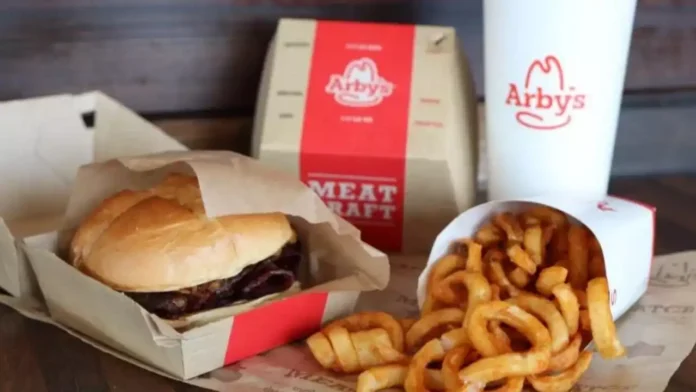
Arby’s, a US-based fast-food sandwich chain, has announced the launch of two new burgers for the summer of 2024 (June through August) and a branded golf club in the lead-up to Father’s Day on June 16th.
The Deluxe Burger and the Big Cheesy Bacon Burger will be offered for a limited time at select participating Arby’s locations.
Delectable Details: Ingredients and Pricing
With a price tag of $6.99, the Deluxe Burger features a succulent patty topped with American cheese, lettuce, tomatoes, onions, pickles, and burger sauce, all nestled within a toasted brioche bun.
Priced from $7.99, the Big Cheesy Bacon Burger boasts six strips of bacon, Swiss cheese, along with American cheese and additional toppings, served on a brioche bun.
Arby’s has unveiled the Arby’s Burger Driver, a custom-branded golf club, emphasizing the fusion of dad’s favorite pastime and food—golf and burgers—as a tribute to Father’s Day.
The exclusive clubs will be accessible to a chosen group of customers through participation in an online contest, running from June 3rd to June 9th.
Ellen Rose, Arby’s chief marketing officer, expressed, “The Arby’s Burger Driver was crafted with our fans in mind, catering to those who have a passion for both golf and savoring a delicious burger.”
“We’re sure our burgers can beat the opposition and add some spice to our fans’ round of golf. We’re excited to see how the Burger Driver changes the fairway’s flavour profile.”
In February 2024, Arby’s reintroduced its Brown Sugar Bacon sandwich for a limited duration.
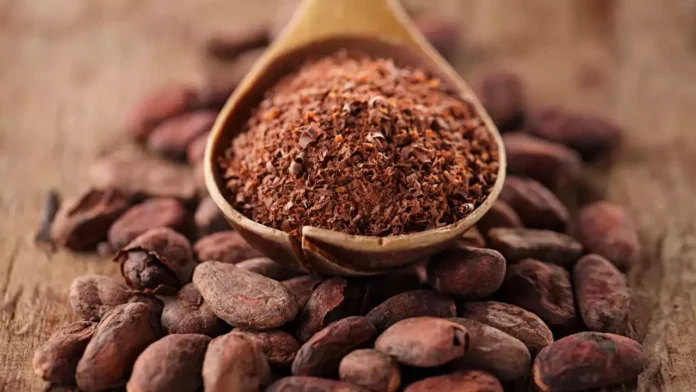
Kerry, a global frontrunner in offering sustainable nutrition solutions to the food, beverage, and pharmaceutical sectors, introduces a groundbreaking alternative to cocoa. This solution aims to address the rising cocoa prices and supply challenges. Forecasts indicate an 11% deficit in cocoa supply for 2024, contributing to a remarkable 300% surge in prices over the previous year.
The cocoa production crisis, unprecedented in its scale, has been chiefly fueled by factors like the swollen shoot virus and soil degradation, profoundly impacting pivotal cocoa-producing nations. Countries such as Côte d’Ivoire and Ghana, responsible for approximately 54% of the world’s cocoa supply, are witnessing substantial drops in their stock reserves.
Responding to the demand, Kerry has engineered a variety of Cocoa Taste solutions, offering an authentic cocoa experience that doesn’t rely solely on conventional cocoa bean derivatives. Their cocoa solution not only maintains the beloved indulgence of cocoa taste for consumers but also assists manufacturers in navigating the unpredictable cocoa market by reducing their dependency on cocoa mass.
Advantages of Kerry’s Cocoa Alternative Solution:
Delivering Authentic Cocoa Taste
Kerry’s proficiency in cocoa extraction and flavor crafting guarantees that our Cocoa Taste solutions provide the sumptuous, indulgent cocoa experience consumers anticipate. Our lineup of solutions facilitates up to a 35% decrease in cocoa powder usage in formulations, assisting in the reduction of cocoa powder in baked goods, dairy beverages, and confectionery, all while preserving and enriching cocoa nuances and sensory delight.
Cost Reduction and Supply Stability
Through the incorporation of Kerry’s Cocoa Taste Solutions into their products, manufacturers can notably mitigate their vulnerability to the unpredictable cocoa commodity market. This leads to significant cost reductions and a steadier supply chain, enabling businesses to sustain competitiveness in the face of external market pressures.
Expert Guidance and Support
Kerry offers access to a team of seasoned food scientists and flavor specialists who provide valuable insights and assistance, aiding manufacturers in fine-tuning their product formulations to preserve or even elevate sensory attributes. This ensures that the end product meets consumer expectations seamlessly, even amidst cocoa constraints.
“Our dedication to sustainability is at the core of our cocoa replacement solution. This crisis doesn’t just pose challenges; it represents a crucial juncture for innovation and transformation in cocoa sourcing strategies. Sustainability is paramount in exploring potential solutions; if effectively tackled, it can revolutionize the cocoa production landscape. This not only helps alleviate current supply hurdles, fostering long-term industry resilience and environmental well-being, but also nurtures ongoing product innovation for brands and manufacturers,” said Young Kim, Vice President of Taste at Kerry Asia Pacific, Middle East & Africa.
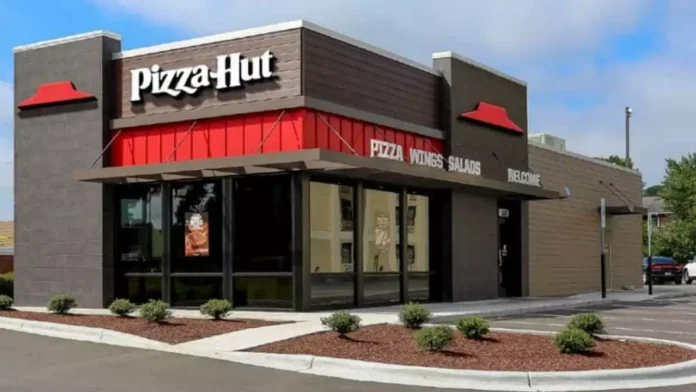
Pizza Hut Australia has introduced a fresh addition to its menu: an enticing new selection of loaded garlic bread options.
This latest option enables patrons to customize their garlic bread with an array of pizza toppings such as pepperoni, buffalo chicken, barbecue meatlovers, and veggie paneer.
Pricing: Range and Value
The loaded garlic bread choices range in price from A$6.95 to A$8.95.
For an extra A$2.50 ($1.6), customers can pair them with other items on the menu, providing flexibility and value.
The revamped selection is now accessible at all Pizza Hut outlets across Australia.
Garlic bread stands as the brand’s most sought-after item, with orders placed every minute during the chain’s typical operating hours.
Wendy Leung, Pizza Hut Australia’s Chief Marketing Officer, expressed, “Our aim with the new loaded garlic bread range is to elevate our value proposition to an entirely new level.”
“Just like with all our menu items, we are dedicated to delivering the highest quality products and can’t wait to share our new creations with Australia.”
“We are aware that the current cost of living crisis is severely affecting the people, and we hope that in some small way, our latest range, which starts at just $6.95 pick up, will help ease the pressure.”
The US-based restaurant franchise operator Flynn Restaurant Group (FRG) acquired a share in Pizza Hut Australia from Australian private equity firm Allegro Funds in June 2023.
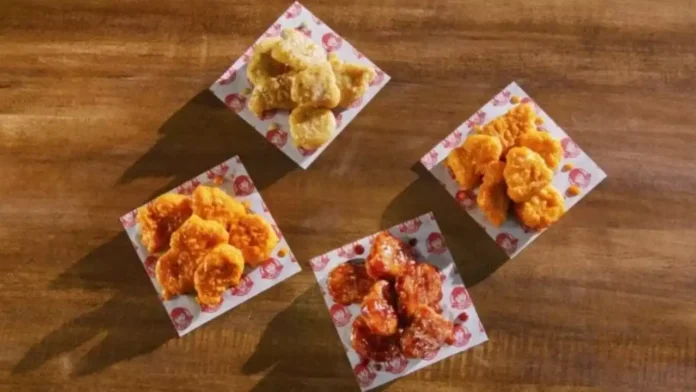
Wendy’s, the American fast-food restaurant chain, has broadened its menu with the addition of Wendy’s Saucy Nuggs, a fresh chicken nugget option.
Starting June 10, 2024, the new menu item will be available at all Wendy’s locations across the US, both for dine-in and drive-through service.
For those seeking early access, Saucy Nuggs will be available as an exclusive, digital-only menu item from June 3 to June 9 at participating locations.
Wendy’s is offering free in-app delivery for that week, though this offer does not apply to third-party delivery platforms.
Saucy Nuggs Flavors and Serving Sizes
Saucy Nuggs are coated in sauce to create seven distinct flavors and are served with a choice of Blue Cheese or Ranch dipping sauce.
Offered in four, six, ten, or twenty-piece servings, the seven flavor options include Spicy Honey BBQ, Spicy Buffalo, Spicy Garlic Parm, Honey BBQ, Buffalo, Garlic Parm, and the intensely spicy Ghost Pepper.
The Buffalo sauce boasts buttery undertones with a touch of vinegar, whereas the Honey BBQ sauce blends a smoky flavor with honey.
The traditional Garlic Parm flavor offers a savory harmony of garlic and Parmesan.
The Spicy Ghost Pepper variety presents an “intensely spicy” flavor profile.
Spicy Honey BBQ and Spicy Buffalo sauces provide a fusion of sweetness and spice, along with a tang of vinegar, while Spicy Garlic Parm sauce is a modern twist on a classic, infused with four varieties of roasted garlic.
John Li, Vice President of Global Culinary Innovation at Wendy’s Company, stated, “We meticulously designed four distinct sauces to enhance the Wendy’s nugget experience and offer fans a range of chicken options tailored to their tastes and lifestyles.”
In her new role, Bloomer will spearhead the international growth and expansion of the Good Glamm Group.
Good Glamm Group stated that Bloomer has additionally been appointed as the startup’s representative on the board of “Wyn Beauty by Serena Williams.”
It’s worth mentioning that in April, the Good Glamm Group formed a joint venture (JV) with Serena Williams, the former tennis player turned entrepreneur, to introduce her beauty brand in the US.
“Joining the Good Glamm Group excites me. I’m excited to work with this amazing team to further our mission and establish Good Glamm as a leading international beauty brand because we both have a passion for innovation and quality,” Bloomer said.
Commenting on the appointment, Good Glamm Group’s founder, Darpan Sanghvi, said, “Following the successful launch of our international business, we are thrilled to welcome Lauren to the Good Glamm Group to drive our next phase of growth. Lauren’s strong leadership and strategic acumen will be extremely beneficial to us as we grow and innovate in the cosmetics industry.”
An alumna of Wharton Business School and Dartmouth College, Bloomer brings over two decades of experience to her new role. Before serving as the CEO of Becca Cosmetics, she worked with Estee Lauder, The Clorox Company, and the Boston Consulting Group.
Recent Developments at Good Glamm Group
This comes at a time when the company is experiencing notable developments. In April, the CEO of the platform’s D2C vertical, The Good Brands Co, Sukhleen Aneja, bid adieu to the company.
Before that, reports emerged indicating that the startup had downsized its workforce by approximately 150 employees, constituting about 15% of its staff, over a period of 12 months. This restructuring initiative aimed to achieve profitability by FY25.
As part of the restructuring effort, the company expanded its C-suite by appointing several new executives, such as Kamal Lath as the Group CFO, Manan Jain as Group COO, Kartik Rao as Group CPO, and others.
Upcoming $70 Million Funding Round and IPO Plans
Furthermore, the company has reportedly reached the final stages of discussions to secure a $70 million funding round at a consistent valuation of $1.2 billion. This development aligns with the Good Glamm Group’s preparations for its upcoming initial public offering (IPO) scheduled for Diwali in 2025.
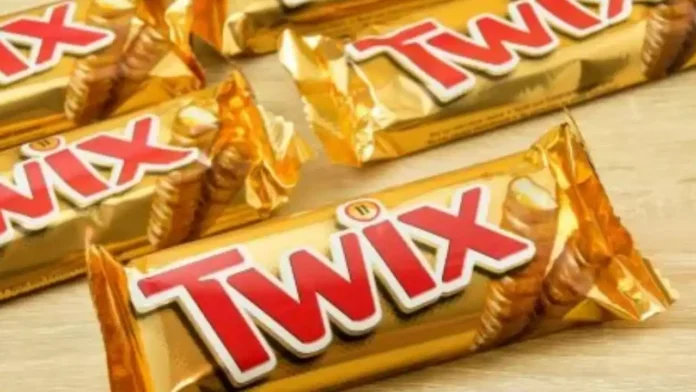
Mars plans to inject €40 million ($43.3 million) into a chocolate factory in Germany, with a portion earmarked to bolster the production of its Twix brand.
Over the span of four years, Mars will undertake a project at the Viersen site in western Germany, involving the installation of a new packaging line specifically for Twix chocolate. This decision comes in response to the company’s observation of a surge in demand for the product. Consequently, this initiative will enable the packaging of additional Twix bars directly at the site.
Evelina Wagner, Managing Director of the local Mars Confectionery Supply unit, noted that a portion of the investment will be allocated towards enhancing “the ergonomics of the workplace on the production lines” and facilitating “more sustainable production” practices.
At the Viersen site, which is privately owned, the group employs over 320 individuals. This location serves as the production hub for chocolate bar brands such as Twix and Balisto, as well as the boxed Celebrations brand.
Production Targets: Mars aims for increased output by 2026/2027
In Viersen, Mars processes 59,300 tons of chocolate goods daily, which is roughly equivalent to ten million pieces of chocolate. The company has set a target to increase its manufacturing output to 70,000 tons by 2026/2027.
Across its six sites in Germany, situated in North Rhine-Westphalia, Lower Saxony, Bavaria, and its M&M’s flagship shop in Berlin, Mars employs over 2,200 workers.
The cash infusion, Wagner added, was a “contribution” to the company’s aim of reaching net zero emissions in its “entire value chain by 2050.” “We are very proud that our volumes are growing while at the same time significantly lowering our factory’s energy requirements and emissions,” Wagner said.
In 2021, the Snickers producer pledged to reduce carbon emissions by 50% by 2030 across its entire value chain, using a 2015 baseline as reference.
The group has revised its emissions targets multiple times in recent years. Two years ago, Mars declared its aim to achieve net zero emissions by 2050. In September of last year, the company reported a reduction of 8% in emissions, amounting to 2.6 million metric tons.
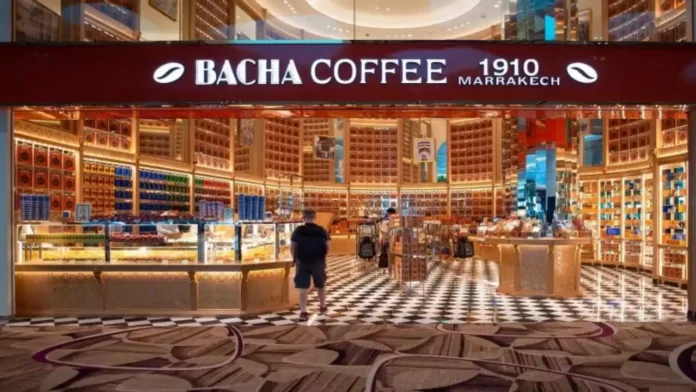
Bacha Coffee, a Moroccan-inspired heritage brand, has expanded its international presence with the opening of its first store in Indonesia, as reported by World Coffee Portal.
The venue, spanning 4,300 square feet, situated within Jakarta’s Plaza Senayan shopping center, features a coffee bar and a takeaway counter.
Operated by franchisee Erajaya Food and Nourishment, the Jakarta store also includes a retail coffee boutique showcasing 200 packaged coffee varieties.
Erajaya Food and Nourishment manages licensed Paris Baguette outlets across Indonesia.
Established in Marrakech in 1910, Bacha Coffee boasts a rich history. Following its closure after the Second World War, it was rejuvenated in 2019 by Singapore-based V3 Gourmet.
It procures its coffee from over 35 countries known for coffee production.
International Presence: From Singapore to Qatar
In December 2022, V3 Gourmet inaugurated a Bacha Coffee establishment at Terminal 3 of Singapore’s Changi Airport.
The venue showcased illuminated glass arches along with a towering library of coffee canisters.
Bacha Coffee’s growth in Southeast Asia encompasses 16 outlets spanning Singapore, Malaysia, Hong Kong, Taiwan, and now Indonesia.
The brand also has a presence in Morocco, France, the United Arab Emirates (UAE), Kuwait, and Qatar.
ZAWYA reported that in March 2024, a Bacha Coffee branch debuted at Doha’s Villaggio Mall in Qatar.
According to Korea Joongang Daily, Bacha Coffee is poised to sustain its growth momentum by venturing into the South Korean market, with a store scheduled to open in Seoul in July.
A franchising arrangement with the Lotte Department Store makes its expansion possible.
Gabrielle Halim, CEO of Erajaya Food & Nourishment, expressed, “Bacha Coffee is celebrated for its unique concept and enticing selection of pure Arabica coffee varieties, and we are excited to introduce the legendary Moroccan coffee brand to Jakarta.”
“Bacha Coffee’s outstanding gift hampers align seamlessly with the Indonesian tradition of gift-giving.”
Swedish snack producer Cloetta has reached an agreement to transfer its Nutisal roasted nuts brand to its Dutch counterpart, The Monchy Food Company.
The Plopp chocolate bar manufacturer stated that the business is set to be sold for approximately €5 to €6 million ($5.4 million – €6.5 million).
Cloetta’s choice to divest Nutisal aligns with the company’s strategy to concentrate on its “core confectionery” brands and pursue its “long-term objective” of achieving an adjusted EBIT margin exceeding 14%.
Nutisal constitutes approximately half of Cloetta’s nuts segment and contributes 2% to the company’s total net sales. Cloetta will maintain nut production as part of its pick-and-mix line.
The manufacturer of The Jelly Bean Factory brand anticipates recording a non-cash impairment of €7-8 million in its second-quarter financial results, subsequent to the transfer.
It also anticipates that the deal will result in around €6-7 million in “positive cash flow.”
Solna-based Cloetta acquired Nutisal in 2013. In 2020, the manufacturing of the product was outsourced to a third party as part of efforts to enhance competitiveness. Following this, the brand’s Helsingborg plant was shut down in 2021.
The decision comes as Cloetta continues to face challenges posed by exceptionally high cocoa prices. Cocoa represents around 8% of the company’s total raw material costs.
Earlier this year, the company disclosed plans for additional price hikes across its confectionery and chocolate products, citing unprecedented raw material costs for cocoa and sugar.
Financial Performance and Adjustments
In the first quarter of 2024, Cloetta recorded net sales of Skr2.1 billion ($199.3 million), marking a 6.1% year-on-year increase. However, adjusted operating profit decreased by 4% to Skr192 million.
The company manufactures various confectionery brands such as The Jelly Bean Factory, Läkerol pastilles, Plopp chocolate toffee bites, and King mints.
Its primary markets encompass Sweden, Finland, the Netherlands, the United Kingdom, Germany, and Denmark.
Cloetta also distributes its products to Switzerland, as well as countries in the Asia-Pacific and Baltic regions through third-party distributors.
The company operates seven production sites located in Sweden, the Netherlands, Belgium, and Slovakia. In 2023, Cloetta produced approximately 101,300 tonnes of chocolates, confectionery, pastilles, nuts, and chewing gum at these facilities.
We use cookies to ensure that we give you the best experience on our website. If you continue to use this site we will assume that you are happy with it.