Friday, December 19, 2025
Home Blog Page 1069

Hosting guests this weekend? Master the art of hosting with these 8 food service etiquette tips!

food service etiquette home

Hosting guests can be both exciting and daunting. Whether you are hosting a dinner party, a casual gathering, or a special occasion, creating a memorable dining experience goes beyond just the food you serve. Food service etiquette plays a crucial role in making your guests feel welcome and comfortable. In this comprehensive article, we will delve into eight essential tips to help you master the art of hosting and elevate your food service etiquette. From table setting to serving techniques, we will guide you through the finer details that will leave a lasting impression on your guests.

  1. Set the Stage: Creating an Inviting Ambiance

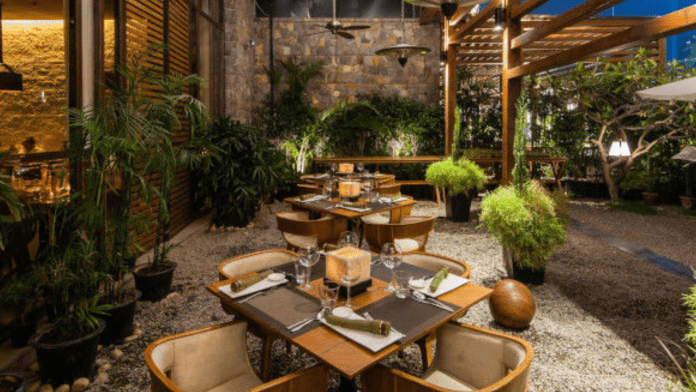
Before diving into the specifics of food service etiquette, it is essential to set the stage for a pleasant dining experience. Create an inviting ambiance by considering factors such as lighting, music, and table decor. Dimmed lighting can create an intimate atmosphere, while soft background music can enhance the mood. Thoughtful table decorations, such as fresh flowers or elegant centerpieces, add a touch of elegance. A well-designed and organized dining space sets the tone for a memorable meal.

  1. The Art of Table Setting: A Visual Delight

A well-set table not only adds to the aesthetics but also sets the foundation for a seamless dining experience. Familiarize yourself with the basics of table setting, including the proper placement of cutlery, glassware, and table linens. Ensure that each guest has their designated place setting, complete with appropriate utensils for each course. Remember to include essential items like salt and pepper shakers and bread plates. A beautifully arranged table instantly impresses your guests and shows your attention to detail.

  1. The Seating Arrangement: Consider Comfort and Dynamics

When hosting a larger gathering or a formal dinner, thoughtful seating arrangements can enhance the overall experience. Take into account the dynamics between guests, ensuring a harmonious mix of personalities and interests. Consider seating couples or close friends together, and strategically position guests with common interests. Additionally, be mindful of the physical comfort of your guests, providing ample space between chairs and allowing for ease of movement.

  1. The Host’s Role: Leading with Grace

As the host, your role extends beyond preparing and serving the food. You are responsible for creating a welcoming and comfortable environment for your guests. Take the lead in guiding the flow of the meal, initiating conversations, and making introductions between guests who may not know each other. Strike a balance between being attentive and allowing space for your guests to enjoy their meals without feeling overwhelmed. Your warmth and grace as a host will set the tone for a memorable dining experience.

  1. Serving Techniques: Graceful and Efficient

When it comes to serving food, it is crucial to employ serving techniques that are both graceful and efficient. Serve plated meals from the left side of the guest, ensuring that the food is presented with care. If serving family-style or buffet-style, offer assistance to guests, carrying dishes and ensuring everyone is served before helping yourself. Be attentive to dietary restrictions or allergies, and offer alternatives when necessary. Avoid reaching across the table or leaning over guests while serving to maintain a respectful and unobtrusive presence.

  1. Timing is Key: Coordinating Courses

Coordinating the timing of courses is essential to maintain a smooth dining experience. Pace the meal appropriately, allowing enough time for guests to savor each course without feeling rushed or waiting too long between servings. Clear the table between courses to create a clean and organized space for the next course. Pay attention to the flow of the meal, ensuring that guests are engaged in conversation and enjoying their experience.

  1. Wine and Beverage Service: Enhancing the Dining Experience

If you choose to serve wine or other beverages during your meal, understanding proper wine and beverage service is crucial. Familiarize yourself with basic wine etiquette, including appropriate glassware for different types of wine, serving temperatures, and how to pour without spills. Offer a variety of non-alcoholic beverage options for guests who do not consume alcohol or prefer alternatives. Remember to top up glasses discreetly and avoid over-pouring, allowing guests to enjoy their chosen beverages at their own pace.

  1. Gracious Dining: The Finishing Touch

The culmination of a successful dining experience lies in gracious dining. Encourage guests to savor the flavors and textures of the meal by dining slowly and appreciating each bite. Engage in pleasant conversation, keeping topics light and inclusive. Express gratitude to your guests for joining you, and extend an invitation for them to share their thoughts and feedback on the meal. Finally, conclude the dining experience with a thoughtful gesture, such as offering coffee or a small after-dinner treat.

Final Thoughts:

Mastering the art of hosting goes beyond culinary skills; it encompasses the finesse of food service etiquette. By following these eight essential tips, you can create a memorable dining experience for your guests. From creating an inviting ambiance to employing graceful serving techniques, each detail contributes to a seamless and enjoyable meal. Remember, being a gracious host is not just about the food but also about the care and attention you put into every aspect of the dining experience. So, embrace these tips, elevate your food service etiquette, and create unforgettable moments for your guests to cherish.

Advertisement

Revolutionize your child’s sleep routine with these natural sleep remedies and superfoods!

0
superfoods for sleep child

Quality sleep plays a crucial role in a child’s physical health, cognitive function, emotional well-being, and overall development. It is during sleep that their bodies repair and regenerate, memories are consolidated, and growth hormones are released. Adequate sleep also contributes to better attention span, learning abilities, and emotional regulation in children.

However, many parents struggle with their child’s sleep routine, whether it’s difficulty falling asleep, frequent night awakenings, or restless sleep. In this article, we will explore the top 5 natural remedies and superfoods that can enhance your child’s sleep quality. 

Instead of relying solely on medication, natural remedies provide a holistic approach to improving sleep quality in children. These remedies focus on incorporating sleep-inducing foods, establishing a calming routine, and creating a sleep-friendly environment. By addressing both the physical and psychological aspects of sleep, natural remedies can help regulate sleep patterns and promote a more restful sleep for your child.

Here are some sleep-inducing foods that you can incorporate into your child’s diet:

  • Tryptophan-Rich Foods: Tryptophan is an amino acid that helps the body produce serotonin, a neurotransmitter that promotes relaxation and sleep. Foods rich in tryptophan include turkey, chicken, eggs, tofu, almonds, pumpkin seeds, and Greek yogurt. Including these foods in your child’s diet can increase tryptophan levels and potentially enhance sleep quality.
  • Foods Rich in Magnesium and Calcium: Magnesium and calcium are minerals known for their relaxing properties. They can help calm the nervous system and contribute to better sleep. Foods rich in magnesium include spinach, bananas, Swiss chard, pumpkin seeds, yogurt, and cottage cheese. Calcium-rich foods include dairy products, leafy greens, and fortified plant-based milk. Incorporating these foods into your child’s diet can support relaxation and restorative sleep.
  • Melatonin-Containing Foods: Melatonin is a hormone that regulates the sleep-wake cycle. Some foods naturally contain melatonin or promote its production in the body. Cherries, kiwi, and tart cherry juice are examples of foods that can aid in enhancing sleep quality due to their melatonin content. Including these melatonin-rich foods in your child’s diet may help regulate their internal clock and improve overall sleep duration and quality.
  • Vitamin B6-Rich Foods: Vitamin B6 plays a crucial role in the production of serotonin and melatonin, both important for sleep regulation. Foods rich in vitamin B6 include salmon, pistachios, tomatoes, grapes, eggs, fish, chicken, bananas, and chickpeas. Incorporating these foods into your child’s diet can support the natural production of melatonin, which aids in establishing a healthy sleep-wake cycle and promoting better sleep.

Establishing a Sleep-Friendly Routine:

In addition to incorporating sleep-inducing foods, establishing a sleep-friendly routine is essential for optimizing your child’s sleep. Here are some tips to create a calming routine:

  • Consistent Bedtime: Establish a consistent bedtime for your child, ensuring they get sufficient hours of sleep according to their age. Consistency helps regulate their internal clock and makes it easier for them to fall asleep and wake up refreshed.
  • Relaxation Techniques: Introduce relaxation techniques before bedtime, such as reading a book, listening to calming music, or practicing deep breathing exercises. These activities help calm the mind and signal the body that it’s time to sleep.
  • Create a Comfortable Sleep Environment: Ensure your child’s sleep environment is conducive to sleep. Make sure their bedroom is dark, quiet, and at a comfortable temperature. Provide them with a cozy and supportive mattress, comfortable pillows, and soft bedding.
  • Limit Screen Time: Avoid exposing your child to screens, such as smartphones, tablets, or TVs, close to bedtime. The blue light emitted by these devices can interfere with their sleep-wake cycle and make it harder for them to fall asleep.
  • Bedtime Snacks: Offer sleep-friendly snacks before bedtime, such as a small banana (a source of vitamin B6 and magnesium) or a handful of pumpkin seeds (rich in tryptophan and magnesium). These snacks provide essential nutrients that promote sleep.

Avoiding Sleep-Disrupting Foods and Habits:

Certain foods and habits can negatively impact your child’s sleep quality. It’s important to be mindful of the following:

  • Caffeine: Avoid giving your child caffeinated beverages or foods close to bedtime. Caffeine is a stimulant that can interfere with falling asleep and disrupt the sleep-wake cycle.
  • Spicy and Fatty Foods: Spicy foods can cause heartburn or indigestion, making it uncomfortable to sleep. Fatty foods, when consumed in large quantities, can take longer to digest and potentially disturb sleep. Opt for lighter and non-spicy dinner options to promote better sleep.
  • Timing of Meals: Avoid heavy meals or large snacks close to bedtime, as they may lead to discomfort or indigestion. Allow at least a couple of hours between your child’s last meal or snack and their bedtime to promote better digestion and a more peaceful sleep.
  • Mindful of Allergies: Be aware of any food allergies or sensitivities your child may have. Allergic reactions can disrupt sleep and cause discomfort.

Final Thoughts:

Incorporating natural sleep remedies and superfoods into your child’s routine can revolutionize their sleep quality and overall well-being. By making better dietary choices and establishing a sleep-friendly routine, you can promote restful and rejuvenating nights for your child. Remember to be mindful of sleep-disrupting foods and habits and prioritize a healthy sleep environment. With these strategies in place, you can set your child up for a lifetime of healthy sleep habits and optimal development.

Advertisement

Cheers to the weekend: Explore Mumbai’s top-notch breweries for an unforgettable experience!

0
Mumbai's top-notch breweries

In recent years, the emergence of microbreweries in Mumbai has transformed the city’s drinking and dining scene. These establishments have breathed new life into the age-old tradition of beer brewing by infusing it with a modern twist. Unlike traditional breweries that focus on large-scale production, microbreweries operate on a smaller scale, allowing brewers to experiment with flavors and ingredients, resulting in distinctive and innovative brews. 

Moreover, these breweries have taken the concept of beer and food pairing to new heights by curating menus that perfectly complement their craft beers. Beyond being mere drinking establishments, Mumbai’s microbreweries have evolved into vibrant social hubs that attract a diverse crowd of beer enthusiasts, foodies, and socializers. With their contemporary ambiance and welcoming atmosphere, these breweries offer the ideal setting for friends, colleagues, and families to gather, unwind, and indulge in an eclectic range of flavors.

In this article, we will delve into the top microbreweries in Mumbai, providing detailed descriptions of each, including their cuisine offerings, types of beer, pricing, addresses, locations, and operating hours.

  1. Òsteria:

Nestled amidst lush greenery, Òsteria creates a rustic and inviting atmosphere that transports patrons to another time and place. The warm lighting and laid-back vibe contribute to the cozy ambiance, while the outdoor seating area, adorned with rustic wooden tables and chairs, enhances the overall charm. As you sip on their craft beer, you’ll be delighted by the flavors of their European-inspired menu. With offerings ranging from Continental and European dishes to Italian and Mexican delights, Òsteria tantalizes the taste buds with a variety of options. The beers on offer include Belgian Wit, Dark Stout, and IPA, each crafted to perfection. For a memorable experience filled with good food and great company, Òsteria is a must-visit microbrewery.

  • Cuisines: Continental, European, Italian, Mexican
  • Types Offered: Belgian Wit, Dark Stout, IPA
  • Cost for two: INR 2000
  • Timing: 11:30 am – 1:30 am, Monday to Sunday
  • Location: C19, Ground Level, Dalia Estate, Off Link Road, Veera Desai Area, Mumbai
  • Landmark: Near Fun Republic
  1. Gateway Taproom:

Gateway Taproom is a haven for both beer aficionados and those seeking a unique dining experience. The menu at this microbrewery boasts a delectable selection of dishes, ranging from Corn Ribs and Calamari Ajillo to homemade Khari. Complementing the culinary delights are their signature beer cocktails and the refreshing White Zen, Mumbai’s original Hefeweizen. What sets Gateway Taproom apart is its commitment to using local ingredients, such as the rare Zini rice, which adds a distinct flavor to their brews. This attention to detail and quality has made Gateway Taproom a go-to spot for foodies and beer lovers alike.

  • Cuisines: American, Seafood, Continental, Fast Food
  • Types Offered: Cottage Cheese Croquettes, Lamb Slider, Draft Beer, Kiwi Mocktail
  • Timing: 12 noon – 1 am, Monday to Sunday
  • Location: Plot C – 68, Unit 3, Godrej BKC, G Block, Bandra Kurla Complex, Mumbai
  • Landmark: Beside WeWork
  1. The Finch:

Situated in the heart of Mumbai’s bustling corporate zone, The Finch offers a lively atmosphere and exceptional entertainment. Its prime location makes it an ideal spot for after-work drinks, further enhanced by live singing and band performances throughout the week. The microbrewery features an impressive selection of brews, including their specialty sub-zero brews that add a unique twist to traditional beers. Join in on the fun at The Finch and enjoy the vibrant ambiance while savoring their delicious Chinese, North Indian, Oriental, Italian, Mediterranean, and Thai cuisines.

  • Cuisines: Chinese, North Indian, Oriental, Italian, Mediterranean, Thai
  • Types Offered: Bombay Dock, Wizard of Wit, Winter in London
  • Cost for two: INR 1800
  • Timing: 12 noon – 1 am, Monday to Sunday
  • Location: Shah Industrial Estate, Saki Vihar Road, Powai, Mumbai
  • Landmark: Opposite Huntsman Building
  1. R Hapi Brewing Co.:

R Hapi Brewing Co. greets visitors with a unique atmosphere, characterized by plush seats, hipster design, and captivating artwork, including a painting of Bob Marley and an electric guitar hanging overhead. The bartenders at this microbrewery are skilled in creating a wide range of drinks, from traditional martinis to inventive concoctions. The menu offers an incredible variety of craft beers and wines, making it an ideal place for a date or a fun night out with friends. The food menu features robust burgers, crisp salads, seafood dishes, and other delectable fare, ensuring there’s something for everyone.

  • Cuisines: North Indian, Chinese, Mughlai
  • Types Offered: Red Ale, Rice Lager, Apple Cider
  • Cost for two: INR 1500
  • Timing: 12 noon – 12 midnight, Monday to Sunday
  • Location: Tara Singh Compound, Penkarpada Road, Mira Road, Mumbai
  • Landmark: Near Dahisar Checknaka
  1. Effingut:

Effingut is a haven for beer enthusiasts who love handcrafted brews and enjoy them in an energetic ambiance. The microbrewery offers an excellent selection of craft beers, perfect for unwinding after work or catching a football or cricket match. The fantastic ambiance, complemented by loud music and live sports screenings, creates an atmosphere filled with energy and excitement. The knowledgeable and polite staff is always ready to assist with beer selection, and they even offer beer testers for those who are unsure of what to try. For the best experience, it is recommended to opt for the cozy downstairs seating area, which offers a less noisy environment. Effingut, with its British, Italian, Burger, Continental, and European cuisines, promises a great time for all.

  • Cuisines: British, Italian, Burger, Continental, European
  • Types Offered: Hefeweizen, Chicken Pops, Apple Cider Beer, Craft Beer
  • Cost for two: INR 3000
  • Timing: 12 noon – 1:30 am, Monday to Sunday
  • Location: Dhanraj Mahal, Near The Bentley Showroom, Colaba, Mumbai
  • Landmark: Beside Gateway of India

Whether you’re a beer enthusiast, a food lover, or someone looking for a vibrant atmosphere, Mumbai’s microbreweries have something for everyone. So, raise a glass and toast to the weekend as you embark on an unforgettable journey through Mumbai’s top-notch breweries.

Advertisement

Rusk with tea: The silent killer lurking in your favorite snack! Unveiling the astonishing dangers you never saw coming!

0
Rusk with tea

In today’s fast-paced world, snacking has become an integral part of our daily lives. Among the countless snacks available, rusk with tea holds a special place in many people’s hearts. The crispy and delicious treat, often enjoyed alongside a cup of tea, is a popular choice across various cultures. However, what if we told you that your favorite rusk with tea could be concealing a silent killer?

In this article, we will shed light on the astonishing dangers associated with this seemingly harmless snack. From hidden ingredients to harmful additives, we will explore the risks that may be lurking in your rusk, revealing the shocking truths you never saw coming.

  1. Rusks Are Made Of Stale Bread: 

According to a report published by the digital daily Medium, it has been revealed that rusks are actually made from stale bread. This discovery raises concerns about potential health hazards associated with consuming rusks. The primary ingredients used in the production of rusks include yeast, sugar, oil, and flour. However, many commercially available rusks are made by modifying stale loaves into rusk biscuits. Stale bread can harbor harmful pathogens and molds, which may result in conditions such as diarrhea, constipation, and food poisoning. Unfortunately, these risks are transferred to the newly packaged rusk biscuits as well.

  1. High Caloric Content:

Contrary to their light and airy texture, rusks can be deceptively high in calories. These toasted bread-based snacks are often loaded with added sugars and unhealthy fats. When combined with tea, which is typically consumed with milk and sugar, the calorie count can quickly add up. Regular consumption of rusk with tea may contribute to weight gain and other health issues associated with excessive calorie intake.

  1. Refined Carbohydrates:

Rusks are typically made from refined flour, which lacks the essential nutrients found in whole grains. During the refining process, the outer bran and germ layers of the grain are removed, stripping away fiber, vitamins, and minerals. As a result, rusks offer little nutritional value and can cause a rapid spike in blood sugar levels when consumed. This can lead to energy crashes, cravings, and an increased risk of developing chronic conditions like diabetes.

  1. Excessive Sugar:

Many commercially available rusks are infused with added sugars to enhance their taste and appeal. When paired with tea, which may already contain sugar, the sugar content can skyrocket. Excessive sugar consumption is associated with various health problems, including obesity, dental decay, and an increased risk of heart disease. Opting for healthier alternatives to rusks or reducing sugar intake altogether can significantly benefit your overall well-being.

  1. Lack of Fiber:

Fiber is an essential component of a healthy diet, aiding digestion, promoting satiety, and supporting overall gut health. Unfortunately, rusks are generally low in fiber due to the use of refined flour. This can lead to digestive issues, constipation, and an imbalanced gut microbiome. Instead, incorporating fiber-rich foods like whole grains, fruits, and vegetables into your snacks can provide numerous health benefits.

  1. Unhealthy Additives:

Commercially produced rusks often contain a host of artificial additives, preservatives, and flavor enhancers to prolong shelf life and enhance taste. These additives can have adverse effects on your health, ranging from allergic reactions to long-term health risks. By opting for homemade or all-natural alternatives, you can avoid unnecessary exposure to these potentially harmful substances.

Final Thoughts:

While the combination of rusk with tea may seem like a harmless indulgence, it’s crucial to consider the potential health risks associated with this popular snack. High calorie content, refined carbohydrates, excessive sugar, lack of fiber, and unhealthy additives make rusk with tea a health trap. Instead, opt for healthier alternatives such as whole grain crackers, nuts, or fresh fruits to accompany your tea. By making informed choices, you can prioritize your well-being and enjoy snacks that nourish your body.

Advertisement

Craving the perfect chicken roll? Check out Noida’s 10 mouthwatering destinations that will blow your mind!

0
chicken roll

Chicken rolls have become a favorite street food delicacy among food enthusiasts in Noida, a bustling city in the Indian state of Uttar Pradesh. These delectable rolls, filled with succulent pieces of chicken and an array of flavorful spices, offer a delightful culinary experience that leaves patrons craving for more. Noida is renowned for its diverse culinary scene, and when it comes to chicken rolls, the city boasts numerous eateries that serve up some of the best rolls in the region. In this article, we will explore the ten best places for a chicken roll in Noida, each with its unique flavors and characteristics that are sure to blow your mind.

The 10 Best Places for Chicken Rolls in Noida

  1. Khan’s Kathi Roll

Located in Sector 18, Khan’s Kathi Roll is a small local restaurant that offers an extensive variety of vegetarian and non-vegetarian rolls. Their most popular chicken rolls include the Double Egg Kathi Roll, Single Chicken Kathi Roll, and Single Chili Chicken Kathi Roll. With its Mughlai and street food-inspired cuisines, Khan’s Kathi Roll is a go-to place for chicken lovers.

  • Cuisines: Mughlai, Street Food
  • Types Offered: Double Egg Kathi Roll, Single Chicken Kathi Roll, Single Chili Chicken Kathi Roll
  • Timings: 11 AM to 2 AM, Monday to Sunday
  • Location: G 24, S Block, Pocket A, Sector 18, Noida 201301
  • Cost for two: INR 200
  1. Rolls King

True to its name, Rolls King reigns as one of the top destinations for chicken rolls in Noida. This eatery offers a wide range of rolls, including Potato Roll, Manchurian Roll, Crispy Cheese Potato Roll, Soya Chaap Roll, Veg Keema Roll, Chicken Roll, Hot Shot Chicken Roll, Bhuna Chicken Roll, Roasted Chicken Roll, and Chicken Egg Keema Roll. With its fast food cuisine, Rolls King is the perfect place for small get-togethers and delicious rolls.

  • Cuisines: Fast Food
  • Types Offered: Hot Shot Chicken Roll, Bhuna Chicken Roll, Roasted Chicken Roll, Chicken Egg Keema Roll
  • Timings: 11 AM to 7 AM, Monday to Sunday
  • Location: J-3, Near GIP Footover Bridge, Sector 18, Noida 201301
  • Cost for two: INR 400
  1. Balle Balle Sector 26

Balle Balle Sector 26 is known for its extraordinary yummy rolls that are worth every penny. Their chicken rolls, including Chicken Shawarma, Gravy Chicken, Tandoori Chicken Tikka, Tandoori Soya Chaap, Shawarma, and Afghani Chicken, are quite fulfilling and offer a burst of flavors. This street food joint is a must-visit for anyone looking to satisfy their chicken roll cravings.

  • Cuisines: Street Food
  • Types Offered: Chicken Shawarma, Gravy Chicken, Tandoori Chicken Tikka, Tandoori Soya Chaap, Shawarma, Afghani Chicken
  • Timings: 11 AM to 11 PM, Monday to Sunday
  • Location: H89M+X43, Swati Complex, Bhramaputra Market, Sector 29, Noida, Uttar Pradesh 201303
  • Cost for two: INR 200
  1. Rolls Runner

Rolls Runner is a place that excels in serving crowds with precision and care. This eatery offers a variety of rolls, including Veg Roll, Egg Roll, Chicken Roll, Egg Chicken Roll, Egg Mutton Roll, Chicken Keema Roll, and Mutton Keema Roll. The impressive food, amazing staff, and great atmosphere make Rolls Runner a go-to spot for chicken roll enthusiasts.

  • Cuisines: Fast Food
  • Types Offered: Veg Roll, Egg Roll, Chicken Roll, Egg Chicken Roll, Egg Mutton Roll, Chicken Keema Roll, Mutton Keema Roll
  • Timings: Opens 24 hours, Monday to Sunday
  • Location: Shop 2, Shanti Complex, Indira Market, Sector 27, Noida 201301
  • Cost for two: INR 300
  1. Rolls Mania

Rolls Mania is a small and cozy restaurant that has captured the hearts of Noida’s chicken roll aficionados. With its Chicken Bhuna Roll, Double Egg Omlette Roll, French Fries, Chicken Keema Roll, Chicken Chili Roll, Cold Coffee, and Mutton Shami Rice Bowl, Rolls Mania offers a wide range of options to satisfy your cravings. The knowledgeable staff and great recommendations add to the overall experience.

  • Cuisines: Fast Food
  • Types Offered: Chicken Keema Roll, Chicken Chili Roll
  • Timings: 10 AM to 10 PM, Monday to Sunday
  • Location: Shop LG/10, GH/02, Sector Techzone 4, Amrapali Leisure Valley, Greater Noida 201301
  • Cost for two: INR 400
  1. Zaika Roll

Zaika Roll is a bustling joint that attracts crowds with its delicious rolls. The menu at Zaika Roll features a range of options, including Egg Roll, Soya Egg Roll, Chicken Roll, Chicken Masala Roll, and Chicken Egg Masala Roll. One unique feature of this place is that they serve rolls with dips instead of the usual ketchup, enhancing the flavor profile.

  • Cuisines: Street Food
  • Types Offered: Egg Roll, Soya Egg Roll, Chicken Roll, Chicken Masala Roll, Chicken Egg Masala Roll
  • Timings: 11 AM to 9 PM, Monday to Sunday
  • Location: A24, Sector 18, Noida 20200
  • Cost for two: INR 200
  1. Roll Hub

Roll Hub is known for its awesome food, supportive staff, and positive atmosphere. On the menu, you will find a variety of rolls, including Chicken Roll, Double Chicken Roll, Egg Chicken Roll, Double Egg Chicken Roll, Double Egg Chicken Keema Roll, and Double Egg Double Chicken Keema Roll. Whether you’re looking for a quick snack or a satisfying meal, Roll Hub has got you covered.

  • Cuisines: Street Food
  • Types Offered: Chicken Roll, Egg Chicken Roll, Double Egg Chicken Roll, Double Egg, Double Egg Chicken Keema Roll, Double Egg Double Chicken Keema Roll
  • Timings: 11 AM to 11 PM, Monday to Sunday
  • Location: Exotica Dreamville, Gaur City 2, Greater Noida 201306
  • Cost for two: INR 300
  1. Mujeeb Kathi Roll

Mujeeb Kathi Roll offers a homely ambiance and romantic vibes, making it a perfect place to visit for evening snacks or a cozy date. The prompt and friendly service, along with courteous staff, adds to the overall experience. Some of the must-try rolls include Single Egg Chicken Roll, Double Chicken Roll, Double Egg Chicken Roll, Chicken Seekh Kebab Roll, Chicken Egg Keema Roll, and Chicken Chili Roll.

  • Cuisines: Mughlai
  • Types Offered: Chicken Roll, Single Egg Chicken Roll, Double Chicken Roll, Double Egg Chicken Roll, Chicken Seekh Kebab Roll, Chicken Egg Keema Roll, Chicken Chili Roll
  • Timings: 9:30 AM to 9:30 PM, Monday to Sunday
  • Location: GNIT College Road, Knowledge Park, Greater Noida 201306
  • Cost for two: INR 300
  1. Raj Shawarma

Raj Shawarma is a cozy and friendly restaurant perfect for a date or casual dining. The chef at Raj Shawarma knows how to make your taste buds go spinning with their flavorful offerings. The lively atmosphere, fair prices, and generous portion sizes make it an ideal spot for a satisfying chicken roll experience. Some of the recommended rolls include Chicken Shawarma Roll, Chicken Roll, Chicken Tikka Roll, Chicken Malai Tikka Roll, along with mouthwatering momos.

  • Cuisines: Lebanese
  • Types Offered: Chicken Shawarma Roll, Chicken Roll, Chicken Tikka Roll, Chicken Malai Tikka Roll
  • Timings: 11 AM to 11 PM, Monday to Sunday
  • Location: A-2/16, Ground Floor, Near Q4 Pharmacy, Sector 110, Noida 201301
  • Cost for two: INR 200
  1. Zaika Kathi Roll

Zaika Kathi Roll, located opposite the Metro station in Sector 60, is known for its prompt service and delectable rolls. The menu features Chicken Kabab Roll, Chicken Kathi Kabab Roll, Chicken Kabab Cheese Roll, and Chicken Cheese Roll. This Chinese cuisine-based eatery is a popular choice among chicken roll enthusiasts in Noida.

  • Cuisines: Chinese
  • Types Offered: Chicken Kabab Roll, Chicken Kathi Kabab Roll, Chicken Kabab Cheese Roll, Chicken Cheese Roll
  • Timings: Open 24 hours, Monday to Sunday
  • Location: Gali 3, Sector 66, Opposite Metro Station, Sector 60, Noida 201301
  • Cost for two: INR 200

Unique Features of Each Destination

  • Khan’s Kathi Roll: Extensive variety of vegetarian and non-vegetarian rolls.
  • Rolls King: Offers a wide range of rolls, including unique options like Manchurian Roll and Crispy Cheese Potato Roll.
  • Balle Balle Sector 26: Fulfilling and great-tasting chicken rolls with options like Shawarma and Afghani Chicken.
  • Rolls Runner: Impressive service, great atmosphere, and a variety of rolls to choose from.
  • Rolls Mania: Cozy atmosphere, unique roll options, and delightful sides like Cold Coffee and Mutton Shami Rice Bowl.
  • Zaika Roll: Rolls served with dips instead of ketchup, enhancing the flavor experience.
  • Roll Hub: Offers a variety of rolls, including Double Egg Double Chicken Keema Roll.
  • Mujeeb Kathi Roll: Homely ambiance and romantic vibes, along with delicious rolls.
  • Raj Shawarma: Lively atmosphere, generous portion sizes, and mouthwatering momos in addition to rolls.
  • Zaika Kathi Roll: Open 24 hours and offers Chinese cuisine-based rolls, catering to diverse preferences.

Final Thoughts:

Noida boasts a vibrant food scene, and its chicken rolls are no exception. Whether you’re a local resident or a visitor exploring the city, the ten destinations mentioned above offer a wide range of mouthwatering chicken rolls that are sure to satisfy your cravings. From traditional flavors to unique twists, these eateries provide an array of options to cater to different preferences. So, head out to one of these places, indulge in the deliciousness of Noida’s chicken rolls, and experience a culinary journey that will leave you wanting more.

Advertisement

Surprise your little ones with a delicious twist! Whip up a healthy homemade bournvita powder in no time, using just 5 simple ingredients! 

0
homemade bournvita

Get ready to take a trip down memory lane, where every sip is a nostalgic journey to your childhood. Bournvita, the beloved beverage that tastes like pure nostalgia, is calling out to awaken your cravings. Close your eyes and imagine that first sip, the familiar flavors dancing on your tongue, instantly transporting you back to carefree days filled with laughter and joy.

The distinct taste of Bournvita is a delightful blend of rich chocolate and wholesome malt, creating a symphony of flavors that will make your taste buds sing. As the velvety smoothness envelops your palate, you can’t help but be swept away by the wave of warmth and comfort it brings. It’s like being wrapped in a cozy blanket, relishing in the familiar embrace of a long-lost friend.

But Bournvita is not just about reliving cherished memories; it’s a treasure trove of essential nutrients that your body craves. With each sip, you’re not only satisfying your sweet tooth but also nourishing yourself with vital vitamins, minerals, and goodness. It’s the perfect balance of indulgence and well-being, making you yearn for more.

Ingredients:

  1. 1 cup malted milk powder
  2. 1/2 cup cocoa powder
  3. 1/2 cup powdered sugar
  4. 1/2 teaspoon vanilla extract
  5. 1/4 teaspoon salt

Instructions:

  1. In a large mixing bowl, combine the malted milk powder, cocoa powder, powdered sugar, vanilla extract, and salt. Make sure to break up any lumps in the cocoa powder and sugar.
  1. Mix all the ingredients together until they are well combined. You can use a whisk or a spoon for this step. Ensure that all the ingredients are evenly distributed.
  1. Transfer the mixture into an airtight container or a jar with a tight lid. This will help keep the homemade Bournvita fresh and flavorful.
  1. To enjoy a glass of homemade Bournvita, simply add 2-3 tablespoons of the mixture to a glass of warm or cold milk, depending on your preference. Stir well until the mixture is fully dissolved.
  1. You can adjust the amount of homemade Bournvita according to your desired taste. Feel free to add more or less depending on how chocolatey or malty you want your drink to be.
  1. For an extra touch of indulgence, you can top your homemade Bournvita with whipped cream or sprinkle some chocolate shavings on top.
  1. Stir and savor every sip of your homemade Bournvita, relishing the rich flavors that bring back nostalgic memories.

Enjoy your homemade Bournvita and delight in the satisfaction of creating a nostalgic treat right in the comfort of your own home!

Advertisement

Sweet tooth alert: 10 exquisite Indian desserts you’ve probably never heard of! #8 is pure bliss! 

0
Indian desserts

Indian cuisine is renowned for its rich and diverse flavors, and its dessert repertoire is no exception. While some Indian desserts like Gulab Jamun and Jalebi have gained worldwide fame, there are several lesser-known sweet delights that deserve attention. These hidden gems not only tantalize your taste buds but also offer a glimpse into the lesser-explored facets of India’s culinary heritage. In this article, we will explore 10 lesser-known Indian desserts that are worth discovering and savoring. From the aromatic Awan Bangwi of Tripura to the nutritious Kharwas of Maharashtra, each dessert has a unique story to tell and offers a delightful experience for dessert enthusiasts.

  1. Awan Bangwi – Tripura:

Originating from the northeastern state of Tripura, Awan Bangwi is a traditional dessert that holds significance during special occasions and festivals. This aromatic sweet dish is prepared by combining sticky rice, cashew nuts, raisins, and grated coconut. The mixture is then steamed in a conical bamboo shoot, resulting in a dense and flavorful dessert with a subtle sweetness. Awan Bangwi reflects the rich culinary heritage of Tripura and is a must-try for those seeking unique dessert experiences.

  1. Gulgule – Uttarakhand:

From the picturesque mountains of Uttarakhand comes Gulgule, a lesser-known dessert with a delightful taste and texture. Gulgule are sweet fritters made from a batter of whole wheat flour, jaggery, and fennel seeds. These fritters are deep-fried until golden brown, offering a crispy exterior and a soft, fluffy interior. Gulgule is often enjoyed as a tea-time snack or as a festive dessert in Uttarakhand, showcasing the region’s culinary diversity.

  1. Kumbilappam – Kerala:

Kumbilappam, also known as Chakka Kumbilappam, is a traditional dessert from the southern state of Kerala. This unique sweet dish celebrates the abundance of jackfruit, a tropical fruit widely grown in the region. Ripe jackfruit pulp is combined with rice flour, jaggery, and grated coconut, and then wrapped in fragrant bay leaves. The parcels are steamed to perfection, resulting in a sweet and aromatic dessert that captures the essence of Kerala’s culinary traditions.

  1. Mawa Bati – Madhya Pradesh:

Hailing from the central Indian state of Madhya Pradesh, Mawa Bati is a delectable dessert made from mawa (reduced milk), refined flour, and sugar. The ingredients are combined to form a dough, which is then shaped into small balls and deep-fried until golden brown. These fried balls are soaked in a sugar syrup, allowing them to absorb the sweetness. Mawa Bati is a rich and indulgent dessert often enjoyed during special occasions and festivals in Madhya Pradesh.

  1. Sel Roti – Sikkim:

In the northeastern state of Sikkim, Sel Roti holds a special place as a traditional dessert enjoyed during festive occasions. This sweet delicacy is prepared by fermenting a batter of rice flour, sugar, and milk. The fermented batter is then deep-fried until crispy and golden brown, resulting in a unique ring-shaped bread with a sweet aroma. Sel Roti is not only savored in Sikkim but also finds popularity in neighboring regions such as Nepal.

  1. Thekua – Jharkhand:

Thekua, also known as Khajur, is a hidden gem from the eastern Indian state of Jharkhand. This sweet, biscuit-like snack holds significance during the Chhath Puja festival, a major celebration in the region. Thekua is made from a dough comprising whole wheat flour, jaggery, and ghee. The dough is intricately shaped using a mold or by hand, and then either deep-fried or baked until crisp. Thekua delights taste buds with its unique texture and aromatic flavors, making it a must-try dessert from Jharkhand.

  1. Lehsun ki Kheer – Rajasthan:

Rajasthan, known for its vibrant culture and robust cuisine, surprises dessert enthusiasts with an unusual creation called Lehsun ki Kheer. Garlic, a prominent ingredient in Rajasthani cuisine, takes the center stage in this dessert. Garlic cloves are boiled to remove their pungency and then cooked with milk, sugar, and a blend of spices. The kheer is garnished with chopped nuts and served chilled, offering a one-of-a-kind taste experience. Lehsun ki Kheer is a testament to the innovative spirit of Rajasthani cooks and their ability to create unexpected yet delicious desserts.

  1. Kharwas – Maharashtra:

Kharwas, also known as Junnu in Andhra Pradesh and Telangana, is an unsung hero in the dessert world, celebrated for its unique preparation and nutritional value. This delicacy is made using the colostrum, the first milk produced by a cow or buffalo after giving birth. The colostrum is mixed with regular milk, sugar, and a pinch of cardamom or nutmeg. The mixture is then steamed or baked until it sets into a soft, velvety pudding. Kharwas not only delights the taste buds but also offers nutritional benefits, making it a true hidden gem of Indian cuisine.

  1. Malaiyo – Uttar Pradesh:

From the bustling city of Lucknow in the northern state of Uttar Pradesh comes Malaiyo, an unrecognized dessert that captivates with its unique texture and delicate flavors. Malaiyo surprises taste buds with its creamy milk foam, infused with saffron, cardamom, and rose water. The dessert is adorned with finely chopped nuts, adding a delightful crunch. Malaiyo provides a distinct and satisfying dessert experience, allowing dessert enthusiasts to explore the lesser-known sweets of Uttar Pradesh.

  1. Patoleo – Goa:

Patoleo, a traditional sweet dish from Goa, holds cultural and symbolic significance. Made with rice, coconut, jaggery, and cinnamon, this dessert is prepared by wrapping a sweet filling in turmeric leaves and steaming it until cooked. Patoleo is not only a delicious treat but also represents good luck and prosperity in Goan culture. With its rich flavors and unique preparation, Patoleo offers a healthy and nutritious dessert option that showcases the culinary heritage of Goa.

Final Thoughts:

Indian desserts are a treasure trove of flavors, and while some have gained international recognition, there are numerous lesser-known delicacies waiting to be discovered. From the dense Awan Bangwi of Tripura to the unique Lehsun ki Kheer of Rajasthan, each dessert tells a story and offers a glimpse into the diverse culinary heritage of India. By exploring these lesser-known Indian desserts, one can embark on a delightful journey of flavors and textures, appreciating the creativity and cultural significance behind each sweet creation. So, satisfy your sweet tooth and indulge in the hidden gems of Indian desserts, for they are a testament to the richness and diversity of India’s culinary traditions.

Advertisement

Unleash your inner mixologist: 5 mind-blowing cocktails you never knew you could create with kokum! 

0
cocktails kokum

Cocktails have always been a fascinating world of flavors, where mixologists experiment with different ingredients to create unique and tantalizing concoctions. While we are familiar with classic cocktails made with ingredients like vodka, rum, and gin, there is a hidden gem that is waiting to be discovered in the mixology realm – kokum. 

Kokum, scientifically known as Garcinia indica, is a tropical fruit native to India. It is commonly used in Indian cooking to add a sour and tangy taste to dishes. Apart from its culinary uses, kokum is also known for its health benefits. It is rich in antioxidants, helps improve digestion, and has anti-inflammatory properties.

While kokum is commonly used in cooking, it is a relatively untapped resource in the world of mixology. Its tangy and fruity flavor can be a game-changer when it comes to creating innovative and refreshing cocktails. The natural acidity of kokum makes it a perfect ingredient for balancing the sweetness of other spirits and mixers.

In addition to its flavor, kokum also adds a visually appealing element to cocktails. The deep reddish-purple hue of kokum can give your drinks a vibrant and alluring color. So, let’s dive into the exciting world of kokum-infused cocktails and discover the hidden potential of this versatile ingredient.

5 Amazing Cocktails with Kokum You Never Knew You Could Make

  • Cocktail 1: Kokum Vodka Punch
  • Ingredients:
    • 2 ounces vodka
    • 1 ounce kokum concentrate
    • 1 ounce fresh lime juice
    • 1 ounce simple syrup
    • Club soda, to top
    • Lime wedges, for garnish
    • Ice cubes
  • Recipe:
    • In a cocktail shaker, add vodka, kokum concentrate, lime juice, and simple syrup.
    • Fill the shaker with ice cubes and shake vigorously.
    • Strain the mixture into a glass filled with ice.
    • Top it off with club soda.
    • Garnish with lime wedges.
    • Serve and enjoy!
  • Flavor Profile: The Kokum Vodka Punch offers a delightful balance between the tanginess of kokum, the crispness of vodka, and the freshness of lime. The addition of club soda adds a subtle fizz, making it a perfect drink to beat the summer heat.
  • Cocktail 2: Wine and Kokum
  • Ingredients:
    • 4 ounces red wine
    • 1 ounce kokum concentrate
    • 1 ounce simple syrup
    • Fresh berries, for garnish
    • Ice cubes
  • Recipe:
    • In a glass, combine red wine, kokum concentrate, and simple syrup.
    • Stir well to mix the ingredients.
    • Add ice cubes.
    • Garnish with fresh berries.
    • Serve and enjoy!
  • Flavor Profile: The combination of red wine and kokum creates a unique and refreshing flavor. The tartness of kokum complements the fruity notes of the wine, resulting in a well-balanced and sophisticated cocktail. The addition of fresh berries adds a touch of sweetness and enhances the visual appeal of the drink.
  • Cocktail 3: Gin and Kokum
  • Ingredients:
    • 2 ounces gin
    • 1 ounce kokum concentrate
    • 1 ounce elderflower liqueur
    • 1 ounce fresh lemon juice
    • Soda water, to top
    • Lemon slices, for garnish
    • Ice cubes
  • Recipe:
    • In a cocktail shaker, combine gin, kokum concentrate, elderflower liqueur, and lemon juice.
    • Shake well to mix the ingredients.
    • Strain the mixture into a glass filled with ice.
    • Top it off with soda water.
    • Garnish with lemon slices.
    • Serve and enjoy!
  • Flavor Profile: The Gin and Kokum cocktail offers a delightful blend of herbal gin, tangy kokum, and floral elderflower liqueur. The lemon juice adds a refreshing zing, while the soda water gives it a light and effervescent finish. This cocktail is perfect for those who enjoy a crisp and citrusy drink.
  • Cocktail 4: White Rum Kokum
  • Ingredients:
    • 2 ounces white rum
    • 1 ounce kokum concentrate
    • 1/2 ounce fresh lime juice
    • 1/2 ounce simple syrup
    • Mint leaves, for garnish
    • Ice cubes
  • Recipe:
    • In a glass, combine white rum, kokum concentrate, lime juice, and simple syrup.
    • Stir well to mix the ingredients.
    • Add ice cubes.
    • Garnish with mint leaves.
    • Serve and enjoy!
  • Flavor Profile: The White Rum Kokum cocktail combines the smoothness of white rum with the tanginess of kokum. The fresh lime juice adds a burst of citrus, while the simple syrup balances the flavors. The addition of mint leaves not only enhances the aroma but also adds a refreshing element to the drink.
  • Cocktail 5: Frozen Kokum Margarita
  • Ingredients:
    • 2 ounces tequila
    • 1 ounce kokum concentrate
    • 1/2 ounce orange liqueur
    • 1 ounce fresh lime juice
    • Salt, for rimming the glass
    • Lime wedges, for garnish
    • Ice cubes
  • Recipe:
    • Rim the glass with salt by rubbing a lime wedge along the rim and dipping it in salt.
    • In a blender, combine tequila, kokum concentrate, orange liqueur, lime juice, and ice cubes.
    • Blend until smooth and slushy.
    • Pour the mixture into the salt-rimmed glass.
    • Garnish with lime wedges.
    • Serve and enjoy!
  • Flavor Profile: The Frozen Kokum Margarita is a frosty and invigorating cocktail that combines the flavors of tequila, kokum, and lime. The tangy and sweet notes of kokum blend harmoniously with the zesty lime and the warmth of tequila. The slushy texture adds a fun element to this delightful margarita.

These five mind-blowing cocktails demonstrate the versatility of kokum and its potential to elevate your cocktail game. By exploring the vibrant world of kokum cocktails, you can unleash your inner mixologist and surprise your guests with innovative and tantalizing drinks. So, next time you’re looking to shake things up, don’t forget to reach for the kokum and let your creativity flow. Cheers to the exciting flavors of kokum!

Advertisement

Burn fat like never before! Discover the ultimate diet plan to melt away 10 kg in just 4 weeks! 

0
diet plan fat loss

Losing weight can be a challenging journey, but with the right approach, it is achievable. If you’re looking to shed those extra kilos and transform your body, you’ve come to the right place. In this article, we will unveil the ultimate diet plan that can help you melt away 10 kg in just 4 weeks! By following this plan and making a few lifestyle changes, you can kick-start your weight loss journey and achieve remarkable results.

Understanding Weight Loss

Before diving into the diet plan, it’s essential to understand the basics of weight loss. Weight loss occurs when you consume fewer calories than you burn. It’s a simple equation of creating a calorie deficit. However, it’s crucial to adopt a healthy and sustainable approach to weight loss rather than resorting to crash diets or extreme measures.

  • What is a Healthy Weight Loss Goal?

Setting a healthy weight loss goal is essential for your overall well-being. Aim for a realistic target that allows you to lose weight gradually and sustainably. A safe and healthy rate of weight loss is around 0.5 to 1 kg per week. This means that in 4 weeks, you can aim to lose approximately 4 kg. Keep in mind that everyone’s body is different, and results may vary.

  • Importance of a Balanced Diet

A balanced diet is the cornerstone of any successful weight loss journey. It provides your body with the necessary nutrients while helping you achieve a calorie deficit. Focus on consuming a variety of whole foods, including fruits, vegetables, lean proteins, whole grains, and healthy fats.

A balanced diet not only supports weight loss but also improves your overall health. It boosts your metabolism, provides sustained energy, and keeps you feeling full and satisfied throughout the day. Avoid highly processed foods, sugary drinks, and excessive amounts of refined carbohydrates, as these can hinder your weight loss efforts.

  • Benefits of Exercise

While diet plays a crucial role in weight loss, incorporating exercise into your routine can accelerate the process and improve your overall fitness. Engage in a combination of cardiovascular exercises (such as brisk walking, jogging, or cycling) and strength training (using weights or bodyweight exercises) to burn calories, build lean muscle, and increase your metabolism.

The Ultimate Diet Plan for Weight Loss

Now let’s delve into the ultimate diet plan that will help you shed those 10 kg in just 4 weeks. Remember to consult with a healthcare professional or a registered dietitian before making any significant changes to your diet.

  • For Breakfast

Start your day with a healthy and filling breakfast to kickstart your metabolism. Here are some options:

  • A bowl of oatmeal with fruits and nuts: Oatmeal is a great source of fiber and complex carbohydrates, which provide sustained energy. Top it with fresh fruits like berries and a handful of nuts for added nutrients and healthy fats.
  • Vegetable poha (flattened rice) with a side of yogurt: Poha is a traditional Indian breakfast dish made with flattened rice and vegetables. It’s light, nutritious, and packed with flavor. Pair it with a serving of yogurt for a protein boost.
  • Moong dal cheela (pancake) with mint chutney: Moong dal cheela is a savory pancake made from lentils. It’s rich in protein and fiber, making it an excellent choice for weight loss. Serve it with a side of mint chutney for added freshness.

Include foods like eggs, Greek yogurt, berries, whole grains, nuts, and seeds in your breakfast. These foods are rich in protein, fiber, and healthy fats, which can help you feel full and satisfied, reduce cravings, and support weight loss.

  • For Mid-Morning Snack

Keep your energy levels up with a nutritious mid-morning snack. Here are some options:

  • A handful of almonds or walnuts: Nuts are packed with healthy fats, fiber, and protein. They provide a satiating snack option that can keep you going until lunchtime.
  • A fruit like an apple or a banana: Fruits are nature’s perfect snack. They are rich in vitamins, minerals, and fiber while being low in calories. Grab an apple or a banana for a quick and refreshing mid-morning snack.
  • Vegetable sticks with hummus: Cut up some cucumber, carrot, and bell pepper sticks and pair them with a delicious homemade hummus. This snack is low in calories and packed with nutrients.

Also, when trying to lose weight, a midmorning snack of roasted chickpeas, cucumber slices, and homemade yogurt is a smart choice. These low-calorie foods are packed with protein, fiber, and other nutrients to keep you full and help you reach your weight loss objectives.

  • For Lunch

Go for a balanced and portion-controlled lunch to keep you satisfied throughout the day. Here’s what your lunch should comprise:

  • A serving of whole grains like brown rice or roti (Indian bread): Whole grains provide complex carbohydrates and fiber, which aid in digestion and keep you feeling full for longer.
  • A serving of lean protein such as grilled chicken, fish, or tofu: Protein is essential for repairing and building muscle tissue. Opt for lean protein sources to minimize calorie intake.
  • A generous portion of vegetables and a side of dal (lentils): Load up your plate with colorful vegetables to provide essential vitamins, minerals, and fiber. Pair it with a small serving of dal for added protein and satiety.

Steaming, grilling, and sautéing with minimum oil are better options than oil-heavy curries and fried dishes. Use herbs and spices to enhance flavor without adding extra fat or calories. Keep your portion sizes in check and drink plenty of water to stay hydrated.

  • For Afternoon Snack

Choose a light, healthy snack to curb your cravings and energize you. Here are some options:

  • Greek yogurt with berries: Greek yogurt is a protein-packed snack that also provides probiotics for a healthy gut. Top it with fresh berries for added antioxidants and sweetness.
  • Sprouts salad: Sprouts are rich in nutrients and low in calories. Toss them with some vegetables, lemon juice, and herbs to create a refreshing and filling salad.
  • Roasted chickpeas: Roasted chickpeas are a crunchy and satisfying snack that is high in fiber and protein. Season them with spices like paprika or cumin for added flavor.

It is advised to choose healthy snack options like fresh fruit salad, roasted chickpeas, sliced cucumbers or carrots with hummus, sprouts chaat, or a little amount of nuts. These snacks are low in calories and high in fiber, vitamins, and minerals, making them nutrient-dense. Without sacrificing your nutritional requirements, incorporating foods that increase satiety, boost metabolism, and provide continuous energy can support your weight loss efforts.

Lifestyle Changes and Additional Tips

In addition to following the diet plan, making a few lifestyle changes can further support your weight loss journey. Here are some tips:

  • Sleep and Stress Management: Aim for 7-9 hours of quality sleep each night. Sufficient sleep helps regulate hormones related to hunger and satiety. Additionally, manage stress through activities like meditation, yoga, or engaging in hobbies that relax and rejuvenate you.
  • Tracking Progress and Adjusting the Plan: Keep a food journal or use a smartphone app to track your meals, snacks, and calorie intake. This will help you stay accountable and make adjustments if needed. Monitor your progress and make changes to your diet and exercise routine accordingly.
  • Seeking Professional Guidance: If you have specific dietary requirements or health concerns, it’s advisable to consult a registered dietitian or healthcare professional. They can provide personalized guidance and ensure that your weight loss plan is safe and effective.
  • Staying Positive and Focused: Weight loss is a journey that requires patience and perseverance. Stay positive, celebrate your achievements, and stay focused on your goals. Surround yourself with a supportive network of friends and family who can encourage and motivate you along the way.

Final Thoughts:

Losing weight and achieving your desired body transformation is possible with the right diet plan and lifestyle changes. The ultimate diet plan outlined in this article provides a balanced and nutritious approach to weight loss, focusing on whole foods, portion control, and incorporating regular exercise. Remember to listen to your body, stay consistent, and be patient with yourself. With dedication and determination, you can burn fat like never before and achieve your weight loss goals. Good luck on your journey to a healthier and happier you!

Advertisement

Sugar vs. Salt — Which poses a greater threat to heart health? 

0
Sugar vs. Salt

Maintaining a healthy heart is essential for overall well-being and longevity. In recent years, research has highlighted the negative impact of excessive sugar and salt consumption on heart health. Both sugar and salt are common components of our daily diet, but understanding their effects on the cardiovascular system is crucial. In this article, we will delve into the intricate relationship between sugar, salt, and heart health, exploring the risks associated with their overconsumption and providing practical tips on how to mitigate these risks. By the end, you will have a deeper understanding of the impact of sugar and salt on your heart and be equipped with the knowledge to make informed dietary choices.

The Impact of Sugar on Heart Health

  • The Role of Added Sugars: Added sugars, commonly found in processed foods and beverages, pose a significant risk to heart health. These sugars are metabolized by the liver, leading to the production of fats that can accumulate over time. This accumulation contributes to fatty liver disease, obesity, and insulin resistance, all of which increase the risk of heart disease.
  • The Relationship between Sugar and Obesity: Excessive sugar consumption is strongly associated with weight gain and obesity. Sugar-sweetened beverages, in particular, have been identified as a major contributor to weight gain and obesity epidemic. The high sugar content in these beverages, combined with their low satiety value, often leads to overconsumption of calories and contributes to the development of obesity-related heart conditions.
  • The Impact of Sugar on Blood Pressure and Inflammation: High sugar intake can also have detrimental effects on blood pressure and inflammation, both of which are significant risk factors for heart disease. Excess sugar consumption can lead to chronically elevated blood pressure levels and contribute to the development of hypertension. Additionally, sugar triggers inflammatory responses in the body, which can damage blood vessels and increase the risk of atherosclerosis and cardiovascular complications.

The Role of Salt in Heart Health

  • Understanding Sodium Intake: Salt, or more specifically, the sodium component of salt, plays a crucial role in maintaining fluid balance and nerve function in the body. However, excessive sodium intake can have detrimental effects on heart health. The recommended daily sodium intake for adults is generally around 1500 mg, and exceeding this limit can lead to various cardiovascular complications.
  • Sodium and Blood Pressure Regulation: One of the primary concerns with high salt intake is its impact on blood pressure. Sodium attracts water, and excessive sodium intake can lead to fluid retention, increasing blood volume and subsequently raising blood pressure levels. Prolonged elevation of blood pressure can strain the heart and blood vessels, increasing the risk of hypertension, stroke, and other heart-related conditions.
  • Salt Sensitivity and Individual Variations: It’s important to note that individuals may have different sensitivities to salt, with some people being more prone to experiencing blood pressure increases in response to high sodium intake. Understanding one’s salt sensitivity can help in making personalized dietary choices and better managing cardiovascular health.

Comparing the Risks: Sugar vs. Salt

  • Obesity and Heart Disease: Both excessive sugar and salt consumption contribute to the development of obesity, a significant risk factor for heart disease. The article will explore the mechanisms by which sugar and salt promote weight gain and obesity, emphasizing the importance of moderation and mindful dietary choices.
  • Blood Pressure and Hypertension: While sugar and salt affect blood pressure through different mechanisms, both have the potential to raise blood pressure levels and increase the risk of hypertension. By examining the impact of sugar-induced inflammation and salt-induced fluid retention, we can gain insights into the risks associated with each and the importance of maintaining a balanced approach to both.
  • Synergistic Effects and Overall, Heart Health: Understanding the combined impact of sugar and salt on heart health is crucial. The article will explore the potential synergistic effects of excessive sugar and salt consumption and their cumulative impact on cardiovascular health. Emphasizing the need for a comprehensive approach, the article will provide practical tips on how to minimize risks and promote heart-healthy habits.

Strategies for Heart-Healthy Dietary Choices

  • Reducing Sugar Intake: The article will provide practical tips on reducing sugar intake, including strategies such as reading food labels, choosing whole foods over processed options, and finding healthier alternatives for satisfying sweet cravings. By incorporating these strategies into one’s lifestyle, individuals can effectively reduce their sugar consumption and promote heart health.
  • Managing Sodium Intake: Reducing salt intake is essential for maintaining heart health. The article will provide guidance on monitoring sodium levels in food, identifying hidden sources of sodium, and adopting flavorful alternatives to salt for seasoning meals. By implementing these strategies, individuals can better manage their sodium intake and reduce the risk of heart disease.
  • Adopting a Heart-Healthy Diet: In this section, the article will highlight the importance of a balanced and nutritious diet for heart health. It will provide an overview of heart-healthy foods, including fruits, vegetables, whole grains, lean proteins, and sources of healthy fats. By incorporating these foods into their diet, individuals can optimize their cardiovascular health and reduce the impact of excessive sugar and salt consumption.

Final Thoughts:

Excessive sugar and salt consumption both pose significant risks to heart health. While the mechanisms by which they affect the cardiovascular system differ, their cumulative impact can lead to obesity, hypertension, inflammation, and other conditions that increase the risk of heart disease. By understanding these risks and implementing practical strategies to reduce sugar and salt intake, individuals can take control of their heart health and promote overall well-being. Making informed dietary choices, reading labels, and adopting a balanced, heart-healthy diet can go a long way in mitigating the threats posed by excessive sugar and salt consumption. Remember, moderation and mindful eating are key to maintaining a healthy heart and a healthy life.

Advertisement