Friday, December 26, 2025
Home Blog Page 1060

Beer sales in Delhi plunge 52% in May due to extreme weather conditions and supply issues

0
beer

According to the Delhi government’s excise department, beer sales in Delhi experienced a significant decline of 52% in May this year compared to 2022. This drop in sales is attributed to the weather conditions, specifically the occurrence of temperatures exceeding 40 degrees Celsius on 16 days until May 31.

Industry sources have reported several factors contributing to the issue, such as a reduced variety and emphasis on specific brands, unavailability of chilled options in retail shops, limited stock in stores, and companies redirecting their product supply to states with higher profit margins.

In May of this year, beer sales in Delhi amounted to 8.3 million liters, a significant decrease compared to the 17.3 million liters sold during the same month last year. Furthermore, during the first five months of 2023, beer sales reached 31.1 million liters, reflecting a notable decline of approximately 43% compared to the corresponding period in the previous year.

Beer sales have seen a substantial drop of over 40% this year compared to 2022 and pre-Covid periods. In 2019, before the impact of the pandemic, the month witnessed sales of 12.6 million liters.

Delhi boasts a network of 574 retail shops along with approximately 900 hotels, restaurants, and clubs.

During the initial five months of 2023, the cumulative beer sales amounted to 31.1 million liters, representing a decline of nearly 43% compared to the 54.2 million liters sold during the corresponding period in 2022. In 2019, a total of 49.5 million liters had been sold in the same five-month period.

According to excise officials, beer currently accounts for over one-third of the total volume of liquor sales during the peak summer season. However, industry insiders argue that the potential for beer sales is much higher, given the prolonged duration of intense heat and high humidity levels in Delhi, which lasts for approximately six months of the year. Unfortunately, policy changes implemented midway through 2022 have resulted in a significant decline of nearly 50% in beer sales.

“Due to poor availability, those living close to border areas prefer going to Haryana and UP to buy the stock. So, the sales in neighbouring towns have been steadily increasing at 15-20% annually,” said a liquor company official.

AB InBev, a prominent player in the beer industry, highlighted the notable disparity in the availability of alcoholic beverages between Delhi and neighboring cities such as Gurgaon and Noida. According to an official, despite placing orders, liquor stores in Delhi occasionally fail to collect their stock, resulting in a lack of availability.

“We seek a level playing field across retail vends in Delhi, which is an important market. Availability of our premium brands across off-trade channels (shops) is totally divergent to our wide availability across on-trade channels in hotels, restaurants, bars and clubs in the city,” an AB InBev spokesperson said, adding, “We are working with the state corporations to make our brands available across shops in Delhi.”

As per a senior official from the excise department, although certain shops were favoring specific brands, the situation is showing signs of improvement over time.

“We are focusing on the quality of shops now. The size of shops, stock availability and the overall buying experience are improving,” said an official.

Vinod Giri, Director General, Confederation of Indian Alcoholic Beverage Companies, however, said Delhi witnesses a crisis for beer in the summer because of several factors, some outside the control of Delhi government and others rooted in the Delhi excise policy and rules.

“At 550-plus, the current outlet base is grossly inadequate to serve the city size of Delhi. Many shops are small and have less space — a big problem for stocking up a product like beer. Half the shops don’t even have chillers,” he said.

“Also, Delhi excise rules force the companies’ billing price to be the lowest in the country. When demand surges, well-known brands prioritise sales to higher-margin states,” he added.

Advertisement

Vegetable prices skyrocket in Tamil Nadu as reduced arrivals cause soaring costs

0
vegetables
Vegetables (Representative Image)

Consumers in Tamil Nadu are feeling the pinch as vegetable prices soar due to reduced arrivals. The wholesale price of tomatoes in Chennai has surged from INR 40 per kg last week to INR 80 per kg on Monday, doubling within a short span of time.

According to traders, the price of a 15-kg box of tomatoes witnessed a significant jump from INR 500 on Saturday to INR 900 on Monday. There are concerns that the prices may continue to rise further. In the retail market, tomatoes were being sold at approximately INR 100 per kg.

S Muhammed Rafiq, a retail trader at Koyambedu market, has stated that the increase in prices over the course of the week can be attributed to a shortage in supply. This scarcity has had a severe impact on businesses operating in the market.

Over the past 30 days, there has been a substantial increase in the wholesale prices of onions and shallots (sambar onions). Onions have seen a surge from INR 10 per kg to INR 25 per kg, while shallots have experienced a jump from INR 40 per kg to a range of INR 70-INR 90 per kg. Additionally, ginger prices have risen significantly from INR 60-INR 70 per kg to INR 200 per kg within a span of one month.

The price of Sabre beans has increased by INR 80 per kilogram, rising from INR 30 last month. Elephant yam (karunai kilangu) is now being sold at INR 50 per kilogram, compared to INR 40 per kilogram last month. The price of yam (senai kilangu) has doubled, reaching INR 50 per kilogram. Brinjal and beetroot are both being sold at INR 50 per kilogram. On Monday, the price of snake gourd and chayote (chow chow) also reached INR 30 per kilogram, gradually increasing over the past 30 days.

There have been fluctuations in the prices of certain items such as beans and ladies finger. Last month, the price of ladies finger ranged from INR 15 to INR 60 per kilogram, but on Monday it was INR 35 per kilogram. The price of beans decreased from INR 120 per kilogram to INR 100 per kilogram.

The intense heat and lack of water have affected arrivals to the wholesale market, thereby leading to the price rise, said Senthil Kumar of Anna Wholesale Vegetable Seller’s Association.

“Prices are on the rise for the last one month and we expect it to go up further in the coming days as festivals are lined up before the Aadi month.”

The Muhurtham days scheduled for July 5, 7, and 9 are anticipated to result in a rise in demand.

On Monday, due to a decline in arrivals at MGR Market in Coimbatore, tomatoes were available at INR 80 per kilogram in the wholesale market and INR 95 per kilogram in the retail market.

“Due to limited arrival from nearby areas like Krishnagiri and Udumalaipettai and neighbouring states of Karnataka, the price went up. On an average day, the market receives up to 2,300 tonnes of tomato and it dropped to 400 as on Monday,” said P Marisan, a wholesale commission agent from the market.

The primary cause for the decrease in arrivals is attributed to the monsoon rainfall in Karnataka, as stated by the source.

Advertisement

Tamil Nadu’s Tasmac goes digital: Complete computerization to transform liquor sales operations

0

The Tamil Nadu State Marketing Corporation (Tasmac), a government-owned entity responsible for liquor sales, is set to undergo a complete computerization process. This transformation will encompass all aspects of its operations, including stock indenting, transportation from distilleries, and the entire sales process.

Multiple grievances were lodged against Tasmac employees for overcharging tipplers beyond the maximum retail price (MRP). In cases where the buyers insisted on receiving the correct change, they were denied the liquor altogether.

As a result, numerous outlets witnessed confrontations and physical altercations due to these incidents.

Read More: Tamil Nadu minister cracks down on liquor price complaints, mandates display of MRP lists at Tasmac outlets

According to sources within Tasmac, it has been revealed that the invoicing and payment processes will also be computerized. This development will enable buyers to receive printed bills for their purchases at retail shops.

Additionally, the inventory throughout the state can be monitored in real time by utilizing a QR code system.

The implementation of this latest measure will effectively resolve various initial challenges associated with the operations of the state government-controlled cooperative.

According to reliable sources, the public sector undertaking Railtel (NS:RAIT) has secured a contract worth INR 294 crore for the project.

In the fiscal year 2022-23, Tasmac recorded an annual turnover of INR 44,000 crore.

Advertisement

Karnataka’s dairy brand Nandini puts Kerala expansion plans on hold amidst controversy

0
nandini milk
Nandini milk (Representative Image)

In a recent development, Nandini, a renowned dairy brand based in Karnataka, has decided to postpone its expansion plans in the southern state of Kerala. Although the company had recently opened a few outlets in Kerala, it has now chosen to put its further expansion in the state on hold.

According to J Chinchurani, the Minister for Animal Husbandry, Dairy Development, and Milk Cooperatives in Kerala, she has been officially notified by the CEO of Karnataka Milk Federation (KMF), known by the trade name Nandini, about the decision to temporarily halt the expansion plans in Kerala.

“Information has been received from the CEO that Nandini will not open new outlets in the state for the time being,” the minister told reporters.

Welcoming the KMF’s decision, Chinchurani said this shift has come in the wake of change of government in Karnataka following the victory of the Congress.

She also said the state wanted the milk and milk products of the Kerala Cooperative Milk Marketing Federation’s (KCMMF) Milma.

The CPI (M)-led LDF government in Kerala had recently expressed concern over the entry into the state of milk and dairy products from Karnataka’s Nandini.

To address the matter, the Kerala government had lodged a formal complaint with the National Dairy Development Board (NDDB) seeking a resolution.

Earlier, Chinchurani had emphasized that both Nandini and Milma were government-supported organizations. Consequently, she stated that obtaining permission from the respective state was necessary when venturing into another state’s territory.

In April this year, KCMMF termed as “unethical” the tendency of some state milk marketing federations to aggressively enter markets outside their respective states.

It was criticising the KMF’s move to open its outlets in parts of Kerala to sell its Nandini brand of milk and other products.

Milma, back then, had said this involved a total breach of the cooperative spirit based on which the country’s dairy sector has been organised for the benefit of millions of dairy farmers.

Such practices from any side will jeopardise the spirit of cooperative principles that have been nurtured for a long time by mutual consent and goodwill, it had said.

Advertisement

Foodtech giant Swiggy witnesses significant jump in losses, reaching $545 Million in 2022

0
swiggy
Swiggy (Representative Image)

Swiggy, a prominent player in the food and grocery delivery industry, witnessed a significant jump in its loss according to the annual report of Prosus, one of its major investors. In 2022, Swiggy’s loss soared to $545 million, marking a notable increase from the $300 million loss incurred in 2021.

“Our share of Swiggy’s trading loss increased to $180 Mn (FY22: $100 Mn), driven by investment in Instamart, which peaked in the year,” Prosus said.

Prosus holds a significant 33% ownership in Swiggy and incurred a loss of approximately $180 million from its stake in the foodtech platform. Consequently, Swiggy recorded a total loss of $545 million for the year.

“Our share of Swiggy’s revenue grew 40% (73%) to $297 Mn, reflecting higher average order values and increased revenue from delivery fees and advertising sales,” Prosus said in its report.

According to Prosus’ data, Swiggy experienced substantial growth in overall revenue, increasing to approximately $900 million during the year, compared to $600 million in the previous year.

According to Prosus, the restaurant food-delivery business experienced a substantial GMV growth of 26% in 2022. In comparison, Instamart witnessed a remarkable surge in GMV, with a staggering growth rate of 459%.

“In the last two reporting periods, Swiggy has concentrated on reactivating users, increasing monthly frequency and improving user conversion. The benefits are reflected in its results for FY23, with over 272 000 enabled restaurants on its platform, 155% of pre-pandemic levels, with GMV at $2.6 Bn,” Prosus said.

In its report, Prosus highlighted that Swiggy, as confirmed by its CEO, significantly intensified its focus on enhancing the profitability of its core restaurant food-delivery business. Notably, the CEO recently announced that Swiggy had successfully attained profitability in March 2023, following a dedicated investment phase.

Swiggy made a statement in May, asserting that it had achieved profitability in its food delivery business as of March 2023.

Read More: Swiggy’s strategic initiatives pay off as food delivery business turns profitable

Meanwhile, Zomato, Swiggy’s competitor, announced that its business, excluding the Blinkit quick commerce vertical, achieved positive adjusted EBITDA in Q4 FY23. Zomato’s net loss for the March quarter of 2023 decreased by 48% year-on-year (YoY), amounting to INR 187.6 Cr.

In Q4 FY23, Zomato witnessed a rise in adjusted revenue for its food delivery business, reaching INR 1,530 Cr, compared to INR 1,284 Cr in the same quarter of the previous year. On the other hand, Blinkit experienced a significant surge in revenue, with a growth of nearly 21% to INR 363 Cr in Q4 FY23, up from INR 301 Cr in the preceding quarter.

In the midst of a macroeconomic slowdown, a funding winter, and valuation markdowns by investors, startups are prioritizing profitability. To achieve this, they are adopting cost-cutting measures, including employee layoffs, as part of their strategy.

Earlier this year, Swiggy took the decision to terminate the employment of 380 employees. Additionally, the company discontinued certain business verticals, namely Handpicked and the private label The Bowl Company in Delhi-NCR, as they were not able to establish a suitable product-market fit.

Read More: Swiggy discontinues its gourmet grocery delivery service Handpicked, but continues with Instamart and Insanely Good

Advertisement

Planning a Goa trip? Here are the most popular local alcoholic drinks you need to try

0

Goa, a coastal paradise in India, is renowned for its beautiful beaches, vibrant nightlife, and rich cultural heritage. It is also a hub for unique and flavorful alcoholic beverages that reflect the region’s diverse history and traditions. If you’re planning a trip to Goa, you’ll undoubtedly be drawn to its famous parties and beach shacks. To truly immerse yourself in the Goan experience, it’s essential to explore the local alcoholic drinks that have become an integral part of the region’s social fabric. From feni to urak and everything in between, this guide will introduce you to the most popular local beverages that you absolutely must try during your visit to Goa.

Goa’s Most Popular Local Alcoholic Drinks you need to Try:

  • Vinho Fontainhas:

Vinho Fontainhas is a locally produced fortified wine that has its roots in the Portuguese influence on Goan culture. This sweet and flavorful wine is made from locally grown cashew apples and is aged in wooden barrels, giving it a distinct taste. Vinho Fontainhas is perfect for those who appreciate a dessert wine or enjoy sipping on a glass of fortified goodness.

  • Cazulo Feni:

No visit to Goa is complete without trying Feni, the state’s most famous local spirit. Cazulo Feni is made from cashew apples or coconut palms, and it has a unique and potent flavor. It can be enjoyed neat or mixed into cocktails like the classic Feni and Limca or Feni Colada. Feni is deeply rooted in Goan culture and is an essential part of local celebrations and festivals.

  • Desmondji’s Mahua and Agave:

Desmondji’s Mahua and Agave are artisanal spirits that offer a taste of traditional Goan drinks. Mahua is a liquor made from the flowers of the Mahua tree, while Agave is a distilled spirit made from the Agave plant. Both these spirits showcase the local craftsmanship and provide a truly authentic drinking experience.

  • Urak:

Urak is a traditional Goan drink made from the first distillation of cashew feni. It is a lighter and milder version of feni and is often consumed during the cashew harvesting season. Urak has a smooth and fruity taste and is perfect for those who want to enjoy a local spirit without the strong punch of regular feni.

  • Armada:

Armada is a local rum that captures the essence of Goa’s colonial history. This aged rum is made from a blend of sugarcane molasses and has a rich and robust flavor. Armada can be enjoyed neat or mixed into cocktails, and it offers a glimpse into Goa’s past as a Portuguese colony.

  • Woodburns Whisky:

For whisky lovers, Woodburns Whisky is a must-try local brand in Goa. It is an Indian single malt whisky that is distilled and aged in Goa’s tropical climate. The unique aging process and the use of Indian barley give Woodburns Whisky its distinct character and flavor profile.

  • Copter 7 Beer:

Goa is not just about spirits; it also has some excellent local beers to offer. Copter 7 Beer is a popular craft beer brand that brews a variety of styles, ranging from hoppy IPAs to smooth stouts. Their beers are known for their quality and taste and are a perfect choice for beer enthusiasts visiting Goa.

  • People’s Lager Beer:

Another local beer brand to try in Goa is People’s Lager Beer. This refreshing lager is light-bodied and crisp, making it an ideal choice for enjoying a cold drink by the beach. People’s Lager Beer is brewed with the highest quality ingredients and adheres to international brewing standards.

  • Paul John Whisky:

Paul John Whisky is an award-winning Indian single malt whisky that has gained international recognition. Distilled in Goa, this whisky is known for its smoothness, complex flavors, and exceptional craftsmanship. Whether you are a whisky connoisseur or a casual drinker, Paul John Whisky is a brand worth exploring.

  • Seqer Gin:

Seqer Gin is a locally produced gin that combines traditional botanicals with Goan flavors. This artisanal gin features botanicals like juniper, coriander, cassia bark, and local spices, creating a unique and refreshing taste. Seqer Gin is perfect for gin enthusiasts looking to try something new and exciting.

  • Segredo Aldeia Rum:

Segredo Aldeia Rum is a premium rum brand that offers a range of aged and flavored rums. Made from the finest sugarcane molasses, these rums are carefully crafted to provide a smooth and enjoyable drinking experience. From dark spiced rums to tropical fruit-infused variants, Segredo Aldeia Rum has something for every rum lover.

Final Thoughts:

A trip to Goa is incomplete without exploring the diverse and flavorful local alcoholic drinks that have become an integral part of the region’s social fabric. From fortified wines like Vinho Fontainhas to the famous Feni made from cashew apples or coconut palms, these beverages showcase the rich cultural heritage and traditions of Goa.

Whether you are a wine connoisseur, a whisky lover, a gin enthusiast, or a rum aficionado, Goa’s local drinks have something to delight your taste buds. Exploring these beverages during your visit to Goa will truly immerse you in the Goan experience, allowing you to savor the region’s cultural richness and indulge in its vibrant nightlife.

Advertisement

Craving Indian street food? Try these deliciously healthy versions that will leave you wanting more! 

0
Indian street food

Indian street food is known for its vibrant flavors, bold spices, and mouthwatering aromas. From crispy samosas to tangy pani puri, these delectable snacks have become a favorite among food enthusiasts worldwide.The variety of Indian street food is vast and diverse, ranging from savory snacks to sweet treats. Each region of India has its own unique street food specialties, offering a wide range of flavors and textures. The combination of spices and aromatic ingredients used in these dishes is what sets them apart, creating an explosion of taste with every bite.

While Indian street food is undeniably delicious, its traditional recipes often involve deep-frying, excessive oil, and high levels of salt and sugar. These factors contribute to the high calorie and fat content, making it a less healthy choice for regular consumption. To cater to health-conscious individuals who crave these tantalizing treats without compromising their well-being, innovative chefs and home cooks have come up with healthier versions of popular Indian street food. Let’s explore some of these healthier alternatives to satisfy your cravings for Indian street food.

  1. Samosa

The samosa, a deep-fried pastry filled with spicy potato and pea stuffing, is an iconic street food snack in India. While it is undeniably tasty, the deep-frying process adds unnecessary calories and unhealthy fats. 

A healthier version of the samosa involves baking or air frying instead of deep frying. This significantly reduces the fat content while maintaining the crispy texture. Additionally, using whole wheat flour for the pastry adds fiber and nutrients to the dish.

  1. Pav Bhaji

Pav bhaji, a popular street food from Maharashtra, consists of a spicy vegetable curry served with buttery bread rolls. 

To make a healthier version of pav bhaji, opt for a combination of vegetables like cauliflower, peas, bell peppers, and carrots. These vegetables provide essential vitamins and minerals while adding a burst of color to the dish. Instead of using butter, use a small amount of olive oil for sautéing and avoid excessive butter while toasting the pav (bread rolls).

  1. Dahi Puri

Dahi puri, a beloved street food from Gujarat and Maharashtra, is a delightful combination of crispy puris filled with spiced potatoes, tangy chutneys, and creamy yogurt.

To make a healthier version, use baked or air-fried puris instead of deep-fried ones. Choose low-fat yogurt or Greek yogurt for the topping to reduce the calorie content. Additionally, make fresh chutneys using natural sweeteners like dates or jaggery instead of refined sugar.

  1. Chole Bhature

Chole bhature is a classic Punjabi dish consisting of spicy chickpea curry served with deep-fried bread called bhature. 

To make a healthier version, opt for whole wheat bhature instead of refined flour. Whole wheat adds more fiber and nutrients to the bread. Instead of deep frying, cook the bhature on a non-stick griddle with minimal oil or bake them for a lighter option. For the chole (chickpea curry), use less oil and incorporate more vegetables like spinach or grated carrots for added nutrition.

  1. Pani Puri

Pani puri, also known as golgappa or puchka, is a popular street food snack found all over India. It consists of hollow puris filled with a mixture of tangy tamarind water, spicy mint-coriander chutney, and mashed potatoes. 

To make a healthier version, opt for baked or air-fried puris instead of deep-fried ones. Replace the tamarind water with a homemade version using natural sweeteners like dates or jaggery. Additionally, use yogurt-based chutney instead of the traditional mint-coriander chutney to reduce the spice level.

  1. Jhal Muri

Jhal muri, a famous street food from West Bengal, is a flavorful combination of puffed rice, peanuts, vegetables, and spices. 

To make a healthier version, use roasted puffed rice instead of deep-fried ones. Roast the peanuts without oil for a crunchy texture. Add a variety of chopped vegetables like cucumber, tomatoes, and onions for added freshness and nutrition. To enhance the flavors, use homemade spice mixes without added preservatives or excessive salt.

Final Thoughts:

Craving Indian street food doesn’t have to mean compromising your health goals. By opting for healthier versions of these popular snacks, you can enjoy the vibrant flavors and textures while making mindful choices about your well-being. The innovative twists and modifications by chefs and home cooks have made it possible to indulge in the allure of Indian street food without guilt. So, the next time you find yourself yearning for a plate of samosas or pani puri, try these deliciously healthy versions that will leave you wanting more, all while nourishing your body and satisfying your taste buds.

Advertisement

Unveiling the most mouthwatering Eid-Al-Adha 2023 menu: Indulge in irresistible delights for your spectacular bakrid dawat at home! 

0
Eid-Al-Adha menu

Eid-Al-Adha, also known as BakrId or the Festival of Sacrifice, is a significant Islamic festival celebrated by Muslims worldwide. It is a time of immense joy and celebration. Families come together to offer prayers at the mosque, exchange gifts, and share a festive meal. Traditional dishes play a crucial role in these celebrations, as they bring families and communities closer.

In this article, we will unveil a mouthwatering menu for Eid-Al-Adha, featuring traditional and delectable dishes that will elevate your BakrId Dawat to new heights of culinary delight.

FOR STARTERS

  • Chapli Kebab: Chapli Kebab is a popular Pakistani dish known for its robust flavors. Made with minced meat, a blend of aromatic spices, and herbs, these kebabs are a perfect appetizer to kickstart your Eid-Al-Adha feast. Served with mint chutney and fresh salad, the Chapli Kebabs will tantalize your taste buds and leave you craving for more.
  • Shami Kebab: Shami Kebab is another classic kebab variety that deserves a place on your Eid-Al-Adha menu. Prepared using ground meat, lentils, and a medley of spices, Shami Kebabs are known for their melt-in-your-mouth texture. These golden-brown delights, when paired with tangy tamarind chutney, are sure to be a hit among your guests.

FOR THE MAIN COURSE

  • Mutton Korma: Mutton Korma is a rich and creamy curry that perfectly captures the essence of Eid-Al-Adha. Tender pieces of mutton are cooked in a luscious gravy made with yogurt, onions, and a blend of aromatic spices. The slow cooking process ensures that the meat is tender and infused with the flavors of the spices. Serve this regal dish with naan or fragrant rice for a truly memorable dining experience.
  • Awadhi Biryani: Biryani is a culinary masterpiece that needs no introduction. The Awadhi Biryani, originating from the royal kitchens of Lucknow, is renowned for its aromatic flavors and tender meat. Layered with fragrant basmati rice, succulent pieces of marinated meat, and a secret blend of spices, this biryani is a showstopper on any occasion. Garnished with fried onions, mint, and saffron strands, the Awadhi Biryani is a must-have dish for your Eid-Al-Adha feast.
  • Haleem: Haleem is a hearty and wholesome dish that has its roots in the Middle East and South Asia. It is a slow-cooked stew made with a combination of lentils, meat (usually mutton or beef), and wheat. This comforting dish is cooked for hours until the meat is tender and the flavors are beautifully melded together. Garnish it with fried onions, chopped mint, and a squeeze of lemon juice to enhance the taste. Haleem is best enjoyed with naan or bread.

FOR DESSERT

  • Kesar Phirni: No Eid-Al-Adha feast is complete without a delectable dessert, and Kesar Phirni fits the bill perfectly. Phirni is a creamy rice pudding flavored with saffron, cardamom, and garnished with nuts. It is a delightful dessert that provides a perfect balance of sweetness and aromatic flavors. Serve the chilled Kesar Phirni in earthenware bowls to add a touch of traditional charm to your Eid-Al-Adha celebrations.

Final Thought:

Eid-Al-Adha is a time of celebration, reflection, and gratitude. As you gather with your loved ones to mark this auspicious occasion, the culinary delights on your table should be nothing short of spectacular. The menu we have unveiled for your BakrId Dawat captures the essence of traditional flavors while offering a tantalizing array of dishes that are sure to please everyone. From the flavorful starters of Chapli Kebab and Shami Kebab to the regal Mutton Korma, Awadhi Biryani, and comforting Haleem, every bite will transport you to a realm of culinary bliss. And to conclude this feast on a sweet note, the Kesar Phirni will leave a lasting impression on your taste buds.

Advertisement

Eat your way to a slimmer you: 6 delicious breakfast ideas that will help you shed pounds!

0
breakfast ideas

When it comes to weight loss, many people tend to focus on cutting calories and restricting their food intake. However, a successful weight loss journey is not just about deprivation; it’s about making healthy choices and enjoying your meals. Breakfast, being the most important meal of the day, plays a crucial role in jump-starting your metabolism and setting the tone for the rest of the day. 

Many studies have shown that individuals who regularly consume a healthy breakfast are more likely to maintain a healthy weight and make better food choices later in the day.

By skipping breakfast, your body goes into a state of fasting, causing your metabolism to slow down. This can lead to overeating during later meals or reaching for unhealthy snacks to satisfy your hunger. On the other hand, a nutritious breakfast helps stabilize blood sugar levels, prevents cravings, and provides sustained energy, reducing the likelihood of overeating or making poor food choices.

In this article, we will explore five delicious breakfast ideas that will not only satisfy your taste buds but also help you shed those extra pounds.

  1. Vegetable Omelette

An omelette made with an assortment of colorful vegetables is not only a feast for the eyes but also a nutritious and filling option for breakfast. Vegetables like spinach, bell peppers, tomatoes, mushrooms, and onions not only add flavor but also provide essential vitamins, minerals, and dietary fiber. By incorporating protein-rich eggs, you can boost the satiety factor of this breakfast option.

To make a vegetable omelette, simply beat two eggs with a pinch of salt and pepper. In a non-stick pan, sauté your desired vegetables until they are slightly tender. Pour the beaten eggs over the vegetables and cook until the omelette is firm. Serve it with a side of whole-grain toast or a fresh salad for a complete and satisfying meal.

  1. Poha

Poha, a traditional Indian breakfast dish made from flattened rice, is not only easy to prepare but also a light and flavorful option for weight loss. It is low in calories and fat while being rich in fiber and essential nutrients. Poha can be customized with various vegetables, herbs, and spices to suit your taste preferences.

To prepare poha, rinse the flattened rice under cold water and let it soak for a few minutes. In a pan, heat a teaspoon of oil and add mustard seeds, cumin seeds, curry leaves, chopped onions, and green chilies. Once the onions turn translucent, add turmeric powder, salt, and your choice of vegetables such as peas, carrots, or bell peppers. Stir-fry for a few minutes before adding the soaked poha. Mix well and cook for another 3-4 minutes until the flavors are well incorporated. Garnish with fresh coriander leaves and serve hot.

  1. Moong Dal Cheela

Moong dal cheela, also known as lentil pancakes, is a protein-packed breakfast option that will keep you feeling full and satisfied. Made from soaked and ground split yellow lentils, these savory pancakes are not only delicious but also provide a good amount of dietary fiber, vitamins, and minerals.

To prepare moong dal cheela, soak yellow lentils in water for a few hours or overnight. Drain the water and blend the lentils into a smooth batter, adding a little water if needed. Season the batter with salt, turmeric powder, red chili powder, and finely chopped onions, tomatoes, and coriander leaves. Heat a non-stick pan and pour a ladleful of batter onto it. Spread the batter in a circular motion to form a pancake. Cook until both sides are golden brown. Serve hot with a side of mint chutney or Greek yogurt.

  1. Oatmeal with Berries and Greek Yogurt

Oatmeal is a classic breakfast option that is not only heart-healthy but also aids in weight loss. It is rich in dietary fiber, which promotes feelings of fullness and helps regulate blood sugar levels. By adding a handful of berries and a dollop of Greek yogurt, you can elevate the taste and nutritional value of your oatmeal.

To prepare oatmeal with berries and Greek yogurt, cook rolled oats according to the instructions on the package. Once cooked, top it with a variety of berries such as strawberries, blueberries, or raspberries. These berries are low in calories and packed with antioxidants. Finish off with a spoonful of creamy Greek yogurt, which adds protein and a tangy flavor to the dish. For added sweetness, you can drizzle a teaspoon of honey or sprinkle some cinnamon on top.

  1. Idli Sambhar

Idli sambhar is a popular South Indian breakfast dish that is not only light and nutritious but also a great option for weight loss. Idli, made from fermented rice and lentil batter, is steamed rather than fried, making it a healthier alternative to other breakfast items. Paired with sambhar, a flavorful lentil soup loaded with vegetables and spices, this dish provides a well-balanced meal with essential nutrients.

To prepare idli sambhar, soak equal parts of rice and split black lentils (urad dal) in water for a few hours or overnight. Drain the water and grind the rice and lentils separately into a smooth batter. Mix the batter together, add salt, and let it ferment overnight. Once fermented, pour the batter into greased idli molds and steam them for about 10-12 minutes until they are cooked through. Serve the idlis hot with sambhar, which can be prepared by cooking lentils with vegetables like carrots, beans, and tomatoes, along with spices like mustard seeds, cumin seeds, and curry leaves.

  1. Greek Yogurt Parfait

If you have a sweet tooth but still want to watch your waistline, a Greek yogurt parfait is the perfect breakfast option for you. Greek yogurt is higher in protein and lower in sugar compared to regular yogurt, making it a healthier choice. Layering it with fresh fruits and a crunchy granola topping adds texture and flavor without adding excessive calories.

To prepare a Greek yogurt parfait, start by layering a few spoonfuls of Greek yogurt at the bottom of a glass or bowl. Top it with a layer of mixed berries or sliced fruits of your choice, such as bananas or peaches. Repeat the layers until the glass or bowl is filled, alternating between yogurt and fruits. Finish off with a sprinkling of granola or chopped nuts for a satisfying crunch. You can drizzle a small amount of honey or maple syrup for added sweetness, but remember to keep it in moderation.

Final Thoughts:

By incorporating these five delicious breakfast ideas into your daily routine, you can enjoy a variety of flavors while nourishing your body with essential nutrients. From vegetable omelettes to Greek yogurt parfaits, these breakfast options provide a balance of proteins, fiber, and healthy carbohydrates that will keep you satisfied, energized, and on track with your weight loss journey. So, start your day right, and eat your way to a slimmer you with these mouthwatering breakfast ideas!

Advertisement

Discover the ultimate after-school snacks that will leave your kids begging for more!

0
after school snacks

Attention, parents and snack enthusiasts! Are you tired of the same old after-school snack routine that leaves your kids uninspired and underwhelmed? Well, get ready to shake things up and embark on a delightful journey of flavor and fun! In this article, we unveil the ultimate after-school snacks that will have your kids begging for more. From mouthwatering treats to imaginative creations, we’ve gathered a collection of scrumptious delights that will ignite their taste buds and leave them eagerly anticipating snack time. So, get ready to surprise and delight your little ones with these irresistible treats that are sure to make you the snack superhero in their eyes! Get ready to snack like never before!

  • Fruit Kabobs with Yogurt Dip:

One way to make fruits more exciting for your kids is by turning them into fun and colorful kabobs. Skewer a variety of fresh fruits like grapes, berries, pineapple chunks, and melon balls. Serve these vibrant kabobs with a side of creamy yogurt dip, which can be flavored with a dash of honey or vanilla extract for added sweetness.

  • Trail Mix:

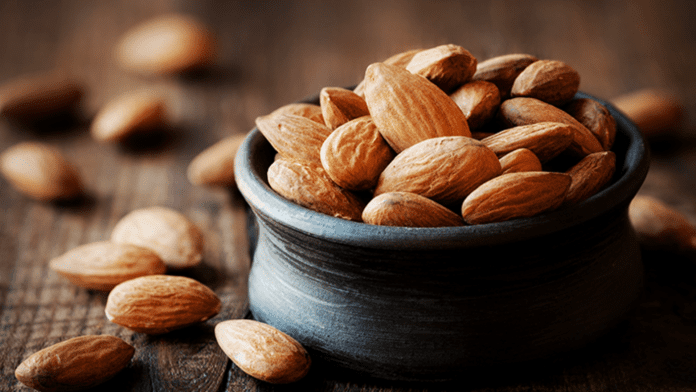
Trail mix is a versatile snack that can be customized to suit your child’s preferences. Combine a mixture of nuts such as almonds, cashews, and walnuts with dried fruits like raisins, cranberries, and apricots. Add in some whole grain cereal or pretzels for a crunchy texture. This snack is packed with protein, fiber, and healthy fats, providing a satisfying and energy-boosting option for your little ones.

  • Mini Pita Pizzas:

Transform whole wheat mini pitas into personal pizzas by topping them with tomato sauce, shredded cheese, and an array of colorful vegetables like bell peppers, mushrooms, and cherry tomatoes. Bake them in the oven until the cheese is melted and bubbly. These mini pita pizzas are not only delicious but also provide a balanced combination of carbohydrates, protein, and vitamins.

  • Homemade Granola Bars:

Store-bought granola bars are often loaded with sugar and artificial ingredients. Instead, try making your own healthier version at home. Combine oats, nuts, seeds, dried fruits, and a natural sweetener like honey or maple syrup. Bake the mixture until golden brown and let it cool before cutting it into bars. These homemade granola bars are a wholesome and customizable snack that your kids will love.

  • Veggie and Hummus Wraps:

Encourage your children to eat their veggies by preparing veggie and hummus wraps. Spread a layer of hummus on a whole grain tortilla and fill it with an assortment of thinly sliced vegetables like carrots, cucumbers, lettuce, and bell peppers. Roll it up tightly and slice it into bite-sized pinwheels. The combination of fiber, vitamins, and protein from the hummus makes this snack both tasty and nutritious.

  • Frozen Yogurt Bark:

For a refreshing and sweet treat, try making frozen yogurt bark. Line a baking sheet with parchment paper and spread a layer of Greek yogurt on top. Add a variety of toppings such as sliced fruits, granola, and a drizzle of honey. Freeze it until firm, then break it into bite-sized pieces. This snack is not only delicious but also provides calcium, protein, and probiotics from the yogurt.

  • Ants on a Log:

This classic snack never fails to delight kids. Spread peanut butter or almond butter on celery sticks and top them with a row of raisins, resembling ants on a log. The combination of protein, fiber, and natural sweetness makes this snack a fun and healthy choice.

  • Mini Smoothie Bowls:

Smoothie bowls are a creative way to pack in essential nutrients. Blend a mixture of frozen fruits, yogurt, and a splash of milk until smooth. Pour the smoothie into small bowls and let your kids top them with their favorite toppings like sliced bananas, granola, coconut flakes, or chia seeds. These mini smoothie bowls are not only visually appealing but also provide a variety of vitamins and minerals.

Final Thoughts:

Finding the ultimate after-school snacks that are both delicious and nutritious can be a challenge, but with a little creativity and the right ingredients, you can create snacks that your kids will love. The snacks mentioned above, such as fruit kabobs with yogurt dip, trail mix, mini pita pizzas, homemade granola bars, veggie and hummus wraps, frozen yogurt bark, ants on a log, and mini smoothie bowls, offer a combination of flavors, textures, and essential nutrients. By incorporating these snacks into your child’s after-school routine, you can ensure that they have the energy and nourishment they need for the rest of the day while satisfying their taste buds.

Advertisement