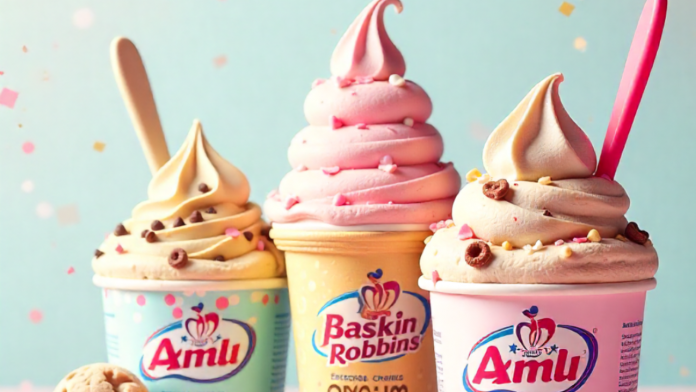
India’s ice cream business mixes nostalgia with new-age demand—and franchising sits squarely at the sweet spot. The market reached about ₹26,800 crore (INR 268 billion) in 2024 and is forecast to compound robustly through the next decade, powered by hotter summers, rising disposable incomes, and premium/health-forward formats. For first-time founders who want brand pull without reinventing the wheel, a franchise can be a faster, lower-risk entry versus building from scratch. IMARC GroupMarkNtel AdvisorsRenubClaight
Why franchises work in this category
Indian ice cream is increasingly a 12-month business thanks to delivery and quick commerce, which flatten seasonality and expand late-night and impulse occasions. Platforms like Swiggy/Zomato and dark-store networks have widened access, especially in Tier-2/3 cities, boosting delivery-led sales and subscriptions. For franchisees, this means multiple revenue lanes—dine-in scoops, take-home tubs, delivery bundles, and festival gifting—riding on national brand awareness and tested menus. Claight
Market outlook: big, growing, multi-format
- Size & growth: Research houses peg the India market at USD ~$3–3.5B in 2024, with double-digit CAGR into the 2030s—healthy headroom for new outlets in under-served neighborhoods and highways. MarkNtel AdvisorsClaight
- Formats with traction: High-street scoop shops in dense residential areas, mall kiosks for footfall spikes, and delivery-first “micro parlours” with smaller footprints and higher freezer:seating ratios.
- Menu innovation: Indianized flavors (tender coconut, paan, gulkand), vegan/sugar-free SKUs, and premium hand-crafted lines help lift average ticket sizes while keeping classics for volume.
What it costs (brand examples)
Outlay varies by city, size, and brand, but public references give a ballpark:
- Amul (multiple formats) cites roughly ₹2 lakh for small kiosks and ~₹6 lakh for ice-cream scooping parlours (excluding real estate deposits and incidentals). Margins differ by category; ice cream typically carries higher % margins than milk. Amul+1
- Baskin Robbins and Havmor invite franchise enquiries; independent listings indicate low-to-mid teens lakhs as a common starting band for branded kiosks, scaling up for larger parlours. Always verify current fee, equipment package, and working capital with the brand before committing. baskinrobbinsindia.comhavmor.comfranchisemart.inFranchise Discovery
Working capital: plan for opening stock, staff salaries, utilities, marketing, and at least 3–6 months of rent. Delivery commissions and aggregator discounts should be modeled conservatively in your P&L.
Location & seasonality: the operating reality
- Catchment first: 8–12 minute walk-time radii near tuition hubs, colleges, parks, and family dining clusters outperform. Evenings and weekends are peak—ensure visibility, lighting, and easy parking.
- Weather swings: Early monsoons can dent urban summer spikes; rural/semi-urban demand often stays resilient. A strong delivery mix and winter-friendly SKUs (hot brownies + ice cream, sundaes, waffles) smoothen sales. The Economic TimesThe Times of India
Unit economics: what “good” can look like
While each brand varies, healthy parlours often target:
- Gross margins: Ice cream typically supports high product margins; track melt/wastage and portion control.
- Throughput: 150–300 bills/day in peak months for high-street outlets; 30–50% of orders via delivery in dense catchments (brand and city dependent).
- Payback: 18–30 months is common for well-run locations with disciplined costs and local marketing. (Treat any faster payback claims skeptically; request store-level financials during diligence.)
Compliance & playbook
- Licences: FSSAI registration, GST, trade licence, Shops & Establishments, signage permissions; fire safety if seating/oven is involved.
- SOPs: Temperature logs, hygiene audits, defrost/cleaning schedules, FIFO inventory, calibrated scoops for consistent portions.
- People: Friendly, fast, photogenic plating sells. Incentivize suggestive selling (cones → sundaes → tubs).
Practical tips before you sign
- Ask for data, not just decks. Seek historic outlet closures, average store sales by city tier, and delivery:walk-in mix.
- Visit 3–5 franchisees (unescorted). Probe rent-to-sales ratios, wastage, and support quality (supply chain, training, marketing).
- Model three scenarios (base, soft, strong). Stress-test with 10–15% lower footfall and 3–5% higher input costs.
- Negotiate local marketing. Co-funded launch campaigns, sampling booths, and influencer reels move the needle for first 90 days.
- Plan for delivery economics. Craft delivery-only bundles (family packs, party tubs), target high-margin add-ons, and use in-app ads sparingly. Claight
Risks to watch
- Heat, then rain: Weather can whipsaw monthly sales; smooth with events, school tie-ups, and corporate orders. The Economic TimesThe Times of India
- Copycat flavors: Lean on brand-approved LTOs (limited-time offers) and neighborhood-specific favourites to retain novelty.
- Cold chain discipline: A single thaw-refreeze ruins texture and reviews; invest in backup power and temperature alarms.
Bottom line: the scope is strong—if you run it like a business, not a hobby
With a growing, premiumising market and delivery unlocking year-round demand, the scope for ice cream franchising in India is compelling. Established players (Amul, Baskin Robbins, Havmor) bring supply chain, brand trust, and menus that work; your edge is execution—site selection, local marketing, crew training, and ruthless control of wastage. Start with numbers, validate on the ground, and build a store people detour for.
Next steps: shortlist brands, request a detailed franchise disclosure kit, visit top- and average-performing outlets in your target city, and build a conservative P&L before you sign. If you want, I can turn this into a 1-page financial model with CAPEX/OPEX assumptions tailored to your city and brand short-list.