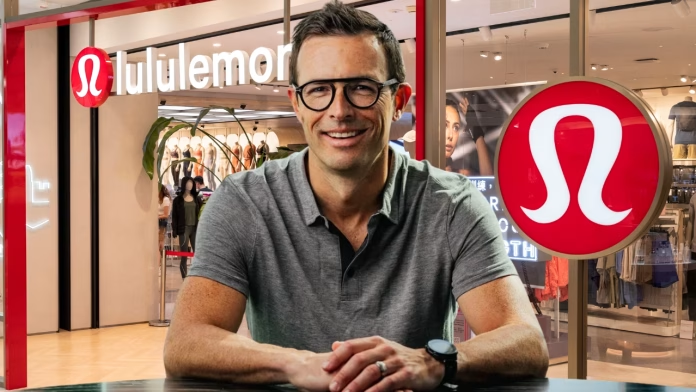
Lululemon is entering a moment of reckoning as the activewear giant parts ways with its CEO and signals a return to its original playbook. The leadership change comes at a time when the brand, once synonymous with premium yoga wear, is struggling to hold the attention of a younger and more trend driven audience in the United States.
According to analysts, Lululemon’s core challenge is not product quality but relevance. Gen Z shoppers, who now drive a significant share of fashion spending, are moving away from the fitted leggings and minimalist styles that once defined the brand. Sky Canaves, analyst at Emarketer, pointed out that this shift has left Lululemon in a tough spot, as its signature silhouettes no longer feel aspirational to a generation raised on looser fits, streetwear influences, and rapid trend cycles.
The exit of CEO Calvin McDonald reflects a broader pattern across global consumer companies facing uneven demand and cautious spending. Inflation fatigue and economic uncertainty have made shoppers more selective, forcing brands to justify premium price tags with either innovation or cultural relevance. Lululemon, which built its reputation on technical fabrics and community led fitness culture, appears to believe that going back to basics may be the safest reset.
Investors seem cautiously optimistic. The idea of refocusing on core products, tightening assortments, and sharpening brand identity has historically worked for legacy names under pressure. Still, the road ahead is not simple. Competitors offering similar performance wear at lower prices, along with fashion brands encroaching on athleisure, have crowded the market.
For Lululemon, this transition is less about chasing trends and more about rediscovering why consumers fell in love with the brand in the first place. Whether that strategy can win back younger shoppers will determine if this reset becomes a revival or just a pause in a longer slowdown.