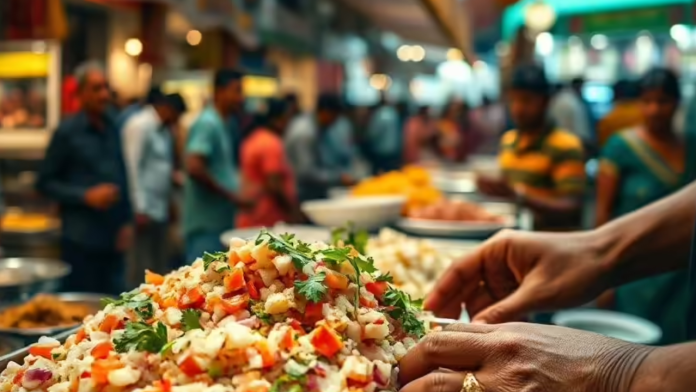
India’s food service market is on track to surpass USD 125 billion by 2030, driven by rising incomes, digital adoption, and evolving consumer preferences, according to a report by Swiggy and Kearney titled How India Eats. The organized segment is expected to double its current size, overtaking the unorganized sector and accounting for more than 60 percent of overall growth.
From USD 49 billion in 2019, the market reached an estimated USD 78 billion in 2025. With GDP per capita growth, food service spending is projected to accelerate rapidly over the next seven years. Currently, the sector contributes 1.9 percent to India’s GDP, leaving significant room for expansion compared with China at 5 percent and Brazil at 6 percent. Cloud kitchens, quick-service restaurants, and dessert outlets are expected to lead growth with above-average performance.
Consumer behavior is shifting notably, with a 20 percent increase in the number of unique cuisines ordered per customer and 30 percent growth in restaurants per customer. Health-conscious and ‘better-for-you’ meals are rising 2.3 times faster than overall orders, reflecting a focus on protein intake, calorie management, and reduced sugar consumption.
The report highlights two growth frontiers: rediscovery of India’s regional culinary heritage and adoption of global cuisines. Hyper-regional dishes like Goan, Bihari, and Pahari are growing two to eight times faster than mainstream options, while Korean, Vietnamese, and Mexican cuisines are seeing growth indices of 17x, 6x, and 3.7x respectively. Local beverages such as buttermilk and sharbat are growing 4–6 times faster than the overall market, while global drinks like Boba Tea and Matcha Tea have surged 11x and 4x in search interest.
The market is expanding beyond top metros, with dining-out growth in emerging cities outpacing the top eight cities twofold. Gen Z is emerging as a key consumer cohort, growing three times faster than other segments and demanding innovative, visually appealing experiences. Experts say this signals a broadening and maturing of India’s food economy, where experimentation, health awareness, and convenience are driving new growth opportunities.