


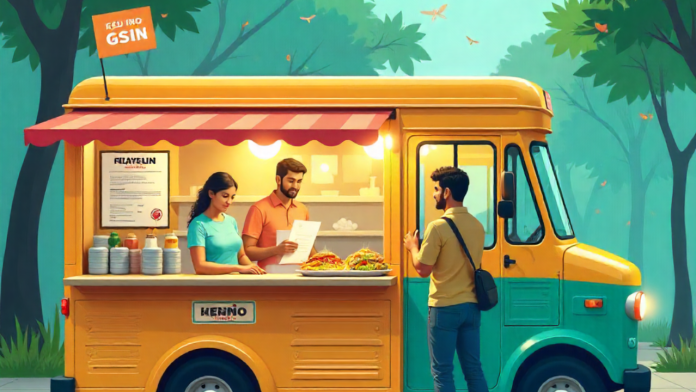
Food trucks are booming in India, offering quick, affordable meals with the flexibility of mobility. But along with growing popularity comes the question: Do food trucks need to register under GST? The answer isn’t one-size-fits-all — it depends on turnover, business model, and whether they partner with delivery apps.
GST Registration Rules for Food Trucks
Food trucks are treated like any other restaurant business under GST. That means:
- Turnover threshold: If annual sales cross ₹20 lakh (₹10 lakh in North-Eastern and hilly states), GST registration is mandatory.
- Aggregator sales: Even if turnover is lower, food trucks must register if they sell through Swiggy, Zomato, or other delivery apps.
- Local-only operations: A single food truck serving only local customers and earning less than ₹20 lakh a year does not need GST registration.
👉 Example: A taco truck in Bengaluru making ₹15 lakh annually without online deliveries can skip GST. But if the same truck lists on Swiggy, GST becomes compulsory.
GST Rates for Food Trucks
Food trucks fall under the same slab as standalone restaurants:
- 5% GST (without ITC) → Applicable to dine-in, takeaway, and delivery orders.
- No Input Tax Credit (ITC) allowed under this 5% rate.
Why GST Registration Helps Food Trucks
Even when not mandatory, many food truck owners choose voluntary GST registration because it:
- Builds credibility with customers and corporates hiring them for events.
- Enables partnerships with delivery apps.
- Prepares for scaling into multiple trucks or franchises.
Penalties for Non-Compliance
Operating without GST when eligible can lead to:
- 10% penalty of tax due (minimum ₹10,000).
- Loss of digital sales channels (Swiggy, Zomato delisting).
- Legal issues during inspections.
Conclusion
So, do food trucks need GST registration? Yes, if turnover exceeds ₹20 lakh or if they sell online. For small local trucks operating below the threshold, GST may not be mandatory — but voluntary registration can open doors to growth.
For food truck entrepreneurs eyeing scale, GST isn’t just compliance — it’s a ticket to bigger business.