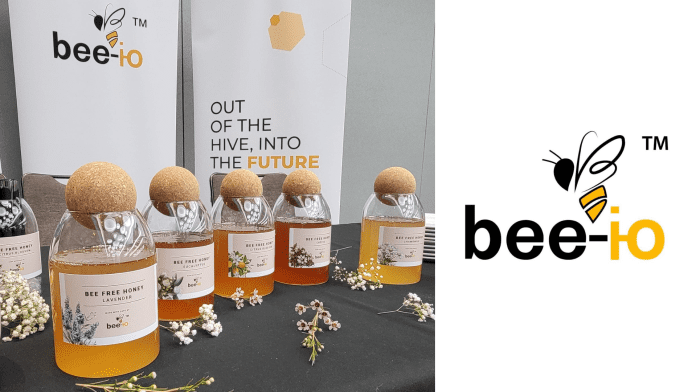
Wilk, a foodtech company headquartered in Israel, is currently in pursuit of acquiring the operations of Beeio Honey Technologies, a domestic producer of honey alternatives derived from non-bee sources.
Wilk has announced the signing of a memorandum of understanding for the acquisition of Beeio Honey Technologies, a subsidiary of the publicly-listed start-up Beeio Honey.
In a filing with the stock exchange, Wilk has outlined its intention to secure a minimum of NIS3 million ($800,000) prior to finalizing the transaction. This financial prerequisite is part of the agreement and is aimed at providing funding for the ongoing operations of Beeio Honey Technologies.
According to a report from the Israel-based news outlet Globes, Yaron Kaiser, who serves as the chairman of Wilk and holds a position as a shareholder at Beeio Honey, leads a common group of founders for both companies.
“The two companies have different and complementary technologies. Their offices are next door and the teams know each other. For me, a merger was always a possibility. We know where to raise capital, and we understand the way to reach the market and we will do everything possible,” Kaiser told the publication.
Established in the year 2020, Wilk specializes in the production of cell-cultured human breast milk as well as animal milk. The company has projected its product launch to commence by 2026. Conversely, Beeio Honey is engaged in the development of bee-free honey alternatives.
Headquartered in Tel Aviv, Wilk possesses several patent applications, along with an approved patent, related to laboratory techniques that emulate the milk-producing cells found in humans and various other mammals.
Earlier this year, Danone officially acknowledged its investment in Wilk. The French conglomerate noted that its investment in Wilk aligns with its objective to collaborate with food and beverage enterprises that share a mission-driven approach and are dedicated to forging a wholesome and environmentally conscious future.
As of the most recent investor presentation released last month, Wilk has successfully garnered a total of $14 million in funding. Notably, Danone has contributed $2 million to the venture.
The roster of Wilk’s investors includes The Central Bottling Company, responsible for bottling Coca-Cola products in Israel, which has injected a sum of $1.5 million into Wilk.
In the year 2022, the company recorded a deficit of NIS17 million.
With the goal of addressing workforce shortages in its hospitality sector, Singapore has taken steps to enhance its recruitment avenues. As part of this initiative, Indian cooks have been added to the list of eligible candidates for hiring. The objective behind this expansion is to diversify the available skilled workforce for targeted positions within the services and manufacturing sectors.
Historically, the services and manufacturing sectors in Singapore have primarily recruited their work permit holders from nations like China, Malaysia, Hong Kong, Macau, South Korea, and Taiwan.
The Ministry of Manpower has freshly launched the application process for Indian restaurant cooks in the urban hub. Enterprises keen on hiring work permit holders from Non-Traditional Sources (NTS) can initiate the submission of their applications via the ministry’s official website, commencing from September 1st.
Nations such as Bangladesh, India, Myanmar, the Philippines, Sri Lanka, and Thailand are categorized as Non-Traditional Source (NTS) countries.
With this advancement, Indian cooks are now included alongside housekeepers and porters in the roster of qualified candidates for work permit holders.
The ministry has detailed that a committee comprised of industry and government specialists specializing in Indian cuisine will be responsible for evaluating the applications.
This initiative not only facilitates the recruitment of Indian cooks by restaurants but also broadens the hiring possibilities to encompass candidates from Bangladesh and Sri Lanka. Singapore’s objective is to enrich its already diverse culinary scene by embracing these supplementary recruitment channels in addition to the existing ones, which consist of Malaysia, China, and North Asian nations.
S Mahenthiran, Chief Executive of Catering Solutions and Honorary Secretary of the Indian Restaurants Association (Singapore), praised this decision, emphasizing its potential to empower Indian restaurants in showcasing authentic cuisine while upholding the rich Indian heritage.
Apart from Indian restaurant cooks, the revised NTS Occupation List, which was introduced during the 2022 Budget debate, includes positions such as welders and specific food processing workers, as reported by The Straits Times newspaper.
Employers are required to furnish these workers with a minimum fixed monthly wage of SGD 2,000. Moreover, the proportion of these workers in the employer’s total headcount, excluding Employment Pass holders, should not surpass 8 percent.
Margaret Heng, Executive Director of the Singapore Hotel Association, welcomed the government’s decision and highlighted the significance of addressing workforce shortages within the hospitality industry. This sector is vital for maintaining Singapore’s reputation as a preferred travel destination.
Sim Gim Guan, Executive Director of the Singapore National Employers Federation, highlighted the importance of cautiously permitting workers from NTS countries for specific job roles, which could effectively alleviate employers’ workforce challenges.
“This step is essential to ensure that Singapore continues to be an appealing choice for meetings, incentives, conferences, exhibitions, and tourism,” Sim noted.
Global investment firm Apax Partners is said to have successfully secured a deal to purchase Bazooka Candy Brands.
As reported by The Wall Street Journal, Apax is set to acquire the U.S. confectioner in a deal that places a value of approximately $700 million, encompassing debt, on Bazooka Candy Brands.
Since 2007, Bazooka Candy Brands has been under the ownership of Tornante, the private investment company belonging to former CEO of Walt Disney, Michael Eisner, along with private-equity firm Madison Dearborn Partners.
In June, The Wall Street Journal had stated that Tornante and Madison Dearborn Partners were exploring the possibility of selling their stake.
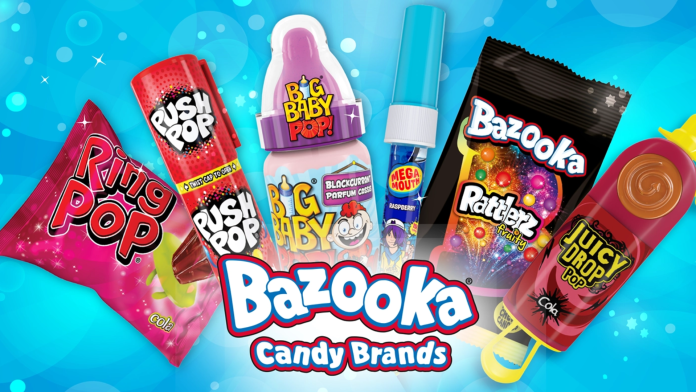
Headquartered in New York, this confectionery company offers a range of brands such as Ring Pop lollipops, Mega Mouth candy spray, and the bubble gum line known as Juicy Drop.
An undisclosed source informed the U.S. news website Axios that the group has witnessed an approximate 30% increase in revenue thus far in 2023.
According to the source, the flagship product of Bazooka Candy Brands contributes to only about 2% of the yearly sales, while the majority of the sales are generated by brands like Ring Pop, Push Pop, Juicy Drop, and Baby Bottle Pop.
As per GlobalData’s data, Bazooka gum constituted 0.7% of the total volume sales within the US chewing gum market during the year 2021. Taking the lead was the brand Extra, under Mars ownership, commanding a substantial 15% share of the sales volumes.
According to its official website, Apax has accumulated approximately $65 billion in assets and maintains a global presence with seven offices situated across the world.
British supermarket group Asda reported on Tuesday that it had experienced stronger like-for-like sales in the second quarter. This upswing was primarily attributed to increased demand for more economical alternatives to branded grocery products, driven by the current cost-of-living crisis.
Excluding fuel, comparable sales surged by 9.6% in the quarter ending on June 30th, with revenue reaching 5.4 billion pounds ($6.87 billion), according to Asda’s announcement.
Asda, the third-largest grocer in Britain, following market leaders Tesco and Sainsbury’s, has implemented price reductions on certain items, focusing particularly on its own label products. Additionally, in the past year, the company introduced “Just Essentials,” a value-oriented product line aimed at catering to individuals facing stringent budget constraints.
During the second quarter, sales of the “Just Essentials” line experienced a remarkable surge of 87%, while there was a notable 14.7% uptick in sales of the own-brand products.
Owned by siblings Zuber and Mohsin Issa, alongside private equity firm TDR Capital, Asda continues to grapple with inflation affecting certain components of its cost structure. However, Chief Financial Officer Michael Gleeson emphasized that the company has managed to transfer the benefits of reduced commodity prices, such as milk and wheat, directly to consumers, as stated in an official statement.
Amidst a surge in living expenses that commenced last year, triggered primarily by a steep rise in energy costs, a significant number of British households continue to navigate financial constraints within their limited budgets. This surge in inflation marked 40-year highs, underscoring the ongoing challenges faced by many.
Although there has been a subsequent alleviation in price hikes, they persist at an annual pace surpassing 7%, which, from a historical perspective, remains elevated. This rate stands as the highest among the world’s leading seven affluent economies.
Asda reported that over 5 million customers have now become regular users of its Asda Rewards loyalty application.
Furthermore, it stated that the progress of a 2.3 billion pound transaction to acquire the majority of the UK and Ireland business of petrol station operator EG Group remains on course for completion in the fourth quarter.
The Delhi government has stipulated that proprietors and firm partners managing hotels, clubs, and restaurants within the city must furnish their police verification certificates by September 15, as stated by officials on Tuesday.
According to officials, the initiative by the excise department aims to guarantee that individuals possessing an excise license have a commendable moral standing and an untarnished criminal record.
In a recent directive issued by the excise department, it has been mandated that individuals holding positions as proprietors or owners of hotels, clubs, and restaurants (HCR), as well as those serving as partners and directors within firms operating such establishments, must provide their police verification documents.
The instruction was prompted by the excise department’s lack of awareness regarding changes in ownership, directors, or partners of firms overseeing hotels, clubs, and bars holding HCR licenses.
“It was a precautionary step to ensure that the retail liquor trade in Delhi was not affected by any unwanted persons in the wake of the alleged irregularities related to the excise policy 2021-22 which was withdrawn by the Delhi government,” PTI quoted a senior officer as saying.
Several private companies that were granted licenses for establishing outlets in Delhi under the excise policy 2021-22 have faced allegations of misconduct from investigative bodies such as the CBI and ED.
The city accommodates more than 970 HCR license holders, enabling them to serve alcoholic beverages within their operated hotels, clubs, and restaurants.
In a world where culinary experiences have evolved into an art form that transcends borders, Nutty Fox Gourmet Makhana emerges as a culinary masterpiece that pays homage to India’s rich gastronomic heritage. With each bite, Nutty Fox not only tantalizes the taste buds but also weaves a narrative that celebrates tradition, quality, and a passion for wholesome goodness.
Behind every culinary masterpiece lies an inspiring narrative, and the saga of Nutty Fox is nothing short of enchanting. It began with a profound passion for the opulent and aromatic tapestry of Indian flavors, setting forth a vision to offer an unparalleled indulgence for discerning taste buds. Drawn to the mesmerizing allure of India’s diverse regional cuisines, Nutty Fox embarked on a mission to reimagine culinary traditions by interweaving them with a contemporary twist.
The inception of Nutty Fox Gourmet Makhana was orchestrated by a brigade of culinary enthusiasts whose ardor for food was equaled only by their veneration for quality. Armed with an unyielding dedication to genuine ingredients and a steadfast commitment to preserving authenticity, this team embarked on an expedition to distill the very essence of Indian flavors into an international gastronomic treasure.
The Genesis: An Encounter with Destiny
The genesis of Nutty Fox’s aromatic odyssey can be traced back to a seemingly ordinary day, one of those quintessential family road trips where cravings for a savory bite danced with the rhythm of the highway. As Shubhashish Bharuka, the visionary behind Nutty Fox, recounts in his interview with SnackFax, the dilemma was all too familiar: the quest for a quick and wholesome snack amidst the limited highway fare. “Nothing really helped me in terms of chips or a quick bite,” Shubhashish recalls.
However, this seemingly mundane incident ignited a spark that would eventually fuel Nutty Fox’s rise. During a conversation with a family member, Shubhashish discovered a familial connection to a makhana (foxnut) farm in Bihar. Makhana, a cherished childhood snack, held a special place in his heart, but Shubhashish was dissatisfied with the available quality. This revelation became the catalyst, a driving force compelling him to refine and elevate not just his beloved snack, but also the snacking experience of countless others.
A Rocky Road to Resilience:
As with any endeavor fueled by passion and innovation, Nutty Fox’s journey was not without its challenges. Shubhashish candidly shared, “In the beginning, we faced setbacks. Retailers who had initially shown interest backed out, leaving us with unsold inventory. It was a tough period for us.” The initial hurdles could have deterred many, but for Nutty Fox, they became stepping stones on the path to success.
Then, the unexpected happened. A global pandemic reshaped consumer behavior and presented an unforeseen opportunity. Shubhashish reflected, “During the Covid lockdown, people were seeking healthier snack options. This shift in consumer mindset was a turning point for Nutty Fox. As more people embraced healthier eating habits, our gourmet makhana gained traction.”
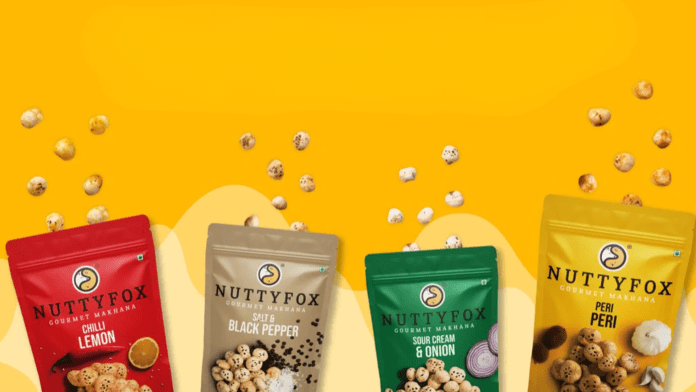
The Nutty Fox Gourmet Makhana range is a testament to innovation, health consciousness, and an unwavering commitment to quality. Available in an array of enticing flavors such as Peri Peri, Chilli Lemon, Salt and Pepper, and Sour Cream and Onion, each bite is a celebration of taste and nutrition. Shubhashish explained, “We wanted to create a snack that not only satisfied taste cravings but also catered to health-conscious consumers. Our makhana is rich in calcium, antioxidants, and various nutrients, making it a guilt-free indulgence.”
One of the cornerstones of Nutty Fox’s success lies in its unwavering dedication to authenticity. Each makhana is a testament to the brand’s commitment to using 100% natural ingredients. Free from adulteration, preservatives, and chemicals, Nutty Fox’s offerings ensure that health-conscious consumers can enjoy a snack that aligns with their values.
Moreover, the meticulous production process ensures that Nutty Fox Gourmet Makhani is devoid of trans fats and is free from MSG, making it a wholesome and heart-healthy option. Shubhashish emphasized, “We take pride in producing a snack that not only excites the taste buds but also nourishes the body. It’s about delivering a complete experience.”
The Future on the Horizon
As Nutty Fox Gourmet Makhani continues to captivate discerning palates and carve a unique niche in the culinary landscape, it also serves as a reminder that the journey of a food venture is as much about passion as it is about taste. With each bite, Nutty Fox’s creation tells a story of resilience, innovation, and an unyielding commitment to quality – a tale that unfolds on taste buds and nourishes both body and soul.
In an era where fusion and experimentation define gastronomy, Nutty Fox Gourmet Makhana stands as an ode to tradition, an affirmation that the most captivating flavors are often those deeply rooted in history. As the sun sets on the horizon of culinary exploration, Nutty Fox shines as a beacon of gastronomic delight, reminding us that, sometimes, the most extraordinary journeys begin with a simple craving and a spark of inspiration.
Watch our exclusive conversation with Shubhashish Bharuka here:
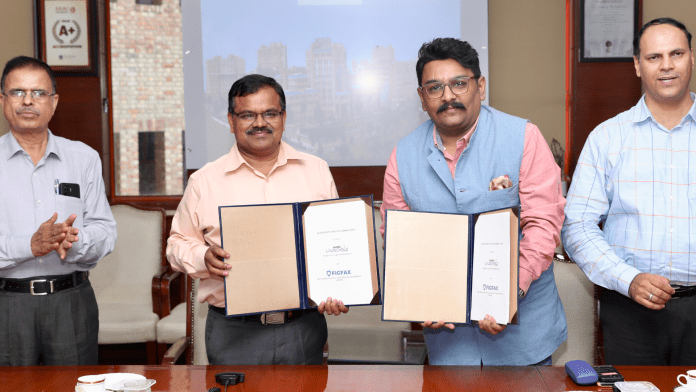
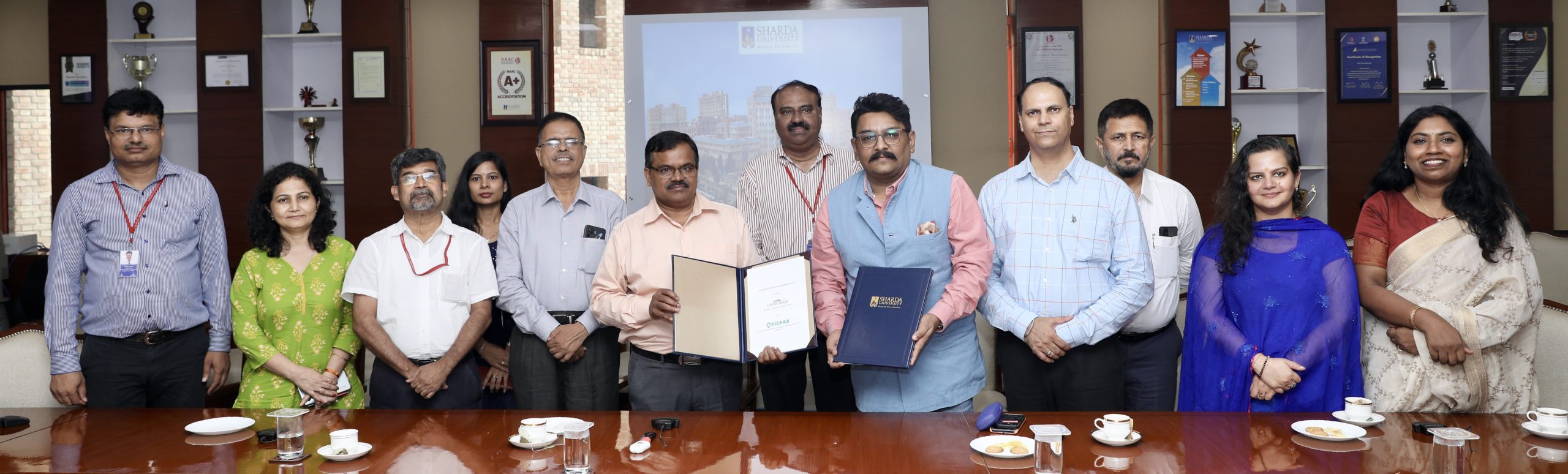
Dr. Sibaram Khara, Vice Chancellor of Sharda University and Ashu Agrawal, Founder & CEO of FigFax
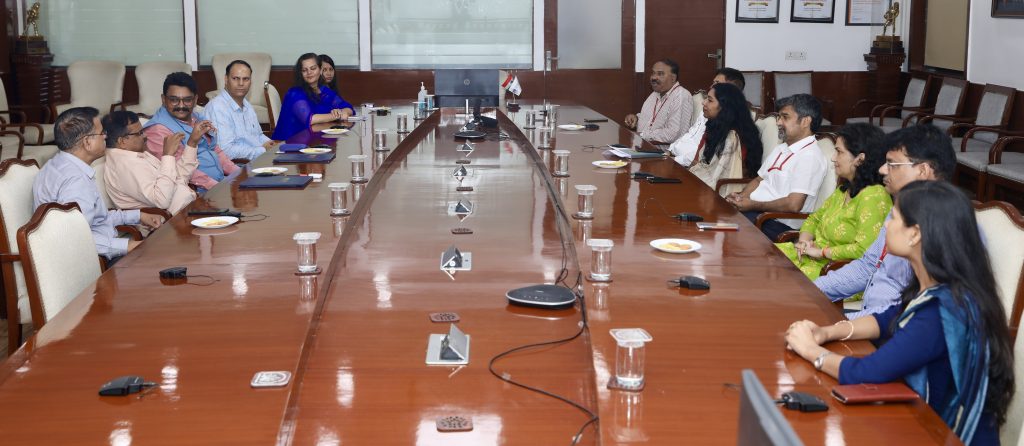
Figfax, a food industry focused investment platform has entered into a strategic partnership with Sharda Launchpad by Sharda University. This collaboration aims to introduce an innovative Food & Beverage Accelerator Program, poised to drive growth and innovation within the food and beverage sector for 50+ Brands in one year.
Sharda Launchpad, an initiative by Sharda University, is dedicated to nurturing entrepreneurship through skill acquisition, mentorship, industry engagement, and research-driven initiatives.
The Indian food industry is vibrant and constantly evolving, encompassing diverse flavours and a burgeoning startup culture. As India’s economy flourishes, there’s a growing hunger for innovation in the food and beverage sector. At this pivotal moment, the partnership between Figfax and Sharda Launchpad provides startups with a distinct opportunity for accelerated growth and success.
Amid the rich tapestry of Indian cuisine, emerging food and beverage brands often struggle to access specialized financial guidance and industry insights. This collaboration directly addresses these challenges, bridging the gap between ambitious entrepreneurial dreams and practical strategies.
The Accelerator Program, at the core of this partnership, is a comprehensive initiative which has set an ambitious goal of accelerating 50 dynamic brands in its inaugural year, through a combination of skill acquisition, mentorship, research initiatives, and industry interactions. By harnessing its fintech capabilities, Figfax will extend financial insights, resources, and expertise to participating startups of this program, enabling them to navigate challenges and capitalize on growth opportunities effectively.
Speaking on the occasion, Ashu Agrawal, Founder & CEO of FigFax, said, “At FigFax, we believe in the potential of the Food Industry and many emerging brands in the space. Embarking on this partnership with Sharda Launchpad is an exciting step forward for Figfax. We are thrilled to join hands with an institution that shares our vision for fostering innovation and nurturing entrepreneurial spirit. This collaboration resonates deeply with our commitment to driving positive change in the food industry. Together, we are poised to create a powerful platform that empowers emerging food and beverage brands with the tools, knowledge, and resources they need to thrive. This partnership signifies not just a coming together of two entities, but a fusion of expertise and passion that will shape the future of the culinary landscape.”
Dr. Sibaram Khara, Vice Chancellor of Sharda University expressed his wishes for the success of this program and said “This visionary program is poised to ignite a new era of culinary innovation and empower aspiring food entrepreneurs to create, innovate, and succeed in the dynamic world of gastronomy. Our mission is to nurture a generation of culinary entrepreneurs who not only delight our taste buds but also contribute to economic growth and societal well-being.”
Dr. Amit Sehgal, Director of Sharda Launchpad informed that the program will be launched on 21st August on the occasion of ‘World Entrepreneurship Day’ (Udyamita Diwa) with a panel discussion.
The Indian culinary landscape is currently experiencing a profound transformation, as it wholeheartedly embraces the rich array of regional flavors that have been cherished within our nation for generations. The dynamic world of street food has significantly enhanced the allure of urban gastronomy, providing captivating experiences for both locals and travelers alike.
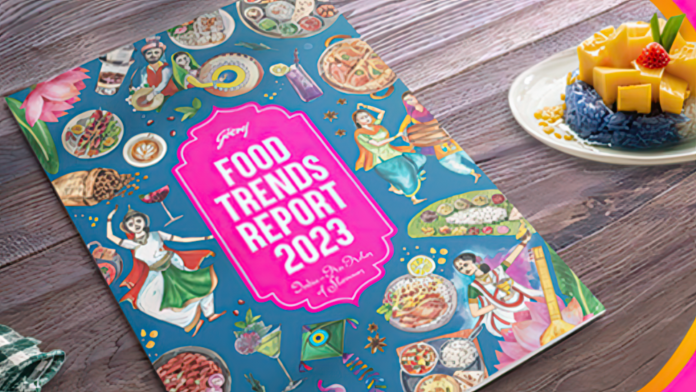
As highlighted in the recently unveiled Godrej Food Trends Report of 2023, the past decade has witnessed a consistent surge in the fascination surrounding street food. Fueled by the power of digital media, street food has captured the spotlight, showcasing narratives that span from the extraordinary to the unconventional. This influence has been so profound that Indian adventurers are now selecting their travel destinations with the primary intent of uncovering and savoring local street food treasures.
The report convened a diverse assembly of more than 350 thought leaders, encompassing celebrity chefs, home chefs, professional culinary experts, food bloggers, health practitioners, media personalities, mixologists, nutritionists, restaurateurs, sommeliers, food producers, and various other professionals. This varied gathering collectively imparted profound insights stemming from their individual domains of proficiency.
Indian street food destinations that will see the most interest in 2023:
Lucknow: Regarded as the prime street food destination by 63% of experts, the city is expected to attract a growing number of travelers who will indulge in the delights of local street foods.
Kolkata: Following closely, 57% of the panel anticipates an increased demand for local street food in Kolkata, solidifying its reputation as a hub for culinary exploration.
Amritsar: 55% experts, predict that Amritsar will witness more interest among people who seek to delve into the realm of local street food.
Indore: Notably, 47% of experts express a belief in the rising curiosity among consumers to uncover the treasures of local food in Indore, suggesting an emerging trend in the city’s culinary scene.
The street food of India encapsulates a miniature representation of the nation’s multifaceted culture, skillfully crafted to create a resounding impact. Moreover, Indian street food effortlessly combines accessibility, affordability, and delectability. As a result, it offers travelers a unique avenue to immerse themselves in the everyday lives of ordinary citizens. This experience serves to underscore the intricate interplay between history, geography, religion, and culinary choices, providing insight into the reasons behind people’s dietary preferences.
Rushina Munshaw Ghildiyal, Managing Director of Perfect Bite Consulting and Curating Editor of the annual Godrej Food Trends Report, said, “This Independence day, let’s celebrate the diversity of food in India. With its multifarious population, India is a treasure trove of local foods waiting to be discovered. Not only does each region of the country boasts its own distinct flavors, ingredients, and cooking styles, but also has a rich repertoire of local street foods. Indian street food is as varied as its regional cuisines. This Independence Day, let us celebrate our the gastronomic freedom and love for all things chatpatta masaledar, and crispy that unite us as Indian.”
An individual has lodged a complaint after discovering a deceased rat in a meal they had ordered from a restaurant in Mumbai. Subsequently, authorities apprehended the restaurant’s manager and two chefs, as confirmed by an official statement on Wednesday.
The diner, identified as a bank executive, visited the restaurant situated in the suburban area of Bandra after a shopping excursion on Sunday evening, according to a statement from an official at the Bandra police station.
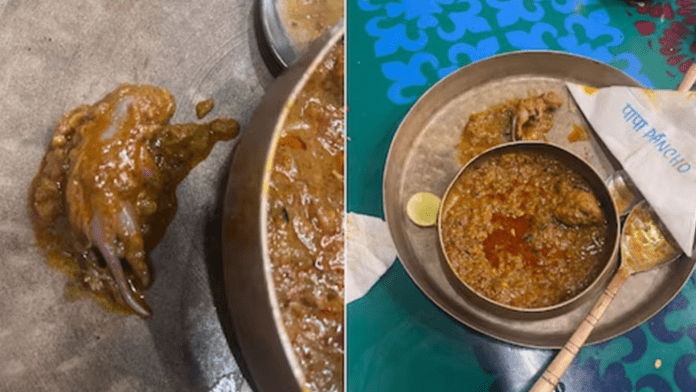
While having dinner, he found a dead baby rat in the chicken dish he had ordered, as per the police.
The customer initially did not notice it in the curry and consumed some of it as he thought it to be a piece of chicken. Later, he got suspicious over the meat and found it to be a baby rat, the official said.
When he complained to the restaurant staff, they apologised to him.
The customer, however, started feeling sick after discovering the rat in the curry and he visited a doctor.
Acting upon his complaint, the restaurant’s manager and two chefs were apprehended and charged under several sections of the Indian Penal Code. These include 272 (related to the adulteration of food intended for sale) and 336 (pertaining to actions that endanger the lives or safety of others), as stated by the official.
Initially, McDonald’s took the step, followed by Subway, and now Burger King has also chosen to eliminate tomatoes from the wraps and burgers served in numerous Indian branches.
“Even tomatoes need a vacation … we are unable to add tomatoes to our food,” two Burger King India outlets have posted these notices, Reuters reported on Wednesday.
As reported by Reuters, the American sandwich chain has gone so far as to discontinue the longstanding practice of providing complimentary cheese slices.
“Why are there no tomatoes in my burgers?” reads a question on the support page of Burger King India’s website. The answer states its Indian franchisee follows “very high standards of quality” and tomatoes will be back soon.
“We request your patience and understanding,” it says.
Last month, due to the escalating costs of vegetables, both McDonald’s and Subway made the decision to remove tomatoes from their burgers, sandwiches, and other menu items.
In certain cities, including the NCR region, the cost of tomatoes has surged nearly eightfold. Retail prices for tomatoes in Delhi now range from INR 170 to INR 200 per kilogram, representing an astonishing increase of over 700% since January 1st.
The significant surge in prices, attributed to supply disruptions resulting from heavy rainfall, has raised apprehension among consumers. This situation has led numerous households to temporarily exclude tomatoes—a vital component in essential Indian cuisine—from their meals.
Fueled by the sharp increase in tomato prices, as well as elevated costs of vegetables and various food products, retail inflation surged to a 15-month peak of 7.44% in July.
As per data released by the National Statistical Office (NSO), the Consumer Price Index (CPI)-based inflation for the food basket stood at 11.51% in July. This marked a substantial increase from 4.55% in the previous month and 6.69% in July 2022.
During July, the yearly inflation rates for various categories were as follows: vegetables basket at 37.44%, spices at 21.63%, pulses and related products at 13.27%, and cereals and their derivatives at 13%.
Amid soaring tomato prices, the government has introduced fresh measures aimed at alleviating the impact on the general public.
The Ministry of Consumer Affairs has instructed cooperatives like Nafed and NCCF to acquire tomatoes from Andhra Pradesh, Karnataka, and Maharashtra. These tomatoes will be distributed in significant consumption hubs.
We use cookies to ensure that we give you the best experience on our website. If you continue to use this site we will assume that you are happy with it.