Haldiram’s has recently launched the heartwarming campaign “Pyaar Ka Tohfa,” which highlights the everlasting bond between brothers and sisters during the celebration of Raksha Bandhan.
As part of the Pyaar Ka Tohfa campaign, Haldiram’s has introduced a special assortment of sweets, including the beloved Laddoo, to complement its varied and beautifully crafted collection of delectable sweets, nuts, and chocolates for gifting.
At the heart of the Pyaar Ka Tohfa campaign lies an emotive advertisement, portraying the profound connection shared between a sister who is a surgeon and her brother. The film captures the sister’s daily routine, as she returns home after her duties as a surgeon. However, on a significant Rakhi day, she arrives later than usual for the festive celebrations.
Experiencing a sense of disappointment, the brother skillfully masks it behind a sincere gesture. He presents her with a box of Haldiram’s Ladoos and kindly requests her not to burden herself with apologies.
As the story unfolds, the sister ties the Rakhi on her brother’s hand, revealing that it was her first surgery that day, during which she successfully delivered a cute baby girl. The brother’s disappointment turns into pure joy and playfully feeds the delicious Ladoos to her.
Speaking about the campaign, Divya Batra, Head of Marketing, Haldiram’s, said, “Raksha Bandhan is a celebration of the unbreakable bond between siblings, and Haldiram’s ‘Pyaar Ka Tohfa’ campaign beautifully captures the emotions and love shared between them. Our special gifting range including an assortment of signature sweets, nuts, and much more, etc., makes the perfect gift to express affection and appreciation to your beloved siblings.”
Kailash Aggarwal, President – Retail, Haldiram’s, said, “At Haldiram’s, we believe in preserving traditions and spreading joy through our delightful treats. With the Pyaar Ka Tohfa campaign, we aim to celebrate the essence of Raksha Bandhan and make this festival even more memorable for our customers. “Gifting by Haldiram’s”, especially curated gift boxes for special occasions, adds a touch of thoughtfulness to the festivities, allowing our customers to express their love and appreciation in a truly heartwarming manner.”
Haldiram’s is popularly known for its wide-ranging gifting options that suit different preferences and budgets. From thoughtfully curated hampers and exquisite sweets gift boxes, Haldiram’s also offers and plethora of assorted nuts, chocolates, among other exciting foods.
These gifting options highlight the brand’s vision to curate moments of togetherness for families and friends. The special assortment of sweets is available at Haldiram’s stores in Delhi-NCR and selected retail partners across the region.
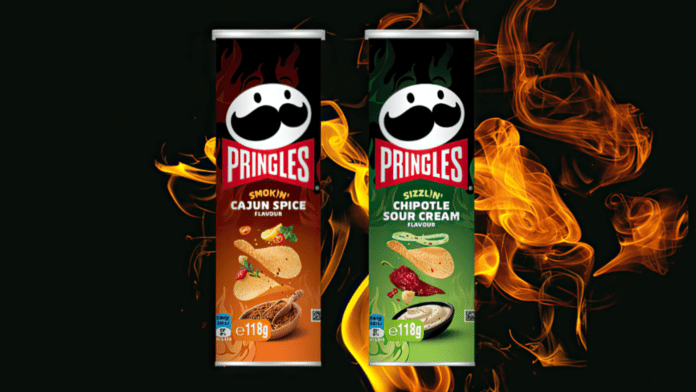
Pringles, a brand under Kellogg’s ownership, has revealed its plan to introduce two new boldly spicy flavors of its potato-based crisps to the markets of Australia and New Zealand.
The recently unveiled varieties – Sizzlin’ Chipotle Sour Cream and Smokin’ Cajun Spice – have been expertly crafted to cater to individuals with a penchant for spiciness, skillfully blending fiery elements with zesty citrus undertones.
The sour cream option, according to the brand, is tailored to those who seek a gentler encounter while still savoring rich flavors. It boasts a subdued heat level and a velvety tang of sourness. These snack innovations were collaboratively developed with the culinary expertise of Michelin Star Chef Haikal Johari, ensuring they resonate with the preferences of the local palate.
Dan Bitti, Head of Pringles and Salty Snacks ANZ, said, “Across Australia and New Zealand, chip lovers are asking for more interesting and spicy flavours, so Pringles are giving the people what they want with something more daring. Whether you like your snacks fiery or mild, the Smokin’ Cajun Spice and Sizzlin’ Chipotle Sour Cream flavours are both ‘a must try’, packing a punch of flavour and spice to get those tastebuds popping.”
He continued, “Over the last 18 months we experimented with different tastes and levels of hot and spicy to get to the perfect balance of fire and flavour. Both flavours bring something new and are set to become fan favourites, we can’t wait for Pringles fans to try them and see if they can handle the heat!”
The new flavours are available to purchase at Coles and Woolworths stores across Australia and New Zealand.
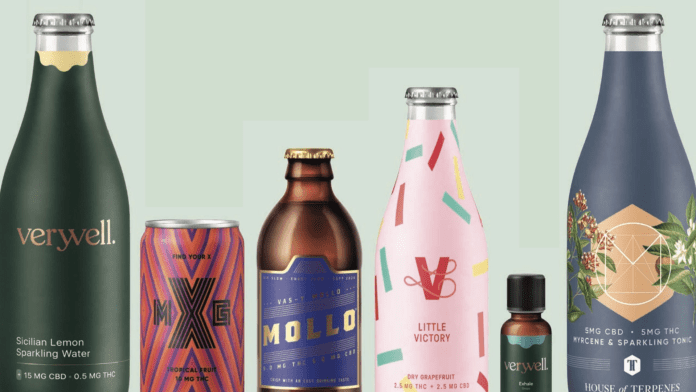
Tilray has broadened its range of cannabis products to encompass XMG, Mollo, House of Terpenes and Little Victory (Representative Image)
Tilray Brands, a company focused on cannabis lifestyle and consumer packaged goods, recently revealed its acquisition of the remaining 57.5% equity stake in Truss Beverage from Molson Coors Canada.
Truss emerged as a collaborative project between Molson Coors and Hexo, a cannabis product manufacturer. Together, their aim was to create cannabis-infused, non-alcoholic beverages tailored for the Canadian market. In June of this year, Tilray took over Hexo through an acquisition.
In a statement, Tilray said that regulatory shifts are expected to facilitate market entry for cannabis-infused beverages, promising “substantial growth for the category,” with authorities re-evaluating their consumer policies. Tilray said the acquisition would strengthen its market position and streamline sales and distribution.
Blair MacNeil, president of Tilray Canada, said, “In addition to acquiring full and direct ownership of a stable high-growth brand, this acquisition further strengthens Tilray’s number one cannabis market share position in Canada and positions the company at the forefront of the adult-use beverage sector. We are excited to build upon our leading portfolio of beloved cannabis brands and to further diversify our product offerings while broadening our consumer reach and enhancing consumer’s lives.”
Tilray has broadened its range of cannabis products to encompass XMG, Mollo, House of Terpenes, and Little Victory, resulting in a collective pro-forma market share of approximately 36%.
The announcement follows news last week that Tilray had acquired eight beverage brands from AB InBev in an $85 million deal.
An NFU survey reveals that nearly 10% of dairy producers in the UK are considering discontinuing milk production by 2025. Among these, smaller producers are anticipated to bear the brunt of the existing market conditions.
According to the NFU’s 2023 Dairy Intentions Survey, which involved nearly 600 dairy farmers in the UK, a combination of inadequate profits, unpredictable markets, and the substantial on-farm investments needed, have collectively influenced the contemplation of numerous British dairy farmers regarding their continuation in the industry. Notably, the NFU stands as the representative body for over 46,000 farming and growing enterprises in England and Wales within the UK.
An additional 23% of milk producers have expressed uncertainty about their prospects for continuing production in the coming two years. As outlined in the survey, smaller businesses that yield less than 1 million liters of milk annually are at a higher likelihood of ceasing production before March 2025, in contrast to those generating larger quantities.
Data provided by the Agriculture and Horticulture Development Board (ADHB) indicates that there are approximately 7,500 dairy producers in the UK at present. This number has experienced a decline of 4.8% since the previous year, as reported by the NFU.
The results also indicated rises in input costs such as feed (84%), energy (83%), and fertilizer (74%), which are all areas of significant concern.
A notable 52% of producers are halting production due to the substantial investments needed to ensure their farms’ compliance, including factors like slurry storage. This particular issue is highlighted as a concern by 91% of producers when evaluating the possibility of expanding production in the future.
NFU Dairy Board chair Michael Oakes, said, “With increasing global demand for British dairy, we know that the long-term future is bright for our sector. To ensure we maximise this potential, it’s imperative that government continues to work with us to ensure we have the right environmental, regulatory and trade framework in place to support the production of high quality, nutritious and sustainable food.”
New industry-wide contract regulation expected to come in later this year, as announced by the government in July, “must support fairer, more transparent and accountable supply chains,” Oaks added.
The proposed regulations would empower farmers to contest prices, hinder alterations to contracts without their consent, and simplify the process for farmers to express their concerns.
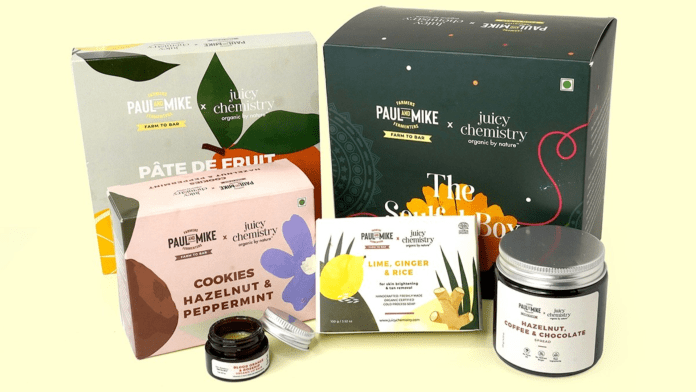
In a mesmerizing blend of inherent elegance and unparalleled taste, two pioneering Indian companies, Juicy Chemistry and Paul and Mike, have unveiled their exclusive collaboration just in time for Rakhi. This synergistic alliance flawlessly integrates Juicy Chemistry’s mastery in the domain of organic and natural personal care with the steadfast commitment of Paul and Mike, celebrated for their extraordinary high-quality chocolate and sustainable cocoa endeavors.
The partnership between Juicy Chemistry and Paul and Mike gave rise to a range that encapsulated the very spirit of tradition and innate charm. Merging Juicy Chemistry’s resolute adherence to untainted, organic concoctions with Paul and Mike’s steadfast focus on exceptional tastes, this assortment unveils a magnificent array of skincare and chocolate offerings. In doing so, it underscores the mutual ethos of these brands: a resolute commitment to excellence, genuineness, and the safeguarding of cherished customs.
The Raksha Bandhan collection by Juicy Chemistry and Paul and Mike can be accessed through their respective websites. This exclusive assemblage invites you to seize the essence of tradition, merge with nature’s beauty, and revel in the celebration of the sibling bond that this remarkable partnership encapsulates.
Juicy Chemistry was conceived by Pritish and Megha Asher, visionaries who embarked on an unwavering mission to challenge the established norms within the beauty and personal care industry. In 2014, their transformative journey began, reshaping the landscape of organic and natural skincare by persistently seeking the unconventional. This dedicated pursuit led them to develop a range of products that are 100 percent organic and natural, backed by proven efficacy.
Megha’s personal quest to address her own sensitive skin concerns ignited the spark for this venture. Recognizing the gaps and shortcomings in the realm of “organic” products, Pritish and Megha realized the pressing need for genuine authenticity in the industry. Their commitment to meticulously scrutinizing organic ingredients, refining formulations, and ensuring effectiveness paved the way for a revolution firmly rooted in the embrace of nature’s offerings.
Paul and Mike Chocolate have garnered an exceptional reputation due to their steadfast dedication to achieving excellence. Their expertise lies in crafting chocolates that go beyond mere visual appeal, boasting an extraordinary level of deliciousness. By launching their retail store and café in Mumbai, they are poised to revolutionize the city’s chocolate landscape. This new establishment promises a lavish haven where visitors can fully engage with, relish, and become enveloped in the world of premium chocolate.
The FSSAI has set a final deadline for food businesses to utilise the pre-printed packaging materials and asked them to use any such material by December 31, 2023.
“It has been decided to grant a final one-time permission up to 31.12.2023 to the FBOs seeking permission to use such non-complying pre-printed packaging materials (PPMs),” reads the order issued by the FSSAI after Food Business Operators (FBOs) sought time to use pre-printed packaging materials which are non-complying with the FSS (Labelling & Display) Regulations, 2020, and its amendments.
Additionally, the FSSAI has updated the charges associated with applications from food establishments seeking approval to utilize pre-printed packaging materials. The new fee structure is set at INR 30,000 plus GST for Central license holders and INR 12,000 plus GST for state license holders. These fees are required to be submitted via the FSSAI’s e-payment portal.
Meanwhile, as per the FSSAI’s guidelines, applications requesting approval for the utilization of pre-printed packaging materials due to (i) alterations in address, (ii) modifications in company name, or (iii) changes in license number will be handled in accordance with the existing directives outlined in the orders released on November 23, 2016. The corresponding fee structure as stipulated in the order issued on November 14, 2017, will be applicable in these cases.
In accordance with these notifications, food enterprises were granted permission to utilize pre-printed packaging materials for a duration of six months subsequent to the payment of a fee amounting to INR 6,000.
Molecule, a brand known for its presence across various cities including Delhi, Lucknow, Noida, Agra, Indore, Bhopal, and more, has unveiled its latest establishment in Gurugram M3M. Created by the innovative mind of Sahil Sambhi, the visionary behind successful brands like Bawri, Vietnom, and The Drunken Botanist, this new venture promises an international atmosphere coupled with exceptional features that are bound to enhance your dining experience.
With a focus on innovation, originality, exquisite cuisine, and contemporary beverages, Molecule’s concept brings a fresh perspective to dining out. This seven-year-old brand is primed to elevate the culinary and nightlife benchmarks in Gurugram, offering a blend of the finest elements that will leave a lasting impression on your dining endeavors.
Encompassing a generous expanse of 12,000 square feet, Molecule embodies a design characterized by modern architectural aesthetics, exuding an ultra-contemporary appearance.
Molecule’s menu is a delightful culinary journey that brings together flavors from across the globe. Under the guidance of Chef Himmat Rautela, the focus is firmly on a menu that showcases progressive Indian, Arabic, European, and pan-Asian cuisines, reflecting a harmonious blend of diverse culinary traditions.
Sahil Sambhi, a source of inspiration with a visionary outlook and unwavering determination, stands as a key director and co-founder of Yuvi Hospitality. This esteemed company is the driving force behind renowned brands including Molecule, Bawri, VietNom, The Drunken Botanist, and more. Notably, Sambhi holds the distinction of being one of Delhi’s youngest and most accomplished restaurateurs.
India, a land known for its rich tapestry of cultures and its unwavering acceptance of diversity, has always embraced the flavors of the world with open arms. From street-side chaats to fine-dining continental cuisine, the Indian palate has evolved into a harmonious fusion of global tastes. Yet, one may wonder, can our taste buds truly bridge the gap between the familiar and the foreign? The answer, it seems, lies in the paradoxical dance of flavors that has given rise to the unique world of Indian-ized pizzas.
While the country boasts a mouthwatering array of international dishes, the Indian penchant for spice is well-documented. Step into an Indian kitchen, and you’ll find a medley of aromatic spices conspiring to create a symphony of tastes. The Italian classic, pizza, hasn’t escaped this transformation. The likes of tandoori and makhani sauces have turned the tables on the conventional marinara, rendering it bland in the eyes – or rather, the taste buds – of the Indian diner.
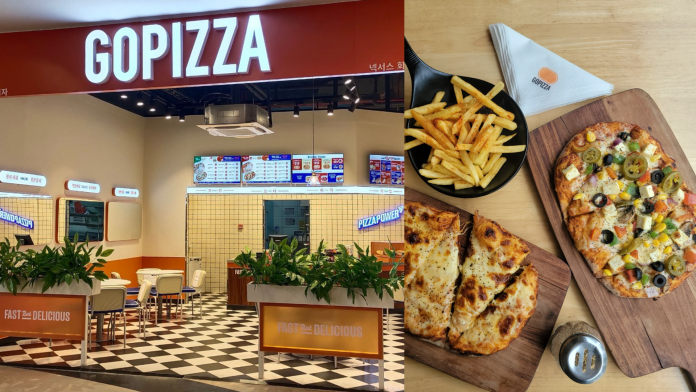
While culinary fusions are no novelty in India, the tale of Go Pizza stands out as a testament to how adaptation, innovation, and keen marketing can lead to remarkable success. Go Pizza, a venture that took a Korean pizza brand and reimagined it for Indian taste buds, has not only conquered the nation’s appetite but also defied expectations during the tumultuous times of the Covid-19 pandemic.
A Fusion of Tastes and a Dash of Courage:
It’s a truth universally acknowledged that when it comes to Indian food, spice reigns supreme. While traditional Italian pizzas are celebrated for their simplicity, it’s hard to ignore the vibrant array of spices and ingredients that color Indian kitchens. The creators of Go Pizza recognized this truth and seized upon it with gusto. Paneer marinated in aromatic spices replaced conventional meats, and fiery chilies made every bite a journey of flavor. With a sprinkle of cilantro and a hint of cumin, the pizzas harkened back to the bustling street food stalls that line Indian avenues.
However, Go Pizza didn’t merely rely on the Indian palette’s affinity for spice. In a surprising twist, they introduced the vibrant and spicy flavors of Korean cuisine. This move, orchestrated by the ingenious Mahesh Reddy, a seasoned expert in the food industry, marked a groundbreaking shift. Hailing from his stint as the former National Head of Café Coffee Day, Reddy’s marketing prowess played a crucial role in orchestrating Go Pizza’s triumphant entry into the Indian market.
A Bold Move Amidst Challenges:
When Jae Won Lim’s food truck hit it off in 2016, he didn’t even dream of establishing a successful market in India that too during a time as crucial as the pandemic! So, when Go Pizza came to India, he knew for sure it was going to be one hell of a challenge and who dared to take it up? It was Mahesh Reddy who joined the company post-covid. He kept pondering on the ways to launch this branch in India and whether or not this was the right time of all times to launch it as India at the time was not in the best global position.
Mahesh says, in his interview with SnackFax while explaining the situation, “There were no bets available and Koreans were actually handling here and they were scared to be in India,” he further adds, “The first thing I had to tell them is take a chartered flight and send them back to the country” as he stepped up and took responsibility for taking care of the brand in India. However, the negative press release by the global media against India was not making it any easier for anyone which made them even more skeptical about opening their branch in India.
Revolutionizing Pizza Anew:
Apart from handling the external affairs, the responsibility of launching an oval-shaped pizza was not a cakewalk for them either. “An oval-shaped pizza for me itself was a shock,” says Mahesh. Although initially what seemed like the toughest task, seemed out to be their advantage in the game as the oval-shaped pizza sold itself and a huge queue was seen outside the Go Pizza outlet which was just 10 meters away from its competitor.
The Winning Formula:
So, what’s the secret behind Go Pizza’s unprecedented success in a competitive market? Beyond the novelty of the shape and the intrigue of Korean flavors, the brand’s Unique Selling Proposition (USP) takes center stage. Go Pizza’s innovative ‘shape size speed service’ strategy ensures that each pizza is made fresh and ready to devour in just 10-15 minutes – a game-changer in an industry where time is often a luxury. This, coupled with budget-friendly pricing starting at just INR 99/-, struck a chord with budget-conscious Indian consumers.
However, it’s not just about affordability; it’s about quality. Go Pizza’s AI-powered kitchen, a marvel of customization and quality control, adds another layer to their success story. By minimizing costs related to rent and labor, the brand manages to deliver high-quality pizzas at prices that resonate with the masses.
A Slice of Success: From 0 to 25 Outlets:
In a twist that defied all odds, Go Pizza swiftly captured the hearts of Indians. From its modest beginnings, the brand’s trajectory has been nothing short of meteoric. From high-end streets to bustling malls and even airport terminals, Go Pizza’s distinct aroma is now omnipresent. “All the investors were gaga about it, how can this happen in India in spite of Covid,” reflects Reddy.
From skepticism to success, Go Pizza’s journey in India is a story of resilience, innovation, and bold culinary exploration. Against all odds, Mahesh Reddy’s vision and strategy have propelled the brand from ground zero to becoming a staple in India’s gastronomic landscape. With its cheesy, perfectly baked slices, Go Pizza is more than just a delight for the taste buds; it’s a testament to the power of understanding local preferences and transforming them into global triumphs. As Go Pizza continues to win hearts across the nation, it stands as a flavorful reminder that even in the face of challenges, a fusion of vision and taste can create a truly unforgettable experience.
Watch our exclusive interview with Mahesh Reddy here:
HealthMug.com, a well-known e-commerce platform focusing on healthcare and wellness goods, is excited to declare its strategic collaboration with Vansaar, a prominent figure in India’s Ayurveda sector. This alliance marks a noteworthy advancement in reshaping the Ayurveda shopping journey, seamlessly blending age-old traditions with contemporary elements.
Mohit Agarwal, Co-Founder of HealthMug Pvt Ltd stated, “Our partnership with Vansaar has expanded our brand’s reach in the Ayurveda category. This union comes at a pivotal juncture, as consumers increasingly seek contemporary adaptations of Ayurvedic products that seamlessly blend tradition with current requirements—just as Vansaar does. Both HealthMug and Vansaar are eager to explore the myriad opportunities this partnership offers. By pushing boundaries while respecting tradition, they are establishing a new standard for customer satisfaction in the Ayurveda retail sector.”
Anurag Karmakar, E-commerce Lead at Vansaar said, “Our association with HealthMug under the VANSAAR brand has been immensely fruitful. We recently initiated our venture on HealthMug and have witnessed remarkable sales growth on the platform. I foresee substantial potential for platforms like HealthMug for brands like ours. Currently, we are achieving a monthly run rate of 2 lakhs and aim to escalate it to at least 25 lakhs in the next 3-4 months. Our aspiration is to sustain this upward trajectory.”
This partnership highlights a shared dedication to providing customers with premium Ayurvedic offerings. HealthMug.com and Vansaar are deeply committed to promoting advancement and innovation within the Ayurvedic retail realm, while simultaneously delivering products that cater to the rich heritage of traditional wisdom and modern preferences.
Through this collaboration, HealthMug.com and Vansaar are poised to set fresh standards within the industry, positioning themselves as the ultimate hub for aficionados of Ayurveda. This dynamic partnership caters to those who seek a harmonious blend of ancestral wisdom and contemporary wellness solutions within India’s retail landscape.
In a bid to broaden the reach of the Soulfull brand, Tata Consumer Products has forayed into the wafer biscuit category.
The latest addition to their lineup, Ragi Choco Sticks, has been priced by the company at INR 5 per individual stick and INR 150 for a pack of 30 sticks. With these offerings, the company is setting its sights on expanding its presence in rural areas.
Prashant Parameswaran, MD & CEO, Tata Consumer Soulfull Pvt Ltd, said, “We are setting close to 2X growth for ourselves. We need to ensure we scale the brand in the next two to three years. We took eight months to develop the Ragi Choco Sticks, as we do not use white flour which is the cheapest ingredient.”
“We tweaked the product in the manufacturing process, and made the base material economical. As we have increased the scaling, we have been able to manage affordability and offer the consumers a strong price point. At the same time, we have not compromised with taste,” he added.
Primarily recognized for its range of breakfast cereals and oats, the company is actively exploring opportunities to venture into fresh product categories. Notably, the company has announced plans to develop offerings within its existing sectors and aims to introduce products in four additional categories within the span of a year.
Soulfull products are currently accessible through 500,000 outlets across the nation, and the brand intends to amplify its presence in the domestic market by further delving into the general trade network.
“This is a completely general trade-focused Stock Keeping Unit (SKU) and at the same time, we will ensure that it is available conveniently, making it easier for consumers to reach out for the product. We are looking to explore the category and have a significant share at the year-end,” he said.
As reported earlier, Soulfull’s plans encompass the expansion of its Bidadi plant. This initiative is accompanied by the recent inauguration of a new manufacturing facility in Indore by the company, aiming to bolster the availability of its products in different corners of the country.
“The new Indore plant is strategically located as it will give us the ability to service the North, East, West and Central markets, as against serving these markets from Bengaluru. It will give us the ability to get higher volume products at a shorter distance and shorter time, which becomes an important part of our integrated distributed manufacturing strategy.”
“The facility will manufacture the snacking range of products, the larger volumetric SKUs that will enable us to save on freight costs over time,” he added.
We use cookies to ensure that we give you the best experience on our website. If you continue to use this site we will assume that you are happy with it.