Saturday, January 3, 2026
Home Blog Page 964

Coca-Cola India appoints Irene Tan as VP of Human Resources for India & Southwest Asia

0
Irene Tan
Irene Tan

Coca-Cola India on Tuesday announced the appointment of Irene Tan as the Vice President, Human Resources for the India & Southwest Asia (INSWA) region.

“In her new role, she will be accelerating INSWA’s growth by recruiting future-ready talent, performance enablement and employee development for the company in India and Southwest Asia,” it added.

Tan joined the company in 2012 in Singapore as a talent sourcing consultant for the Asia Pacific Group. Her role expanded as she took on the lead talent acquisition partner position for Greater China & Korea, leading her to relocate to Shanghai. In 2015, as the Executive Recruiting Director based in Singapore, she undertook multiple executive search mandates across the Asia Pacific region, including assignments within the Bottling Investment Group (BIG).

In 2020, her role evolved as she assumed the position of Director for Talent & Development (T&D) in the Asia Pacific region. Joining the global T&D Leadership team, she took on the responsibility of driving the talent agenda forward and cultivating a diverse succession pipeline.

Commenting on the appointment, Sanket Ray – President, India and Southwest Asia, said “With Irene’s deep understanding of the company as well as talent management expertise across markets, we are confident that she will steer the Human Resources function for continued success and further strengthen our position as an employer of choice.”

Prior to joining Coca-Cola, Irene had a background with Spencer Stuart, an international executive search firm. She holds a Bachelor of Social Sciences degree from the National University of Singapore.

Advertisement

Optimistic outlook: Consumer goods giants anticipate significant margin improvements over next three quarters

0
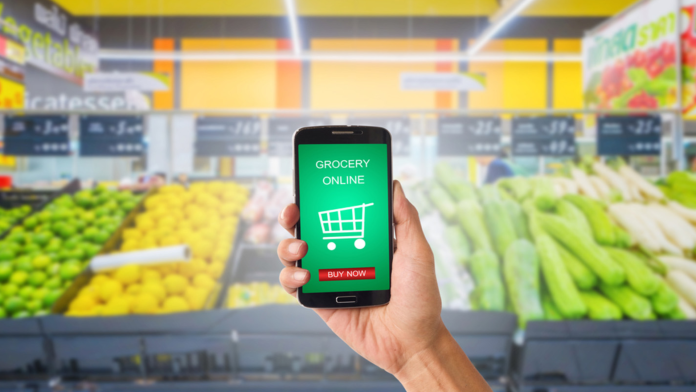
shopping
(Representative Image)

Prominent consumer goods corporations like Hindustan Unilever (HUL), Dabur, Marico, Tata Consumer Products, and Havells have communicated in their recent earnings discussions that they anticipate notable enhancements in their profit margins during the upcoming three quarters of the ongoing fiscal year. This optimistic outlook is underpinned by the anticipation of continued reduction in input costs, which in some instances is surpassing their initial projections. A significant portion of these expected savings is intended to be reinvested into advertising and promotional (A&P) initiatives.

Since the December quarter, a majority of companies have been experiencing an ascending trend in their profit margins. This is primarily attributed to a year-on-year decrease in inflation and raw material expenses. Consequently, there has been a resurgence in expenditures dedicated to advertising and promotional activities. In the last quarter, these expenditures came close to matching the levels seen before the onset of the Covid-19 pandemic.

Marico’s CEO, Saugata Gupta, affirmed that in the upcoming July-September quarter, there will be further escalations in advertising and promotional investments. As the company strives to achieve operating margins of over 20%, significantly surpassing its earlier expectations, Gupta emphasized that this growth will not result from a reduction in year-on-year A&P expenditures. Instead, Marico aims to bolster demand while maintaining its commitment to these essential activities.

The CEO of Dabur, Mohit Malhotra, reported that the company experienced a growth of 74 basis points (bps) in gross margins during the April-June interval, owing to a reduction in inflation. These gains, according to Malhotra, were effectively reinvested in the business, marked by a substantial upswing in media expenditures. Notably, a basis point represents 0.01 percentage points. Dabur’s media spending witnessed a robust 30% increase in the last quarter.

“With the moderation in inflation expected to continue for next few quarters, there will be a margin upside…For the full year, we expect improvement in gross margins to continue. The gross margin expansion will be allocated towards increasing our advertising & promotion spends, and is also expected to result in improvement in our operating margin on an annualised basis,” said Malhotra.

Margin signifies the percentage of profit that a business generates from a sale after deducting expenses. In response to significant inflationary pressures and a demand deceleration caused by the Covid pandemic, numerous companies had turned to cost management strategies, including reductions in advertising and promotional spending, in order to enhance their margins.

Ritesh Tiwari, the Chief Financial Officer of HUL, a major player in the consumer goods sector, mentioned that the aspect of “media deployment,” which experienced a significant decline during the period of high inflation, is now in the process of returning to normalcy and has reached 95% of the levels witnessed in the June quarter of 2019. He further elaborated that the company has progressively increased its advertising and promotional expenditure, allocating an additional INR 200 crore in the June quarter compared to the previous March quarter.

Tiwari indicated that during the height of inflation in the September quarter of 2022, HUL’s gross margin experienced a substantial impact of 600 basis points (bps). However, he noted that over the last three quarters, spanning from October 2022 to June 2023, the company has managed to recoup 400 bps of its gross margin. Notably, a significant portion of this regained gross margin has been directed towards advertising and promotional activities.

“So, we have dialled up 300 bps of investment in A&P…Of course, where required, we did lean in with price reduction, with more amount of grammage to be filled back, and we will see the impact of these changes in consumer behavior and volumes in times to come. Typically, this takes 2 to 3 quarters for the whole thing to stabilize,” said Tiwari. For Tata Consumer Products, A&P to sales for the India business was at 7.1% in June quarter as compared to 6.6% in the same period last year.

During earnings calls, chief executives have also expressed their belief that demand, encompassing both essential and discretionary segments, will witness an enhancement in the latter half of the fiscal year. Additionally, sales volumes for fast-moving consumer goods have displayed a consistent improvement for the second consecutive quarter, observed in the period of April to June.

Advertisement

ADF Foods Q1 net profit skyrockets by 93% to INR 14.7 Crore, fueled by strong revenue growth

0
ADF Foods
ADF Foods (Representative Image)

FMCG company ADF Foods Ltd announced on Tuesday a remarkable 93 percent surge in its consolidated profit after tax (PAT) for the June quarter, reaching INR 14.7 crore. This impressive growth was driven by higher revenues, as compared to the same period in the previous year. According to the company’s statement, their PAT stood at INR 7.6 crore during the corresponding period last year.

During the April-June period of FY23, the company witnessed a significant 15.7 percent increase in its revenue from operations, soaring to INR 112.4 crore compared to the previous figure of INR 97.2 crore.

ADF Foods Chairman & Managing Director Bimal Thakkar said, “We have delivered yet another remarkable first quarter result posting higher revenues and improving our operational metrics year-on-year. We try to consistently introduce new delectables in our product portfolio since we serve a wide palate of global consumers.”

The company will continue to expand its sales and distribution in India and abroad, he added.

Providing a business update, ADF Foods announced that its greenfield expansion strategy for augmenting frozen food capacity is scheduled for completion within the upcoming 12-15 months.

ADF Foods, headquartered in Mumbai, specializes in a range of products such as frozen foods, ready-to-eat meals, and ready-to-cook (RTC) items. These offerings encompass sauces, pickles, edible pastes, and dips, catering to a diverse market presence spanning across more than 50 regions.

Shares of the company settled 3.01 per cent lower at INR 1,069.40 apiece on the BSE.

Advertisement

Kolkata-based SAJ Food Products sets ambitious INR 5,000 Crore revenue target by FY29, considers public listing

0
SAJ Food Products
SAJ Food Products (Representative Image)

Kolkata-based biscuits maker SAJ Food Products, renowned for its flagship brand Bisk Farm, has set its sights on achieving INR 5,000 crore in revenues by FY29. A top official from the company has revealed that they are considering the option of going public around that time. Currently, a significant portion of the company’s sales, approximately 80 percent, stems from the Eastern market. This success has spurred the company’s expansion efforts to further enhance its operations.

According to the Managing Director of SAJ Food Products, Vijay Singh, the company is currently in the midst of constructing a plant worth INR 100 crore in Guwahati. This new facility is anticipated to boast a monthly production capacity of 10,000 tonnes. Upon completion, it will significantly bolster the company’s total installed capacity to
3 lakh tonnes per annum.

At the conclusion of FY23, the company recorded a total revenue of INR 2,100 crore, contributing to a net income of INR 200 crore.

“We have been growing at a compounded 15 per cent since 2020 when we had INR 1,200 crore revenue. This makes us the fastest growing brand in the category. We grew 20 per cent in FY23 to clock a top line of INR 2,100 crore and earn a net income of INR 200 crore,” Singh said.

Though currently rural demand is almost stagnant, as there is a wage distress in the hinterland markets, Singh said, “we hope to grow better with our geographical expansion away from our key market of the Eastern states from where we fetch almost 80 per cent of sales now”.

“With this in mind, we have set a target of growing our revenue to INR 5,000 crore by FY29 by when we also hope to take the company public,” Singh said.

Established in the year 2000 by Bengali entrepreneur Krishnadas Paul at the age of 60, SAJ Food has transitioned its leadership due to unfortunate circumstances. Tragically, Krishnadas Paul passed away in 2020, coinciding with the onset of the first wave of the pandemic. Today, the company is under the guidance of his son, Arpan Paul, who holds the position of Executive Chairman. Additionally, his son-in-law, Vijay Singh, now serves as the Managing Director of the company.

Although its main focus is on biscuits, the company has also diversified its product offerings to include a range of snacks, cakes, cookies, and rusk.

The company operates across six manufacturing plants: four located in West Bengal (two in Siliguri and one each in Uluberia and Dhulagarh), one in Nagpur, Maharashtra, and another in Bengaluru, Karnataka. These facilities collectively contribute to an annual production capacity of 1.80 lakh tonnes.

Additionally, the company is in the process of constructing its seventh plant in Guwahati, the capital of Assam. This venture involves an investment of INR 100 crore and is aimed at achieving an annual output capacity of 1.2 lakh tonnes. The Bengaluru plant, also requiring an investment of INR 100 crore, was successfully commissioned in March 2022.

The category encompassing namkeen and sweets is marketed under the brand name Indiaah by the company.

While SAJ Food Products does engage in exports to regions such as the Middle East, Africa, and Southeast Asia, Singh emphasized that their primary focus remains on the domestic market. This approach is rooted in the understanding that the immense scale of the domestic market cannot be fully tapped into in the foreseeable future. In the fiscal year 2022-23, the company garnered INR 50 crore in revenue from its export endeavors.

Advertisement

Tyson Foods grapples with sales slump, announces closure of four US chicken plants

0
Tyson Foods
Tyson Foods (Representative Image)

On Monday (August 7), Tyson Foods fell short of the revenue and profit projections set by Wall Street for the third quarter. This was primarily due to declining prices of chicken and pork, along with a decrease in demand for their beef products, which negatively impacted their financial performance.

In its latest effort to cut expenses, the company has announced the closure of an additional four chicken plants across the United States. This decision has caused the company’s shares to drop by nearly 6% in premarket trading.

Facing diminished profits and a decrease in consumer demand resulting from inflation and elevated interest rates, Tyson has already taken measures such as eliminating corporate positions and closing various chicken facilities earlier this year.

In an attempt to counter the escalating expenses related to feed and labor, the company raised its prices in the previous year. However, in 2023, it has encountered challenges due to reduced prices in essential protein categories like pork. Additionally, the company has faced difficulties in projecting sales and previously acknowledged that decreased demand for beef has posed obstacles in transferring increased costs to consumers.

“Chicken, beef and pork all face different types of macro and market challenges,” Chief Financial Officer John R. Tyson said in an interview. “That’s persisted for a little while.”

Quarterly net sales declined by 3% to reach $13.14 billion, which fell short of the projected $13.59 billion as per Refinitiv data. The company witnessed a 16.4% decrease in average sales prices for pork, a 5.5% decline for chicken, and a 5.2% increase for beef.

“Domestic consumers continue to look for lower-cost protein alternatives, trading down from higher-cost proteins like pork or reducing overall protein consumption,” agricultural lender Rabobank said in July.

Tyson anticipates the cessation of operations at the chicken plants to occur within the initial two quarters of its fiscal year 2024. The company projects incurring charges ranging between $300 million and $400 million as a result of these closures.

Tyson wrongly predicted last year that demand for chicken would be strong at supermarkets in November and December, Chief Executive Donnie King said in February. In January, the company replaced the president of its poultry business.

In the beef business, Tyson faces reduced profit margins as a diminishing U.S. cattle herd forces packers to pay more for livestock. Lingering drought conditions limit the amount of pasture available for grazing.

Net losses attributable to Tyson were $417 million, or $1.18 per share, in the reported quarter, compared with a net income of $750 million, or $2.07 per share, a year earlier. On an adjusted basis, the company earned 15 cents per share in the quarter ended July 1.

Advertisement

A sweet arrival: Bombay Sweet Shop opens new branch in Bandra, Mumbai

0
Bombay Sweet Shop
Bombay Sweet Shop

The charming and lively modern rendition of Bombay Sweet Shop (Hunger Inc. Hospitality) has brought together the essence of a traditional mithai shop and the flair of a stylish Dessert Bar to the vibrant neighborhood of Bandra in Mumbai.

In the present day, the traditional image of a mithai shop has undergone a remarkable transformation, breaking free from its conventional constraints. It has embraced a fresh and modern outlook, seamlessly fusing elements of the past and the present. At Bombay Sweet Shop, anticipate delightful surprises in the form of inventive, entirely vegetarian sweets and savories that cater to a wide range of moments – be it a quick afternoon bite or indulging late-night desires.

Bombay Sweet Shop boasts a collection of imaginative, reinvented Indian sweets, featuring unique flavor pairings crafted with originality.

The sweets come in a myriad of colors, beautifully contrasting against the backdrop of navy blue and sunshine yellow. The inviting mustard yellow terrazzo-inspired flooring, along with timber accents, shelves, and emerald green seating, creates an interior that is not just visually appealing but also reminiscent of a delicious treat. An exquisite chandelier, resembling monochrome bulls-eye candies, takes the spotlight as the centerpiece of the sweet shop, hanging elegantly from the ceiling. The attention-grabbing gifting corner showcases an array of packaging options and gift bags, all set to elevate your gifting endeavors. The transparent glass façade is adorned with elements of Indian design, warmly inviting passers-by to step in and explore the store’s enchanting array of offerings. Collaborating with Shonan Purie Trehan, Founder & Principal Architect at L.A.B (Language Architecture Body), Hunger Inc. Hospitality has masterfully brought this space to vibrant life!

Guided by a dedicated group of experts hailing from various corners of the nation, united by their passion for culinary excellence and a shared determination to redefine the dining experience in India, the Bandra outpost of Bombay Sweet Shop stands as Hunger Inc. Hospitality’s delightful creation. At the helm of this endeavor is Chief Mithaiwala Girish Nayak, a seasoned professional boasting nearly two decades of experience, alongside a profound affection and inquisitiveness for the heritage of Indian mithai. The heart of Hunger Inc.’s team consists of Sameer Seth, the Founder & CEO, and Yash Bhanage, the Founder & COO, who together bring their visionary leadership to the forefront.

Advertisement

Tata Consumer Products expands portfolio: Introduces Tata Simply Better Cold Pressed Oils

0
Tata Simply Better Cold Pressed Oils

Tata Consumer Products (TCP), a prominent figure in the retail sector, bringing together the varied culinary and beverage pursuits of the Tata Group, has now made its foray into the thriving premium category of Cold Pressed Oils. Operating under its renowned label ‘Tata Simply Better,’ the firm is introducing a selection of entirely pure and untouched cold-pressed oils.

The rise in the appeal of cold-pressed oils can be credited to their numerous health benefits and unique taste characteristics. Tata Simply Better Cold Pressed Oils are carefully derived through advanced Cold Pressed technology, a method that pays homage to traditional oil extraction techniques. This guarantees the preservation of essential nutrients, a delightful aroma, and an authentic flavor profile. The resulting edible oils are perfect for daily cooking pursuits.

Deepika Bhan, President of Packaged Foods- India at Tata Consumer Products, expressed, “We are excited to introduce Tata Simply Better Cold Pressed Oils, a stride towards revolutionizing how consumers approach their cooking routines. Venturing into this category, we aim to redefine norms and positively influence consumers’ choices for their well-being. Recognizing the escalating demand for nourishing alternatives, we aspire to offer an exceptional range of edible oils that not only contribute to overall health but also elevate the taste of daily meals. Tata Simply Better Cold Pressed Oils epitomize our commitment to quality and purity, making them an indispensable addition to every household. This strategic launch not only bolsters Tata Consumer Products’ stature as a prominent F&B enterprise but also enriches our portfolio by presenting consumers with reliable, nourishing options they can embrace.”

Tata Simply Better Cold Pressed Oils originate from carefully chosen A1 Grade Ingredients, ensuring a commitment to superior quality and uniformity.

Tata Simply Better had previously entered the domain of plant-based offerings by introducing its range of plant-based protein products. This move highlights Tata Consumer Products’ unwavering commitment to offering high-quality items that resonate with changing consumer choices. The debut of Tata Simply Better Cold Pressed Oils marks another significant achievement for the company, further solidifying its pledge to provide products that cater to consumers’ ever-changing needs, all for the better.

The Tata Simply Better Cold Pressed Oils, meticulously fashioned from entirely pure and unprocessed ingredients, are readily available for buying on leading online platforms and the official Tata Simply Better website. These oils come at competitive prices, with a spectrum ranging from INR 325 to INR 699, making them accessible to a diverse array of consumers.

Advertisement

Campbell Soup Company to acquire Sovos Brands, expanding premium portfolio with $2.7 Billion deal

0
Rao's products
Rao's products (Representative Image)

The Campbell Soup Company has recently made a deal to purchase Sovos Brands at a rate of $23 per share in cash. This acquisition translates to an overall enterprise value of around $2.7 billion.

Among the brands under Sovos Brands’ umbrella are Rao’s, Michael Angelo’s, and Noosa. Their product range encompasses items like pasta sauces, dry pasta, soups, frozen entrées, frozen pizza, and yogurts.

The purchase will introduce a collection of “high-growth, market-leading premium brands” to Campbell’s division focused on meals and beverages.

Campbell’s president and CEO, Mark Clouse, said, “We’re thrilled to add the most compelling growth story in the food industry and welcome the talented employees who have built a nearly $1 billion portfolio”.

He added, “This acquisition fits perfectly with and accelerates our strategy of focusing on one geography, two divisions and select key categories that we know well. Our focused strategy has enabled us to deliver strong results over the last five years, enhance our brands and capabilities, and generate strong cash flow to lower debt.

“With all this progress, I am confident in our readiness to execute and integrate this important acquisition. The Sovos Brands portfolio strengthens and diversifies our meals and beverages division and paired with our faster-growing and differentiated snacks division, makes Campbell one of the most dependable, growth-oriented names in food.”

Todd Lachman, Founder, President and Chief Executive Officer of Sovos Brands, commented: “We have built a one-of-a-kind, high growth food company focused on taste-led products across a portfolio of premium brands, anchored by the Rao’s brand. As one of the most trusted and respected food companies in North America, I’m confident in Campbell’s ability to continue bringing our products to more households and further building on our track record of growth and success for years to come.”

Campbell intends to fund the acquisition cost by issuing new debt. The completion of the deal is contingent upon the approval of Sovos Brands’ shareholders and standard closing prerequisites, including regulatory endorsements. The anticipated closing date is projected to be at the conclusion of December 2023.

Advertisement

Kommunity Brew strengthens portfolio with acquisition of Cool Cool Beverage Company

0
Cool Cool Beverage Company
(Representative Image)

Kommunity Brew, a functional beverage company located in Western Australia, has successfully acquired the Cool Cool Beverage Company (CCBC) based in Melbourne.

Through this acquisition, Kommunity Brew has expanded its portfolio by incorporating the Sips Sparkling and Liberty Kombucha brands. This move also grants the company immediate export possibilities by utilizing the shelf-stable product range of Sips Sparkling.

Mason Bagios, the CEO of Kommunity Brew, stated that the decision to acquire CCBC was motivated by several key factors. These factors encompass CCBC’s Melbourne headquarters, its well-established distribution network that includes valuable partnerships with Coles, Woolworths, and Amazon, as well as the strategic entry it provides into the sparkling water sector.

Bagios said, “The integration of CCBC into our business is a major milestone in the evolution of Kommunity Brew, putting us in a strong position to increase our profile in the Eastern States, while improving operating margins from a Melbourne manufacturing base”.

He explained that the Sips Sparkling and Liberty Kombucha brands and values are “very much aligned” with those of Kommunity Brew, represented in their quality, local manufacturing, “unique” recipes and “smooth processes”.

In the announcement unveiling the acquisition, Kommunity Brew expressed its alignment with CCBC’s narrative of “modest origins.” Bagois further emphasized the challenging nature of crafting beverage brands, underscoring how their originators frequently showcase remarkable ingenuity and creativity.

“CCBC has developed innovative products that have all had a bedrock of creativity. We love the bold positioning of the Sips Sparkling and Liberty Kombucha brands and because we relate to the difficulty of brand-building we see value where an institutional investor might see risk,” he explained.

The recent acquisition is Kommunity Brew’s second. The company purchased the Cold Matter Cold Brew brand in 2022 from the founders of Black Matter Coffee Roasters.

Advertisement

The Impact of Technology on Restaurant Customer Feedback Systems

0
Restaurant Customer Feedback System

In today’s digital age, technology has revolutionized almost every aspect of our lives, including the way we dine out and provide feedback to restaurants. Traditional methods of customer feedback, such as suggestion boxes and comment cards, have now been replaced with innovative and efficient systems that leverage the power of technology.

Customer feedback systems in restaurants are designed to capture the opinions, experiences, and suggestions of diners. These systems serve as valuable tools for gathering insights into customer satisfaction, identifying areas of improvement, and enhancing the overall dining experience. Traditional feedback systems include comment cards, suggestion boxes, and in-person feedback forms. However, with the advent of technology, digital feedback systems have gained prominence. 

These systems leverage various channels such as online platforms, mobile apps, and social media to allow customers to provide feedback conveniently and in real time. The feedback collected through these systems is crucial for restaurants to understand customer preferences, address concerns, and make informed decisions to deliver exceptional service and culinary experiences.

Strategies to leverage technology for better customer feedback system

1. Adopting Digital Feedback Platforms: Restaurants can implement digital feedback platforms such as dedicated feedback apps or online survey tools to streamline the feedback collection process. These platforms allow customers to provide feedback conveniently through their smartphones or other digital devices.

2. Utilizing Social Media Listening: Restaurants can leverage social media monitoring tools to track and analyze customer feedback and reviews across various platforms. By actively listening to what customers are saying about their experiences, restaurants can gain valuable insights and respond promptly to both positive and negative feedback.

3. Implementing Real-Time Feedback Mechanisms: Technology enables real-time feedback collection, allowing restaurants to receive instant feedback from customers. This can be achieved through interactive tablets at tables, QR codes linked to online surveys, or mobile apps that facilitate immediate feedback submission.

4. Using Analytics and Data Visualization: Advanced analytics tools can help restaurants analyze the vast amounts of feedback data collected. By leveraging data visualization techniques, such as charts and graphs, restaurants can gain actionable insights into customer preferences, trends, and areas requiring improvement.

5. Engaging in Online Reputation Management: Technology allows restaurants to actively manage their online reputation by monitoring review platforms and responding promptly to customer feedback. This involves addressing customer concerns, expressing gratitude for positive reviews, and taking appropriate actions to resolve any issues raised.

6. Personalizing Customer Engagement: Technology enables restaurants to personalize their interactions with customers based on their feedback. By capturing customer preferences and behaviour data, restaurants can tailor their marketing efforts, promotions, and offerings to meet individual customer needs and foster stronger customer relationships.

7. Implementing Customer Relationship Management (CRM) Systems: CRM systems can help restaurants track customer feedback, preferences, and previous interactions, enabling a more personalized approach to customer service. By centralizing customer data, restaurants can provide a seamless and consistent experience across multiple touchpoints.

8. Embracing Artificial Intelligence (AI) and Machine Learning (ML): AI and ML technologies can analyze feedback patterns, sentiment analysis, and customer behaviour data to uncover valuable insights. This can assist restaurants in identifying trends, predicting customer preferences, and optimizing their operations to deliver exceptional dining experiences.

How Modern Customer Feedback systems Provide better Customer Feedback

1. Enhanced Accessibility and Convenience: Technology has made it easier than ever for customers to provide feedback to restaurants. With the rise of smartphones and mobile apps, customers can conveniently share their opinions and experiences in real time. Online platforms, social media, and dedicated feedback apps allow customers to provide feedback instantly and from anywhere, eliminating the need for paper-based forms and physical presence at the restaurant.

2. Improved Data Collection and Analysis: Technology has transformed the way restaurants collect and analyze customer feedback. With digital feedback systems, restaurants can gather vast amounts of data quickly and efficiently. Advanced analytics tools and algorithms can process this data, providing valuable insights into customer preferences, satisfaction levels, and areas of improvement. This data-driven approach enables restaurants to make informed business decisions and tailor their offerings to meet customer demands.

3. Real-Time Response and Issue Resolution: One of the significant advantages of technology in customer feedback systems is the ability to respond to feedback in real-time. Restaurants can promptly acknowledge customer concerns and address issues as they arise, demonstrating their commitment to customer satisfaction. With automated notifications and alerts, restaurant management can be instantly notified of negative feedback, allowing them to take immediate action to rectify the situation and prevent further dissatisfaction.

4. Personalized and Targeted Engagement: Technology enables restaurants to personalize their engagement with customers based on their feedback. By analyzing customer data, restaurants can gain insights into individual preferences and behaviours, allowing them to tailor promotions, offers, and experiences to meet specific customer needs. This personalized approach enhances customer loyalty and drives repeat business.

5. Online Reputation Management: Technology has given rise to online review platforms and social media, where customers can publicly share their experiences with a wider audience. Restaurants now need to actively manage their online reputation by monitoring and responding to reviews and comments. Online reputation management tools allow restaurants to track and analyze online feedback, ensuring they can address both positive and negative reviews promptly.

6. Continuous Improvement and Innovation: With technology-enabled feedback systems, restaurants can adopt a continuous improvement mindset. The availability of real-time data and customer insights enables them to identify trends, patterns, and areas of improvement. Armed with this information, restaurants can make data-driven decisions, refine their processes, and innovate their offerings to stay competitive in the ever-evolving restaurant industry.

Final Thoughts:

The impact of technology on restaurant customer feedback systems has revolutionized the way restaurants collect, analyze, and respond to customer feedback. The adoption of digital platforms, real-time feedback mechanisms, and data analytics tools has enhanced accessibility, convenience, and efficiency in gathering feedback. By embracing technology and leveraging its capabilities, restaurants can elevate their customer feedback systems to new heights, delivering exceptional dining experiences and staying ahead in the competitive food industry.

Advertisement