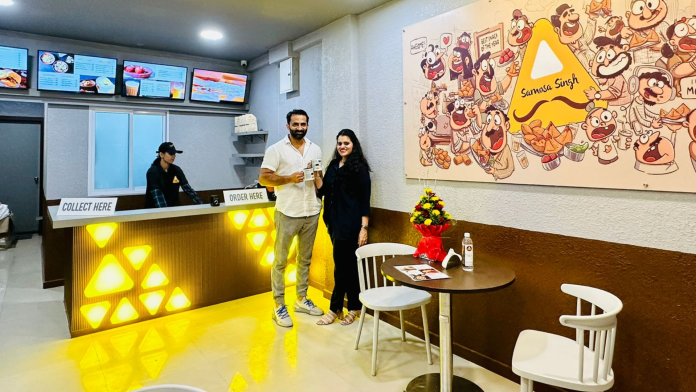
Samosa Singh, the popular fast-food restaurant chain, made an exciting announcement on Monday, revealing the opening of its latest outlet in Thane, Maharashtra. Positioned along the Sita Vihar CHS Ltd road in the heart of Naupada, Thane (West), this new addition promises to delight locals and samosa enthusiasts alike.
“Mumbai has always been a special market for Samosa Singh and we got a lot of love from this beautiful city so, opening our flagship store @Thane is special,” Shikhar Veer Singh, Founder, Samosa Singh said.
Nidhi Singh, Co-Founder Samosa Singh said, “Nothing beats the satisfying crunch, warmth, and flavour of India’s favourite snack–Samosas, and with our expansion in Mumbai–we are further strengthening the bond our country shares with food.”
Established in 2016 by Nidhi Singh and Shikhar Veer Singh, the Bengaluru-rooted snack brand, Samosa Singh, proudly asserts itself as India’s pioneering snacking company, boasting a dedicated scientific core team with over 100,000 hours of intensive research.
Over the past three months, the brand has successfully inaugurated around six brick-and-mortar outlets and significantly broadened its footprint, now encompassing over 50 locations across South and West India. Samosa Singh’s ambitious goal is to achieve nationwide expansion within the next 20 months.
Local FMCG (Fast-Moving Consumer Goods) brands are swiftly expanding, intensifying their competition with national brands. They have surpassed national brands by achieving double-digit sales growth in the last two quarters, taking advantage of a decrease in inflation.
Regional brands like Rungta Tea, Balaji Wafers, Mario Rusk, and Bovonto soft drinks are bolstering their presence by expanding, diversifying, and enhancing brand recognition. They have emerged even stronger in the aftermath of pandemic disruptions.
Rungta Tea, operating in markets such as Uttar Pradesh, Rajasthan, and Bihar, is establishing tea parlors akin to Chai Point and Chaayos while assembling an e-commerce team to expand its footprint.
“We are growing faster than many national brands in markets we are present in and have relationships with distributors and customers. Now we are moving to the next level with tea parlours and ecommerce, while continuing with quality and innovation,” said Girjesh Rungta, managing director of Rungta Tea.
According to a recent report by Kantar Worldpanel, local brands experienced a 12.7% growth in volume from last April to this April, surpassing the 8.2% growth rate of national brands. This growth was attributed to the innovation and expanding distribution networks of regional brands, as stated by the consumer monitoring firm.
Rajkot-based snacking firm Balaji Wafers, which has been aggressively wooed by PepsiCo’s Indra Nooyi and other large snacks giants, is setting up its first plant in North India, in Lucknow. “Our expansion plan is to go across India, well beyond Gujarat, one territory at a time,” Chandubhai Virani, Founder of Balaji, said. “We will continue to follow our value-for-money strategy.”
Executives mentioned that the movement of regional market leaders expanding their reach nationwide is evident across various product categories such as snacks, tea, biscuits, detergents, soaps, and toothpastes.
“The key is ownership. We see regional brands primarily driven by founders who are directly involved in operations,” said Sumit Agarwal, Co-Founder of Vitrak ExtendReach, a platform for traditional trade distribution. “That gives them the nimbleness and quick response time to market challenges.”
They also have “razor-sharp focus on the category”, he said. “Unlike, say, an HUL, these brands don’t focus on different categories at the same time,” Agarwal said. “Also, they operate with no frills – they are able to give enhanced value to the consumer.” Bovonto soft drinks is laying out plans to take its products such as orange and ginger ale fizzy drinks, beyond its core markets in Tamil Nadu and Andhra Pradesh. Mario Rusk has roped in actor and singer Diljit Dosanjh as its first brand ambassador.
Jubilee Hills, Hyderabad proudly unveils its latest culinary gem: Halo – Cocktail Bar & Kitchen. This newly inaugurated dining establishment guarantees a unique and unforgettable experience by harmoniously combining the serenity of nature, culinary mastery, and modern mixology. Whether you yearn for a peaceful retreat in the lap of nature or an epicurean journey that delights your palate, Halo assures an exceptional encounter.
The creative minds behind Halo – Cocktail Bar & Kitchen are a dynamic team of devoted restaurateurs. This exceptional ownership ensemble includes Sunaina Errabelli and Sandesh Reddy, recognized for their achievements with Obvsly Gelato in both Hyderabad and Chennai. Teja Govind, celebrated for his contributions to establishments like Fat Pigeon, Ragi, and Chubby Cho in Hyderabad, is also part of the team. Additionally, Swethan Reddy, renowned for his ventures such as Pisco By The Beach and Toro Toro in Goa, as well as Cafe Montagne in Leh, brings his expertise to the table. Leading the culinary direction at Halo is Chef Rohan D’souza, a distinguished chef and partner behind notable brands like Pisco by The Beach (Goa), Chop at The Urban Eatery (Nairobi), Blue Turtle (Goa), The Lazy Goose (Goa), Toro Toro (Goa), and Cafe Montagne (Leh).
Halo draws its inspiration from the very heart of nature to craft an atmosphere that exudes freshness and warmth. As you enter, you’ll be enveloped by a vibrant, verdant setting, where bamboo and ropes guide your journey. Within the restaurant’s extensive dining area, you’ll discover outdoor, upper, and indoor sections, all elegantly adorned with earthy hues and an abundance of lush foliage, creating an enchanting ambiance of tranquil natural beauty.
Halo’s culinary offerings guarantee an enchanting journey for your taste buds. Take, for instance, the Black Pepper Indian Salmon, where tender salmon skewers are meticulously glazed with a zesty black pepper sauce, achieving a harmonious blend of succulence and spice. If you’re in the mood for a South Indian twist, the Punugulu with Smoked Tomato Chutney presents delicate rice dough balls paired with a smoky homemade chutney, offering a light yet flavorful appetizer. Whether you’re savoring the BBQ 5 Spice Chicken & Mushroom Kofta Skewers or indulging in the richness of Truffle Ricotta Cannelloni, each bite is a masterful fusion of flavors. Halo’s dishes epitomize the art of blending diverse tastes, making it a culinary destination like no other, ensuring an indelible dining experience.
Halo’s bar is an immersive journey where each sip narrates a unique tale. Anchored in the use of fresh ingredients and inventive techniques, the bar menu offers flavors that evoke feelings of nostalgia and comfort. In this exclusively fresh-focused bar, canned juices are eschewed to ensure that every cocktail is a genuine and vibrant encounter. Within the confines of Halo’s bar, every flavor serves as a cherished memory, waiting to be relished, and each glass embodies their dedication to crafting fresh and distinctive tastes.
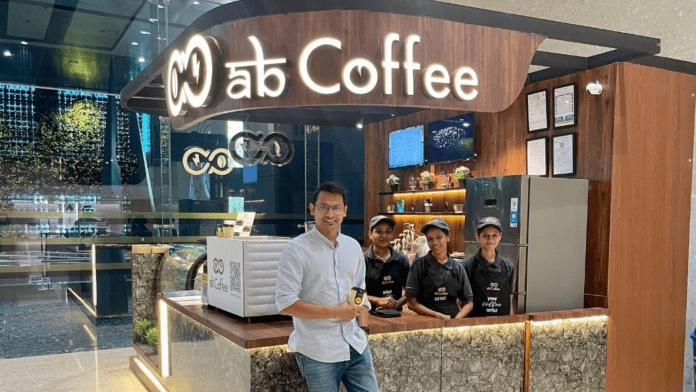
abCoffee, the specialty coffee chain, has successfully secured $2 million in seed funding through a round led by Tanglin Venture Partners. Notable participation in this funding round also came from 100X.VC, Panthera Peak, OTP Venture Partners, and various angel investors.
In an official statement, the Mumbai-based startup announced its intention to utilize the newly acquired funds for enhancing its technological infrastructure, broadening its product offerings, and enhancing accessibility to its products throughout India via its network of retail grab-and-go outlets.
Established in 2022 by Abhijeet Anand, abCoffee was created with the mission of increasing the accessibility of specialty coffee within India. The company provides an extensive range of freshly brewed coffee selections, all meticulously sourced from Chikmagalur.
Currently, the startup maintains a presence with 12 outlets in both Mumbai and the Delhi-NCR region.
Commenting on the funding, Founder and CEO Anand said, “This investment will enable us to accelerate our growth and bring our unique coffee experience to more neighbourhoods across India. In the coming, 8-12 months, we keep the same momentum of growth; ensuring people are at heart of everything and bring the abCoffee’s specialty coffees to India’s new neighbourhoods.”
abCoffee distributes its products through its physical outlets, as well as on popular platforms such as Swiggy and Zomato, in addition to its official website. The company faces competition from other startups in the coffee industry, including names like Blue Tokai Coffee Roasters, Rage Coffee, and Third Wave Coffee Roasters.
Within the larger coffee market landscape, it goes head-to-head in competition with FMCG giants such as Nestle and Hindustan Unilever.
Earlier this month, Blue Tokai secured an undisclosed amount of funding from the investment entity Ka Enterprises, associated with actor Deepika Padukone, as part of its ongoing Series B funding round. This funding round comes on the heels of the coffee startup’s initial Series B investment of $30 million back in January of this year.
As per research conducted by Statista, the Indian coffee market had an estimated worth of $0.5 billion in 2023, with a projected Compound Annual Growth Rate (CAGR) of 9.04% expected to propel it to further expansion by 2028.
Understanding the intricacies of consumer behavior and decision-making is a perpetual quest for businesses seeking to thrive in a competitive marketplace. Consumers today are inundated with choices, information, and advertisements, making their purchase decisions increasingly complex.
The Consumer Decision-Making Process
Consumer behavior experts have long studied the process behind purchasing decisions. It typically involves several stages:
Problem Recognition: Consumers identify a need or problem they want to solve. This can be triggered by various factors, such as a desire for a new product, a need for a solution, or external influences like advertising.
Information Search: Once consumers recognize a problem, they begin seeking information about potential solutions. This can involve online research, reading reviews, asking for recommendations, or visiting physical stores.
Evaluation of Alternatives: Consumers assess the available options. They compare products or services based on factors like price, quality, features, and brand reputation.
Purchase Decision: After weighing the pros and cons, consumers make their purchase decision. This can be influenced by factors like discounts, promotions, and the ease of the buying process.
Post-Purchase Evaluation: After the purchase, consumers assess whether their decision met their expectations. A positive post-purchase experience can lead to brand loyalty and word-of-mouth recommendations.
Strategies to Unravel Buying Decisions
Understand Your Audience: To influence consumer behavior effectively, you must know your target audience intimately. Create detailed buyer personas that encompass demographics, interests, pain points, and buying motivations.
Leverage Social Proof: Consumers often look to others for guidance. Encourage and showcase customer reviews and testimonials to build trust and confidence in your products or services.
Provide Educational Content: Offer valuable content that addresses the informational needs of consumers during the research phase. This can include blog posts, how-to guides, and video tutorials.
Emphasize Unique Selling Proposition (USP): Highlight what sets your products or services apart from the competition. Consumers are more likely to choose a brand that offers a compelling USP.
Utilize Storytelling: Engage consumers emotionally by telling compelling stories about your brand. Stories create a connection and can influence decision-making on a deeper level.
Offer Guarantees and Easy Returns: Reduce perceived risks by providing guarantees and hassle-free return policies. This can boost confidence in making a purchase.
Personalize the Experience: Use data-driven personalization to tailor marketing messages and product recommendations to individual preferences and behaviors.
Leverage Social Media: Engage with consumers on social platforms. Create interactive content, run polls, and encourage user-generated content to foster a sense of community.
Streamline the Buying Process: Make the purchase process as smooth as possible. Simplify website navigation, offer multiple payment options, and ensure mobile-friendliness.
Measure and Adapt: Continually assess the effectiveness of your strategies. Use analytics tools to track consumer behavior and adjust your marketing efforts accordingly.
Unraveling the complex web of consumer buying decisions is both an art and a science. By understanding the stages of the decision-making process and implementing strategic approaches tailored to your target audience, your business can influence consumer behavior effectively. Whether it’s through social proof, educational content, personalized experiences, or compelling storytelling, the key to success lies in empathizing with your consumers and guiding them toward making informed, confident buying decisions. Stay attuned to evolving consumer preferences and market dynamics, and your business will thrive in the ever-changing landscape of consumer psychology.
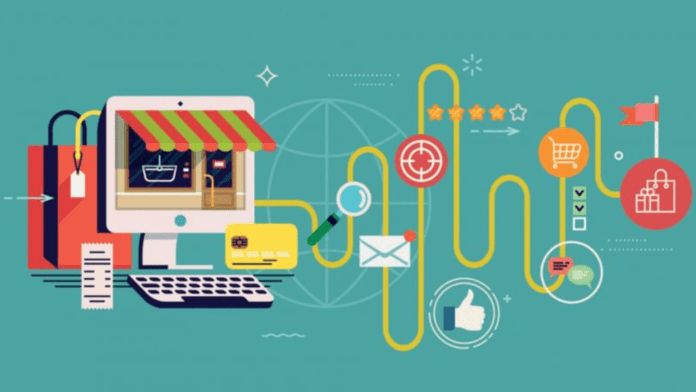
Businesses are continuously looking for new methods to interact with their audiences across numerous touchpoints in the ever-changing environment of digital marketing. Enter the notion of omni-channel marketing, a strategy that focuses on providing customers with a consistent and consistent experience across all channels and devices.
The Omni-Channel Imperative
Omni-channel marketing is more than just a buzzword; it’s a necessity in today’s competitive marketplace. Here’s why:
Customer Expectations Have Evolved: Today’s consumers expect a consistent and personalized experience, whether they’re shopping online, browsing a mobile app, or visiting a physical store. Failing to meet these expectations can lead to customer dissatisfaction and loss of business.
Data-Driven Insights: Omni-channel strategies leverage data from various touchpoints to gain valuable insights into customer behavior and preferences. This data can be used to refine marketing efforts, tailor product offerings, and improve overall customer satisfaction.
Increased Conversions: Providing a seamless experience across channels can lead to higher conversion rates. When customers encounter a consistent message and user experience, they are more likely to make a purchase or take the desired action.
Competitive Advantage: Businesses that excel in omni-channel marketing gain a significant edge over competitors. By delivering a superior customer experience, they build brand loyalty and long-term customer relationships.
Creating Cohesive Omni-Channel Strategies
Know Your Audience Thoroughly
The foundation of any effective omni-channel strategy is a deep understanding of your target audience. Conduct thorough market research to identify your customers’ preferences, behavior, and pain points. Create detailed buyer personas to guide your marketing efforts.
Consistency is Key
Maintain a consistent brand identity and messaging across all touchpoints, whether it’s your website, social media, email marketing, or physical stores. This consistency builds trust and reinforces your brand’s values.
Leverage Technology
Invest in the right technology and tools to facilitate omni-channel marketing. Customer Relationship Management (CRM) systems, marketing automation platforms, and data analytics tools are essential for gathering and managing customer data.
Personalization at Scale
Use the insights from your data to deliver personalized experiences to your customers. Tailor product recommendations, email campaigns, and content to match individual preferences and behaviors.
Seamless Customer Journeys
Ensure that customers can seamlessly transition between different touchpoints. For example, if a customer starts shopping on your website and later visits your physical store, their shopping cart and preferences should be synchronized.
Mobile Optimization
Given the prevalence of mobile devices, optimizing for mobile is critical. Ensure that your website and digital content are mobile-friendly and responsive.
Test and Iterate
Regularly test and iterate your omni-channel strategies. Use A/B testing and analytics to measure the effectiveness of different touchpoints and campaigns. Make data-driven decisions to refine your approach continually.
Omni-channel marketing is not just a trend; it’s a strategic imperative for businesses looking to thrive in today’s digital age. By understanding your audience, maintaining consistency, leveraging technology, and delivering personalized, seamless experiences, you can create brilliant omni-channel strategies that drive engagement, conversions, and long-term customer loyalty. In a world where consumers demand a cohesive and personalized experience, omni-channel brilliance is the key to standing out and achieving sustainable business growth. Start building your omni-channel strategy today to lead your industry and captivate your audience across all touchpoints.
Augmented Reality (AR) has received a lot of attention in recent years, promising to change the way businesses interact with their customers. While augmented reality provides intriguing prospects, businesses must go beyond the hype and take a strategic approach to fully realize its potential.
The Power of Augmented Reality
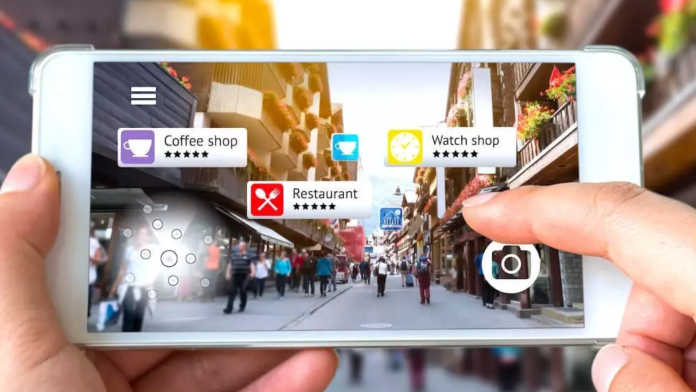
Augmented Reality blends digital elements with the real world, creating immersive and interactive experiences. Here’s why AR is a powerful tool for businesses:
Enhanced Engagement: AR applications capture user attention and keep them engaged for longer periods, increasing brand exposure and interaction.
Personalization: AR allows businesses to tailor experiences to individual users, creating a more personalized and memorable connection.
Improved Product Visualization: AR enables customers to visualize products in their real environment before making a purchase, reducing uncertainty and boosting conversion rates.
Data Insights: AR apps can collect valuable data on user behavior, preferences, and interactions, providing insights for better decision-making.
Strategic Steps for AR Implementation
Define Clear Objectives
Begin by defining specific objectives for integrating AR into your business strategy. Are you aiming to boost sales, improve brand awareness, or enhance customer engagement? Having clear goals will guide your AR initiatives and help measure their success.
Understand Your Audience
Understanding your target audience is crucial when implementing AR. Identify their preferences, interests, and pain points to create AR experiences that resonate with them. Consider conducting surveys or focus groups to gather valuable insights.
Choose the Right AR Application
There are various AR applications to choose from, such as mobile apps, web-based AR, or in-store experiences. Select the format that aligns with your goals and audience. For example, a mobile AR app might be ideal for e-commerce, while in-store AR experiences can enhance brick-and-mortar retail.
Develop High-Quality Content
Invest in the creation of high-quality AR content that provides value to users. Whether it’s interactive product demos, immersive storytelling, or informative tutorials, ensure that your AR experiences are engaging and relevant to your audience.
Optimize for SEO
AR content can also benefit from search engine optimization. Optimize the content associated with your AR experiences, including titles, descriptions, and keywords, to improve discoverability on search engines.
Promote and Educate
Promote your AR experiences across your marketing channels. Use social media, email marketing, and your website to raise awareness and educate your audience about the benefits of AR. Consider creating tutorials or guides to help users get the most out of your AR app.
Measure and Iterate
Track the performance of your AR initiatives using analytics tools. Monitor engagement metrics, conversion rates, and user feedback. Use this data to refine your AR content and strategy continually.
Augmented Reality offers exciting possibilities for businesses looking to boost growth and engage with their audience in innovative ways. To succeed with AR, it’s essential to move beyond the hype and adopt a strategic approach. By defining clear objectives, understanding your audience, and creating high-quality AR content, you can harness the power of AR to enhance customer experiences, drive sales, and position your business for success in the digital age. AR is not just a trend; it’s a strategic tool that can set your business apart and fuel growth in the years to come.
Video has evolved as a dynamic force in the ever-changing digital world, revolutionizing the way businesses communicate with their consumers. Whether you’re a small startup or a large business, leveraging the power of video may have a big influence on the success of your brand.
The Rise of Video in Digital Marketing
Video marketing is no longer an optional component of a successful digital marketing strategy; it’s a necessity. Here are some compelling reasons why businesses are increasingly turning to video:
Higher Engagement: Videos are inherently more engaging than text or static images. They can convey emotions, tell stories, and capture attention in ways that other content formats cannot.
Improved SEO: Search engines love video content. Websites with videos are more likely to rank higher in search results. This can lead to increased organic traffic and better visibility for your brand.
Enhanced Brand Trust: Video allows you to humanize your brand by putting faces and voices behind it. This fosters trust and credibility with your audience.
Better Conversions: Studies show that including a video on your landing page can increase conversion rates dramatically. People are more likely to take action after watching a video.
Effective Strategies for Video Marketing
Now that we understand why video marketing is crucial, let’s explore some strategies to make the most of it:
Know Your Audience: Before creating any video content, it’s essential to understand your target audience. What are their pain points, interests, and preferences? Tailor your videos to resonate with them.
Create High-Quality Content: Quality matters. Invest in good equipment, professional editing, and scripting to ensure your videos are top-notch. A well-produced video reflects positively on your brand.
Tell Compelling Stories: Storytelling is a powerful tool in video marketing. Craft narratives that connect with your audience emotionally. Share success stories, customer testimonials, or behind-the-scenes glimpses of your company.
Optimize for SEO: To boost your brand’s visibility, optimize your video content for search engines. Use relevant keywords in video titles, descriptions, and tags. Create transcripts to make your content more accessible.
Promote Across Platforms: Share your videos across various platforms, including your website, social media channels, and email marketing campaigns. Each platform may require different video formats, so be prepared to adapt.
Engage with Your Audience: Encourage viewers to comment, like, and share your videos. Respond to comments and engage in conversations to build a community around your brand.
Measure and Adapt: Analyze video performance metrics such as views, engagement, and conversion rates. Use this data to refine your video marketing strategy continually.
Video marketing is not just a trend; it’s a powerful tool that can boost your brand’s growth and help you stand out in a crowded digital marketplace. By creating high-quality, engaging video content tailored to your audience’s preferences, you can captivate viewers and convert them into loyal customers. Embrace the power of video, and watch your brand thrive in the digital age. The time to start is now.
Social media has become a vital tool for businesses trying to reach their target audience, develop brand awareness, and drive revenue in today’s digital age. However, integrating your approach with your company goals is the key to realising the full potential of social media.
The Foundation of Successful Social Media Strategy
Define Your Business Goals
Before diving into the world of hashtags and likes, it’s crucial to establish clear and specific business goals. Are you looking to increase website traffic, generate leads, boost sales, enhance customer engagement, or build brand authority? Each of these objectives requires a unique social media approach, so take the time to define your primary goals.
Know Your Target Audience
Understanding your target audience is paramount to effective social media marketing. Who are your ideal customers? What are their interests, pain points, and preferences? Conduct thorough market research to create buyer personas that will guide your content creation and engagement strategies.
Choose the Right Social Platforms
Not all social media platforms are created equal, and not every platform will be suitable for your business. Select the platforms that align with your audience’s demographics and behavior. For instance, if you’re targeting professionals, LinkedIn may be more effective than Instagram.
Aligning Social Media Strategies with Business Goals
Content is King
Creating high-quality, relevant content is the cornerstone of any successful social media strategy. Develop content that addresses your audience’s needs and aligns with your business objectives. For example, if your goal is to boost product sales, create engaging product videos or tutorials to showcase your offerings.
Consistency is Key
Consistency in posting and messaging is essential. Regular updates keep your audience engaged and aware of your brand’s presence. Create a content calendar to schedule posts and maintain a consistent tone and style across all platforms.
Monitor and Measure
To maximize ROI, you must track your social media performance regularly. Utilize analytics tools provided by social platforms to monitor key metrics such as engagement, click-through rates, and conversion rates. This data will help you identify what’s working and what needs adjustment.
Adjust and Optimize
Based on the insights gained from your monitoring efforts, be prepared to adjust your strategy. If a particular post or campaign isn’t yielding the desired results, don’t hesitate to pivot. Continuous optimization is crucial for maximizing ROI.
Invest in Paid Advertising
While organic reach is valuable, paid advertising on social media can provide a significant boost to your ROI. Platforms like Facebook and Instagram offer highly targeted ad options that allow you to reach your ideal audience with precision.
In a rapidly evolving digital landscape, aligning your social media strategy with your business goals is not just a good practice—it’s essential for success. By defining clear objectives, understanding your audience, and consistently delivering valuable content, you can maximize your ROI and unlock the full potential of social media as a powerful marketing tool. Remember that success on social media takes time and effort, but the rewards in terms of brand growth and revenue are well worth it. Start aligning your strategy with your business goals today, and watch your social media ROI soar.
Dunzo, the quick commerce startup supported by Reliance Retail, is facing challenges in securing additional funding. Sources indicate that the company may secure a relatively modest amount, estimated between $30-40 million, and even that funding may come with significant conditions favoring existing investors with regards to liquidity preference. A board meeting is anticipated by the week’s end to review and potentially approve this funding arrangement.
In its efforts to obtain the vital funding, Dunzo has put forth a proposal to trim its monthly expenditure to a mere $300,000, and it plans to achieve this by operating with a considerably smaller team of approximately 200 employees, as disclosed by informed sources. Prior to September, the financially challenged company was incurring a monthly expenditure of approximately $600,000. At the beginning of the year, Dunzo had a workforce exceeding 1,000 employees, but it has since undergone three rounds of workforce reductions.
Dunzo, which is also backed by Google, is set to undergo a strategic realignment. The company’s primary focus will shift to its B2B vertical, Dunzo Merchant Services, which is expected to constitute a substantial 70-80% of its operations, with the remainder geared towards the consumer market. Under this revised strategy, grocery deliveries will be exclusively fulfilled through third-party stores, while Dunzo will continue to provide its popular pick-up-and-drop services.
We use cookies to ensure that we give you the best experience on our website. If you continue to use this site we will assume that you are happy with it.