Domino’s Pizza has collaborated with Microsoft to create a generative AI assistant aimed at enhancing both store operations and customer service.
The pizza franchise intends to utilize Microsoft Cloud and the Azure OpenAI Service to further streamline the ordering process.
Domino’s chief technology officer Kelly Garcia said, “We are thrilled to co-innovate with Microsoft using Azure AI technology to advance the future of pizza ordering and store technology powered by secure, connected data and simplified processes.
“Our collaboration over the next five years will help us serve millions of customers with consistent and engaging ordering experiences while supporting our corporate stores, franchisees and their respective team members with tools to make store operations more efficient and reliable.”
As part of this fresh partnership, Domino’s and Microsoft will establish an Innovation Lab dedicated to accelerating the development and deployment of smart store and ordering innovations to market.
The collaborating entities emphasized their dedication to responsible AI practices aimed at safeguarding customer data and privacy.
Domino’s intends to initiate a pilot of the novel generative AI-based technology at its stores in the coming six months.
According to the company, the generative AI assistant, equipped with predictive capabilities, can aid in streamlining pizza production and quality monitoring.
Microsoft global retail, consumer goods and gaming industries corporate vice-president Shelley Bransten said, “As consumer preferences rapidly evolve, generative AI has emerged as a game changer for meeting new demands and transforming the customer experience.
“Through our strategic partnership, Domino’s continues to be a customer-first leader in the quick service restaurant industry.
“There is no better or more integrated platform than the Microsoft Cloud for delivering an AI-enhanced and connected experience that will drive loyalty and engagement for millions of customers, franchisees and employees.”
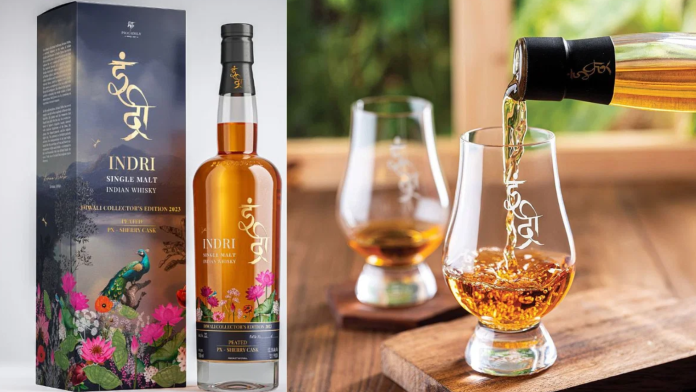
In a series of rigorous blind tastings conducted across multiple rounds, ‘Indri whisky’ from India emerged victorious, earning the prestigious ‘Best in Show, Double Gold’ award at the ‘Whiskies of the World Awards 2023,’ which was recently held. Since the announcement, enthusiasts of Indian whiskey have been joyously commemorating this remarkable achievement. This competition ranks among the world’s most significant whiskey-tasting events, annually evaluating more than 100 whiskey varieties from various corners of the globe.
This Indian single malt has outperformed hundreds of global brands, including Scotch, Bourbon, Canadian, Australian, and British single malts.
Launched in 2021, Indri, the homegrown brand of Piccadilly Distilleries in Haryana, embarked on its journey with India’s first triple-barrel single malt, known as Indri-Trini. Over the last two years, according to news reports, this Indian single malt has garnered over 14 international awards. The Whiskies of the World Awards now acknowledge India as a powerful player in the global whiskey landscape, thanks to Indri’s remarkable achievements.
Furthermore, Amrut Fusion, crafted by Amrut Distilleries, clinched the prestigious “2023 Double Gold” award, while Amrut Indian Single Malt and Indri Dru Single Malt Indian Whisky both earned the esteemed “2023 Silver” accolade. In contrast, “Amrit Kurinji” secured the “2023 Bronze” award.
Indri shared on Instagram, “From a hazy whisper to a symphony of flavours, this is a masterpiece that has now reached the pinnacle of recognition with a ‘Best in Show, Double Gold’ award at Whiskey of the World 2023.”
The Indri Diwali Collector’s Edition 2023 is an exceptional whiskey that undergoes an extended maturation process in PX Sherry casks within the subtropical climate of North India. This results in a distinctive profile with hints of smokiness, candied dried fruits, toasted nuts, subtle spices, oak, and bittersweet chocolate notes.
The brand is presently accessible in 19 Indian states and has a presence in 17 additional countries. Starting in November, it will also be made available in the United States and selected European nations.
Due to shifting lifestyles and rapid urbanization, whiskey consumption is surging, driving significant growth in the Indian whisky market, which reached a volume of 241.7 million cases in 2022. According to a forecast report by EMR, the Indian whisky market is projected to expand at a compound annual growth rate (CAGR) of 7.6 percent, reaching 375.1 million cases by 2028. This growth trend has prompted Indian whisky producers to innovate by introducing new flavors and ingredients, reshaping the industry landscape.
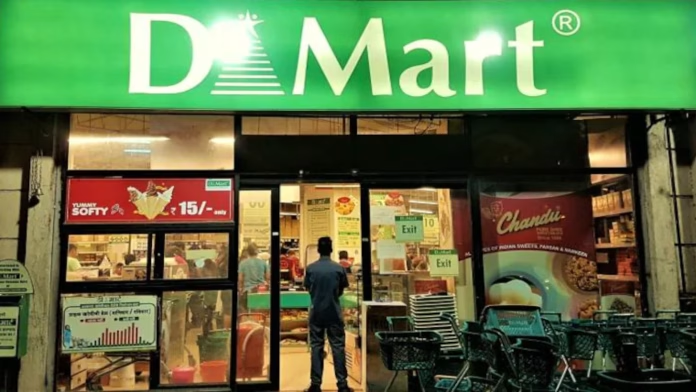
Avenue Supermarts Ltd, the company that oversees and manages the DMart retail chain, announced on Wednesday that its standalone revenue from operations for the second quarter of this fiscal year increased by 18.51 percent to INR 12,307.72 crore. According to a regulatory filing with the BSE, this compares to INR 10,384.66 crore in revenue from operations for the same period in the previous year.
“Standalone Revenue from operations for the quarter ended September 30, 2023, stood at INR 12,307.72 crore,” said Avenue Supermarts in the regulatory filing while sharing the company’s update at the end of the quarter.
As of September 30, 2023, there were a total of 336 DMart stores in operation.
During the July-September quarter of FY22, Avenue Supermarts recorded standalone revenue of INR 7,649.64 crore.
Founded and backed by Radhakishan Damani and his family, DMart offers a range of essential home and personal products in various markets, encompassing Maharashtra, Gujarat, Andhra Pradesh, Madhya Pradesh, Karnataka, Telangana, Chhattisgarh, NCR, Tamil Nadu, Punjab, and Rajasthan.
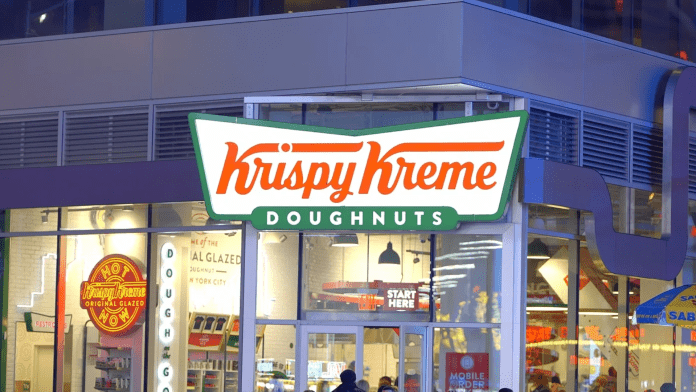
Krispy Kreme and former American professional basketball player Shaquille O’Neal are joining forces to inaugurate a fresh establishment at the iconic Ponce de Leon site in Atlanta, USA.
Spanning 4,000 square feet, the upcoming store is scheduled to launch on October 10, 2023.
A fire, resulting from arson, ravaged the original store at this location in 2021.
Krispy Kreme Global chief brand officer Dave Skena said, “We made a promise to the Ponce community and all of Atlanta and we’re delivering on it.
“Everyone has been so supportive during our bounce-back process and we’re thrilled to turn on the Hot Light. Our longstanding presence in Ponce is core to the community.
“Beginning 10 October, delicious, fresh Krispy Kreme doughnuts and all the happiness that comes with enjoying and sharing them will be back.”
The upcoming establishment will employ a staff of over 70 individuals.
The store will offer the brand’s signature menu, featuring piping hot Original Glazed doughnuts straight from the production line, as well as exclusive limited-time offerings.
The doughnut and coffeehouse chain mentioned that patrons have the option to place their doughnut orders inside the store, through the drive-through, or by using the Krispy Kreme app for both pickup and delivery.
Last month, Krispy Kreme announced the appointment of Josh Charlesworth as its new president and CEO.
In a promotion, Charlesworth is set to take on his new role on January 1, 2024, stepping into the position previously held by Michael Tattersfield since 2017.
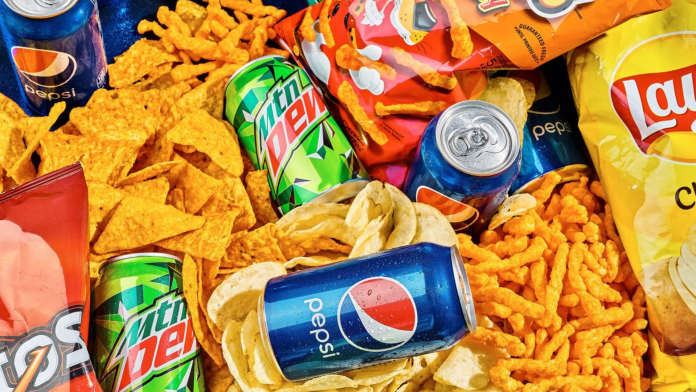
PepsiCo, the American snacks and beverages giant, has revealed plans for the expansion of its snack production facility located in the Brazilian town of Cabo de Santo Agostinho.
The company that owns the Lay’s and Walkers crisps brands will be implementing a new production line at the facility, where it currently manufactures Cheetos and Cebolitos snacks for the local market.
This new production line will enable the company to expand its operations by manufacturing its Torcida brand of snacks at the site in the Pernambuco region, situated close to the city of Recife.
PepsiCo has not disclosed the exact amount it will invest in the development of the facility, but this expansion project, involving two factories, is expected to boost production capacity by approximately 30%.
Having been active in Brazil for seven decades, the company has stated that the expansion will lead to the creation of around 300 new jobs, both directly and indirectly.
Construction of the plant is currently underway and is anticipated to be completed by May 2024.
Marcelo Zanetti, director of operations of PepsiCo Brazil, said, “The north-east region is strategic for PepsiCo and we have continuously invested in it. Proof of this is that our production capacity in the last four years has increased by more than 50%.”
PepsiCo, with a total of eight factories in Brazil, has a workforce of approximately 700 individuals in the Pernambuco region.
In August of last year, PepsiCo reached an agreement to divest a selection of its biscuit assets in Brazil to the local manufacturer Camil Alimentos.
Camil successfully negotiated an acquisition deal for PepsiCo’s CIPA Industrial Food Products and CIPA Nordeste Industrial de Produtos Alimentares, thereby gaining control of factories in Aparecida de Goiânia in the state of Goiás and Itaporanga D’Ajuda in Sergipe, along with the combined workforce of approximately 800 employees from these two companies.
Ranjan Pai, the billionaire investor and chairman of the Manipal Group, is currently engaged in discussions regarding a substantial investment in the beauty e-commerce unicorn, Purplle.
According to a report by Moneycontrol, Pai is contemplating purchasing JSW Ventures’ stake in the company for an estimated amount ranging between INR 60 crore to INR 70 crore.
The potential investment signifies the second time JSW Ventures has decided to sell its shares in Purplle in just five months.
Back in May, JSW Ventures sold a part of its ownership to the Abu Dhabi Investment Authority (ADIA), realizing significant profits that were 18 times its original investment.
During the transaction, Purplle garnered between $50 million and $60 million in funding from the sovereign fund, Abu Dhabi Investment Authority (ADIA), in a funding round that encompassed both primary and secondary investments.
As of July, JSW Ventures possessed a 2.8% ownership stake in Purplle.
Purplle, a competitor of publicly traded beauty e-commerce company Nykaa and Reliance-led Tira, had plans to broaden its physical presence and adopt an omnichannel approach. Additionally, the company was actively seeking opportunities to acquire a few brands as part of its expansion strategy.
Established in 2012 by Manish Taneja and Rahul Dash, Purplle specializes in offering a wide range of beauty products and appliances. The platform features various direct-to-consumer (D2C) brands, including Plum, WOW Skin Science, mCaffeine, Maybelline, SUGAR Cosmetics, and many more.
During FY22, Purplle recorded a substantial increase in its revenue from operations, reaching INR 219.88 crore, which marked a 72% surge from the INR 128.15 crore reported in the previous fiscal year, as indicated in its regulatory filings. However, the company’s losses expanded to INR 203.63 crore in FY22, compared to INR 52.18 crore in the preceding year.
At the same time, Ranjan Pai is steadily establishing himself as a prominent investor in Indian startups. In August, reports surfaced indicating that Pai was in advanced negotiations to acquire a share in the upcoming IPO of FirstCry, a prominent e-commerce platform specializing in children’s products.
He has also strategically invested in several well-known startups, such as the edtech giant BYJU’S and the jewelry startup BlueStone.
Voff Premium Pet Food has acquired Carnibest, a dog and cat food manufacturer based in the Netherlands, for an undisclosed amount.
Hailing from Sweden and backed by private equity, Voff has celebrated its tenth acquisition since its establishment in 2014 with the purchase of the natural raw pet food manufacturer.
Established in 2001, Carnibest becomes the second Dutch brand to become a part of Voff’s portfolio, following the acquisition of Energique earlier this year.
Voff has acquired Carnibest’s production facility located in Ermelo, situated in the province of Gelderland. This addition brings the total number of manufacturing facilities for the Stockholm-based company to nine.
Carnibest specializes in crafting natural raw food for dogs and cats, offering a range of meals and snacks that are presently available in the Netherlands and Belgium.
Approximately 20 employees from the Dutch brand will remain with the company, ensuring continuity in their roles.
However, as part of the acquisition, the previous owner of Carnibest, Corine Bunschoten, has opted to step away from the organization to pursue other opportunities.
She said, “Carnibest has been synonymous with premium quality raw dog and cat food for over two decades, and it has been a pleasure to be able to build this great company.
“I trust that Voff, a fellow believer in natural, premium pet-food products, will build on and expand the Carnibest brand, in addition to serving our customers even better.”
Anders Kristiansen, CEO of Voff Premium Pet Food, said, “It is truly exciting to welcome Carnibest to the Voff group. We have been following Carnibest for a long time and are certain that we can jointly continue the success story that Carnibest has been since its inception.”
In March, Kristiansen assumed the role of Chief Executive of the pet-food business and promptly emphasized that mergers and acquisitions would play a substantial role in his growth strategy. Leo & Wolf stands as Voff’s sole in-house brand, with the rest of the portfolio acquired through various acquisitions.
The company generates an annual revenue of Skr1.1 billion (equivalent to $99.2 million) and maintains a workforce of approximately 300 employees.
Eden Brew, an emerging Australian venture focused on creating dairy proteins and products without utilizing animals, has successfully obtained fresh investment.
In the A$24.4 million ($15.3 million) Series A funding round, the prominent Nordic food company Orkla participated, contributing A$6 million. Additionally, Breakthrough Victoria, an independent firm overseeing the state’s investment funds, also invested in the round.
Established in 2021, Eden Brew was founded by the Australian dairy organization Norco in collaboration with CSIRO and Main Sequence Ventures, the fund designated to manage the government agency’s innovation fund.
Breakthrough Victoria said the investment “will allow Eden Brew to seek regulatory and patent approvals”.
It added, “The company will also begin piloting commercial scale animal-free milk production and launch its ice cream in the foodservice industry. As part of the investment, Eden Brew will establish its head office in Melbourne and further develop its research and manufacturing in Victoria.”
Jim Fader, the CEO of Eden Brew, is among the company’s co-founders, alongside Phil Morle, a partner at Main Sequence, and Michael Hampson, the CEO of Norco.
Fader said, “Eden Brew is focussed on creating an animal-free dairy category, which stands to play a significant role in how we sustainably meet the growing demand for food on the planet.
“We’re incredibly proud to continue to build our team in Melbourne and the investment we have received from Breakthrough Victoria is critical to enabling Eden Brew to commercialise.”
Participating in the Series A funding round were Digitalis Ventures, Possible Ventures, and Radar Ventures. This latest investment adds to the A$6.9 million secured last year and an additional A$4 million obtained in 2021.
“Using science know-how developed at CSIRO, Eden Brew uses a precision fermentation process to produce casein proteins and combine them into the casein micelle, the organised protein cluster which gives cow’s milk its bioavailable nutritional carrying capacity, heat stability and many of its sensory qualities,” according to the Breakthrough Victoria statement.
“Eden Brew will scale fermentation-based manufacturing and then utilise existing milk and dairy production techniques and infrastructure to help increase the supply of nutritious food, sustainably.”
Global corporations are funneling investments into the emerging animal-free dairy sector. In August, Fonterra participated in the initial funding round of Vivici, a Dutch startup specializing in the production of animal-free dairy proteins using precision fermentation technology.
In April, Danone acquired a share of the Israel-based animal-free dairy enterprise, Imagindairy.
In August, Perfect Day, a U.S. animal-free dairy company that has amassed over $750 million in funding since its inception in 2014, divested its consumer-oriented assets to prioritize the supply of its animal-free whey protein to B2B partners.
According to an industry body, food prices in the UK have experienced their first decrease in over two years, attributed to intense competition among retailers.
In September, the British Retail Consortium (BRC) reported a 0.1% decrease in the cost of an average food basket compared to the previous month. This marks the first monthly decline since July 2021.
The group also noted that food inflation continued to slow down for the fifth consecutive month, registering an annual rate of 9.9% in September, which marked a decrease from 11.5% in August.
The BRC noted that the decrease in average food prices last month contributed to a reduction in overall shop price inflation, which dropped to 6.2% in September from 6.9% the previous month. This marked the lowest annual rate since September 2022.
Helen Dickinson, chief executive of the BRC, said, “This [competition between retailers] brought year-on-year food inflation down to single digits and contributed to the fifth consecutive monthly fall in the headline rate, helped by easing cost pressures.
“Customers who bought dairy, margarine, fish and vegetables – all typically own-brand lines – will have found lower prices compared to last month.”
Dickinson further mentioned that it was anticipated for price increases to continue decelerating throughout the remainder of the year.
“However, there are still many risks to this trend – high interest rates, climbing oil prices, global shortages of sugar, as well as the supply chain disruption from the war in Ukraine,” she added.
“Retailers will continue to do all they can to support their customers and bring prices down, especially as households face being squeezed by higher energy and mortgage bills.”
In the previous month, the Office for National Statistics (ONS) of the UK government reported that the inflation rate for food and non-alcoholic beverage prices decreased to a 13.6% annualized increase in August, down from 14.9% in July.
The general inflation rate also experienced a decline, dropping to 6.7% from 6.8% in July, a shift attributed to the deceleration in food price increases.
The quick commerce startup Dunzo is in the process of obtaining the board’s approval for a potential $35 million fundraising effort. However, there is a difference of opinion among some of its investors regarding the company’s valuation for this crucial funding round. These investors believe that the struggling startup should consider a valuation of approximately $200 million, which is just one-fourth of its peak valuation of $800 million, according to individuals familiar with the situation.
Some of the current investors have already pledged approximately $10-15 million in capital at the lowered valuation. However, the company’s board has not yet given its approval for this proposal, according to sources. Furthermore, a meeting that was originally scheduled for last week is now anticipated to occur later this week. In the upcoming days, Kabeer Biswas, the founder and CEO of the company, is expected to seek approval from the board, which includes major shareholders like Reliance Retail and Google, to secure the essential funding, as per the sources.
“The current commitment is at around a $200 million valuation. That’s also the blended average for most investors in the firm before it was valued at close to $800 million,” according to one investor privy to the discussions.
“This money is also committed to the fact that it (Dunzo) will become a B2B company for all practical purposes doing delivery for business customers,” the person said, while adding that “everyone putting in the capital needs to agree on the new valuation.”
In an effort to preserve cash amid its ongoing crisis, the struggling startup company has significantly downsized its quick commerce operations in the past year. As part of this strategy, it has transitioned away from running its own dark stores and now provides its services through third-party grocery stores.
According to various sources, the outlook for its consumer business appears extremely grim, and recent discussions have centered on the possibility of entirely discontinuing it.
“The company has proposed 70-80% of business to come via Dunzo Merchant Services but it could be the only remaining business. Dunzo internally sees it as delivery as well, except it is for a B2B client like JioMart and others,” this person said.
According to reports, Reliance Retail, which owns a 26% stake in the firm, was reportedly opposed to a significant reduction in valuation. This stance was influenced by Reliance Retail’s substantial investment of $200 million in Dunzo during a funding round that amounted to $240 million in January 2021.
Meanwhile, it’s worth noting that Dunzo has received an advanced-stage proposal related to its dark store traffic data and ONDC business, according to multiple sources familiar with the matter. However, these sources added that the founder and the board are unlikely to show interest in this proposal.
Dunzo refrained from providing a comment on the matter. An email inquiry directed to Reliance Retail did not yield any response at the time of press.
These developments coincide with recent company filings that disclosed the departure of approximately five board members within the last two months.
Ashwin Khasgiwala, who serves as the Group Chief of Business Operations at Reliance Retail, and Rajendra Kamath, the Finance Head at Reliance Retail, stepped down from the Dunzo board on August 3. Vaidhehi Ravindran, a partner at Lightrock India, resigned from the board on August 21. Furthermore, on August 29, one of the co-founders, Dalvir Suri, also departed from the board.
On October 2, Snackfax reported on Dalvir Suri’s full departure from Dunzo.
Mukund Jha, one of the Co-Founders and the Chief Technology Officer at Dunzo, has also stepped down from the board; however, he remains associated with the company. He has expressed his intention to eventually exit in a few months. It’s worth noting that both Jha and Suri had minimal equity in the company, which had been diluted in the last funding round. The other co-founder at the firm is Ankur Agarwal.
“Mukund (Jha) remains an integral part of Dunzo’s leadership team. While we are restructuring the org with new leaders driving key mandates, Mukund will continue to be an important part of the strategic leadership team guiding and directing Dunzo’s future roadmap,” a spokesperson for Dunzo said on Jha’s role at the company.
The departures from the board were initially reported by the online publication, The Morning Context.
Two informed sources familiar with the situation at Dunzo have indicated that one of the reasons for the board members’ departures is the legal notices that Dunzo has received over the past few months. These legal notices potentially add further liability to the company’s directors in the event of lawsuits or conflicts with vendors.
Dunzo has not yet disbursed a portion of employee salaries for June and the complete salaries for July. The company has communicated to its employees that these outstanding payments are anticipated to be settled in January-February of 2024, with the notification provided on September 25.
The recent workforce reductions have been targeted at reducing the headcount to 200 employees.
“They (Dunzo) have estimated moving to a new office, which will mean rents will come down to about INR 4 lakh a month from INR 20 lakh,” one of the people said.
Dunzo utilized the payroll financing application OneTap to disburse the salaries for the month of August to its employees. Prior to this, the company had received legal notices from vendors such as Google India, Facebook India, Koo, and Glance, citing unpaid dues exceeding INR 11.4 crore.
We use cookies to ensure that we give you the best experience on our website. If you continue to use this site we will assume that you are happy with it.