Clensta, the personal care company that recently announced actor Parineeti Chopra as a Partner and Investor, has now appointed actor Sandeepa Dhar as the brand ambassador for its cutting-edge product line. Sandeepa, celebrated for her performances in a range of films and web series such as “Heropanti,” “Dabangg 2,” “Abhay,” and more, is set to play a pivotal role in targeting the youth market for the brand in India.
Clensta, supported by IIT Delhi, provides an extensive range of personal care items across diverse categories. Their dedication to blending state-of-the-art science (STAR and CRAN Technology) with sustainability has earned significant favor among consumers throughout India.
Puneet Gupta, CEO and Founder of Clensta said, “We welcome Sandeepa as she becomes a part of the Clensta team, and we eagerly anticipate her support in spreading the word among India’s informed and nature-conscious youth about our unique product range.”
In her capacity, Sandeepa Dhar will star in an upcoming brand campaign aimed at endorsing Clensta’s Skincare line on various digital platforms, including Amazon, Flipkart, Nykaa, Purplle, Meesho, and Myntra. Furthermore, Clensta’s products can be found in more than 10,000 retail outlets across India, including well-known chains like Wellness Forever, Reliance Smart, Health and Glow, Tata1MG, Combination, and others.
Parineeti Chopra, who became an investor and partner at Clensta in July of this year, additionally takes on the role of brand ambassador for the haircare and Gummies product lines. Clensta recently secured a funding of INR 75 crore in a pre-series B round, spearheaded by TradeCred and jointly supported by the Royal Family from the UAE, with the notable participation of the actress-turned-entrepreneur as one of the investors.
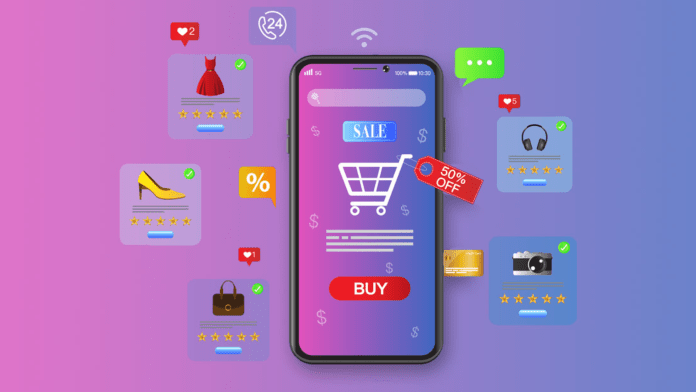
In the early stages of the online festival season sales on top e-commerce platforms such as Amazon, Meesho, and Flipkart, non-metro cities emerged as the frontrunners. According to information disclosed by e-tailers on Tuesday, Meesho, supported by Softbank, saw more than 80 percent of its orders during the Blockbuster Sale come from tier 2 and smaller cities in the first three days. On the first day of The Big Billion Days, Flipkart recorded over 60 percent of its orders originating from non-metro cities.
“Over 60 per cent of orders were placed from Tier 1, 2 and 3 cities,” Flipkart said in a statement citing sales data on October 7.
Amazon said over 80 per cent of customers on its platform came from non-metro cities during the initial days of its festive sale “Great Indian Festival”.
Flipkart claimed 9.1 crore visits on Day 1 of The Big Billion Days (TBBD) while Amazon registered 9.5 crore customer visits in the first 48 hours.
Both platforms saw mobile phones among the top choices for customers.
Amazon said the most preferred smartphone brands on its platform were OnePlus, Samsung, and Apple.
“Customers purchased more than 100 OnePlus smartphones every minute in the first 48 hours of the sale (2.5 times more than in 2022). Samsung drove premium phone demand, with their flagship Galaxy S Series growing 3 times over the last year,” the company said.
Amazon paid subscribers or Prime members shopped 18 times more in the first 24 hours of the sale compared to the average daily purchase.
The company claimed Prime Members purchased over 75 smartphones per second in the opening hour.
“4 out of every 5 smartphones sold in the first 48 hours were 5G ready. Amongst all smartphones sold, 75 per cent were purchased by customers coming from Tier 2 -3 cities and towns and beyond. Premium smartphones (priced above INR 30,000), witnessed 3 times growth versus last year,” the company said.
Amazon saw a rise in customer’s demand for premium gadgets.
“Customers shopped for 35 per cent more premium smartwatches in the first 48 hours as compared to last year. 10 Premium active noise cancelling headphones were bought by customers every minute,” the company said.
Demand for tablets during the Amazon festive sale saw 2 times growth while demand for laptops rose by more than 40 per cent as compared to last year.
Amazon said that demand for large-screen TVs witnessed a record growth of 260 per cent year-on-year.
“Customers shopped for one TV per second with 80 per cent of all orders coming from Tier 2 and 3 cities and towns. 4K TVs were the most preferred,” Amazon said.
Flipkart said that Mobiles, Appliances, Lifestyle, BGM (Beauty and General Merchandise), Electronics and Home remain the top choices for customers across India.
“Smartphones in the over INR 20,000 segment witnessed a surge in demand among Metro and Tier 2 and beyond audiences alike. Further, Lifestyle, Electronics and Beauty and General Merchandise(including Fitness) have played a key role in new customer acquisition,” the statement said.
Flipkart’s travel arm Cleartrip recorded interest of customers in travelling to non-metro cities such as Goa, Jaipur, Udaipur, Varanasi, Ooty with Goa, Kochi, Jaipur, Srinagar and Chandigarh emerging as top air travel non-metro destinations.
Meesho spokesperson said more than 80 per cent of orders on the platform originated from the tier 2 and smaller cities of India like Dhanbad, Chittorgarh, Erode, Jabalpur, Kurnool, Tezpur and Vapi.
The firm recorded more than 15 orders per second across categories such as footwear, fashion accessories as well as home and kitchen.
“More than 30,000 sellers saw over 2X growth in orders during the onset of the sale. Top selling products included sarees, watches, Bluetooth headphones and toys,” Meesho spokesperson said.
E-commerce companies were estimated to have generated a total sale of around INR 40,000 crore during the first phase of the festive season sales.
A recent report by the market research firm projects online sales during the upcoming festive season to grow by 18-20 per cent and touch INR 90,000 crore this year.
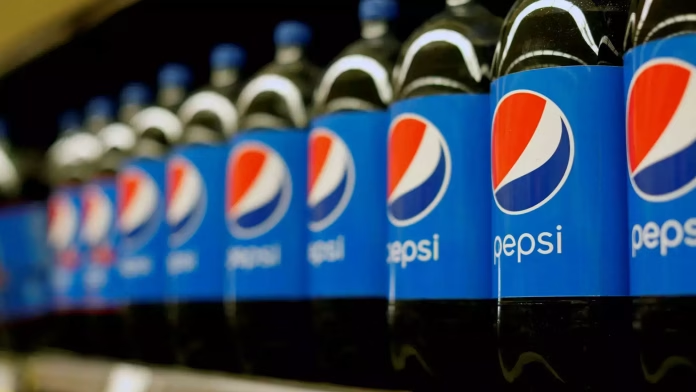
On Tuesday, PepsiCo reported that its Indian beverage unit experienced “double-digit growth” in volume during the third quarter of 2023. Conversely, its “convenient foods business” saw a “mid-single-digit” decrease in unit volume in the September quarter, as indicated in the global earnings statement from the prominent food and beverage company.
In the AMESA (Africa, Middle East, South Asia) division, which includes India, PepsiCo’s net revenue decreased by 6.43 percent, falling from USD 1.73 billion to USD 1.61 billion. This decline was primarily attributed to the depreciation of the Egyptian pound and a net organic volume decrease, although it was partially mitigated by effective net pricing.
In AMESA, Pepsico’s “beverage unit volume grew 3 per cent, primarily reflecting double-digit growth in India and mid-single-digit growth in the Middle East…” it said.
Its “convenient foods unit volume declined 3 per cent, primarily reflecting mid-single-digit declines in South Africa and India, partially offset by low-single-digit growth in the Middle East and Pakistan.”
Furthermore, the operating profit of PepsiCo’s AMESA division decreased by 11 percent.
PepsiCo’s fiscal year runs from January to December.
This primarily reflects the “impact of higher commodity costs, primarily packaging materials, sweeteners and grains, largely driven by transaction-related foreign exchange,” it added.
PepsiCo, which owns popular brands such as Lay’s, Doritos, Cheetos, Gatorade, Pepsi-Cola, Mountain Dew and Quaker, posted a 6.7 per cent increase in net revenue to USD 23.45 billion for the third quarter.
On a year-to-date basis, PepsiCo has gained savoury snack share in many international markets, including China, India, and Turkey and for beverages, it gained market share in Mexico, Brazil, Turkey, China, Thailand, Egypt, and Nigeria, it added.
The New York-headquartered company said its third-quarter featured “strong, broad-based organic revenue growth”.
“The benefits from our net revenue management actions moderated as planned, while organic volume for our global beverage and convenient food businesses each posted a moderate decline,” it said.
“We believe our businesses can continue to perform well in the coming years with category growth normalising, as we have made numerous investments in our brands, manufacturing capacity, go-to-market systems, supply chain, technology, and people, to execute against our strategic framework and modernize our company,” PepsiCo Chairman and CEO Ramon Laguarta said.
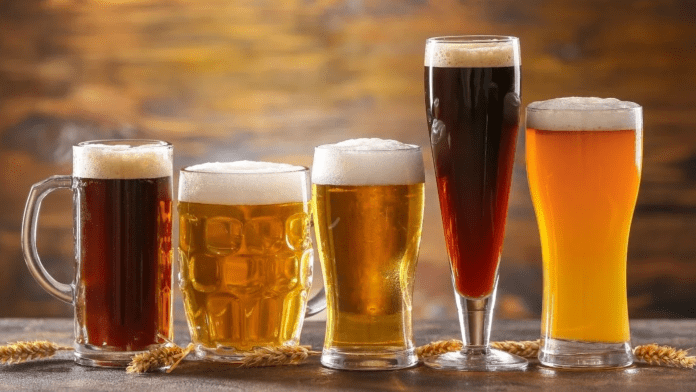
ICRA anticipates that the domestic alcohol beverages (alcobev) industry in India will experience a consistent revenue growth of 8-10% in the fiscal year 2024. Following two challenging years in FY2021 and FY2022, primarily due to the impact of the pandemic, the Indian alcobev sector showed remarkable resilience and robust growth in FY2023. This resurgence was fueled by strong consumer demand in both the spirits and beer segments.
In FY2023, the companies included in ICRA’s sample set experienced an impressive year-over-year revenue growth of approximately 20%, reaching around INR 26 billion. This growth not only recovered the pre-COVID levels but surpassed them.
During the first quarter of FY2024, the spirits industry reported a noteworthy 13% year-on-year increase in revenues, even during what is typically considered a slower season for this segment. In contrast, the beer industry, which was in its peak season, saw a slight dip of around 1% in revenue, largely due to unexpected and unseasonal rainfall.
Speaking on this, Kinjal Shah, vice president and co-group head – corporate ratings, ICRA Limited, said: “ICRA expects alcobev consumption to remain steady, supported by growing urbanisation, rising disposable incomes, favourable demographics, and easing regulatory environment by some states. A sub-par monsoon with warm weather amid ongoing El Nino conditions will further drive demand, particularly for beer, in FY2024”.
Nonetheless, despite a consistent demand, ICRA’s sample set companies are anticipated to witness a further contraction in their operating profit margins (OPM) by approximately 90-140 basis points during FY2024. This follows a significant decline of 300 basis points in FY2023. The primary reason behind this expected margin contraction is the elevated prices of critical inputs in the current fiscal year, such as non-basmati rice and other grains, including maize, which are essential for the production of extra neutral alcohol (ENA), the key component used in spirit manufacturing.
The impact of a subpar monsoon, El Nino conditions, and government measures affecting grain prices will be pivotal in determining the cost structure of the industry.
Packing material expenses, notably for glass, have remained elevated, primarily due to the surge in soda ash prices. On the other hand, barley, the essential raw material for beer production, has experienced a recent correction in prices and is expected to stay stable in the short to medium term. Furthermore, the industry should keep a close watch on the availability and potential pricing pressures arising from the diversion of grains towards ethanol production, driven by heightened demand due to government blending regulations.
“The timely increase in the selling price of the alcobev products from state governments is the key to absorbing the rise in input costs. This typically happens on an annual basis at the beginning of a fiscal; hence, any mid-year raw material price volatility must be absorbed by the manufacturers. Some key states, including Karnataka, Haryana, Delhi, and Uttar Pradesh, have permitted the increase in prices of alcobev products for the current fiscal. Further, the Madhya Pradesh government expanded the distribution network for alcobev products last year, which continues to provide an upside to the industry in the current year as well,” Shah added.
In FY2023, ICRA’s sample set of companies made significant capital expenditures, amounting to approximately 5% of their revenues. However, this expenditure is projected to decrease to around 2-3% in both FY2024 and FY2025, primarily because key industry players have recently expanded their production capacities. The majority of the ongoing capacity expansion efforts are focused on beer manufacturing, with expectations for these expansions to materialize in the near to medium term. Some companies are also planning to expand their presence into new states and deepen their market penetration in existing regions.
ICRA foresees that the industry will maintain stable and healthy credit metrics, thanks to robust cash flow generation and limited debt accumulation.
Rolling Stone is venturing into the Indian hospitality industry in collaboration with Jay Jay and Kwality Restaurants Private Limited (JJAKRPL). JJAKRPL will introduce a Rolling Stone-themed Café & Bar and nightclub in Mumbai, with ambitions to extend this concept to various major cities in the coming five years.
“Over the past few years, the Indian market has evolved tremendously, paving the way for innovative hospitality concepts,” said Debashish Ghosh, managing director of International Markets at Penske Media Corporation (PMC). “We are excited to partner with JJAKRPL Restaurants to bring the Rolling Stone brand to life through experiential spaces in café, bar, and club formats, with a unique positioning for the Indian consumer.”
The Rolling Stone Café & Bar will showcase international cuisines, featuring a chef-curated menu that offers a contemporary twist on traditional dishes. Complementing the food, there will be an extensive bar selection with a wide array of cocktails, beers, and non-alcoholic beverages. The venue will boast lofty ceilings, generous seating, and a spacious stage designed for live performances. Moreover, patrons can enjoy iconic Rolling Stone magazine covers and other delightful surprises as they explore the café & bar.
The Rolling Stone nightclub is set to provide an immersive experience, uniting music enthusiasts and partygoers in the celebration of live music. The club’s doors will open at 11 pm, extending well into the early hours of the morning, and it will offer a selection of top-quality alcoholic and non-alcoholic beverages.
We’re thrilled to introduce the Rolling Stone Café & Bar and nightclub to the vibrant India Metropolitan market,” said Rohit Malhotra, CEO of JJAKRPL. “The concept isn’t just about food and music; it’s a fusion of culture and entertainment. We believe that this unique blend of offerings will allow fans and consumers to experience Rolling Stone in a new and authentic way. As far as expansion plans are concerned we will be opening 10 stores in the first five years and investment will be around INR 85 crore to INR 90 crore.”
Information travels at breakneck speed in the digital era. With the growth of social media, a single incident can quickly snowball into a full-fledged reputation disaster. Businesses nowadays must be prepared to handle reputational damage and respond to crises successfully in real time.
The rise of social media platforms and instant communication channels has accelerated the pace at which reputations can crumble. What used to take days or weeks to gain traction in traditional media now takes mere minutes to become a viral sensation. As a result, companies must be vigilant and prepared to address crises swiftly and effectively.
The Anatomy of a Reputation Crisis
A reputation crisis can take many forms, including:
Public Outrage: Customer complaints, accusations of unethical behavior, or public backlash can quickly spread through social media, damaging a brand’s reputation.
Product Recalls: Issues with product safety or quality can lead to recalls, eroding consumer trust.
Executive Misconduct: Scandals involving top executives can tarnish a company’s image and values.
Data Breaches: Security breaches that compromise customer data can lead to a loss of trust and legal repercussions.
Effective Crisis Response Strategies
Preparation is Key: Develop a comprehensive crisis response plan before a crisis occurs. This plan should include clear roles and responsibilities, communication protocols, and strategies for monitoring and addressing emerging issues.
Swift Response: Time is of the essence. Acknowledge the issue publicly and promptly. Silence can be interpreted as indifference or guilt.
Transparency: Be open and transparent about the situation. Share as much information as is legally permissible and appropriate to address concerns.
Apologize Sincerely: If the crisis is due to a mistake on the company’s part, issue a sincere and heartfelt apology. Avoid corporate jargon and empty platitudes.
Take Responsibility: Accept responsibility for any wrongdoing or errors. Shift the focus from blame to resolution.
Communication Channels: Use the same communication channels where the crisis erupted to address it. Engage with concerned parties directly.
Empathy: Show empathy toward those affected by the crisis. Acknowledge their feelings and concerns.
Action Plan: Develop and communicate a clear action plan to address the crisis and prevent similar issues in the future.
Monitor and Adapt: Continuously monitor the situation and adapt your response as needed. Address new developments and concerns as they arise.
Success Stories in Crisis Management
Tylenol (1982): When cyanide-laced capsules led to multiple deaths, Johnson & Johnson swiftly recalled 31 million bottles, redesigned packaging, and engaged in transparent communication. Their actions are often cited as a model for crisis management.
United Airlines (2017): After a passenger was forcibly removed from an overbooked flight, United faced intense public backlash. They issued a public apology, vowed to review policies, and settled with the passenger, taking steps to prevent similar incidents.
Chipotle (2015): After a series of foodborne illness outbreaks, Chipotle launched an aggressive food safety campaign and made significant changes to their practices. They communicated their actions openly to regain customer trust.
In today’s world of instant social sharing, reputation fallout can occur at the speed of a tweet. Companies that excel in crisis response understand the importance of preparation, swift and transparent communication, sincere apologies, and concrete actions to address the root cause of the crisis. The key to managing reputation fallout is not only weathering the storm but also emerging stronger and more trusted on the other side. In a digital age where public perception can shift in an instant, the ability to effectively manage reputation crises is a critical skill for businesses of all sizes.
The connection between companies and their customers has undergone a significant metamorphosis in the ever-changing world of marketing. Customers are no longer passive consumers; they are active players in crafting brand narratives and influencing purchase decisions. Businesses have found the power of user-generated content (UGC) as a tool for brand growth as a result of this shift.
User-generated content refers to any content—text, images, videos, reviews, testimonials, social media posts, and more—that is created by customers or users of a brand’s products or services. It’s authentic, unbiased, and carries significant weight in the eyes of potential customers.
The Value of UGC
Trust and Authenticity: UGC is perceived as more trustworthy and authentic than brand-generated content. Customers often trust the opinions and experiences of their peers over marketing messages.
Engagement and Interaction: UGC fosters engagement and interaction between brands and customers. It invites participation, encourages conversations, and strengthens the sense of community.
Content Variety: UGC adds diversity to a brand’s content mix. It provides a wealth of creative material and perspectives that can be leveraged across marketing channels.
Social Proof: UGC serves as social proof of a brand’s quality and popularity. Positive reviews and testimonials are powerful endorsements.
Strategies for Nurturing UGC
Create Shareable Experiences: Craft products, services, or experiences that are shareable by design. Encourage customers to document their interactions with your brand.
Implement Branded Hashtags: Use branded hashtags across social media platforms to encourage customers to share their experiences. Monitor these hashtags and engage with users who use them.
Contests and Challenges: Run contests or challenges that incentivize customers to create and share content related to your brand. Offer prizes or recognition to winners.
Highlight UGC: Showcase UGC on your website, social media, and marketing materials. Share user stories, testimonials, and reviews to build trust.
Engage and Respond: Actively engage with UGC creators. Respond to comments, express gratitude, and foster a sense of community. This encourages more UGC.
User Reviews: Encourage customers to leave reviews on platforms like Google, Yelp, or TripAdvisor. Respond to reviews, both positive and negative, to demonstrate your commitment to customer satisfaction.
Collaborate with Influencers: Partner with social media influencers who align with your brand. Their UGC can introduce your brand to new audiences.
User-Generated Content Campaigns: Create specific campaigns that encourage customers to submit UGC based on a theme or prompt. Share the best submissions.
User Stories: Share customer success stories or case studies. Highlight how your products or services have positively impacted their lives.
Success Stories in UGC
GoPro: GoPro’s marketing strategy heavily relies on user-generated content. Their cameras are designed for adventure, and they encourage customers to share their thrilling experiences, making users the brand’s most powerful advocates.
Airbnb: Airbnb’s platform is built on trust, and they leverage UGC to showcase the unique and personal experiences that hosts and guests have had. User stories and reviews play a vital role in their brand’s reputation.
Coca-Cola: Coca-Cola’s “Share a Coke” campaign encouraged customers to find bottles with their names on them and share photos on social media. The UGC campaign generated immense buzz and engagement.
User-generated content has become an indispensable tool for brand growth. By creating shareable experiences, implementing branded hashtags, running contests, highlighting UGC, engaging and responding to users, encouraging reviews, collaborating with influencers, launching UGC campaigns, and sharing user stories, brands can transform fans into valuable contributors to their marketing efforts. In today’s digital landscape, fostering a community of engaged and passionate customers who actively participate in shaping your brand narrative is a recipe for success. User-generated content not only amplifies your message but also creates a sense of ownership and connection among your customers. It’s the embodiment of a brand’s authenticity and its most persuasive form of marketing.
Securing a sale is merely the beginning of the road in the fast-paced world of business. Companies must focus on retaining customer involvement after the initial purchase to prosper in today’s competitive market. Long-term success is dependent on developing and cultivating client loyalty.
1. Personalized Experiences: Tailoring the customer experience to individual preferences is a powerful way to maintain engagement. Utilize data to create personalized recommendations, offers, and content that resonate with each customer.
2. Loyalty Programs: Reward customers for their loyalty with incentives such as discounts, exclusive access, or early product releases. Loyalty programs not only encourage repeat purchases but also foster a sense of belonging.
3. Educational Content: Share valuable content related to your products or industry. This positions your brand as an authority, provides ongoing value to customers, and keeps them engaged.
4. Responsive Customer Support: Prompt and efficient customer support, available through various channels, assures customers that their concerns will be addressed quickly and effectively.
5. Feedback Loop: Encourage customers to provide feedback and suggestions. Act on this input to show that you value their opinions and are committed to improvement.
6. Community Building: Create a sense of community around your brand. This can be achieved through forums, social media groups, or in-person events where customers can connect with each other and share their experiences.
7. Email Marketing: Use email marketing to stay in touch with customers. Share product updates, industry news, and exclusive offers to keep your brand top of mind.
8. Surprise and Delight: Occasionally surprise customers with unexpected perks, gifts, or personalized messages. These unexpected gestures can create memorable moments and strengthen loyalty.
9. User-Generated Content: Encourage customers to share their experiences through reviews, testimonials, and user-generated content. This not only builds trust but also showcases real-life examples of your product or service in action.
10. Experiential Marketing: Create unique and memorable experiences related to your brand. This can include events, challenges, or interactive campaigns that engage customers on a deeper level.
11. Social Responsibility: Demonstrate your commitment to social and environmental responsibility. Customers appreciate brands that give back to the community or take steps to reduce their environmental footprint.
12. Predictive Analytics: Use data-driven insights and predictive analytics to anticipate customer needs and preferences. This allows you to proactively provide relevant offers and solutions.
13. Multi-Channel Engagement: Engage with customers across multiple touchpoints, including social media, mobile apps, email, and in-person interactions. Consistency across channels is key.
Success Stories in Sustaining User Engagement
Apple: Apple’s ecosystem of products, services, and customer support keeps users engaged long after the initial purchase. Their dedication to seamless integration and customer satisfaction builds enduring loyalty.
Amazon Prime: Amazon Prime offers a bundle of benefits, including free shipping, streaming, and exclusive deals. This loyalty program keeps customers engaged and encourages frequent purchases.
Starbucks: Starbucks’ mobile app combines loyalty rewards, mobile payments, and personalized offers to create a seamless and engaging experience for coffee lovers.
In today’s business landscape, building and maintaining customer loyalty is essential for long-term success. Sustaining user engagement beyond the purchase involves personalized experiences, loyalty programs, educational content, responsive customer support, feedback loops, community building, email marketing, surprise and delight, user-generated content, experiential marketing, social responsibility, predictive analytics, and multi-channel engagement. Brands that invest in these tactics are not just selling products or services; they’re nurturing lasting relationships that can weather market fluctuations and stand the test of time. In the realm of loyalty, the journey is just as important as the destination, and businesses that understand this can truly unleash the power of customer loyalty.
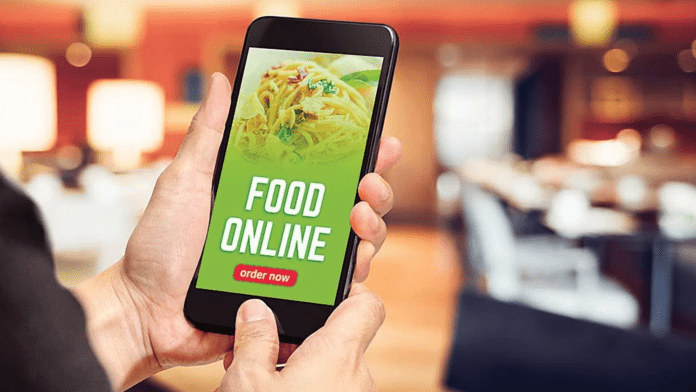
Mobile devices have become a portal to gourmet adventure in today’s digital era, where the world is increasingly at our fingertips. Food firms who understand the importance of mobile-first strategies are grabbing the chance to fulfill customers’ appetites while also cultivating long-term connections.
The Mobile-First Imperative
Why is a mobile-first strategy so critical for food brands? Here are some compelling reasons:
Ubiquity of Smartphones: Mobile devices have become an integral part of our daily lives, and they’re the go-to tool for searching, browsing, and ordering food.
Instant Gratification: People expect quick and convenient access to food options. Mobile apps and websites provide immediate satisfaction, making them the preferred choice for hungry consumers.
Personalization: Mobile platforms enable food brands to tailor their offerings and promotions to individual preferences, fostering a sense of personal connection.
Data Insights: Mobile interactions generate a wealth of data that can be used to refine marketing strategies, understand customer behavior, and make informed decisions.
Creating the Ideal Mobile-First Strategy
Optimize Your Website for Mobile: Ensure that your website is responsive and mobile-friendly. It should load quickly, provide a seamless browsing experience, and make it easy for users to find and order food.
Invest in a Mobile App: Consider developing a dedicated mobile app for your food brand. Apps offer a more customized experience, loyalty programs, and direct communication channels with customers.
User-Friendly Design: Prioritize user-friendly design and intuitive navigation. Customers should be able to place orders, browse menus, and access essential information effortlessly.
High-Quality Visuals: Showcase your food with high-quality images and videos. Visuals play a pivotal role in enticing customers and increasing appetite appeal.
Mobile Payments: Implement secure and convenient mobile payment options. Make it easy for customers to pay for their orders through mobile wallets, credit cards, or digital payment platforms.
Geo-Targeting: Use location-based marketing to target customers in specific areas. Offer promotions, discounts, or delivery options based on their proximity to your physical locations.
Personalized Recommendations: Leverage customer data to provide personalized recommendations. Suggest menu items based on their previous orders and preferences.
Loyalty Programs: Create loyalty programs that reward repeat customers. Offer discounts, free items, or exclusive deals to incentivize continued patronage.
Streamlined Ordering Process: Simplify the ordering process as much as possible. Minimize the number of steps required to complete an order, reducing friction for customers.
Customer Feedback: Encourage and actively gather customer feedback through your mobile platforms. Use this information to make improvements and show that you value their input.
Success Stories in Mobile-First Food Branding
Domino’s: Domino’s Pizza’s mobile app is a prime example of mobile-first success. They’ve integrated features like real-time order tracking and voice ordering, making it incredibly convenient for customers.
Starbucks: Starbucks’ mobile app combines loyalty rewards, mobile payments, and personalized offers to create a seamless and engaging experience for coffee lovers.
Uber Eats: Uber Eats has revolutionized food delivery with its mobile app. Users can easily browse local restaurants, place orders, and track deliveries in real-time.
A mobile-first strategy is the perfect recipe for food brands looking to satiate the digital appetites of today’s consumers. By optimizing websites for mobile, developing user-friendly apps, embracing high-quality visuals, offering mobile payments, utilizing geo-targeting, providing personalized recommendations, implementing loyalty programs, streamlining the ordering process, and actively seeking customer feedback, food brands can create an ideal mobile-first approach that leaves customers craving for more. In the world of mobile dining, success is served to those who prioritize convenience, personalization, and a satisfying user experience.
A brand’s image is more than simply a logo or a slogan in the business world; it is the expression of its identity, values, and promises crafting the ideal brand image is analogous to crafting a masterpiece, and it needs meticulous preparation, creativity, and perfection.
1. Know Thyself: Uncover Your Brand Identity
Before you can create the perfect brand image, you must first understand your brand’s identity at its core. This means defining your brand’s mission, values, personality, and unique selling propositions. Ask yourself:
What does your brand stand for?
What values does it embody?
How do you want your brand to be perceived by your audience?
What sets your brand apart from the competition?
2. Audience Analysis: Understand Your Target Audience
Your brand image must resonate with your target audience. Conduct thorough research to understand their needs, preferences, behaviors, and pain points. Define your ideal customer personas to guide your image creation. Consider:
Who are your primary and secondary target audiences?
What are their demographics and psychographics?
What problems or desires does your product or service fulfill for them?
How do they perceive brands in your industry?
3. Craft Your Brand Story: The Narrative Behind the Image
A compelling brand image is often built around a captivating brand story. This narrative should align with your brand identity and connect emotionally with your audience. Your brand story should answer:
Why was your brand founded, and what inspired its creation?
What challenges or obstacles have you overcome on your journey?
How does your brand make a positive impact on your customers’ lives or the world?
4. Design Elements: Visual and Verbal
The visual and verbal aspects of your brand are critical components of its image. Consider these design elements:
Logo: Design a memorable and versatile logo that reflects your brand’s personality and values.
Color Palette: Choose a color palette that conveys the desired emotions and associations for your brand.
Typography: Select fonts that align with your brand’s personality and ensure readability.
Imagery: Use imagery that resonates with your target audience and reinforces your brand’s message.
Tagline: Craft a concise and memorable tagline that encapsulates your brand’s essence.
5. Consistency Is Key: The Branding Rulebook
Consistency is the bedrock of a strong brand image. Create brand guidelines that detail how your brand should be presented across all touchpoints, from your website and social media to packaging and advertising. These guidelines should cover:
Logo usage and placement
Color codes and usage
Typography and fonts
Visual style (photography, illustrations, etc.)
Voice and tone in written content
Messaging and communication guidelines
6. Deliver on Promises: Brand Experience
Your brand image is not just about aesthetics; it’s about delivering on the promises you make to your customers. Consistently providing quality products or services and exceptional customer experiences is integral to your brand’s image. Ensure that every interaction with your brand reflects its values and personality.
7. Feedback and Adaptation: Evolving the Image
A perfect brand image isn’t static; it evolves over time to stay relevant. Collect and analyze customer feedback, monitor market trends, and be prepared to adapt your image as necessary to meet changing consumer expectations and industry developments.
Success Stories in Brand Excellence
Apple: Apple’s brand image is synonymous with innovation, simplicity, and premium quality. Their sleek and minimalist design elements, coupled with a focus on user experience, have solidified their iconic image.
Nike: Nike’s brand image revolves around athleticism, empowerment, and performance. Their “Just Do It” tagline encapsulates their brand’s essence and has become an iconic part of their image.
Coca-Cola: Coca-Cola’s brand image is built on a sense of nostalgia, happiness, and togetherness. Their classic red and white logo, along with memorable advertising campaigns, have contributed to their enduring brand image.
Creating the perfect brand image is a multifaceted endeavor that blends art and strategy. It requires a deep understanding of your brand’s identity, a connection with your target audience, a compelling brand story, well-designed visual and verbal elements, consistency in execution, and a commitment to delivering on promises. By following this blueprint and continuously evolving your brand image in response to feedback and changing market dynamics, you can craft an image that not only resonates with your audience but also stands the test of time. In the realm of branding, excellence is achieved through a blend of creativity, strategy, and a deep understanding of your brand’s unique identity and purpose.
We use cookies to ensure that we give you the best experience on our website. If you continue to use this site we will assume that you are happy with it.