The B2B marketplace MyMandi has successfully raised INR 10 crore in funding via compulsory convertible debentures (CCD), with Real Time Angel Fund taking the lead as the SEBI-registered angel fund investor.
According to a press release from MyMandi, the funds will be utilized for expanding its product offerings, upgrading its technological infrastructure, and extending its market reach.
Established in 2022 by Mahanaryaman Scindia and Suryansh Rana, MyMandi is a B2B supply chain network catering to retailers in tier II and beyond cities. It serves as a comprehensive one-stop-shop and offers integrated business solutions. The startup’s mission is to bridge the gap between local suppliers and retailers by offering warehousing, logistics, and financial services. Through its efforts to empower local mandis, MyMandi seeks to revolutionize the hyperlocal supply chain.
MyMandi Co-Founders Mahanaaryaman Scindia and Suryansh Rana
The Gwalior-based company has forged partnerships with over 3,000 cart-pullers and small retailers, with ambitions to onboard an additional 5,000 retailers by the close of this fiscal year.
Real Time Angel Fund operates as a sector-agnostic fund, with a particular emphasis on industries like health tech, fintech, green energy, artificial intelligence, and consumer technology. The fund offers startups not only capital but also mentorship and operational assistance, all geared towards expediting their growth journey.
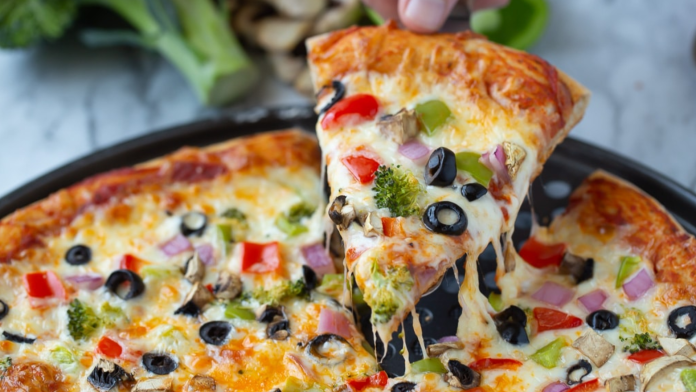
Although pizza has enjoyed enduring popularity among many, its dominance in the realm of food preferences has faced challenges due to the rise of competing options and evolving consumer preferences.
As per insights shared by Karan Taurani, Senior Vice President-Research Analyst at Elara Capital, the pizza industry is currently contending with formidable competition, and its potential for growth may not be immediately discernible. When analyzing market share data spanning the past 3-4 years, it becomes evident that the pizza sector has relinquished its market share within the larger quick-service restaurant (QSR) chain industry. Consequently, platforms like Zomato seem poised for a favorable trajectory in the foreseeable future, especially as they capitalize on the burger and fried chicken segments.
“If you look at the market share numbers over the last 3-4 years, pizza has lost market share as a category within the overall QSR chain. So, it’s a win-win for burger, fried chicken for aggregators like Zomato, over the near to medium-term,” said Taurani.
A significant strategic adjustment highlighted by Taurani involves Jubilant Foodworks’ shift towards emphasizing dine-in experiences. Historically renowned for its pizza delivery services, Jubilant Food, the operator of Domino’s Pizza in India, has acknowledged the necessity of adapting to changing market dynamics. Taurani’s insights indicate that the delivery sector might not be encountering the same levels of growth as before, given the fierce competition. Consequently, Jubilant Food’s strategic pivot towards dine-in services mirrors a response to evolving consumer preferences and the exploration of fresh avenues for expansion.
The evolution occurring within Jubilant Food is in sync with overarching trends in the industry, where pizza chains are expanding their menus and innovatively connecting with their customer base. The capacity to adjust and offer a range of dining experiences is gaining heightened significance for pizza chains in order to stay pertinent within this fiercely competitive environment.
“Our strategy of customer first and technology forward has started to yield positive results. ADS for mature stores grew by 2.7 percent sequentially, a decline in ticket size was arrested, app installs and loyalty enrolments reached a new peak, and we executed efficiently to expand EBITDA margin by 97 bps versus the previous quarter. I remain confident in our strategies and the organization’s ability to overcome the slower growth phase and emerge stronger out of it,” said Sameer Khetarpal, CEO and MD of Jubilant FoodWorks, post the results for quarter one of FY24.
The company launched 30 new outlets in India, expanding its network to a total of 1,891 stores encompassing all of its brands. Specifically, Domino’s India welcomed 23 new stores and ventured into a new city, increasing its network presence to 1,838 stores spanning 394 cities.
The company opened four new Popeyes restaurants and ventured into two new cities, Manipal and Coimbatore, expanding the network to encompass 17 restaurants spread across four cities.
The decrease in pizza’s market share, combined with the heightened competition within the category, highlights the imperative for pizza chains to consistently innovate and adjust to evolving consumer tastes. Jubilant Food’s move towards prioritizing dine-in experiences exemplifies how businesses in the industry are reassessing their strategies to succeed in this changing market landscape.
Boermarke, a Netherlands-based dairy and plant-based business, has announced its intention to go fully vegan.
The company is transferring its dairy operations to its local counterpart, Zuivelhoeve, and aims to offer an exclusively vegan product lineup under its own brand, Vairy, or through private-label agreements throughout Europe by 2026.
Enschede-based Boermarke, which has been a stalwart in the Dutch dairy market for over three decades, has decided to undergo a transformation towards solely offering plant-based options. This bold decision stems from a remarkable reported 800% surge in its vegan dairy production over the past three years.
It also said customers “want the strict separation of dairy and vegetable production to avoid mixing”.
In 2015, the company introduced its plant-based brand, Vairy, starting with coconut yogurt. Since then, they have extended their product range to include vegan cheese and ice cream.
Boermarke reported that their product range can be found in 80% of Dutch supermarkets and is also accessible through leading grocery chains in Germany.
On transferring the dairy business to a peer, the company said its entire staff of 180 will be retained and will “remain involved in the growth of its own Vairy brand and the production of house brands for other companies”.
It added that it “looks forward to the future as a leading producer and developer of plant-based dairy substitutes and remains committed to providing tasty, affordable and sustainable alternatives to dairy products”.
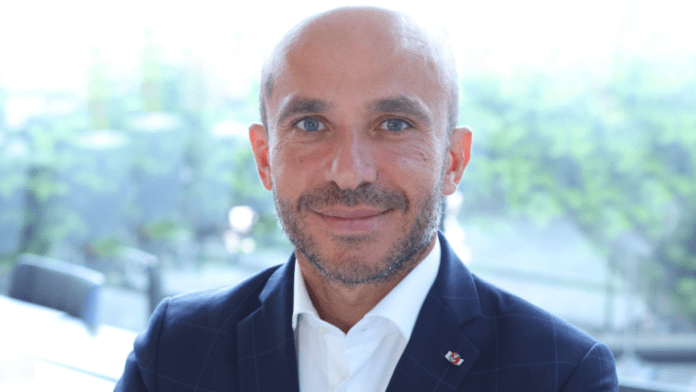
Morrisons, the British supermarket group, has appointed Rami Baitieh as its new Chief Executive, taking over from David Potts, a seasoned industry leader who served in the role for nine years. Rami Baitieh, previously at the helm of Carrefour France, assumes the position of Chief Executive.
On Wednesday, Morrisons announced that Baitieh will assume the role in November and will collaborate with Potts during a transitional period.
Potts spearheaded a remarkable transformation at the Bradford-based group in northern England. Under his leadership, the company navigated successfully through the challenges posed by the pandemic and bolstered its convenience store segment by acquiring McColl’s. Nevertheless, in recent times, Morrisons’ performance has fallen behind that of its prominent competitors.
Morrisons noted that Baitieh, who revealed his departure from Carrefour in August, boasts a track record of enhancing competitiveness, expanding market presence, and driving growth throughout his extensive tenure spanning over a quarter of a century with the French company.
In 2021, U.S. private equity firm Clayton, Dubilier & Rice acquired Morrisons for a sum of £7 billion (equivalent to $8.5 billion). This acquisition resulted in a substantial debt load for the company, which presently stands at approximately £5.4 billion.
With a market share of slightly less than 9% in the UK grocery sector, the company distinguishes itself from its primary competitors by maintaining its own production facilities. This means that it independently produces fifty percent of the fresh food it offers to customers.
“Rami will bring energy, innovation, and dedication to expanding Morrisons loyalty programmes and digital reach, while ensuring that the company’s long legacy of quality, and mission to deliver value for shoppers, is preserved,” Terry Leahy, senior advisor at CD&R, said.
Monthly industry statistics indicate that Morrisons is lagging behind its competitors, including the leading supermarket Tesco and the second-ranked Sainsbury’s. Furthermore, research conducted by Kantar revealed that last year, Morrisons lost its position as the fourth-largest supermarket in Britain by market share to the German-owned discount retailer Aldi.
Morrisons provided an update on its third-quarter trading up to July 30, noting a positive improvement in the trend.
The company reported a 2.9% increase in underlying sales, marking an improvement from the 1% growth observed in the previous quarter. Morrisons maintained its guidance for full-year core earnings, or EBITDA, to surpass the £828 million achieved in the 2021/22 fiscal year. Additionally, the company anticipates a year-on-year reduction in its debt levels.
Morrisons indicated that it was enhancing its competitive standing, as its price increases remained below the broader market rate, and it had bolstered its loyalty program. Additionally, the company reported achieving cost savings totaling £200 million in the current year.
“Although inflation has been uncomfortably high, there have also been some very welcome recent signs of a decrease in inflationary pressures,” said finance chief Jo Goff.
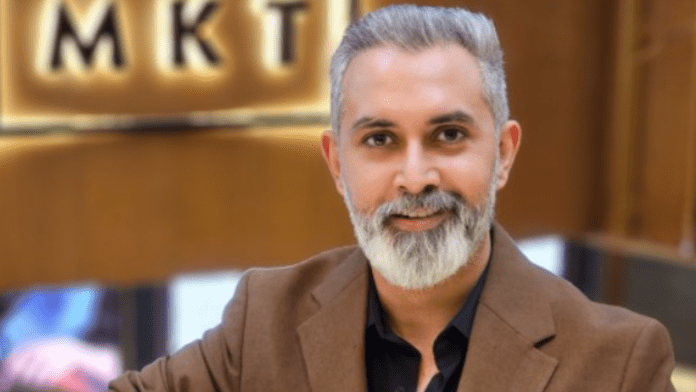
DLF Hospitality has announced the appointment of Mr. Rachit Dang as the Assistant Vice President of their Restaurant Division, marking a strategic addition to their team.
With a distinguished career spanning 17 years across diverse sectors including business hotels, luxury resorts, restaurants, bars, and private member clubs, Mr. Dang brings a wealth of expertise and experience to the team, making him an invaluable asset.
As the Assistant Vice President, Rachit Dang will assume a pivotal role in shaping the strategy and directing the daily activities of multiple DLF restaurants. He will lead and mentor a dedicated team comprising over 200 professionals, offering guidance across a diverse array of dining establishments within the portfolio.
These encompass a wide spectrum of culinary experiences, ranging from upscale fine dining establishments and bars to inviting cafes and strategically situated quick-service restaurants (QSRs) situated across various DLF properties.
“I am deeply honored to join the DLF Hospitality family, DLF’s reputation for excellence in the hospitality industry is unparalleled, and I am excited to be part of this prestigious team and I look forward to contributing to the legacy that DLF is known for.” said, Mr. Rachit Dang.
Prior to his role at DLF Hospitality, Rachit Dang held the position of Head of Operations at The Quorum Clubs, a renowned establishment with a notable presence in Gurgaon, Mumbai, and Hyderabad.
The Quorum Clubs have earned acclaim for their unwavering commitment to providing exceptional service and crafting memorable moments.
Their primary clientele consists of high-net-worth individuals (HNIs), and they are celebrated for orchestrating prestigious events spanning various domains, encompassing art, music, technology, and more.
Within DLF Hospitality, Mr. Dang assumes a central role in shaping the hospitality sector.
His responsibilities encompass elevating hospitality procedures and leveraging technology to improve efficiency, attain cost-effectiveness, boost profitability, and foster growth in dynamic settings. At the core of his contributions lie adept financial management, the cultivation of leadership skills, the orchestration of event strategies, and the optimization of workflows.
Moreover, his profound comprehension of the subtleties of sensory encounters in the field of hospitality design serves to strengthen the organization’s unwavering commitment to achieving excellence.
“We are thrilled to welcome Rachit Dang to the DLF Hospitality team as our Assistant Vice President of the Restaurant Division, His extensive experience and strategic vision will undoubtedly contribute to the continued success and growth of our restaurant portfolio.” said, Rajesh Jhingon, Chief Executive Officer, DLF Hotels & Hospitality.
Rachit Dang’s remarkable proficiency extends beyond the boundaries of any single industry, encompassing a broad range of sectors.
His extensive background encompasses business development in various domains, including hospitality, culinary arts, luxury events, hotels, co-working spaces, and amenity management.
His selection emphasizes DLF Hospitality’s dedication to assembling a leadership team that consistently fosters innovation, operational efficiency, and unyielding excellence in restaurant management.
Winni, India’s second-largest online gifting platform renowned for its extensive selection of thoughtfully curated gift items, spanning cakes, flowers, and personalized presents suitable for various occasions and relationships, has introduced a premium line of chocolates. This new addition comes in response to the substantial surge in demand the company has observed over the past five years, particularly in tier-2 and tier-3 cities.
In the past five years, Winni has achieved chocolate sales totaling INR 75 crore, with tier-2 and tier-3 cities contributing significantly at 55% (40% from tier-2 and 15% from tier-3), surpassing the sales from tier-1 cities at 40%. Despite the Indian chocolate market growing at an 8-9% YoY rate, Winni has demonstrated exceptional growth, experiencing a 100% increase in chocolate sales over the last three years, both through its online platform and retail stores.
Winni is set to introduce a premium selection of healthier chocolate alternatives, distinguished by their use of natural and organic preservatives, and an enhanced flavor profile achieved through the infusion of spices, fruits, dry fruits, and Western-style confectionery. These premium Winni Chocolates will be exclusively accessible via Winni.in, as well as through more than 300 brand retail locations across 23 states and 5 Union Territories.
Winni’s Co-Founder & CEO Sujeet Kumar Mishra said, “With the rise in income level of the young aspirational class & the exposure to tier 1 cities lifestyle through social media, we have experienced a significant change in the buying behavior of our customers from tier 2 & tier 3 cities in the last few years. It’s pretty evident that cakes & and chocolates are replacing the traditional ‘Mithai’ (sweets) even in small cities during festivals and the rate of growth in demand is higher than in metros. That’s the reason we have decided to launch a premium range of chocolates that are still not available in tier-2 & and tier-3 cities despite the demand & and purchasing capacity.”
He added, “Currently we sell chocolates worth 2.5 Cr every month via our online platform, our network of 300+ retail outlets across the country and other e-retailers, which is 10-12% of our total sale. We are expecting to see reasonable growth in these numbers with the introduction of the new premium range of chocolates which are developed keeping various factors in mind such as the nutrition value, health first approach & the authentic taste. We are coming up with an extended product range where our consumers will have healthy snacking choices such as Protein bars, Yoga bars, seeds and dry fruits coated range of chocolates & and multiple variants of Sugar-Free chocolates.”
By introducing a premium range featuring healthier alternatives, Winni Cakes is strategically targeting a broader market share while addressing the changing preferences of its clientele. Their commitment to utilizing natural ingredients and crafting distinctive flavors has the potential to distinguish them from competitors, positioning Winni as the preferred choice for premium chocolates.
FMCG companies’ widespread introduction of small-pack launches to stimulate demand is causing distributors significant distress as they grapple with limited shelf space for inventory management. Consequently, distributors are making appeals to the government to impose a limit of four pack sizes.
Packaged product companies have countered, arguing that such a restriction is impractical due to the distinct preferences and needs of both consumers and distribution channels.
New smaller packs are “placing extra burden on retailers as they have to keep on adding new packs, leading to inventory management challenges, and impacting distribution efficiency,” said Dhairyashil Patil, national president of All India Consumer Products Distributors Federation (AICPDF).
The federation, representing over 400,000 distributors and stockists, has sent a letter to the government proposing the adoption of only four pack sizes: entry, small, medium, and large.
Nestle, Hindustan Unilever, Britannia, Parle Products, Dabur, ITC, Coca-Cola, and numerous other companies have introduced numerous budget-friendly packaging options across various product categories, including noodles, toothpaste, soaps, soft drinks, and biscuits. This strategic move is aimed at mitigating the impact of consumption slowdown caused by inflation.
Additionally, they are employing smaller packaging sizes to combat heightened competition from local/regional brands.
Products at the entry level are now available in various price options, including INR 5, INR 7, INR 10, INR 14, INR 15, and INR 20, departing from the previous fixed pack prices such as INR 5, 10, and 20.
Nestle’s basic Maggi noodles variant can now be found in packaging options of INR 7, 10, and 14, alongside various larger pack sizes.
“New pack sizes are introduced by companies on the basis of consumer convenience, pricing and need for smaller packs. We are in compliance with all regulations on pack sizes,” a Nestle India spokesperson said.
Distributors have expressed that these new packaging options impose an additional strain on the current infrastructure and resources within the distribution network, adversely impacting its efficiency.
They particularly highlighted the rapid introduction of new, lower-priced packaging options in rural markets.
They have submitted a letter to the Department of Food & Public Distribution, proposing the implementation of a standardized set of four packaging options.
Executives within FMCG companies have stated that imposing a limitation of four packaging sizes is not a practical proposition.
“Launching different packs for different markets is in response to consumer demand. We have to give consumers what they want, whether it’s kiranas where consumers top-up, modern trade where they look for large packs, or quick commerce which caters to mid-level sizes,” said Mayank Shah, senior category head at biscuits maker Parle Products.
Other executives argued that promoting larger packaging options in smaller grocery stores is counterproductive, and the diverse demand patterns in both rural and urban areas necessitate a range of packaging sizes.
Dabur has introduced packaging tailored for specific distribution channels across various products, including Vatika shampoo, Real juices, and Red toothpaste.
Coca-Cola and PepsiCo have been promoting 200-ml bottles and cans of their beverages across various distribution channels.
According to a report by NielsenIQ in August, volume growth in urban, rural, and modern trade sectors has surged by double digits, primarily driven by the popularity of smaller packaging sizes.
“At this stage, it is important to focus on the right assortment and pack sizes of products,” said Roosevelt D’Souza, lead, customer success at NielsenIQ.
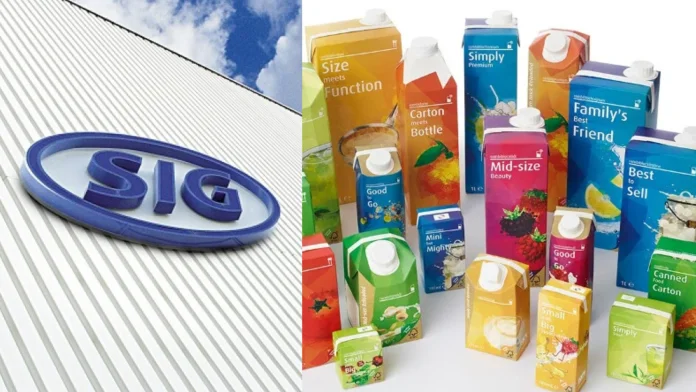
The SIG Group, headquartered in Switzerland and recognized for providing integrated packaging solutions to renowned companies like Pepsi, Coca-Cola, and Amul, among others, is investing around €100 million (equivalent to INR 900 crore) in setting up its first aseptic (free from contamination) carton plant in Ahmedabad, Gujarat.
The facility will boast an annual production capacity of 4 billion carton packs, primarily designated for packaging non-carbonated products such as dairy, beverages, and food items (including soups and ingredients), serving the markets of India and Bangladesh.
“We, at present, supply our cartons and bag-in-box packaging products to companies such as Amul, Pepsi, Coca-Cola, Parle Agro, ITC, and Milk Mist, among others, in India,” shared Samuel Sigrist, CEO of SIG Group, during an interview.
“We expect our Indian business to grow at a compounded annual growth rate of 15-20% over the next few years, and if that happens, in the second and third phases, we will ramp up the manufacturing capacity to 10 billion carton packs,” Sigrist said.
He stated that the €3.1 billion company aims to commence production at the Ahmedabad plant within the coming 12 months.
In the initial phase of planned investments, €60 million will be allocated to the capex component, while an additional €40 million will be dedicated to securing a land lease for the Ahmedabad plant.
Initially, the company intends to focus on the Indian and Bangladesh markets, a strategy driven by Sigrist’s belief in their potential for growth. He anticipates that the expanding disposable income of the middle class and the increasing demand for hygienically safe packaged foods that have extended shelf lives without the need for refrigeration will be key drivers of this growth.
The company is confident that it won’t sacrifice profit margins due to smaller packaging and the competitive market environment in the country. Their strategy hinges on compensating for this potential margin impact by achieving greater sales volumes.
“India, unlike other developed economies, has a large middle class that is beginning to spend on quality and premium-packaged products. Also, the smaller packs like INR 5 pack will help our clients even penetrate rural areas,” Sigrist said. Hence it is going to be a game of volumes, he said.
SIG Group offers a comprehensive range of services, including cutting-edge system filling machines, packaging solutions like carton packs and large-gallon bag-in-boxes, as well as machine maintenance.
“That is our differentiation that stands us apart from competition. Our filling lines can fill large as well as small packs on the same platform and can achieve 100 million fillings on a single machine,” he said.
In the initial stage, the company plans to import the raw materials, including paper, natural forest-based polymers, and aluminum. However, in the subsequent phase, they intend to transition to domestic sourcing, as he explained.
In a world dominated by sugary concoctions and chemical-laden refreshments, TeaFit is setting a new standard for healthy beverages in India. This company is not just making waves; it’s creating ripples of health and wellness that are transforming the way we think about our everyday sips. From its inception to its remarkable appearance on Shark Tank India Season 2, the TeaFit journey is nothing short of awe-inspiring, proving the power of a single idea fueled by an indomitable spirit.
The Need for Change in India’s Beverage Scene
With India holding the dubious title of the “diabetes capital of the world,” the emergence of TeaFit is precisely what the nation needed. Jyoti Bharadwaj, the driving force behind TeaFit, recognized the urgent need for a healthier alternative, not only for diabetics but also for the growing community of health-conscious individuals awakened by the COVID-19 pandemic.
What Jyoti observed was that many popular beverages, including tea, were loaded with unhealthy levels of sugar, making them highly addictive. This revelation didn’t sit well with her.
Birth of TeaFit: A Sweet Revolution
In an interview with Snackfax, Jyoti revealed her passion for tea and her realization that the Indian market hadn’t seen any real innovation in tea products for nearly two decades. Most tea offerings were limited to powdered premixes or iced teas, which had become mundane to Indian consumers. This prompted her to introduce something entirely new to the market, giving birth to TeaFit.
TeaFit is more than just a brand; it’s a labor of love and a visionary concept that took root in 2021. Jyoti’s deep desire to combat India’s diabetes epidemic led to the creation of an unsweetened elixir infused with the goodness of 15 unique Ayurvedic herbs. The TeaFit portfolio includes black tea, green tea, barley tea, and innovative premixes, all meticulously crafted with a dedication to authenticity and quality.
What sets TeaFit apart is its commitment to being unsweetened, relying on real ingredients and a proprietary blend of herbs to provide a delicate, natural sweetness without adding a single calorie. Jyoti succinctly put it, “We are here to clean up the Indian beverage aisle, which is currently sickly sweet or extremely unhealthy with chemicals and sugars. So we’re hoping to disrupt the space with our clean line of beverages.”
Navigating the Market Landscape
When it comes to market visibility and channel selection, Jyoti’s mantra is clear: understand your product, its pricing, and your target audience. TeaFit believes that this understanding is pivotal in shaping their market approach. Interestingly, TeaFit refused to be confined solely to the online sphere, recognizing the importance of a balanced approach.
Drawing from her experience, she noted, “Historically, I’ve seen those businesses either transition to offline channels or, if they clung too tightly to the idea of remaining exclusively direct-to-consumer (D2C), they faced challenges and often faltered.” Surprisingly, TeaFit began as an offline brand before venturing into the digital landscape, showcasing its adaptability.
Challenges and Milestones
Discussing price segmentation, Jyoti mentioned, “At the INR 120 price point, I’m truly targeting only a fraction of the market, just 0.1%.” She acknowledged that, until TeaFit expands its product range to include more affordable options, their reach remains limited.
In a remarkable milestone, TeaFit recently secured $60.8K in its latest funding round, an Angel round held on January 10, 2023. This success underscores investor confidence in TeaFit’s mission to provide healthier beverage choices to a discerning consumer base.
TeaFit’s journey exemplifies that a blend of strategic insight, adaptability, and a commitment to consumer needs can indeed be a winning formula in the business world. As TeaFit continues to evolve, it paves the way for a healthier, more conscious approach to beverages in India and beyond. The sweet revolution is here to stay, and TeaFit is at the forefront, leading the charge toward a healthier future.
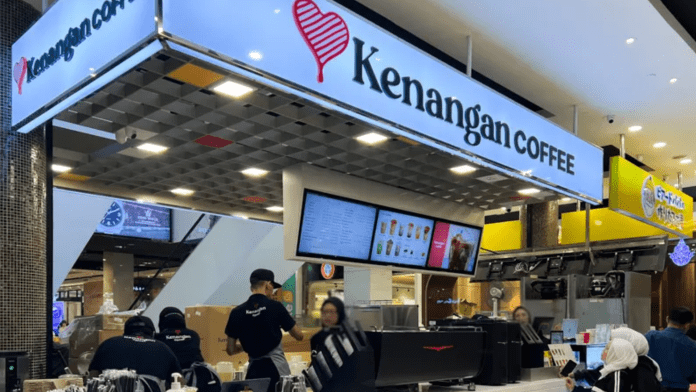
Kenangan Coffee, known as Kopi Kenangan in Indonesia, has opened its first coffee shop in Singapore.
Situated within Raffles City Shopping Centre, the debut was marked by the presence of Kenangan Coffee’s Co-Founders, Edward Tirtanata (Group CEO), and James Prananto (Co-CEO).
In addition to a variety of espresso-based beverages and non-caffeinated options, Kenangan Coffee will present a carefully crafted menu, led by its signature drink, the Kenangan Latte (priced from S$4.90). This exquisite blend combines espresso with Black Aren, a natural sweetener that brings out fruity, caramel-like, and subtly smoky flavor notes.
Patrons can enhance their coffee experience by selecting Bumi Flores Beans, sourced from farms in Bumi Flores, East Nusa Tenggara, Indonesia. These beans are known for their distinct notes of brown sugar, warming spice, and dried orange.
Kenangan Coffee provides its unique mobile application to enhance its customer service, delivering a seamless omni-channel experience. Customers can gain access to exclusive membership perks, including complimentary vouchers and priority access to new products, either by making in-app purchases or by conveniently scanning the QR code at the cashier.
The coffee brand has also introduced the Kenangan Academy, which provides comprehensive training to its baristas in preparation for the opening of its inaugural cafe in Singapore.
“Kenangan Coffee is grown, roasted, and served from Indonesia, to the world. We are ardently committed to spreading Indonesia’s rich coffee culture to every corner of the globe. The profound love that Singaporeans have for coffee, from kopitiams to contemporary cafés, inspired Kenangan Coffee’s leap into this vibrant market. The city’s diversity and its global F&B prominence make our expansion here a pivotal milestone, and we are thrilled to introduce our authentic Indonesian coffee flavors to Singapore,” Edward Tirtanata, Group CEO and Co-Founder of Kenangan Coffe said.
Eduardo Saverin, Co-Founder & Co-CEO of B Capital, one of Kenangan Coffee’s initial investors, noted the remarkable evolution of the business, which has grown from fewer than 200 cafes to over 800.
“The brand’s ambition goes beyond serving coffee—it aims to reposition Indonesian coffee on the world stage as a symbol of quality and heritage. Kopi has a top team. Edward is among the strongest founders in Indonesia. He has filled organizational roles as the company has grown attracting diverse talent from WeChat, Amazon, McKinsey, Burger King and Starbucks,” Saverin said.
Kenangan Coffee has plans to expand its footprint to other Southeast Asian countries before embarking on a global expansion.
We use cookies to ensure that we give you the best experience on our website. If you continue to use this site we will assume that you are happy with it.