Restaurant franchisor and operator MTY Food Group has disclosed a net income of $38.9 million for the third quarter of 2023.
This represents a nearly 74% growth compared to its earnings of $22.4 million from the same period last year.
The restaurant company credited the year-over-year expansion to increased normalized adjusted EBITDA and reduced income tax expenses.
In the quarter ending on August 31, 2023, the company experienced a remarkable 74% surge in revenue, reaching $298 million, up from $171.5 million in the previous year.
The addition of BBQ Holdings, Wetzel’s Pretzels, and Sauce Pizza & Wine acquisitions led to a significant boost of $104.6 million in corporate-owned site revenues within both the US and International sectors.
MTY’s normalized adjusted earnings before interest, taxes, depreciation, and amortization (EBITDA) increased by 54%, reaching $72.8 million, compared to $48.9 million one year ago.
In the third quarter, the company witnessed a remarkable 33% year-over-year surge in system sales, reaching $1.5 billion.
System sales in the United States increased by 55%, while in Canada, they grew by 4%, and the international market saw a 14% rise.
MTY experienced a 6% growth in same-store sales in Canada, a 4% increase in the US, and a 2% uptick in international locations.
During the third quarter of 2023, MTY inaugurated 87 locations, an increase from the 63 locations opened in the same period the previous year.
The company additionally declared a quarterly dividend of $0.25 per share.
MTY Food Group CEO Eric Lefebvre said, “MTY continued to reap the benefits of its dual growth strategy in the third quarter of 2023 with normalized adjusted EBITDA increasing 44% year-over-year to $72.9m.
“Clearly, we are elated with our latest acquisitions, which helped raise system sales 33% to $1.5bn in the quarter, but we are also pleased by our same-store sales improvement of 3% over the prior year.
“As a result, we continue to deliver profitable growth with exceptional predictability despite a mixed economic environment marked by higher interest rates, inflationary pressure and heightened price sensitivity on the part of consumers.”
US-based fast-food franchise, BurgerFi, is preparing to inaugurate a fresh restaurant in New York by late December this year.
Additionally, the restaurant chain has intentions to introduce a novel dining concept known as the Better Burger Lab.
BurgerFi stated that the lab will provide unique and limited-edition menu offerings that will be unavailable at any other dining establishment.
Situated in the Upper East Side at 1571 Second Avenue, the upcoming restaurant will proudly serve unfrozen American Angus Beef burgers, draft beers, freshly prepared side dishes, and delectable frozen custard desserts.
Furthermore, the restaurant will be a venue for hosting special events and offering a selection of alcoholic beverages.
BurgerFi International CEO Carl Bachmann said, “As a born and raised New Yorker, reopening our Manhattan location is a personal passion point for me.
“In the city that never sleeps, we will have a late-night menu to make sure we are meeting the needs of our guests. Innovating around food quality and taste is a key win for BurgerFi and we’re no stranger to it.
“We value our guests and want to give them the power to help decide what’s on our menu. The Burger Lab will create a unique experience that remains true to delivering BurgerFi’s great service and great products.”
Bachmann intends to broaden BurgerFi’s presence by venturing into new markets and unconventional locations.
BurgerFi announced its intention to extend an invitation to members of the BurgerFi Rewards Program, referred to as V-Fi-Ps, for an exclusive food-tasting event.
Lionheart Capital Founder and CEO and BurgerFi International executive chairman Ophir Sternberg said, “This is an exciting new chapter for the brand.
“This is the 90-day mark for the leadership brought by CEO Carl Bachmann, who has made tremendous progress.”
As of April 3, 2023, the restaurant chain boasted a total of 172 locations encompassing both of these brands.
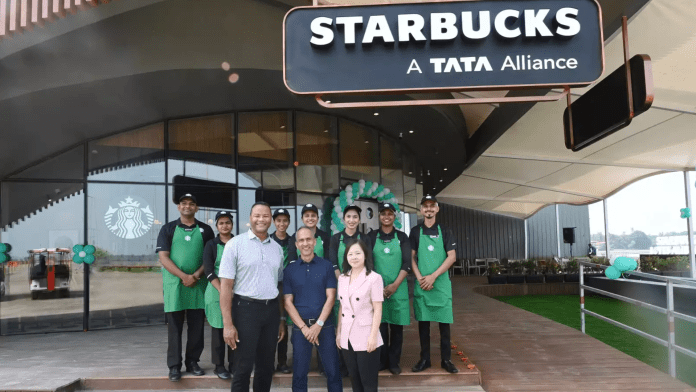
Tata Starbucks has opened its first island store at Alibaug, as announced in a media release on Thursday.
The newly tailored store aims to introduce its Arabica coffees to the local clientele and cater to the demand of international travelers visiting the city.
The rapid development of both infrastructure and the local economy in the coastal town has created a growing demand for premium beverage and dining experiences. This growth has paved the way for the company’s first store in the area.
Positioned strategically at the M2M Ferry Terminal in Alibaug, the new store will serve Starbucks coffees sourced and brewed from various corners of the world. Additionally, the menu will showcase Starbucks’ locally-inspired selections, such as South Indian Filter Coffee, Masala Chai, Elaichi Chai, a delightful array of Signature Milkshakes, and an enticing range of food choices, including Tandoori Chicken Panini Sandwich, Spiced Cottage Cheese Focaccia Sandwich, Herbed Chicken Focaccia Sandwich, and more.
Spanning an expansive 2,500 square feet, this first Starbucks Island store is focused on providing a distinct “Third Place” experience for Indian customers.
Sharing his views, Sushant Dash, CEO, of Tata Starbucks said, “From introducing local innovations to expanding into diverse store formats, like drive-thrus and 24×7 locations, we’ve consistently strived to make the Starbucks experience more accessible to coffee enthusiasts in India. Our market success is founded on delivering the signature Starbucks Experience, while continuously innovating and tailoring our offerings to meet the ever-evolving customer’s preferences.”
Michael Conway, Group President for Starbucks International and Channel Development said, “As one of the fastest growing markets for Starbucks, we are committed to innovation that exceeds the expectations of our customers and to nurture deeper connections across India’s vibrant coffee communities.”
In the last year, Starbucks has extended its reach to 15 cities, establishing a total of 71 new stores. Presently, the brand manages 370 stores in the Indian market. With an impressive weekly foot traffic of 40,000 visitors to its stores, Starbucks reaffirms its dedication to engaging new customers through a blend of craftsmanship and convenience, steadily advancing into various cities and neighborhoods across India.
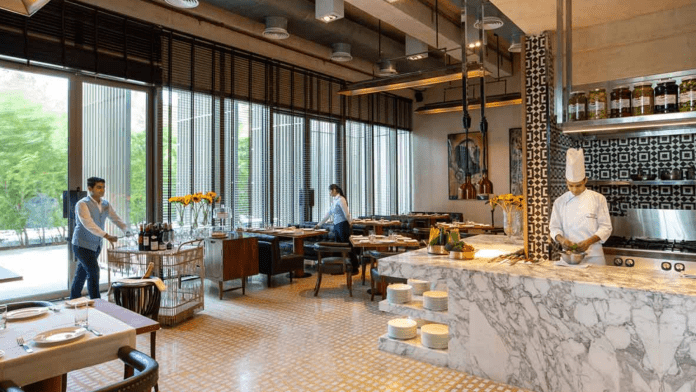
The Grand Hyatt Gurgaon proudly introduces Cena Pranzo, its newest Italian dining destination. This restaurant promises to transport you on a delectable voyage straight to the heart of Italy. With the enticing scent of freshly baked pizza wafting through the air and the sizzling allure of eggplant parmigiana, Cena Pranzo seamlessly marries the essence of traditional Italian gastronomy with a chic and inviting dining atmosphere.
Named “Dinner Lunch” in Italian, Cena Pranzo beckons guests to savor the unadorned and genuine tastes of Italy. The culinary helm is guided by Chef Mauro Ferrari, a third-generation Italian chef boasting over 40 years of culinary expertise. The restaurant’s steadfast commitment to procuring the finest Italian ingredients ensures that each dish tells a story of Italian tradition. Don’t miss the opportunity to savor their signature Burrata, Homemade Tagliatelle, and the timeless classic, Tiramisu.
“Cena Pranzo is an embodiment of my love for Italy’s culinary traditions. It’s a privilege to share the simple yet profound flavors of my homeland with our guests. Each dish is a heartfelt tribute to the soul of Italy,” shared chef Ferrari.
Tarun Seth, General Manager of Grand Hyatt Gurgaon, shared his excitement about Cena Pranzo, stating, “Cena Pranzo to me is ‘Simply Italian’. It is fuss free and unpretentious, offering a refreshing approach to Italian cuisine. Striving for perfection in simplicity is a formidable challenge, as it requires a delicate balance. We look forward to welcoming guests seeking a remarkable dining experience, where elegance meets comfort.”
Be it their iconic specialties or the diverse range of menu choices, this charming eatery assures a delightful Italian experience that will undoubtedly leave patrons yearning for another visit.
Bath & Body Works, the renowned American brand specializing in personal care and fragrances, celebrated the grand opening of its first store in Rajasthan. The esteemed retail organization, Apparel Group India, proudly announced this milestone on social media. Located within the vibrant premises of Celebration Mall in Udaipur, this new establishment marks the 37th physical store for Bath & Body Works in India.
“We are happy to announce the opening of Bath & Body Works newest store at Celebration Mall, Udaipur. This is our 1st store in Rajasthan and the 37th store in India,” said Apparel Group India in a LinkedIn post while sharing the pictures of the store.
In 2018, Bath & Body Works made its entry into the Indian market through a strategic partnership with Apparel Group India. Additionally, the company distributes its products in India through prominent beauty and fashion e-commerce platforms, including Nykaa, Myntra, and Amazon.
Based in Ohio, Bath & Body Works was founded in 1990 as a retail chain specializing in the sale of soaps, lotions, fragrances, and candles. The brand maintains a presence through a network of over 1,800 company-operated stores in the United States and Canada, in addition to more than 425 international franchised locations, as indicated on the company’s official website.
Headquartered in Dubai, UAE, Apparel Group is a prominent global conglomerate in the fashion and lifestyle retail sector. In addition to its association with Bath & Body Works, Apparel Group represents a diverse portfolio of over 80 brands, which includes renowned international brands in India such as Aldo, Tim Hortons, Tommy Hilfiger, Nine West, it Spring, Charles & Keith, Inglot, La Senza, R&B Fashion, and Victoria’s Secret.
Under Armour, a prominent sportswear manufacturer, proudly unveiled its latest retail establishment, the Brand House City Concept Evolved store, in Hyderabad. This exciting announcement was made by a company representative via social media. The fresh retail space is conveniently situated on Road No 2 in the Banjara Hills neighborhood of Hyderabad.
“Proudly present our Brand House City Concept Evolved store at Banjara Hills, Road No 2, Hyderabad. This store with a massive facade and hand-painted murals as a tribute to the athletes has been an exciting journey. Grateful for being associated with a team that’s all about the effort & hard work.” Chanchal Jaising, Head Store Design & Construction – Projects for Under Armour, India announced in a Linkedin post.
Under Armour opened its first store in March 2019 within the DLF Promenade Mall in Vasant Kunj, New Delhi. Following this pivotal debut, the company rapidly expanded its presence, boasting a total of 28 outlets across the country by April 2022.
Established in 1996 by Kevin Plank in Washington, DC, Under Armour stands as an American sportswear brand. Presently, the company enjoys global availability, with its products gracing the shelves of over 15,000 retail outlets worldwide, in addition to its online sales channels, as confirmed by the official website.
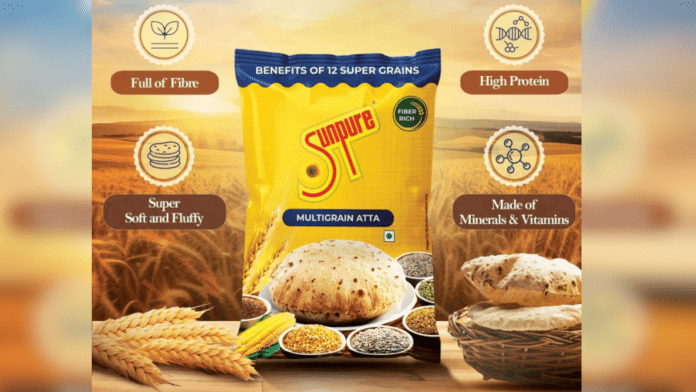
Sunpure, South India’s leading edible oil brand, is delighted to unveil Sunpure Multigrain Atta. In alignment with the United Nations’ declaration of 2023 as the International Year of Millets, this Mysuru-based company is determined to bring the nutritional advantages of these superfoods within reach of a wider Indian population.
Sunpure Multigrain Atta boasts a harmonious mix of 12 cereals, pulses, and millets, setting it apart with the highest multigrain content (15 percent) in its category. In addition to its well-documented health benefits, millets are also celebrated for their environmentally-friendly qualities, characterized by a minimal carbon and water footprint.
MK Agrotech, the parent company of Sunpure headquartered in Karnataka, is well-known for integrating modern technology with traditional practices. With the introduction of this new product, Sunpure expects to achieve a revenue of INR 5 crore in the initial year, with a subsequent doubling of revenue starting from the second year. This strategic decision is in line with Sunpure’s aspiration to establish itself as a nationwide FMCG brand, committed to empowering Indian consumers to adopt healthier lifestyles.
Sridhar Vaidyanathan, Chief Operating Officer at MK Agrotech stated, “As the world’s largest producer of millets, India has introduced the nutritional goodness of these superfoods to the global stage. However, many Indian households, particularly in urban areas, have moved away from millets as a staple in their diets. Sunpure is committed to rectifying this by reintroducing these wholesome, traditional Indian foods into our daily lives. Sunpure Multigrain Atta boasts the highest millet composition compared to other multigrain attas in the market. Now, you can prepare perfect chapatis, pooris, parathas, naans, and kulchas at home, without compromising on taste or health. Clinical studies have confirmed the myriad health benefits of millets, while environmentalists recognize their eco-friendly attributes. Millets benefit both people and the planet.”
Sunpure Multigrain Atta combines fenugreek, foxtail millet, pearl millet, and oats, recognized for their diabetes risk-reduction properties; ragi and barley, effective in reducing cholesterol levels; sorghum and little millet, beneficial for maintaining healthy blood pressure; and psyllium husk, celebrated for its digestive advantages.
Multigrain attas play a significant role in weight management due to their rich dietary fiber content. Moreover, they fortify the immune system and enhance digestive well-being by providing a diverse range of crucial nutrients, vitamins, and minerals in one’s diet. Sunpure offers another popular product in this category, Sunpure Swaad Sharbati Atta, crafted using state-of-the-art Swiss technology. As an ISO 22000:2018 certified company, Sunpure upholds strict quality control procedures to guarantee that all its products adhere to the most stringent standards of cleanliness and safety.
Earlier this year, Sunpure significantly increased its market presence by acquiring Riso, a prominent edible oil brand based in Maharashtra. In the fiscal year 2022-23, the company achieved an impressive growth rate of 15 percent while extending its reach across Karnataka, Maharashtra, Kerala, Andhra Pradesh, Telangana, Goa, and Tamil Nadu.
Sunpure Multigrain Atta, offered in 1kg packages at a price of INR 75, is conveniently accessible for purchase through online platforms and retail outlets in Karnataka, Maharashtra, Kerala, Andhra Pradesh, Telangana, Goa, and Tamil Nadu.
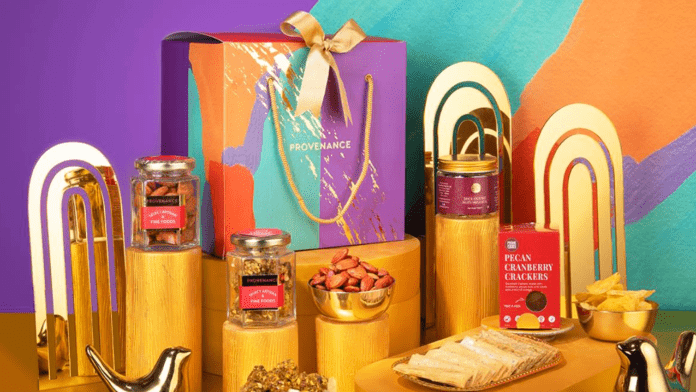
Provenance, the expertly curated establishment renowned for its collection of premium foods and gift items, has redirected its attention towards showcasing emerging brands and artisans not only from India but also from around the world. With an eye on the upcoming festive season, the brand has unveiled a fresh vision for its gourmet gift boutique and café, strategically located within Palladium Mall in Mumbai.
Spanning a 400 sq. ft area on the first floor of the mall, this boutique also features a convenient grab-and-go café. Within its confines, you’ll discover an expansive selection of chocolates and gourmet treasures sourced from both India and various corners of the world. This includes delectable offerings such as chocolates and cookies from France’s Maxim’s de Paris, UK-sourced Willie’s Cacao Chocolates made exclusively from 100 percent natural ingredients without any preservatives or artificial flavors, and Belgian delights like Dolfin Chocolates, among others. Notably, their chocolate library showcases over 100 distinctive varieties of chocolates.
Visitors to Provenance can indulge in the brand’s distinctive artisanal coffee and a tempting selection of desserts. These sweet treats include favorites such as the Rose Pistachio Cake, the Chocolate Cookie Crunch Cake with Sea Salt Caramel, and the Gluten-Free Almond Orange Cake. Additionally, the menu boasts an assortment of gourmet delights and products carefully curated from various global locales.
Beyond its enchanting chocolate offerings, Provenance stands as a platform for numerous other esteemed artisanal labels, such as Spain’s Torres and Papabubble, and Italy’s Bialetti, to name a few. Each brand featured at Provenance is chosen with painstaking precision, reflecting genuine authenticity, an unwavering commitment to quality, and a profound dedication to the art of craftsmanship. The boutique caters to a diverse clientele, welcoming chocolate enthusiasts, tea and coffee connoisseurs, fitness devotees, and those with specific preferences, ranging from milk, white, dark, vegan, sugar-free, gluten-free, to organic chocolate gift baskets or gift boxes.
As Diwali celebrations draw near, the tradition of exchanging gifts among friends and family takes center stage. Provenance steps in with an enchanting solution. Whether you’re looking to indulge yourself this season or to delight a loved one, Provenance has meticulously assembled gourmet gift hampers, boxes, and baskets to cater to your gifting needs. These Provenance Bespoke Gift Hampers, filled with love and care, aim to reimagine the essence of festive gifting and can be shipped to destinations all over India.
For an added personal touch, the boutique offers the opportunity to create custom gift hampers. Visitors are encouraged to tailor their gifts to fit their budget and preferences. The in-store stylist is on hand to assist with the creation of hampers, including personalized packaging, branded message cards, ribbons, brand logos, and color schemes, ensuring each gift is uniquely tailored to the giver’s vision.
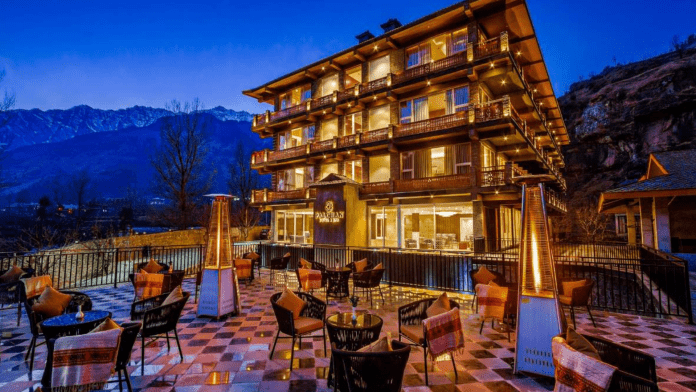
Radisson Hotel Group is thrilled to share the exciting news of the grand inauguration of the Palchan Hotel and Spa, an esteemed addition to Radisson Individual Retreats. Located amidst the picturesque beauty of Manali, this retreat presents an unparalleled chance for guests to reestablish their connection with nature, enveloped by lush green valleys and serene waterfalls in the majestic Himalayan range.
Ideally positioned along the Rohtang Highway, the hotel is a short 1.5-hour drive from Kullu-Manali Airport in Bhuntar, offering convenient proximity to local bus and train stations. Guests may also opt for on-site parking or select to arrive via their own vehicle or taxi.
Zubin Saxena, the Managing Director and Area Senior Vice President for South Asia at Radisson Hotel Group, shared his vision, “We envision Radisson Hotel Group’s next phase of growth to be driven by key hotel openings in India’s leading leisure destinations. Radisson Individuals Retreats allows us the opportunity to enable and co-create unparalleled experiences for guests in every part of India, especially in tier-II and III cities. Considering the heavy footfall of travelers visiting Himachal Pradesh and especially Manali, the hotel’s strategic location will be one of its key USPs. With this opening, our goal is to make experience-driven hospitality accessible to a wider audience, while also ensuring that our presence enriches the local community and preserves the natural beauty of this Himalayan paradise.”
Nestled in the heart of Manali, Palchan Hotel and Spa, an esteemed member of Radisson Individual Retreats, provides guests with a unique lodging experience. Each well-crafted and roomy accommodation features an exquisite cedar wood finish, effortlessly harmonizing contemporary conveniences with traditional charm. Strategically situated, these rooms and suites offer breathtaking panoramic vistas of the grand Himalayan peaks. The use of earthy hues and tasteful furnishings cultivates a warm and tranquil ambiance, guaranteeing a peaceful sanctuary after a day of adventure or leisure.
The hotel’s architectural design is deeply rooted in the Saatu style, renowned for its meticulous craftsmanship and incorporation of natural materials, skillfully encapsulating the spirit of the Himalayas and seamlessly blending with the exquisite natural surroundings. The hotel proudly features handcrafted stonework, intricate wood detailing, and captivating hand-painted murals.
Visitors have the opportunity to enjoy a revitalizing dip in the hotel’s heated outdoor pool while relishing breathtaking views. The hotel also features a well-appointed fitness center and a spa that provides an array of treatments, including calming massages and therapies inspired by Himalayan healing traditions, as well as rejuvenating facials designed to enhance your complexion’s radiance.
For those with a passion for food, the hotel offers a diverse range of dining choices that showcase a fusion of local and global flavors. At Buran’s, the hotel’s specialty restaurant, diners can embark on a culinary adventure within the distinctive ambiance of igloo cabins. The menu offers a wide variety of cuisines, encompassing Italian, Japanese, Asian, and Indian delicacies. Additionally, guests have the opportunity to explore the flavors of Himachal through a selection of local dishes at Buran’s.
For breathtaking views of the Himalayas and the Beas River, guests can visit the hotel’s rooftop restaurant, Beaside Restaurant and Bar. This elegant venue offers indoor and outdoor seating, delivering a fine dining experience like no other, complete with a mesmerizing backdrop of Manali’s natural beauty and a wide selection of international wines and spirits.
Ayaan Sharma, Owner of Whispering Rock Hotels said, “We aim to provide a hospitality experience like no other to Indian and international travelers with our collective synergies with RHG. Partnering with the Group not only allows our property to preserve and promote its distinctive characteristics but also provides us an edge with the brand’s renowned reputation among millions of guests globally. We believe that the hotel will not only provide travelers with a sanctuary of comfort and indulgence but also contribute to the economic and cultural growth of this region.”
Outside the hotel premises, guests have a multitude of activities to choose from, spanning from exhilarating skiing adventures to awe-inspiring paragliding experiences, ensuring an array of options for every adventurer. Nature enthusiasts can venture out to discover picturesque waterfalls, while those with an interest in local culture can explore tourist attractions such as Atal Tunnel, Rohtang Pass, Hampta Pass, Solang Valley, the Nicholas Roerich Art Gallery, and the bustling Mall Road.
The Radisson Hotel Group continues to maintain a strong foothold in the Indian market, standing as one of the nation’s largest international hotel operators with a presence exceeding 165 hotels that are either in operation or development. It proudly holds the distinction of being the largest hotel operator in tier l markets, such as Delhi-NCR, while simultaneously maintaining over 50 percent of its portfolio in tier II and III markets, where it has played a pioneering role. With its hotels strategically situated across 65+ locations in India, a Radisson hotel is easily accessible within every 4-hour driving distance throughout the country. These hotels operate under a diverse range of brands, including Radisson Blu, Radisson, Radisson RED, Park Inn by Radisson, Park Plaza, Park Inn and Suites by Radisson, Country Inn and Suites by Radisson, and Radisson Individuals.
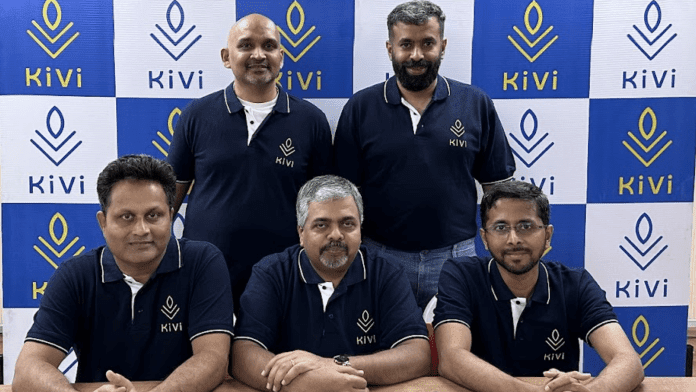
Agrosperity Tech Solutions Private Limited’s agri-fintech startup, KiVi, has successfully closed its seed round, securing INR 15 crore in funding. The funding round was led by Caspian Leap for Agriculture Fund, with participation from Piper Serica Angel Fund, YAN Angel Fund, Impact Innovators and Entrepreneurs Foundation, among other notable investors. KiVi, incubated at IIT Madras Research Park, is dedicated to fostering farmer development and its name, KiVi, represents “kisan vikas.”
Sharing details about the seed round and the way forward, Mr. Joby C O, Founder & CEO said, “We are excited to welcome our first institutional investors who share KiVi’s vision to make agriculture a livelihood of choice by enabling credit, commerce and distribution to the farmgate ecosystem.”
In addition to Mr. Joby, a seasoned expert in rural leadership, KiVi’s founding team comprises Padmakumar K, Rajendra Kumar, Salil Nair, and Manoj Ramaswamy. Together, they contribute a wealth of expertise in various areas, including rural lending, agricultural commerce, rural technologies, and fundraising.
The farmgate ecosystem includes farmer households and agricultural entrepreneurs like input retailers, output aggregators, farmer producer organizations, and equipment renters. Despite offering substantial prospects for credit and commerce, the formal markets have not adequately served this ecosystem due to the absence of solutions tailored to the distinct characteristics of its stakeholders. Key challenges such as seasonal cash flows, the lack of formal income and land ownership proof, fragmented land ownership, and the traditional lenders’ inability to create a cost-effective delivery model and engage in adjacent commerce opportunities are the gaps that KiVi aims to bridge.
Joby further added, “KiVi enables timely, affordable and scale-based credit as well as commerce from the farmgate to the processor. We accomplish this by leveraging our technology and last mile transaction capability. Our technology platform assembles and integrates the latest technologies in identification, validation, consent, evaluation and monitoring to provide a seamless experience to all stakeholders. Our last mile capability provides the customer relationship interface that is critical to serve the agri and rural customer base.”
KiVi’s offerings have received early validation, with 80% of its customers accessing agricultural-specific loans for the first time. Furthermore, 60% of these customers have reported an increase in their income, and the company has achieved an impressive net promoter score of 77. Additionally, KiVi has formed strategic partnerships with prominent lending institutions.
KiVi currently operates in both Tamil Nadu and Bihar, facilitating over 1,500 farmers in accessing credit. They have also introduced MSME loan products for agricultural entrepreneurs and enabled commerce and trade finance for commodities such as wheat, paddy, and maize.
“We are excited about our investment in KiVi. The agri fintech space is ripe for innovation and disruption, though having many challenges, including the perceived risk with agri credit. We believe that KiVi, led by Joby, has the right blend of people with rich experience of rural financial services and agriculture to make this happen,” said Emmanuel Murray, Investment Director at Caspian Leap for Agriculture Fund.
“KiVi is cultivating a vital solution for the farmgate ecosystem bridging the gap between borrowers and lenders. We are excited to support a company with a visionary management team and their commitment to addressing one of the most critical challenges for the future of agriculture and rural economies,” said Abhay Agarwal, Principal at Piper Serica Angel Fund.
“The investment will help KiVi to build a robust technology platform for scale-up, increase the last-mile presence across many districts, strengthen the product and risk capabilities and obtain an NBFC license.” Joby concluded.
We use cookies to ensure that we give you the best experience on our website. If you continue to use this site we will assume that you are happy with it.