Tuesday, February 3, 2026
Home Blog Page 888

From Concept to Consistency: Building a Cohesive Brand Image That Resonates

0
brand image

In a world inundated with marketing messages, a brand’s image is its silent ambassador. Crafting a cohesive brand image that resonates with audiences is no longer an option; it’s a strategic necessity.

A brand’s image is not merely a logo or color scheme—it’s the sum total of perceptions, emotions, and associations that people have with that brand. It’s how your audience perceives your business, products, and services. Here’s how to build and maintain a cohesive brand image:

1. Define Your Brand Identity

The first step in crafting a cohesive brand image is defining your brand identity. This includes your mission, vision, values, and personality. What does your brand stand for, and what does it promise to deliver? Understanding this is crucial for consistency.

2. Know Your Audience

Your brand image must resonate with your target audience. To do this, you need to deeply understand their needs, preferences, and pain points. Conduct market research and customer surveys to gain insights into what makes your audience tick.

3. Design Your Visual Elements

Visual elements like logos, color schemes, typography, and imagery play a significant role in brand image. These elements should reflect your brand’s personality and values. Consistency in design is essential to create a recognizable visual identity.

4. Develop Your Brand Voice

Your brand’s tone and messaging should be consistent across all communication channels. Whether it’s the content on your website, social media posts, or customer service interactions, maintaining a consistent brand voice is crucial.

5. Content Is King

Content is a powerful tool for shaping brand image. Share content that aligns with your brand values and resonates with your audience. This can include blog posts, videos, social media updates, and more.

6. Create Memorable Experiences

Positive customer experiences are a cornerstone of brand image. Deliver on your brand promise consistently to create memorable interactions with your audience.

7. Monitor and Adapt

Brand image isn’t static; it evolves over time. Regularly monitor feedback, customer sentiment, and market trends. Be willing to adapt your brand image if necessary, but do so thoughtfully to maintain consistency.

8. Employee Buy-In

Your employees are your brand’s ambassadors. Ensure that they understand and embody the brand image in their interactions with customers and in their work.

9. Be Authentic

Authenticity is the bedrock of a strong brand image. Be true to your brand’s values and promises. Customers can spot inauthenticity from a mile away.

10. Long-Term Perspective

Building a cohesive brand image takes time and commitment. It’s not about quick wins but about creating a lasting and trustworthy image that resonates with your audience over the long term.

A cohesive brand image is a powerful asset that can differentiate your business in a crowded marketplace. From concept to consistency, it’s about defining your brand identity, understanding your audience, and ensuring that every touchpoint with your brand aligns with your values and mission. By taking a strategic and thoughtful approach to brand image, businesses can connect with their audience on a deeper level, fostering trust, loyalty, and lasting relationships. Remember, a strong brand image is not just about what you say; it’s about what you do and how you make your audience feel.

Advertisement

EatSure scores big with one-year deal as Bengaluru FC’s official foodcourt partner

0
EatSure

Bengaluru Football Club, one of India’s premier football teams, is all set for the 2023 Indian Super League (ISL) in a thrilling collaboration with EatSure, India’s pioneer in-app food court, as their official food delivery partner.

Alongside enhancing the dining experience during home games at Sree Kanteerava Stadium, EatSure will also offer exclusive deals on its app platform during Bengaluru FC’s match days.

“We’re really delighted to have EatSure as our partners for the coming season. Fan experience is something we are constantly trying to improve and a brand like EatSure coming on board will surely go a long way in that aspect. We’re looking forward to a fruitful association,” said Blues’ Director of Football, Darren Caldeira.

This partnership signifies a noteworthy achievement as EatSure becomes the first food-tech player to collaborate with Bengaluru FC, curating F&B experiences at the stadium with several prominent brands during ISL.

“We are delighted to announce our partnership with the Bengaluru FC football team, a dynamic squad that embodies the spirit of football—a sport that unites fans and communities across the world. With EatSure – the Foodcourt on an App, regardless of tastes, moods, or preferences – families, couples, groups and even individuals can order meals of their choice while cheering for their favourite team,” added Addarsh Barathi, Brand Marketing Head, EatSure.

Both EatSure customers and devoted Bengaluru FC fans will have the exciting opportunity to acquire match tickets and exclusive merchandise.

Launched in 2020, EatSure’s primary objective is to address common customer issues when ordering food. It provides users with a convenient way to order food from multiple trusted restaurants in a single transaction, essentially bringing the food court experience right to their mobile devices. EatSure operates as a full-stack player with a presence across various channels, including physical food courts in Pune, as well as the popular EatSure app, which has garnered over 10 million downloads across more than 80 cities in India.

Advertisement

Mondelēz International successfully completes sale of gum business to Perfetti Van Melle

0
Trident Gum (Representativ
Trident Gum (Representative Image)

Mondelēz International has successfully finalized the transfer of its gum business in developed markets, encompassing the United States, Canada, and Europe (excluding Portugal), to Perfetti Van Melle Group, a prominent global producer of gum and confectionery products.

This transaction represents a noteworthy milestone in Mondelēz’s strategy to reshape its portfolio, placing a heightened emphasis on core categories such as chocolate, biscuits, and baked snacks.

The agreement encompasses the handover of manufacturing facilities situated in Rockford, Illinois, and Skarbimierz, Poland. Additionally, it involves the transfer of a diverse portfolio of renowned gum brands, including Trident, Dentyne, Stimorol, Hollywood, V6, Chiclets, Bubbaloo, and Bubbalicious. Furthermore, European candy brands such as Cachou Lajaunie and La Vosgienne are also included in the transaction.

Mondelēz will hold onto its gum business in Portugal temporarily, pending the necessary regulatory clearance from the Portuguese Competition Authority. Once the approval is obtained, the Portuguese segment of the business will then be sold and transitioned to Perfetti Van Melle Group.

Dirk Van de Put, chairman and CEO of Mondelēz, said, “As we continue accelerating growth to become the global snacking leader in chocolate, biscuits and baked snacks, we are pleased to transition our developed market gum business to a global, privately owned, values-driven company with a strong and proven track record of brand investment and innovation. We are incredibly proud of the talented colleagues who made these brands so successful, and we wish them all the best as they join the Perfetti Van Melle team.”

Egidio Perfetti, chairman of Perfetti Van Melle Group, added, “This acquisition aligns perfectly with our strategic goal of becoming a global leader in gum, our chosen focus. We expect to further bolster our product portfolio, manufacturing capacity, market distribution and financial results, effectively doubling our size in North America and increasing our reach in Europe, serving more consumers with our well-loved brands.”

Mondelēz will continue to operate its gum business outside the US, Canada and Europe, with a focus on the Chinese market – led by the Stride brand – along with its other candy brands and products.

Advertisement

Kellanova successfully splits cereal business, paves the way for a new snacks-led era

0
Kellanova
Kellanova (Representative Image)

Kellanova, formerly known as the Kellogg Company and traded under the ticker symbol “K” on the New York Stock Exchange (NYSE), has announced the successful completion of its separation of the North American cereal business.

This action leads to the formation of two independent publicly traded companies, each well-positioned to unlock its distinct potential. Starting at 12:01 a.m. EDT today, all WK Kellogg Co shares were distributed to common stockholders of Kellanova. For every four Kellanova shares held as of September 21, shareholders received one share of WK Kellogg Co.

Starting today, WK Kellogg Co will commence trading on the NYSE under the symbol “KLG,” while Kellanova will continue to use its existing ticker, “K.” The separation agreements for Kellanova will be formally filed with the U.S. Securities and Exchange Commission (SEC).

“With the completion of the separation, Kellanova has entered a new era with a new name and a new ambition,” said Steve Cahillane, Kellanova’s Chairman and CEO. “We are starting from a position of strength that is rooted in a century-old legacy as we embark on a journey to achieve our vision of becoming the world’s best performing snacks-led powerhouse.”

Kellanova’s impressive portfolio includes internationally acclaimed brands such as Pringles, Pop-Tarts, Kellogg’s Rice Krispies Treats, and RXBAR. While the corporate name has evolved to Kellanova, the iconic Kellogg’s branding will remain unchanged on its global products. The company projects net sales for 2024 to range between $13.4 billion and $13.5 billion.

Kellanova’s newfound independence will provide it with enhanced operational concentration, facilitating substantial growth in net sales and earnings. Additionally, the company will uphold its dual campuses in Battle Creek, Michigan, and Chicago, Illinois, with Chicago serving as the location for its corporate headquarters.

Kellanova shareholders who qualified for the distribution have now received either a book-entry account statement or a brokerage account credit reflecting their ownership of WK Kellogg Co stock. Fractional shares were not distributed; instead, these fractional shares were liquidated, and the respective shareholders will receive a cash payment equivalent to their portion of the proceeds.

Advertisement

ONDC launches exciting festive season incentive program, offers up to INR 35 Lakh weekly rewards to buyer-side platforms

0
ONDC
ONDC (Representative Image)

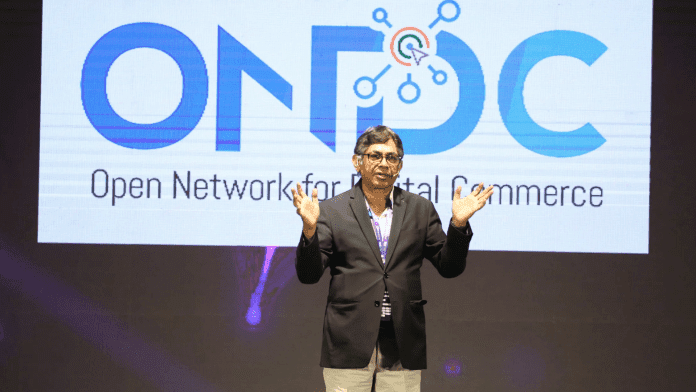
In anticipation of the approaching festive season sales, the Open Network for Digital Commerce (ONDC) has launched an incentive initiative. This program offers significant bonuses, with the potential to reach up to INR 35 lakh per week, to buyer-side platforms that achieve predetermined order volume goals.

Moreover, as reported by Moneycontrol, ONDC has raised the weekly cap on discounts offered to consumers from 2 to 5 per week.

The government-supported network has implemented a graduated bonus structure in which it will provide the INR 35 lakh reward to consumer-oriented applications that can reach the benchmark of 1,00,000 weekly orders. The incentive program, structured in tiers, commences at INR 5 lakh for platforms capable of securing 50,000 weekly orders.

ONDC will additionally provide a refund of INR 1,000 for each order placed by new customers on live B2B seller apps. This sum will be transferred to sellers for the initial purchase made by a new or distinct buyer, provided the order value reaches a minimum of INR 5,000 (inclusive of shipping). Sellers are eligible to claim this incentive for a maximum of 50 new buyers each month.

The government-backed e-commerce network has also introduced a graduated incentive structure for seller-side applications. In this system, platforms will receive different incentives for enlisting sellers depending on their geographical location – up to INR 6,000 in metropolitan areas, up to INR 7,500 in tier-2 and tier-3 cities, and INR 5,000 in all other cities, provided they offer more than 5,000 stock-keeping units (SKUs) in the grocery category.

To improve its logistics operations, ONDC will also offer an incentive of INR 15 per delivery to logistics service providers, with a maximum limit of 1,00,000 deliveries.

These new initiatives are designed to enhance participation and operational effectiveness within the ONDC network in anticipation of the upcoming festive season.

ONDC, supported by the government, seeks to diminish the dominance of major players such as Amazon, Flipkart, Swiggy, and Zomato in the e-commerce and food delivery industries.

Recently, ONDC launched the ‘ONDC Network Gift Card’ for corporate gifting and employee engagement. This innovative gift card allows cardholders to make purchases using any ONDC-enabled buyer application.

Earlier, it was disclosed that ONDC has plans to launch a comprehensive suite of financial services on its network. These services will encompass personal and SMB loans, insurance options covering areas like car, health, and marine, as well as mutual funds.

Advertisement

Good Glamm Group sharpens focus on profitability ahead of anticipated IPO

0
The Good Glamm Group

The Good Glamm Group is strategically honing its focus on profitability as it gears up for an Initial Public Offering (IPO) within the next two years, as revealed by Group Co-Founder Priyanka Gill.

Leveraging its omnichannel strategy and digital capabilities, the group, with a notable footprint in the content-to-commerce sector, is actively exploring fresh sources of revenue and streamlining expenses to maintain strong growth rates.

In a conversation with PTI, Gill expressed optimism about the demand in the upcoming festive season, attributing it to strong consumer sentiment and shopping intentions across the company’s diverse product portfolio.

The company has experienced a remarkable year-on-year growth rate exceeding 250% on a compound annual growth rate (CAGR) basis in recent years, with online sales accounting for up to 70% of the total revenue.

“Profitability has become a key drive for all of us,” Gill stated, emphasizing the company’s concerted efforts to enhance revenue through new streams, product launches, and tapping into different consumer bases, all while maintaining a keen eye on costs and the bottom line.

“We’ve been working really hard on those fronts, and we’ve been doing our job to target and really hopeful that we’ll be able to achieve that,” she added.

As the group prepares for an IPO within the next two years, the emphasis on achieving profitability becomes paramount. “Being a profitable company is the precursor to that,” Gill remarked, highlighting that the group’s energies are primarily directed towards achieving this goal.

Established by Darpan Sanghvi, Priyanka Gill, and Naiyya Saggi, the Good Glamm Group manages a collection of Direct-to-Consumer (D2C) beauty and personal care brands, complemented by a digital ecosystem encompassing content and influencer platforms, along with community networks.

Within its structure, the group comprises several divisions, including The Good Brands Co, The Good Media Co, The Good Creator Co, and The Good Community, all playing integral roles in fostering the overall growth of the company.

Advertisement

Good Earth Coffeehouse and Marcus & Millichap partner up to expand throughout Canada

0
Good Earth Coffeehouse

The Canadian coffee chain, Good Earth Coffeehouse, has joined forces with the real estate company Marcus & Millichap to enhance its presence across the nation.

Under this arrangement, Marcus & Millichap will assume the role of the coffeehouse chain’s national real estate representative, tasked with identifying optimal locations from Vancouver Island to Ontario.

By means of this strategic alliance, Good Earth Coffeehouse seeks to advance its nationwide expansion strategy and strengthen its brand’s foothold in the region.

Good Earth Coffeehouse Founder and CEO Michael Going said, “This partnership with Marcus & Millichap is a significant step towards realising our vision of bringing the Good Earth Coffeehouse experience to even more Canadians.

“With our shared commitment to excellence, sustainability and community, we are confident in our ability to find ideal locations for our coffeehouses and further enhance our brand presence nationwide.”

Marcus & Millichap will be actively searching for spaces of approximately 1,500 square feet in size to set up new coffee shops.

Additionally, the focus will extend to smaller kiosk sites situated in a variety of settings, including street-front locations, multi-use buildings, and shopping centers.

Marcus & Millichap Toronto vice-president Mark Paterson said, “We are pleased to be selected for this assignment and look forward to working with Good Earth Coffeehouse in Canada to expand their brand through our firm’s specialisation, market knowledge and access to the industry’s largest inventory of the commercial real estate.”

Advertisement

Southpaw strengthens US presence with acquisition of 39 Taco Bell units in Atlanta

0

Southpaw, a Quick Service Restaurant (QSR) operator supported by Balance Point Capital, has completed the acquisition of 39 Taco Bell establishments within the Atlanta metropolitan region in the United States.

Southpaw is a proactive purchaser of Taco Bell franchises. Founded in 2009, Southpaw presently manages a diverse portfolio consisting of over 180 Taco Bell and Dunkin’ establishments spread across eight states in the United States.

Balance Point Capital managing partner Seth Alvord said, “We are thrilled to continue our partnership with Southpaw on this transaction.

“We are strong believers in the Taco Bell brand and Southpaw has a proven track record as an innovative owner and operator of QSRs. We look forward to helping the Southpaw team implement its operational strategy and driving growth in the Atlanta market.”

Its plan involves expanding its presence through both acquisitions and the establishment of new units.

Southpaw Co-Founder Judd Wishnow said, “Balance Point has been a terrific partner to Southpaw and we are delighted to have them leading this new investment in the Atlanta market.

“This acquisition presents a meaningful opportunity to add geographic diversity and scale to our existing Taco Bell network and build upon the strong performance we’ve experienced in our other geographies.

“Balance Point’s speed of execution and knowledge of the industry were critical to completing this acquisition and we look forward to continued growth and success alongside the Balance Point team.”

Advertisement

Flipkart launches VIP membership to counter Amazon’s Prime program

0

Amidst intense competition within India’s thriving e-commerce arena, Flipkart, a subsidiary of Walmart, has introduced “Flipkart VIP” as its response to Amazon’s Prime program.

This strategic move comes just a few days before the annual festive season sale, during which both e-commerce titans aim to attract customers with attractive discounts.

“VIP is Flipkart’s subscription-based loyalty program where customers enjoy extra privileges enhancing customer experience. Customers can buy a subscription at INR 499 and become a VIP member for a year,” Flipkart said on its website.

The newly launched Flipkart VIP is offered at an introductory rate of INR 499 per year, assuring VIP members in specific regions of free same-day or next-day deliveries. In comparison, Amazon Prime currently costs INR 999 annually.

While Flipkart’s VIP program closely mirrors Amazon Prime’s offerings, the Walmart-owned company still has room for improvement in extending similar services to customers across a broader geographical scope. Currently, Flipkart does not universally offer the assurance of free same-day or next-day deliveries, a feature that has given Amazon a competitive edge through its Prime program.

Furthermore, Flipkart VIP has been crafted to streamline the returns process for its members, ensuring the collection of returns within a 48-hour timeframe. What distinguishes Flipkart VIP is its commitment to providing dedicated agents to assist VIP members with their inquiries, a service that is not presently available through Amazon.

“Convenience benefits include free fast shipping and faster returns within 24 to 48 hours on select products on the FLIPKART platform (except grocery) in Delhi NCR, Mumbai, Kolkata, Bengaluru and other select pincodes making your shopping experience smoother and more enjoyable,” it said on the website.

As an enhancement to its VIP program, Flipkart has unveiled an enticing perk for its members. Starting on October 8, 2023, members will enjoy the exclusive ability to modify or reschedule their flight reservations through Cleartrip without incurring any extra charges. It’s worth mentioning that Flipkart acquired Cleartrip in 2021 as part of its strategy to broaden its range of services.

On the flip side, Amazon Prime provides an all-encompassing bundle that encompasses Prime Video, Prime Music, Gaming, and Reading. In contrast, Flipkart VIP currently lacks entertainment offerings in its package.

The prominent e-commerce company recently revealed the launch dates for its much-anticipated sales event, “The Big Billion Days,” scheduled to commence on October 8 and extend until October 15. Coincidentally, this aligns with Amazon’s sales event, set to start on October 8 and run through to October 15.

The domestic e-commerce leader also announced its intention to generate 100,000 direct and indirect seasonal job opportunities to bolster its supply chain, ensuring it can meet customer demands during its flagship seasonal sale this year.

Advertisement

Dunzo’s leadership exodus continues: Co-Founder Mukund Jha steps down

0
Mukund Jha
Mukund Jha

Dunzo, the Indian quick commerce startup, continues to grapple with challenges. Just one day after the company officially announced the departure of Co-Founder Dalvir Suri, fresh reports have emerged regarding the exit of yet another Co-Founder and Chief Technology Officer, Mukund Jha.

Read More: Dunzo Co-Founder Dalvir Suri announces departure after six years of service

A Dunzo spokesperson, in their statement, neither affirmed nor refuted the reports. Instead, they stated, “Mukund remains an integral part of Dunzo’s leadership team. While we are restructuring the org with new leaders driving key mandates, Mukund will continue to be an important part of the strategic leadership team guiding and directing Dunzo’s future roadmap.”

The possibility of Jha leaving has not been officially disclosed within the startup. As per a report by Moneycontrol, only a limited number of employees have been apprised of this situation. The report indicates that Jha has stepped back from daily operations, and an official announcement regarding his position may be anticipated in the upcoming weeks.

Both Jha and Suri have also resigned from their positions on the board of the quick commerce startup.

In addition, a report from The Morning Context mentioned that a number of company board members have recently resigned, including Vaidhehi Ravindran from Lightrock and Rajendra Kamath and Ashwin Khasgiwala from Reliance Retail.

Following these changes, the startup’s board now comprises only three members: Dunzo CEO Kabeer Biswas, Siddharth Talwar from Lightbox, and Hongjim Kim from STIC Investments.

Dunzo initially had four Co-Founders, but following the departure of two, only Biswas and Ankur Aggarwal remain with the company. It’s worth noting that among the four Co-Founders, only Biswas holds equity in the company, while the others receive fixed salaries.

Jha’s exit coincides with Dunzo’s efforts to secure funding and raise capital in the range of $25 million to $30 million to sustain its operations. There are indications that Reliance Retail may also consider boosting its ownership stake in the company during this period.

Read More: Dunzo may get $30-35 Million in funding, aims to cut fixed costs and reduce burn rate

Since its inception in 2015, Dunzo has secured approximately $500 million in funding from prominent investors such as Reliance, Google, Lightrock, Lightbox, Blume Ventures, and various others. Reliance holds the largest share, accounting for 25.8% ownership in the company, followed by Google as the second-largest shareholder, with approximately 19% ownership in Dunzo.

In the midst of a severe liquidity crunch, Dunzo has been deferring employee salaries for an extended duration. The company has also undertaken several rounds of layoffs, and CEO Biswas recently hinted at the possibility of further job reductions in the future.

Read More: Dunzo to lay off 150-200 employees despite fresh $35 Million funding: Reports

During the fiscal year 2022, Dunzo experienced a doubling of its net losses, amounting to INR 464 crore, despite its operating revenue showing a significant growth of 2.1 times, reaching INR 54.3 crore for the same period.

Advertisement