Sunday, January 18, 2026
Home Blog Page 883

Lenders reject Space Mantra’s bid for Future Retail Ltd; NCLT extends insolvency period by 15 days

0
Big Bazaar
Big Bazaar (Representative Image)

The lenders of Future Retail Ltd have rejected Space Mantra’s bid for the debt-ridden firm, which is currently undergoing the Corporate Insolvency Resolution Process (CIRP). Despite Space Mantra’s efforts, their Resolution Plan for Future Retail Ltd (FRL) failed to secure the required number of votes in the e-voting process conducted by the Committee of Creditors (CoC).

It was put “for the consideration of the CoC on July 19, 2023… and pursuant to the decision taken by CoC through e-voting, concluded on 30th September 2023 at 9 PM (IST), the resolution plan submitted by Space Mantra Private Limited has not been approved by CoC”, FRL said in a regulatory filing on Monday.

It further added, “In view of the resolution plan not having been approved by the CoC, the next steps would be taken in accordance with the Insolvency & Bankruptcy Code 2016.”

Space Mantra was the single bidder for FRL. According to some media reports, Space Mantra had offered around INR 550 crore, which was very close to liquidation value. It was just 2.8 per cent of FRL’s outstanding dues of INR 19,773 crore to its financial creditors.

Moreover, in another filing FRL said that the National Company Law Tribunal (NCLT) has extended the deadline to complete the CIRP for 15 days, accepting the company’s request.

“Consequently, the last date for completion of CIRP of FRL is September 30, 2023,” it said.

This is the fourth extension granted by the Mumbai bench of FRL. Earlier, the deadline to complete CIRP of FRL was September 15, which was the third extension granted by the Mumbai bench of the National Company Law Tribunal (NCLT).

The insolvency proceedings against FRL were started by the tribunal on July 20, 2022.

The Insolvency & Bankruptcy Code (IBC) mandates the completion of CIRP within 330 days, which includes time taken during litigations.

Last week, Kishore Biyani, the erstwhile promoter of debt-ridden Future Retail, has moved the Bombay High Court against the forensic audit process of the company.

In August this year, Kishore Biyani and his brother Rakesh Biyani were asked by the Bank of India to respond to findings made in the forensic audit report by BDO, a forensic auditor appointed by the leading financial creditor of FRL.

The forensic auditor had submitted its report on August 9, 2023 and Bank of India sought representation/submissions from the company over the credit facilities availed by Biyani, which was replied by the resolution professional on August 28, 2023, FRL had said in a regulatory filing.

Advertisement

Little Moons expands further: Second factory set to open outside London as global growth continues

0
Little Moons
Little Moons

Little Moons, the UK-based mochi ice cream desserts business, is poised to open its second factory, marking its first plant outside of London.

Founded in 2010 by siblings Howard and Vivien Wong, the company has injected an undisclosed sum into the Kettering site in Northamptonshire, England. The 50,000-square-foot facility is scheduled to commence production in the first quarter of the upcoming year.

In 2020, Little Moons inaugurated a factory in Park Royal, located in the northern part of London. The company’s headquarters are situated in Farringdon, which is also within the capital city.

According to a statement, the company has expanded its range of ice cream wrapped in mochi dough treats to Australia, achieving retail sales of A$10 million ($6.4 million) since the launch in the previous autumn.

Little Moons reported a group turnover of £64.5 million ($78.6 million) for the 18 months ending on December 30, 2022, as compared to £25.5 million in the 12 months ending on June 30, 2021.

In the United Kingdom, Little Moons provides its products to major supermarkets such as Tesco, Sainsbury’s, and Morrisons. Additionally, the company has expanded its presence beyond the UK, with its products distributed by retailers in France, Germany, Austria, Switzerland, Denmark, Italy, Norway, Spain, and Croatia.

New Zealand is scheduled to join the list this coming autumn.

Last year, Little Moons entered into a minority interest sale with the US-based private-equity firm L Catterton, the details of which, including the amount and extent, were undisclosed.

According to documents submitted to Companies House in London, the company reported an adjusted EBITDA of £8.5 million over the 18 months ending in December, marking an increase from £6.9 million in the preceding 12 months.

However, the net profit declined to £1.5 million from £4.8 million.

“The UK and European ice-cream markets are very competitive and the trading environment places pressure on suppliers to deliver high-quality products at competitive prices,” the filing read.

“The business is executing a strategic programme, which includes building a new factory to expand our production capacity to satisfy growing consumer demand.

“The business will continue to focus on sales growth through deepening distribution with existing retail partners in grocery and out-of-home and expanding our presence in international markets.”

Advertisement

Meati Foods confident in achieving $1 Billion sales goal by 2025 despite slower demand for alternative proteins in the US

0
Meati Foods
Meati Foods (Representative Image)

Despite the decelerating demand for alternative-protein products in the US, Meati Foods maintains its confidence in reaching its $1 billion sales goal by 2025.

Based in Boulder, Colorado, the company has recently secured additional funding following its $150 million Series C funding round in July. They have introduced a direct-to-consumer service to complement their existing retail presence in Sprouts, Whole Foods Market, and Meijer.

Tyler Huggins, Co-Founder and CEO of Meati Foods, mentioned that the company’s assortment of mycelium-based meat alternatives, including chicken breast, breaded chicken cutlets, steak, and seasoned carne asada steak, can also be found in “several thousand foodservice establishments.”

Huggins clarified that there is no shortage of demand whatsoever, stating, “We definitely have a billion dollars worth of interest.” This comment was made in response to questions about the feasibility of the $1 billion target set by President Scott Tassani last year.

“We continue to build out our commercial platform as rapidly as we possibly can and are setting ourselves up for unprecedented growth. We’re being as aggressive as we possibly can.”

In June, Meati Foods disclosed staff reductions, although Huggins remained discreet about sharing additional details.

He countered, “We’ve set very ambitious and mission-driven goals. That path is a winding path. In the early days, it was all about speed, growth and getting to market and getting product out there in a substantial way and we’ve achieved that. We’re making difficult calls now to establish a sustainable business model.”

Huggins asserted that taste serves as the foremost factor distinguishing Meati Foods in a market experiencing a slowdown in sales growth. The co-founder, along with Justin Whiteley, who established the company in 2019, highlighted the products’ distinctive attributes, including their nutritional composition (comprising 95% to 97% mushroom root or mycelium) and their texture.

“It just shows you that the demand is there, the market is there. People want alternatives. They want diversity in their diet. It’s just got to be good tasting and it’s got to be real whole food,” he said.

“We’re not out there saying you’ve got to remove animals from the supply chain. We’re saying, yes, we believe in a regenerative, sustainable ethical food system for sure. But we also believe in diversity in our food system that includes both animals and non-animal-based products.”

Meati Foods, based in Thornton, Colorado, where it runs an expansive ‘mega ranch’ complete with in-house mycelium production, is experiencing substantial retail expansion. According to Huggins, the company’s operations are divided roughly 60-40 between brick-and-mortar retail and foodservice, reflecting its rapid growth.

“We recently launched a D2C platform, which is a great way to get product out there and see what people will like,” he said. “And then, from there, if we find one SKU works really well, we can roll that out through foodservice and retail.

The Thornton site can accommodate further manufacturing expansion and is operating at a run rate of “tens of millions of pounds of product”, Huggins explained.

“Our goal has always been impact and that requires scale. We went for it and it’s been paying off,” he added.

For now, Meati Foods remains focused on the US despite international interest with a key requisite of offering value to the consumer.

“We just provide such nutrient density. I would argue we are a great value and a great price comparison,” Huggins said when asked how the business positions on price to real meat.

“We’re a whole new category of meat that provides you with a much better nutritional profile than anything else out there in the market. And dollar to dollar, you get better nutrition.”

Meati Foods will use the new funding to try to foster further growth and expansion, along with entering new retail and foodservice partnerships. Last year, the company’s total external capital injection was $228m before the addition to the Series C financing.

“We’re definitely on a rapid ramp right now and just continue to support that growth,” Huggins said.

Advertisement

Oddlygood extends portfolio, buys Swedish vegan brand Planti from Kavli Holding

0
Planti
Planti (Representative Image)

Oddlygood, the plant-based dairy company primarily owned by Finland’s dairy powerhouse Valio, has acquired the Swedish vegan brand Planti from Kavli Holding, a Norwegian company.

The deal was completed on September 30th, with no financial specifics disclosed.

Under this agreement, Oddlygood will assume ownership of the Planti brand along with its associated intellectual property rights. Planti’s product lineup encompasses plant-based substitutes for milk, yogurt, and crème fraîche.

As a component of the acquisition, Valio has gained ownership of Planti’s manufacturing facility located in the Finnish city of Turku.

Kavli, the owner of brands such as its eponymous cheese, Korni flatbread, and Castle McLellan pâté, expressed its intention to concentrate on different product categories.

A spokesperson confirmed that the Turku factory will maintain its production of the same Planti product range.

According to the spokesperson, Valio plans to “sustain the development of Planti’s existing product lineup and intends to expand it within Oddlygood’s key markets. There are no immediate alterations planned for Planti’s product offerings.”

Valio introduced the Oddlygood brand in 2018. In May 2021, the company announced its plans to separate this business and seek a co-investment partner. By the close of the year, Mandatum Asset Management disclosed an investment of €25 million in the venture.

“Planti’s portfolio complements our existing offering and strengthens our market position, especially in spoonables and cooking,” Niko Vuorenmaa, the CEO of Oddlygood, said in a statement.

“This [deal] fits right into our strategy in which we, with the support of our owners Valio and Mandatum Asset Management, are actively pursuing opportunities to grow through acquisitions like this one.”

Oddlygood, headquartered in Helsinki, specializes in producing plant-based beverages, yogurts, baking items, and desserts. The company reported a turnover of €23.5 million ($24.6 million) in the year 2022.

Kenneth Hamnes, group CEO of Kavli Holding, said the company wanted to put its attention elsewhere. “To sell Planti is a strategic decision we have considered thoroughly, aiming to focus on other categories in our business,” Hamnes said.

“We have been waiting for the right match and buyer profile who has the capacity and ambition to develop Planti.”

In 2022, Valio, the majority owner of Oddlygood, recorded net sales of €2.24 billion, reflecting a notable 15.7% growth compared to the previous year, 2021.

The operating profit declined by 32%, amounting to €44.6 million. Valio’s net profit also saw a decrease of 28.7%, reaching €26.3 million.

Advertisement

Crisis Control 2.0: How to Safeguard Your Brand’s Reputation in the Social Media Age

0
crisis management

A brand’s reputation might be its most important asset in today’s hyper-connected world, when news travels at the speed of light and social media platforms function as the modern town square. This asset, however, is more fragile than ever before. The emergence of social media has heralded a new era in crisis management, known as Crisis Control 2.0. 

Social media platforms have democratized communication, allowing individuals and organizations alike to amplify their voices. While this presents opportunities for engagement and marketing, it also creates the potential for rapid reputation damage in the face of a crisis.

1. Preparedness is Key

The first rule of Crisis Control 2.0 is preparedness. A crisis can strike at any moment, and having a well-defined crisis management plan in place is essential. This plan should include clear roles and responsibilities, an escalation process, and predefined messaging guidelines.

2. Real-Time Monitoring

The speed at which information spreads on social media demands real-time monitoring. Brands should invest in social media listening tools to stay on top of conversations related to their products or services. Early detection of potential issues can be a game-changer in crisis management.

3. Respond with Empathy and Transparency

In the event of a crisis, how a brand responds matters immensely. Social media users expect prompt, empathetic, and transparent communication. Address the issue head-on, acknowledge any mistakes, and provide regular updates as the situation unfolds.

4. Activate Influencers and Advocates

Influencers and brand advocates can be powerful allies during a crisis. Engage with individuals who have a positive association with your brand and leverage their support to counteract negative sentiment.

5. Use Social Media for Good

Brands can use social media not only to manage crises but also to proactively contribute to social and environmental causes. Demonstrating a commitment to positive change can enhance a brand’s reputation and mitigate the impact of negative events.

6. Educate and Train Your Team

Your team should be well-versed in the protocols for handling crises on social media. Provide training on crisis communication, social media etiquette, and conflict resolution. It’s crucial that your entire organization understands its role in safeguarding the brand’s reputation.

7. Learn from Past Crises

Post-crisis analysis is vital. After the dust settles, conduct a thorough review of what went well and what could be improved. Use these lessons to refine your crisis management strategy.

8. Build Brand Resilience

Building brand resilience means cultivating a positive reputation that can withstand the occasional crisis. Consistently delivering on brand promises, providing excellent customer service, and actively engaging with your audience can all contribute to brand resilience.

In the social media age, a brand’s reputation is always on the line. Crisis Control 2.0 is about embracing the opportunities and challenges of this new era. It’s about being prepared, monitoring the digital landscape, responding with empathy and transparency, and using social media as a force for good. By following these principles, businesses can safeguard their brand’s reputation and emerge from crises with their integrity intact. Remember, in the age of social media, reputation is everything, and it’s worth every effort to protect it.

Advertisement

The Post-Purchase Journey: How to Keep Users Engaged and Delighted

0
Users Engaged

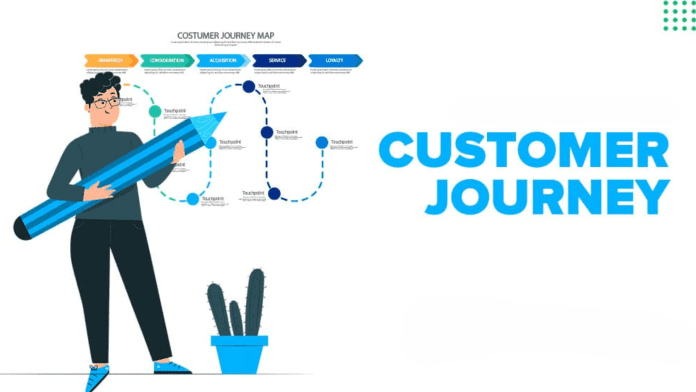
The customer journey does not finish at the moment of purchase in today’s business landscape; it is only the beginning. Keeping people engaged and satisfied after they’ve made a purchase is an important part of developing long-term connections and maintaining brand loyalty. In this article, we will look at the methods and techniques that businesses can use to guarantee that the post-purchase journey is as engaging and pleasurable as the initial purchasing experience.

Traditionally, businesses focused most of their efforts on acquiring new customers. While customer acquisition remains essential, the real game-changer is the shift towards nurturing existing customer relationships. It’s an acknowledgment that the post-purchase journey is where brands can truly shine.

1. Seamless Onboarding and Support

The moment a customer makes a purchase, the onboarding process begins. Whether it’s a physical product or a digital service, users need guidance to make the most of their purchase. Providing clear instructions, helpful resources, and readily accessible customer support sets the tone for a positive post-purchase experience.

2. Personalized Communication

Effective communication is key to maintaining engagement. Businesses can use data and insights to personalize their interactions with customers. Sending personalized recommendations, product updates, and special offers based on user preferences and behavior shows that the brand understands and values its customers.

3. Gathering Feedback and Listening

Actively seeking customer feedback and listening to their concerns can be invaluable. Not only does it help in addressing issues promptly, but it also demonstrates a commitment to improvement. Implementing feedback-driven changes and updates can enhance the user experience and foster loyalty.

4. Loyalty Programs and Rewards

Loyalty programs are a proven way to keep users engaged and coming back for more. Offering rewards, discounts, or exclusive access to loyal customers can incentivize repeat purchases and create a sense of belonging to a brand’s community.

5. Educational Content

Providing users with educational content related to their purchase can be highly beneficial. It helps users make the most of their product or service and enhances their overall experience. Whether it’s how-to guides, tutorials, or best practices, educational content adds value and fosters trust.

6. Surprises and Delights

Unexpected surprises can create memorable moments and foster delight. Brands can send handwritten thank-you notes, surprise gifts, or exclusive access to events or content. These small gestures can go a long way in deepening the emotional connection between the customer and the brand.

7. Community Building

Creating a community around your brand can be a powerful engagement strategy. Encourage customers to connect with each other, share experiences, and provide mutual support. Online forums, social media groups, or dedicated user communities can be platforms for this interaction.

8. Continual Innovation

Stagnation is the enemy of engagement. Businesses that continuously innovate and evolve their products or services keep users excited and engaged. Regularly introducing new features, updates, or even entirely new offerings can breathe fresh life into the post-purchase journey.

The post-purchase journey is an often-underestimated phase in the customer lifecycle. However, it’s where brands can truly differentiate themselves and create lasting bonds with customers. By focusing on seamless onboarding, personalization, feedback, loyalty programs, education, surprises, community-building, and innovation, businesses can ensure that their users remain engaged and delighted long after the initial purchase. In doing so, they set the stage for not just satisfied customers, but loyal brand advocates.

Advertisement

On-the-Go Delights: Navigating Mobile-First Strategies for Food Brand Success

0
Online food delivery

Consumers are always on the move in today’s fast-paced world, and their cellphones have become vital companions in their culinary experiences. Mastering mobile-first strategy is no longer a choice for food businesses; it is a need for being relevant, engaging customers, and achieving long-term success in a volatile industry.

Mobile devices have transformed the way we interact with the world, and the food industry is no exception. From browsing restaurant reviews to ordering takeout, consumers rely on their smartphones for every aspect of their food journey. Here’s how food brands are navigating this mobile-first landscape.

1. The Rise of Food Apps

Food apps have become a staple on consumers’ smartphones. From food delivery services to restaurant finders and recipe organizers, these apps cater to various aspects of the food experience. For food brands, having a presence on these platforms is essential for visibility and accessibility.

2. Mobile Ordering and Delivery

The convenience of ordering food with a few taps on a smartphone has revolutionized the industry. Food brands that offer seamless mobile ordering and efficient delivery services are winning over customers who value speed and convenience.

3. Social Media and Visual Storytelling

Social media platforms, particularly Instagram and TikTok, have become food enthusiasts’ playgrounds. Food brands are harnessing the power of visual storytelling to showcase their offerings in mouthwatering detail. Engaging visuals and short video clips can go viral, attracting a global audience.

4. Personalized Recommendations

Mobile apps and websites are collecting valuable data on customer preferences and behaviors. This data fuels personalized recommendations, making it easier for consumers to discover new dishes and restaurants tailored to their tastes.

5. Gamification and Loyalty Programs

Gamification elements and loyalty programs integrated into mobile apps are encouraging customer engagement and repeat business. From earning rewards for frequent orders to participating in food-related challenges, these strategies keep customers coming back for more.

6. Augmented Reality (AR) Menus

Some food brands are taking mobile interaction to the next level with AR menus. Customers can use their smartphones to view interactive menus that display images, descriptions, and even 3D models of dishes, making the ordering process more immersive and enjoyable.

Challenges and Opportunities

While mobile-first strategies offer immense opportunities, they also present challenges. Data security and privacy concerns, app discoverability in a crowded marketplace, and maintaining a consistent user experience across devices are just a few hurdles that food brands must overcome.

The Future of Mobile-First Food

As technology continues to evolve, so will the possibilities for mobile-first food experiences. Voice-activated ordering, chatbots for customer support, and AI-driven meal recommendations are on the horizon. The key to success lies in adapting to these changes and staying attuned to evolving consumer behaviors.

In a world where mobile devices are the gateway to culinary exploration, food brands that prioritize mobile-first strategies are positioning themselves for success. Whether it’s through user-friendly apps, visually stunning social media content, or personalized recommendations, the mobile experience has become integral to the food journey. By navigating this landscape effectively, food brands can capture the attention and loyalty of the ever-connected, on-the-go consumer.

Advertisement

Buyers flock to India’s affordable rice offers, while trade remains subdued in other hubs

0
Rice
Rice (Representative Image)

Demand for rice saw a slight uptick this week, with buyers favoring the comparatively more economical offerings from India, while elevated prices in Vietnam and Thailand led to a slowdown in trading activity.

“Buyers have started making purchases. Indian rice is cheaper even after paying 20% exports duty,” said a New Delhi-based dealer with a global trade house.

In August, India implemented a duty on parboiled rice, which will remain in effect until October 15th.

Even though there was increased demand from Asian and African countries, the prices for India’s 5% broken parboiled rice variety remained steady at $525-$535 per metric ton for the third consecutive week.

A senior official at the agriculture ministry in neighboring Bangladesh has announced their aim to harvest 17 million tonnes of rice this year, a notable increase from the 14 million tonnes harvested last year. This news provides a measure of relief amid the fluctuations in the global market.

Vietnam’s 5% broken rice continued to be priced at $610-$620 per metric ton, with no change from the previous week.

“The market appears to be stable after the recent volatilities triggered by Indian ban in July,” a Ho Chi Minh city-based trader said.

The present prices are sufficiently favorable for farmers to achieve profitability. However, trading activity remains subdued as traders are biding their time, anticipating further stabilization in the market, according to the trader.

Initial data indicates that between September 1st and September 29th, there were plans to load 294,100 metric tons of rice at Ho Chi Minh City port, with the majority of it destined for Indonesia, Malaysia, the Philippines, and Turkey.

The prices of Thailand’s 5% broken rice have fluctuated, expanding to a range of $590-$607 per metric ton, compared to the $605 price of the previous week. Traders have attributed this variability to shifts in exchange rates.

The baht dropped to its lowest level in more than 10 months due to concerns about the country’s fiscal outlook.

A trader based in Bangkok mentioned that buyers have reduced their purchasing activity due to the elevated prices.

According to another trader, the introduction of new supply into the market in October has the potential to lead to further price reductions.

Advertisement

Pizza Hut sets sights on massive growth in China with plans for 1,500 new stores by 2026

0
Pizza Hut china
Pizza Hut (Representative Image)

Pizza Hut is planning to embark on an aggressive expansion campaign across China in the next three years. This strategic move is part of Yum China Holdings Inc.’s ambitious growth strategy, which was announced during the company’s recent 2023 Investor Day in Xi’an, China.

After a successful revitalization program that bolstered the brand’s foundations and shortened the payback period for new establishments, Pizza Hut is now primed for swift expansion. With the goal of opening 400-500 net new stores annually between 2024 and 2026, the brand plans to more than double its growth rate from the previous three years while still maintaining a robust store payback period of approximately 3 years.

Pizza Hut’s initiatives are integral to the reinvigorated “RGM 2.0” strategy introduced by Yum China, the parent company overseeing various restaurant brands such as KFC, Taco Bell, and others in the region. During its Investor Day event, Yum China unveiled an overarching objective of reaching a total of 20,000 stores by 2026, all while achieving a double-digit Compound Annual Growth Rate (CAGR) for Earnings Per Share (EPS) between 2024 and 2026. Additionally, they plan to distribute $3 billion to investors during the same period through quarterly dividends and share repurchases.

Having established its presence in China since 1990, Pizza Hut stands as a prominent leader in the country’s casual dining sector. The brand currently manages 3,072 stores spanning across more than 650 cities. Notably, Pizza Hut commands a dominant position in all of its primary categories, including pizza, steak, and pasta, with an impressive record of over 100 million pizzas and 20 million steaks sold within the past 12 months.

Pizza Hut General Manager Jeff Kuai commented, “As an absolute leader in the sector, our slice of the market is bigger than the next nine brands combined. Despite our leading position, there is still tremendous opportunity for us to gain an even larger share of the market.”

The brand’s strategy for expanding its presence involves both enhancing store density in existing cities and venturing into new ones. China presents extensive untapped markets for Pizza Hut, with over 1,200 cities hosting KFC but not yet featuring Pizza Hut, emphasizing the potential to utilize Yum China’s infrastructure and resources for expansion in these areas. Pizza Hut is achieving increased penetration through adaptable store models. One such model is the satellite store, characterized by a smaller dining area, a focus on off-premise occasions, and a lower initial capital expenditure. This model boasts a quicker 2-year payback period compared to traditional stores. Additionally, the brand is experimenting with a fast-casual store model designed to offer faster and more streamlined service while enhancing labor efficiency.

Apart from extending its reach, Pizza Hut has dedicated efforts to enhance its core menu selections. Specifically, the brand has been strengthening its identity as a “pizza specialist” by introducing product enhancements and fresh flavor varieties. Notably, the Super Supreme Pizzas and Durian Pizzas have garnered significant popularity among consumers. In the first half of 2023, pizza sales witnessed a remarkable 56% increase compared to the corresponding period in 2019.

As Pizza Hut’s expansion journey continues, it has set its sights on reaching a broader spectrum of consumers by diversifying its food and beverage offerings and creating more reasons for visits. The brand is gearing up to introduce a fresh line of customizable burgers. Starting in September 2023, it has also introduced premium Lavazza coffee to its restaurant offerings. Pizza Hut has expanded its range of individual-sized meals, including personal-sized pizzas, to cater to solo diners and office-goers. Additionally, breakfast options have been introduced to enhance customer service while optimizing store utilization. Furthermore, the brand is expanding its previous focus on families to better accommodate younger generations. Collaborations like its partnership with Genshin Impact, for instance, have proven appealing to many young individuals and gamers.

At the same time, Pizza Hut continues to emphasize its commitment to delivering exceptional value to its customers. The widely acclaimed “Scream Wednesdays,” “All You Can Eat,” and “Buy One Get One Free” value promotions are significant attractions for both dine-in and delivery customers. Furthermore, the brand is expanding its pricing options to cater to a broader spectrum of customers and their everyday requirements.

Pizza Hut is making substantial investments in crafting an exceptional digital customer experience, recognizing its pivotal role in future success, as roughly 92% of orders are now processed through digital channels. A primary focus is on enhancing the user interface and introducing real-time order tracking features for customers on its mobile app. Additionally, the brand is actively working to increase member visit frequency by implementing privilege programs and tailoring offers based on members’ preferences.

Kuai says, “With continuing efforts to build on our core strengths and expand into new categories, improve value for money, drive delivery growth, and enhance our digital capabilities, we are confident that Pizza Hut will generate even stronger sales momentum and enhance our leading position in the market.”

Advertisement

Pladis revolutionizes snacking with miniature version of best-selling McVitie’s Digestives

0
McVitie's Digestives Milk Chocolate Minis

Pladis, the renowned global snacking enterprise responsible for beloved and iconic UK brands, is taking another substantial step into the snacking world by introducing two new miniature versions of the UK’s top-selling biscuit.

McVitie’s Digestives Milk Chocolate Minis have been crafted to broaden the reach of the beloved top-ranking biscuit, expanding its suitability for various occasions such as on-the-go snacking, lunchtime treats, and sharing moments. This fresh introduction will be available on supermarket shelves starting this week in a multipack configuration, with sharing pouches set to arrive later this year.

McVitie’s Milk Chocolate Digestives, currently valued at £108.8 million in retail (a growth of 23.1%), has undergone a transformation into a bite-sized rendition. This development comes on the heels of the recent introduction of McVitie’s White Chocolate Digestives, where the brand expanded its core product range to resonate with a fresh audience of shoppers.

“McVitie’s Chocolate Digestives are loved by so many households across the nation, who stock their cupboards with this biscuit bestseller time and time again,” says Aslı Özen Turhan, Chief Marketing Officer at pladis UK&I. “However, we recognise that we need to continue to evolve our range to attract new shoppers – including through our bestselling lines – by creating convenient new offerings that will appeal to a new generation of biscuit snackers.

“McVitie’s Digestives Milk Chocolate Minis does just that. Our multipack, which contains five individually wrapped snack packs and just 94 kcals per serving, is ideal for lunchbox moments, whilst our pouches are perfect for on-the-go or sharing with loved ones – at a time when the ‘togetherness’ trend is hotter than ever.”

These launches are a continuation of pladis’ strategy over the past few years, wherein they’ve expanded their primary snacking offerings by leveraging current food trends to innovate new iterations of their well-known brands.

Özen Turhan continues, “McVitie’s Rich Tea ‘The Light One’ was launched in 2022 to give shoppers even more choice on the biscuit aisle, and the product is now one of the most popular non-HFSS SKUs in biscuits.

“Meanwhile, McVitie’s White Chocolate Digestives are already worth £1M in retail, after just 6 weeks on supermarket shelves.

“We’re confident that McVitie’s Digestives Milk Chocolate Minis will follow in similar footsteps, driving a new generation of snackers to the biscuit aisle, and opening the door to new sales opportunities for retailers in the process.”

The latest McVitie’s release coincides with a period of exceptional brand visibility. Earlier this year, McVitie’s initiated the initial phase of its True Originals Masterbrand campaign, which marked its return to television screens, inspiring the nation to rediscover the joy of the biscuit break. Additional marketing endeavors, including a resurgence on TV screens, are set to commence on October 4th.

The McVitie’s Digestives Milk Chocolate Minis multipack, featuring five 19g bags at a suggested retail price of £1.25, has begun appearing on the shelves of Tesco stores. The sharing pouch variation, weighing 80g and priced at £1.25, will be introduced later this autumn. These options, along with a Price-Marked Pack (PMP), will be accessible to convenience stores and wholesalers.

Advertisement