VAHDAM India has taken India’s finest teas and spices to the global stage while commemorating the 2nd edition of International Turmeric Day. This event plays a pivotal role in raising awareness about the multifaceted benefits of turmeric and its versatile applications. VAHDAM India, known for its steadfast commitment to wellness, dedicated an entire week from 8th October to 15th October to pay homage to the incredible virtues of turmeric.
In a unified endeavor to make this event truly extraordinary, VAHDAM India partnered with five renowned content creators hailing from various corners of the world. These creators expertly demonstrated the diverse applications of turmeric in beauty routines, lifestyle choices, culinary creations, and wellness rituals. Together, their collaborative efforts emphasized the enduring and worldwide allure of this age-old spice.
The VAHDAM India Flagship Experience Store presented a bespoke installation dedicated to highlighting the brand’s top-selling turmeric products. This visually captivating exhibit effectively conveyed the brand’s dedication to curating the highest quality turmeric-based offerings. As a part of this festive occasion, VAHDAM India provided an exclusive tea-tasting experience, featuring its signature turmeric blends, both hot and cold, infused with premium ingredients such as saffron and ashwagandha. This provided customers with an opportunity to savor the rich and aromatic flavors of these exceptional blends.
As an expression of appreciation for their loyal support, VAHDAM India generously offered complimentary turmeric treats to all participants in the festivities. In keeping with the essence of International Turmeric Day, VAHDAM India introduced “Turmeric Tales,” a meticulously crafted informative newspaper designed to enlighten consumers about the potency and versatility of turmeric. This invaluable resource aims to empower individuals with insights into the advantages and wide-ranging uses of this esteemed spice.
VAHDAM India’s steadfast commitment to crafting the finest Indian teas and wellness products continues to shine, and International Turmeric Day stands as a testament to the brand’s dedication to spreading the benefits of turmeric to the world.
Pernod Ricard has joined the ranks as the newest distillery to partner with The Coca-Cola Co., marking another step in the soft-drinks giant’s foray into the world of beverage alcohol.
The French wine and spirits company has formed a collaboration with The Coca-Cola Co. to create Absolut & Sprite, a pre-mixed cocktail featuring vodka. The launch of this product is planned for the upcoming year.
Initially, two product variants will be introduced, one utilizing regular Sprite and the other Sprite Zero. These products will make their debut in specific European nations, including the United Kingdom, Germany, and Spain. The timeline for a worldwide release has not been disclosed at this time.
“We are expanding in the alcohol ready-to-drink space, including products that use select brands from our core portfolio,” The Coca-Cola Co. CEO James Quincey said. “We keep consumers at the centre of everything we do as we continue to develop our portfolio as a total beverage company.”
The anticipated alcohol by volume (ABV) for Absolut & Sprite is set to establish a “global benchmark” at 5%, although it may vary based on specific market conditions.
Pernod Ricard is the second global distillery to partner with The Coca-Cola Co. in the development of ready-to-drink (RTD) beverages.
Last year, Brown-Forman introduced a pre-mixed cocktail featuring Jack Daniel’s Tennessee Whiskey and Coca-Cola. This beverage made its debut in Mexico in November and expanded to other markets throughout the year.
In July this year, The Coca-Cola Co. made public its formation of a subsidiary named Red Tree Beverages, with the purpose of delving deeper into alcohol-related opportunities.
The company explained that the unit, referred to as a “firewalled subsidiary” of its primary operations, obtained a federal basic permit (mandatory for all alcohol distillers, importers, and wholesalers operating in the US) in the latter part of the preceding year.
“This allows it [the company] to engage further in its relationships with third-party alcohol companies that use The Coca-Cola Company’s brands in the alcohol space,” the group said in a statement at the time. “RTB will not be distributing alcohol in the US, and neither will The Coca-Cola Company.”
The Coca-Cola Co.’s other interests in alcohol include Topo Chico Hard Seltzer and Simply Spiked Lemonade – two products developed with Molson Coors Beverage Co. – and Fresca Mixed RTDs, on which it worked with Constellation Brands.
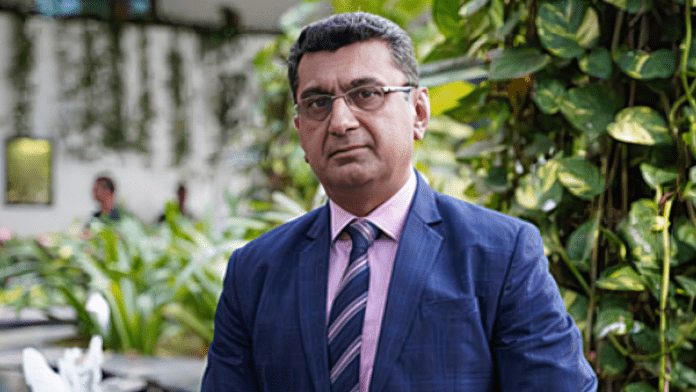
Kamat Hotels India Ltd., a prominent player in the Indian hospitality sector, has appointed Varun Sahani as the Senior Vice President of Operations.
Leveraging nearly thirty years of experience and a demonstrated history of success within the company, Sahani is in a prime position to guide the company into a promising new phase.
In his newly assumed position, Varun Sahani is well-prepared to propel Kamat Hotels India Ltd. to even greater accomplishments.
His vision embraces a comprehensive approach to hospitality, placing emphasis on guest contentment, innovation, sustainability, and strategic alliances.
“I am excited about the future of Kamat Hotels India Ltd.,” said Varun Sahani. “Our goal is to continue delivering exceptional guest experiences while adapting to evolving market trends. With a particular focus on our newly launched upper mid-segment hotel chain, ‘IRA by Orchid Hotels,’ we aim to fill gaps in the market by offering guest-centric, tech-friendly, and locally inspired experiences.”
The recently introduced ‘IRA by Orchid Hotels’ is poised to revolutionize the upper mid-segment hotel encounter. Varun Sahani and his team acknowledge the distinct cultural identity of each city, and IRA establishments will embody and mirror these local influences in all respects. This strategy distinguishes IRA from other upper mid-segment hotel franchises, ensuring that each visit becomes a culturally immersive journey. Kamat Hotels India Ltd. places sustainability and eco-conscious approaches at its core values. The organization is dedicated to diminishing its environmental impact through a range of endeavors such as energy preservation, waste control, and responsible procurement.
Varun Sahani’s advancement to the role of Senior Vice President of Operations underscores his commitment, proficiency, and forward-thinking vision for the future of Kamat Hotels India Ltd. The company anticipates reaching unprecedented heights under his guidance.
Stonegate Pub Company is currently mulling over the possibility of divesting a quarter of its UK pubs, a move driven by the need to alleviate its debt in the face of escalating interest rates, as reported by The Times.
Insiders familiar with the situation informed the publication that the UK-based pub chain is assessing offers for 1,000 pubs, with bids coming from Cerberus and Morgan Stanley Real Estate.
Rising interest rates led to a surge in the company’s refinancing expenses. This action by the proprietor of Slug and Lettuce as well as Be At One brands forms a key aspect of its plan to alleviate its £4 billion ($4.9 billion) debt, with half of it set to mature in July 2025.
The report also mentioned that Stonegate’s advisors for this sale, namely Barclays and Eastdil, might contemplate one of the offers from the interested parties and move closer towards exclusivity in the days ahead.
According to reports, Stonegate is purportedly considering the division of the group, comprising approximately 1,000 outlets, into a special-purpose vehicle (SPV) with the intention of leveraging it to secure external debt financing.
The proposal could also be set aside should the company fail to garner appealing offers from potential buyers.
In February this year, it was reported that Stonegate was in the process of seeking buyers for a collection of 1,000 of its pubs, with an asking price of £800 million.
According to the Bloomberg report, Stonegate aims to downsize its portfolio as a response to increasing energy costs, staffing challenges, elevated inflation rates, and the shifting consumer preference for home-based drinking.
Before the onset of the Covid-19 pandemic, Stonegate completed the acquisition of its rival, Ei Group, for £1.3 billion, solidifying its position as the largest pub group in the UK.
Fast food giant Burger King is set to enhance its presence in the UK, with plans to inaugurate 60 new restaurants over the next two years, as reported by The Independent.
As of now, the fast food chain runs a total of 553 restaurants within the nation.
Under private equity ownership by Bridgepoint since 2017, the restaurant enterprise noted increased sales but a decline in profits over the previous year.
Burger King UK CEO, Alasdair Murdoch, highlighted that the company achieved substantial growth throughout the year despite facing challenges prevalent across the industry. These challenges were primarily driven by notable inflation in both energy and food costs.
The news agency quoted Murdoch as saying, “I am pleased to announce a resilient full-year performance and strong strategic progress in 2022 as we announce ambitious plans to open 60 new restaurants over the next two years.
“Alongside new restaurant openings and the acquisition of our largest franchise partner, Karali Group, we continued our strategic focus on growing digital sales, including home delivery and the introduction of our loyalty scheme on the Burger King app.
“We also continued to invest in our customer proposition – our remodeling programme is well underway with 42 restaurants being upgraded during 2022 and 2023 and we are progressing our menu innovation to cater to all preferences.”
Burger King operates 279 restaurants directly in the UK, while the rest of the locations are operated as franchises.
In August this year, Bridgepoint was reportedly in talks with Restaurant Brands International (RBI), the parent company of Burger King, for a new franchise deal.
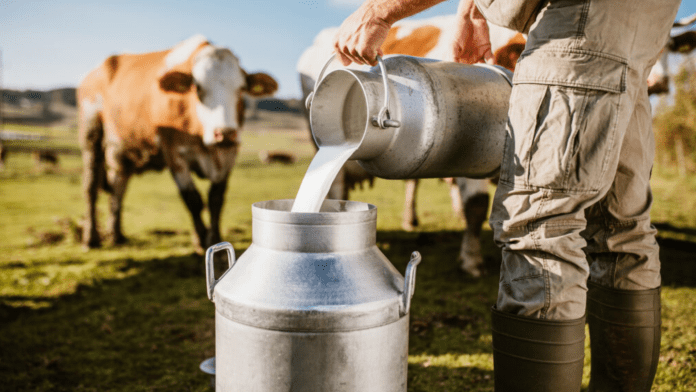
Approximately 1,400 dairy workers in Australia have scheduled a 48-hour strike commencing on October 18th, seeking higher wages and enhanced working conditions.
The strike, centered in Victoria, will focus on major dairy corporations including Saputo, Fonterra, Peter’s Ice Cream, and Lactalis.
The United Workers Union (UWU) has claimed that the companies have declined to provide “equitable wages” and better working conditions “in the face of increasing living expenses.”
“Workers don’t make this decision lightly,” said Tim Kennedy, national secretary of UWU.
“Dairy workers have been dedicated, especially during the pandemic, with some even agreeing to wage offers as low as 1.5% to support their companies. But with the soaring cost-of-living, they believe it’s time for change,” he added.
“They’re not even asking for a wage increase that matches inflation, just 5% or so that gets them a little closer to being able to keep up with skyrocketing costs.”
The striking workforce is also pursuing provisions for “personal leave that aligns with their 12-hour shift schedule,” leave for community service in the event of natural disasters, and clauses for community engagement that guarantee corporate responsibility to local communities.
According to the UWU statement, Fonterra in New Zealand saw its profits increase by 170% to NZ$1.6 billion ($946 million) in the 2023 fiscal year, yet the employees have not reaped the rewards of this growth.
The union has reported that a combined total of 869 employees will go on strike at Saputo locations in Allansford, Cobram, Leongatha, Kiewa, and Laverton. Peter’s Ice Cream will have 205 participants in the strike action, while 22 employees at Lactalis’ Longwarry site and 322 across three Fonterra sites will also join the strike.
Kennedy added, “This is more than a wage tug-of-war; it’s about safeguarding the heartbeat of our regional communities.”
IPO-bound Honasa Consumer Ltd is significantly escalating its initiatives to extend the reach of its flagship brand, Mamaearth, into international markets, setting ambitious goals for substantial growth.
According to ET, Honasa has pinpointed strategic regions where it plans to amplify the expansion of Mamaearth through partnerships with local channels. Bangladesh, Malaysia, Vietnam, and Thailand are highlighted as top-priority markets in this endeavor.
The company has already made its presence felt in various global markets, such as the UAE, Qatar, Nepal, Malaysia, Maldives, and Mauritius, with Amazon playing a pivotal role. Honasa utilizes a wide array of distribution channels, spanning from modern retail establishments and e-commerce platforms to operating dedicated brand websites in specific instances.
This global expansion effort aligns with Honasa Consumer Ltd’s proactive engagement with investors, aimed at securing a pre-IPO funding round within the range of $120 million to $150 million.
In the initial red herring prospectus issued in December last year, Honasa Consumer outlined its strategy to keep India as its main focus market in the medium term. Nevertheless, the company also expressed its strategic readiness to opportunistically expand its presence in markets such as the UAE, Nepal, and Bangladesh, either through organic growth or via strategic acquisitions.
The heightened emphasis on global markets aligns with a notable shift in leadership at Honasa Consumer. Ashish Mishra, the senior vice president for Offline and International Business, has been succeeded by Nishchay Sale Dan, former chief business officer at The Good Glamm Group, now serving as the new senior vice president for Offline Sales.
Established in 2016, Honasa Consumer initially began as a babycare brand and subsequently shifted its primary focus to the core beauty and skincare products sector. The company markets its hair care, skincare, and makeup products under the Mamaearth brand and additionally possesses other brands such as BBlunt, The Derma Co, and Ayuga.
In August, Honasa Consumer Ltd, the corporate entity behind the beauty e-commerce unicorn Mamaearth, obtained approval from the Securities and Exchange Board of India (SEBI) to launch its initial public offering (IPO).
According to the DRHP, a number of Honasa investors, which include founders Ghazal and Varun Alagh, along with Evolvence, Fireside Ventures, Sofina Ventures SA, Stellaris Venture Partners, Snapdeal founder Kunal Bahl, and Bollywood actress Shilpa Shetty Kundra, are anticipated to reduce their stakes in the IPO.
During the six-month period ending on September 30, 2022, the revenue from offline channels for all brands under Honasa Consumer Limited, the parent company of the direct-to-consumer beauty brand Mamaearth, constituted 35.39% of the total revenue from operations.
The share of revenue from offline channels, as per the DRHP, witnessed a remarkable 27-fold growth during the period, increasing to 28.87% in FY22 from 9.06% in FY20.
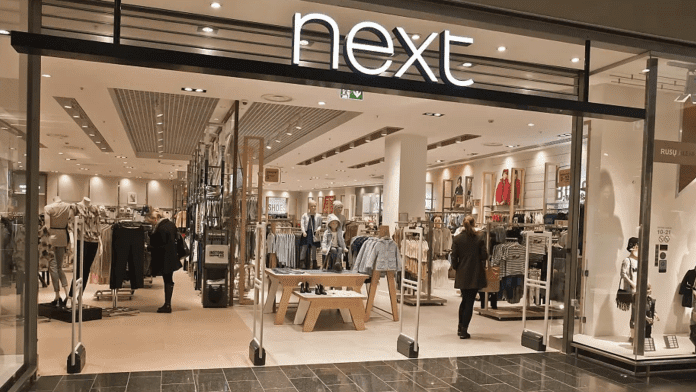
British clothing conglomerate Next (Representative Image)
The British clothing conglomerate Next has reached an agreement to acquire FatFace in a transaction that values the fashion chain at £115.2 million ($140 million), expanding its rapidly growing portfolio with another brand.
Next, with approximately 460 stores in the UK and Ireland and an online presence in over 70 countries, has been strategically investing in or purchasing smaller retailers in recent years as part of its expansion into the “Total Platform” business.
This year, it has added the Cath Kidston brand to its portfolio and boosted its ownership in the upscale fashion chain Reiss to 72%.
Last year, Next made significant acquisitions, including the fashion retailer Joules, the furniture brand Made.com, and a minority stake in the baby goods retailer JoJo Maman BeBe.
On Friday, Next announced its intention to compensate the current owners of FatFace, a consortium comprising financial institutions like Alcentra and Lloyds Banking Group, with a combination of cash and newly issued Next shares.
The agreement, anticipated to finalize in the coming weeks, will result in Next owning 97% of FatFace’s equity, while the remaining 3% will be retained by the management team.
FatFace conducts its business through online operations and a network of 180 stores in the UK and Ireland, along with 28 additional locations in the United States and Canada.
In the fiscal year ending in May 2023, the company reported a pre-tax profit of £19.5 million, with sales totaling £282 million, marking a 15% increase compared to the previous year.
Next announced that Will Crumbie, who has been serving as FatFace’s CEO since 2021, will remain at the helm of the business. Furthermore, the company mentioned that this agreement is not expected to significantly affect the group’s profit for the current fiscal year.
Last month, Next raised its profit guidance for the third time in four months, resulting in an 18% year-to-date increase in its shares.
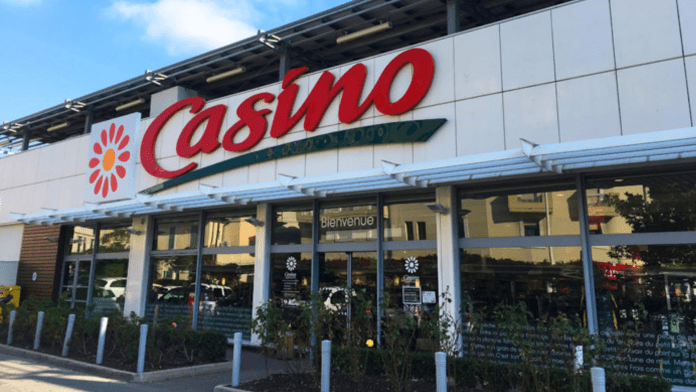
French supermarket chain Casino (Representative Image)
Indebted French supermarket chain Casino, on Monday, disclosed that it had reached an initial agreement to offload its ownership stake in the Latin American retailer Almacenes Exito to Grupo Calleja.
On Friday, Casino’s board granted approval for a preliminary agreement to divest its complete ownership interest in Almacenes Exito to Grupo Calleja, a prominent grocery retailer based in El Salvador, the company stated.
Casino is currently undergoing a restructuring process as a result of years of debt-fueled acquisitions that had pushed it to the brink of default.
On Monday, the company announced that it would receive $400 million from the sale of its Almacenes Exito stake at a price of $0.9053 per share. Additionally, its subsidiary, Grupo Pao de Acucar (GPA), with its own stake, is set to receive $156 million.
Casino stated that the purchaser will make the payment in cash.
In a statement, Casino noted that the per-share price could be subject to reduction due to extraordinary dividend distributions, asset transfers, or similar transactions conducted by Exito.
India is a diverse country, not just in terms of its people and culture, but also in its culinary habits and snacking preferences. Snacking has always been an intrinsic part of Indian culture. We have a snack for any reason, season, and occasion, no matter what time of the day it is. Recognizing this deep-rooted love for snacking, Deepak Grover embarked on a mission in 2019 that would ultimately transform India’s snacking landscape.
Deepak’s vision was clear: he aimed to provide snacks that didn’t just satisfy taste buds but also promoted health, boosted immunity, replaced unhealthy meals, and supported weight management. It was an ambitious goal that gave birth to Snack Amor, a brand that firmly believes in the potent combination of health, taste, and affordability.
The target audience for Snack Amor is as diverse as India itself, catering to health-conscious millennials and discerning adults who prioritize preventive healthcare. In a market saturated with snack options, Snack Amor quickly emerged as a trusted platform for those seeking tasty, healthy, affordable, and natural snacking alternatives.
Over the past few years, Snack Amor’s journey has been nothing short of impressive. The brand has garnered a loyal customer base that continues to grow. However, for Snack Amor, this is merely the beginning of a more significant mission. Leveraging the power of digital technology, the brand is now poised to make its products accessible and affordable to millions across India and beyond.
The very name “Snack Amor” encapsulates its mission – the love of snacks done right. Unhealthy snacking habits have contributed to a surge in lifestyle diseases like diabetes and cardiovascular issues in India. Snack Amor was founded with the determination to confront this pressing concern and lead the way toward a healthier and happier India. Through its dedication to innovative, health-conscious snacks, Snack Amor is redefining snacking in India, one delicious and nutritious bite at a time.
When inquired about the brand, Founder Deepak Grover unveiled during his interview with Snackfax that Snack Amor’s ethos revolves around nurturing self-love, family well-being, and environmental stewardship through the provision of snacks crafted from wholesome, health-conscious ingredients. Firmly committed to upholding standards of quality and nutrition, Snack Amor is unwavering in its resolve to directly address the issue of unhealthy snacking. Here are some notable excerpts from the interview..
SnackFax:Could you provide insights into the competitive landscape and other relevant market dynamics, given the highly competitive nature of the snack category?
Deepak Grover: The organized market is valued at 100,000 crores, while the unorganized sector might be even ten times larger. Therefore, it’s not a market where one player can dominate entirely. Additionally, in the next 2-5 years, we can expect the emergence of new quality brands, which is a positive development, as it signifies a growing market. The more players, the better it is for the industry.
However, I believe consumers have advanced in their understanding of food, particularly when it comes to healthier options. They are seeking highly innovative products that offer both great taste and affordability while also being transparent about their nutritional value.
SnackFax: Can you elaborate on how Snack Amor’s products are not only healthier but also more environmentally sustainable?
Deepak Grover: When we talk about junk food, we’re referring to food that is excessively high in saturated fats, salt, and sugar. The real challenge lies in creating food products that are either devoid of or contain minimal amounts of these unhealthy elements while still delivering a delicious taste. This has been our primary focus as a brand. Additionally, we recognize that Indian consumers have specific preferences, such as the desire for high protein content, the avoidance of refined flour (maida), and the inclusion of essential micronutrients like calcium and iron. We are dedicated to curating products that meet these criteria.
Our products not only surpass the nutritional shortcomings of typical junk food but also excel in sustainability. They are not just free of saturated fats, salt, and sugar but are also enriched with essential micronutrients and protein, all while remaining affordable for our customers.
In the realm of business, profit is undoubtedly a goal, but we also have a higher purpose. Our aim is to be a responsible member of the global community and make a positive impact on the planet. We are a purpose-driven brand, and this sets us apart from others in the industry.
Take millets, for example. Despite their centuries-old presence in India, they have never received the attention they deserve. By promoting the cultivation of millets over crops like corn, we can conserve up to 247 million liters of water annually. Furthermore, millets have a significantly lower carbon footprint compared to corn, contributing to reduced greenhouse gas emissions.
Our purpose extends beyond improving the 4pm snacking culture; it encompasses a commitment to a more planet-centric approach.
SnackFax: In terms of brand scalability, where do you currently stand?
Deepak Grover: While Snack Amor primarily operates as an online e-commerce D2C (Direct-to-Consumer) business, it’s crucial to recognize that true growth and scalability for any FMCG (Fast-Moving Consumer Goods) company in India hinge on successfully navigating the challenges of offline distribution.
Moreover, when it comes to understanding the broader business ecosystem, my industry experience has equipped me with valuable insights. Having a background in this industry enables me to strategically allocate our marketing budget, identifying the most effective areas to invest in. This perspective is particularly significant when viewed from the standpoint of our distributors.
In addition to our online presence, we’ve strategically ventured into specific geographic regions or “belts” to establish a presence in offline markets. We’ve also tapped into the general trade market, where the average trade value can start at 1000 and gradually increase to 2x, 3x, or even 4x. The key strategy here is to identify the most relevant and impactful players in these markets and concentrate our efforts on collaborating with them to drive growth and make a meaningful difference.
Final Thoughts:
Snack Amor’s dedication to making healthier choices accessible extends an open invitation to everyone. As they say, “Do try us out. We would love to hear your feedback!” With its unique combination of taste, health, and affordability, Snack Amor is not just a brand; it’s a movement that’s reshaping the way India snacks, one delicious and nutritious bite at a time.
We use cookies to ensure that we give you the best experience on our website. If you continue to use this site we will assume that you are happy with it.