Tuesday, February 3, 2026
Home Blog Page 869

Zomato’s food carnival Zomaland to kick off on Nov 4th, promising an exciting fusion of food and entertainment across 8 cities

0
Zomaland festival

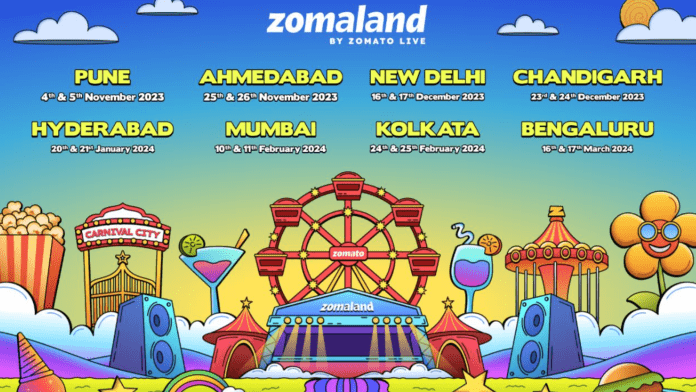
Foodtech giant Zomato’s event branch, Zomato Live Entertainment, has revealed that the upcoming Zomaland festival, an exciting fusion of food and live entertainment, will mark its fourth edition starting on November 4th in Pune.

In its latest edition, Zomaland is set to be hosted in eight cities: Pune, Mumbai, Delhi, Bengaluru, Chandigarh, Hyderabad, Ahmedabad, and Kolkata.

Zomaland is a carnival organized by Zomato Live, which brings together a delightful fusion of food, performances by artists from across the country, and various other engaging experiences.

The Zomaland 2023-24 carnival will kick off in Pune and then continue its journey through Ahmedabad, Delhi, Chandigarh, Hyderabad, Mumbai, Kolkata, and Bengaluru. Although the event lineup for Pune is still under wraps, tickets are already up for grabs on both Zomato’s food delivery app and Paytm Insider.

This year, the ticket price for Zomaland starts at INR 599, marking an increase from last year when it commenced at INR 499.

Commenting on the previous editions of Zomaland, Zeenah Vilcassim, CEO of Zomato Live, said, “The previous seasons of Zomaland charmingly captured the heart of each city and this year, we are gearing up to take it to new heights. It is a true celebration of food, music, and culture and we can’t wait to entertain and delight our audiences as alway.”

In a statement, Zomato Live announced that the upcoming season of the carnival will feature more than 60 establishments in the food industry.

According to Zomato Live, during the last season of Zomaland, the event attracted a footfall of over 175,000 attendees and featured the participation of more than 400 restaurants across seven cities.

Over the recent years, live events have become a significant business prospect for Zomato. In the context of revealing its financial results for the first quarter of FY24, Zomato expressed its consideration of separating the ‘Going Out’ category, encompassing Zomato’s dining out and live events ventures, into a distinct mobile application.

It’s important to highlight that Zomato recorded its first profitable quarter, achieving a post-tax profit of INR 2 crore in Q1 FY24.

This development has provided a significant uplift to the company’s stock price, with its shares trading more than 75% higher year to date. On Wednesday, the company’s shares reached a new intraday 52-week high for the second consecutive day, and at 03:15 PM IST, they were trading 2.6% higher at INR 108.85 on the BSE.


Advertisement

Dunzo’s head of finance steps down as cash crunch grips the startup

0
Dunzo
Dunzo (Representative Image)

In another major shakeup within the troubled Dunzo, Sudharshan N, the head of finance, has parted ways with the quick commerce startup.

Sudharshan’s LinkedIn profile indicates that he concluded his role as the head of finance at Dunzo in September 2023, following a year-long tenure with the company. This departure coincides with a period of turmoil at the quick commerce startup, characterized by financial challenges and delays in employee salary disbursements.

The company’s financial leadership transition remains uncertain.

Sudharshan’s time at Dunzo, which lasted only 14 months, marks the briefest chapter in his career. Previously, he dedicated almost four years to the prominent foodtech company, Swiggy, and nearly eight years at Ernst & Young (EY). An alumnus of Bangalore University, Sudharshan holds an undergraduate degree in commerce and is a certified chartered accountant (CA).

Significantly, the departure occurs during a period when Dunzo has faced financial challenges and has been actively seeking investment capital. Just last week, there were reports that the company was preparing to seek board approval for a rights issue, aiming to secure up to $35 million, but at a considerably reduced valuation. The startup had apparently been intending to secure the funds with a valuation of $200 million, a substantial decrease from its earlier valuation of $800 million.

Sudharshan was at the heart of the startup’s fall from grace, overseeing delayed salaries and missed payment deadlines due to cash flow issues. Despite pledging multiple times to release pending salaries that have been held since July, the startup has now pushed the deadline all the way to January-February 2024.

In addition to Sudarshan, Dalvir Suri, one of the Co-Founders of Dunzo, has departed from the company. Reports emerged last week indicating that another Co-Founder, Mukund Jha, is currently in the process of leaving the startup. Furthermore, Ashwin Khasgiwala and Rajendra Kamath from Reliance Retail, along with Vaidehi Ravindran from Lightrock India, have resigned from Dunzo’s board.

Read More: Dunzo Co-Founder Dalvir Suri announces departure after six years of service

Also Read: Dunzo’s leadership exodus continues: Co-Founder Mukund Jha steps down

Additionally, there have been significant departures from various teams, such as the departure of Akansha Kumari, who served as the head of the product team. These exits have contributed to high attrition rates, which have been further exacerbated by extensive layoffs that have taken place over the past year.

In the meantime, it’s been reported that the company has chosen OneTap, a payroll financing company, to ensure timely wage payments and mitigate the salary crisis.

Read More: Dunzo turns to payroll financing app OneTap for August salary payments amid financial strain

The unfolding saga began when it became apparent that the quick-commerce giant had accumulated cumulative losses exceeding $150 million, despite generating only $12 million in revenue between 2018 and 2022.

With losses steadily depleting the $240 million in funding raised from Reliance Retail, the company initiated a restructuring initiative. This involved reducing the workforce and shifting towards a hyperlocal model, all while competitors like Blinkit, Zepto, and Swiggy Instamart surged ahead in the market.

As the company readies itself for more financially constrained periods, the question remains whether it can successfully avert the ongoing crisis.

Advertisement

Navigating Sales Success: How to Develop a Winning Process for Your Product

0
Sales Success

The world of business is a dynamic, ever-evolving ecosystem. To thrive in this environment, it’s crucial to have a well-structured and adaptable sales process that can help your product shine. Creating a winning sales process is about more than just closing deals; it’s about building relationships, solving problems, and ensuring long-term success.

1. Know Your Product Inside and Out

Before you can sell it effectively, you need to understand your product like the back of your hand. This knowledge isn’t just about the features; it’s about knowing how your product addresses your customers’ pain points and fulfills their needs. Be ready to answer any question, anticipate objections, and communicate the value your product brings.

2. Understand Your Audience

Different products are made for different people. Knowing your target audience is paramount. Create detailed buyer personas to understand the unique needs and preferences of your potential customers. This will help you tailor your sales process to speak directly to their concerns and desires.

3. Develop a Consistent Sales Framework

Consistency is key in sales. Your sales team should follow a standardized process from the first point of contact to closing the deal. This ensures that every customer interaction is optimized for success. Outline the stages your leads go through, from initial outreach to follow-ups, and stick to this structure.

4. Effective Sales Training and Onboarding

Equip your sales team with the knowledge and skills they need to excel. Offer comprehensive training and onboarding programs to ensure that everyone on your team is on the same page. This consistency in approach will help maintain your brand’s integrity and customer experience.

5. Personalization is Powerful

While consistency is crucial, so is personalization. Tailor your approach to individual leads whenever possible. Show them that you’re genuinely interested in solving their specific problems. Personalized communication builds trust and strengthens relationships.

6. Sales Tools and Technology

Leverage the power of technology and sales tools. Customer Relationship Management (CRM) software, email marketing platforms, and analytics can streamline your sales process, helping your team work more efficiently and make data-driven decisions.

7. Effective Communication and Active Listening

Successful salespeople are not just skilled talkers; they’re also active listeners. Pay attention to your customers’ needs and concerns, and address them effectively. Open, two-way communication helps build trust and rapport.

8. Objection Handling

Objections are a natural part of the sales process. Prepare your team to handle objections professionally and persuasively. Understanding objections can actually be an opportunity to provide more information and demonstrate the value of your product.

9. The Art of Closing the Deal

The final step is often the most challenging: closing the deal. Your team should be well-versed in various closing techniques, such as the assumptive close, the summary close, or the trial close. Each approach can be used to nudge the customer towards a decision.

10. Continuous Improvement

A winning sales process is not static; it’s an ever-evolving strategy. Regularly assess the results and feedback, and be ready to adjust and improve your process as needed. Monitor key performance indicators and leverage data to refine your approach.

Developing a winning sales process is a continuous journey. It’s about understanding your product, your audience, and your team’s strengths and weaknesses. By building a consistent, personalized, and adaptable sales process, you can navigate the challenges of the business world and set your product on the path to long-term success. Sales isn’t just about transactions; it’s about building relationships, solving problems, and ensuring that your product truly shines in the market.

Advertisement

From Awareness to Expertise: Building Consumer Knowledge of Your Product

0
Building Consumer Knowledge

Capturing consumer attention is only the beginning in the ever-changing world of business. The actual problem is to turn a passing interest in your product into a deep and persistent knowledge of it. This shift from simply knowing about your service to becoming well-versed in its features and benefits may be game-changing for any company. 

1. Lay a Strong Foundation: Know Your Product Inside Out

Before you can expect consumers to become experts in your product, you need to master it yourself. This means understanding every facet of your product, from its features to its benefits and potential applications. This deep knowledge will empower you to communicate effectively and address any questions or concerns from potential customers.

2. Clear and Compelling Communication

To bridge the gap between awareness and expertise, your communication must be crystal clear. Use simple, jargon-free language to describe your product’s features and benefits. Create compelling content that highlights what sets your product apart. Whether it’s through your website, social media, or marketing materials, effective communication is the first step in educating your consumers.

3. Create Informative Content

Educational content is a powerful tool for building consumer expertise. Consider starting a blog, hosting webinars, or even making video tutorials that provide in-depth information about your product. These resources not only educate your audience but also position your brand as a valuable source of information.

4. Harness the Power of Customer Reviews and Testimonials

Peer-to-peer recommendations and reviews can be incredibly influential in building consumer knowledge. Encourage satisfied customers to leave reviews and testimonials. Sharing real-world experiences helps potential customers better understand how your product can solve their problems or meet their needs.

5. Offer Training and Support

Providing training and support materials can be instrumental in helping customers become experts in your product. This might include user guides, FAQs, or even dedicated customer support channels. A well-informed customer is more likely to use your product to its full potential and share their positive experiences with others.

6. Customer Feedback Loops

Listening to your customers and incorporating their feedback can be a valuable source of information for both product improvement and customer education. Continuously seek feedback through surveys, social media, or direct communication. When customers see their suggestions being considered and implemented, they feel a deeper connection to your brand.

7. Loyalty Programs and Exclusive Content

Loyalty programs not only reward customers for their repeat business but also provide opportunities for further education about your products. Offer exclusive content or early access to new features to reward loyal customers and keep them engaged.

8. Demonstrations and Product Experiences

Live demonstrations and hands-on experiences can be incredibly effective in building consumer knowledge. Whether you have a physical product or offer a service, providing opportunities for consumers to see, touch, or experience your offering firsthand can be transformative.

9. Leverage Social Proof

Highlight endorsements and partnerships with influential individuals or organizations. When respected figures vouch for your product, it can significantly boost your credibility and consumers’ trust in your expertise.

10. Evolve and Innovate

The business landscape is in constant flux. To maintain consumer expertise in your product, continue to innovate and evolve. Regular updates, new features, and staying ahead of industry trends will keep your customers engaged and informed.

In the end, the journey from awareness to expertise is a process that requires patience and dedication. By offering clear and compelling communication, educational resources, and excellent support, you can transform casual consumers into well-informed advocates for your product. The result? A loyal customer base that not only buys from you but also helps spread the word about your product’s value and versatility.

Advertisement

Who’s Who: Steps to Clearly Identify Your Target Demographic

0
target demographic

Success in the ever-changing business scene is dependent on a thorough grasp of your target audience. However, in a world where consumers are more diverse and intelligent than ever, how can you identify and engage with your ideal customers? Identifying your target demography is the first step towards building a solid client base, personalizing your products or services, and adopting efficient marketing methods. Let’s get started on identifying your target demographic.

Step 1: Market Research is Key

Start with robust market research. This entails gathering and analyzing data to understand who your customers are, where they live, and what they need. Look at industry reports, conduct surveys, and study competitors in your niche. By examining market trends and customer behavior, you can gain valuable insights into your target demographic.

Step 2: Create Buyer Personas

Once you’ve collected data, it’s time to create detailed buyer personas. A buyer persona is a fictional representation of your ideal customer. It includes demographic information, behaviors, and preferences. By developing these personas, you can humanize your customers, which makes it easier to tailor your offerings to their specific needs.

Step 3: Analyze Existing Customers

Your current customers can provide a wealth of information. Examine your customer database to identify trends and common characteristics among your most loyal clients. What are their demographics? What products or services do they frequently purchase? This data can help you identify your target demographic and develop strategies to attract more customers like them.

Step 4: Segment Your Audience

Your customer base is likely diverse, so it’s important to segment your audience. Group your customers based on shared characteristics, such as age, location, income, and interests. By breaking down your audience into manageable segments, you can customize your marketing efforts for each group.

Step 5: Analyze Competitor Success

Your competitors may have already done the legwork in identifying their target demographic. Study their marketing strategies and customer base to see who they’re successfully attracting. While you shouldn’t copy their strategies outright, this information can help guide your own efforts in reaching similar audiences.

Step 6: Test and Refine

Identifying your target demographic is an ongoing process. Continuously test and refine your approach. Monitor the success of your marketing campaigns, collect feedback from customers, and adapt your strategies as needed. Over time, your understanding of your audience will become more precise, leading to more effective marketing efforts.

Step 7: Keep an Eye on Emerging Trends

The world is in a constant state of change, and consumer preferences evolve. Stay updated on emerging trends, technologies, and cultural shifts that may affect your target demographic. Being agile and adaptable will ensure your business remains relevant and engaging to your audience.

The Power of Knowing Your Target Demographic

Identifying your target demographic isn’t just about honing in on a niche market; it’s about building stronger connections with your customers. By understanding their needs and preferences, you can deliver products or services that truly resonate. This not only fosters customer loyalty but also helps your business thrive in a competitive marketplace.

Recognizing and connecting with your target demographic is a foundational step for any business. It’s the difference between casting a wide net and hitting a bullseye with your marketing efforts. By conducting thorough research, creating detailed buyer personas, and continuously refining your approach, you’ll be well-equipped to engage, satisfy, and grow your customer base.

Advertisement

Niche Gastronomy: Customizing Your Food Brand’s Approach for Targeted Audiences

0
Target Audience

Gone are the days when generic menus and one-size-fits-all culinary offerings reigned supreme. Consumers today are more discerning and health-conscious than ever, and they crave unique, tailored dining experiences. Niche gastronomy is the art of specializing and customizing your food brand’s approach to cater to these specific tastes and preferences.

This approach involves understanding the unique needs, desires, and cultural backgrounds of your target audience and crafting menus, recipes, and food experiences that resonate with them. Whether it’s gluten-free, vegan, farm-to-table, or a particular regional cuisine, niche gastronomy allows food brands to connect with consumers on a more profound level.

The Power of Personalization

Personalization is the cornerstone of niche gastronomy. By gathering insights about their target audience, food brands can create menus that cater to specific dietary requirements and culinary preferences. This not only drives customer loyalty but also attracts new patrons who value having their unique tastes recognized and satisfied.

For instance, a high-end restaurant specializing in molecular gastronomy might attract a niche audience of adventurous foodies who appreciate the artistry behind their dishes. On the other hand, a fast-casual eatery focusing on locally-sourced ingredients and organic options could target health-conscious consumers looking for environmentally responsible choices.

The Benefits of Going Niche
  • Enhanced Customer Loyalty: By delivering precisely what your target audience desires, you’re more likely to establish a loyal customer base that keeps coming back for more. This helps to build brand recognition and long-term success.
  • Effective Marketing: Niche gastronomy provides a natural focal point for your marketing efforts. By catering to a specific audience, you can develop tailored marketing campaigns that speak directly to your potential customers.
  • Reduced Competition: Specializing in a niche area can mean less competition in the marketplace. When you own a unique culinary space, you’re less likely to face direct competition from mainstream, generic food brands.
  • Higher Profit Margins: Catering to a specific audience often allows for higher price points. Customers are willing to pay more for food that aligns with their values and preferences.
Real-World Success Stories

Several food brands have achieved remarkable success by embracing niche gastronomy. Here are a few examples:

  1. Vegan and Plant-Based Delights: Brands like Beyond Meat and Impossible Foods have transformed the way consumers view plant-based foods. By targeting health-conscious and environmentally-minded consumers, they’ve achieved widespread acclaim and significant market share.
  2. Gluten-Free Goodness: Udi’s Gluten-Free, a brand dedicated to producing gluten-free bread and baked goods, has created a dedicated following among individuals with gluten sensitivities.
  3. Farm-to-Table Excellence: Restaurants like Chez Panisse in Berkeley, California, have capitalized on the farm-to-table movement, focusing on locally-sourced, seasonal ingredients that resonate with eco-conscious diners.
Embracing the Niche Gastronomy Revolution

In the modern food landscape, customization and niche gastronomy are no longer mere trends but essential strategies for success. Consumers are more discerning, health-conscious, and culture-aware than ever before. By understanding your target audience and personalizing your culinary offerings, you can create a thriving food brand that caters to the unique tastes and preferences of your audience.

As the food industry continues to evolve, brands that embrace niche gastronomy will be at the forefront of this gastronomic revolution, leading the way towards a more diverse, flavorful, and personalized dining experience for all.

Advertisement

Creating Roadmaps of Experience: A Guide to Customer Journey Mapping

0
Customer Journey

Understanding and optimizing the customer experience is critical in today’s highly competitive corporate world. The customer journey map is an excellent tool that has gained popularity in recent years. These visual depictions of a customer’s engagement with a brand may give essential insights and assist organizations in creating more meaningful and engaging experiences.

A customer journey map is a visual representation of a customer’s interactions with a brand across various touchpoints and channels. It’s designed to capture the customer’s perspective, emotions, and pain points throughout their journey. Here’s why it’s so powerful:

  • Empathy: It allows businesses to step into the shoes of their customers, gaining a deeper understanding of their needs, desires, and frustrations.
  • Alignment: It aligns cross-functional teams, ensuring that everyone in the organization is focused on delivering a cohesive and exceptional customer experience.
  • Identification of Pain Points: It highlights pain points and bottlenecks in the customer journey, enabling businesses to address them proactively.
  • Opportunity Spotting: It uncovers opportunities for innovation and improvement, helping companies stay ahead in a competitive market.
Creating a Customer Journey Map
  • Define the Customer Persona: Start by defining the customer persona or segment you want to map the journey for. Understand their goals, needs, and pain points.
  • Identify Touchpoints: List all the touchpoints where the customer interacts with your brand. These can include social media, website, emails, customer service, and more.
  • Map the Journey: Create a visual representation of the customer’s journey, from the initial awareness stage to post-purchase. Use a timeline format, and include emotions, actions, and pain points at each stage.
  • Gather Data: Collect data from customer surveys, interviews, feedback, and analytics to inform your map. Qualitative and quantitative data provide a comprehensive view.
  • Empathy Mapping: Consider the customer’s emotions, thoughts, and motivations at each touchpoint. What are they feeling, and why?
  • Identify Pain Points: Highlight areas where customers encounter friction, frustration, or dissatisfaction. These are opportunities for improvement.
  • Opportunity Mapping: Identify areas where you can enhance the customer experience or add value. Look for moments of delight or potential upselling.
  • Cross-Functional Collaboration: Involve teams from various departments, such as marketing, sales, customer support, and product development, to ensure a holistic view of the journey.
Applying Customer Journey Insights
  • Enhance Touchpoints: Based on the insights gained, make improvements to specific touchpoints to reduce friction and improve the overall experience.
  • Personalization: Use the data to personalize interactions and tailor messaging to meet individual customer needs.
  • Innovation: Identify opportunities for innovation and the development of new products or services that address customer pain points.
  • Training and Culture: Train employees to understand and empathize with the customer journey. Foster a culture of customer-centricity within the organization.
Success Stories in Customer Journey Mapping
  1. Disney: Disney’s theme parks are known for their exceptional customer experiences. They use journey mapping to understand the visitor experience and make continuous improvements.
  2. Airbnb: Airbnb created detailed journey maps to understand the host and guest experiences, leading to enhancements in their platform and services.
  3. Starbucks: Starbucks employs journey mapping to improve the in-store and mobile app experiences, ensuring seamless interactions for their customers.

Creating roadmaps of experience through customer journey mapping is a strategic imperative for businesses that want to stay competitive in the modern landscape. By gaining a deeper understanding of the customer’s perspective, identifying pain points, and uncovering opportunities for improvement and innovation, companies can not only enhance the customer experience but also foster loyalty and long-term success. It’s a journey worth embarking on for any business aiming to create meaningful and lasting connections with its customers.

Advertisement

Tur and chana dal becomes more affordable: Prices fall 4% in a month

0
dal
Pulses (Representative Image)

Over the course of a single month, a rise in imports of arhar/tur from Africa and masoor from Canada, coupled with the government’s stringent measures on stock limits and proactive sales of chana, have collectively contributed to a 4% reduction in pulse prices. This decline was further exacerbated by diminished consumer demand resulting from elevated price levels.

According to a report by the Indian Pulses and Grains Association (IPGA), the wholesale price of tur/arhar dal, which stands as the costliest pulse in the market, has fallen by 4% in the last month. This decline can be attributed to the central government’s imposition of stock limits on traders and processors.

The cost of chana dal, presently the most affordable pulse option in the market, has dropped by 4% within a single month, and masoor prices have also eased by over 2% due to increased imports and diminished demand.

As per IPGA’s analysis, tur prices are projected to face continued downward pressure in the upcoming week due to subdued demand and the expected influx of supply from Africa.

Chana dal prices are poised to decline even further, with the National Agricultural Cooperative Marketing Federation (Nafed), a government agency, actively selling it at reduced rates.

“Chana prices continued to fall in October due to surge in supply of chana at affordable rates, competitive tenders by Nafed and popularity of Bharat Dal,” IPGA said in a report.

Nonetheless, industry leaders believe that any uptick in festival demand could result in a modest uptick in pulse prices.

In the vegetables section, tomatoes, which had surged to over INR 150 per kilogram in the retail market in July, are currently available for INR 10-20 per kilogram.

Market insiders have indicated that tomatoes have consistently been priced at INR 3-6 per kilogram in the wholesale markets for over a month, and this pattern is expected to persist for the next 2-3 weeks.

At the Pimpalgaon APMC in Nashik, where they are currently receiving more than 250,000 crates of tomatoes daily, each crate weighing 20 kg, the prices are within the range of INR 3-6/kg.

“Farmers had planted more tomatoes due to record high prices in July. Dry weather reduced damages to the delicate crop, which has substantially increased the production in Nashik,” said Sanjay Londe, secretary of Pimpalgaon APMC.

According to traders, a potential rise in tomato prices may occur as arrivals from other significant cultivation areas, such as Bengaluru, start to diminish.

Advertisement

Ninjacart aims for INR 2,500 Crore revenue in FY24 with expanding marketplace for farmers and traders

0
Ninjacart
Ninjacart (Representative Image)

Over the past year, Ninjacart, a supply chain startup specializing in fresh produce, backed by Tiger Global and Flipkart, has broadened its operations to create a marketplace for farmers and traders. This expansion also includes facilitating access to financial services for these stakeholders, as stated by its chief executive.

Nonetheless, its “traditional” fulfillment business, which directly links farmers with retailers and wholesalers, bypassing intermediaries and aggregators, is set to remain the primary revenue driver for the company, accounting for 60-70% of the total, as disclosed by Kartheeswaran KK in an interview.

“Earlier, a farmer only knew five buyers or aggregators and could only negotiate with them… but through the platform, they have access to many more buyers, and if they come and place bets, the farmers start getting better prices. That is how we expected the marketplace platform to help (farmers),” said Kartheeswaran.

Ninjacart has set its sights on achieving revenue exceeding INR 2,500 crore in the fiscal year 2024, a significant increase from the approximately INR 1,212.5 crore it generated in the preceding fiscal year ending in March 2023, according to the statement by its CEO. Notably, the Bengaluru-based company has not yet submitted its financial statements for FY23 to the Registrar of Companies.

At present, approximately 50% of the business is operating profitably, and the CEO anticipates this percentage will increase to 80% by the year’s end. He further forecasted that the company would achieve a net profit by the conclusion of fiscal 2026.

“We realised it makes sense to expand our offerings to stakeholders across the value chain, for example farm aggregators, traders, and larger wholesalers. Earlier we used to bypass them, but now we have started co-creating along with them,” he said.

Kartheeswaran has been at the helm of the company in the absence of cofounder Thirukumaran Nagarajan, who previously served as its CEO but took a medical sabbatical. The other cofounders include Ashutosh Vikram, Sachin Jose, Vasudevan Chinnathambi, and Sharath Loganathan.

The company currently operates in 70 locations and has plans to expand to 200 cities and towns within the next year, as stated by the CEO. It derives one-third of its business from each of the northern, western, and southern regions of the country.

In addition to collaborating with a multitude of individual retailers, Ninjacart has established partnerships with e-commerce giants like Flipkart and quick-commerce companies such as Instamart to deliver fresh produce and essential items. Furthermore, for its financing marketplace, the company has joined forces with financial institutions such as IDFC First Bank and Mintifi Finserve.

The CEO anticipates that “non-fresh” grocery items such as rice and pulses will represent approximately 50% of the company’s sales volumes by the year’s end, in contrast to the 30% recorded the previous year. The remaining 50% will continue to consist of fresh fruits and vegetables.

In December 2021, Ninjacart secured $145 million in its last funding round, valuing the company at approximately $800 million. Notable investors, including Walmart, Flipkart, and Accel, participated in this round. As per Tracxn data, Tiger Global holds a 19% stake in the firm, while Flipkart owns 12.7%, and Accel holds a 15.3% stake.

Kartheeswaran stated that with 60% of the total funds it raised still in reserve, Ninjacart will have a runway of three-and-a-half years by the end of this year.

The company operates an affiliate called Ninjacart Global, which serves as a bridge connecting exporters and importers. Additionally, Ninjacart is engaged in partnerships with enterprises in other emerging markets, such as its collaboration with Arado, an agriculture marketplace based in Brazil.

“We are providing them with our entire tech stack and expertise instead of selling the product as a SaaS (software-as-a-service), and in return, we have picked up a stake in the firm,” Kartheeswaran said.

The company is in talks with a number of other firms in emerging markets for similar collaborations, he said, adding, “Our systems are built for unorganised markets like Brazil, Indonesia, the Philippines and so on, so we’re focused on them as opposed to developed markets like the US.”

Advertisement

Iconic Goan eatery ‘The Coconut Boy’ brings authentic coastal cuisine to Mumbai’s Bandra

0
The Coconut Boy
The Coconut Boy

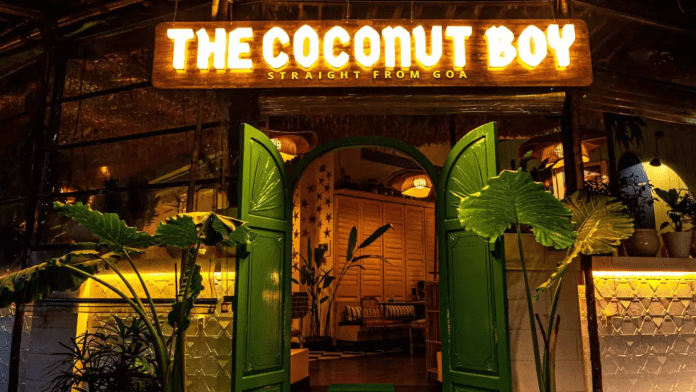
The Coconut Boy, an iconic Goan eatery, is now welcoming guests in the vibrant neighborhood of Bandra, Mumbai.

At the core of Coconut Boy are Hitesh Keswani, chef Rohan D’Souza, and Praveena D’Souza, a trio known for their successful culinary ventures in Goa. Building on their previous achievements, they’re now embarking on a fresh journey with Coconut Boy, ready to infuse the essence of Goan cuisine and the lively coastal spirit into the heart of Mumbai.

Leveraging his profound Goan heritage and culinary expertise, D’Souza has meticulously crafted the menu at ‘The Coconut Boy.’ This culinary repertoire epitomizes the authentic flavors of traditional Goan cuisine, featuring delights ranging from grilled squid brimming with crab stuffing to Chicken Cutlets paired with a Kokum Relish, and fresh coconut-infused Clams. Vegetarian options, such as Local Vegetable Vindaloo and Mushroom & Vegetables Slow Cooked Xacuti Masala, are also woven into this diverse tapestry. The menu doesn’t stop there; it delves into a realm of signature cocktails, including the tropical allure of the Coconut Caipirinha and the classic Pina Colada, offering patrons a journey to the sunny beaches of Goa. By utilizing locally sourced ingredients like kokum and tender coconut, Chef Rohan’s menu not only brings the finest of Goan flavors but also encapsulates the carefree spirit of Goan vacations, right in the heart of Mumbai.

“We’re thrilled to bring the true flavors of Goa to Bandra West,” says the team behind The Coconut Boy, “Our aim is to transport our guests to the lively streets and beautiful beaches of Goa through the food we serve, the cocktails we create, and the atmosphere we curate. We want ‘The Coconut Boy’ to be the go-to destination for those seeking an authentic Goan experience right here in Mumbai.”

Advertisement