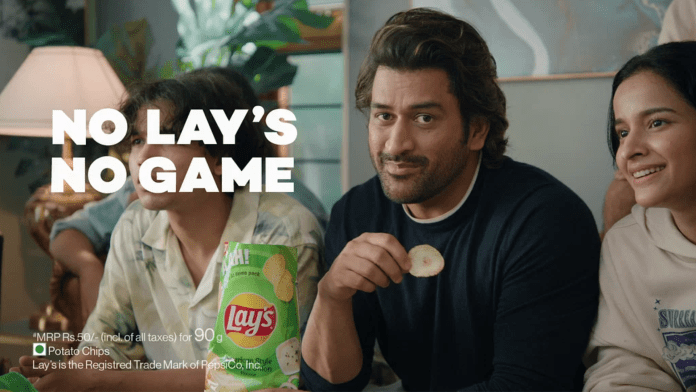
PepsiCo India has enlisted MS Dhoni to serve as the brand ambassador for Lay’s, its potato chips brand. This move capitalizes on the cricketing excitement generated by the ongoing World Cup, which conveniently aligns with the festive season.
Saumya Rathor, Category Lead – Potato Chips, PepsiCo India, said, “The brand is excited to reunite with the beloved cricketer, MS Dhoni, as the face of Lay’s, solidifying the deep bond between the brand and our cricket-obsessed nation. Dhoni is an emotion for the country, and has given us countless moments of joy. Just as Lay’s has been a part of the onsumer’s joyful moments.”
PepsiCo Signs MS Dhoni as Lay’s Brand Ambassador!
Dhoni has maintained a prior association with the brand as well.
“Bollywood and cricket are big passion points for the country and we focus on a lot of occasion-building to contextualize and grow brand relevance. We are confident that this dynamic partnership and the ‘No Lay’s, No Game’ campaign will continue to deliver boundless joy to consumers and remind them to continue to elevate their match-viewing experience with Lay’s chips,” added Rathor.
The packaged snacks category has also experienced an increase in demand during the festive season.
“We do see a consumption upswing during the fag-end of the year, and we are planning a lot of activations to capitalize on the mood of the nation,” she added.
The PepsiCo campaign ‘No Lay’s No Game’ has featured football legends Thierry Henry and Lionel Messi in various international markets.
Vikram Pandey, National Creative Director, Leo Burnett India, said “Everyone knows Lay’s is the prefect munching snack while watching the game. The challenge was how do we get them to stock it up. The answer was Dhoni knocking at your door! This candidly captured film takes our international ‘No Lay’s, No Game’ idea forward and playfully reminds audience to stock up Lay’s at home.”
Wardwizard Foods and Beverages Limited, a prominent player in the food and beverage industry, is thrilled to introduce its QuikShef Spice Range in celebration of the Navratri festival. This launch represents a substantial expansion of their product lineup and exemplifies the company’s forward-thinking approach. With this innovative offering, Wardwizard aspires to captivate the market, marking a pivotal moment in their journey as they explore an exciting new segment.
The unveiling of the QuikShef Spice Range became an unforgettable occasion, elevated by the presence of Param Pujniya Shri Dhirendra Shastriji, Bageshwar Dham Sarkar. His attendance at the Navratri festival lent a sacred aura to this culinary extravaganza, enriching the event’s spiritual essence.
Emphasizing the strategic vision behind the move, Mrs. Sheetal Bhalerao, Chairperson and Managing Director, Wardwizard Foods and Beverages Limited., stated, “Our foray into the spices segment represents our commitment to innovation and fulfilling the evolving tastes of our consumers. We comprehend the growing demand for high-quality spices and are determined to offer nothing less than the best.
With the QuikShef Spice Range, we aim to bring the rich and authentic flavors of Indian spices to the world, enabling culinary enthusiasts to infuse their dishes with the essence of India. This initiative is just the beginning of our forward-looking approach, and we are excited to bring new and exciting flavors and experiences to our customers.”
Wardwizard Foods Unveils QuikShef Spice Range Expansion
Continuing her statement, Mrs. Bhalerao mentioned, “We are also deeply honored to have Param Pujniya Shri Dhirendra Shastriji, Bageshwar Dham Sarkar, join us on this auspicious occasion, and we extend our heartfelt gratitude for his presence, adding a spiritual and blessed dimension to our culinary journey”
In response to the growing demand for premium spices, Wardwizard Foods and Beverages unveiled its QuikShef Spice Range during the Navratri festival. This exquisite collection features 17 distinct varieties, meticulously crafted to enhance the flavor and aroma of dishes. From the fragrant Shahi Biryani Masala to the versatile Garam Masala, and the delectable Panipuri Masala, these spices cater to the discerning preferences of customers. With packaging available in four convenient sizes, Wardwizard Foods ensures that both novice cooks and seasoned chefs can find the ideal fit for their culinary creations.
Below is a list showcasing the all new QuikShef Spice Range along with their available grammage:
Product Name
Grammage
Shahi Biryani Masala
50g, 100g
Sambar Masala
50g, 100g
Pav Bhaji Masala
50g, 100g
Kanda Lasun Masala
50g, 100g
Kitchen King Masala
50g, 100g
Garam Masala
50g, 100g
Chat Masala
50g, 100g
Shahi Paneer Masala
50g, 100g
Tandoori Masala
50g, 100g
Sabji Masala
50g, 100g
Panipuri Masala
50g, 100g
Chole Masala
50g, 100g
Kashmiri Mirchi Powder
50g, 100g, 500g, 1Kg
Dhaniya Powder
500g, 1Kg
Haldi Powder
500g, 1Kg
Meat Masala
50g, 100g
Chicken Masala
50g, 100g
The QuikShef Spice Range is poised to make waves in the respective segment, further establishing Wardwizard Foods and Beverages as a leader in culinary innovation. This exciting introduction aligns with the company’s mission to satisfy not only consumers’ appetite but also their craving for a unique and authentic culinary experience.
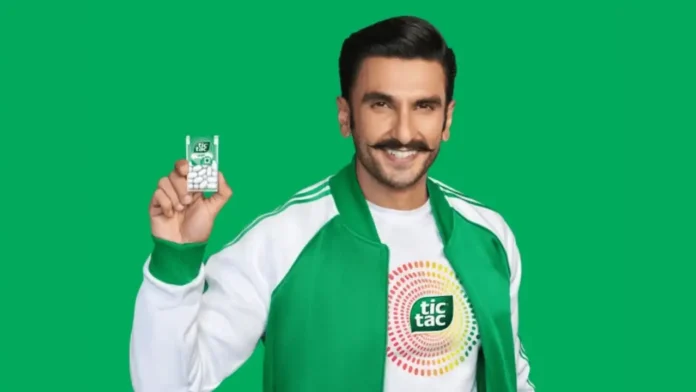
Tic Tac, the confectionery brand of Ferrero India (part of Ferrero Group), one of the world’s leading manufacturers of sweet-packaged products, has announced the launch of its latest Digital Campaign for the ongoing cricket season. To further augment its connection with the target audience, Company has teamed up with Bollywood actor Ranveer Singh to launch a fun, refreshing and quirky campaign that is sure to entertain consumers across the spectrum. The association marks a dynamic union between a brand known for its refreshing mints and India’s most beloved actor known for his refreshing vibes.
Tic Tac Collaboration with Ranveer Singh!
At the heart of Tic Tac’s brand proposition, lies the notion of sparking your inner positive vibes and radiating them to others. This concept takes centre stage in the recently released digital film as well, which features Ranveer Singh as the main protagonist. The campaign aims to portray Tic Tac as an inspiration for a refreshing transformation, that brings alive the moments of refreshing good vibes, to further establish the brand as a preferred choice of refreshment amongst the youth of India.
In the digital film, Ranveer Singh and his friend are seen viewing a match, when emotions run high & and his friend becomes passionate on player’s performance, and start ‘coaching’. Ranveer then intervenes playfully, asking his friend to chill & vibe. The film not only encapsulates the essence, but also embodies Ranveer’s quirky personality and energy. Ranveer passes on the Tic Tac pack & the Tic Tac spirit to his friend, establishing it as your partner, in savouring all the high and low moments of the game, while maintaining a positive, cheerful vibe, regardless of the situation.
Zoher Kapuswala, Marketing Head, Pills & Gums, Ferrero India, said “Keeping the consumer’s love for good vibes at the heart of all its endeavours, Tic Tac has come out with yet another ‘youth-first’ digital campaign, spearheaded by the Youth Icon of the Country- Ranveer Singh! Keeping pace with the Gen Z & their affinity towards Sports and Bollywood, we leveraged the magical combination of the passion for cricket, and the playfulness & positive energy of Ranveer Singh.”
#ChillKarVibeKar campaign will be leveraged on all key social media platforms.
Flipkart is currently on track to attain a gross merchandise value (GMV) in the range of INR 33,000 to 36,000 crore during the ongoing festive season sale, as disclosed by sources knowledgeable about the situation. This sale is expected to continue for approximately 40-45 days, extending until the celebration of Diwali in November.
After a strong start to its flagship Big Billion Days sale in early October, which exceeded expectations, the e-commerce giant owned by Walmart, has now initiated the second phase of its festive season sale, as indicated by insiders. It’s worth noting that these sales are traditionally conducted in three stages, strategically designed to contribute a substantial portion of the total annual sales during this season, helping the company maintain its market leadership position over its rival, Amazon India, for the past two years.
Flipkart’s Festive Sales:
“The start of the sale cycle has been positive, which began on October 8 and (Flipkart) should be on track to hit GMV of around $4-$4.5 billion,” said one person aware of the sales trajectory so far. This will mark an increase of up to 15-20% from the GMV recorded by the ecommerce major in 2022.
GMV, or Gross Merchandise Value, signifies the cumulative worth of products traded within an online marketplace. Flipkart generates revenue by collecting a commission on every sale, acting as the intermediary that connects merchants with consumers through its marketplace.
In addition to its primary revenue source, Flipkart also earns income through various seller services, including advertising.
Flipkart Wholesale (Representative Image)
Queries regarding the sales numbers were met with no response from a Flipkart spokesperson.
Both Flipkart and Amazon India, the two leading e-commerce players in the nation, have conveyed through press statements that the festive sales have commenced on a positive note. However, it’s important to note that these companies do not disclose specific individual gross sale figures for their platforms.
During the initial week of this year’s festive season sales on e-commerce platforms, GMV surged by approximately 18%, reaching approximately $4 billion, as reported by Datum Intelligence, a market research company. Datum Intelligence anticipates that the e-commerce sector will achieve a total GMV of roughly $9 billion by the conclusion of this year’s festive season.
“These (Flipkart GMV numbers) estimates are realistic and in line with market data. Flipkart is still big on smartphones, fashion and appliances — which are key segments, especially during this period,” said Satish Meena, an advisor to Datum Intelligence.
Flipkart Demands:
As per insiders, the surge in sales for Flipkart can be attributed to an increased demand for premium products in various categories, such as high-end smartphones, electronics, and appliances. This trend has been verified by at least two executives representing third-party logistics firms, based on the shipment data they’ve processed.
According to data from Counterpoint Research, sales of premium smartphones witnessed a twofold increase in online channels. Furthermore, it was revealed that 80% of the smartphones sold on Amazon and Flipkart within the initial 48 hours of the sale were equipped with 5G capabilities.
“We expect festive season smartphone sales to grow 7% YoY in volumes and 15% YoY in terms of the average selling price (ASP) this year. Smartphones, electronics & appliances and fashion are the top categories for ecommerce marketplaces,” the firm said in a note issued last Friday.
Industry executives point to a rising trend of “premiumisation” across both online and offline retail that is buoying the sector after muted sales during the first half of the year. “Although, the sluggish growth in sales of low-value items has continued in festive season sales as well,” said one person in the know.
“It is crucial for the marketplaces that new customers come in so that they are not just relying on repeat users. That would be important for the rest of the festive season as well as the full year,” a senior ecommerce industry executive said.
Flipkart Second Quarter Sales:
In July, it was reported that second-quarter sales figures indicated a decline in the volume of products priced under INR 500.
According to several industry executives, this observation highlights how a specific group of users is significantly influencing total sales, whereas the wider consumer base may not be able to contribute as substantially due to income constraints and rising inflation. In two distinct discussions, Amazon India executives have mentioned that they are witnessing a “significant shift toward premium products” across various categories.
“Fashion this year was the most affected segment throughout. Offline stores are also back in the groove now and there is a control in the inventory being released for online as well as on its pricing,” said an industry executive aware of the trends.
Insiders further noted that Flipkart’s recently introduced subscription program, VIP, has prompted higher spending by more affluent users from major metropolitan areas. These users are now engaging in a range of transactions, such as booking travel through Cleartrip, on the platform. VIP was rolled out in major cities like New Delhi, Bengaluru, and Mumbai just ahead of the Big Billion Days sale, featuring perks like next-day delivery.
Amazon’s well-known subscription program, Prime, consistently witnesses its members spending more on the platform throughout the year in comparison to non-Prime users. Shortly following the launch of Flipkart VIP, Amazon introduced its own service called “Prime Shopping Edition,” just prior to the commencement of its flagship sales event, the Great Indian Festival. This new membership is available for INR 399 per year and offers restricted shopping-related advantages, including free shipping and one-day deliveries.
Datum’s Meena added that while repeat users from urban markets are driving the value growth, non-metro markets are playing an important role in overall volume growth. “Platforms like Flipkart, Meeshoand Amazon are seeing volume growth from non-metro markets,” he said.
Staying ahead of the curve in today’s fast changing business world necessitates adopting digital transformation. It’s more than just a buzzword; it’s a strategic shift that can move brands forward, opening up new opportunities and avenues to success. This article delves into the concept of digital transformation and the technologies that are propelling forward-thinking brands on this transformative journey.
Digital transformation isn’t a standalone technology; it’s a comprehensive strategy. It entails reimagining and reinventing the way a brand operates, serves its customers, and competes in the digital age. The goal is to leverage technology to enhance customer experiences, streamline operations, and drive growth.
Key Technologies that Power Digital Transformation
Artificial Intelligence (AI) and Machine Learning: AI and machine learning are revolutionizing business operations. Brands can utilize AI to analyze vast datasets, gain insights, and automate tasks. Chatbots, recommendation engines, and predictive analytics enhance customer experiences and operational efficiency.
Internet of Things (IoT): The IoT connects everyday objects to the internet, enabling data collection and analysis. In manufacturing, for example, IoT sensors can provide real-time insights into equipment performance and maintenance needs, optimizing operations.
Big Data and Analytics: Data is the lifeblood of digital transformation. Businesses leverage big data and analytics to gain a deeper understanding of customer behavior and market trends, which informs decision-making and enhances customer experiences.
Cloud Computing: The cloud offers scalability, flexibility, and cost-efficiency. Brands are migrating to the cloud, making data and applications accessible from anywhere, facilitating remote work, and reducing IT infrastructure costs.
Blockchain Technology: Blockchain provides secure, transparent, and tamper-proof record-keeping. It has applications in supply chain management, finance, and even identity verification, fostering trust and transparency.
Augmented Reality (AR) and Virtual Reality (VR): AR and VR technologies are changing the way brands engage with customers. From virtual showrooms to interactive product demonstrations, these technologies create immersive and engaging experiences.
5G Connectivity: The rollout of 5G is revolutionizing the speed and reliability of data connectivity. It enables faster load times, seamless remote work, and smoother interactions, propelling customer experiences to new heights.
Cybersecurity Solutions: As digital operations expand, cybersecurity becomes paramount. Brands are investing in robust cybersecurity measures to protect data and safeguard their reputation.
The Impact on Brand Growth
Digital transformation isn’t just about technological upgrades; it’s a strategic journey that drives growth. Brands that embrace these technologies experience several key benefits:
Enhanced Customer Experiences: Digital transformation allows brands to offer personalized, efficient, and engaging experiences that attract and retain customers.
Operational Efficiency: Automation and real-time data analysis streamline operations, reduce costs, and improve decision-making.
Innovation and Competitive Advantage: Brands that embrace digital transformation can innovate faster and gain a competitive edge.
Scalability: The cloud and other technologies enable brands to scale their operations easily, accommodating growth.
Data-Driven Decision-Making: Informed decision-making based on data and analytics leads to better strategies and outcomes.
Digital transformation is not just a buzzword; it’s a strategic imperative. The technologies mentioned here are the engines of growth for brands that embrace change. They offer improved customer experiences, operational efficiency, and innovative solutions that keep businesses competitive in a digitally driven world. Brands that invest in digital transformation are not just adapting to change; they are thriving in it.
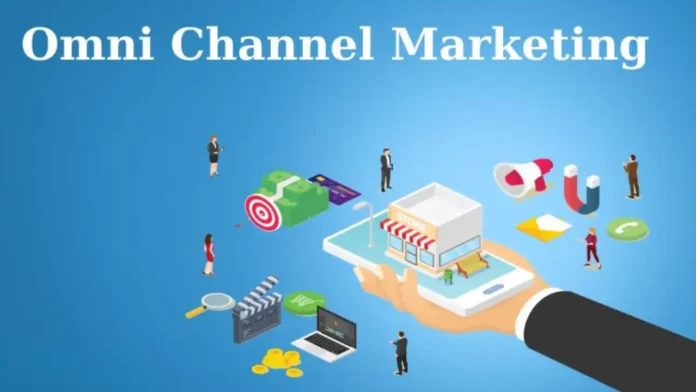
The modern consumer’s journey is not limited to a single channel. The concept of omni-channel marketing is altering how brands communicate with their customers in an era marked by digital revolution. In this post, we’ll look at how merging the online and offline worlds through omni-channel strategies may drive brand growth and provide a deeper customer experience.
Omni-channel is more than just a buzzword; it’s a strategic approach that recognizes the interconnected nature of consumers’ lives. It involves creating a cohesive, integrated experience across all channels, be it online or offline. The goal is to make the customer journey consistent, convenient, and continuous.
The Online-Offline Connection
The online and offline worlds were once viewed as separate entities, but the line between them has blurred significantly. Consider how often customers use their smartphones to research products while in physical stores or make online purchases and opt for in-store pickups. These behaviors demonstrate that customers often engage with brands through multiple channels in a single journey.
The Power of Seamless Synergy
In an omni-channel approach, your brand messaging, image, and values should remain consistent across all channels. This consistency fosters recognition and trust among your customers. By integrating data from various channels, you can create a more personalized experience for your customers. Understanding their behavior and preferences allows you to tailor your interactions and offerings.
To avoid disappointing customers with “out of stock” messages, integrate your inventory across channels. This enables customers to see real-time availability and make informed purchasing decisions. The path to purchase should be smooth, regardless of the channel customers choose. Implement features like online cart sharing, enabling customers to start a transaction online and complete it in-store, or vice versa.
Provide consistent customer support across all channels. Whether it’s through live chat, email, phone, or in-person assistance, ensure that customers receive the same level of service and support.
The Growth Potential of Omni-Channel
Customer Loyalty: A seamless experience across channels fosters customer loyalty. When customers feel their preferences and history are recognized, they are more likely to stay loyal to your brand.
Increased Sales: Omni-channel customers tend to spend more. When given the flexibility to choose how they interact with your brand, they are more likely to engage in additional purchases.
Competitive Advantage: Brands that successfully implement omni-channel strategies have a competitive edge. Customers are more likely to choose a brand that provides a seamless experience over one that does not.
Data Insights: Integrating data from various channels allows you to gain deeper insights into customer behavior and preferences, which can inform your future strategies and offerings.
The fusion of the online and offline worlds through an omni-channel approach is a powerful growth driver for brands. It provides customers with a cohesive, consistent, and convenient experience that leads to loyalty and increased sales. As consumer behavior continues to evolve, brands that successfully harmonize their online and offline channels will be better equipped to thrive in this interconnected world.
Starting a new brand is like setting sail on an uncharted sea. You may have a fantastic product or service, but without trust, your brand’s voyage will be a rough one. Effective communication is the wind in your sails, propelling your brand forward and helping you build trust from scratch.
Trust is the foundation upon which lasting relationships are built. When people trust a brand, they are more likely to buy its products, recommend them to others, and remain loyal. New brands, especially, must work diligently to establish trust.
The Keys to Effective Communication for New Brands
Define Your Brand Voice: Start by defining your brand’s voice, personality, and values. Are you friendly and approachable, or serious and professional? Your brand voice should be consistent across all communication channels.
Know Your Audience: Understanding your target audience is essential. What are their needs, pain points, and preferences? Tailor your communication to address their specific concerns and desires.
Consistency is Key: Consistency in branding and messaging helps build recognition and trust. Ensure that your branding elements, from logos to color schemes, are consistent across all platforms.
Transparency: Honesty and transparency are critical. If a mistake is made, acknowledge it and take responsibility. Customers appreciate when brands admit to errors and work to make things right.
Quality Over Quantity: Focus on the quality of your communication over quantity. A few well-crafted and impactful messages are more effective than a barrage of irrelevant content.
Embrace Storytelling: Use the power of storytelling to convey your brand’s mission, values, and the journey that led to its creation. Storytelling connects on an emotional level and makes your brand relatable.
Educate and Inform: Provide your audience with valuable information. Share insights, tips, and content that aligns with your brand’s expertise. Demonstrating knowledge and value can foster trust.
Feedback and Listening: Encourage customer feedback and listen to what your audience has to say. Use their input to make improvements and show that you value their opinions.
Build an Online Presence: Establish a strong online presence through a user-friendly website, engaging social media profiles, and relevant content. Ensure that your online platforms reflect your brand’s values and voice.
Real-World Examples of Effective Communication for New Brands
Airbnb: Airbnb successfully built trust with its “Belong Anywhere” campaign. Through storytelling, they highlighted the unique experiences and the personal connections that can be forged when using their platform.
Casper: Casper, a mattress company, used an educational approach to explain the science of sleep and the benefits of their products. Their blog and content library provide valuable information that aligns with their brand values.
The Long-Term Benefits of Effective Communication
Trust and Credibility: Effective communication fosters trust and credibility, which can lead to long-term success.
Loyal Customer Base: Customers who trust your brand are more likely to become loyal patrons, making repeat purchases and recommending your brand to others.
Positive Reputation: Effective communication can help you build a positive reputation, which is invaluable in the long run.
Reduced Marketing Costs: As trust grows, it often becomes easier and more cost-effective to attract new customers.
Effective communication is the compass that guides new brands on their journey to building trust. It’s about understanding your audience, being transparent, and creating a consistent, relatable brand voice. Through storytelling, education, and active listening, new brands can set a course for long-term success and navigate the path to becoming a trusted and respected entity in their respective industries.
Building long-term consumer loyalty in the fast-paced world of marketing is about more than simply making a sale; it’s about cultivating genuine relationships. Relationship-Centric marketing focuses on developing a link between a brand and its customers that extends beyond transactions.
Relationship-Centric Marketing is about prioritizing customer satisfaction, engagement, and trust. It’s the understanding that the real value of a customer goes beyond a single purchase; it lies in their potential as a loyal, returning patron.
The Keys to Building and Sustaining Consumer Loyalty
Deep Understanding of Your Audience: To build meaningful relationships, you must know your audience inside and out. Develop detailed customer personas to understand their needs, preferences, and pain points.
Personalization: Use the data you’ve gathered to personalize the customer experience. Tailor your marketing messages, product recommendations, and communication to each individual’s preferences.
Consistent and Genuine Communication: Maintain open and consistent communication with your customers. Be genuine in your interactions, whether it’s through email, social media, or in-person. Transparency and honesty are crucial.
Exceptional Customer Service: Go above and beyond in delivering customer service. Respond promptly to inquiries and resolve issues with a positive and helpful attitude. A satisfied customer is more likely to become a loyal one.
Surprise and Delight: Surprise your customers with unexpected perks or gestures of appreciation. Whether it’s a special discount, a free sample, or a handwritten thank-you note, these small touches can go a long way in strengthening a relationship.
Loyalty Programs: Implement loyalty programs that reward repeat business. Offer discounts, exclusive access, or early product releases to incentivize customer loyalty.
User-Generated Content: Encourage customers to share their experiences and reviews. User-generated content adds authenticity and provides social proof of the value of your products or services.
Feedback and Improvement: Regularly seek customer feedback to understand their changing needs and pain points. Use this information to make improvements and show that you value their opinions.
Content Marketing: Create valuable content that goes beyond sales pitches. Offer information, tips, and insights related to your industry. Establish yourself as a trusted source of knowledge.
Sustainability and Social Responsibility: In an age of increasing social awareness, customers appreciate businesses that practice sustainability and social responsibility. Show your commitment to these causes to attract and retain conscious consumers.
Consistency Across All Touchpoints: Ensure that your brand’s messaging and values remain consistent across all customer touchpoints, whether it’s your website, social media, or in-store experience.
Real-World Examples of Relationship-Centric Marketing
Amazon: Amazon excels in personalization. Their recommendation system uses past shopping and browsing behavior to suggest products, making customers feel understood and appreciated.
Starbucks: Starbucks rewards loyal customers through its app-based loyalty program. It offers personalized recommendations and allows customers to skip the line and order ahead, making the experience more convenient.
Zappos: Zappos is renowned for its exceptional customer service. They offer free shipping, free returns, and 24/7 customer support. Their commitment to making customers happy has created a strong and loyal following.
The Long-Term Benefits of Relationship-Centric Marketing
Customers who feel valued and appreciated are more likely to stay loyal to your brand. Satisfied customers become brand advocates, sharing their positive experiences with friends and family. Loyal customers spend more over time, increasing their lifetime value to your business. It’s often more cost-effective to retain existing customers than to acquire new ones. Businesses that excel in relationship-centric marketing have a distinct competitive advantage.
Relationship-centric marketing is the key to sustaining long-term consumer loyalty. It’s about building trust, engaging with your customers on a personal level, and delivering exceptional experiences. When customers feel valued, they become not just buyers but brand advocates who keep coming back for more and bring others along. In the world of relationship-centric marketing, it’s these lasting relationships that provide the foundation for sustained success.
Creating a consistent stream of leads in the ever-changing world of food business is like creating a gourmet feast for your brand. Businesses in the food industry, like a great chef, require a formula for success when it comes to lead generation. In this segment, we’ll look at tactics and techniques for satisfying your thirst for leads and expanding your presence in the food industry.
Food Business – Lead Generation:
1. Craft an Irresistible Online Presence
In today’s digital age, your online presence serves as your storefront. A well-designed website that showcases your food products, services, and the overall culinary experience can captivate potential customers. It’s not just about showcasing your offerings but creating an experience that makes visitors eager to take a bite.
2. The Art of Social Media Marketing
Social media platforms like Instagram, Facebook, and Pinterest have become powerful tools for food businesses. High-quality, visually appealing images and engaging content can captivate your audience. Share behind-the-scenes glimpses, food preparation videos, and customer testimonials to build a community of food enthusiasts.
3. Content is King
Content marketing is a potent lead generation strategy. Blogs, articles, and videos that share culinary insights, recipes, and tips can not only attract visitors to your website but also establish your brand as an authority in the food industry. Invest in creating valuable content that your audience craves.
4. Email Marketing: Nurturing Leads
Collect email addresses through your website and social media channels, and use them to nurture leads. Regular newsletters with information about new dishes, promotions, and exclusive recipes can keep potential customers engaged and eager to dine with you.
5. Embrace Local SEO
Local search engine optimization is crucial for food businesses. Ensure that your website and online listings are optimized for local searches, making it easier for hungry customers in your area to find you when they search for nearby dining options.
6. Pay-Per-Click Advertising
Pay-per-click (PPC) advertising can be a potent tool when used judiciously. Running PPC campaigns targeting specific keywords related to your cuisine and location can ensure that your website appears at the top of search engine results.
7. Get Cooking on Social Advertising
Leverage social media advertising platforms to reach your target audience. Facebook and Instagram offer precise audience targeting options, allowing you to reach food lovers based on their interests, demographics, and behavior.
8. Collaborate and Partner Up
Consider collaborating with influencers and local food bloggers. Partnering with individuals who have a following can help you tap into their audience and create a buzz about your food business.
9. Loyalty Programs and Customer Engagement
Loyalty programs and customer engagement strategies can turn one-time diners into repeat customers. Offer special discounts, exclusive menu items, and rewards for regular patrons to keep them coming back for more.
10. Leverage User-Generated Content
Encourage your customers to share their dining experiences on social media, complete with mouth-watering photos of your dishes. User-generated content can be a powerful form of social proof and a great way to attract new customers.
11. Monitor and Analyze
Data is your friend in the quest for leads. Use analytics tools to track the performance of your lead generation efforts. Measure the effectiveness of different strategies and make data-driven adjustments to enhance your results.
The age-old power of word-of-mouth cannot be underestimated. Delivering exceptional dining experiences can turn your customers into enthusiastic brand advocates who recommend your restaurant to their friends and family.
Case Study: The Successful Local Eateries!
Many local eateries have embraced the power of online presence and social media to attract hungry customers. By sharing mouth watering images of their dishes, engaging with their audience, and running local advertising campaigns, they’ve tapped into a digital food-loving community to generate leads and grow their food businesses.
Satisfying your appetite for leads in the food business is a delectable journey of creativity and strategy. By crafting a captivating online presence, sharing delectable content, and leveraging digital marketing techniques, you can attract a loyal following of food enthusiasts who can’t resist your culinary delights. In the evolving world of food business, the key ingredient for success is the ability to continually innovate and serve up new ways to generate leads and keep your customers coming back for more.
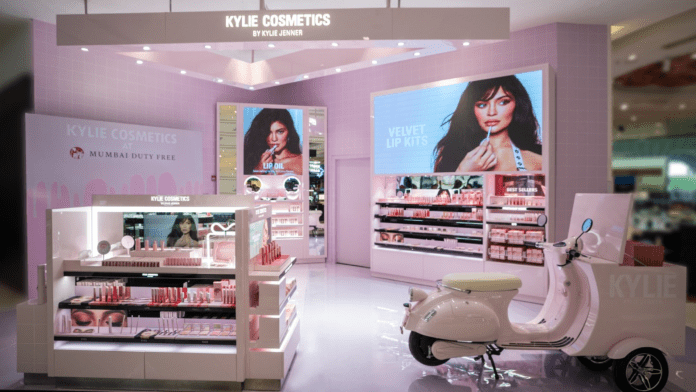
Coty Travel Retail Asia Pacific is thrilled to introduce Kylie Cosmetics and Kylie Skin by Kylie Jenner at Chhatrapati Shivaji Maharaj International Airport in Mumbai. The store, officially opened on October 17, 2023, occupies a prime location within the Mumbai Duty Free, providing travelers with a chance to discover and buy an extensive range of Kylie Cosmetics and Kylie Skin products before embarking on their flights.
Kylie Cosmetics and Kylie Skin, meticulously crafted brands by Kylie Jenner, encapsulate her vision of inspiring, educating, and offering a skincare line that seamlessly incorporates self-care into daily routines. Infused with Kylie’s iconic style, these brands present uncomplicated and delightful beauty regimens, thoughtfully formulated with clean and vegan ingredients.
“We are excited to bring Kylie Cosmetics and Kylie Skin to the Mumbai International Airport, making it accessible to travelers worldwide as the brand rapidly expands in the travel retail sector,” said Guilhem Souche, Coty Global Travel Retail Senior VP.
Avishek Bambi Das, CEO of Mumbai Travel Retail Private Limited said, “We are elated that Kylie Cosmetics is finally making a strong presence in India. This provides us with a significant opportunity to collaborate with one of the world’s most renowned brands. I firmly believe that with the launch of Kylie Cosmetics at Mumbai Duty Free, we are reaching a vast audience given her globally established following.”
Conveniently located just by the entrance of Mumbai Duty Free, travelers are immediately greeted by the pristine blush pink aesthetic that captures the very essence of the brand. Blending modern elegance with a timeless charm, the store provides a spotless sanctuary for beauty aficionados to immerse themselves in the deliberate allure of Kylie Cosmetics. This immaculate, refined, and exquisite setting is a haven where a deep appreciation for all things beauty springs to life.
Set to make its debut at Mumbai International Airport, this dynamic store proudly displays the full spectrum of Kylie Cosmetics makeup products, encompassing offerings for the eyes, lips, and convenient travel kits. Patrons at Mumbai Duty Free can explore renowned items like the Matte Lip Kit, High Gloss, Pressed Blush Powder, Kylash Volume Mascara, and the Skincare Discovery Set. The inclusive assortment boasts a sleek and minimalistic packaging design, carefully tailored to cater to the demands of travelers, promising an instantly refreshed and sophisticated appearance.
In order to elevate the overall travel retail experience for guests, skilled beauty experts will be on hand to provide personalized Kylie makeovers, makeup consultations, and product suggestions at the makeup display. An eye-catching pink Vespa, perfect for Instagram-worthy moments, adds a dash of playfulness and allure. The Kylie Cosmetics logo adorns full-length mirrors, allowing travelers to embark on or conclude their journey with a comprehensive and memorable experience.
In honor of the unveiling of Kylie Cosmetics and Kylie Skin at Mumbai Duty-Free, a grand launch event was held in the vicinity of the store’s opening date, extending invitations to VIP patrons and prominent influencers to immerse themselves in the captivating realm of Kylie Cosmetics and Kylie Skin.
We use cookies to ensure that we give you the best experience on our website. If you continue to use this site we will assume that you are happy with it.