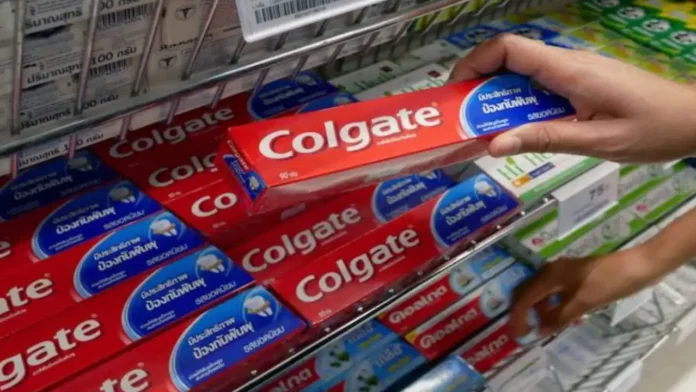
On Thursday, Colgate Palmolive (India) announced a 22% increase in second-quarter profits, driven by growing urban demand for premium toothpaste products and encouraging signs of increased consumption in rural areas.
For the quarter ending on September 30, the company’s net profit surged to 3.40 billion rupees ($40.86 million), a significant increase from 2.78 billion rupees in the same period the previous year.
Boosted by its core oral care category, sales experienced a 6.1% increase, reaching 14.62 billion rupees.
The emergence of premium oral hygiene products has provided individuals with higher incomes access to superior choices. Simultaneously, rigorous marketing campaigns and expanded distribution networks have heightened demand in rural regions.
“In this quarter we have doubled down on the (flagship) Colgate Strong Teeth (toothpaste) relaunch, expanding reach and availability,” Colgate Palmolive (India) CEO Prabha Narasimhan said in a statement.
Just last week, competitor Hindustan Unilever unveiled a profit increase that exceeded expectations, thanks to a surge in sales within its beauty, home, and personal care divisions.
Colgate Palmolive (India), known for its production of handwash and shower gel in addition to other products, announced its inaugural interim dividend of 22 rupees per share for the fiscal year 2023-2024.
On Thursday, the company’s shares dipped by 1.9% in anticipation of its results. However, the stock has exhibited a 32.4% increase this year, outperforming the Nifty index for fast-moving consumer goods, which saw a 15.3% gain.
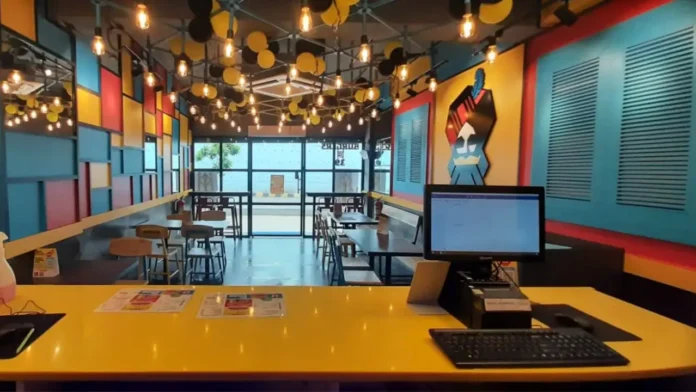
Homegrown fast-food chain Burger Singh has devised a robust expansion strategy, with ambitions to add over 250 new stores and nearly double its workforce to surpass 2,500 employees by the close of the fiscal year 2025.
According to Burger Singh founder Kabir Jeet Singh, the company intends to secure $10 million in funding next year to support their expansion efforts.
“We are about to appoint one of the leading consulting, accounting firms as our investment banker for our Series B round,” he said.
Burger Singh unveils Ambitious Expansion Plan:
“Even though the company has a runway in terms of funds for the next three years, raising capital takes at least a year… So, if we start the process in 2024 it will take another 8 to 10 months for the funds to flow in,” Singh said.
At present, Burger King maintains a workforce of approximately 1,200 employees and operates 105 establishments nationwide. Additionally, the company has 50 more outlets currently in the construction phase, expected to open during the current fiscal year.
In addition to recruiting staff for its retail locations, the company will also be expanding its workforce at the corporate head office.
“Most of the hiring for corporate roles (tech, marketing, etc) is from the IITs and other colleges,” Singh said.
To date, Burger Singh has successfully garnered a sum of $10 million in investments from various backers, which includes notable individuals such as Ashish Dhawan, the Co-Founder of ChrysCapital, and Rajesh Bothra from RB Investments. The company’s Series A funding round was spearheaded by Negen Capitals, contributing an investment of $3.6 million.
The forthcoming funding round will primarily be allocated for the establishment of company-owned outlets throughout India, with a particular focus on expanding into additional regions in the southern part of the country. Prospective locations in this expansion plan encompass Chennai, Bengaluru, Hyderabad, Coimbatore, Kochi, Visakhapatnam, and Madurai.
Burger Singh is also actively pursuing the expansion of its Burger Singh Express model, which involves establishing compact and nimble 100-square-foot outlets in settings such as malls, metro stations, airports, and hospitals, as outlined by Singh.
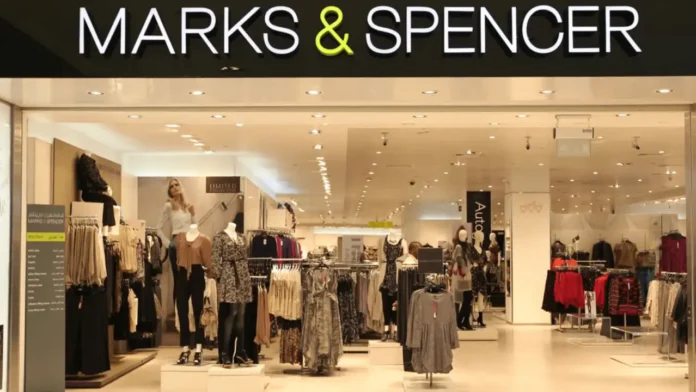
Marks & Spencer India, also known as M&S India, is actively investigating opportunities for growth in Tier-II cities throughout the nation, where it currently has 40% of its stores. Although M&S India already maintains a substantial presence in Tier-I markets, it acknowledges the unexplored potential for expanding further in these areas.
Ritesh Mishra, managing director at M&S India, said, “Tier-II cities are of paramount importance to us, as there is still room for growth in Tier-I markets.”
M&S India explores growth opportunities in Tier-II cities!
M&S India places significant emphasis on fostering growth through online channels, with a quarter of its sales already stemming from e-commerce. Mishra underscored the essential role that physical stores also play in propelling business expansion.
Winter wear stands out as one of the brand’s exceptional categories, displaying an impressive year-on-year growth of 47 percent.
Linen-based products have demonstrated robust growth compared to the prior year, while lingerie, a fundamental aspect of the brand, accounts for one-quarter of its overall sales.
Despite increasing competition in the fashion sector, with foreign brands entering the Indian market, Mishra firmly believes that M&S India’s value proposition remains strong. He asserts that the brand faces no significant headwinds, saying, “We are confident that we have the right brand proposition, product strategy, pricing strategy, and strategic mall locations.”
Marks & Spencer India marked the inauguration of its 100th store in the nation. Each of these stores encompasses an area ranging from 15,000 to 20,000 square feet. Mishra unveiled aspirations for additional growth, with the goal of reaching a cumulative retail space of 1.4 million square feet. He also highlighted the brand’s accomplishment in opening one store per month over the last six months.
Nestle India Ltd. has ceded market share to local competitors due to its consistent price hikes in response to escalating expenses. Nevertheless, the company does not intend to reduce prices in order to regain market share.
“We do have local competition in coffee and noodles, and only where there is acute price competition, we have seen some loss of volume,” Suresh Narayanan, chairman and managing director at Nestle India, said during an investor meet in New Delhi on Wednesday. “But we are trying to respond fast enough, by way of tailoring our price points, to mitigate any losses.”
Nevertheless, Nestle is currently not contemplating a reduction in product prices. Despite a slight easing of inflation in its raw material costs, some crucial inputs like green coffee, cocoa, wheat, and milk still maintain their high price levels. While packaging costs remain stable, there are ongoing uncertainties in the Middle East that could affect oil prices, as noted by Narayanan. He stated that Nestle is prioritizing bridge packs as a strategy to address ongoing inflation since consumers are consistently trading down across various price ranges and product categories.
Nestle India Rivals:
Fellow companies such as ITC Ltd. and Hindustan Unilever Ltd. have similarly acknowledged the heightened competition, with local players staging a resurgence in a deflationary market. For instance, HUL noted a loss of market share in its mass segment, which includes lower-priced products, primarily due to increased competitive pressure.
Nestle India (Representative Image)
Nestle India’s entry-level Maggi noodles are now available in packs of 7, 10, and 14. “We have to be very careful with the price points and make trade-offs between downtrading and premiumisation,” said Narayanan.
Narayanan stated that Nestle India continues to maintain a keen interest in opportunities for inorganic growth.
“So far, we have focused on 100% organic growth. So, I think our quest for M&A continues,” he said. “But the acquisition will need to meet our criteria in terms of the right fit, capability to add value, and valuations. Our eyes and ears are open, and hopefully something will come up in the future.”
The packaged goods manufacturer had been one of the leading contenders in the race to acquire Capital Foods Pvt., the company behind brands such as Ching’s Secret and Smith & Jones. According to sources familiar with the matter who requested anonymity, Nestle India was in competition with companies such as Tata Consumer Products Ltd. and The Kraft Heinz Co.
Between 2018 and 2022, the prominent packaged food company achieved a compounded annual growth rate (CAGR) of approximately 7% in terms of volume and 11% in terms of value.
Narayanan mentioned that Nestle India anticipates experiencing increased volume growth in the forthcoming years.
“In the future, I would like us to grow faster than 7%; it’s not an impossibility,” he said. “But launching products or getting into categories that are deeply dilutive to margins will not really be our focus. The company will target higher growth through infrastructure expansion.”
Nestle India is amplifying its presence in small towns and villages through a strategy it calls “rurban.” This approach involves significantly increasing the number of distribution points, expanding the on-ground sales teams, enhancing in-store visibility, and boosting participation in village fairs, also known as “haats.”
As of the end of September, the producer of Kitkat chocolates reported that its distribution network encompassed 5.2 million outlets, with direct access to approximately 1.6 million of them. By 2024, their goal is to extend their rural distribution network to 1.2 lakh villages, each with a population exceeding 20,000.
“It is only a question of sweating the assets, and we expect to see significant growth in the coming year,” said Narayanan.
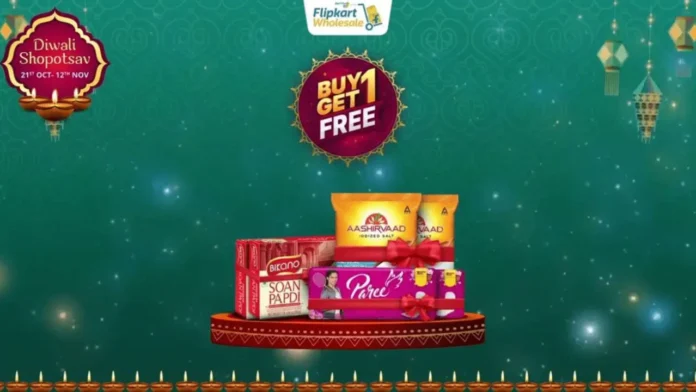
Flipkart Wholesale, the online B2B platform operating under the renowned Flipkart Group in India, is excited to introduce Diwali Shopotsav, an annual sales extravaganza exclusively for its B2B members. This spectacular event is set to take place from October 25 to November 12, 2023, with the catchy theme ‘Bolo Fayde Ki Boli.’ You can enjoy Diwali Shopotsav both in all 26 physical stores and on the Flipkart Wholesale app.
In line with its motto, Diwali Shopotsav is all set to celebrate the season’s most substantial discounts across a wide array of product categories. This year, the spotlight shines on newly introduced sections such as home and kitchen appliances, gift selections, and festive decorations.
Flipkart Wholesale – Diwali Shopotsav!
To heighten the festive ambiance, Daily Flash Deals are on the horizon, granting members the chance to acquire 2kg of sugar and various other items for a mere Re.1! What’s more, Kirana members have an opportunity to win enticing prizes, including a brand-new Mahindra Thar, mobile phones, and gold and silver coins, as part of the Lucky Draw promotion.
Throughout the sale event, members have the opportunity to enjoy a wide range of advantages through appealing promotions like Festive Special Deals, Flash Deals, Pocket-Friendly Deals, Blockbuster Deals, and others, all accessible via Flipkart Wholesale’s online platform.
By harnessing the robust technology and supply chain infrastructure of the Flipkart Group, Flipkart Wholesale is committed to nurturing the expansion of Kiranas (small local grocery stores) and Micro, Small, and Medium Enterprises (MSMEs), thereby contributing to the comprehensive advancement of the entire ecosystem.
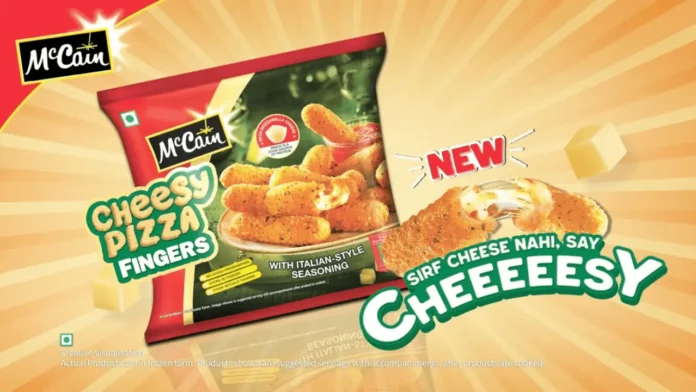
As we approach the forthcoming Diwali season and immerse ourselves in the World Cup excitement, McCain Foods, a well-known frozen food brand, is thrilled to introduce two mouthwatering additions to its lineup: McCain Popcorn Fries and McCain Cheesy Pizza Fingers. These delectable treats are set to offer a unique snacking experience and make excellent companions for social gatherings as India prepares for the festive season.
These fresh offerings are expertly crafted to deliver an unparalleled fusion of flavors and an irresistibly crispy delight with every mouthful, promising a snacking experience beloved by both the young and old in India.
Aditya Krishna, Head of Sales and Marketing at McCain Retail said, “We are delighted to introduce these two exciting new products. McCain has always been dedicated to creating quality and flavor, and with these launches, we aim to make the World Cup and festive season even more memorable for our consumers.
New Popcorn Fries & Cheesy Pizza Fingers by McCain!
These products have been thoughtfully designed to cater to the distinct preferences of our customers. The unique fusion of flavors, unforgettable taste, and the cherished moments these snacks bring are truly transformative. The universal appeal of these products reflects our commitment to bringing families and friends together, fostering shared memories and connections. We believe that our product range will redefine snacking, establishing new standards and becoming a household favorite across the country.”
McCain Cheesy Pizza Fingers bring together the irresistible fusion of two timeless favorites – Mozzarella Cheese and Pizza, taking consumers’ gatherings to a delightfully “cheeeesy” level. This delightful blend of cheese and the mouthwatering essence of pizza ensures that this snack is an instant crowd-pleaser.
McCain (Representative Image)
Whether you’re hosting a get-together or planning a weekend family snack, McCain Cheesy Pizza Fingers are your go-to choice. Embraced by both kids and adults, they serve as the ultimate party companion, effortlessly delivering the joy of pizza and the creaminess of cheese in every bite. They can be prepared in just 3 minutes, allowing you to relish this unique cheesy snack infused with Italian-style herbs from the comfort of your own home.
In contrast, McCain Popcorn Fries stand out with their unique proprietary cut and a batter coating that retains their delightful crispiness for an impressive 45 minutes, undoubtedly leaving consumers’ palates yearning for more. With their broad appeal and popularity among individuals of all ages, these fries make the ideal addition to gatherings focused on screenings or movie nights. They effortlessly bring different generations together, taking the snacking experience to new levels. McCain’s special batter coating guarantees that every bite is a culinary delight, making it nearly impossible to resist the temptation to finish the plate in one satisfying indulgence.
These two fresh offerings are being launched with the help of Digital Video Campaigns (DVCs) that highlight their delectable nature, irresistible charm, and widespread popularity. Furthermore, there are upcoming consumer contests and collaborations with influencers to maintain the excitement surrounding these releases. Additionally, an exceptional Out-of-Home (OOH) campaign featuring Popcorn Fries can be observed at bus shelters in major cities, further amplifying the awareness of these delightful additions to the McCain product lineup.
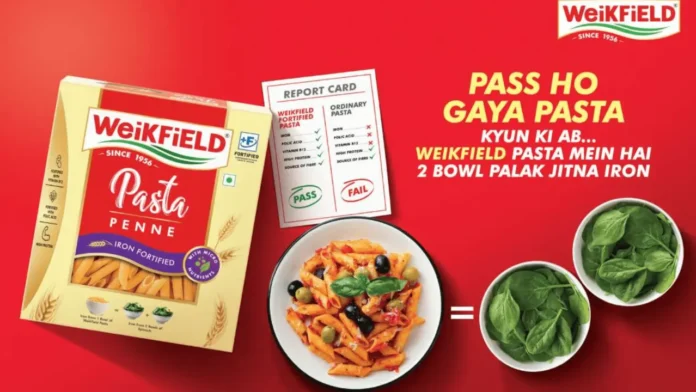
Weikfield Iron Fortified Pasta (Representative Image)
Weikfield Foods Pvt Limited, a well-known brand celebrated for its widely-loved items like Custard Powder, Corn Flour, Baking Powder, and Pasta, is delighted to introduce Weikfield Iron Fortified Pasta. This nutritionally enhanced pasta is enriched with vital nutrients including Iron, Vitamin B12, and Folic Acid, all while retaining its delicious flavor.
Weikfield’s newest product is a much-needed solution for parents, particularly mothers, who are seeking iron-rich food options for their children while still satisfying their cravings for delicious flavors. The launch of this innovative item represents a major achievement in India’s culinary scene, as it stands among the nation’s pioneering F+ certified pastas endorsed by FSSAI, effectively addressing the enduring dilemma of balancing nutrition and taste.
Weikfield Innovates Iron-Rich Pasta:
For more than sixty years, Weikfield has been a cherished and dependable brand, delighting the taste buds of countless people in India and around the world. As a clear demonstration of its dedication to consumer trust, the company has taken a groundbreaking initiative by subjecting its CEO, D.S. Sachdeva, to a lie detector test as part of its latest campaign.
This strategic decision underscores the nutritional assertions of Weikfield Fortified Pasta, highlighting its significant protein, fiber, and iron content, as well as its noteworthy exclusion of refined flour (Maida).
Weikfield Iron Pasta (Representative Image)
Sachdeva expressed, “Weikfield has always endeavored to help mothers strike the right balance between taste and nutrition. In India, pasta is often misconceived as junk food. Most are unaware that pastas like Weikfield Pasta, primarily composed of wheat and frequently served with vegetables and white pasta sauce (infused with cheese and milk), offer a wealth of nutrients.
It effectively combines the goodness of Roti (Indian bread), Sabji (vegetables), and Doodh (milk). As pioneers in the industry, we are committed to rectifying this misconception through a distinctive product and innovative communication. With our iron-fortified pasta range, we aim to provide Indian consumers with the authentic taste of Italian pasta coupled with the goodness of micronutrients.”
“We have taken the extra step to ensure that we do not compromise on the quality of our product merely to align with market pricing. This launch is not just an addition to our product line; it’s a revolution in how pasta is perceived – as a wholesome meal choice for children. Typically, consumers are skeptical of marketing claims. What better way to dispel that skepticism than to have my marketing team come up with the idea of me taking a lie detector test on camera? I didn’t hesitate,” he added.
Dr. Indu Khosla emphasized, “Iron is the mineral crucial for the health and development of babies and children. Iron deficiency can impact the academic performance of older children. Inadequate iron levels can impair children’s concentration, leaving them fatigued and weak. Considering that Weikfield pasta contains iron content equivalent to consuming two bowls of spinach, it emerges as a commendable choice.”
Weikfield Iron Fortified Pasta will come in three unique shapes: Penne, Elbow, and Fusilli. You can easily find it at top-tier retail outlets, supermarkets, and popular e-commerce platforms in major cities throughout India.
Tata CLiQ Luxury serves as a diverse sanctuary for connoisseurs of luxury, offering an extensive selection of brands spanning various categories. Pioneering the concept of conscious luxury, the platform meticulously curates a captivating consumer journey by bringing together an impressive lineup of Indian and international luxury brands in one place.
In its unwavering dedication to enhance the home category, a key focus and one of the platform’s fastest-growing segments, Tata CLiQ Luxury has embarked on an impressive venture. The platform has joined forces with Good Earth, a renowned Indian design house, to introduce an exclusive online store featuring a thoughtfully crafted collection of home products. This strategic partnership enhances the platform’s existing range of luxury home offerings and is poised to drive further expansion in this category.
Tata CLiQ Luxury History:
Established in 1996 by Anita Lal, Good Earth is an indigenous luxury brand that excels in the realms of home decor, dining, and fashion. Guided by a profound mission to shine a spotlight on the talents of rural potters and elevate their craftsmanship to an urban audience, the brand champions the ethos of sustainable luxury. Good Earth’s products are renowned for their artistic designs, each telling a distinctive story that embarks on a captivating journey.
Tata Cliq Palette (Representative Image)
By pioneering handcrafted homeware, the brand is unwaveringly committed to rejuvenating India’s time-honored traditions, promoting both environmental and societal well-being. Tata CLiQ Luxury, a pioneering force in multi-category luxury e-commerce in India, broadens the accessibility of Good Earth’s dinnerware products to a wider range of discerning luxury consumers through the launch of this exclusive online store.
This platform offers seamless access to a wide array of Good Earth dining essentials, including dinnerware, cutlery, serveware, table linen, and more. It enables customers to curate spaces that truly mirror their uniqueness, interests, and an appreciation for life’s finer details. The online store beckons consumers to embark on a voyage, revealing the story behind each product as they leisurely explore the selections. It acts as a wellspring of inspiration for individuals looking to create ‘Timeless Homes,’ where every corner exemplifies craftsmanship and considerate design, resulting in a luxuriously immersive living experience.
Tata CLiQ Luxury Initiatives:
Gopal Asthana, CEO, Tata CLiQ Luxury said, “For Tata CLiQ Luxury, the home category is a strategic priority, and we are directing our efforts to continuously expand this category further by offering renowned brands and assortments that mirror the values of the platform. Our partnership with Good Earth is a testament to this and to our shared values of craftsmanship, heritage, and sustainability. Good Earth comes with a legacy that offers luxury that is Indian in ethos and rooted in local heritage and karigari. It is also a celebration of making responsible choices. We are honored to launch the brand on our platform and look forward to offering a curated range of luxury handcrafted dinnerware products and an unparalleled luxury shopping experience.”
Anupama Gupta, CEO, Good Earth added, “Good Earth celebrates the richness and diversity of Indian culture through its exquisite products and designs, with a deep-rooted commitment to sustainability that reflect the essence of India’s traditions and heritage. Together with Tata CLiQ Luxury, we are dedicated to bringing the beauty of our unique creations to a wider base of the discerning audience who appreciate the artistry and elegance that our brand epitomizes. We are incredibly proud to embark on this journey, expanding our reach and sharing our passion for craftsmanship with a broader audience.”
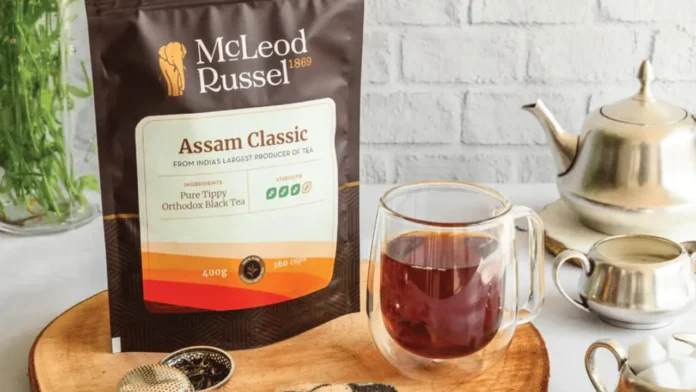
Bulk tea producer McLeod Russel India Ltd has disclosed its plan to sell its Vietnam subsidiary, Phu Ben Tea Company Ltd, to TLK Agriculture Joint Stock Company (TLK) for a sum of $2.15 million, as announced on Thursday.
As per a regulatory filing, the company has indicated that the sale is anticipated to be finalized by December 24, 2023.
McLeod Russel India Announcement:
McLeod Russel India has announced that its wholly-owned subsidiary, Borelli Tea Holdings Ltd, intends to transfer its entire capital stake in Phu Ben Tea Company Ltd (PBTCL) to TLK.
In the last fiscal year, PBTCL contributed approximately $3.6 million to McLeod Russel India’s revenue.
The decision to sell PBTCL aligns with McLeod Russel’s strategy to prioritize its core business operations within India. The company has encountered financial difficulties in recent years, prompting the divestiture of non-core assets.
In August, the company had reached an agreement to sell 15 tea estates in Assam to Carbon Resources, a manufacturer of electrode paste, for approximately INR 700 crore. This deal is expected to aid the company in reducing its debt burden.
The Kolkata-based company maintains a total of 33 tea estates in India, with 31 situated in Assam and two located in the Dooars region of West Bengal.
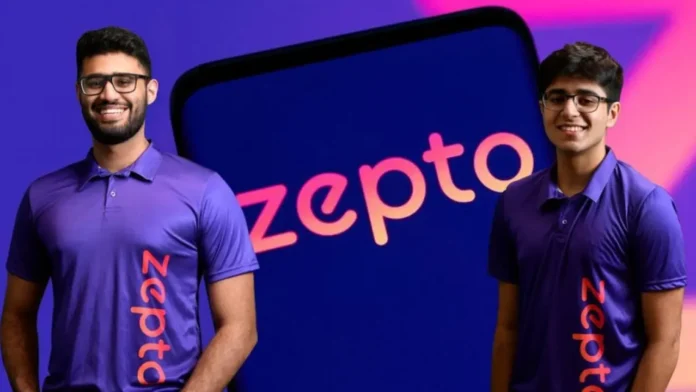
Kaivalya Vohra & Aadit Palicha - Co-Founders of Zepto
Zepto, the 10-minute grocery delivery service, experienced a remarkable 14-fold growth in the fiscal year ending in March 2023. However, the Mumbai-based company also saw its losses increase by more than three times over the same period.
Experiencing a 14-fold expansion, Zepto recorded INR 2,024 crore in revenue during FY23. In the previous fiscal year, FY22, the company generated INR 142.36 crore in revenue but incurred losses amounting to INR 390 crore. However, in FY23, the company’s losses significantly increased to INR 1,272 crore.
“We are heads down executing today. We still have a huge amount of work to do and problems to solve, but if we nail it, we will build an insanely big business,” said Aadit Palicha in a statement.
According to the company, it has made substantial progress in enhancing its Profit After Tax (PAT) margin, reducing it from -277% to -63% in FY23. Zepto further stated that it is on a trajectory to attain EBITDA breakeven, excluding ESOP and other statutory non-cash items, within the next 10 months.
Zepto recently secured $200 million in a Series E funding round, resulting in the company’s valuation reaching $1.4 billion. This also made the firm India’s first unicorn of 2023. It has raised over $560 million in funding to date.
The company offers a selection of 6,000 products spanning groceries, fruits, and vegetables, catering to customers in seven cities: Delhi-NCR, Mumbai, Bengaluru, Kolkata, Hyderabad, Pune, and Chennai.
Mumbai, Bengaluru, and Delhi-NCR stand as the company’s three leading markets in terms of sales.
After the completion of the Series E round allocation, Nexus Venture continues to hold the most significant external ownership stake in the company, amounting to approximately 19.98%. Collectively, the company’s co-founders, Palicha and Kaivalya Vohra, along with their family, maintain a combined ownership of over 22.4% of the firm.
We use cookies to ensure that we give you the best experience on our website. If you continue to use this site we will assume that you are happy with it.