Foodtech major Swiggy has recently unveiled an innovative AI-based feature known as Swiggy Photoshoot, designed to enhance the visual appeal of restaurant menus. According to a blog post made by the foodtech unicorn on Tuesday, this feature was introduced approximately one month ago.
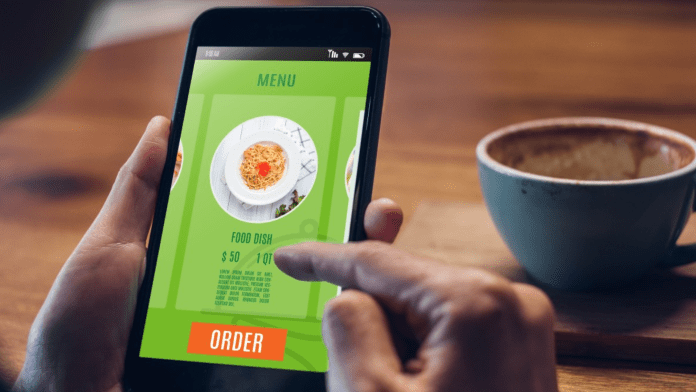
Embedded within the Swiggy Owner app, this functionality empowers restaurant proprietors to conveniently capture and upload menu images through their smartphones and the app. Photoshoot harnesses the power of artificial intelligence to validate, improve, and perfect restaurant menu visuals.
The unicorn’s image AI model swiftly verifies images to ensure compliance with guidelines, minimizing the chances of image rejections, and simultaneously enhancing image quality and aesthetics. It also grants users the option to choose from a variety of backgrounds.
This enhancement is applicable to both real-time images and those previously uploaded by restaurant partners. Images captured by restaurant owners are made live on Swiggy within just a few hours.
The foodtech unicorn asserted that the improved image quality could potentially result in up to a fivefold increase in orders. Additionally, Swiggy reported that approximately 10,000 restaurants have integrated this feature within a month of its launch.
The introduction of this feature appears to be part of Swiggy’s broader initiative to utilize AI and provide an expanded range of capabilities to its affiliated restaurant partners.
Back in July, Swiggy unveiled a range of generative AI-driven products, which encompassed a food recommendation tool. CTO Madhusudan Rao elaborated in a blog post that Swiggy’s ‘neural search’ is an AI chatbot designed to deliver personalized recommendations in response to open-ended and conversational queries from users.
During that period, the startup had announced plans to conduct pilot tests for this initiative in September. However, as of now, there have been no subsequent updates regarding its progress.
In September of this year, Swiggy also initiated the rollout of a digital learning academy named Learning Station, with the objective of supporting the growth of its restaurant partners. This followed the earlier launch of a dashboard, titled Network Expansion Insights, which was introduced to empower restaurant partners in making informed decisions regarding their expansion plans.
These developments coincide with reports suggesting that Swiggy is contemplating a potential public listing in the upcoming year. Nevertheless, the company remains challenged by financial losses. Although Swiggy has not yet disclosed its financial statements for the fiscal year 2023, it recorded a loss of INR 3,628.9 Crores in fiscal year 2022, despite generating an operating revenue of INR 6,119.8 Crores.
Meanwhile, Swiggy’s competitor, Zomato, reported its second consecutive profitable quarter last week, with a profit after tax of INR 36 Crores in Q2 FY24.
Telling narratives has long been a fundamental aspect of human civilization. Storytelling has always captured our hearts and minds, from prehistoric cave paintings to the newest blockbuster films. In marketing, customer journeys that are both engaging and resonate with audiences are created by utilising the power of storytelling.
Before delving into the art of crafting customer journeys, it’s essential to understand why storytelling is so effective. Our brains are hardwired to respond to narratives. When we hear a story, our brains release oxytocin, often referred to as the “love hormone.” This chemical is associated with bonding, trust, and empathy, making it a potent tool for marketing.
Stories have a remarkable ability to tap into our emotions. When individuals engage with a compelling narrative, it triggers the release of oxytocin, a neurochemical associated with trust, bonding, and empathy. This emotional connection forms a profound link between customers and your brand. It goes beyond mere transactions and cultivates a sense of belonging and loyalty. Customers who feel emotionally connected are not just one-time buyers; they become repeat purchasers, brand advocates, and even storytellers themselves, sharing their positive experiences with others.
Stories are at their most influential when they include characters and scenarios that resonate with the audience. When customers can see themselves or their challenges reflected in your brand’s narrative, it forges a powerful bond. This connection is based on shared experiences, needs, or aspirations. As a result, customers are more likely to identify with your products or services, making them a natural choice when it comes to fulfilling their needs or desires.
The human brain is wired to retain information in a narrative format. Stories provide a structure and context that aids in information retention. When your brand’s message is delivered through a well-crafted narrative, it has a greater chance of being etched into the memory of your audience. This memory retention ensures that your brand remains top-of-mind when customers consider their options. In a competitive market, being memorable is a distinct advantage.
Traditional advertising often struggles to captivate audiences on a profound level. Stories, on the other hand, have an innate ability to engage the audience emotionally and intellectually. They draw customers into the narrative, inviting them to become active participants in the story. This involvement fosters a sense of investment in your brand’s journey. Customers who feel engaged are more likely to stay connected, exploring your products and services, and advocating for your brand within their own circles.
In sum, the impact of storytelling on customer journeys goes far beyond superficial marketing techniques. It leverages the core of human psychology, nurturing emotional connections, strengthening relatability, enhancing memory retention, and driving deeper engagement. By understanding and harnessing these elements, brands can create narratives that not only capture attention but also resonate with their audiences on a profound and enduring level. This, in turn, transforms casual customers into loyal supporters and brand champions.
The Elements of Effective Storytelling
Firstly, Introduce relatable characters, whether they are customers who have benefited from your product or employees who embody your brand’s values. Develop these characters throughout the customer journey. Every good story has a conflict that is eventually resolved. Showcase how your product or service can solve a problem or fulfill a need. This creates a sense of satisfaction and closure for the customer.
Further, authenticity is paramount. Customers can sense when a story is disingenuous. Share real experiences and customer testimonials to build trust. Use visuals, such as images and videos, to enhance the storytelling experience. Visual elements make the narrative more compelling and memorable.
Crafting the Customer Journey
Audience Understanding:
At the core of every compelling story is a deep understanding of your audience. This understanding is not merely a superficial appreciation but a result of thorough market research. By delving into the needs, desires, and pain points of your target demographic, you gain valuable insights. These insights serve as the foundation upon which your narrative is built. Tailoring your story to directly address these concerns allows you to establish a genuine connection with your audience.
Defining the Customer Journey:
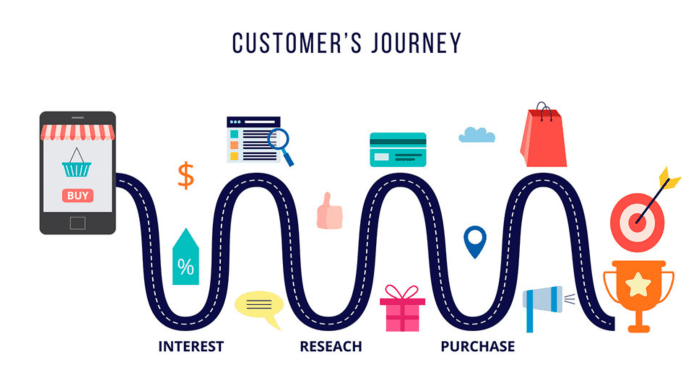
The customer journey is a multi-stage process that individuals go through when interacting with your brand. It spans from the initial awareness of your products or services to the eventual purchase and, importantly, extends beyond that point. To maximize the impact of your storytelling, it’s imperative to outline and understand these stages. At each juncture, you should seamlessly incorporate a part of your brand’s narrative into the customer’s experience. This alignment ensures that your story guides customers at every step, facilitating a consistent and engaging journey.
Consistency as a Pillar:
The integrity of your brand’s narrative relies heavily on consistency. To establish trust and reinforce the story, it’s vital that the narrative remains unwavering across all touchpoints. This includes your website, social media channels, advertising campaigns, and customer support interactions. Consistency ensures that customers receive a coherent and reliable message, solidifying their understanding of your brand and its values.
Personalization for Relevance:
Generic, one-size-fits-all approaches are no longer sufficient in the modern marketing landscape. Personalization is key. By segmenting your audience and crafting content and messages tailored to each group, you demonstrate an acute awareness of their unique needs. This tailored approach not only resonates with your audience but also showcases your commitment to addressing their individual preferences, resulting in a more meaningful connection.
Crafting the Call to Action (CTA):
The climax of your brand’s narrative lies in the call to action (CTA). This is the pivotal moment when you guide customers along their journey, encouraging them to take specific actions that align with your brand’s objectives. Whether it’s enticing them to sign up for a newsletter, try a free trial, or make a purchase, the CTA is an integral part of the storytelling process. It propels customers from passive observers to active participants in your brand’s narrative.
Embracing the Feedback Loop:
Effective storytelling is a dynamic and evolving process. Encouraging customer feedback and reviews allows your audience to become part of your brand’s story. Positive feedback becomes a testimonial within the narrative, reinforcing the positive aspects of your brand. Constructive criticism, on the other hand, serves as a catalyst for story improvement. It demonstrates your receptiveness to customer concerns and your commitment to continually enhance their experience.
The science of storytelling is a potent tool for crafting customer journeys that resonate and drive brand success. By understanding the psychology of storytelling, incorporating key elements of effective narratives, and tailoring your stories to your audience, you can create customer journeys that engage, emotionally connect, and leave a lasting impression. In the world of marketing, it’s not just about the product or service you offer; it’s about the compelling story you tell that makes your brand unforgettable.
Social media is a key factor in influencing consumer behaviour and public perception in the current digital era. Although it presents a strong platform for brands to engage with their audience, it also carries a number of serious risks. A single slip-up or a widely shared event has the potential to swiftly intensify into a social media crisis, severely harming a brand’s image and financial performance.
Viral vulnerability refers to a brand’s susceptibility to negative exposure or backlash on social media platforms. This vulnerability can stem from various sources, including customer complaints, employee misconduct, insensitive marketing, or even external events that trigger an adverse public reaction.
The speed at which information spreads on social media means that a seemingly minor issue can quickly turn into a full-blown crisis. To illustrate this point, consider the infamous United Airlines incident in 2017, when a passenger was forcibly removed from a flight. The incident was captured on video, went viral within hours, and caused immense damage to the airline’s reputation.
Protecting Your Brand in a Social Media Crisis
Develop a Crisis Communication Plan
The first step in safeguarding your brand against social media crises is to have a well-defined crisis communication plan in place. This plan should outline key responsibilities, messaging protocols, and a clear chain of command. It’s crucial to have a designated team that can swiftly respond to emerging issues and take the necessary actions.
Monitor Social Media Channels
Active monitoring of your brand’s social media channels is essential. Real-time awareness of customer feedback, mentions, and emerging trends allows you to respond proactively to potential issues. Consider investing in social media monitoring tools to automate this process and ensure that nothing slips through the cracks.
Engage with Your Audience
Engaging with your audience in a meaningful way can help prevent minor issues from spiraling into full-blown crises. Respond promptly to customer inquiries and feedback, and maintain a positive and transparent tone. Open and honest communication can build trust and help mitigate the impact of a crisis.
Empower Your Employees
Your employees are your brand’s ambassadors. It’s essential to educate and empower them with guidelines on social media usage and communication during a crisis. A well-informed and coordinated employee response can help mitigate the damage caused by a viral incident.
Take Responsibility
When a crisis occurs, taking ownership of the situation and issuing a sincere apology is a crucial step. Public sentiment often shifts when a brand acknowledges its mistakes and commits to rectifying them. Avoid shifting blame or downplaying the issue, as this can exacerbate the crisis. Assemble a dedicated crisis response team within your organization, consisting of individuals with expertise in public relations, social media management, legal affairs, and customer service. This team should be ready to address crises swiftly and efficiently.
Develop an Escalation Plan
Not all social media crises can be resolved at the front lines. A well-defined escalation plan should be in place to ensure that issues are quickly escalated to the appropriate authorities within the organization when necessary. This plan will help you make critical decisions and allocate resources effectively. After a social media crisis has been resolved, it’s essential to conduct a thorough post-mortem analysis. Identify what went wrong, what could have been done differently, and implement changes to prevent similar incidents in the future. This proactive approach will make your brand more resilient.
In the digital age, viral vulnerability is a reality that every brand must contend with. While you can’t completely eliminate the risk of a social media crisis, you can take proactive measures to protect your brand’s reputation. By developing a crisis communication plan, actively monitoring social media channels, engaging with your audience, and taking swift, decisive action when crises arise, you can navigate the turbulent waters of social media while safeguarding your brand’s integrity. Remember, a strong response to a crisis can sometimes turn the tide in your favor and even enhance your brand’s reputation in the long run.
User-generated content (UGC) has grown to be a significant force in brand marketing in the digital era. Content created by your customers or fans and shared with others is commonly referred to as user-generated content. This can include posts on social media, images, videos, reviews, and more. Using UGC to its fullest potential can revolutionize your brand by fostering a sense of community and offering relatable and genuine content.
Before diving into the “how,” it’s crucial to understand the “why.” User-generated content offers numerous benefits to your brand, including enhanced authenticity, increased engagement, and broader reach. Here we will explore the advantages of UGC and why it should be an integral part of your marketing strategy.
Your brand advocates are the heart and soul of your user-generated content strategy. Learn how to identify and engage with your most passionate customers, fans, and influencers. Discover ways to identify your most active supporters and how to approach them for collaboration.
Create a User-Friendly Environment
To encourage user-generated content, you need to make it easy and appealing for your customers to participate. This chapter delves into the importance of user-friendliness, offering tips on designing a seamless user experience that motivates users to create and share content.
Craft Engaging Campaigns
To jumpstart UGC, you must create campaigns that resonate with your audience. This chapter guides you through the process of crafting engaging campaigns, from brainstorming ideas to execution, and provides real-world examples of successful campaigns that have gone viral.
Select the Right Platforms
Every social media platform has its unique strengths and user demographics. In this chapter, we’ll discuss how to choose the right platforms for your UGC strategy, based on your target audience and the type of content you want to generate.
Implement Effective Hashtag Strategies
Hashtags are the linchpin of user-generated content campaigns. Learn how to develop a strategic hashtag approach that boosts discoverability, encourages participation, and ensures consistency across your content.
Leverage the Power of Contests and Giveaways
Contests and giveaways are excellent incentives for UGC. Discover how to create effective contests and giveaways, set rules, and select prizes that motivate users to participate enthusiastically.
Build Trust and Credibility
Credibility is key in encouraging user-generated content. This chapter focuses on building trust with your audience, including tips for honest reviews, transparency, and responding to criticism in a constructive manner.
Recognize and Showcase UGC
Showcasing user-generated content can inspire more users to contribute. This chapter offers guidance on recognizing and sharing UGC effectively, from acknowledging contributors to curating content that aligns with your brand’s image.
To refine your UGC strategy, you need to measure and analyze its effectiveness. Learn about the essential metrics and tools for evaluating the impact of user-generated content on your brand’s growth and visibility.
Legal and Ethical Considerations
User-generated content comes with legal and ethical considerations. This chapter provides insights into copyright issues, permissions, and the responsibilities of using UGC while respecting creators’ rights.
User-generated content is a dynamic and indispensable element of modern brand marketing. By understanding its power, engaging brand advocates, creating a user-friendly environment, and implementing effective campaigns, you can harness the potential of UGC to build a vibrant and engaged brand community. This guide equips you with the knowledge and tools to encourage user-generated content successfully, paving the way for authentic, relatable, and community-driven brand marketing.
Okay, imagine this: You’re at the store, and you buy a cool gadget, let’s say a brand-new smartphone. You’re super excited when you walk out of the store with the shiny box in your hand. But what happens after you open the box, and the newness wears off? That’s what we’re going to talk about today—how companies keep you excited about their stuff even after you’ve bought it. It’s like a secret sauce they use to make you feel happy and keep coming back for more.
Say Hello to Loyalty Programs
Have you ever seen those cards that some stores give you to collect stamps for every coffee you buy? When you collect enough stamps, you get a free coffee. Well, that’s kind of like a loyalty program. Companies offer you rewards or discounts if you keep buying their stuff. It’s like a little thank-you for being a loyal customer.
Exclusive Clubs and Memberships
Think of this like being a member of a super special club. Some companies offer exclusive clubs or memberships where you get access to things that others don’t. It’s like being a VIP. You get early access to products, special events, and sometimes even unique products just for being a member. It’s their way of saying, “Hey, you’re awesome, and we want to treat you like a rockstar.”
Stay Connected with Newsletters
Imagine if you could get all the inside scoops about your favorite products and brands right in your email. That’s what newsletters are all about. Companies send you emails with updates, news, and special offers. It’s like having a friend who tells you about the best deals and exciting news.
Customer Support – Your Lifesaver
Sometimes, things don’t go as planned, and you need help. Customer support is like your superhero when you’re in trouble. Companies have teams of people ready to answer your questions and solve your problems. They want to make sure you’re happy, even after you buy their stuff.
Games, Contests, and Challenges
Have you ever seen a contest on a cereal box where you can win a cool prize? Well, companies do similar things to keep you engaged. They create fun games, challenges, and contests to keep you excited. You can win prizes, get discounts, and have a blast while using their products.
Fun on Social Media
Social media is like a big playground where companies hang out. They post funny videos, cool pictures, and interesting stuff about their products. You can chat with them, ask questions, and even get sneak peeks of new things they’re working on. It’s like having a conversation with your favorite brand.
How-To Guides and Tutorials
Sometimes, products come with all sorts of buttons and features that you don’t know how to use. That’s where how-to guides and tutorials come in. Companies create videos, articles, and guides that show you how to get the most out of your purchase. It’s like having a personal teacher for your new stuff.
So, there you have it! Keeping customers excited after they buy stuff is like a big, fun game for companies. They use loyalty programs, exclusive clubs, newsletters, customer support, games, social media, and how-to guides to make sure you stay happy and engaged. It’s not just about selling you something once; it’s about building a long-lasting relationship. So, the next time you open that shiny new box, remember that the excitement doesn’t end there; it’s just the beginning of a fun journey with your favorite brands.
In the fast-paced world we live in today, our mobile devices have evolved into more than just tools for communication; they have become the portals to our culinary journeys. From ordering our favorite meals, discovering new recipes, to exploring the latest food trends, our smartphones and tablets have become indispensable companions in the realm of gastronomy. For businesses operating within the food industry, harnessing the power of these digital interactions isn’t just a necessity; it’s an opportunity to engage, delight, and retain customers.
User-Centric Mobile App Design
The foundation of any successful mobile food experience is a user-centric design. Your mobile app or website should be intuitive, easy to navigate, and visually appealing. Ensure that users can quickly find what they need, whether it’s a menu, order options, or cooking instructions. The use of high-quality images and well-organized content can entice users to explore your offerings.
Seamless Ordering and Payment
One of the primary reasons people turn to mobile apps for food-related activities is the convenience of ordering and payment. Make sure the ordering process is seamless and hassle-free. Implement various payment options and consider features like saved addresses and payment methods to simplify repeat orders.
Personalization and Recommendations
Leverage data to provide personalized experiences. Analyze users’ preferences and behaviors to recommend dishes or offer promotions tailored to their tastes. Personalization can create a sense of exclusivity and keep customers coming back for more.
Interactive Cooking and Recipe Apps
For food-related businesses, sharing recipes can be a fantastic way to engage customers. Create interactive cooking apps that guide users through recipes step by step, complete with videos, images, and timers. This not only promotes your products but also provides valuable content that users will return to.
Gamify Food Discovery
Gamification is an innovative way to make food discovery exciting. Consider creating interactive food-related games or challenges within your app. For example, users could earn rewards for trying new dishes or sharing their culinary creations on social media. These gamified elements can boost user engagement and loyalty.
Virtual Reality (VR) and Augmented Reality (AR)
Embrace emerging technologies like VR and AR to enhance the mobile food experience. AR can be used to provide immersive menu experiences, allowing users to see how dishes will look on their table. VR can transport users to virtual dining experiences, fostering a deeper connection to your brand.
Social Media Integration
Social media and food go hand in hand. Ensure your mobile app or website integrates seamlessly with popular social platforms. Users should be able to share their culinary experiences, reviews, and images directly from your app, creating a buzz and attracting new customers.
Loyalty Programs and Rewards
Implementing a loyalty program can keep users engaged and loyal to your brand. Offer rewards, discounts, or exclusive access to frequent customers. Loyalty programs not only foster customer retention but also encourage word-of-mouth recommendations.
Real-Time Updates and Alerts
Keeping customers informed about their orders is essential. Provide real-time updates on the status of their delivery or pickup. Push notifications can be used to alert users to special promotions, new menu items, or nearby restaurant deals.
User Feedback and Continuous Improvement
Encourage user feedback and actively seek ways to improve your mobile experience. Regularly update your app or website based on user suggestions and changing trends in the food industry. Being responsive to customer needs can set you apart from the competition.
Final Thoughts:
Crafting irresistible mobile experiences in the world of food is not just a necessity but an art. In a digital age where convenience and engagement are paramount, leveraging these strategies can be the key to success for food-related businesses. User-centric design, seamless ordering, personalization, interactive content, gamification, cutting-edge technologies, social media integration, loyalty programs, real-time updates, and continuous improvement are all vital components of a successful mobile food experience. By embracing these strategies, you can make the digital journey from menu exploration to the first delicious bite an unforgettable adventure for your customers.
Parma-based startup Dreamfarm has secured €5 million ($5.3 million) to develop its portfolio of plant-based cheeses.
Giampaolo Cagnin, the entrepreneur and founder of Italiana Ingredienti, Campus, and Hi-Food, along with Francesco Mutti, the owner and CEO of the tinned tomato producer Mutti, contributed to this investment.
Cagnin said, “We invested in the project because we believe that it [has the ability to revolutionise the sector], thanks to important innovations in the technological field and an attractive and very recognisable branding on the shelf.”
Dreamfarm has reported that a portion of the funding has been allocated for the construction of a production facility in Sala Baganza, Parma. This facility has been equipped with advanced technology designed to enhance the efficiency of the start-up’s patented production process.
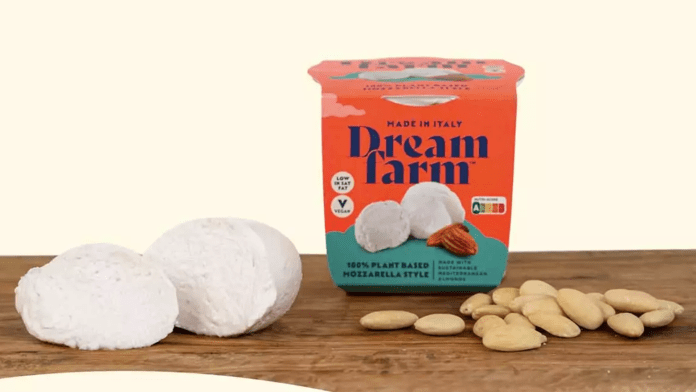
After investing two years in research and development to create a patented technology for manufacturing their plant-based cheeses, Dreamfarm introduced their inaugural products in May. These offerings consist of a plant-based cheese spread and a vegan mozzarella alternative that is stored in a preservative liquid.
The plant-based mozzarella has received an ‘A’ Nutri-Score, signifying the highest possible rating on the European nutritional labeling scale.
Dreamfarm has outlined its intentions to utilize the remaining funding for the expansion of its distribution network both within Italy and internationally. Additionally, the start-up has committed to directing resources toward research and development to facilitate the expansion of its product range.
Its product offerings can be found at niche retailers in Italy and Barcelona.
Established in 2021, the company was co-founded by Maddalena Zanoni, who previously served as the head of Alpro and Provamel (both owned by Danone) in Italy, Greece, Cyprus, and Malta. Mattia Sandei, formerly an R&D researcher at the functional ingredients group Campus, also co-founded the company.
In April 2023, Giovanni Menozzi assumed the role of CEO, bringing his experience as an angel investor at Heroes, a developer of consumer brands.
According to his LinkedIn profile, Cagnin took on the role of chairman and angel investor in the company in April.
Speaking on the start-up’s portfolio and future plans, Menozzi said, “The Dreamfarm alternative to mozzarella is an innovative product, with less than 1% saturated fats and which is therefore increasingly aimed at that large segment of consumers [who are] attentive to aspects related to sustainability and nutritional profile but who do not want to [give] up the goodness of a typically Italian product.
“The [plant-based cheese] sector is growing rapidly and we are convinced that we can have our say on a global level with the type of products we have and will continue to develop.”
Honasa Consumer Ltd, the holding company of the D2C unicorn Mamaearth, closed the trading session on Tuesday (November 7) at INR 337.15 on the BSE, marking a 4.06% increase from its listing price.
The new-age technological startup had a relatively uneventful debut on the Indian bourses today. With its shares opening at a 2% premium at INR 330 on the NSE, Mamaearth’s shares began trading at INR 324 on the BSE.
The IPO’s price band was established between INR 308 and INR 324.
Mamaearth’s stock surged nearly 5% to reach INR 340 in intraday trading, before retracting some of the gains and eventually settling at a 4% increase above the IPO price.
On the NSE, the shares concluded the trading session at INR 337.3, marking a 2.21% increase from the listing price.
Mamaearth’s current market capitalization is $1.3 billion.
Established in 2016 by Ghazal and Varun Alagh, Honasa Consumer operates multiple beauty and personal care brands such as Mamaearth, The Derma Co., Ayuga, Aqualogica, and Dr Sheth’s. The company submitted its draft red herring prospectus (DRHP) in December of the previous year.
The IPO experienced an oversubscription of 7.61 times, primarily driven by significant demand from qualified institutional buyers (QIBs).
The initial offering consisted of newly issued shares valued at INR 365 crore along with an offer for sale (OFS) component of 4.12 crore shares. Nonetheless, the company’s FY23 loss of INR 151 crore has sparked concerns in certain circles regarding the stock’s prospects in the near to medium term.
At the same time, early investors in the company, several of whom opted for the OFS route to sell their shares, reaped substantial profits from the IPO.
Rohit Bansal and Kunal Bahl, the cofounders of Snapdeal, gained close to 101 times returns on their initial investment at the higher end of the IPO listing price, INR 324. Meanwhile, actor Shilpa Shetty realized returns of approximately 7.74 times on her investment.
Conversely, Mamaearth marks Peak XV’s fourth investment in the country within the last six months since its separation from Sequoia, known to potentially yield returns of 10 times or more.
The festive season in India brings with it an air of excitement, joy, and celebration. It’s a time when families and friends come together, and homes are adorned with lights, colors, and the sweet aroma of traditional sweets and delicacies. It’s a time when gifts are exchanged, and gratitude is expressed for the love and togetherness that defines these special moments.
And what’s a celebration without a toast to life’s most beautiful moments? This Diwali, as you light up your homes and hearts, we bring you a curated selection of the finest beverages and gift ideas that will elevate your festivities to a whole new level.
Indri Diwali Collector’s Edition 2023:
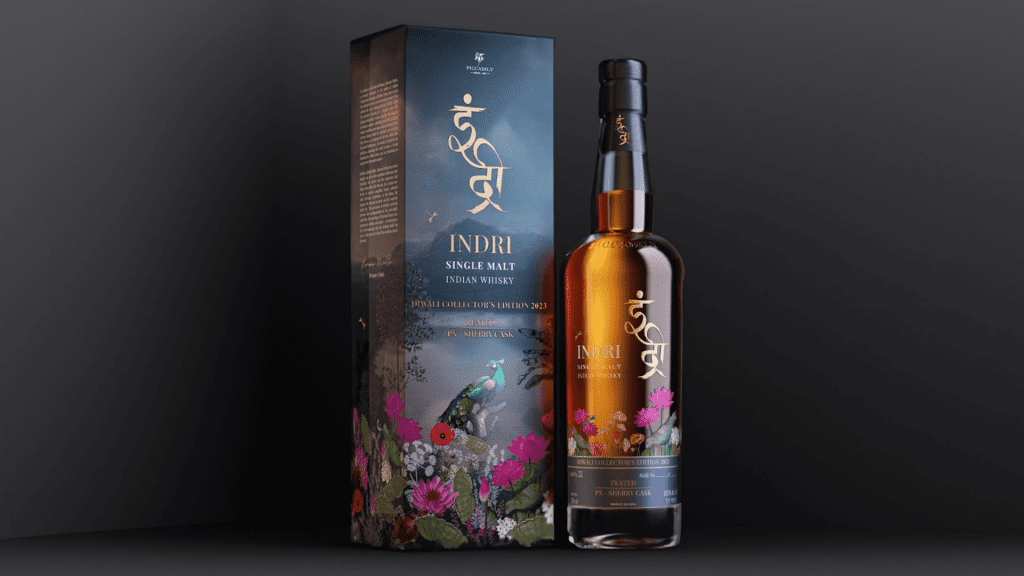
When it comes to premium Indian single malts, Indri is a name that demands attention. Produced by Piccadily Distilleries in India, Indri has been making waves across the globe, earning recognition at the Whiskies of the World Awards with the prestigious Best in Show, Double Gold award for their Diwali Collector’s Edition 2023. This accolade is a testament to the quality and growing popularity of Indian single malts.
The Indri Diwali Collector’s Edition is a peated single malt crafted with meticulous attention to detail. Made from Indian six-row barley and distilled in traditional copper pot stills crafted in India, it’s matured in PX Sherry Casks for an extended period amidst the sub-tropical climate of North India. The result is a whiskey that tantalizes the senses with notes of smoke, candied dried fruits, toasted nuts, subtle spices, oak, and bittersweet chocolate.
What sets the Indri Diwali Collector’s Edition apart is its exclusivity. With limited availability, it’s a symbol of sophistication and refinement, available exclusively in Haryana.
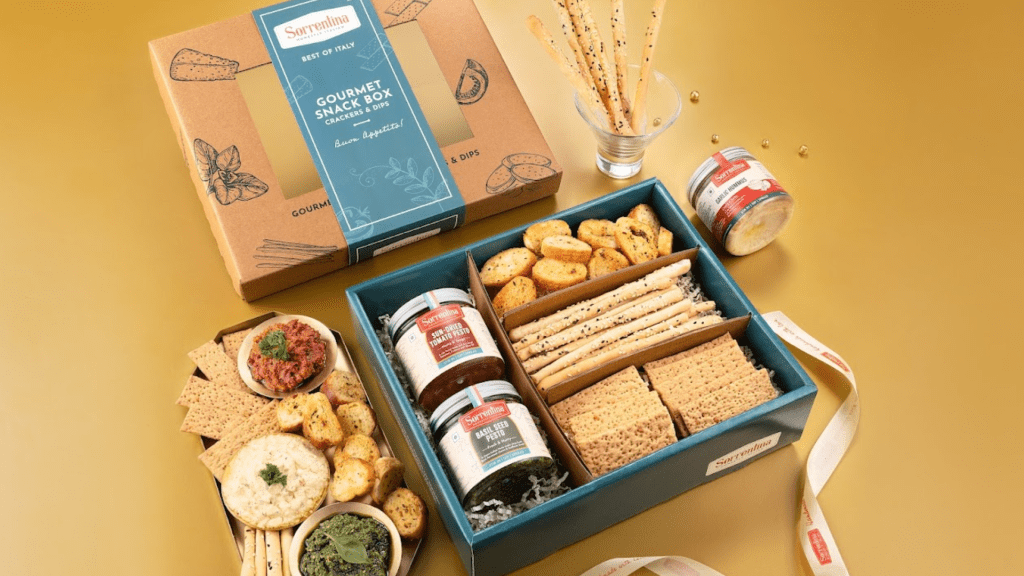
Sorrentina Chip and Dip Box:
Whether you’re looking for the perfect gourmet gift for the festive season or hosting an intimate gathering, Sorrentina Chip and Dip box will be the perfect choice. Packed with 3 crackers and best dips, this box is a sure-shot way to impress.
Each element in the gourmet box is handcrafted in small batches, using only the freshest ingredients and authentic Italian recipes. The crunchy crackers, crostini, and grissini paired with the delicious flavors of the Italian-style hummus and pestos will definitely put you in a festive mood with each bite. Available at Sorrentina website, it’s a delightful option for those who appreciate gourmet delights.
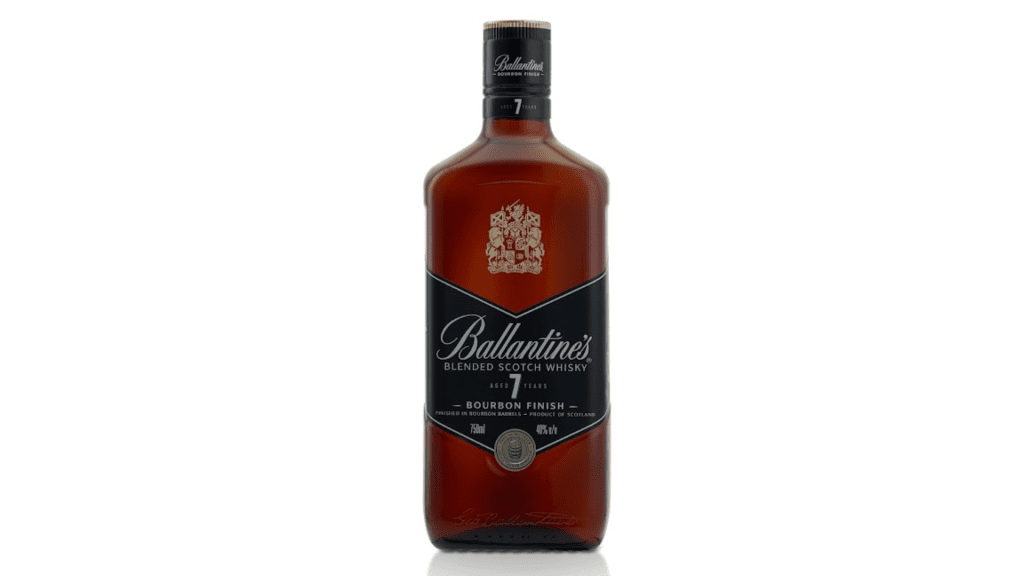
Ballantine’s 7 Bourbon Barrel Finish:
The latest addition to the Ballantine’s range, Ballantine’s 7 Bourbon Barrel Finish, offers the perfect marriage of Scotch whisky depth with the sweet influence of bourbon. Aged for seven years and finished in bourbon barrels, this whiskey brings a unique touch to the iconic Ballantine’s character.
Enjoy it in an Old Fashioned with a dash of orange bitters to enhance the sweet notes, or savor it neat or on the rocks. For an extra refreshing experience, mix it with premium cola when enjoying quality time with friends and family.
Jacob’s Creek Sparkling: Chardonnay Pinot Noir
Jacob’s Creek Sparkling Chardonnay Pinot Noir is an epitome of elegance. With a palate highlighting lemon and citrus fruit, finishing with a delicate and refreshing acidity, it pairs perfectly with soft cheeses and is a delightful addition to your festive gatherings. The wine’s bouquet offers an aromatic blend of lemon, citrus, and red apple, with hints of bread and nougat.
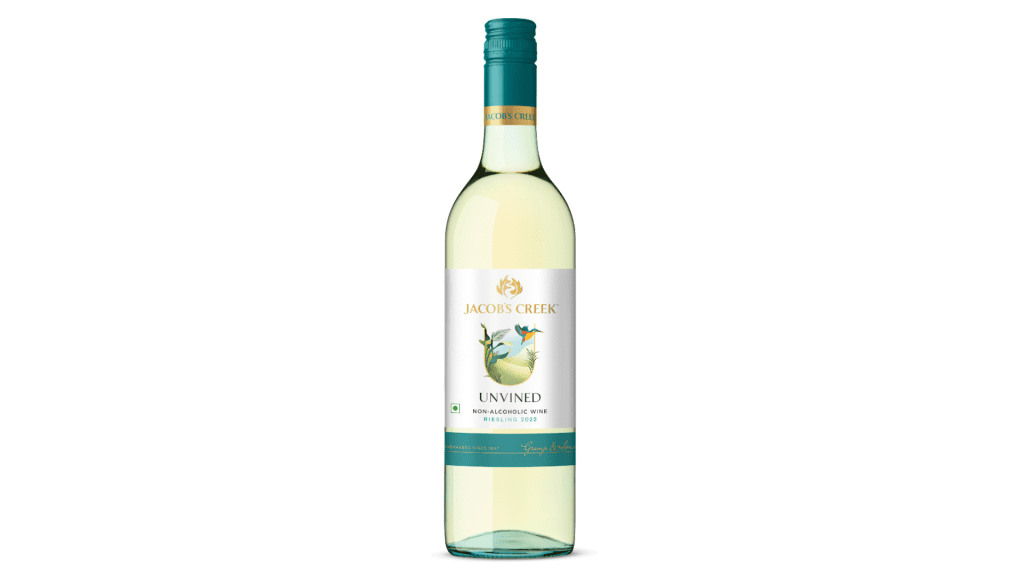
Jacob’s Creek Unvined – Riesling:
For those seeking a health-conscious alternative, Jacob’s Creek Unvined – Riesling (Non-Alcoholic Wine) offers the perfect solution. With flavors reminiscent of sweet baked apples and stone fruits, this non-alcoholic wine boasts crisp acidity.
Its aroma features notes of apples and apricots with floral undertones, making it an ideal accompaniment to pickled herring or lightly spiced dishes. Embrace a guilt-free celebration this Diwali with this delightful and refreshing option.
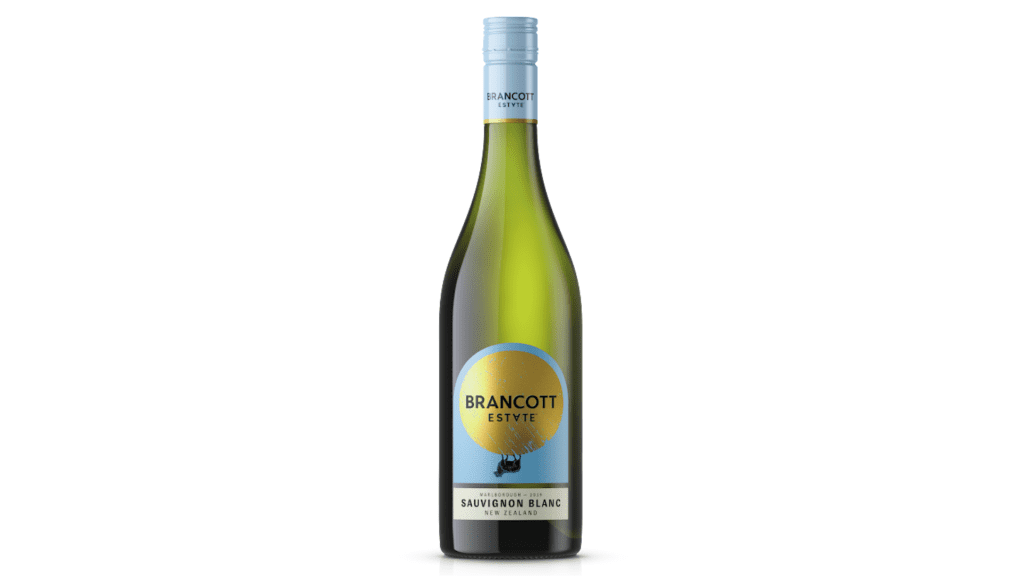
Brancott Estate Sauvignon Blanc:
Brancott Estate Sauvignon Blanc is a beautifully balanced wine, bursting with zesty aromas of pink grapefruit, melon, and gooseberry. Pair this delightful wine with delicate seafood, white meat dishes, fresh green salads, or lighter cheeses like brie and edam.
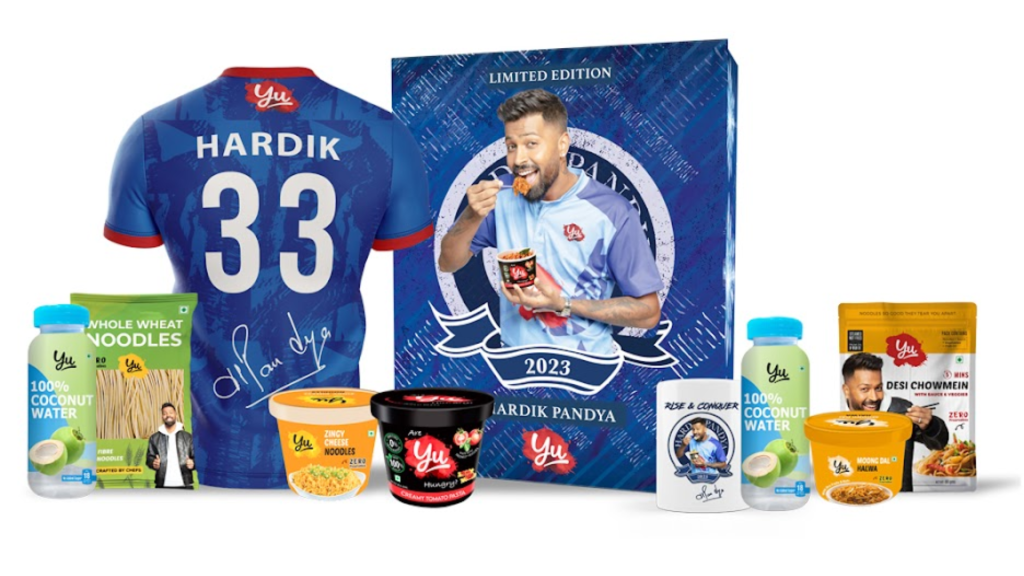
YU Foods x Hardik Pandya Festive Gift Box:
Inside this box, you will find a carefully curated collection of exclusive Hardik Pandya memorabilia, designed to celebrate the achievements and charisma of this incredible cricketer. From an autographed jersey and mug to personalized merchandise like a wristband, every item has been handpicked to bring you closer to the spirit of the game and the rise and conquer theme.
Available exclusively on BinkIt and SpiceJet, this hamper includes an autographed jersey and mug, a tricolor wristband, and a thoughtful selection of snacks, embodying the spirit of the game. Additionally, there’s a personal note from Hardik Pandya, making this collection a heartfelt tribute to his inspiring journey.
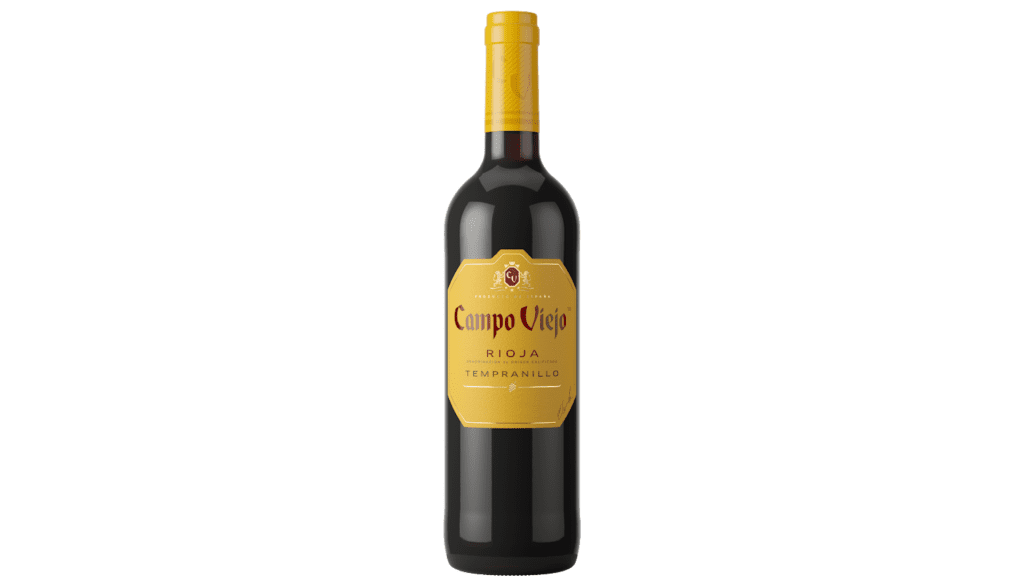
Campo Viejo Tempranillo:
From the heart of Spain, comes Campo Viejo Tempranillo – a wine that enchants the palate with its soft and fresh character. Its rich nose is packed with intense aromas, and its flavor profile includes notes of red fruit, vanilla, and cocoa.
This Spanish wine pairs beautifully with pasta, poultry, grilled chicken, vegetables, fresh light cheeses, and small bites.
‘Seagram’s Longitude 77’ Indian Single Malt Whisky:
Crafted in small batches in Dindori, Nashik (Maharashtra), ‘Seagram’s Longitude 77’ pays homage to the spirit of India and reimagines luxury and sophistication. With a rich and mellow flavor profile, notes of oak, vanilla, and a subtle hint of fruit, it’s a unique addition to your Diwali celebrations. The pack features a symbol that represents the best of India, making it a collector’s item. Available in Mumbai and Goa, the price is available upon request.
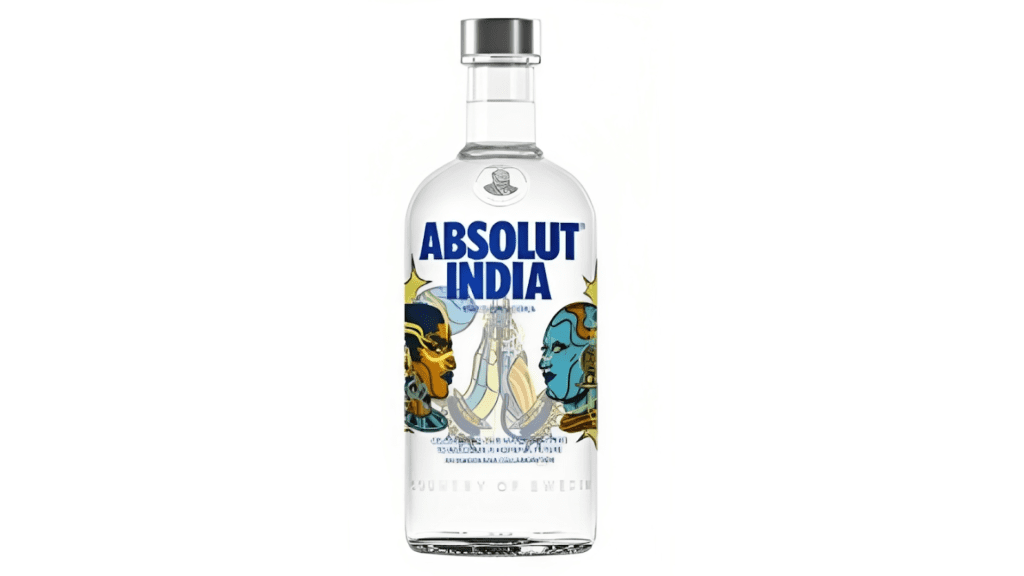
Absolut Limited Edition Pack:
Vodka lovers, rejoice! Absolut’s latest limited-edition bottle, designed by multidisciplinary artist Osheen Siva, is not just a feast for your taste buds but also a treat for your eyes. This bottle celebrates self-expression through art, design, and creativity, while retaining the same smooth taste Absolut is known for.
Whether you prefer it straight or mixed, Absolut is versatile and has an exceptionally smooth mouthfeel. This limited edition, available on request, celebrates the multifaceted identities that define the youth of India, making it the perfect gift for those who appreciate both art and a great drink.
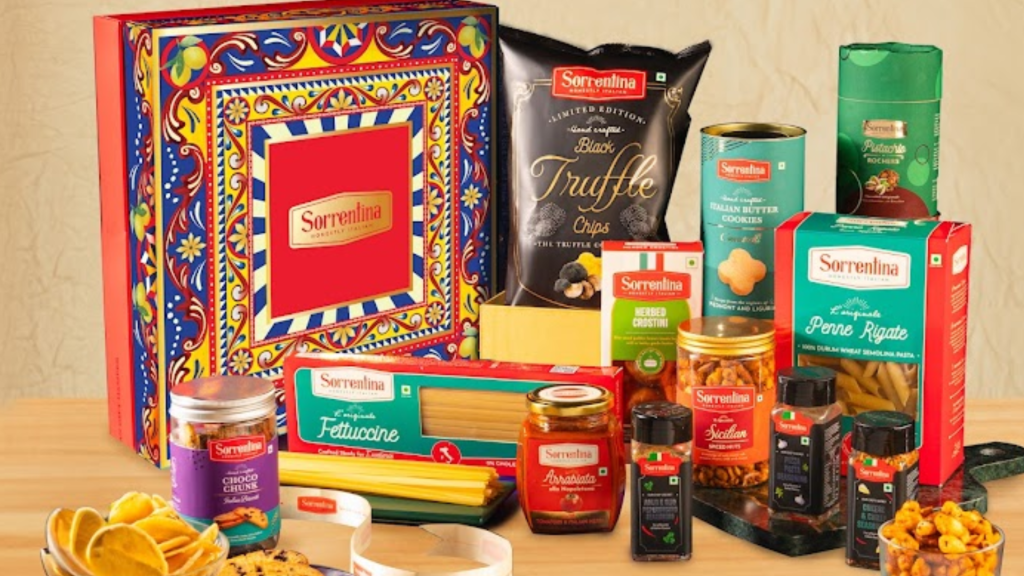
Sorrentina’s Taste of Italy Hamper:
Let your festive gifts this season be an embodiment of love, appreciation, and an adventure for the taste buds with Sorrentina’s ‘Taste of Italy’ Gifting Hamper. Offering a symphony of authentic Italian flavors, this hamper promises to elevate the festive spirit to an exquisite Italian soiree with every handpicked product like the gourmet truffle chips, the savory Sicilian spiced nuts, the finest varieties of pasta, the artisanal Herbed Crostini, and many more.
Available at Sorrentina Website, this hamper is a culinary journey that anyone would cherish.
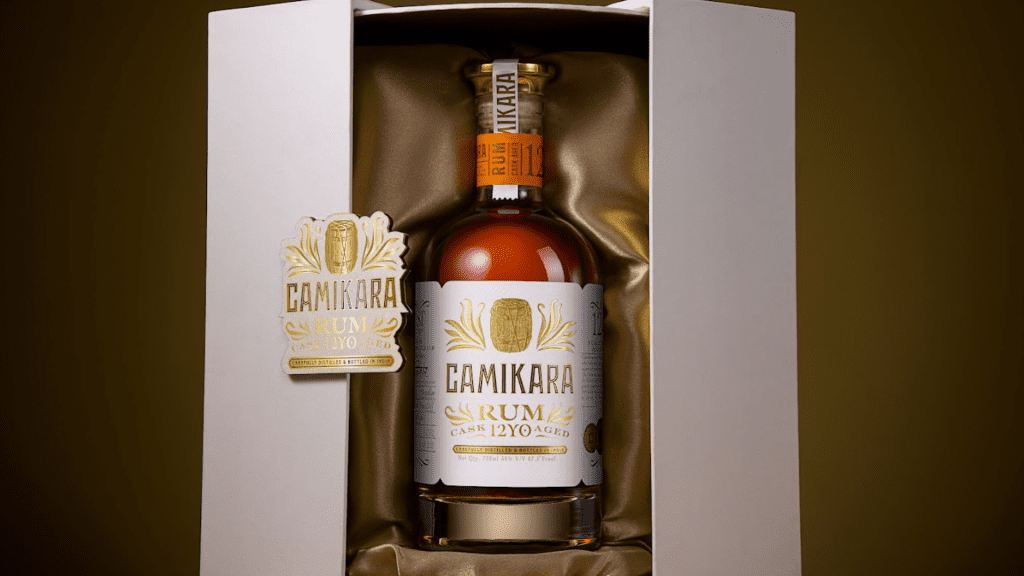
Camikara 12YO:
Camikara, India’s first pure cane juice rum, stands out as a truly exquisite creation. Not only is it the first Indian rum to win a gold medal at the prestigious IWSC Awards 2023, but it also follows an age-old Indian rum tradition by being naturally aged in ex-bourbon barrels for 12 years. This limited edition contains no added sugar, flavor, or color, and it’s bottled at a strength of 50% ABV.
As the festive season approaches, these exquisite beverages and gift ideas are here to make your celebrations truly memorable. Whether you choose to savor the finest in Indian single malts, raise a toast with Spanish wines, or surprise your loved ones with thoughtfully curated gift hampers, this Diwali is bound to be filled with joy, warmth, and unforgettable moments. Cheers to a spectacular Diwali!
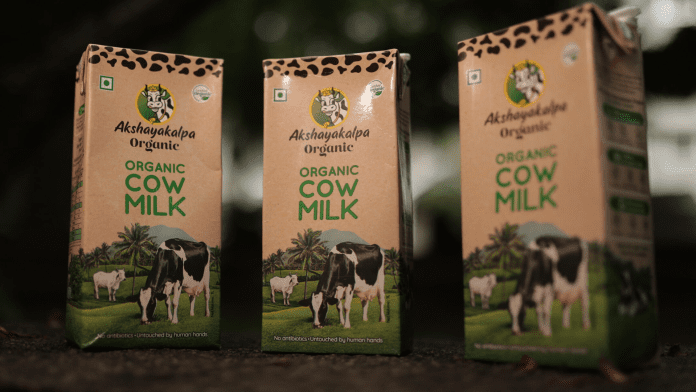
Organic dairy startup Akshayakalpa is currently in advanced discussions with A91 Partners to secure a substantial $25 million (INR 200 crore) in funding. This development marks yet another notable growth-stage deal in recent weeks, underscoring the resurgence in overall funding activity.
The company, which offers a platform for users to order milk and various dairy products, is aiming for a post-investment valuation in the range of $75-80 million, according to an individual familiar with the situation. The deal, which could be the 17th growth-stage transaction in the past month, is expected to be concluded and formally disclosed in the coming weeks, the source added, requesting anonymity.
“The company is largely present in Bengaluru and is looking to expand its operations beyond the city,” the person quoted above said.
“It has some presence in Chennai and Hyderabad, and it will look to penetrate deeper into these two cities. I don’t think as of now, there are talks of expansion beyond these cities,” they added.
Queries sent to A91 Partners and Akshayakalpa went unanswered.
If the transaction moves forward as intended, it will enable Akshayakalpa to strengthen its standing in India’s fiercely competitive dairy products market. In this market, traditional players usually dominate the landscape. Notably, competitor brand Country Delight successfully obtained a significant $108 million in a funding round just last year. Additionally, Milky Mist, another prominent dairy products brand, has reportedly been engaging in discussions with private equity firms such as WestBridge Capital to raise funds, as highlighted in media reports.
Established in 2010 by Dr. GNS Reddy and Shashi Kumar, Akshayakalpa specializes in the production of organic milk and collaborates with more than 750 farmer families, as stated by the company. Beyond its proprietary platform, the company’s products are accessible through over 2,000 retail and quick commerce outlets.
Having successfully secured its Series B funding round in September last year, the company garnered support from British International Investment (BII), a UK-based development finance institution, and the Rainmatter Foundation, in addition to continued backing from existing investors like Venture Dairy. Lok Capital is also among the company’s supporters.
Akshayakalpa’s revenue in FY22 saw a 12% growth, reaching INR 116 crore. This growth notably contrasts with the substantial 70% increase recorded in the figures during 2020-21. Nonetheless, the company successfully reduced its loss in FY22 to INR 19.4 crore from over INR 30 crore in the preceding fiscal year.
We use cookies to ensure that we give you the best experience on our website. If you continue to use this site we will assume that you are happy with it.