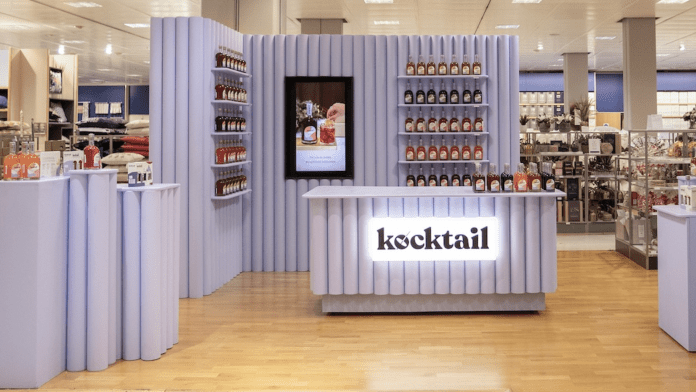
An award-winning independent ready-to-drink cocktail brand, Kocktail, has recently launched its first concessions in three John Lewis stores.
These openings signify Kocktail’s first-ever physical presence in a department store and the brand’s initial activation of this kind.
Shoppers at John Lewis Cheadle, Cribbs Causeway, and Kocktail’s hometown store in Newcastle can now enjoy a stylish and sophisticated shopping experience.
Kocktail Co-Founder, Emil Stickland, said, “We wanted to do something truly unique for our first instore pop-ups with John Lewis. Building on the visual language we’ve developed over the last three years, incorporating our signature blue and fluted texture, we created a shopping space that’s designed to encapsulate shoppers in the Kocktail experience.”
During weekend opening hours, each concession offers a complimentary personalization service. As a distinctive Christmas gift idea, customers can design a personalized label for their chosen Kocktail.
For Christmas 2023, Kocktail has crafted an exclusive cocktail, the Candy Cane Martini, available solely at John Lewis.
After debuting with John Lewis in the fall of 2022, the premium range of ready-to-drink bottled cocktails and gift sets from Kocktail has gained popularity among customers. The introduction of three Kocktail concessions further extends this success, reaching out to new customers across the UK.
Crafted by skilled bartenders, Kocktail bottles up bar-quality mixes, ensuring the perfect serve for enjoying at home. Since their introduction during the lockdown in 2020, the team has made a significant impact on the ready-to-drink bottled cocktail category, securing their second Great Taste Award this year.
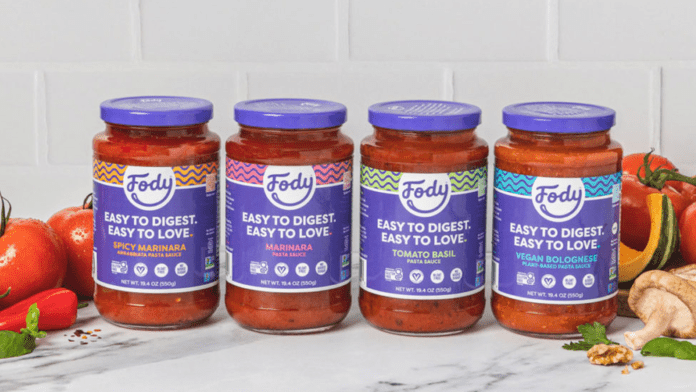
Fody Food Co., a company specializing in pantry essentials designed for individuals with digestive sensitivities, has successfully concluded a Series B equity financing round. The funds raised will be utilized to fuel the company’s growth in the United States, facilitate new product development, and enhance brand awareness.
Established in 2016, Fody provides a range of products that are designed to be low in fermentable oligosaccharides, disaccharides, monosaccharides, and polyols (FODMAP). This composition addresses the potential discomfort and bloating experienced by millions of consumers in North America dealing with irritable bowel syndrome or other digestive challenges.
The product range comprises sauces, ketchups, salsas, salad dressings, and snacks. These items are available in over 10,000 grocery stores across the United States and Canada, including major retailers such as Walmart, Wegmans, Whole Foods Market, Kroger, Loblaws, and Metro.
Steven J. Singer, the founder and chief executive officer, has a prior co-founding experience with the gluten-free brand Glutino.
Jonathan Ross Goodman, from Paladin Labs and Knight Therapeutics, spearheaded the funding round. Joining him were Jonathan Wener from the real estate firm Canderel and Ronald Reuben from Medicom Group, a company specializing in the manufacturing and distribution of infection prevention products. Notably, existing investors such as Clover Vitality, District Ventures, New Acres, and EDC also contributed to the funding round.
“The addition of Jonathan Ross Goodman, Jonathan Wener and Ronald Reuben, three highly successful entrepreneurs, is extremely validating,” Mr. Singer said. “I welcome them to the Fody community and look forward to learning from them to the benefit of the 15% of North Americans suffering from some form of irritable bowel syndrome.”
Joel Warady, currently the president of Catalina Crunch, is set to assume the role of chairman of the board within the company. Having previously overseen the allergen-free brand Enjoy Life Foods at Mondelez International, Mr. Warady acknowledged the expanding market potential for products targeted at consumers experiencing digestive discomfort.
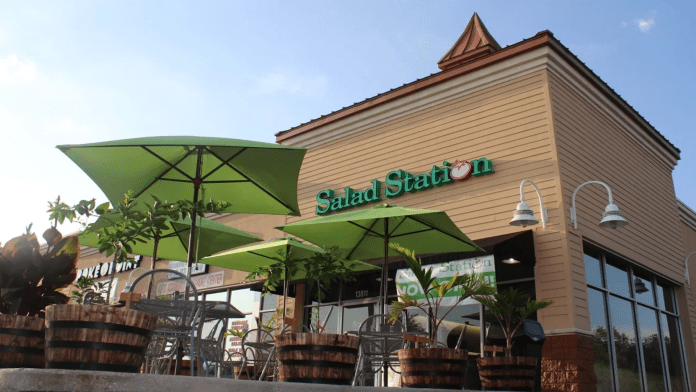
Salad Station, a quick-service restaurant based in the United States, has announced its intention to expand its presence in the southeast region, aiming to triple its current footprint.
The company aims to increase its store count from 30 to 33 by the end of this year, with plans to add 17 additional locations by the end of 2024.
The company plans to open its first location with a drive-through facility in Ocean Springs, Mississippi, by the end of this year.
It also has the objective of incorporating an additional 50 restaurant locations within the next two years.
Established in 2012 by vegetable farmers from Louisiana, Salad Station provides fast, salad-based meals to its customers.
The brand features freshly crafted salads, recently prepared fruit, gourmet toppings, a choice of 16 dressings, and exclusive soup recipes, all made from scratch.
It has solidified its presence in the southern states, encompassing Texas, Florida, Louisiana, Mississippi, Alabama, and Arkansas.
Additionally, it has intentions to broaden its presence in the state of Tennessee.
Salad Station founder and CEO Scott Henderson said, “We are laser-focused on our vision to deliver an unparalleled variety of fresh, premium ingredients, staying true to our farming heritage.
“Franchising a Salad Station is a unique opportunity to be a local hero. My mom and I opened the first Salad Station simply because we identified that our community was lacking a quick and easy way to eat a fresh and customisable meal, large or small.
“When leaving one of our locations, we hope our guest’s day is just a little brighter and they crave to have the same feeling the next day.”
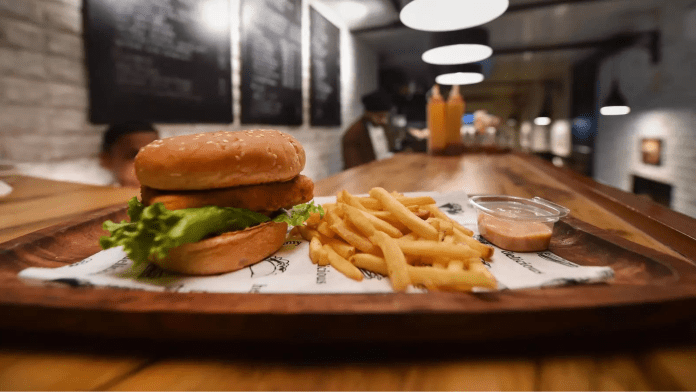
BurgerFi, the fast casual restaurant chain, posted a net loss of $4.95 million in the third quarter of 2023, reflecting a notable rise from the $3.33 million net loss recorded a year ago.
The increase in net loss was linked by the company to a decrease in same-store sales and the lack of gains from employee retention credits in comparison to the previous period.
For the quarter ending on October 2, 2023, total revenue amounted to $39.48 million, a decrease from the $43.25 million reported a year earlier.
In the most recent quarter, the company witnessed a drop in consolidated systemwide sales, decreasing from $70.6 million in the year-ago period to $65.3 million.
In this timeframe, BurgerFi experienced a 9% decline in systemwide sales, amounting to $35.7 million compared to the same period in the previous year.
The restaurant company incurred restaurant-level operating expenses of $32.9 million for the quarter, a decrease from the $35.2 million recorded in the previous year.
In the third quarter, the adjusted earnings before interest, taxes, depreciation, and amortization (EBITDA) for the company amounted to $0.8 million, showing a decrease from the $1.6 million reported in the corresponding period last year.
During the quarter, the company expanded its presence by opening five new BurgerFi franchised locations and acquiring an additional four from franchisees year to date.
BurgerFi CEO Carl Bachmann said, “Our third quarter performance is not reflective of what we believe these brands and the people at this organization can and will accomplish.
“Having arrived here ten days into the quarter, these results are in no way indicative of our work to date or where we intend to take the business.
“Using my prior experience at enhancing pizza and burger concepts, BurgerFi is now implementing strategic priorities that should position the Company for long-term, profitable growth.”
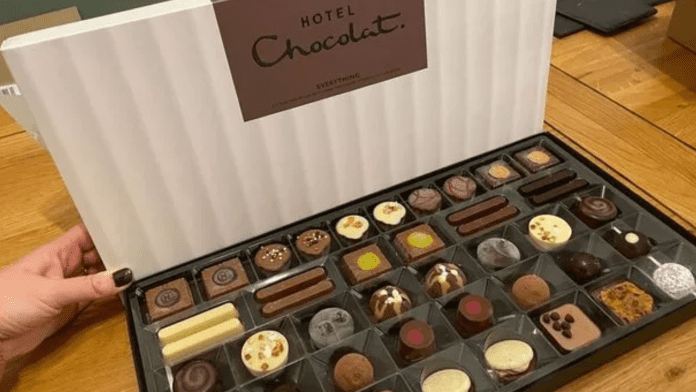
In a noteworthy move, Mars has acquired Hotel Chocolat for £534 million, signaling a pivotal development in the premium confectionery sector.
Established in 1993 by Angus Thirlwell and Peter Harris, Hotel Chocolat has become a prominent brand in the UK. This acquisition is positioned to enhance its presence on the global stage.
From the acquisition, Thirlwell and Harris are set to individually receive £144 million, highlighting the strong valuation of Hotel Chocolat. This further underscores Mars’ dedication to investing in premium brands.
The strategic alignment seeks to utilize Mars’ operational expertise in addressing the international expansion challenges confronting Hotel Chocolat. This underscores the emphasis on optimizing manufacturing, distribution, and logistical intricacies.
“We know our brand resonates with consumers overseas, but operational supply chain challenges have held us back,” said Thirlwell. “By partnering with Mars, we can grow our international presence much more quickly using their skills, expertise and capabilities.”
Following the acquisition, Hotel Chocolat’s standing in the confectionery market remains unchanged. Andrew Clarke, the Global President of Mars Snacking, has reassured industry stakeholders that there are no intentions to modify the iconic recipes that define the Hotel Chocolat brand.
“We’ve got a real track record here of nurturing, protecting and accelerating brands and actually keeping that entrepreneurial nature at what that brand stands for,” he said.
In spite of past challenges in international endeavors, such as the closure of US stores and difficulties in the Japanese market, Hotel Chocolat continues to be an attractive prospect. The partnership with Mars signifies a strategic collaboration specifically designed to address the nuanced operational needs of expanding premium confectionery brands on a global scale.
Continuing in his role as CEO, Thirlwell has committed to reinvesting 80% of his windfall back into the company, underscoring a dedication to ongoing growth and innovation.
In a statement, Mars said, “[We] believe that Hotel Chocolat and Mars are culturally aligned, with shared values of quality, sustainability and purpose among their guiding principles. Mars’ stated purpose is “the world we want tomorrow starts with how we do business today” and it shares the passion and conviction in Hotel Chocolat’s mission, “to make people and nature happy through reinventing chocolate.”
As the integration unfolds, stakeholders in the sector are encouraged to look forward to the positive effects that this collaboration will have on the broader landscape of premium confectionery.
In October, Hotel Chocolat introduced two new chocolate bars, announcing that 100% of the sales from these bars would be donated to promote sustainable cacao farming practices.
Indian restaurant and quick-service restaurant (QSR) operators are currently in an extensive hiring phase, aiming to create approximately 500,000 job opportunities within the next year, as per industry projections.
This surge in hiring coincides with a period in which both established and new entrants in the industry are focusing on expanding their presence. According to company executives, Mamagoto, Wow! Momo, McDonald’s, and Burger Singh are just a few examples of brands eager to open new stores and increase their workforce in the upcoming months.
According to Kabir Suri, President of the National Restaurants Association of India, the growth can be attributed to a rise in consumer spending, coupled with efforts to control inflationary pressures and extend operations to tier-2 and tier-3 cities.
Mamagoto is gearing up to recruit approximately 400 individuals in the next year, concurrently planning the launch of 20 new stores. Wow! Momo and McDonald’s, on the other hand, have ambitious hiring targets, with each aiming to onboard 1,200-1,500 employees within the next 12 to 15 months. As for Burger Singh, its expansion strategy involves opening around 250 new stores and more than doubling its workforce to reach 2,500 people by the conclusion of 2024-25.
Suri, co-founder of Azure Hospitality and President of the National Restaurants Association of India, revealed that his company, which owns the Mamagoto chain of restaurants, is actively exploring the possibility of launching 20 new outlets within the next year.
“This will create at least 350-400 new jobs,” he said.
Wow! Momo presently boasts a workforce of nearly 6,000 employees, having increased its staff by approximately 1,500 individuals in the past year. The company aims to sustain this growth rate by expanding its workforce at a similar pace over the next 12 months.
“We will be hiring around 1,500 to 2,000 people in the next 12 months as we continue to grow. Roughly we are looking at opening 200 to 250 stores in the next 12-15 months,” said Sagar Daryani, CEO, Wow! Momo.
In alignment with its Vision 2027 strategy, Westlife Foodworld, the entity overseeing McDonald’s operations in western and southern India, intends to inaugurate 40-45 new stores each year. The goal is to achieve a total of 580-630 restaurants by the year 2027.
“To support this vision, we plan to invest INR 1,400 crore towards expansion and job creation, which will drive our ambitious growth,” said Saurabh Kalra, managing director, Westlife Foodworld. “On average, every new store generates about 30-35 new employment positions, which can create approximately 1,200-1,500 jobs every year.”
Walmart’s India operations experienced a subdued third quarter, with festivities dampened by the delayed onset of the festive season.
In its Q3 financial results unveiled on Thursday, Walmart reported robust growth in e-commerce sales and expanded market presence globally, except for India, where penetration did not witness the same upward trend.
The company stated that the timing of subsidiary Flipkart’s The Big Billion Days (BBD) sale shifted to Q4 this year, affecting Q3 growth and sales. Despite this, Walmart conveyed optimism that the upswing in festive season sales would be evident in the current fourth quarter.
The BBD sale’s timing had a negative impact on Walmart International’s revenue, with a 3% year-over-year decline in e-commerce sales and only a modest 4% annual growth in the advertising business. The company explicitly linked these subdued figures to the delayed sale.
Walmart additionally indicated its anticipation that the growth in e-commerce sales and advertising business for the second half of 2023 will align with the figures observed in the first half of the year.
The delayed commencement of The Big Billion Days sale, renowned for substantial offers and deep discounts, contributed to the international arm of the company achieving a 151 basis points increase in its gross margin rate. Simultaneously, operating expenses experienced a 75 basis points deleverage, primarily attributable to the timing of The Big Billion Days.
“Ecommerce sales declined 3% while advertising grew 4% — both affected by the timing of BBD… Other than India, strong growth in ecommerce sales and increased penetration across markets… Growth in ecommerce sales and advertising for H2 is expected to be similar to H1,” the company said.
Anticipating a substantial boost in sales during the robust festive season in Q4, Walmart has consistently hailed Flipkart as its flagship asset in the Indian e-commerce landscape. In August, Walmart’s Chief Financial Officer, John David Rainey, highlighted Flipkart’s impressive performance in terms of gross merchandise value (GMV) and sales growth during Q2, coupled with strengthened profitability.
Despite the challenges posed by its operations in India affecting the international segment, the U.S.-based giant surpassed expectations with its Q3 financial performance. It reported a profit of $453 million on revenues totaling $160 billion.
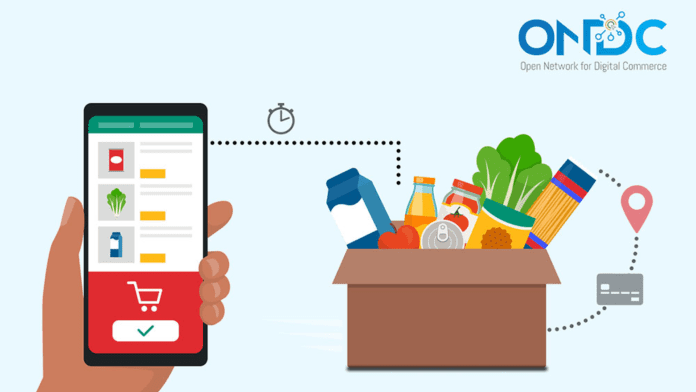
Capitalizing on the festive enthusiasm, the government-supported Open Network for Digital Commerce (ONDC) recorded an unprecedented 12 lakh transactions from November 6 to November 13, as reported by ONDC data.
Earlier this year, ONDC highlighted its ambition to achieve 1 Lakh daily transactions. Judging by the festive season statistics, it seems the network may have successfully reached this milestone. The ongoing Cricket World Cup also appears to have played a role in fueling the growth of transactions for the network.
“The increasing trend of festive shopping moving online has pushed customers to look for the best deals across various platforms and apps. With ONDC Network, consumers now have one more alternative that goes beyond the traditional ecommerce apps. Our record transactions indicate a changing consumer behaviour wherein shoppers are eager to explore options to secure the best deals and discounts,” said T Koshy, MD & CEO, ONDC.
Orders spanning various categories, including F&B, grocery, electronics, fashion, home & kitchen, mobility, and health & wellness, were placed in 600 Indian cities during the week.
On Sunday, October 8, during the World Cup match between India and Australia, ONDC reached a historic milestone, registering a peak of 53,000 retail orders in a single day.
It’s worth noting that the open network experienced a remarkable monthly transaction surge, increasing by 500 times, from a modest 12,281 transactions in January to over 608,307 in September, based on the latest monthly transaction data provided by ONDC.
The surge in transactions observed during the festive season can be attributed to the incentives provided by the network to buyer-side applications such as Paytm, Pincode (owned by PhonePe), Magicpin, Ola, and others.
The network also adjusted the incentives and bonuses for sellers while expanding the spectrum of discounts offered to buyers.
As reported earlier, ONDC has been extending substantial bonuses, with a weekly cap of up to INR 35 Lakh, to buyer-side platforms.
Moreover, ONDC has raised the weekly cap on consumer discounts from 2 to 5. The tier-based incentive system is designed to support buyer applications in onboarding sellers based on their locations. This initiative aims to expand the market’s reach beyond urban areas, traditionally known for attracting significant online retail order volumes.
According to ONDC’s incentive framework for seller-side applications, the network is offering incentives of up to INR 6,000 in metros, up to INR 7,500 in Tier II and III cities, and INR 5,000 in all other cities. These incentives are applicable if the sellers provide more than 5,000 stock-keeping units (SKUs) in the grocery category.
As per the findings of the consulting firm Redseer, the gross merchandise value (GMV) for the country’s ecommerce sector was projected to experience a year-on-year growth of 18%-20%, reaching INR 90,000 Cr during this year’s festive season.
Last week, Amazon India reported that during the company’s ‘The Great Indian Festival,’ which kicked off on October 8, over 38,000 sellers experienced their highest-ever single-day sales.
The resurgence in retail consumption, achieving record monthly digital transactions, and a reduction in inflation collectively have given a positive boost to the ecommerce sector in India following the impact of the Covid-19 pandemic.
According to its report, Redseer projected that approximately 140 million shoppers were anticipated to engage in purchases during the festive season sale this year.
During this year’s festive season sale, Flipkart, owned by Walmart and traditionally holding the largest share in such sales, recorded a 15-20% rise in its gross merchandise value (GMV), reaching INR 33,000 to INR 36,000 Cr.
A notable trend observed in online festive season sales in India is the substantial volume of orders originating from areas beyond metros and Tier I cities. Consequently, the strategic onboarding of sellers nationwide has become imperative to tap into markets in remote regions of the country.
Amazon reported that their marketplace facilitated almost 8,000 sellers in achieving their highest-ever single-day sales during the Great Indian Festival. In contrast, Flipkart announced a 27% surge in its seller count, surpassing 1.4 million sellers.
Meesho has recently expanded its platform to include non-GST registered sellers, while Amazon India has introduced its multi-channel fulfillment (MCF) service for direct-to-consumer (D2C) brands and retailers. This service aids in managing customer orders originating from various channels.
Meanwhile, ONDC is offering B2B seller apps incentives of up to INR 1,000 for acquiring new buyers. Sellers can avail themselves of this amount for the first order placed by a new or unique buyer, with a minimum order value of INR 5,000, inclusive of shipping. Sellers have the opportunity to claim this incentive for up to 50 new buyers each month.
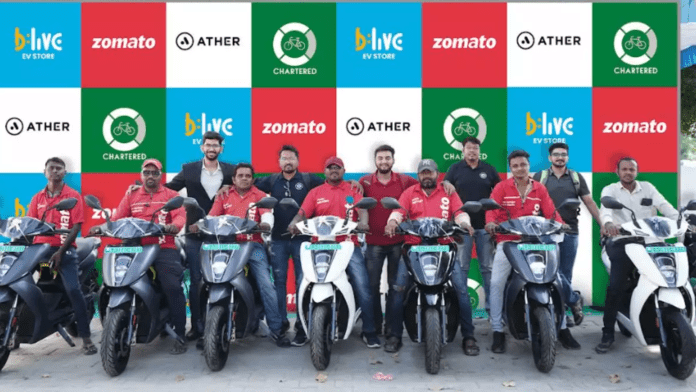
Expanding their fruitful collaboration with Zomato, BLive, a prominent multi-brand EV platform, has introduced 30 Ather EVs for Zomato deliveries in Ahmedabad. This move aligns with their ongoing commitment to broaden the reach of their EV fleet, extending it to 20 cities across India.
This evolution signifies a shared commitment to sustainability and the reduction of the delivery ecosystem’s carbon footprint, championing the shift from conventional vehicles to eco-friendly EVs. BLive is actively addressing the scarcity of EVs by providing end-to-end solutions for last-mile delivery companies like Zomato. With a primary focus on Tier II cities, BLive aims to bridge the supply gap and meet the demands of last-mile delivery services. The strategic partnership with Zomato, initiated in July, launched the EV initiative in Hyderabad with an initial fleet, marking a significant step toward the future of sustainable food delivery in India.
“In our ongoing commitment to fostering green mobility solutions, BLive is thrilled to join forces with Zomato and Ather to introduce 30 Ather electric vehicles for food delivery in Ahmedabad. Our objective is to transform the way deliveries are made, setting a new standard in the industry by integrating EVs into Zomato’s operations. We are excited to bring this sustainable initiative to Ahmedabad, a city that is already showing great enthusiasm for green delivery solutions. This partnership marks a significant step towards a cleaner and greener future in the delivery ecosystem, showcasing BLive commitment to environmental sustainability and business innovation,” Samarth Kholkar, CEO and co-founder, BLive said.
“We are delighted to partner with BLive and Zomato to contribute to a more sustainable and eco-friendly future for food delivery in Ahmedabad. Electric vehicles are not only known for their performance but also their environmental impact. Our vision aligns perfectly with this initiative, and we look forward to witnessing the positive change our electric scooters will bring to the delivery landscape in the city.” Nikhil Patil, Head Corporate Sales, Ather Energy, said.
Leading the charge in advancing electric mobility adoption throughout India, BLive stands as the country’s pioneering multi-brand EV platform. Boasting a digital platform showcasing over 40 brands, BLive ensures a seamless omnichannel experience for buyers, encompassing an E-commerce store and premium experience outlets nationwide. With ambitions to extend its reach, BLive aims to establish 100 premium multi-brand stores by 2024, presenting a diverse array of EV products and services, ranging from E-Scooters and E-cycles to Delivery Ebikes and distinctive form factors. The company goes beyond product offerings, facilitating both personal and business EV adoption through provisions such as charging infrastructure, post-sales services, and accessible financing options.
In today’s dynamic business landscape, the key to success lies in mastering your market. With consumers bombarded by a constant stream of information and choices, businesses need to adopt strategic techniques to cut through the noise and connect with their desired audience. Here are the proven techniques to laser-focus on your target demographic and elevate your business to new heights.
Understanding Your Audience
The foundation of market mastery begins with a deep understanding of your audience. Comprehensive market research is essential to identify the characteristics, preferences, and behaviors of your target demographic. Invest time in analyzing demographics, psychographics, and behavioral data to create detailed buyer personas. These fictional representations of your ideal customers provide a roadmap for crafting targeted marketing strategies.
By understanding your audience on a granular level, you can tailor your products or services to meet their specific needs. This not only enhances customer satisfaction but also establishes a strong emotional connection between your brand and your audience.
Harnessing the Power of Data Analytics
In the digital age, data is king. Businesses can leverage advanced analytics tools to gather, analyze, and interpret vast amounts of data to gain actionable insights. By tracking customer interactions, purchasing patterns, and engagement metrics, companies can refine their marketing strategies with precision.
Implementing a robust customer relationship management (CRM) system is one way to centralize customer data. This allows businesses to create targeted campaigns, personalize communications, and predict future trends based on historical data. Through data analytics, companies can identify emerging opportunities, address customer pain points, and stay ahead of market trends.
Embracing Personalization
In an era where one-size-fits-all approaches are becoming obsolete, personalization has emerged as a powerful tool for market mastery. Tailoring your products, services, and marketing messages to individual preferences enhances customer engagement and loyalty. Personalization can take various forms, from recommending products based on past purchases to crafting personalized email campaigns.
Technology plays a pivotal role in enabling personalization at scale. Machine learning algorithms can analyze user behavior and preferences to deliver personalized content and recommendations in real-time. By making customers feel seen and understood, businesses can build lasting relationships and foster brand advocacy.
Strategic Content Marketing
Content is the currency of the digital age, and strategic content marketing is a cornerstone of market mastery. Develop a content strategy that aligns with the interests and needs of your target audience. Create high-quality, informative, and shareable content across various channels, including social media, blogs, and email.
Educational content that addresses pain points and provides solutions positions your brand as an authority in the industry. By consistently delivering value, you not only attract your desired audience but also establish trust and credibility. Moreover, shareable content has the potential to amplify your reach as satisfied customers become brand advocates.
Building a Strong Online Presence
In today’s interconnected world, a strong online presence is non-negotiable. Your website is often the first interaction a potential customer has with your brand, making it a crucial touchpoint for market mastery. Ensure that your website is not only aesthetically pleasing but also user-friendly, with clear navigation and a seamless purchasing process.
Invest in search engine optimization (SEO) strategies to improve your website’s visibility in search engine results. This ensures that your business is easily discoverable by individuals actively seeking products or services in your niche. Social media platforms also play a vital role in building an online presence, allowing you to engage with your audience directly and humanize your brand.
Continuous Adaptation and Innovation
The business landscape is constantly evolving, and market mastery requires a commitment to continuous adaptation and innovation. Keep a close eye on industry trends, monitor the competition, and be open to embracing new technologies. Regularly reassess your marketing strategies to ensure they align with the evolving needs and preferences of your audience.
Experiment with new channels and platforms to expand your reach. Embrace emerging technologies such as augmented reality, virtual reality, or interactive content to create memorable and engaging experiences for your audience. By staying ahead of the curve, you position your business as a forward-thinking industry leader.
Final Thoughts:
Mastering your market is a multifaceted endeavor that requires a combination of research, data analytics, personalization, strategic content marketing, a strong online presence, and a commitment to continuous adaptation. By employing these techniques, businesses can laser-focus on their desired audience, cut through the noise, and build meaningful connections that drive success in today’s competitive business landscape. As technology continues to evolve, staying attuned to the ever-changing needs and preferences of your audience will be the key to sustained market mastery.
We use cookies to ensure that we give you the best experience on our website. If you continue to use this site we will assume that you are happy with it.