Saturday, January 24, 2026
Home Blog Page 813

India leads Asia-Pacific markets as top performer for global consumer goods corporations

0

The Indian market has showcased remarkable performance in contrast to the rest of the Asia Pacific, including China, for numerous major global consumer goods companies, as per their post-earnings management comments in the past quarter.

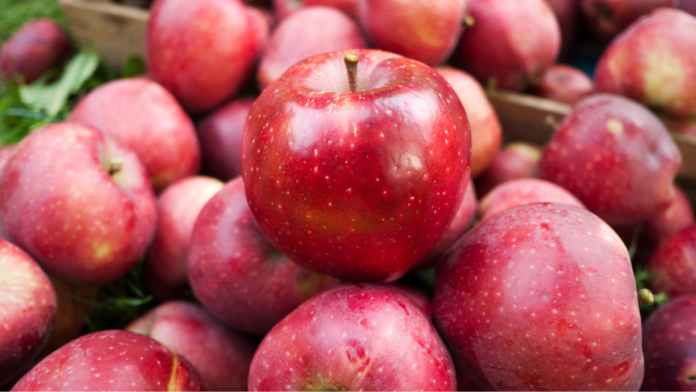
Several of these companies, including Mondelez International, PepsiCo, Coca-Cola, Pernod Ricard, Colgate-Palmolive, Unilever, Levis Strauss & Co, Yum! Brands, Honeywell International, and AO Smith, reported robust growth, with some achieving double-digit increases in their India operations during the July-September quarter. Their India performance stood out as one of the strongest across all emerging markets for these multinational corporations. Apple and Coca-Cola, for instance, achieved their highest sales and volume performance in several years, while major players in the alcohol beverage industry, Pernod Ricard and Budweiser Brewing Company, anticipate their India business to significantly contribute to their global figures in the current fiscal year, thanks to the notable trend of premium product demand.

The senior leadership of these corporations affirmed that the demand in India continued to exhibit remarkable strength.

Mondelez’s Chairman and Chief Executive, Dirk Van de Put, noted that consumer demand in India during the previous quarter reached its highest point in four years.

Coca-Cola’s Chairman and CEO, James Quincey, mentioned that the company is witnessing strong consumer demand in Latin America, India, and various regions within Central and Southeast Asia. However, he noted that consumer spending confidence has not fully rebounded in Africa and China.

Global consumer goods giants are experiencing renewed optimism at a juncture when industry observers have consistently reported month-on-month improvements in demand for various products in India, including fast-moving consumer goods, groceries, consumer electronics, and mobile phones. This positive trend coincides with a moderation in inflation.

In October, the initial month of the current quarter, demand has shown further enhancement, driven by increased festive spending and a growing emphasis on premiumization, as reported by industry executives.

Quincey said Coca-Cola delivered double-digit volume and revenue growth in India, which resulted in the highest value share gain over the past three years even as China was a drag in volumetric terms. “We’re winning in the (Indian) marketplace by generating 2.6 billion transactions at affordable price points and driving availability across rural regions,” he said.

For the first time ever, Apple CEO Tim Cook began his earnings call by focusing on India’s performance, highlighting the record-high revenue and iPhone sales in the Indian market during the last quarter. Cook expressed his enthusiasm for the Indian market, attributing its success to the expanding middle-class segment, improved distribution networks, and various positive factors. He also noted that the two retail stores established in India have outperformed their initial expectations.

During the earnings call, Mondelez’s management reported that the company’s India operation experienced double-digit growth in the September quarter, whereas China expanded at a high single-digit rate, in contrast to the 3.4% volume growth in all emerging markets combined. Colgate-Palmolive executives, on the other hand, mentioned a 4% decrease in net sales for the Asia Pacific region in the last quarter, with a 1.5% decline in organic sales growth. However, they highlighted that the India business continued to demonstrate strong organic sales growth.

According to Reserve Bank of India Governor Shaktikanta Das, India’s GDP growth for the September quarter is expected to surpass earlier estimates. Furthermore, India’s goods and services tax revenue saw a notable 13% increase in October, reaching Rs 1.72 lakh crore. This marks the second-highest monthly collection since the introduction of the levy in July 2017.

International corporations engaged in discretionary sectors such as alcohol have confirmed that the premiumization trend remains unabated.

Helene de Tissot, Pernod Ricard’s Chief Financial Officer, remarked that in India, the fundamental performance is exceptionally robust.

“That’s why we believe this is going to support our ambition to deliver strong growth in the rest of the year and strong growth in the full year and in India. The fundamentals are excellent. There’s an ongoing premiumisation trend, geographic structural tailwind…So this is a key market for us with a very strong potential. That’s why our ambition is very strong for the year,” Tissot said.

Budweiser Brewing Company APAC, one of the major beer companies in the Asia Pacific, reported robust double-digit growth in its premium and super-premium portfolios in India during the last quarter. This substantial growth in these segments contributed to a strong double-digit increase in overall revenue for the company’s India business.

Advertisement

Adani Group set to exit edible oil giant Adani Wilmar in high-stakes sale

0
adani
Adani Wilmar (Representative Image)

Adani Group is currently engaging in discussions with several multinational consumer goods corporations regarding the potential sale of its complete 43.97% share in Adani Wilmar Ltd, the owner of the renowned Fortune brand known for its edible oils and packaged grocery products. According to insiders familiar with the situation, a transaction is anticipated to be formally concluded within the next month.

The conglomerate, which spans ports and renewable energy, anticipates receiving $2.5-3 billion for its stake in the joint venture with Wilmar International, a Singapore-based company that also holds a 43.97% ownership in the firm, as per their statement.

As of the press time, emails sent to Adani Group and Adani Wilmar have gone unanswered.

Wilmar International has chosen not to provide a comment.

Adani Wilmar’s stock price has decreased from INR 488 in mid-May to INR 317.45 on Friday, resulting in a market capitalization of INR 41,258 crore ($4.96 billion).

“Adani Group will exit a few businesses to invest more deeply in core focus areas such as infrastructure,” one executive said. “Plans to disinvest its stake in Adani Wilmar are on these lines,” he said, adding that proceeds from the proposed sale are likely to be used for investments in other group businesses, and not to pare debt.

Adani Wilmar stands as a major contender in the edible oil industry. In the previous fiscal year, the company disclosed a net profit of INR 607 crore on a revenue of INR 55,262 crore.

The group’s promoters have been contemplating divestment of non-core assets to establish a financial cushion. This decision was prompted by the Hindenburg short-seller report on the group earlier this year, which resulted in the abrupt cancellation of a planned share sale in the flagship Adani Enterprises and caused a wealth erosion of $150 billion for investors. However, it’s worth noting that the group’s companies have since regained most of the value lost in their share prices.

Advertisement

Reliance Retail expands Smart Bazaar stores to small towns, targets growing demand

0
Smart Bazaar
Smart Bazaar (Representative Image)

Reliance Retail is expanding its Smart Bazaar stores into towns with populations of up to 50,000 to cater to the increasing demand.

According to Damodar Mall, the CEO of Reliance Retail, the most intriguing aspect of consumer growth lies in small towns, often referred to as feeder markets.

“In the Supermarket India that I see – in modern stores or on digital apps – there are no signs of any downward impact on discretionary spending,” he said. “The narrative of some players that non-food is not growing is not a macro consumer concern, but maybe an insight that they are possibly not updating their operating models enough.”

Mall’s statement contradicts the perspectives of certain retailers and analysts who believe that discretionary spending has faced challenges in recent months.

Products in the categories of home, personal care, and general merchandise are all experiencing more rapid growth than our overall store performance. Mall pointed out that feeder markets in smaller towns, like Nokha and Sikar in Rajasthan, Armoor and Banswada in Telangana, and Raygada and Simliguda in Odisha, are displaying strong demand trends.

Reliance Retail, a subsidiary of Reliance Industries, holds the title of the nation’s largest grocery retailer. The company operates stores in a variety of formats, including Smart Superstore, Smart Point, Smart Bazaar, Fresh Signature, Freshpik, and 7-Eleven.

“We are seeing uptrading across categories and FMCG companies facing a slowdown in modern trade may need to do more to grow in tune with the market,” Mall said.

Rural market demand has experienced a slump due to several factors. Analysts report that persistent inflation has adversely affected rural demand, which accounts for over one-third of FMCG sales. Additionally, consumers in these areas continue to exercise caution with their discretionary spending, especially after experiencing irregular rainfall patterns.

Reliance Retail has been actively promoting the sales of its FMCG product range, which includes soft drinks under the Sosyo Hajoori brand, confectioneries by Lotus Chocolates, biscuits from Maliban, Campa Cola, Glimmer beauty soaps, Get Real natural soaps, Puric hygiene soaps, Dozo dishwash bars and liquids, HomeGuard toilet and floor cleaners, as well as Enzo laundry detergent in powder, liquid, and bar formats.

“We do not do private labels, or white labels, as they are conventionally approached,” Mall said. “Our customers buy SnacTac snacks or besan laddoo because they are good things, and most of them may not even know that SnacTac is our brand.”

During the second quarter, Reliance Retail’s grocery segment showed a 33% year-on-year growth, with Smart and Smart Bazaar formats leading the way. The company emphasized that demand remained robust during the festivals in that quarter. In the June quarter of this year, the grocery business had witnessed a year-on-year growth of 59%.

In their earnings reports for the September quarter, prominent FMCG manufacturers like HUL, ITC, and Nestle have voiced their apprehension regarding erratic rainfall patterns, the repercussions on crop yields, and the escalating prices of commodities like wheat, maida, sugar, potatoes, and coffee.

“FMCG companies are learning to think of premiumisation differently for urban, modern trade and rural consumers,” Mall said. “We need more of this to happen.”

Advertisement

Enrich your Diwali celebrations with the gift of health and hydration from DrinkPrime

0
DrinkPrime
DrinkPrime

Diwali is a time of joy, illumination, and celebrations. As the festival of lights approaches, every corner of India comes alive with vibrant colors, dazzling decorations, and the warmth of family gatherings. It’s a time when we exchange gifts, indulge in delicious sweets, and wear beautiful clothes. While these traditions bring happiness and togetherness, there’s one priceless gift that often goes unnoticed amidst the festivities—the gift of health.

After all, what’s the point of celebrating if we’re not healthy enough to enjoy it?

This Diwali, let’s break away from the usual gifts and surprise our loved ones with something extraordinary—the gift of clean, safe, and healthy drinking water.

Imagine the delight on your family’s faces when they unwrap a gift that not only brings joy but also contributes to their well-being. Well, with DrinkPrime, you can make this a reality!

By bringing a DrinkPrime water purifier into your home through a subscription, you can enjoy an unlimited supply of safe drinking water, 24/7. It’s the perfect solution for those who want to avoid the hassle of dealing with water cans and bottles, making their lives more convenient and, most importantly, healthier.

For those who are still relying on unhygienic plastic water cans and bottles, it’s high time to break free from the risks associated with these outdated practices. DrinkPrime offers a reliable alternative that ensures the purity and safety of the water you consume.

And as a limited-time offer, new subscribers can enjoy an exclusive Flat INR 300 off on their first recharge. Visit DrinkPrime website to avail of this special Diwali offer.

This gift is not just meaningful; it is also long-lasting. If you’re currently using water cans, you’re well aware of the hassles that come with them—having to order cans, dealing with empty cans, and constantly worrying about the quality of the water. With DrinkPrime, you can bid farewell to all of these inconveniences and embrace a more modern and hassle-free solution to your water needs.

Diwali is not only a time for festivity but also an opportunity to embrace a healthier, happier lifestyle. So, this Diwali, break free from the constraints of traditional presents and let your gift stand out among the rest. Make this Diwali a celebration of health, happiness, and the joy of giving a truly unique and valuable gift. With DrinkPrime, you’re not just gifting a water purifier; you’re gifting the promise of a healthier future for your loved ones.

Advertisement

Tanishq expands global footprint: Unveils new boutique in Singapore and plans 50 more worldwide

0
Tanishq
Tanishq (Representative Image)

Tanishq, the jewellery brand under the Tata Group, intends to expand its global presence with 50 boutiques, as highlighted by Kuruvilla Markose, CEO of Titan Company managing the brand. During the opening of a boutique, Markose revealed this long-term plan, emphasizing the brand’s mission. Presently, Titan operates 13 boutiques internationally and is committed to locating new sites to serve the 32 million-strong global Indian diaspora.

“Long-term plan is to have 50 boutiques globally, and the company is planning such retail outlets in the United Kingdom, Australia and Malaysia,” Markose said at the inauguration of the brand’s first boutique in Singapore.

Dr. Shilpak Ambule, the Indian High Commissioner to Singapore, presided over the inauguration of the boutique in Singapore’s Little India area, marking the entry of a prestigious brand into the Southeast Asian markets via the city-state.

“As a true Tata brand, it lives the values of giving back, by protecting and promoting the ageless craftsmanship of Indian jewellery making,” said K V Rao, the Resident Director of ASEAN at Tata Sons.

“Tanishq in Singapore aims to delight the customers and the endless visitors from all over the world — to come, see, touch, feel and possess a piece of Tanishq, a treasure forever, also giving a testament to our designers and artisans behind this magic,” said Rao when asked about Tanishq’s vision in the Lion City.

“We intend to cater to the diverse preferences of Singapore’s residents, bringing a wide range of exquisite jewellery and at the same time, interesting designs in everyday wear,” Markrose said.

“With a firm commitment to quality, ethical sourcing, and a tailored retail experience, Tanishq is here to provide Singaporeans with jewellery that epitomises perfection,” he said.

“Tanishq is a proud story of nearly 30 years. In Sanskrit, Tan — means body, and Nishq — gold ornament (necklace) that beautifies a woman,” he said.

Covering an area of 2,800 square feet across two floors, the boutique provides a selection of over 2,000 distinct designs. With a team of 14 employees fluent in 16 languages, the store ensures diverse and comprehensive customer service.

Tanishq presently operates a network of over 410 stores in India. In November 2020, it expanded its international presence by inaugurating its first store in Dubai, subsequently opening twelve additional stores. These include seven in the United Arab Emirates, two in Qatar, and two in the United States.

Advertisement

Hectic lifestyles trigger a surge in demand for processed tomato products

0
canned tomato
(Representative Image)

Employed individuals, hotel staff, as well as chefs and cooks, are increasingly leaning towards using crushed and deseeded tomatoes for convenient and rapid cooking.

Horticulture experts acknowledged the increasing demand for processed tomato products at a national conference, ‘Tomato: Problems, perspectives, and plant-breeding solutions,’ held at the University of Horticultural Sciences in Gandhi Krishi Vigyan Kendra on Saturday.

The surge in demand is attributed to hectic lifestyles and the desire for quick meal preparation, as reported. Notably, this shift has also led to a decrease in tomato wastage and an enhancement of kitchen productivity. Research conducted by the city-based Center for Processed Food among both household and commercial consumers revealed that a significant number are selecting processed tomato items due to their extended shelf life.

“Hoteliers, the catering industry, independent chefs, kitchen maids, homemakers, working professionals and senior citizens are favouring tomato puree over actual fruits. The preference is largely to avoid spending time cutting/peeling fruits and their limited shelf life,” explained Chethan Hanchate, director of Centre for Processed Food.

Surinder Tikoo, Co-Founder and research adviser of Tierra Agrotech, said, “At present, only 1% of the total tomato production is directed towards processing. India annually imports Rs 118 million worth of tomato paste from China, highlighting the potential market for such products in this country.”

Krishna Kumar, former deputy director-general (horticulture) at Indian Council of Agricultural Research, said, “The trend of ready-to-eat foods among urban dwellers is behind this change.”

Advertisement

Salt Range Foods eyes nationwide retail expansion for its premium honey products after successful export venture

0
Salt Range Foods

Salt Range Foods, a company based in Guwahati and established in 2014, has unveiled its strategic focus on expanding its retail sales of honey products throughout the country. This shift comes in response to the company’s robust performance in the export market. Initially, Salt Range Foods operated as a honey distributor but has since evolved to establish its own production facility, currently boasting a capacity of 2,000 tonnes per year.

Salt Range Foods Director Pawandeep Singh Kohli, said “We are exporting 95 per cent of our production to the US, Europe and Middle East countries. We retail only in Guwahati and have an online presence on Amazon and Flipkart.”

He emphasized that Salt Range Foods’ primary focus will be on expanding its retail presence through the digital market.

“Honey is a highly adulterated product. There is a huge demand for quality honey in India and we want to tap that demand. We believe our product fulfils the quality norms considering we are exporting to several nations,” he said.

Kohli stated that the company has set a target to enhance its annual honey production capacity to 5,000 tonnes by 2026. Presently, their honey is procured from regions such as Assam, Meghalaya, West Bengal, and Bihar, and the company manages a collection of approximately 500 beehives.

Under the ‘Salt Range’ brand, the company offers honey in various flavors such as mustard, Sundarban forest, lichi, and coriander.

Advertisement

Zomato grants 10.65 Cr ESOPs following two consecutive profitable quarters

0

Zomato, the foodtech giant, has recently allotted nearly 10.65 crore equity shares as part of its multiple employee stock option plans (ESOPs).

According to an official exchange filing, the company announced that its board has granted approval for the allocation of 10,64,69,448 fully paid-up shares under the Zomato Employee Stock Option Plan 2018, Zomato Employee Stock Option Plan 2021, and Zomato Employee Stock Option Plan 2022.

The majority of the shares were allocated under Zomato’s 2021 ESOP plan, while 30.95 lakh shares were allotted under the 2018 and 2022 plans. This development occurred a mere three months following the allocation of 2.52 crore shares to its employees in August 2023.

Upon the allotment of these shares, Zomato’s subscribed and paid-up equity share capital will rise from INR 860.44 Cr to INR 871.09 Cr.

The declaration about ESOPs coincided with Zomato unveiling its financial reports for the quarter concluding in September 2023. The company witnessed an increase in share-based expenses, climbing to INR 132 Cr in Q2 FY24 from INR 100 Cr in the previous quarter. Nevertheless, this figure experienced a marginal decrease from INR 137 Cr in Q2 FY23.

Meanwhile, Zomato marked its second consecutive quarter of profitability by announcing a profit after tax (PAT) of INR 36 Cr in Q2 FY24. This follows its debut profitable quarter in Q1 FY24 when it reported a PAT of INR 2 Cr. In contrast, during Q2 FY23, the company had incurred a net loss of INR 251 Cr.

Read More: Zomato reports remarkable surge in profit, achieving second consecutive profitable quarter in FY24

Also Read: Zomato turns profitable in Q1 FY24, reports INR 2 Cr consolidated PAT

During the reviewed quarter, Zomato experienced a surge in its operating income, escalating from INR 1,661 Cr in the corresponding quarter of the previous year to INR 2,848 Cr.

The foodtech giant witnessed a significant milestone as its quick commerce subsidiary, Blinkit, achieved a positive contribution for the entire quarter, marking a notable achievement since its acquisition in June 2022. Blinkit’s contribution margin, calculated as a percentage of the gross order value (GOV) in the overall business, showed a remarkable improvement, transitioning from -7.3% in Q2 FY23 to +1.3% for the quarter ending on September 30, 2023.

In the meantime, Zomato’s shares concluded the trading session on Friday with an 8.3% gain, reaching INR 116.40 on the BSE. This marked the first time in approximately 22 months that the stock closed above its listing price on the stock exchanges.

Advertisement

Wardwizard unveils ‘QuikShef’ retail line and ‘Snack Buddy’ HoReCa range at World Food India 2023

0
Wardwizard

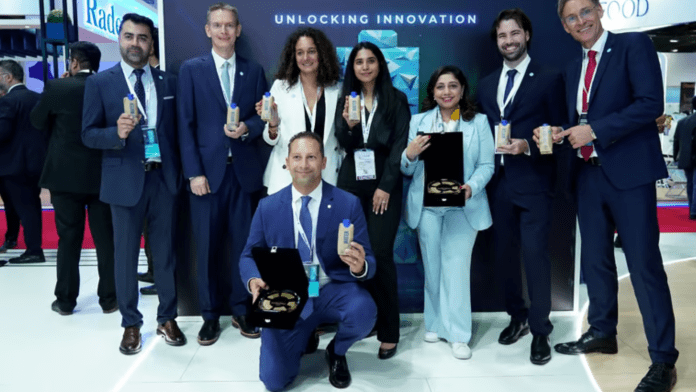
Wardwizard Foods and Beverages Limited made a presence at the World Food India 2023, which took place at Pragati Maidan in Delhi.

World Food India 2023 serves as an entry point into the Indian food economy, fostering collaborations between domestic and international investors. Wardwizard Foods and Beverages Limited made a significant shift in its product strategy by reclassifying its vast product range under two distinct brand names. With this announcement, the retail line will now feature the brand name “QuikShef,” while the HORECA (Hotel, Restaurant, and Catering) range will be showcased under the name “Snack Buddy.”

Mrs. Sheetal Bhalerao, Chairperson and Managing Director of Wardwizard Foods and Beverages Ltd., shared her enthusiasm, stating, “We are pleased to be a part of World Food India 2023 and introduce our revamped product classification strategy. By clearly distinguishing our retail and HORECA product ranges, we aim to offer our customers greater clarity and a more tailored experience.”

Beverages are set to showcase the diverse QuikShef retail line-up, featuring an array of options such as Ready-to-Eat (RTE) meals, Frozen Products, spices, and a delightful selection of Sauces. Furthermore, the event will prominently highlight the Snack Buddy HORECA Range, bringing a touch of culinary excitement and sophistication.

Moreover, the company has recently expanded its product line by introducing a new range of spices, strategically timed to complement the festive season of Navratri. Tailored to meet the specific needs and preferences of both professional chefs and home cooks, this range emphasizes the company’s steadfast commitment to providing innovative, high-quality products to the market, aiming to elevate the dining experience as a whole.

Advertisement

Beyond Virality: Sustaining Brand Growth with Consistent Video Marketing

0

In today’s digital landscape, where attention spans are shrinking and competition for consumer engagement is fiercer than ever, video marketing has emerged as a powerful tool for brands seeking to sustain growth. While the idea of creating a viral video can be enticing, the true key to long-term success lies in a consistent video marketing strategy. This article explores the importance of consistency in video marketing and how it can lead to sustained brand growth.

The Allure of Virality

It’s easy to understand why brands are often lured by the prospect of a viral video. Viral videos have the potential to catapult a brand into the spotlight, attracting massive amounts of attention in a short period of time. These videos can generate millions of views, likes, shares, and comments, making it seem as though achieving sustained brand growth is just one viral hit away. However, relying solely on the hope of a viral video is a risky strategy for several reasons.

First, the formula for virality is unpredictable. What goes viral one day might go unnoticed the next. Many viral videos are the result of a combination of factors, including timing, luck, and a perfect storm of sharing. Trying to replicate these conditions consistently is challenging at best.

Second, viral videos often lack the depth and lasting impact that is necessary for sustainable brand growth. While they can create a temporary buzz, this buzz tends to fizzle out quickly. It’s like a firework that lights up the night sky but fades into darkness as soon as it’s done. Sustainable growth, on the other hand, requires steady, ongoing engagement and a strong connection with your audience.

The Power of Consistency

In contrast to the unpredictable nature of viral videos, consistency in video marketing offers a more reliable path to sustained brand growth. Consistency is about establishing a regular and ongoing presence in your audience’s lives. Here’s why it matters:

1. Building Trust: Consistent content reinforces your brand’s credibility and trustworthiness. When you regularly deliver valuable content that aligns with your brand’s values and promises, you build trust with your audience. They come to expect quality and reliability from you.

2. Staying Top-of-Mind: In a crowded digital space, it’s easy for brands to be forgotten. Consistency helps you remain top-of-mind for your audience. When they regularly see your videos, they are more likely to think of your brand when making purchasing decisions.

3. Audience Engagement: Consistent content allows you to engage your audience over time. Instead of relying on a one-time viral hit, you can build a loyal following that eagerly anticipates your next video. This ongoing engagement is a foundation for sustained growth.

4. SEO and Discovery: Consistency can also benefit your search engine optimization (SEO) efforts. Search engines favor websites with fresh, regularly updated content. Consistent video uploads can improve your visibility and help attract new audiences.

5. Storytelling: Consistency enables you to tell a more comprehensive brand story. Through a series of videos, you can delve deeper into your brand’s narrative, values, and mission, fostering a deeper connection with your audience.

Elements of Consistent Video Marketing

Creating a consistent video marketing strategy involves several key elements:

1. Content Calendar: Plan and maintain a content calendar that outlines when and what types of videos you’ll produce. A well-structured calendar ensures that you have a steady stream of content to share with your audience.

2. Brand Voice: Develop a consistent brand voice and tone that carries across all your videos. This helps in creating a cohesive brand identity and reinforces your message.

3. Quality Production: Invest in the quality of your video production. While consistency is essential, maintaining a certain level of quality is equally important. Poorly produced videos can deter your audience.

4. Audience Analysis: Continuously analyze your audience’s preferences and behavior. Adapt your content to match their evolving needs and interests.

5. Distribution Strategy: Determine where and how you’ll distribute your videos. This may include your website, social media platforms, email marketing, and other channels that align with your target audience.

6. Engagement and Feedback: Engage with your audience by responding to comments and feedback. This interaction builds a sense of community and shows your commitment to your audience’s needs.

Case Study: Red Bull

One brand that has masterfully embraced consistent video marketing is Red Bull. The energy drink company is renowned for its extreme sports content, consistently producing and sharing videos that feature thrilling stunts, events, and athlete profiles. Red Bull’s approach demonstrates how consistency can drive brand growth.

Red Bull’s videos have built an engaged audience of adrenaline junkies and sports enthusiasts. By consistently delivering content that resonates with this niche audience, they have cultivated a loyal following. The brand’s videos are eagerly anticipated, and Red Bull has become synonymous with extreme sports.

In addition to their YouTube channel, Red Bull also utilizes social media and a dedicated website to distribute their video content. This multichannel approach ensures that their videos reach their target audience wherever they are online.

The result is a brand that not only sustains its growth but also thrives in a highly competitive market. Red Bull’s videos have contributed to a strong brand identity, increased market share, and a loyal customer base.

Final Thoughts:

While the allure of virality can be tempting, brands looking for long-term success should focus on the power of consistent video marketing. Building trust, staying top-of-mind, and engaging with your audience over time are the hallmarks of a successful, sustainable growth strategy. By implementing a well-structured video marketing plan that includes a content calendar, a consistent brand voice, quality production, audience analysis, and a thoughtful distribution strategy, brands can cultivate a loyal following and ensure their place in the digital landscape. As demonstrated by Red Bull, consistency can lead to sustained brand growth and a lasting presence in the hearts and minds of your audience.

Advertisement