To improve user experience and accessibility, the Food Safety and Standards Authority of India (FSSAI) has introduced the Food Safety Compliance System (FoSCoS) portal in four additional regional languages, in addition to Hindi and English.
The portal is now accessible in Gujarati, Tamil, Telugu, and Marathi, alongside Hindi and English.
According to an official statement, the Food Safety and Standards Authority of India (FSSAI) intends to soon launch the portal in Kannada, Punjabi, Malayalam, Assamese, Bengali, and Odia.
The recent development is geared towards improving the user experience for local food businesses, facilitating seamless interaction with the FSSAI’s nationwide online compliance portal, FoSCoS, which was introduced in 2020.
T.A.C, The Ayurveda Company, is pleased to announce that Shreedha Singh, CEO and Co-Founder, has made a substantial investment in Shree Radhe Dairy Farms. This investment, with a particular focus on their renowned brand, Vastu Ghee, was facilitated through the innovative show ‘Indian Angels.’ In a collective effort with four other angel investors, Singh invested INR 2 crore for a 2 percent stake in the enterprise.
‘Indian Angels’ is a trailblazing show that spotlights visionaries making noteworthy contributions across diverse industries. Going beyond merely offering aspiring entrepreneurs an opportunity to secure vital investments, the platform actively encourages viewers to become investors, fostering a culture of innovation and support. Shreedha Singh’s involvement as an angel investor not only signifies a strategic investment but also serves as an inspiration, particularly for women making significant strides in shaping India’s corporate landscape.
Shreedha Singh commented, “The founders of Shree Radhe Dairy Farms showcase a humble beginning and on-ground domain expertise. Their journey from a modest start to achieving a revenue of 100 crore with a 3 percent profit margin reflects their dedicated efforts. India’s status as the world’s leading dairy supplier provides ample opportunities for growth in the industry. It’s not just about dairy; it’s about having a vision, working hard, and being in a market that demands real and high-quality products. I am proud to be part of their journey.”
Shree Radhe Dairy Farms, renowned for producing Vastu Ghee, brings forth more than 12 years of expertise in the food and beverage sector, specifically within the dairy industry. Having expanded their team from 12 to over 400 individuals, their product line, which includes Pure Desi Ghee, is well-regarded for its authenticity and purity. With a widespread network encompassing over 2000 distributors and 200,000 retailers nationwide, Vastu Ghee has firmly established itself as a household name.
Manufactured in a top-tier, secure facility, Vastu Ghee is devoid of adulterants and artificial enhancers. The company places a high priority on the welfare of its cattle, adhering to safe farming practices that yield genuine and pure milk and dairy products. Shreedha Singh’s investment signifies a dedication to backing businesses with a clear vision for growth, scalability, and an unwavering commitment to excellence. This strategic move underscores her commitment to championing indigenous and authentic Indian brands, highlighting the extensive opportunities for success across the nation.
Mumbai-based cloud kitchen giant Rebel Foods saw its operating revenue cross the INR 1,000 Cr mark in the financial year ending on March 31, 2023.
According to the latest financial statements submitted to the Registrar of Companies, Rebel Foods, the umbrella company for Faasos and Behrouz Biryani, disclosed an operating revenue of INR 1,195.2 Cr in FY23, marking a 39% increase from the INR 858.6 Cr reported in the preceding fiscal year.
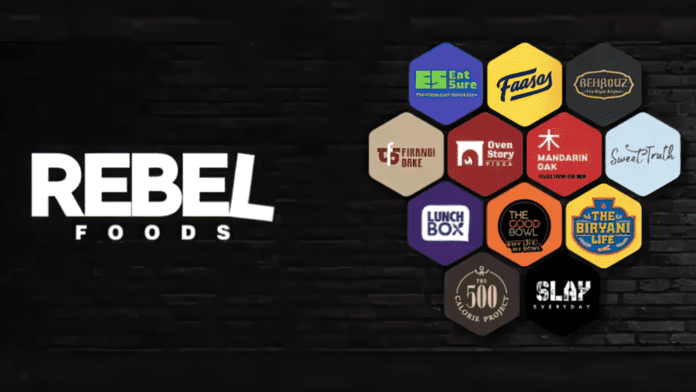
Established in 2011 by Kallol Banerjee and Jaydeep Barman, Rebel Foods is a startup specializing in cloud kitchens. It encompasses well-known brands including Faasos, Behrouz Biryani, Ovenstory Pizza, Mandarin Oak, The Good Bowl, SLAY Coffee, and Sweet Truth.
The main revenue stream for the startup comes from the sale of its food products. When considering additional income, the startup achieved a total revenue of INR 1,258.7 Cr in FY23, marking a 1.3X increase from the INR 907.5 Cr generated in FY22. However, during the same period, the startup recorded a loss of INR 656.5 Cr, reflecting a 23% year-on-year (YoY) increase.
During the year under review, the startup witnessed a 28% rise in total expenditure, reaching INR 1,827 Cr, compared to the INR 1,428.9 Cr spent in the previous year.
As a cloud kitchen, Rebel Foods allocated a significant portion of its funds towards the acquisition of raw materials. In the period being evaluated, the startup’s procurement cost increased from INR 446.4 Cr in FY22 to INR 577.5 Cr.
The startup’s employee benefit expenses, primarily consisting of salaries, saw a 34% year-on-year (YoY) rise, reaching INR 405.4 Cr in FY23. In June, Rebel Foods extended Employee Stock Ownership Plans (ESOPs) to 5,000 employees. According to its LinkedIn profile, the company currently employs 2,743 individuals.
Advertising expenses experienced a modest increase of 5%, reaching INR 197.9 Cr in FY23, compared to the INR 188.5 Cr incurred in FY22.
Additionally, the startup allocated INR 163.3 Cr towards commissions paid to various selling agents, predominantly Swiggy and Zomato.
In terms of unit economics, Rebel Foods expended INR 1.5 to generate each rupee from its operations. The startup’s EBITDA margin showed improvement, narrowing to -37.8% in FY23 from -46.4% in FY22.
Thus far, the startup has secured slightly more than $500 million in funding, with notable backers including Goldman Sachs, Peak XV Partners, InnoVen Capital, Trifecta Capital, and the Qatar Investment Authority (QIA). Asserting a widespread presence, the startup asserts a network of over 450 kitchens spanning 70 cities nationwide. In the competitive landscape, the startup faces competition from rivals such as Curefoods, Biriyani By Kilo, Freshmenu, and others.
OYO, a major player in the hospitality industry, is said to be strategizing to proactively settle approximately one-third of its outstanding Term Loan B (TLB) through a debt repurchase initiative.
According to the news agency PTI, OYO intends to disburse INR 1,620 Crore ($195 million) to acquire 30% of its outstanding Term Loan B (TLB). Although the debt repayment is slated for June 2026, it is said that the entire transaction will be financed using funds from the company’s balance sheet and the cash collateral account.
As per the report, the travel tech major will execute the buyback deal at par value via a public bidding process, which began on November 14 and will continue until November 18. If the bids exceed the specified amount, OYO will then buy the loan back on a pro-rata basis.
The buyback initiative is anticipated to decrease OYO’s yearly interest obligations by over INR 225 Crore. As of November 13, OYO’s debt instruments are said to have concluded at 90 cents on the dollar.
This follows closely after OYO co-founder and CEO Ritesh Agarwal informed senior executives in an internal email that OYO was on track to announce its first profitable quarter in the second quarter (Q2) of the financial year 2023-24 (FY24), with a profit after tax (PAT) of INR 16 Crore.
Interestingly, just one month ago, the hospitality unicorn headquartered in Delhi-NCR was reportedly negotiating to restructure its $660 million Term Loan B (TLB) with Apollo Management. This loan was secured during the peak of the Covid-19 pandemic in 2021 when the global hospitality industry came to a halt.
Previously, under the leadership of Ritesh Agarwal, the startup declared its operational profitability in FY23, boasting an adjusted EBITDA of INR 277 Crore. Throughout the fiscal year, the hospitality unicorn, preparing for an IPO, managed to reduce its net losses by 34% YoY, amounting to INR 1,286.5 Crore, despite a 14% YoY surge in operating revenue, reaching INR 5,463.9 Crore in FY23.
The company had also highlighted its strong position to attain an adjusted EBITDA of approximately INR 800 Crore in FY24. It is primarily due to this positive transformation that the startup anticipates funding the prepayment of the Term Loan B (TLB).
In the meantime, preparations are in progress for the eagerly anticipated IPO of OYO, marked by the departure of key executives such as OYO’s India CEO Ankit Gupta and the head of OYO Europe, Mandar Vaidya. Simultaneously, significant appointments have been announced amidst a substantial management restructuring within the company.
Amid all this, Agarwal is set to join the upcoming season of Shark Tank India as the newest shark, adding another dimension to his diverse professional engagements.
In an era where environmental consciousness is at an all-time high, businesses are increasingly recognizing the importance of integrating sustainable practices into their operations. Beyond the altruistic pursuit of a greener planet, companies are discovering that embracing eco-friendly initiatives can be a powerful tool for building consumer trust and driving conversions.
The Rise of Eco-Conscious Consumers
A seismic shift in consumer behavior has occurred in recent years, with an ever-growing number of individuals actively seeking products and services that align with their environmental values. This trend is not limited to a niche market; rather, it has permeated various industries, prompting businesses to reassess their practices and make sustainable choices.
Building Trust through Transparency
One of the cornerstones of leveraging green credentials is transparency. Consumers today are more informed than ever, and they demand openness from the companies they support. Businesses that openly communicate their commitment to sustainable practices build trust with their audience. Whether it’s reducing carbon emissions, using eco-friendly materials, or implementing recycling programs, transparent communication about these initiatives helps forge a deeper connection with consumers.
The Competitive Edge of Sustainability
Beyond mere trust-building, integrating green practices can provide a significant competitive edge. Many consumers actively seek out businesses that demonstrate environmental responsibility. This preference translates into a potential for increased market share and customer loyalty. Companies that position themselves as leaders in sustainable practices not only attract like-minded consumers but also differentiate themselves from competitors in a crowded marketplace.
Marketing Sustainability: Authenticity is Key
However, the benefits of green credentials are contingent on authenticity. Greenwashing, or falsely claiming to be environmentally friendly, can lead to severe backlash and damage a company’s reputation. Consumers are adept at distinguishing between genuine commitment to sustainability and mere marketing ploys. Successful integration of green credentials requires a genuine, long-term commitment to eco-friendly practices, coupled with effective communication to avoid falling into the greenwashing trap.
The Bottom Line: Boosting Conversions
While the ethical imperative to adopt sustainable practices is compelling, businesses cannot ignore the tangible impact on the bottom line. Studies consistently show that consumers are willing to pay a premium for environmentally friendly products and services. By aligning with the values of eco-conscious consumers, companies can build trust, gain a competitive edge, and drive conversions, all while contributing to a healthier planet. In the evolving landscape of business, the integration of sustainable practices is not just a trend; it’s a prerequisite for success.
In an era dominated by digital connectivity, the pervasive influence of social media on consumer behavior has become a focal point for businesses seeking to understand and leverage the dynamics of the online landscape. As we delve into the intricate web of virtual interactions, it becomes evident that social media platforms have transcended their initial purpose of connecting individuals; they now wield a profound impact on shaping purchasing decisions and brand perceptions.
The Power of Connectivity
Social media’s omnipresence in our daily lives has transformed the way consumers gather information, make choices, and express preferences. From Instagram’s visually captivating world to Twitter’s succinct and real-time updates, the variety of platforms caters to diverse preferences, creating a dynamic environment that businesses must navigate strategically.
Influence on Decision-Making
The digital realm has given rise to the era of ‘social commerce,’ where the opinions of friends, influencers, and online communities significantly sway consumer choices. Reviews, testimonials, and user-generated content on platforms such as Facebook, Yelp, and YouTube serve as powerful indicators of a brand’s reputation. Businesses keen on staying relevant recognize the need to actively manage and respond to online conversations, as positive interactions can lead to increased brand loyalty, while negative sentiments may pose substantial risks.
Building Authentic Connections
In the pursuit of consumer engagement, the emphasis has shifted from traditional marketing to fostering authentic connections. Social media provides a platform for brands to humanize their identity, narrate compelling stories, and engage in meaningful conversations with their audience. Companies that successfully navigate this terrain find themselves not only as product or service providers but as integral components of their customers’ online experience.
Evolving Trends and Technologies
The landscape of social media is not static; it is constantly evolving. The rise of new platforms, the advent of augmented reality, and the integration of artificial intelligence further complicate the digital landscape. Businesses that adapt to these changes can stay ahead of the curve, utilizing emerging technologies to enhance customer experiences and create innovative marketing strategies.
Strategic Business Implications
Understanding the profound influence of social media on consumer behavior is not merely an intellectual exercise but a strategic imperative for businesses. Crafting a robust social media strategy involves not only maintaining a presence on popular platforms but also actively participating in conversations, analyzing data to refine targeting, and staying agile in the face of evolving trends.
The influence of social media on consumer behavior is a multifaceted phenomenon that requires businesses to navigate the digital landscape with agility, authenticity, and strategic foresight. As online interactions continue to shape the preferences and decisions of consumers, the businesses that successfully leverage the power of social media will not only survive but thrive in this dynamic and ever-evolving digital era.
In the dynamic realm of marketing, adaptability is the name of the game. As we navigate through an era of ever-changing consumer behaviors and preferences, the concept of omnichannel marketing has emerged as a beacon for businesses seeking to connect with the modern customer. Gone are the days of singular touchpoints; the future is undeniably omni, requiring a strategic shift to meet customers where they are, when they want, and how they want.
Embracing the Omni-Experience
The modern customer is a multifaceted individual, seamlessly transitioning between online and offline channels throughout their buyer’s journey. Recognizing this, businesses are moving beyond traditional siloed approaches to marketing. Omni-channel marketing integrates various channels – from social media and email to physical stores and mobile apps – into a cohesive and interconnected experience. The goal is to create a seamless journey, allowing customers to engage with a brand effortlessly, regardless of the channel.
Meeting Customers Where They Are
With the proliferation of digital platforms, customers have become accustomed to convenience and instant gratification. The omni-experience acknowledges this reality by ensuring that a brand’s presence is felt across multiple touchpoints. Whether a customer prefers browsing on social media, shopping in-store, or exploring a mobile app, businesses need to adapt and be present at each step of the customer’s journey. By meeting customers where they are, brands foster a sense of accessibility and responsiveness.
Personalization in the Omni-Era
In the vast landscape of marketing channels, personalization is the secret sauce that transforms a generic message into a tailored experience. The omni-channel approach leverages customer data from various touchpoints to deliver personalized content, recommendations, and promotions. From targeted email campaigns to personalized app notifications, businesses can create a sense of individuality, making customers feel understood and valued.
Data Integration for Seamless Experiences
The backbone of successful omni-channel marketing is data integration. Siloed data hampers a brand’s ability to understand the complete customer journey. By breaking down data barriers and integrating insights from various channels, businesses can create a holistic view of customer interactions. This not only informs marketing strategies but also enables the delivery of consistent messaging and experiences across all touchpoints.
The Role of Technology in the Omni-Revolution
Technology is the driving force behind the omni-revolution. From Customer Relationship Management (CRM) systems to Artificial Intelligence (AI) algorithms, businesses are leveraging cutting-edge tools to orchestrate seamless omni-channel experiences. Automation streamlines processes, chatbots provide instant support, and analytics offer valuable insights – all contributing to a more responsive and customer-centric marketing approach.
Challenges and Opportunities
While the omni-channel future is promising, it comes with its set of challenges. Coordinating messaging, ensuring data security, and maintaining a consistent brand voice across channels are hurdles that businesses must overcome. However, these challenges also present opportunities for innovation and differentiation. Brands that navigate the complexities of the omni-landscape successfully stand to gain a competitive edge and foster long-term customer loyalty.
The future of marketing is undeniably omni
Businesses that recognize and adapt to this shift will not only survive but thrive in the modern landscape. By embracing an integrated, customer-centric approach that leverages technology and personalization, brands can navigate the complexities of the omni-era and build lasting relationships with their
At its core, AR merges the physical and digital realms, creating an immersive experience that goes beyond what traditional technologies can achieve. For businesses, this means breaking down barriers and offering customers a seamless blend of the real and the virtual. Imagine a world where your products come to life, where customers can interact with them in a way that transcends the limitations of conventional advertising. This is the promise that AR holds – a bridge between the tangible and the digital.
Transforming Customer Experiences
In a market saturated with choices, providing a memorable and unique customer experience is a strategic imperative. AR opens up a realm of possibilities in this regard. From virtual try-on experiences for fashion enthusiasts to interactive previews of furniture placement in a living room, businesses can leverage AR to allow customers to ‘try before they buy.’ This not only enhances the shopping experience but also builds a deeper connection between the consumer and the brand.
Enhancing Product Visualization
One of the challenges businesses face is effectively conveying the features and benefits of their products. Traditional methods like images and text have their limitations. Enter AR – a tool that allows customers to visualize products in a 3D space, examine intricate details, and gain a comprehensive understanding before making a purchase. This level of engagement not only boosts customer confidence but also reduces the likelihood of returns, as buyers make more informed decisions.
Revolutionizing Training and Collaboration
AR isn’t limited to customer-facing applications. It has the potential to transform internal processes as well. Imagine a scenario where employees can receive on-the-job training through AR simulations, or teams can collaborate in real-time despite being geographically dispersed. AR opens up new avenues for efficiency and innovation within the organizational framework, providing a competitive edge in an increasingly globalized and digitized business environment.
Overcoming Implementation Challenges
While the benefits of AR are undeniable, integrating this technology into business operations is not without its challenges. From the initial investment to concerns about data security, businesses must navigate potential hurdles to unlock the full potential of AR. However, the forward-thinking companies that successfully overcome these challenges will find themselves at the forefront of a new era in business innovation.
The Road Ahead
As we step into the future, the integration of Augmented Reality is not just a trend; it’s a strategic decision that can redefine the trajectory of a business. From enhancing customer experiences to revolutionizing internal processes, the possibilities with AR are vast. Companies that embrace this technology and creatively apply it to their unique challenges will not only future-proof their operations but also set new standards for innovation and customer engagement in the business landscape. The future is here, and for those willing to step into it, the potential for growth and success is limitless.
Video has the ability to weave narratives that engage and captivate viewers. Rather than relying on static images and text, brands can leverage the dynamic nature of video to bring their stories to life. Whether it’s sharing the journey of your brand, introducing key team members, or highlighting the making of your products, video provides a rich and immersive experience that goes beyond the limitations of traditional advertising.
Building Emotional Connections
In the realm of marketing, emotions play a pivotal role in influencing consumer behavior. Video allows brands to evoke emotions effectively, creating a deeper connection with their audience. By showcasing the human side of your brand – the passion, dedication, and values that drive it – you can establish a genuine emotional connection that transcends the transactional nature of business.
Demonstrating Your Unique Value Proposition
Every brand has a unique value proposition that sets it apart from the competition. Video provides an ideal platform to not only communicate this proposition but also demonstrate it in action. Whether it’s showcasing the innovative features of a product, highlighting exceptional customer service, or unveiling behind-the-scenes processes, video allows your audience to witness firsthand what makes your brand special.
Accessibility and Shareability
In the age of social media, the shareability of content is a key metric of success. Video content is inherently shareable, making it easy for your audience to amplify your message. From entertaining and informative product demonstrations to customer testimonials, the shareability of video content exponentially increases the reach of your brand’s unique value proposition.
Leveraging Different Video Formats
Diversifying your video content allows you to cater to various audience preferences. From short, attention-grabbing snippets for social media platforms to in-depth brand documentaries for your website, adapting your message to different video formats ensures that you reach your audience where they are. The versatility of video empowers your brand to be present across a multitude of platforms and touchpoints.
Overcoming Challenges and Embracing Innovation
While the benefits of using video to showcase your brand’s unique value proposition are evident, it’s essential to navigate potential challenges. Keeping up with evolving trends, staying authentic in your storytelling, and consistently innovating are crucial aspects of a successful video marketing strategy.
The dynamic nature of video makes it an invaluable tool for brands looking to elevate their presence and communicate their unique value proposition effectively. By harnessing the power of visual storytelling, building emotional connections, and embracing various video formats, businesses can innovate their marketing approach and leave a lasting impression on their audience. As the digital landscape continues to evolve, those who leverage the potential of video will find themselves at the forefront of brand storytelling and consumer engagement.
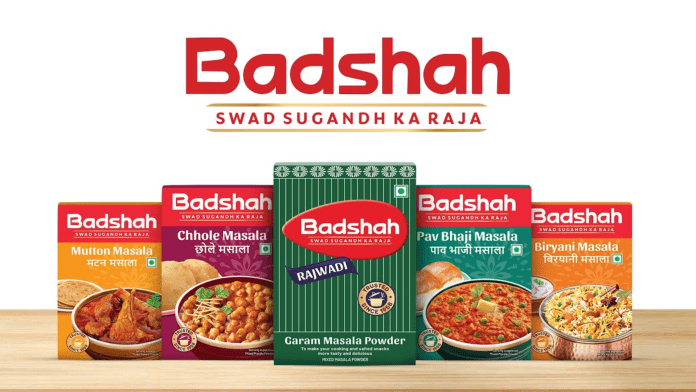
Homegrown FMCG giant Dabur is set to introduce its spice brand Badshah to international markets, with CEO Mohit Malhotra projecting that the recently acquired brand will contribute about 4% to the company’s global sales this fiscal year.
The corporation is targeting the diaspora markets in the United States, United Kingdom, and the Middle East. Currently, it is undergoing regulatory approval processes and expanding manufacturing capabilities.
Furthermore, within the domestic market, Dabur intends to extend the presence of Badshah Masala to the Northern, Eastern, and Southern regions. The company also aims to broaden its footprint in the western markets of Maharashtra and Gujarat.
“The business (Badshah) is growing and this year it should contribute around 3-4 per cent of our overall international business. We expect a high double-digit growth from here,” stated Malhotra.
According to him, the global markets offer a significant business opportunity for Badshah, especially in the UK and the US, where a substantial Indian diaspora, known for its consumption of Indian spices, is present.
“We feel Badshah has a lot of scope in the UK and US…We are upscaling our own manufacturing. Some international exports have already started,” said Malhotra.
Prior to Dabur’s INR 600 crore acquisition of Badshah Masala last year, which specializes in ground spices, blended spices, and seasonings, the company had a limited presence in certain foreign markets. However, Malhotra stated that the company has commenced exports through its distributors.
Discussing the brand, Malhotra mentioned that Badshah represents “a compelling growth narrative, with higher margins particularly in blended spices, constituting 80% of Badshah’s business.”
Within the local market, Dabur is extending the reach of Badshah in the robust western region, leveraging its existing strength in that area.
“First we will consolidate in that region. We would use our Dabur distribution to spread out. Then, over a period of 2-3 years, we will expand it in East, South and North,” he said adding “Badshah is a great space, we have a food portfolio, which is very small. I had given a guidance in the market, which was very clear that food would go up to INR 500 crore.”
Through its acquisition of Badshah, Dabur entered the INR 25,000 crore branded spices and seasoning market in India.
“There is a tailwind in the market which is converting from unbranded to branded at a very fast pace. It’s a INR 50,000 crore market, still INR 25,000 crore is unbranded. This unbranded will become branded at a very fast pace. There is a tailwind of growth of 14-15 per cent in the category,” he said.
We use cookies to ensure that we give you the best experience on our website. If you continue to use this site we will assume that you are happy with it.