Jack Ma, Co-Founder of Alibaba Group Holding, has embarked on a fresh venture in the food and beverage sector. As reported by the South China Morning Post, Ma has initiated a new business focused on selling pre-packaged food. This move is seen as a potential indication of his expansion into sectors aligned with his post-retirement emphasis on the agriculture industry. It’s noteworthy that Jack Ma relinquished his role as chairman of Alibaba on his 55th birthday in 2019.
Jack Ma’s pre-packaged food company is named “Hangzhou Ma’s Kitchen Food” when translated into English. As per the National Enterprise Credit Information Publicity System, an official platform for business registry information, the company has been established in Hangzhou, China—the hometown of the business magnate and the headquarters of his empire.
According to the South China Morning Post, the company’s plan includes the sale of pre-packaged foods, ready meals, and edible agricultural products. Jack Ma’s decision to venture into this market is said to align with the growing demand for packaged food and shifts in lifestyle post-pandemic. Market research suggests potential growth in the domestic ready-meals industry in China over the next three years.
Subway has introduced a fresh cookie flavor, marking the first addition to their lineup in almost four years.
The Choc Mint Cookie is set to arrive at Subway outlets throughout Australia and New Zealand, available for a limited time until stocks run out.
Rodica Titeica, the Director of Marketing for Australia and New Zealand at Subway, expressed that in recent years, Subway cookies have achieved a level of popularity and recognition comparable to Subway Footlong subs. As a result, introducing a new flavor was deemed appropriate.
“Our annual Cookiemas campaigns have played a huge part in our cookie success and so when deciding on the new flavour to release, a Christmas-inspired cookie only seemed fitting. We cannot wait for guests to try this new flavour, but they’ll have to get in quick,” Titeica said.
Crafted fresh daily on-site, the Choc Mint Cookie flavor now stands alongside the five beloved favorites: Chocolate Chip, Chocolate Chip Rainbow, Double Chocolate Chip, Raspberry Cheesecake, and White Chip Macadamia Nut.
Subway reported the sale of 53.6 million cookies in Australia and New Zealand for the year 2023, averaging out to two cookies per person over the course of the year.
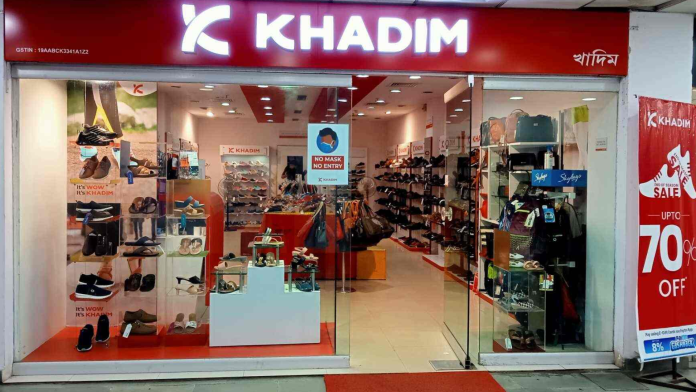
The Khadim India footwear retail brand is set to secure approximately INR 15 crore through a preferential issue of fully convertible Equity Share warrants on a private placement basis. This issuance will be directed towards one of the promoters and several other specified non-promoter entities, following approval by the company’s board of directors.
The company is set to issue 408,768 (Four Lakh Eight Thousand Seven Hundred Sixty-Eight) fully convertible equity share warrants with a face value of INR 10 each. These warrants will subsequently be converted into Equity Shares with a face value of INR 10 each.
The funds will primarily be employed for nationwide retail expansion and the refurbishment of existing stores, strengthening the company’s market position.
The warrants will be offered at a rate of INR 365, inclusive of a premium of INR 355 per equity share, totaling up to INR 14,92,00,320 (Rupees fourteen crore ninety-two lakh three hundred twenty only). The conversion of these warrants into Equity Shares is to be completed within 18 months from the date of allotment.
Speaking on this fund raise, Indrajit Chaudhuri, CFO of Khadim India, said, “The company has been at the forefront of meeting the rising demand for the superior quality of fashion footwear at an affordable price point. The preferential issue enables the stakeholders to participate in the growth trajectory of Khadim.”
The first-ever installment of The World of Rum is scheduled to take place from February 13 to 15, 2024, at the renowned Palais Brongniart in Paris. This extraordinary occasion aims to bring together imaginative and forward-thinking individuals from across the globe, delving into the multifaceted realms of economics, industry, politics, heritage, education, and training that drive the flourishing rum ecosystem.
For the first time in France, The World of Rum 2024 will bring together players from the global rum ecosystem over three days to engage in discussions on the significant challenges and opportunities that will shape the future of the sector. Anticipated in Paris are buyers and public institutions from more than 20 producing countries, alongside participants from the entire rum value chain. This inaugural edition promises a dynamic forum for announcing new initiatives within the Rum Ecosystem, fostering the exchange of experiences, and showcasing innovative ideas. With 50 exhibitors and representations from 22 countries, this groundbreaking event is further supported by Business France, which will assist a group of 20 companies in its Overseas pavilion. This unique occasion presents the chance to discover exceptional artisanal rums, featuring over 25 brands, including agricultural rums, arranged rums, amber rums, white rums, old rums, and more.
Diverging from conventional tasting-centric gatherings, the World of Rum distinguishes itself by spotlighting the complete Rum Ecosystem. This encompasses producers, distributors, manufacturers, harvesters, international buyers, influencers, and those involved in producing bottles, casks, yeast, and more. Attendees will encounter a distinctive chance to explore emerging French distillers, innovative 100% ecological packaging solutions, the application of artificial intelligence in supporting the Rum Ecosystem, and the advantageous applications of sugar cane in the pharmaceutical industry.
For Patrick LOGER, event organiser, “Given the worldwide craze for rum, this first international edition in Paris is an opportunity for all the players in the Ecosystem, from all horizons, to explain and understand the strong international growth of the market for this spirit.”
At the forefront of a taste revolution, France emerges as a trailblazer in the rum industry. The establishment of new distilleries within the heart of metropolitan areas attests to this surge, positioning the country at the forefront of the global stage. Young French entrepreneurs are spearheading the creation of spirits, embodying a renaissance in artisanal excellence with a distinct French flair. From Saint Pierre to Miquelon, passing through Brest, rum is gaining momentum and solidifying its status as the sole spirit experiencing growing demand among the 26-49 age group. This trend underscores the vibrant innovation defining the landscape of French rum.
Serving as a catalyst for burgeoning trends in the spirits realm, The World of Rum brings together international speakers and industry professionals to share their success stories in the Wines and Spirits sector. Emerging French rum enthusiasts will actively contribute to the dialogue, shedding light on their innovative production methods and their connection to sugar cane cultivation. Furthermore, globally acclaimed bartenders will unravel the dynamic evolution of mixology, playing a pivotal role in the advancement of rum, particularly in Asian countries.
Structured around four thematic areas—Public Affairs, Business, Innovation, and Education—the conference program is designed to provide a comprehensive exploration of the Rum Ecosystem. Over 35 distinguished speakers will contribute their expertise, sparking discussions on pivotal topics. Across these three days, the World of Rum will be a platform for celebrating talent and expertise, fostering international partnerships, and inspiring innovation within the ecosystem. Serving as a vibrant intersection of ideas, exchanges, and debates, the event will delve into the cultural and societal dimensions of rum with the overarching goal of:
Introducing global-scale public policies aimed at bolstering the rum ecosystem.
Fostering global collaborations among producers, distributors, and buyers.
Advocating for a sustainable and responsible industrial model across the entire sector.
Showcasing innovations and startups within the rum industry.
Directing young individuals toward fulfilling educational and professional paths, especially within universities and prestigious educational institutions.
Identifying employment opportunities in the rum sector globally.
Parle Products, the company behind well-known brands like Parle G, Monaco, and Melody, witnessed a deceleration in growth, settling at 4% during FY23. This marked a shift from its consistent double-digit growth seen over the past three years, though it retained its position as the largest food company in the country.
The biscuit manufacturer reported a net sales figure of INR 17,223 crore, experiencing a more than threefold increase in profit, reaching INR 905 crore for the fiscal year ending in March. Comparatively, in the preceding year, the company recorded sales amounting to INR 16,490 crore and a profit of INR 255 crore, as indicated in its latest filing with the Registrar of Companies. In the fiscal year 2022, the venerable 90-year-old company achieved a milestone by surpassing $2 billion in annual revenues, making it the first packaged food company in India to achieve this feat. Notably, its iconic glucose biscuit brand crossed the billion-dollar sales mark during this period.
“Growth slowed down mainly due to inflationary pressure which forced us to hike prices in a staggered manner throughout the year. It also led to the overall biscuits market declining by volumes, especially in the first part of the fiscal. We also saw regional players springing up in the second half when input costs fell, full impact of which will be seen during the current fiscal,” said Mayank Shah, senior category head at Parle Products.
In recent years, particularly amid the pandemic, Parle’s emphasis on providing value for money, particularly with its flagship product Parle G, has played a pivotal role in sustaining the brand’s growth. This strategy has proven especially effective during periods of inflation, as consumers tend to reduce expenditures and prefer smaller packaging options.
Nevertheless, the performance in FY23 was hindered by a slowdown in rural areas, which account for approximately 60% of Parle’s sales. This market began to decline in the previous calendar year. Parle reported sales of nearly INR 23,000 crore in consumer price terms, expressing optimism that it is poised to surpass the $3 billion sales milestone by the upcoming year.
Nearly three years ago, the company outpaced rivals, including Britannia and Nestle, to become the country’s biggest food company by annual revenue. Britannia had revenues of INR 15,618 crore while Nestle had sales of INR 16,896 crore last fiscal.
Certainly, while Britannia holds the top position in the biscuits category in terms of market value, Parle takes the lead in terms of volume, selling approximately 1.2 million tonnes of biscuits each year. Britannia has consistently been increasing its market share in recent years.
As per Kantar, Parle Products has consistently secured a position among the top fast-moving consumer brands in India for the past decade.
ITC Ltd’s wholly-owned subsidiary, Fortune Park Hotels, has expanded its footprint in Tamil Nadu by inaugurating Fortune Park Tiruppur in the state. This newly established property in Tiruppur, renowned as the textile and knitwear hub of the nation, signifies a notable advancement in the southward growth of Fortune Hotels, as per a press release issued on Sunday.
Fortune Park Hotels is currently situated in five additional locations across Tamil Nadu, encompassing Vellore, Ootacamund, Madurai, Chennai, and Hosur.
“The Fortune Park Tiruppur is our sixth milestone in Tamil Nadu. It is exciting to continue our successful stride into tier II and III markets aptly capturing the allure of cities like Tiruppur..” said Fortune Hotels Managing Director Samir MC in a statement.
The hotel includes an all-day dining restaurant named ‘Zodiac,’ a ‘Neptune Bar,’ and a rooftop fine dining venue called ‘Nakshatra,’ which is set to open soon. Additionally, guests can enjoy a comprehensive wellness experience with facilities such as a spa and a well-equipped gymnasium, among other amenities.
According to the statement, Fortune Park Hotels is established in 54 cities nationwide.
PepsiCo India is anticipated to name George Kovoor, one of its highly experienced executives, as president. This move comes as the current president, Ahmed ElSheikh, is anticipated to transition to a global role within the American food and beverage company in the early part of next year, according to executives familiar with the situation.
“The leadership change is on the cards and likely to be announced in the coming months. It is just a matter of time,” one of the executives said, requesting not to be identified.
Kovoor, who serves as the senior vice-president and general manager of beverages at PepsiCo, has held this position since January 2022. With a three-decade-long history with the company, known for iconic brands like Pepsi, Mountain Dew, Tropicana, Lays, and Doritos, he has undertaken diverse leadership roles in Asia-Pacific, China, and New York. After an 18-year stint abroad, he returned to India, taking on the additional responsibility of formulating the company’s long-term sustainability strategy for its Indian operations.
Prior to assuming his current position, he held the role of senior vice-president for International Away From Home at PepsiCo’s global headquarters in New York.
ElSheikh, who hails from Egypt, has been spearheading the operations of PepsiCo India since 2017. As the first expatriate entrusted with leading PepsiCo’s endeavors in India, he has played a pivotal role in the company’s strategic initiatives and operational success.
“Kovoor has been identified for the role to succeed ElSheikh, who is expected to move to a global role, and comes at a time when soft drinks and packaged foods are becoming intensely competitive businesses,” said a second executive. “There are newer, larger players such as Reliance Consumer, a slew of direct-to-consumer brands and, most importantly, the resurgence of smaller regional brands which are increasingly posing threats to national brands.”
In 2019, ElSheikh spearheaded the national refranchising initiative, transferring company-owned bottling operations in the southern and western regions to Varun Beverages Ltd (VBL), owned by Ravi Jaipuria. This strategic move aimed to harness synergies of scale and enhance operational productivity. Before this, VBL was already overseeing the franchise bottling of PepsiCo’s businesses in the northern and eastern regions.
As of the time of press, queries sent via email to PepsiCo have not received any responses.
For the fiscal year ending in March 2023, PepsiCo disclosed a revenue of INR 8,128 crore, marking a significant 29% year-on-year increase. The robust growth was driven by double-digit expansion across packaged foods and beverages, propelled by heightened out-of-home demand and a surge in rural demand, supported by growing electrification and distribution expansion efforts.
The corporation supplies concentrate to its bottling ally, VBL, which is in charge of bottling and producing the multinational’s soda beverages such as Pepsi, Sting, and Mountain Dew, as well as Tropicana juices and Aquafina water in India. VBL accounts for 90% of PepsiCo India’s beverage sales volume. Additionally, the publicly listed VBL holds franchise territory rights for Nepal, Sri Lanka, Morocco, Zambia, and Zimbabwe.
In an era dominated by digital transactions and online shopping, brick-and-mortar businesses are seeking innovative ways to enhance the in-store experience and stay competitive. Augmented Reality (AR) has emerged as a game-changer, transcending the boundaries of the digital and physical worlds. This technology, once confined to the realm of gaming and entertainment, is now making waves in the business sector, reshaping how consumers interact with and perceive brick-and-mortar establishments.
The Changing Landscape of Retail
Traditional retail has faced numerous challenges in recent years, with the rise of e-commerce platforms threatening the very existence of physical stores. However, instead of succumbing to the pressures of the digital age, forward-thinking businesses are leveraging AR to redefine the in-store experience. By seamlessly blending the digital and physical realms, augmented reality is breathing new life into brick-and-mortar establishments.
Enhancing Customer Engagement
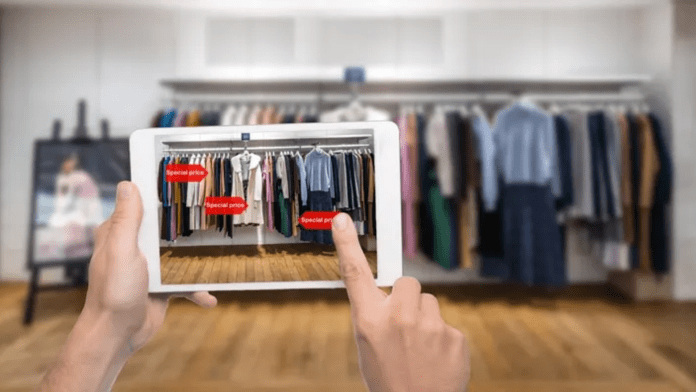
One of the key ways AR is transforming brick-and-mortar businesses is by enhancing customer engagement. Rather than relying solely on traditional marketing methods, retailers are using AR to create interactive and immersive experiences for customers. For example, AR applications allow customers to visualize products in their real-world environment before making a purchase. Furniture stores, for instance, can enable customers to virtually place sofas or tables in their living rooms, helping them make more informed decisions.
Moreover, AR can be integrated into in-store displays, turning static signage into dynamic and engaging content. Interactive displays powered by AR technology capture the attention of shoppers, providing them with additional information about products, promotions, and discounts. This not only makes the shopping experience more enjoyable but also increases the likelihood of making a purchase.
Personalized Shopping Experiences
Another significant impact of AR on brick-and-mortar businesses is the ability to deliver personalized shopping experiences. Through AR-powered applications, retailers can analyze customer preferences and behavior, offering tailored recommendations and promotions in real-time. This level of personalization fosters a deeper connection between the consumer and the brand, ultimately driving customer loyalty.
Imagine walking into a clothing store where a virtual stylist, powered by AR, suggests outfits based on your previous purchases, style preferences, and the current fashion trends. This level of customization not only makes shopping more convenient but also adds a layer of excitement to the overall experience. By making customers feel seen and understood, businesses can create lasting impressions and build stronger relationships.
Revolutionizing Product Trials
AR is revolutionizing the way customers try and experience products in-store. From cosmetics to home decor, augmented reality allows customers to virtually try out products before committing to a purchase. For example, beauty retailers can provide AR mirrors that simulate how different makeup products will look on a customer’s face. This eliminates the need for physical product trials, reducing the risk of contamination and enhancing overall hygiene in the store.
Similarly, home improvement stores can utilize AR to show customers how different paint colors will look on their walls or how a new piece of furniture will fit into their living space. This not only streamlines the decision-making process for customers but also reduces the likelihood of returns, benefiting both the consumer and the retailer.
AR in Training and Employee Productivity
Beyond the customer-facing applications, augmented reality is also proving to be a valuable tool in training and enhancing employee productivity. Retailers are utilizing AR to provide training modules that simulate real-world scenarios, helping employees better understand product features, customer interactions, and problem-solving.
Moreover, AR devices can assist employees in tasks such as inventory management and restocking shelves. By overlaying digital information onto the physical environment, AR enables more efficient and accurate workflows. This not only saves time but also reduces errors, contributing to a more seamless and productive retail operation.
Final Thoughts:
As brick-and-mortar businesses navigate the challenges of the digital age, augmented reality is emerging as a transformative force. From enhancing customer engagement and personalizing shopping experiences to revolutionizing product trials and improving employee productivity, AR is reshaping the retail landscape in profound ways. As businesses continue to embrace this technology, the line between the online and offline shopping experiences will blur, creating a new era where physical stores are not just places to buy products but immersive spaces that offer unique and unforgettable experiences. Augmented reality is not just a tool for survival; it is a catalyst for growth and innovation in the ever-evolving world of brick-and-mortar retail.
In the fast-paced world of business, staying ahead of the competition requires more than just a superficial understanding of your sales team’s performance. While traditional metrics like revenue and quotas provide a basic overview, a deeper analysis is necessary to uncover the underlying factors influencing success or challenges. Here are the techniques that go beyond the surface, offering a nuanced perspective on sales team performance analysis.
1. Customer-Centric Metrics
Understanding the customer journey is crucial for effective sales performance analysis. Beyond measuring sales figures, businesses should focus on metrics that highlight the customer experience. Net Promoter Score (NPS), customer satisfaction surveys, and feedback mechanisms can provide valuable insights into the team’s ability to connect with and satisfy customers. A high NPS may indicate not only successful sales but also customer loyalty and potential for repeat business.
By analyzing customer-centric metrics, businesses can identify patterns in customer interactions and tailor sales strategies accordingly. This approach allows sales teams to refine their approach based on customer feedback, ultimately enhancing long-term relationships and increasing the likelihood of referrals.
2. Behavioral Analytics
Gone are the days of relying solely on outcome-based metrics. Today, the focus is on understanding the behaviors that lead to successful outcomes. Behavioral analytics tools, often integrated into Customer Relationship Management (CRM) systems, track various activities such as email engagement, call duration, and meeting frequency.
Analyzing these behavioral patterns can uncover valuable information about the effectiveness of different sales strategies. For example, if successful deals often follow a specific communication pattern, sales managers can coach their teams to replicate those behaviors. Conversely, identifying patterns associated with unsuccessful deals allows for targeted interventions and adjustments.
3. Sales Team Collaboration Analysis
Sales is no longer an isolated function within organizations. Modern businesses emphasize cross-functional collaboration, and understanding how well your sales team collaborates with other departments is essential. Analyzing collaboration can involve assessing communication within the team, as well as interactions with marketing, product development, and customer support.
Collaboration analysis can uncover bottlenecks and inefficiencies in the sales process. For instance, if there is a breakdown in communication between sales and marketing, it may impact lead generation and conversion rates. Addressing these issues through improved collaboration can lead to a more streamlined and effective sales process.
4. Data-driven Coaching and Training
Traditional coaching methods rely heavily on subjective observations and qualitative assessments. While these have their place, incorporating data-driven coaching and training methods can take performance analysis to a deeper level. Video analysis tools, for instance, allow sales managers to review and analyze actual sales calls, identifying specific areas for improvement.
Data-driven coaching can pinpoint strengths and weaknesses in individual performance, enabling targeted training programs. Moreover, it provides objective criteria for assessing progress over time. By leveraging data in coaching and training, businesses can ensure that their sales teams are continually evolving and adapting to the dynamic nature of the market.
5. Predictive Analytics for Sales Forecasting
Predictive analytics utilizes historical data and statistical algorithms to forecast future sales trends. Beyond providing a simple revenue projection, advanced predictive analytics can identify factors influencing sales success and failure. This allows businesses to proactively adjust strategies based on anticipated changes in the market.
For example, if historical data reveals that certain market conditions are associated with increased sales, the sales team can focus efforts during similar conditions in the future. Additionally, predictive analytics can identify potential risks, enabling proactive measures to mitigate challenges before they impact performance.
6. Employee Satisfaction and Well-being Metrics
Sales performance is intricately linked to the well-being and satisfaction of the sales team. High turnover rates and burnout can significantly impact productivity and morale. Monitoring metrics related to employee satisfaction, such as engagement surveys, turnover rates, and workload distribution, can provide crucial insights into the overall health of the sales team.
Understanding the factors that contribute to employee satisfaction allows businesses to implement strategies that foster a positive work environment. This, in turn, positively influences performance, as satisfied and motivated sales teams are more likely to achieve and exceed targets.
Final Thoughts:
In the competitive landscape of modern business, the ability to analyze sales team performance beyond surface-level metrics is a strategic imperative. By incorporating customer-centric metrics, behavioral analytics, collaboration analysis, data-driven coaching, predictive analytics, and employee satisfaction metrics, businesses can gain a comprehensive understanding of the factors influencing sales success.
Moving beyond traditional sales analysis approaches not only allows businesses to adapt to market dynamics but also fosters a culture of continuous improvement within the sales team. As technology continues to advance, embracing these deeper analytical techniques will be essential for businesses aiming not just to survive but to thrive in an ever-evolving marketplace.
In an era where climate change and environmental degradation are at the forefront of global concerns, the responsibility to make sustainable choices has shifted from governments and corporations to individuals. Consumers play a pivotal role in driving change through their purchasing decisions, and businesses are increasingly recognizing the need to adopt planet-friendly practices to appeal to this conscientious market. This shift in consumer behavior presents both challenges and opportunities for businesses aiming to align their strategies with environmental sustainability.
Understanding the Green Consumer
The green consumer is no longer a niche market; it’s a growing force influencing industries across the board. These consumers prioritize eco-friendly products and are willing to pay a premium for sustainable choices. To tap into this market, businesses must first understand the motivations and values that drive green consumer behavior.
Research indicates that eco-conscious consumers are motivated by a combination of environmental concerns, health considerations, and ethical values. They seek products and services that minimize their ecological footprint and support companies committed to sustainability. Therefore, businesses looking to convert consumers to sustainable choices must build trust by transparently communicating their commitment to eco-friendly practices.
Transparency and Education
One of the cornerstones of persuading consumers to make sustainable choices is providing clear information about the environmental impact of products and services. Transparency builds trust and empowers consumers to make informed decisions aligned with their values.
Businesses can achieve transparency by clearly communicating their sustainability practices, certifications, and the overall life cycle of their products. This information should be easily accessible through various channels, such as product labels, websites, and marketing materials. Moreover, educational campaigns can help consumers understand the positive impact of their choices, fostering a sense of responsibility and empowerment.
Innovative Packaging and Design
The environmental toll of packaging has gained significant attention in recent years. Consumers are increasingly aware of the excessive use of single-use plastics and the impact of packaging waste on the planet. Businesses can leverage this awareness by adopting innovative packaging solutions that reduce environmental impact.
Eco-friendly packaging, such as biodegradable materials or minimalistic designs that use fewer resources, can be a persuasive factor for environmentally conscious consumers. Additionally, brands can educate consumers on proper disposal methods, encouraging recycling and composting. By making sustainability a part of the packaging narrative, businesses can enhance the perceived value of their products.
Price Point and Accessibility
While many consumers express a willingness to pay more for sustainable products, the reality is that price remains a critical factor in purchasing decisions. To bridge this gap, businesses should strive to make sustainable choices more accessible and cost-effective.
Economies of scale can play a crucial role in making sustainable products more competitively priced. Businesses that invest in sustainable practices should communicate how these choices lead to long-term cost savings, allowing them to offer eco-friendly options at more affordable prices. Special promotions, discounts, and loyalty programs can further incentivize consumers to choose sustainable alternatives.
Collaboration and Partnerships
The journey towards sustainability is often complex and requires collaboration across industries. Businesses can enhance their sustainability efforts by forming partnerships with like-minded organizations, suppliers, and NGOs.
Collaborations can extend to joint initiatives, such as reforestation projects, clean energy investments, or waste reduction programs. By aligning with reputable partners, businesses can amplify their impact and demonstrate a collective commitment to planetary well-being. This collaborative approach not only benefits the environment but also enhances the brand’s image, making it more attractive to eco-conscious consumers.
Technology as an Enabler
Advancements in technology offer innovative solutions for businesses seeking to integrate sustainability into their operations. From supply chain management to energy-efficient technologies, businesses can leverage cutting-edge solutions to reduce their environmental impact.
For example, artificial intelligence (AI) can optimize supply chains, reducing waste and improving efficiency. Smart technology can enable energy monitoring and conservation measures, showcasing a commitment to sustainability. Businesses that embrace technological innovations not only enhance their environmental credentials but also position themselves as forward-thinking and adaptive in the eyes of consumers.
Building a Community of Sustainability
Creating a sense of community around sustainable choices can be a powerful motivator for consumers. Businesses can foster this sense of community through social media engagement, events, and online platforms that connect like-minded individuals.
Encouraging user-generated content that highlights sustainable practices, sharing success stories, and creating spaces for open discussions can strengthen the bond between a brand and its environmentally conscious consumer base. This community-building approach extends the impact beyond individual purchases, creating a network of advocates who actively promote and support sustainable choices.
The Bottom Line: A Win-Win Proposition
In the pursuit of converting consumers to sustainable choices, businesses discover that environmental responsibility is not just an ethical obligation but a strategic advantage. Embracing sustainability is a win-win proposition, benefiting both the planet and the bottom line.
By aligning with the values of eco-conscious consumers, businesses not only contribute to a healthier planet but also position themselves as leaders in their respective industries. The key lies in authenticity, transparency, and a genuine commitment to making a positive impact. As the call for sustainability grows louder, businesses that successfully navigate this shift will not only secure the loyalty of today’s consumers but also pave the way for a more sustainable future.
We use cookies to ensure that we give you the best experience on our website. If you continue to use this site we will assume that you are happy with it.