Tuesday, February 3, 2026
Home Blog Page 791

Trust and Loyalty: Strategies for Crafting Enduring Consumer Connections

0

In an era dominated by constant innovation and fierce competition, businesses face the challenge of not only attracting but also retaining customers. In this dynamic environment, trust and loyalty have emerged as the cornerstones of enduring consumer connections. Companies that prioritize building and maintaining trust find themselves not only surviving but thriving in the market. Crafting enduring consumer connections requires a strategic approach that goes beyond transactional interactions.

The Foundation of Trust:

Trust is the currency of lasting relationships between businesses and consumers. It is a fragile asset that takes time to build and can be shattered in an instant. In the digital age, where information travels at the speed of light, transparency is crucial. Companies that are open and honest about their operations, products, and values are more likely to earn the trust of their customers.

Transparency extends beyond the disclosure of information; it encompasses ethical business practices. Consumers today are increasingly conscious of the environmental, social, and ethical implications of their purchases. Companies that align their values with those of their customers create a sense of shared purpose, fostering a deeper connection.

Moreover, reliability is a key component of trust. Consistency in delivering quality products or services, meeting deadlines, and providing excellent customer support establishes a track record that customers can rely on. Reliability builds confidence and reinforces the foundation of trust.

Loyalty in the Age of Options:

With a plethora of choices available to consumers, brand loyalty is no longer a given. Winning customer loyalty requires going beyond the transactional and creating an emotional connection. Companies that understand and cater to the emotional needs of their customers are better positioned to secure long-term relationships.

One of the ways to foster loyalty is through personalized experiences. The era of one-size-fits-all marketing is long gone. Advances in technology have enabled businesses to gather and analyze vast amounts of data, allowing for highly targeted and personalized marketing efforts. Tailoring interactions to individual preferences and needs makes customers feel seen and valued, laying the groundwork for loyalty.

Reward programs and incentives are also effective tools for cultivating loyalty. Offering discounts, exclusive access, or personalized perks to repeat customers not only encourages repeat business but also creates a sense of exclusivity. Consumers appreciate feeling recognized and rewarded for their loyalty, reinforcing their connection to a brand.

Strategies for Building Enduring Connections:

1. Customer-Centric Culture:

Cultivating trust and loyalty starts from within. Companies that prioritize a customer-centric culture empower their employees to prioritize customer satisfaction. This culture shift permeates every aspect of the business, from product development to customer service. When employees are genuinely invested in customer success, customers can sense it and are more likely to reciprocate with trust and loyalty.

2. Communication and Engagement:

Regular, open communication is vital for building enduring connections. This goes beyond traditional advertising and extends into social media, email campaigns, and customer feedback channels. Engaging with customers on these platforms allows companies to not only convey their values but also listen to customer concerns and feedback actively. Responding promptly and effectively to customer inquiries demonstrates a commitment to their satisfaction.

3. Consistent Branding:

Consistency in branding builds familiarity and trust. This includes maintaining a consistent visual identity, tone of voice, and messaging across all platforms. When customers encounter a brand that remains true to its identity, they are more likely to remember and choose it over competitors. Consistent branding reinforces the reliability and authenticity of a company.

4. Innovative Customer Experiences:

In a rapidly evolving market, companies must continuously innovate to stay relevant. This extends to the customer experience. Companies that invest in providing unique and memorable experiences set themselves apart. Whether through innovative product features, immersive online experiences, or exceptional customer service, these experiences contribute to the emotional connection that fosters loyalty.

Final Thoughts:

In the ever-evolving landscape of modern business, trust and loyalty are the linchpins that can determine a company’s success or failure. Businesses that prioritize transparency, reliability, and customer-centricity establish the foundation of trust. By fostering loyalty through personalized experiences, incentives, and innovative strategies, companies can build enduring connections with their customers. As the business landscape continues to change, those who invest in these fundamental principles will find themselves not only surviving but thriving in the competitive marketplace.
Advertisement

Campus Activewear hits a milestone with the grand opening of its 250th store in Pune

0
Campus Activewear

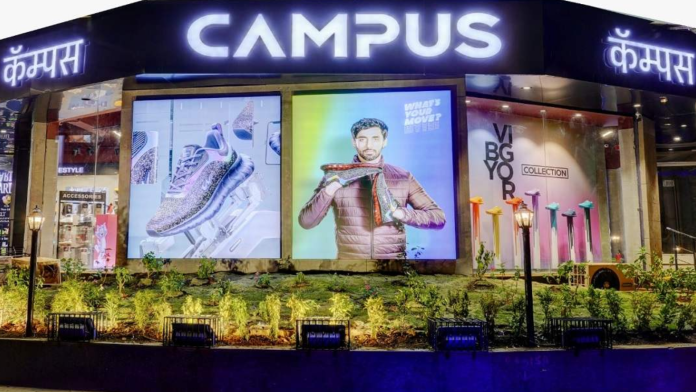
Campus Activewear, a prominent player in India’s sports and athleisure footwear market, announces the opening of its 250th store, marking a significant stride in its expansion journey. Since 2017, the brand has undergone exponential growth, transitioning from 35 to over 250 stores across the country. In achieving this milestone, Campus Activewear has solidified its position as a key player in the dynamic landscape of athletic and leisurewear in India.

To commemorate this achievement, Campus Activewear opened its 250th store at Season Mall in Pune, underscoring its dedication to providing high-quality activewear footwear.

Nikhil Aggarwal, CEO of Campus Activewear Ltd., expressed his sentiments on the occasion, stating, “At Campus Activewear, we have evolved in line with our customers, transforming us into a brand that truly understands the changing fashion needs. As we celebrate our 250th store, we embrace the spirit of movement, encouraging everyone to join us in revolutionizing style, confidence, and self-expression.”

Established in 2005, Campus Activewear has continuously incorporated cutting-edge designs, innovation, and strategic partnerships into its product lineup, aligning seamlessly with the changing preferences of its customer base. The brand, which initially had 35 exclusive brand outlets in 2017, has now expanded to a network of over 250 stores nationwide. This rapid growth is augmented by a strong online presence, firmly solidifying Campus Activewear’s footprint across various platforms.

“Our journey is fueled by unstoppable energy, propelling us to push ourselves and remain committed to delivering fashion excellence. Putting our customers at the forefront, we extend gratitude for the trust and loyalty they have shown us throughout this journey,” added Aggarwal.

The dedication of Campus Activewear to fashion innovation and customer-centricity is apparent in its dynamic, fashion-forward, and segmented approach, providing stylish designs in captivating colors and appealing pricing options. The brand has embraced an Omnichannel sales strategy, contributing substantial value to the customer’s overall experience.

In appreciation of its esteemed customers, Campus Activewear is extending exclusive promotions at its stores nationwide. Customers can receive a complimentary wireless earphone with purchases totaling INR 4999 or more and a free backpack with purchases of INR 3499 or above.

Looking ahead, Campus Activewear maintains its dedication to enhancing customers’ style preferences, aspiring to become the favored athleisure brand in India. With a growing count of 250 stores, Campus Activewear is now more accessible than ever, and its steadfast commitment to design and product innovation remains unwavering.

Advertisement

D2C brand Happy Nature raises $300,000 in pre-Series A funding with Inflection Point Ventures as lead investor

0
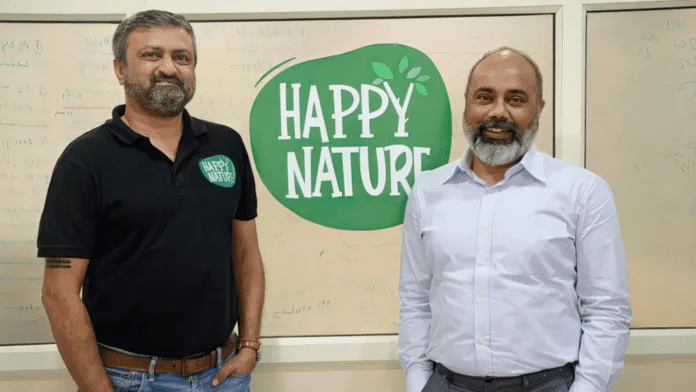
Vishal Rastogi and Vikas Singh

Happy Nature, a direct-to-consumer brand, secured $300,000 in a pre-Series A funding round with Inflection Point Ventures as the leading investor.

In May 2022, Happy Nature garnered $768,000 in a seed round, valuing the company at $6.99 million. The recently acquired funds will be allocated towards sales, marketing, and branding initiatives, as stated in a press release by Happy Nature.

Established in 2018 by Vikas Singh and Vishal Rastogi, Happy Nature specializes in delivering farm-fresh milk, dairy, and essential breakfast products directly to customers, sourced directly from reliable producers.

Speaking about the funding Vikas Singh, CEO, Happy Nature, said, “With this infusion, we will strategically expand sales through impactful ATL and BTL activations. Additionally, we aim to enhance our processing plant infrastructure by investing in technology upgrades and optimising the customer journey for a seamless and delightful experience.”

Happy Nature tackles the difficulties encountered by small farmers, granting them access to resources and markets. Moreover, in response to consumer apprehensions, the company provides 100% clean label and preservative-free milk, dairy, and breakfast products through a convenient subscription and delivery model.

Happy Nature asserts that it presently operates in Delhi, Noida, Gurgaon, Karnal, Panipat, Ludhiana, Ambala, Zirakhpur, Panchkula, Chandigarh, and Mohali, catering to a customer base exceeding 100,000. The company processes over 15,000 orders on a daily basis.

Rahul Wagh, Managing Director at Inflection Point Ventures, emphasizes the significance of dairy in breakfast, noting that consumers are expressing a preference for preservative-free and organic dairy products. “The D2C brand is emerging as a preferred option.”

Advertisement

Ramee Group elevates culinary scene with the grand unveiling of Mutuswami and Rasoi Kitchen in Khar

0
Mutuswami and Rasoi Kitchen

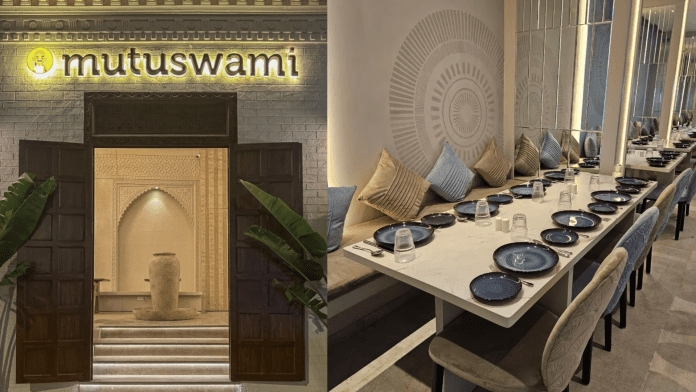
Ramee Group of Hotels has launched Mutuswami and Rasoi Kitchen, two distinct dining experiences poised to transform the culinary landscape at Ramee Techome, Khar.

Mutuswami presents a refined ambiance paired with a thoughtfully crafted menu that honors the core of traditional South Indian cuisine blended with contemporary elements.

The eatery ensures an exploration of the varied regional tastes of South India, delivered with innovation and expert refinement.

“With the launch of Mutuswami and Rasoi, we aim to offer our guests an unparalleled dining experience that combines tradition with innovation, Our commitment to excellence and providing diverse culinary experiences to our guests is reflected in these two distinct offerings, each crafted to cater to the varied tastes of our discerning patrons.” said Rajit V Shetty, Managing Director at Ramee Group of Hotels.

The moniker “Mutuswami” reverently acknowledges the culinary legacy of South India, underscoring a commitment to safeguarding the robust traditions of this cuisine. This ensures that every dish pays homage to the cherished flavors and culinary techniques passed down through generations.

Infused with the vibrant tastes of South India, the menu features Steam Idli, Medu Vada, Paper Dosa, Masala Dosa, Mysore Dosa, as well as signature dishes such as Mutuswami Pav Bhaji, Misal Pav, Masala Pav, and the timeless Filter Coffee.

Rasoi Kitchen and Bar excels in crafting North Indian and Oriental culinary delights.

Rasoi Kitchen features distinctive dishes such as Rajma aur Tamtar Mullitwani Soup, Murg Alni Pani Soup, Zaitoon Paneer Tikka, Noor E Elacchi, Multani Murg Tikka, and Murg Smoke Chilli Kebab.

Additionally, the menu includes Paneer Khurchan, Tirangi Kofte, Murg Dum Makhni, and Kung Pao Chicken.

Advertisement

Chinese dairy producer Junlebao acquires 30% stake in More Yogurt

0
More Yogurt
More Yogurt (Representative Image)

Junlebao Dairy Group, one of the leading dairy producers in China, has acquired a minority share in the yogurt shop chain More Yogurt.

As per Junlebao’s official statement, the company has secured a 30% ownership in More Yogurt, a chain boasting over 1,600 stores across China.

The financial details were not revealed.

Junlebao, headquartered in Hebei and operating 25 production plants throughout China, promotes a range of products such as yogurt, fresh milk, and organic milk powder. Among its brand offerings is Purjoy yogurt.

Junlebao, with 25 farms in China, stated that the collaboration between the two companies would extend to areas such as procurement and research and development (R&D).

Approximately two-thirds of More Yogurt’s establishments are located in first- and second-tier cities in China, as mentioned by Junlebao.

In May, Junlebao once more invested in Yunnan Royal Laisier Intelligent Dairy Co., acquiring a 32.9% share in the company from fellow Chinese dairy enterprise Royal Group.

The transaction increased Junlebao’s ownership in Laisier Intelligent to 58%.

Advertisement

Premium Brands Holdings set to boost sales with new supply agreements in Asia

0
Premium Brands Holdings

Premium Brands Holdings, a primarily North America-focused food enterprise, has recently secured fresh supply agreements in Asia, potentially contributing an additional C$100 million ($73.2 million) to its sales.

The company, headquartered in Richmond, Canada, stated that the “new opportunities” will positively impact its sandwich, bakery, and protein segments, which are part of its largest business division, the branded Specialty Foods Group.

“For the first time in a long time, we’ve gained new listings in Asia,” president and CEO George Paleologou said as he presented third-quarter results.

“We see tremendous potential with regards to growing in that market. We’ve probably got about 50 SKUs that I think we should be able to list in the Asian markets, particularly in Japan, South Korea and China.

“I think at this point, internally, we are looking at it as a probably $100m opportunity in the shorter term.”

Premium Brands, boasting a varied product lineup encompassing bread, pastries, meat, sushi, and seafood, announced a 1.3% rise in group revenue for the third quarter, reaching C$1.64 billion.

Specialty Foods recorded a sales figure of C$1.06 billion, reflecting a 4.9% increase by the end of September. Meanwhile, the distribution and wholesale segment, primarily serving the foodservice industry through Premium Food Distribution (PDF), reported sales of C$586.9 million, marking a 4.6% decrease attributed to challenges in the lobster market.

Premium Brands, primarily expanding its business through mergers and acquisitions, finalized a seafood agreement for Menu-Mer in Quebec following the conclusion of the reporting period via the PFD business unit.

Not much information was revealed in Premium Brands’ results commentary regarding the completed transaction. However, the acquired company’s website indicates a specialization in the processing and sale of fish and seafood.

During discussions with analysts on November 14th, CFO William Kalutycz indicated that Menu-Mer boasts approximately C$28 million in sales.

In the announcement of the prior quarterly results in August, CEO Paleologou stated that the acquisition-driven Premium Brands, having successfully navigated through challenges such as extreme inflation, supply chain issues, and labor shortages, was once again actively pursuing mergers and acquisitions.

Asked yesterday about the risk of blowing the company’s cash on M&A and depleting the balance sheet, Paleologou said, “We’re very cautious. We’re involved in many friendly discussions with regards to companies joining Premium Brands, to the extent that the synergies are there and the opportunities for growth are there.

“We may do those deals and probably use our shares as a currency, if it makes sense from an IRR perspective.”

Kalutycz explained much of the company’s expansion focus has been on internal or organic growth, with five capital expenditure projects lined up, three of which are expected to be up and running in the fourth quarter.

“We expect to see significant acceleration in our organic growth rate as five major capacity expansion projects get commissioned over the next several quarters, all of which are focused on supporting our very successful US-based growth initiatives in premium frozen sandwiches, cooked protein, meat snacks and artisan baked goods,” Paleologou said in the results commentary.

Advertisement

UK grocery costs remain 30% higher than two years ago despite ongoing inflation easing

0
shopping
(Representative Image)

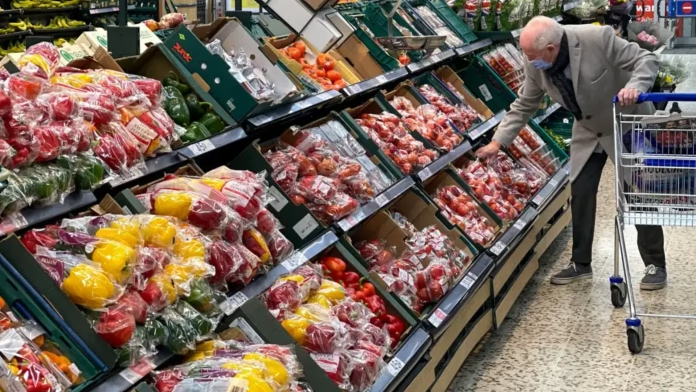
In October, UK grocery inflation demonstrated a consistent deceleration for the seventh consecutive month, as revealed by the latest data from the Office for National Statistics (ONS). Despite this ongoing moderation, the inflation rate remained below the double-digit threshold, underscoring a sustained trend of tempered price increases in the grocery sector.

The yearly escalation in prices for food and non-alcoholic beverages, as indicated by both the ONS’ Consumer Price Index (CPI) and the CPI including owner occupiers’ housing costs (CPIH), saw a reduction to 10.1%. This marks the most subdued rate of increase since June 2022.

The Consumer Price Index (CPI) for groceries, encompassing food and soft drinks, experienced a notable decrease of two percentage points when juxtaposed with the rate observed in September (12.1%). Similarly, the CPIH, which incorporates owner occupiers’ housing costs, also saw a decline from 12.2%.

The retraction in inflation could provide a welcomed relief for UK consumers grappling with increased financial pressure due to the impact of interest rate cycles on elevated mortgages and rents. However, it’s essential to note that the October Consumer Prices Index including owner occupiers’ housing costs (CPIH) remained 30% higher than its October 2021 counterpart. The measure had surged to 19.2% in March, reaching a level not observed in over 45 years.

Karen Betts, CEO of the UK’s Food and Drink Federation, welcomed the continued reduction in food costs. However, she also highlighted the challenges faced by industry manufacturers in mitigating the full brunt of inflationary pressures to shield consumers.

She mentioned that these endeavors have “affected manufacturing margins, causing them to decline to their lowest levels in four decades.”

Betts added, “While today’s figures are good news for shoppers, they come at the same time as we are seeing a concerning drop in investment in our industry, with investment in the first half of this year more than a third lower than in the same period four years ago.”

On a less optimistic note, the independent ONS entity reported that food and non-alcoholic beverages played a significant role in driving the overall annual inflation rates for CPIH and CPI in October. Nevertheless, when examining the monthly perspective, they ranked as the second-largest factors contributing to a decrease, following housing and household services.

In October, the Consumer Price Index (CPI) for groceries saw a modest increase of 0.1%, a notable deceleration from the 2% rise observed in October 2022. Although there was a relative slowdown, prices rebounded from a 0.2% decline in September, marking a reversal from the previous month, which, as indicated in the ONS report, was the first drop since September 2021.

Overall headline inflation, encompassing all goods, experienced a decline in October, reaching a two-year low for the Consumer Price Index (CPI). The outlook for the Consumer Prices Index including owner occupiers’ housing costs (CPIH) was slightly less optimistic, touching its lowest point since November 2021.

The Consumer Price Index (CPI) for all goods registered a rate of 4.6% over the 12 months ending in October, reflecting a notable decrease from the 6.7% pace observed in September. Notably, the index had reached its zenith at 11.1% in October 2022, marking the highest annual inflation rate since 1981.

The Office for National Statistics’ Consumer Prices Index including owner occupiers’ housing costs (CPIH) saw a reduction to 4.7%, down from 6.3% in September. This marks a continued retreat from the peak of over 40 years, with the index hitting 9.6% in October of the previous year.

Nicholas Hyett, an analyst at UK-based investment services business Wealth Club, said, “At the headline level at least, these numbers are cause for celebration.

“A substantial fall in inflation should help ease the cost-of-living crisis, while a pause in interest-rate rises will be a huge relief to mortgage holders.”

Within the grocery category – food and soft drinks – the ONS said today (15 November) that nine of the 11 sub-groups provided a downward effect on annual price increases. The two others, oils and fats, and coffee, tea and cocoa, were unchanged.

Milk, cheese, eggs and vegetables helped ease the pressure on shopping costs. However, the inflation rate for milk, cheese and eggs was still 7.9% higher than 12 months earlier, albeit down from 12.3% in September.

Similarly for vegetables, which also includes crisps, the annual rate of increase was 10.8% versus 14.4% in September.

Advertisement

Subway appoints Jeff Shepherd as new Chief Financial Officer

0
Jeff Shepherd

Subway, one of the world’s largest restaurant brands, has recently appointed Jeff Shepherd as its Chief Financial Officer (CFO).

Shepherd will directly report to John Chidsey, the Chief Executive Officer (CEO), and will supervise Subway’s worldwide finance organization. In this role, he will be responsible for both managing and enhancing the global financial performance and information security of the brand.

Shepherd takes over from Ben Wells, who is set to retire at the end of the year, concluding a remarkable 46-year career.

“Jeff has a well-earned reputation for driving strong financial results for global brands, bringing nearly 30 years of financial and accounting experience to our organization,” said Subway CEO John Chidsey. “As we welcome Jeff to Subway, we also thank Ben for his significant contributions. Since joining the company in December 2019, Ben has been a key driver of our brand’s global financial stability and strategic growth, contributing to 11 consecutive quarters of positive sales results.”

In his most recent position, Shepherd held the role of Executive Vice President and Chief Financial Officer at Advance Auto Parts. In this capacity, he formulated the financial strategy for the business and directed various finance functions, encompassing controllership and tax, financial planning and analysis, treasury, internal audit, pricing, and strategy.

Before joining Advance, Shepherd acted as the controller for General Motors Europe and occupied various senior positions within the organization. Additionally, he played pivotal roles at Ernst & Young, where he devised a procedure to guide global clients through bankruptcy and spearheaded tax remediation initiatives. Shepherd earned his bachelor’s degree in business administration, focusing on accounting, from Central Michigan University.

Situated at the company’s Shelton, Connecticut headquarters, Shepherd will collaborate closely with Wells throughout the remainder of the year, ensuring a smooth transition.

Advertisement

Starbucks continues to brew positive change with new community stores in Asia

0
starbucks community stores

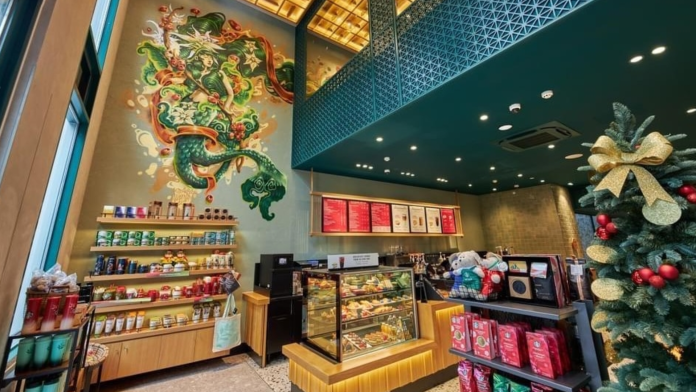
Starbucks has opened a multitude of new community stores in Asia.

In Korea, Starbucks inaugurated its Community Store Jeju Sehwa Drive-Thru branch situated in Gujwa-eup, Jeju City, in early November.

A part of the cafe’s earnings will be contributed to the K-Green Foundation, aiming to assist the local community and promote increased awareness of sustainable practices.

In February 2023, Starbucks Korea organized a competition in collaboration with the Korea National Council on Social Welfare to identify programs for support through Community Stores. The K-Green Foundation emerged as one of the chosen nonprofit organizations (NGOs) selected by Starbucks partners and customers.

Within the framework of the Community Store program, Starbucks Korea will partner with the NGO to implement environmentally friendly initiatives that involve the local community, generate economic opportunities in Jeju, and launch campaigns promoting sustainable practices throughout Korea.

To mark the inauguration of the new Community Store, Starbucks Korea officially entered into a partnership agreement with the K-Green Foundation at Starbucks Jeju Sehwa Drive-Thru. The signing ceremony was graced by the presence of Ryan Sohn, CEO of Starbucks Korea, Teayoung Jung, director of the K-Green Foundation, and Starbucks Korea partners.

Under the terms of the agreement, Starbucks Korea will contribute up to KRW 100 million ($76,000) annually, derived from a percentage of the café’s revenue. This donation will aid a range of environmentally conscious initiatives, encompassing volunteer activities for Starbucks partners and customers, workshops focused on the environment, the upcycling of Starbucks coffee bean packaging, and the generation of additional economic opportunities for marginalized groups within the local community.

Meanwhile, Starbucks achieved a milestone in Vietnam as it opened its first Community Store in the country.

The focus of the Community Store is to aid youth vocational education in Vietnam, with VND3,000 ($0.12) from each beverage sold at the store allocated to training programs in collaboration with the nonprofit partner, REACH, for the upcoming three years.

As per Starbucks, the Community Store is integral to a worldwide initiative aimed at fortifying communities, fostering economic opportunities, and making a positive impact through collaborations with local nonprofit organizations.

The Starbucks Nguyen Huu Huan Community Store will endorse REACH, an organization dedicated to offering vulnerable youth vocational training, skills development, and employment opportunities, paving the way for a brighter future for them and their families.

Supported by grant funding from The Starbucks Foundation, Starbucks Vietnam initiated a partnership with REACH in conjunction with The Asia Foundation in 2016. This collaboration aimed to deliver vocational training, career guidance, and job placement services within the food and beverage industry (F&B) for young individuals in Vietnam. Starbucks Vietnam partners actively volunteered to mentor youth, and they plan to persist in volunteering for future cohorts with REACH.

Introduced in 2011, the Starbucks Community Stores were established to collaborate with organizations with a demonstrated track record of fostering advancement in disadvantaged communities. In addition to financial contributions, Starbucks frequently shared its business expertise to assist these groups in fulfilling their mission. This involved providing strategic technical and management assistance, collaborating on community service projects, and working with these organizations to bolster their job training and placement efforts.

Advertisement

Costa Coffee unveils its first plant-based ready-to-drink Oat Latte

0
Oat Latte

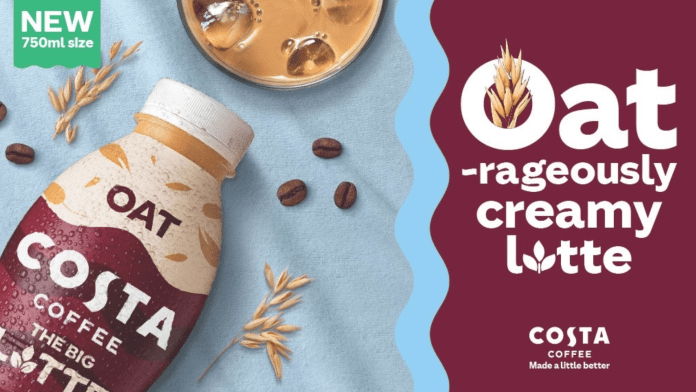
Costa Coffee has unveiled its first plant-based Ready-to-Drink (RTD) product.

Exclusively debuting in more than 500 Tesco stores across the UK, the 750ml Oat Latte blends the distinctive, aromatic notes of Costa Coffee’s Signature Blend with velvety oats.

Costa Coffee’s Head of FMCG UK&I, Mark Cumming, stated that the creation of the new beverage was informed by crucial research indicating that consumers favor oat milk in coffee, highlighting creaminess as the primary factor driving the preference for oat-based options.

“We are excited to introduce our 750ml Oat Latte, a product that demonstrates our ongoing commitment to innovation in our RTD range. We understand that consumers today seek not only great taste but also products that align with their lifestyle or dietary requirements,” Cumming said.

The introduction is a strategic move by Costa Coffee to capitalize on the continuous diversification of the Ready-to-Drink (RTD) coffee segment. This evolution is characterized by the introduction of novel flavors, functionalities, and formats, aiming to position Costa Coffee as the fastest-growing major brand in the RTD coffee market.

Established in 1971 in London by Italian siblings Sergio and Bruno Costa, Costa Coffee has a global presence, spanning 45 countries. It boasts over 2,800 coffee shops in the UK & Ireland and 1,300 establishments worldwide.

Advertisement