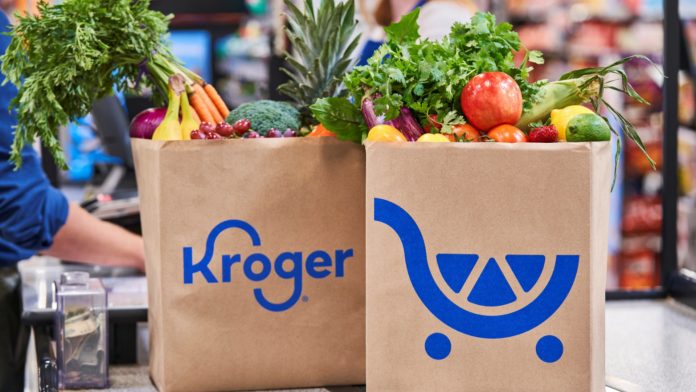
On Thursday, Kroger revised down its yearly sales projection, citing the impact of easing food and grocery prices amid a period of subdued consumer demand as individuals exercise caution in their spending habits.
Currently, fresh food items are experiencing a decline in prices, entering a disinflationary phase, while packaged food items are reaching their maximum limits for price increases. This situation is curbing some of the sales advantages that food retailers had previously enjoyed over the past year.
Consumers are displaying a growing inclination towards thriftiness, opting for more affordable alternatives even when it comes to grocery shopping.
“Although inflation is decelerating, customers are still adjusting to the impacts from eight consecutive quarters of broad and significant inflation,” CEO Rodney McMullen said on a post-earnings call.
In an effort to stimulate demand, Kroger has intensified promotional activities. Notably, its in-store presentations featuring everyday staples at low prices have attracted a greater number of budget-conscious customers, leading to an increase in store visits.
While that has helped improve unit volumes, growth rates have not yet matched the inflation decline and “have not improved at the pace we would have expected”, CFO Gary Millerchip said.
Nevertheless, by exercising strict control over expenses and experiencing heightened demand for higher-margin private-label items, Kroger exceeded market expectations for third-quarter profit. As a result, its shares saw a 2% increase in morning trade.
Additionally, Kroger raised the lower boundary of its annual per-share adjusted earnings range to fall between $4.50 and $4.60, surpassing LSEG estimates, which had a midpoint of $4.53.
The company also announced that it had “certified substantial compliance” with the Federal Trade Commission’s request for additional information regarding its nearly $25 billion deal with the smaller rival, Albertsons.
Kroger has revised its outlook for fiscal 2023 identical sales, excluding fuel, anticipating growth in the range of 0.6% to 1%, a decrease from its previous forecast situated at the lower end of a 1% to 2% increase.
“It was a very straightforward report, very much in-line … Of course, you’d like to see a little bit better strength, but it totally makes sense (given the disinflation in the environment),” said Telsey Advisory Group analyst Joseph Feldman.
Tea production witnessed a 12.06% surge in October this year, reaching 182.84 million kg, marking a significant increase from the 163.15 million kg recorded in the corresponding month last year.
Based on Tea Board data, West Bengal observed a rise in tea production to 54.98 million kg in October, compared to 49.75 million kg during the corresponding period in 2022. In Assam, the nation’s leading tea-producing state, the October crop also increased to 104.26 million kg, surpassing the 90.72 million kg recorded in October 2022, according to the provided data.
In the southern region of India, tea production slightly decreased to 18.89 million kg in October 2023, compared to 18.92 million kg in the corresponding month of the previous calendar year. Breaking down the categories, the CTC variety recorded a production of 167.72 million kg in October 2023, while the orthodox tea production totaled 12.98 million kg across both the northern and southern regions of India.
The data reported a green tea production of 2.14 million kg. In October 2023, the production by small tea growers (STGs) increased to 95.24 million kg nationwide, up from 78.19 million kg in the corresponding month of 2022.
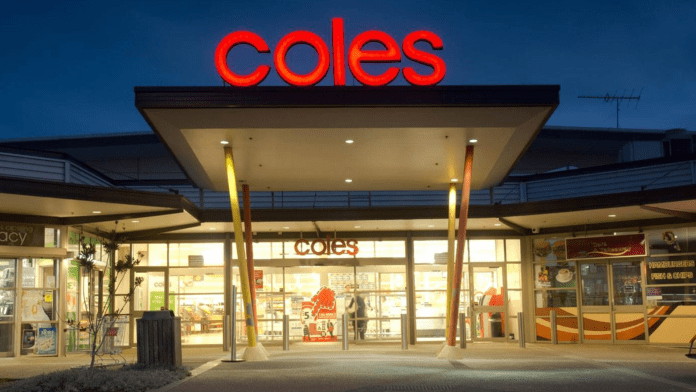
The Australian Competition and Consumer Commission (ACCC) has given its approval to the proposed acquisition of two milk processing plants by the national retailer Coles Group. These plants are currently owned by the Canadian dairy giant Saputo.
The decision from the competition watchdog, initially expected in September, faced a delay as feedback from all concerned “parties” expressing concerns about the Coles-Saputo transition had not been received.
In April, Coles, the second-largest supermarket chain in Australia, initially indicated its intention to acquire the two plants owned by Saputo.
The proposal involved acquiring the sites in Erskine Park, New South Wales, and Laverton, Victoria, for a total of C$95 million ($70.2 million).
Up to this point, Coles has had its milk processed by Saputo at the Erskine Park and Laverton facilities. Following the acquisition, Coles will take over the processing of raw milk at both plants.
In a statement released in July, the ACCC noted that a primary concern raised by significant stakeholders was the potential impact of the acquisition on the retail group’s “bargaining position in the dairy supply chain.”
Concerns were also expressed regarding the possibility that the acquisition could lead Saputo to exit the raw milk market in New South Wales entirely, resulting in a reduction in the number of raw milk buyers.
“We acknowledge the strong concerns raised by some dairy industry participants about Coles’ acquisition of milk processing facilities,” ACCC deputy chair Mick Keogh said in a statement on the decision.
He added, “We explored the industry’s concerns very closely through discussions with farmers and their representative bodies, and conducted a detailed review of Saputo and Coles’ internal documents and their incentives.
“After careful consideration, we concluded that, compared with the current state of competition where the majority of the capacity at these facilities is already contracted to Coles, the acquisition is unlikely to result in a substantial lessening of competition in breach of section 50 of the Competition and Consumer Act.”
After reviewing Saputo’s financial information, the ACCC determined to grant approval for the acquisition, taking into account the dairy group’s commitment to continue selling its Devondale milk product in New South Wales. Additionally, the dairy giant is reported to have entered into a “five-year toll processing agreement” with Coles at the Erskine Park facility.
Keogh further stated that the ACCC held the belief that the Coles-Saputo deal would “unlikely” have an impact on Saputo’s decision to collaborate with dairy farmers in New South Wales “for at least the next five years.”
Expanding on concerns regarding the potential impact of the acquisition on competition among other processors, Keogh mentioned that the group would probably retain a financial incentive to carry and promote branded milk from other processors. This is due to the higher retail margins earned on these products.
The presence of “significant excess capacity” at the Erskine Park and Laverton plants implies that “Coles’ commercial motivations to streamline its milk supply would persist regardless of the transaction,” stated the watchdog.
Although certain stakeholders have advocated for the regulation of Coles’ interactions with processors and farmers through “existing industry behavioral codes,” the ACCC asserted that adequate protection is already in place. Coles is obligated to adhere to both the Dairy Code of Conduct and the Food and Grocery Code of Conduct.
Despite the regulator’s efforts to alleviate concerns among stakeholders, the Business Council of Co-operative and Mutuals (BCCM) in Australia has contended that the action will negatively impact competition in the sector.
In a statement, Melina Morrison, CEO of the BCCM, said, “We remain concerned the proposed acquisition is likely to significantly reduce competition in the dairy market to the detriment of both consumers and family farmers.
“As processing facilities are further concentrated in the hands of a few investor-owned dairy processors and retailers, there is less and less pressure on these businesses to share profits with farmers.”
Morrison mentioned that over time, this could influence the financial resources farmers can allocate to “ensuring the sustainability of their own enterprises.”
“However, the issue goes beyond the fortunes of individual farm enterprises and the prices they receive for their products,” she added. “Australia’s domestic food security and potential export earnings and income tax derived from dairy could all be impacted.”
Earlier this month, Saputo announced it was reviewing options for the future of its King Island Dairy plant in Tasmania, as it looked to cut costs and increase efficiency.
Tiger Brands intends to restructure its portfolio within the South African grocery sector, aiming to bolster revenue growth by prioritizing health, nutrition, and snacks as key focal points.
The owner of the Beacon confectionery and Oros drinks brand disclosed a 10% rise in revenue, reaching R37.4 billion ($2 billion) for the 12 months ending on 30 September. However, the company highlighted expectations of “low to no growth” in the upcoming fiscal year.
Tiger Brands stated that forthcoming additions to the portfolio will emphasize higher-margin products, as earnings per share dipped to a loss at the lower end of the range the company had indicated in October.
A new finance chief is set to assume the role starting January 1, as Thushen Govender rises through the ranks to take over from Deepa Sita as CFO. This transition aims to bring in a fresh perspective to oversee the organization’s objectives.
“Given the anticipated low-to-no-growth environment, and in response to the recent shifts in consumer and shopper behaviour”, Tiger Brands outlined its outlook and plans “aimed at regaining lost momentum and delivering a step change in trajectory”.
The details of the plans were presented in the results commentary by the recently appointed CEO, Tjaart Kruger. He took over from Noel Doyle on November 1, signing a 26-month contract.
“Reshaping to a desired portfolio of the future,” is one priority. “We are looking to deliver some changes to our current portfolio by exploring identified opportunities for entry in adjacent categories – where we see valuable synergies, a growing market, and/or higher margin potential – as well as exiting certain categories,” Tiger Brands noted.
Tiger Brands, a publicly-listed company, has pinpointed three “growth platforms” designed to underpin its objectives, focusing on enhancing consumer and shopper relevance and boosting market success. These platforms revolve around promoting affordability, democratizing health and nutrition, and placing a significant emphasis on snackification.
Tiger Brands stated that it plans to reduce SKUs in “product ranges that are no longer considered future-fit.” This initiative aligns with the company’s efforts to decrease costs, aiming to achieve specific targets based on expense type and category.
The company explained its plan to “rejuvenate” brands, “We will be further simplifying, rationalising and stretching our brands with a thorough analysis of marketing investment to ensure that our brands talk to the relevant consumer and demand spaces, with progress measured both in terms of brand profitability and brand equity.”
In the fiscal year ending on September 30, Tiger Brands’ operating profit declined by the anticipated 9% to R3.1 billion, as previously indicated in October.
The earnings per share experienced a 2% decrease, reaching 1,725 South African cents, aligning with the previously indicated range of 2-9% lower figures highlighted in October.
Headline earnings per share exceeded expectations, registering a 2% increase at 1,735 cents, contrary to the October warning of a potential 2-5% decrease.
“The immediate market outlook remains challenging. Consumer confidence is likely to remain under pressure given elevated interest rates and high food inflation,” the Albany bakery brand owner explained.
“While there has been a recent softening in global food prices, this has been offset in South Africa by a weakening rand, as well as load-shedding that has disrupted food production and distribution and significantly increased costs for manufacturers and food retailers.”
South Africa has grappled with frequent power outages, known as load-shedding, throughout the year, attributed to insufficient investments in the nation’s electricity infrastructure. This has led to a series of profit warnings, with companies like Tiger Brands, Astral Foods, and Libstar being among those affected.
Tiger Brands highlighted the additional challenge of “double-digit inflation,” attributing the revenue growth to an 11% increase in pricing during the reporting period. Conversely, there was a 2% decline in volumes.
While there was an increase in export volumes, the volumes for groceries like baking and baby food experienced a decline, which was balanced out by gains in rice, beverages, and Tiger Brands’ foodservice business.
“Although some projections suggest food inflation in the country will abate, this assumes a further slowdown in global food inflation, an easing in electricity outages, an improvement in our summer crop production, and a stable rand, none of which is guaranteed,” the company concluded.
The Leaders Declaration on Food Systems, Agriculture, and Climate Action was signed by over 130 countries during COP28 in the UAE on December 1. This historic agreement represents the first-ever pledge to reduce carbon emissions within the worldwide food system.
The news was announced by Miriam Almheiri, UAE Minister of Climate Change and Environment, during the World Action Summit in Dubai.
In a statement at the event, Almheiri described the global commitment as “a milestone moment in history for food systems and agriculture”.
She added, “This declaration is there to help galvanise the political will needed from countries across the globe to transform our food systems in the face of climate change.”
The comprehensive roster of countries that have signed the agreement during COP28 has not been disclosed, but it is indicated to “encompass a total estimated population of 5.718 billion people, calculated using World Bank population figures.”
According to BBC reports, the participation of countries such as the US, China, and Brazil is indicated. In November, the EU Commission formally requested approval from the European Council of Ministers to sign the Declaration.
Leaders from Indonesia, Italy, Samoa, and the United States spearheaded the “special session” of the World Action Summit.
The UN Food and Agriculture Organization (FAO) backed the formulation of the declaration, emphasizing its role in fostering “the expansion of resilience initiatives, advancing food security, and providing support to workers in the sector.”
As part of the agreement, signatories are said to have promised “to revisit policies, increase access to finance, accelerate innovations and strengthen the multilateral trading system”, the FAO said.
It added a “collaboration and progress review” is expected to occur at COP29, “with ongoing commitment” due to continue “beyond 2025”.
During COP28, a new report from the FAO was unveiled, urging increased financial support to address the escalating loss and damage suffered by the agrifood sector due to the impacts of climate change.
In its evaluation of Nationally Determined Contributions (NDCs), the FAO discovered that 35% of current climate action objectives include references to “loss and damage.” The countries acknowledging “loss and damage” in their reports also highlighted agriculture as “the single most impacted sector overall.”
The unveiling of the report comes in the wake of world leaders’ agreement on the creation of a Loss and Damage Fund during the first day of COP28.
Commenting on the overall declaration, Jennifer Morris, CEO of environmental NGO The Nature Conservancy said, “We applaud the COP28 presidency and all 134 signatories for taking this important step to integrate food systems into the climate action.”
“[It] acknowledges, at the highest levels, that by integrating food and agriculture into key climate goals and scaling up finance and science-backed solutions, we can ensure there is real tangible action toward reaching the Paris Agreement Goals as well as halting biodiversity and nature loss.”
While a step forward, Morris stressed the declaration “will only be meaningful if we see follow-through on the ground”,
She added, “The 134 countries who have committed to the Declaration will need to work with every actor in the food system to deliver real lasting change, as well as immediately phase out fossil fuel use both within and outside of the food economy.
“By ensuring that farmers and producers are at the centre of the solution, food systems can be part of the climate solution, and support farming communities and livelihoods. Only then will we see the results needed to meet this challenge.”
ProVeg International, a group dedicated to raising awareness about food systems, expressed great satisfaction with the news. They expressed hope that it would stimulate increased attention towards addressing the emissions stemming from livestock production.
“The food system emits a third of global greenhouse gases and most of that comes from animal agriculture. So we now hope signatories to the declaration will look at ways to promote the production and consumption of plant-based, climate-friendly food to honour the goals of the declaration,” said Raphaël Podselver, director of UN affairs at ProVeg International.
Danone, a prominent player in the dairy industry, has embraced the declaration, and CEO Antoine de Saint-Affrique commended the elevation of “food being on the top table for the first time.”
Among the 26 organizations announced by COP28 today, the company is recognized for its collaborative efforts to transition 160 million hectares of land to regenerative agriculture by 2030. Notable food industry players mentioned in the list include Nestlé, PepsiCo, ADM, Unilever, Sysco, and Olam Food Ingredients.
In a statement, de Saint-Affrique added, “Solutions, like regenerative agriculture, to reduce those numbers already exist but they must be scaled as fast as we can. That cannot happen without greater financing. In 2022, food systems only received 4.3% of climate finance despite generating 1/3 of emissions.
“Public-private partnerships must work harder to unlock the financing farmers need to spearhead the transition. As part of the Global Methane Hub [GMH], $200m of funding has already been raised for new technologies for less carbon intensive farming methods. It can be done.”
Last month, Danone revealed its intention to finance the emissions reduction accelerator of the GMH.
“This declaration is a signal to all actors to scale financing, collaboration and policies so our food systems are more secure, equitable and better for the planet,” de Saint-Affrique said.
A spokesperson for the company stated that a “supporting action package” from affiliated businesses would be unveiled this upcoming Monday.
Hindustan Unilever (HUL) is restructuring its beauty and personal care (BPC) division, dividing it into distinct entities focused on beauty and well-being (B&W) and personal care (PC).
The BPC division’s shift to B&W and PC will take effect from April 1, 2024. With sales of INR 5,809 crore, BPC contributed 38% to the company’s September quarter numbers – higher than home care and foods & refreshment.
Two executive directors, Harman Dhillon (43) for B&W and Kartik Chandrasekhar (48) for PC, will lead the divisions, becoming members of the HUL Management Committee (MC) starting April 1, 2024. Madhusudhan Rao, the current executive director for B&W and PC, has opted for retirement from the company.
Dhillon, who joined HUL in 2006, is currently the Head of Skincare for India. Between 2015 and 2016, she served as the Global Brand Director for the ‘TRESemme’ business, based in London. On the other hand, Chandrasekhar is presently the Global Vice President and Head of Oral Care & Skin Cleansing for D&E markets.
Rohit Jawa, CEO and MD, HUL, said, “HUL has a track record of strong performance. As we embark on our next phase of growth and transformation, we will combine our scale and discipline with innovation and agility to serve our consumers even better and build a future-fit business. BPC continues to be a source of value creation for us. However, the business model, innovation rhythm and competitive landscape for both B&W and PC are diverging. The transition will allow us to bring more focus, and leverage our strong portfolio in both businesses. I am glad to have seasoned business leaders like Harman and Kartik to lead B&W and PC, respectively.”
There has been growing focus on B&W and PC given the growth opportunities and consumer shifts in these categories globally.
On Thursday, Ulta Beauty increased its projected full-year profits and sales, attributing the adjustment to robust demand for premium skincare and fragrances. Additionally, the company announced the upcoming retirement of its longstanding CFO, Scott Settersten, slated for April next year.
After nearly two decades with the company, Scott Settersten will step down, and Paula Oyibo, the current senior vice president of finance who joined in 2019, will succeed him as the new CFO.
Following the company’s outperformance in the third quarter, shares of the beauty retailer surged by 6.6% during extended trading.
Despite increased borrowing costs affecting household budgets, affluent shoppers are prioritizing the indulgence of beauty and skincare products, even as they reduce spending on larger discretionary items such as televisions and apparel.
Ulta has experienced an uplift in consumer interest gravitating towards dermatologist-recommended brands such as La Roche-Posay and CeraVe. Simultaneously, the company has observed strong demand driven by social media promotions of brands like Good Molecules, Hero Cosmetics, and Peach Slices.
In the third quarter, Ulta Beauty witnessed a wave of notable product launches. This included ‘Half Magic,’ a vegan and cruelty-free makeup line created by Euphoria makeup artist Donni Davy exclusively available at Ulta Beauty. Additionally, there were new hair styling tools from Shark Beauty, the dermatologist-recommended PanOxyl, a favored brand among Gen Z, and the emergence of Sniff, an up-and-coming unisex fragrance.
The beauty retailer increased the lower end of its yearly profit projection to a range of $25.20 to $25.60 per share, up from the earlier estimate of $25.10 to $25.60 per share.
The company has also revised upwards the lower range of its annual net sales projection. The new expectation is in the range of $11.10 billion to $11.15 billion, compared to the previous forecast of $11.05 billion to $11.15 billion.
The quarterly net sales of the retailer increased by 6.4% to reach $2.49 billion. According to LSEG data, analysts had, on average, anticipated revenue of $2.47 billion.
After excluding items, the company achieved earnings of $5.07 per share, surpassing Wall Street’s projected profit of $4.95.
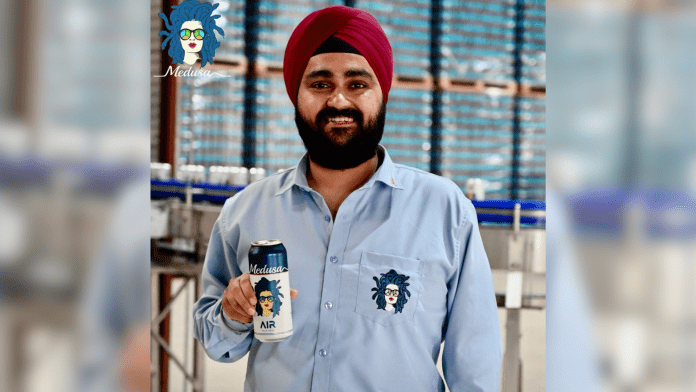
In a recent LinkedIn post, Avneet Singh, the Founder & CEO of Medusa Beverages Pvt Ltd, announced an exciting development that is sure to captivate beer enthusiasts. Medusa Beverages, known for its commitment to brewing innovation, has unveiled its latest creation – “Medusa Air.”
Singh expressed his enthusiasm, stating, “I am thrilled to announce the launch of our latest beer variant, ‘Medusa Air.’ This new variant is not just a beer; it’s an experience designed to elevate your taste buds to new heights.”
Medusa Air distinguishes itself with a combination of a lighter feel and bolder taste. The beverage is described as a mild beer with an aromatic twist, carefully crafted to provide a smoother experience without compromising on the bold and distinctive flavor that defines the Medusa brand.
Singh emphasized the artistry in brewing, stating, “Our brewing team has poured their expertise into every drop of Medusa Air, creating a masterpiece that reflects the artistry and passion behind our craft. From the selection of premium ingredients to the meticulous brewing process, each element contributes to an unparalleled beer-drinking experience.”
Medusa Air is more than just a beverage; it’s designed to elevate the beer-drinking experience. Perfect for moments of celebration, relaxation, or simply when one desires to savor a premium beer, Medusa Air promises to be the go-to choice for those seeking a refined and unforgettable drinking experience.
With this bold introduction, Medusa Beverages is marking the beginning of a new chapter in its brewing adventure. The company’s dedication to pushing the boundaries of brewing innovation is evident in the creation of Medusa Air, promising consumers a refreshing twist to their beer-drinking experience.
As Medusa Air takes its place among the Medusa Beverages lineup, beer connoisseurs can look forward to enjoying a beverage that combines the richness of flavor with a lighter touch, setting it apart in a league of its own.
Radiohead Brands, the four-year-old startup behind the Jimmy’s Cocktails and sparkling mixers brand, has finalized its pre-Series A funding round, raising a total of INR 35 crore.
Prath Ventures took the lead in the latest fundraising round, contributing INR 12.2 crore. Capital Ventures, Illeyrium Ventures, angel investors Neel Bahl and Sandeep Aggarwal of Droom, along with existing investors, also participated in the funding.
The company produces cocktail premixes and sparkling beverage mixers, such as tonic water and ginger ale, among other products. It competes with established brands like Sepoy & Co., Franklin & Sons, Svami, and Jade Forest in the non-alcoholic beverage market.
In July this year, the company secured INR 11 crore in a pre-Series A funding round, with financial backing from Vijay Shekhar Sharma and Prath Ventures.
Ankur Bhatia, the founder and CEO, emphasized the company’s dedication to establishing its brands in a sustainable and profitable manner. The focus lies on prioritizing cash flow, avoiding credit sales, and ensuring account-specific profitability. The company was co-founded by Bhatia and Nitin Bhardwaj, who serves as the COO.
Radiohead recorded gross revenues of INR 80 crore in FY23 and anticipates concluding the current fiscal year with INR 100 crore. The company is striving to achieve profitability by the next fiscal year.
Prath Ventures’ founder, Piyush Goenka, highlighted the company’s robust grasp of brand development and distribution. “We believe the company is set to emerge as a leading player with a diversified portfolio,” he added.
The Indian Council for Research on International Economic Relations (ICRIER), a prominent economic policy think tank, projects strong growth for the nation’s non-alcoholic beverage market. As per its 2022 report, the market is poised to experience substantial compound annual growth at a rate of 8.7%, potentially reaching an impressive INR 1.47 trillion by the year 2030.
This expansion contrasts with the pre-pandemic market of INR 67,100 crore in 2019, which included soft drinks, juices, bottled water, and fruit-based beverages.
India’s Adani Group is currently in the process of considering the divestment of its stake in Adani Wilmar, a joint venture with Singapore-based Wilmar International. According to Jugeshinder Singh, the group’s chief financial officer, a decision on this matter is expected within the next three months, as disclosed on Friday.
“We are currently studying whether to keep or divest Wilmar stake,” Singh said on the sidelines of an event in Mumbai.
The group led by Gautam Adani currently possesses a 44% stake in the fast-moving consumer goods joint venture. According to a report by Bloomberg News in August, the Adani family has been contemplating the potential sale of its stake for several months. The report suggested that the billionaire and his family might retain a minority stake in a personal capacity.
In November, Adani Wilmar incurred a loss for the second consecutive quarter.
Following a January 24 report by U.S. short-seller Hindenburg Research, which expressed concerns about debt levels and the utilization of tax havens, the Adani Group is in the process of recovering. The report led to a substantial decline, erasing almost $147 billion in market capitalization.
While shares of its affiliated companies have experienced a rebound, their value is still approximately $120 billion lower than before.
The Securities and Exchange Board of India (SEBI), acting on directives from the Supreme Court, is presently conducting an investigation into the group.
Adani Wilmar shares, reflecting a 45% decline year-to-date, concluded Friday with a marginal 0.1% decrease.
We use cookies to ensure that we give you the best experience on our website. If you continue to use this site we will assume that you are happy with it.