Rajkot-based Gopal Snacks has initiated the process of raising INR 650 crore through an Initial Public Offering (IPO) by filing preliminary papers with the capital markets regulator Sebi. According to the Draft Red Herring Prospectus (DRHP) submitted on Tuesday, the proposed IPO is exclusively an Offer For Sale (OFS) of equity shares by promoters and other selling shareholders.
Within the Offer For Sale (OFS), Bipinbhai Vithalbhai Hadvani intends to sell shares amounting to INR 100 crore, Gopal Agriproducts Pvt Ltd plans to divest shares valued at up to INR 540 crore, and Harsh Sureshkumar Shah aims to sell shares worth up to INR 10 crore.
The offering additionally incorporates a provision for eligible employees to subscribe.
Established in 1999, Gopal Snacks is an Indian fast-moving consumer goods company that provides a range of namkeen, western snacks, and other products, catering to markets both within India and internationally.
As of September 2023, the products of the namkeen makers were distributed in 10 states and two Union Territories, supported by a network comprising three depots and 617 distributors.
The company runs three production facilities located in Gujarat at Rajkot and Modasa, and in Maharashtra at Nagpur.
Moreover, it operates three subsidiary manufacturing facilities primarily engaged in the production of besan, raw snack pellets, seasoning, and spices.
These are primarily utilized internally for the production of finished goods such as namkeen, gathiya, and snack pellets.
The company’s revenue from operations saw a rise from INR 1,128.86 crore in FY21 to INR 1,394.65 crore in FY23, while the profit increased from INR 21.12 crore in FY21 to INR 112.37 crore in FY23.
The Initial Public Offering (IPO) is being facilitated by Intensive Fiscal Services, Axis Capital, and JM Financial, who are serving as the book-running lead managers. The company’s equity shares are slated for listing on both the BSE and the NSE.
On Wednesday, Patanjali Ayurved, led by Baba Ramdev, asserted that it is not engaged in disseminating “false advertisements or propaganda” concerning its products. The company expressed a willingness to accept any penalties imposed by the Supreme Court, including fines or even the most severe consequences, should it be proven guilty of making deceptive claims.
The day following the Supreme Court’s warning to the company about refraining from making “false” and “misleading” claims in its medicine advertisements purporting to cure various diseases, Patanjali Ayurved stated that it possesses a “database with more than one crore people, supported by real-world evidence, preclinical, and clinical evidence.”
Additionally, the company expressed humble respect for the court, stating, “If we engage in false advertisements or propaganda, we have no objections if the honorable court imposes a fine of crores or even issues a death sentence.” During a press conference in Haridwar, Ramdev remarked that the apex court should have considered their perspective as well.
Ramdev stated that given the chance, he is personally prepared to present all facts, clinical evidence, and scientific research papers before the court to substantiate his claims.
Ramdev reiterated his commitment to his assertions of healing serious illnesses through Yoga and Ayurveda.
On Tuesday, a bench comprising Justice Ahsanuddin Amanullah and Justice Prashant Kumar Mishra orally observed while hearing a plea of the Indian Medical Association (IMA), “All such false and misleading advertisements of Patanjali Ayurved have to stop immediately. The court will take any such infraction very seriously…” The top court, on August 23, 2022, had issued notices to the Union health ministry and Ministry of Ayush and Patanjali Ayurved Ltd, on the plea of the IMA alleging a smear campaign by Ramdev against the vaccination drive and modern medicines.
In its statement, Patanjali said, “We would like emphasise that we are not spreading any false propaganda. Hundreds of therapies of Yoga, Ayurveda, Naturopathy, Panchakarma, Shatkarma, fasting and with the integrated treatment of system, we have made thousands of people free from several diseases like BP, sugar, thyroid, asthma, arthritis, obesity, liver and kidney failure, and cancer.”
It further claimed, “We have the world’s best research centre on ayurveda, Patanjali Research Foundation, for research on traditional treatment and sanatan knowledge tradition. Where hundreds of world renowned scientists are conducting research, and by following more than 3,000 research protocols, close to 500 research papers have been published in the world’s highly reputed research journals.”
The company accused “some stubborn and so-called frustrated doctors of the medical sector, who oppose Yoga, Ayurveda and Naturopathy” of have a problem.
While acknowledging that diseases can be controlled with synthetic medicines, it said “but cannot be cured”, this problem of allopathy is not a problem for Yoga-Ayurveda.
“In the medical field, we have seen many modern practitioners those who are committing medical crimes by installing fake pacemakers, stealing kidneys, taking unnecessary medicines and conducting tests indiscriminately as medical mafia/drug mafia, we have fought against them,” the statement added.
On Wednesday, Coca-Cola India announced its entry into the ready-to-drink tea beverages market with the introduction of ‘Honest Tea.’ This brand falls under the ownership of Honest, a subsidiary of the Coca-Cola Company.
The organic green tea used in the product will be procured from the Makaibari Tea Estate, owned by Luxmi Tea Co Private Ltd based in Kolkata, as per company statements.
The two companies signed a Memorandum of Understanding (MoU) on this matter during the seventh edition of the Bengal Global Business Summit (BGBS) held here.
The motive behind the launch was to offer consumers a broader range of beverage choices, as stated by a senior official from Coca-Cola India & Southwest Asia.
He further mentioned that the iced green tea will be available in Lemon-Tulsi and Mango variations.
Honasa Consumer reported a remarkable 93% year-on-year increase in its net profit, reaching INR 29.4 crore for the September quarter of the financial year 2024 (Q2FY24). The parent company of direct-to-consumer (D2C) brands like Mamaearth, The Derma Co, and BBlunt had incurred a loss of INR 15 crore in the same period the previous year. The profit in the prior quarter (Q1FY24) amounted to INR 24.7 crore.
According to the firm’s first-ever earnings update since its stock market debut earlier this month, consolidated revenue from operations grew by 21 per cent year-on-year to INR 496.1 crore, up from INR 410.4 crore a year ago and INR 464.4 crore in Q1FY24. This growth was driven by a volume increase of 27 per cent year-on-year. Mamaearth recorded an earnings before interest, tax, depreciation, and amortization (EBITDA) of INR 40 crore for the reported quarter, up by 53 per cent year-on-year.
“Our business has grown by 33 per cent Y-o-Y in the first half (H1) FY24 which is 3.8 times the median growth of FMCG companies in India,” said Varun Alagh, chairman and chief executive officer, Honasa Consumer.
He mentioned that the company’s profit experienced a significantly swifter growth compared to its revenues, as the profit after tax (PAT) for the first half (H1) surged by an impressive 1,377 per cent to INR 54 crore.
“Dr Sheth’s has become the 4th brand from Honasa portfolio to enter the 150 crore club in terms of annual recurring revenue after Aqualogica and Derma Co,” Alagh added.
The company’s overall expenses for the quarter amounted to INR 463.9 crore, reflecting an 18% year-on-year increase from INR 392.3 crore in the corresponding period last year.
The company extended its offline distribution to 165,937 outlets, marking a 47% year-on-year growth as of September 2023. According to a Jefferies report, Mamaearth secured a position among the top 15 beauty and personal care brands in India, surpassing several established legacy brands.
In the dynamic landscape of modern business, where competition is fierce and consumer expectations are constantly evolving, companies are increasingly turning to the power of personalization to gain a competitive edge. The era of one-size-fits-all marketing is fading, and in its place, a new paradigm is emerging—one that recognizes the unique traits and preferences of individual consumers. This shift towards hyper-personalization is not just a trend; it’s a strategic imperative for businesses looking to thrive in the digital age.
Understanding the Personalization Imperative
Consumers today are bombarded with an overwhelming amount of information. From social media ads to email campaigns, the average person is exposed to thousands of marketing messages every day. In such a saturated environment, generic and impersonal messages are easily ignored. This is where personalization comes into play, offering a way for businesses to cut through the noise and connect with consumers on a deeper, more meaningful level.
Personalization is not just about addressing customers by their first name in an email; it’s about tailoring the entire marketing experience to align with individual preferences, behaviors, and needs. Businesses are leveraging advanced data analytics, artificial intelligence, and machine learning to gain insights into consumer behavior, allowing them to create highly targeted and personalized campaigns.
Harnessing Data for Personalization
The heart of effective personalization lies in data—the fuel that powers insights into consumer behavior. As consumers interact with websites, make purchases, and engage with online content, they leave behind a digital footprint. This data, when harnessed responsibly, becomes a goldmine for businesses seeking to understand their customers better.
E-commerce giants, for example, analyze customer browsing patterns, purchase history, and demographic information to create personalized product recommendations. Streaming platforms use algorithms to understand user preferences and suggest content tailored to individual tastes. The result is a more engaging and relevant experience that keeps customers coming back for more.
However, with great power comes great responsibility. As businesses collect and utilize vast amounts of customer data, the importance of ethical data practices cannot be overstated. Privacy concerns have become a major focal point, leading companies to adopt transparent data policies and stringent security measures to protect customer information.
The Rise of AI in Personalization
Artificial intelligence (AI) has become a game-changer in the realm of personalization. Machine learning algorithms can analyze massive datasets at unprecedented speeds, identifying patterns and predicting consumer behavior with remarkable accuracy. This allows businesses to automate and scale their personalization efforts in ways that were once inconceivable.
Chatbots, powered by natural language processing algorithms, provide personalized interactions in real-time, answering customer queries, and guiding them through the purchasing process. AI-driven recommendation engines analyze user preferences to suggest products, services, or content that align with individual tastes, increasing the likelihood of conversion.
In the retail sector, virtual fitting rooms use augmented reality to enable customers to “try on” clothing virtually, providing a highly personalized shopping experience from the comfort of their homes. These technological advancements not only enhance the customer experience but also contribute to increased customer satisfaction and loyalty.
Building Customer Loyalty through Personalization
The benefits of personalization extend beyond the immediate impact on sales. By creating a more personalized and relevant experience, businesses can foster stronger connections with their customers, leading to increased loyalty and advocacy.
When consumers feel understood and valued, they are more likely to remain loyal to a brand. Personalized communications, exclusive offers tailored to individual preferences, and proactive customer service contribute to a positive brand perception. In an era where customer loyalty is a scarce commodity, businesses that invest in personalization are better positioned to create lasting relationships with their customer base.
Final Thoughts:
The power of personalization in marketing is reshaping the way businesses engage with their customers. By leveraging data, artificial intelligence, and cutting-edge technologies, companies can create highly targeted and personalized experiences that resonate with individual consumers. As the business landscape continues to evolve, embracing the personalization imperative is not just a strategy; it’s a commitment to meeting the ever-changing expectations of today’s discerning consumers. The companies that successfully navigate this shift will not only survive but thrive in an era where the customer is truly at the center of it all.
In the fast-paced world of business, staying ahead of the curve is not just an advantage; it’s a necessity. For growing brands, the ability to make informed decisions is a critical factor that can determine success or failure. In this era of digital transformation, where data is abundant and technology is ever-evolving, leveraging market trends has become a cornerstone for smart decision-making.
The Data Revolution: From Information Overload to Strategic Insights
The rise of big data has transformed the business landscape, presenting both challenges and opportunities for companies of all sizes. As information continues to grow at an unprecedented rate, businesses that can harness this data and distill it into actionable insights gain a competitive edge.
For growing brands, the challenge lies not in the lack of data but in the ability to extract meaningful patterns and trends. This is where the true power of data-driven decision-making comes into play. By adopting advanced analytics and machine learning algorithms, businesses can sift through vast datasets to identify patterns that may not be apparent through traditional analysis methods.
Understanding Market Trends: A Blueprint for Growth
Market trends act as a compass for businesses, guiding them through the ever-changing landscape of consumer preferences, industry dynamics, and global economic shifts. Smart brands recognize that success is not just about reacting to current market trends but anticipating and adapting to future ones.
In the world of e-commerce, for example, understanding the rise of mobile shopping or the increasing demand for sustainable products can be the difference between thriving and struggling. By analyzing historical data and current market indicators, brands can position themselves strategically, aligning their products or services with emerging trends.
Customer-Centric Strategies: The Heart of Data-Driven Decision Making
One of the most significant advantages of data-driven decision-making is its ability to create customer-centric strategies. Informed by detailed customer insights, businesses can tailor their offerings to meet the evolving needs and preferences of their target audience.
Take, for instance, the retail sector. Through data analytics, retailers can analyze customer purchasing behavior, identify popular products, and optimize pricing strategies. This not only enhances the customer experience but also ensures that businesses are allocating resources efficiently, minimizing waste and maximizing profitability.
Risk Mitigation: Preparing for the Unknown
In the unpredictable world of business, risk is inevitable. However, data-driven decision-making provides a powerful tool for risk mitigation. By analyzing historical data and market trends, brands can identify potential risks and develop strategies to mitigate their impact.
For instance, a manufacturing company may use predictive analytics to anticipate supply chain disruptions, allowing them to implement contingency plans and ensure uninterrupted production. By being proactive rather than reactive, businesses can navigate uncertainties with greater resilience.
The Technology Enablers: AI, Machine Learning, and Predictive Analytics
Behind the success of data-driven decision-making are sophisticated technologies such as artificial intelligence (AI), machine learning, and predictive analytics. These technologies empower businesses to process vast amounts of data in real-time, identify patterns, and generate actionable insights.
Machine learning algorithms, for example, can analyze customer behavior to predict future trends, helping businesses stay ahead of market shifts. Meanwhile, AI-driven chatbots and virtual assistants are transforming customer service, providing personalized experiences based on individual preferences and historical interactions.
Predictive analytics, on the other hand, enables businesses to forecast future trends, anticipate demand, and optimize operations. This not only streamlines decision-making processes but also enhances overall business efficiency.
Empowering Growth through Informed Decision-Making
In the era of data-driven success, market trends have become the compass guiding growing brands toward sustainable growth. The ability to harness the power of data, coupled with advanced technologies and customer-centric strategies, empowers businesses to make informed decisions that propel them ahead of the competition.
As we look to the future, the importance of data-driven decision-making will only continue to grow. Businesses that embrace this paradigm shift, invest in technology and talent, and prioritize customer-centric strategies will not only survive but thrive in an increasingly competitive and dynamic business environment. The journey toward success begins with understanding the data, interpreting market trends, and leveraging insights to inform smart decisions that drive growth.
In the dynamic landscape of business, staying ahead of the curve is crucial for brand survival and growth. In the digital era, innovation is the driving force that propels companies to new heights. The intersection of technology and business has given rise to a plethora of tools and strategies that supercharge brand expansion. From artificial intelligence to augmented reality, businesses are harnessing the power of cutting-edge technologies to not only stay relevant but to redefine the way they connect with their audience and scale their operations.
The Rise of Artificial Intelligence
Artificial Intelligence (AI) has emerged as a transformative force in the business world. From automating routine tasks to providing data-driven insights, AI is a game-changer for brand expansion. Chatbots, powered by AI, are revolutionizing customer service, offering instant responses and personalized interactions. This not only enhances the customer experience but also frees up human resources for more complex tasks.
Machine learning algorithms are being employed to analyze vast datasets, enabling companies to make informed decisions and predict market trends. This predictive analytics not only minimizes risks but also identifies opportunities for expansion. For instance, e-commerce giants are leveraging AI to recommend products based on customer preferences, increasing sales and customer satisfaction simultaneously.
Virtual and Augmented Reality: Immersive Experiences
Virtual Reality (VR) and Augmented Reality (AR) are no longer confined to the realm of gaming. Businesses are capitalizing on these immersive technologies to create unforgettable brand experiences. VR allows customers to virtually try products before purchasing, giving them a real sense of the product and enhancing the online shopping experience. This is particularly valuable in industries like fashion and home decor, where customers can visualize how a dress fits or how a piece of furniture complements their living space.
On the other hand, AR is being used to blend the digital and physical worlds. AR applications on smartphones enable users to see how a product would look in their environment through their device’s camera. This interactive and engaging approach not only attracts customers but also adds a layer of innovation to marketing campaigns. For instance, beauty brands are using AR to allow customers to virtually try on makeup products, eliminating the need for physical samples.
Blockchain: Building Trust and Transparency
Blockchain, originally associated with cryptocurrencies, has found its way into various industries as a technology that enhances trust and transparency. In the business realm, blockchain is transforming supply chain management. By creating an unalterable and transparent ledger of transactions, companies can ensure the authenticity of their products. This is particularly crucial in sectors like food and luxury goods, where consumers are increasingly concerned about the origin and authenticity of the products they purchase.
Blockchain is also revolutionizing financial transactions. The use of smart contracts, self-executing contracts with the terms of the agreement directly written into code, eliminates the need for intermediaries and reduces the risk of fraud. This not only streamlines business processes but also enhances the efficiency of financial transactions, contributing to overall brand credibility.
5G Technology: Unleashing Connectivity
The advent of 5G technology is a game-changer for businesses seeking to expand their reach. With faster and more reliable internet speeds, 5G opens up new possibilities for real-time communication and collaboration. This is particularly valuable for companies operating in remote areas or those with global operations. Video conferencing, cloud computing, and other bandwidth-intensive applications become seamless, fostering collaboration and innovation.
For e-commerce businesses, 5G facilitates faster and more secure transactions, reducing latency and enhancing the overall online shopping experience. Moreover, the Internet of Things (IoT) is poised to benefit significantly from 5G connectivity, enabling smart devices to communicate more efficiently and providing businesses with valuable data for strategic decision-making.
The Power of Data: Analytics and Personalization
Data is the lifeblood of the digital age, and businesses are harnessing its power to drive brand expansion. Advanced analytics tools enable companies to extract meaningful insights from vast datasets, helping them understand customer behavior, preferences, and market trends. This data-driven approach allows for more targeted and personalized marketing strategies.
Personalization is key to capturing the attention of modern consumers. From personalized product recommendations to tailored marketing messages, businesses can use data analytics to create a more individualized and engaging experience for their customers. This not only strengthens customer loyalty but also attracts new audiences through word-of-mouth recommendations and positive online reviews.
Embracing the Future
Innovating to elevate is not just a catchphrase; it’s a survival strategy in the fast-paced world of business. Technologies such as AI, VR, AR, blockchain, 5G, and data analytics are not just tools; they are catalysts for brand evolution. Companies that embrace these technologies strategically position themselves for success in the digital age, gaining a competitive edge and fostering long-term growth.
As we navigate the evolving business landscape, the ability to adapt and innovate will be the defining factor for brand expansion. The future belongs to those who dare to explore the uncharted territories of technology, pushing the boundaries of what’s possible, and redefining the way they connect with their audience. The journey to elevate a brand through innovation is not a destination; it’s a continuous evolution, where each technological leap propels the brand to new heights of success.
In a world inundated with information, the success of a new or emerging brand hinges on its ability to communicate effectively. With countless competitors vying for consumer attention, creating a distinct and resonant brand voice is paramount. From crafting a compelling narrative to utilizing diverse communication channels, the journey from zero to impact is a multifaceted process that demands strategic planning and creative finesse.
The Power of a Compelling Narrative
At the core of effective communication lies the art of storytelling. Every brand has a unique story waiting to be told, and weaving that narrative into the fabric of your communication strategy is crucial. Consumers connect with stories on a visceral level, and a compelling narrative can elevate a brand from obscurity to a place of significance in the market.
Take, for instance, the rise of artisanal coffee brand BrewCraft. Founded by a group of passionate coffee enthusiasts, BrewCraft didn’t just sell coffee; it offered a journey. By narrating the story of their coffee beans’ origin, the meticulous roasting process, and the dedication to sustainability, BrewCraft transformed a simple product into an experience. This narrative resonated with consumers, creating a loyal customer base that extended beyond the product itself.
Know Your Audience
Effective communication is a two-way street, and understanding your audience is pivotal. Conducting thorough market research to identify the demographics, preferences, and pain points of your target audience enables brands to tailor their communication strategy accordingly. Whether it’s through social media analytics, surveys, or direct customer interactions, gaining insights into the psyche of your audience is a foundational step toward impactful communication.
For instance, the fitness apparel brand FlexFit didn’t just cater to fitness enthusiasts; it understood them. Through social media engagement and customer feedback, FlexFit learned that its audience valued not only functionality but also a sense of community. This insight led to the creation of a communication strategy that emphasized the brand as more than just a clothing line but a lifestyle choice. By aligning its messaging with the aspirations and values of its audience, FlexFit built a community around its brand, fostering long-term customer loyalty.
Consistency is Key
Building brand recognition requires consistency across all communication channels. From the logo and color scheme to the tone of voice in marketing materials, a cohesive brand identity fosters familiarity and trust. This consistency should extend to both online and offline channels, creating a seamless brand experience for consumers.
Consider the case of the skincare brand RadiantGlow. Through meticulous attention to detail, RadiantGlow ensured that its visual identity, from packaging design to social media graphics, reflected the brand’s commitment to natural ingredients and a clean aesthetic. This consistency not only enhanced brand recall but also communicated a sense of reliability and authenticity to consumers.
Embrace the Digital Landscape
In today’s interconnected world, a robust online presence is non-negotiable. Social media platforms, websites, and digital marketing play a pivotal role in amplifying a brand’s message. Engaging content, regular updates, and interactive campaigns contribute to building a digital ecosystem that resonates with the target audience.
Fashion brand ChicVogue exemplifies the power of embracing the digital landscape. By leveraging Instagram, TikTok, and other social media platforms, ChicVogue not only showcased its latest designs but also actively engaged with its audience. User-generated content, behind-the-scenes glimpses, and interactive polls created a dynamic online community around the brand, amplifying its reach and impact.
Be Adaptable and Responsive
In the ever-evolving landscape of business, adaptability is a prized virtue. Brands need to be agile in responding to market trends, customer feedback, and unforeseen challenges. Whether it’s addressing a customer concern on social media or pivoting the brand message in response to shifting consumer preferences, adaptability ensures that a brand remains relevant and resonant.
During the COVID-19 pandemic, many brands had to adapt swiftly to the changing economic and social landscape. For example, the restaurant chain FreshBites, known for its dine-in experience, quickly pivoted to emphasize its takeout and delivery options. Through transparent and empathetic communication, FreshBites conveyed its commitment to customer safety while adapting to the new normal. This responsiveness not only retained existing customers but also attracted new ones seeking flexible dining solutions.
Measure and Iterate
The journey from zero to impact is an ongoing process, and measuring the efficacy of communication strategies is essential. Utilize analytics tools to track key performance indicators (KPIs), such as website traffic, social media engagement, and conversion rates. Regularly reviewing these metrics provides valuable insights into what is working and what needs adjustment.
Technology company TechInnovate exemplifies the importance of measurement and iteration. Through A/B testing of email marketing campaigns, website layouts, and social media ad creatives, TechInnovate refined its communication strategies to align with audience preferences. This iterative approach not only improved the brand’s effectiveness in reaching its target audience but also allowed it to stay ahead of industry trends.
Final Thoughts:
From establishing a compelling narrative to navigating the intricacies of the digital landscape, the steps to effective communication for new and emerging brands are diverse and dynamic. By understanding the power of storytelling, knowing your audience, maintaining consistency, embracing the digital landscape, being adaptable and responsive, and continually measuring and iterating, brands can transform from obscurity to impact. In a world saturated with options, the ability to communicate effectively is the key that unlocks the door to success, allowing brands to not only survive but thrive in the competitive business landscape.
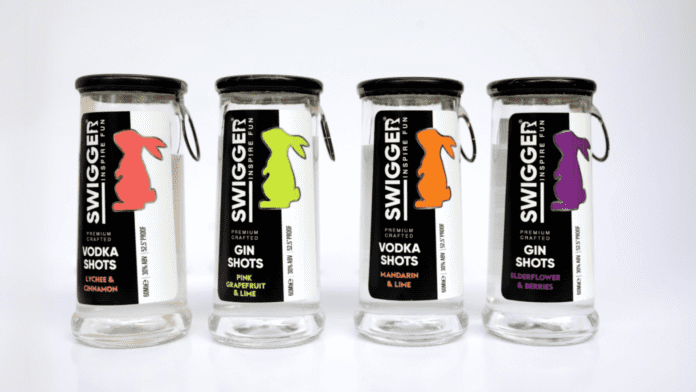
The spirits market experienced a deceleration in demand, dropping to 2.2% growth in the quarter concluding in September. This marks a reversal from the robust 7-15% growth observed in the preceding two years. The downturn is attributed to diminished sales of mass-priced products, elevated taxes, and a high base. Although whisky, gin, and vodka witnessed volume increases ranging from 3-13%, sales in the rum and brandy category declined, according to industry executives referencing the latest data from the excise department.
“In general, the regular category or the popular category is having muted growth as far as the industry is concerned. Certain states, which are big states like Karnataka, increased the duty by 20%. There is an impact on the demand at that price point. In UP, there is some down trending,” said Dilip Banthiya, chief financial officer at Radico Khaitan during its earnings call.
In the period spanning July to September, whisky retained its dominant position as the largest segment, constituting two-thirds of the total spirits demand. It experienced a growth of 3.2% despite a substantial baseline.
Sales of brandy and rum declined by 0.7% and 0.3%, respectively. In contrast, vodka witnessed a robust growth of 13.1%, while gin sales saw a notable increase of 10.6%, albeit from a lower starting point, as indicated by the excise data.
While sales of mass-priced whiskey dropped by 4.5%, there was notable pressure on this segment. In contrast, premium products, particularly whiskey, exhibited growth ranging from 4% to 18%.
“The overall spirits industry after very strong growth in the post- Covid years has normalised to a steady state. Consumers continue to aspire for better quality products and brands,” said Bikram Basu, chief strategy and marketing officer at Allied Blenders and Distillers which saw newer brands – Sterling Reserve and ICONiQ Whiskies – each crossing sales of million cases annually.
During the initial half of the calendar year, the spirits market in India demonstrated a 10% expansion. In the quarter concluding in June, it sustained a growth rate of 7%, standing out as the sole discretionary category to maintain robust momentum amidst consumer cutbacks in other lifestyle segments like apparel and electronics.
Typically, the December quarter marks a peak period for spirits, driven by weddings, festivals, and the winter season.
USL, the producer of Johnnie Walker and Smirnoff, reported that September experienced subdued demand due to the delayed festive season, and October did not show significant improvement. The company noted a slowdown in discretionary spending during this period, and the festive uptick was not as vibrant as in previous years.
Nevertheless, companies anticipate accelerated growth in the latter half of the calendar year, which traditionally constitutes a substantial portion of liquor sales owing to the occurrence of festivals and weddings.
We remain cautiously optimistic that demand will pick up, though we don’t see the signs right now,” Hina Nagarajan, managing director at Diageo-controlled USL, told investors on an earnings call. “But we still have a big festival season to go through–Diwali and then Christmas, etc. So, we are cautiously optimistic and we are definitely investing and activating for growth.”
Jeff Bezos, the world’s third-richest person, founder, executive chairman, and former president and CEO of Amazon, is reportedly contemplating the sale of approximately $1 billion worth of the company’s shares, as per a CNBC report.
The report indicated that Bezos might consider selling a quantity ranging from 8 million to 10 million shares, equating to a sum exceeding $1 billion.
At present, neither Amazon nor representatives of Jeff Bezos have issued any statements regarding the aforementioned news report. Various media outlets have reported that Bezos, who stepped down as Amazon’s CEO in 2021, recently divested shares totaling $240 million, although this information remains unconfirmed.
Apart from his role at Amazon, Jeff Bezos is actively engaged in other enterprises, such as Blue Origin, an American aerospace company specializing in the production of rockets, spacecraft, and satellites. Blue Origin is currently exploring the potential of space tourism.
As per data from the Bloomberg Billionaires Index, Jeff Bezos possesses a cumulative net worth of $168 billion, ranking him as the third wealthiest individual globally, following Elon Musk and Bernard Arnault.
As of the current writing, the NASDAQ-listed share price of Amazon has experienced a 1.53% decline, settling at $143.9.
We use cookies to ensure that we give you the best experience on our website. If you continue to use this site we will assume that you are happy with it.