Two promoter entities of Sapphire Foods, the operator of KFC and Pizza Hut chains in India, executed block deals on Monday, selling shares worth INR 530 crore.
Sapphire Foods Mauritius offloaded 33.37 lakh shares, representing 5.24% of the overall equity capital, while Samara Capital Partners divested 4.49 lakh shares, amounting to 0.71% of the total equity, at an average price of INR 1,400 per share.
After the block deal, Sapphire Foods’ shares experienced a 3.65% decline, closing at 1,402.95. As of September 30, Sapphire Food Mauritius retained a 29.28% stake, and Samara Capital held a 0.71% stake. The Government of Singapore acquired shares amounting to 141 crore, and HDFC Mutual Fund bought shares valued at INR 308 crore.
India’s Devyani International announced on Monday its plans to begin operating KFC outlets in Thailand. This move comes after the company acquired Restaurants Development Co in a deal worth $128.9 million, with the completion expected by March 2024.
The Thai restaurant operator oversees 274 KFC outlets in the Southeast Asian country, employing a staff of more than 4,500 people.
Devyani acquired the company through its Dubai unit, where it holds a 51% stake, while the remaining portion is owned by the Singapore-based private investment firm Temasek Holdings.
“Thailand is a strong poultry market in its basket of meat consumption and we believe there is an opportunity available for the market to grow even further,” the Devyani said in a statement.
The addition of this acquisition will expand Devyani’s portfolio beyond its existing 500 KFC outlets in India, Nepal, and Nigeria. Furthermore, the company manages various other quick-service restaurants (QSR) in India, including Pizza Hut and Costa Coffee.
Bisk Farm, the renowned biscuit and bakery brand under Saj Food Products, has enlisted actress Rashmika Mandanna as its brand ambassador. This strategic move is geared towards enhancing the brand’s nationwide reach and specifically targeting the southern Indian markets. Rashmika Mandanna will represent the ‘RUSKIT Brand,’ showcasing a diverse selection of crispy baked toasts across four variants.
Bisk Farm is actively consolidating its presence in the Rusk category, a key driver of the company’s overall revenue. By capitalizing on the opportunity to enhance the local Rusk with a touch of pedigree, BISK FARM RUSKIT has effectively gained substantial popularity among Indian consumers.
Vijay Singh, managing director of Bisk Farm, said, “We are delighted to welcome Rashmika Mandanna to the Bisk Farm family as our Brand Ambassador. Her undeniable charm and widespread appeal perfectly embodies the spirit of Bisk Farm – a brand synonymous with fun, freshness, and deliciousness. Her strong connection with the millennial audience makes her the perfect choice to represent our brand and further strengthen our presence in key markets. We look forward to an exciting journey with Rashmika as a key partner in shaping the narrative and engaging with consumers on a deeper level across the nation for substantial revenue growth.”
SAJ Food Products aims to attain a revenue of INR 5,000 crore by FY29, in line with its vision to transform its flagship brand, BISK FARM, into a truly national brand.
In conjunction with this announcement, Bisk Farm has also revealed an engaging 360-degree campaign that celebrates the perfect pairing of RUSKIT’s satisfying crunch with Rashmika Mandanna’s versatility and playful charm. The campaign introduces the celebrated actress as the protagonist named Meena Bhai—a feared don terrorizing a busy market. Taking viewers on a hilarious journey, Meena Bhai unveils magic in every cup with #TheresNoTeaWithoutRUSKIT.
Focusing on establishing a nationwide presence, SAJ Food is actively preparing for extensive market penetration, with a particular emphasis on pivotal markets in Karnataka and other southern states. In pursuit of its growth objectives and an extended footprint, SAJ Food inaugurated its sixth facility in Bengaluru, Karnataka, in March 2022.
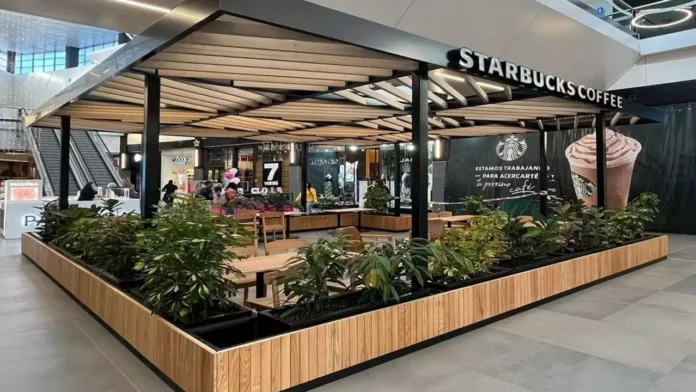
Alsea, Starbucks‘ licensed partner, has announced the opening of its first store in the city of Talca within central Chile’s Maule region.
The new café will represent the brand’s 160th store in this market.
Spanning across 190m², the latest Talca store has the capacity to accommodate 50 people and showcases a design by local artist Pepe, drawing inspiration from the city’s flora and fauna.
Starbucks Chile, Argentina, Uruguay and Paraguay marketing manager Soledad Fantuzzi stated, “We are thrilled to bring the Starbucks experience to consumers in Talca, further expanding our presence in southern Chile.
“Our store designers have created a space that pays homage to the historical charm of Talca, providing customers with a space for the meaningful moments of connection around coffee that so many of our customers enjoy.”
The upcoming store will provide guests with a variety of Starbucks favorites, such as the Caramel Frappuccino, flavored lattes, both hot and cold coffee blends, and a choice of bakery items.
Starbucks made its debut in the Chilean market in 2003 with the opening of its Santiago store. The upcoming Talca store will have a team of 13 Starbucks Chile partners.
Fantuzzi added, “Growing within the Chilean market is a priority for Starbucks. We have plans to open more stores in the coming years, aligning with our commitment to creating local job opportunities and delivering unparalleled experiences to our customers.”
In October 2023, Alsea declared an expansion of the brand’s presence in Colombia by inaugurating three stores in the city of Bucaramanga, the capital of the Santander department. This brings the total store count in the region to over 65.
Starbucks has established its presence in six Colombian cities, namely Barranquilla, Bogotá, Bucaramanga, Cali, Cartagena, and Medellín.
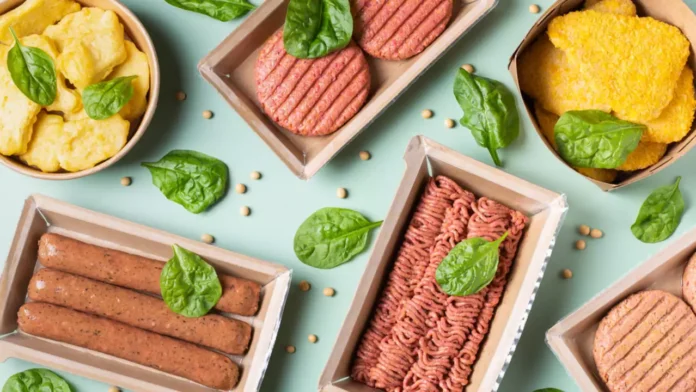
The EU is set to invest €50 million in 2024, aiming to facilitate the scaling up of alternative protein production by supporting start-ups. This initiative will employ innovative technologies, including precision fermentation.
As part of the European Innovation Council (EIC)’s Work Programme 2024, the €50 million investment is allocated under the EU’s flagship Horizon Europe program.
The objective is to enhance the sustainability, efficiency, and resilience of the European supply chain by offering assistance to small businesses operating in the alternative protein sector.
Precision fermentation is an innovative fermentation technique in which microorganisms, like yeast, are harnessed to generate authentic animal proteins, such as whey and casein, eliminating the need for animal involvement in the process.
These proteins frequently play a crucial role in imparting the taste and texture found in foods such as cheese, meat, and eggs. This enables companies to develop animal-free alternatives that successfully emulate the familiar qualities of their traditional counterparts.
Products like meat, eggs, dairy, and seafood produced through precision fermentation offer a substantial reduction in carbon emissions and are additionally free from antibiotics.
European companies employing precision fermentation for animal-free protein production include Paleo, a Belgium-based firm dedicated to creating species-specific myoglobin proteins for meat alternative applications. Recently, Paleo revealed plans for expansion into the plant-based pet food market.
The financial support, within the scope of the EIC’s Accelerator Challenge, is intended to bolster the creation of “viable alternatives that complement agriculture.” These alternatives aim to produce foods abundant in protein and other essential nutrients.
The work program emphasizes that these foods can be manufactured utilizing existing agricultural sidestreams, offering advantages such as alleviating pressure on natural resources like land and water.
Acacia Smith, senior policy manager at non-profit think tank the Good Food Institute Europe, said, “It’s excellent that the EIC has recognised precision fermentation’s game-changing potential to feed Europe’s growing population, improve public health and reduce our reliance on imports”.
She added, “It’s also very welcome that this funding aims to develop new ways of scaling up production – tackling Europe’s lack of infrastructure – and to look at other critical areas such as consumer acceptance, regulatory approval and supporting the entry of these foods into the European market.”
Our bodies share a common challenge as winter’s cold embrace sets in and daylight becomes scarce. That challenge is making sure our bodies are getting enough Vitamin D. Sometimes referred to as the “sunshine vitamin,” it is essential for maintaining the strength of our bones and the health of our immune systems, among other aspects of our general wellbeing. But because the winter months bring fewer daylight hours and shorter days, it can be challenging for our bodies to get enough of it. The good news is that our bodies are designed to withstand this seasonal decline. Moreover, nature provides us with a wealth of resources to help us meet our basic needs.
Why is Vitamin D Important?
It serves a number of essential roles, and regulates more than 200 genes , which are crucial for our continued health, growth, and development. The two that are most important are probably those that control how much calcium and phosphorus are absorbed by the body and support healthy immune system operation. Here are a few other ways in which the sunshine vitamin supports our overall bodily functions.
Infections and autoimmune disorders like rheumatoid arthritis, type 1 diabetes, and inflammatory bowel disease may be more common in people with low levels of the vitamin.
An increased risk of heart diseases, including hypertension, heart failure, and stroke, has been associated with low vitamin D levels.
It may reduce the likelihood of viral infections and severe flu
It has the ability to regulate mood and reduce depression
It might also support weight loss
A recent study published by Harvard School of Public Health also states that it has anti-inflammatory, anti-infection, and anti-cancer effects.
Sources of Vitamin D
5-10 Minutes in The Sun
A sunny weekend getaway or an exceptionally warm day are excellent chances to get some sun. The best source of vitamin D is exposure to sunlight—20 to 30 minutes a day, three times a week, without sunscreen for people with fair skin and longer for people with darker skin. Additionally, even though using sunscreen is usually the healthiest way to enjoy the sun, the secret to producing your own vitamin D is to go a short while without it. When applied as instructed, sunscreen with an SPF of 15 reduces the synthesis of vitamin D by 99%, so hold off before applying.
Mushrooms
The only plant-based food that naturally produces vitamin D are mushrooms. The highest nutrient content is found in wild mushrooms and those that have been exposed to UV light. Approximately one cup of raw, UV-exposed mushrooms is all you need to meet or surpass your daily requirement for vitamin D. Consuming UV-exposed brown cremini, portabella, maitake, and white button mushrooms on a regular basis is an excellent source of vitamin D.
Foods Fortified with Vitamin D
Many items in the grocery store have been enhanced with vitamin D, even though there are foods that are naturally high in the nutrient. These consist of both animal- and plant-based products. Vitamin D-rich fortified foods include milk, yogurt, orange juice, soy milk, and other nondairy milk substitutes.
Egg Yolk
Another excellent source is whole eggs, which are also incredibly nutrient-dense. The white of an egg contains the majority of its protein, while the yolk contains the majority of its fat, vitamins, and minerals. A couple of eggs cooked will provide you with about 44 IUs of the vitamin, which is a good source of both protein and vitamin D for those on the go.
Vitamin D Supplements
Your risk of deficiency may increase depending on your lifestyle choices and where in the world do you live. For those who don’t get enough of it, such as housebound elderly individuals, people with dark skin, expectant and nursing mothers, and those with specific medical conditions like liver disease, cystic fibrosis, celiac disease, and Crohn’s disease, a daily supplement may be necessary.
So, this winter, continue to get your vitamin D from foods and supplements, and when the summer sun returns, think about revisiting your strategy.
American fashion brand Coach has opened its first store in Gujarat at Palladium Ahmedabad, as announced by a mall official in a social media post on Sunday.
“We are happy to announce another 1st for the vibrant state of Gujarat,” said Saurabh Garg, Assistant General Manager – Leasing, The Phoenix Mills Ltd. on LinkedIn.
“Coach is now operational at the Luxury Shopping Destination,” added Garg.
Established in 1941 by six artisans in New York, Coach began with the vision of skillfully crafting leather into both beautiful and practical items. Guided by the leadership of Lillian and Miles Cahn, the brand transformed into the Official American House of Leather, as indicated on the company’s official website.
The opening of its first store on Madison Avenue marked a significant milestone in the brand’s journey. Beyond leather goods, Coach became known for its distinctive lifestyle collections, drawing inspiration from the dynamic essence of New York.
According to the company’s website, Coach achieved a remarkable 71% reduction in carbon emissions and diverted more than 389 grams of waste in its efforts towards a zero-waste future.
The brand entered the Indian market in 2012 and conducts its operations through various marketplaces and stores, providing a range of new styles and authentic brands.
UK and European supermarkets are increasingly providing a variety of own-brand holiday foods, ranging from roast duck to truffle crackers. This trend is driven by budget-conscious families who are opting to invest in Christmas meals at home while reducing expenses on gifts and dining out.
Due to inflationary pressures, households are reorganizing their budgets, giving priority to festive meals, according to executives and market analysts. Some grocery retailers see this as an opportunity to promote higher-priced offerings to consumers who are willing to indulge during the holiday season.
“The trend on groceries is strong,” Simon Roberts, CEO of Sainsbury’s, Britain’s second biggest grocer, told Reuters last month. “We’re set for a strong food Christmas.”
Sainsbury’s has expanded its premium food range, “Taste the Difference,” introducing 170 new Christmas food items. The additions include a ready meal for four featuring duck, potatoes, and cranberry sauce, priced at £28 ($36), as well as canapés like mini smoked salmon terrine slices for £3.75.
According to Barclays research, Britons anticipate spending approximately £105 more on Christmas this year compared to 2022. The primary contributing factor is expected to be festive food and drink, with an average increase of nearly £26.
Tesco, the leading market player in the UK, has increased its turkey purchases compared to the previous year, according to CEO Ken Murphy. The anticipation is that individuals will opt for staying in more and dedicating additional time at home with friends and family.
“I am doing a lot of hosting in the next couple of weeks, and we do prefer to do stuff at home – it’s just more relaxing,” said Robyn Asher, 55, as she shopped in a Sainsbury’s supermarket in East Dulwich, London.
“You can enjoy far better-quality wine at home since the markup in restaurants is excessively high,” she remarked. In her shopping cart were five bottles of wine and one of champagne for her family’s Christmas celebrations, taking advantage of the supermarket’s promotion offering a 25% discount for the purchase of six bottles.
James Simpson, the managing director of the champagne producer Pol Roger, expressed the expectation that while overall growth in champagne sales might decelerate in 2023, there is anticipation for robust sales during the Christmas season. This period tends to see even budget-conscious consumers indulging and treating themselves.
According to Kantar data covering the 52 weeks ending on November 26, Britons have purchased 3.9 million liters of champagne this year, reflecting a 9% decrease from the previous year.
In France, consumers are looking to reduce their overall Christmas expenditures this year, with the average budget decreasing by 19 euros compared to 2022, as per a survey conducted by Cofidis and CSA Research. The area where they intend to make the most significant cut is in gift spending.
Carrefour, the supermarket chain, is aiming to lure in shoppers with affordable prices, such as a 0.99 euro ($1.09) chocolate advent calendar. This is part of the introduction of 60 new own-brand Christmas food products by the retailer this year.
In response to shifting consumer behavior, supermarkets have expanded their offerings of alternatives to branded foods. A significant majority (78%) of consumers in France, Germany, Italy, Spain, and the UK, spanning various income groups, report switching to more affordable products or opting for lower-priced retailers, as revealed by McKinsey research.
Biedronka, the Polish supermarket chain, has highlighted that its own-brand chocolates and sweets, including gingerbread biscuits, are priced at least 20% lower than comparable products from major brands.
The Dutch supermarket Albert Heijn announced that its premium “AH Excellent” range features 200 holiday products this year, surpassing the offerings from 2022.
In Portugal, the supermarket Pingo Doce has introduced new additions to its “Iguarias” (delicacies) range, featuring items like a meat, chestnut, and vegetable puff pastry starter priced at 5.49 euros and truffle crackers available for 1.99 euros.
GTAC data indicates that around 115 million kilograms of tea were sold at an average rate of INR 198.51 per kilogram.
According to Dinesh Bihani, Secretary of the Guwahati Tea Auction Buyers Association (GTABA), a distinctive tea known as ‘Golden Needle’ was auctioned at INR 61,000 per kilogram this year.
“December has arrived, and this year’s tea manufacturing season is almost over. An estimated 115 million kg of tea was sold between April 1 and the first week of December at an average price of INR 198.51 per kg. We sold 114.50 million kg of tea at an average price of INR 201.14 per kg during the same period last year,” he said.
“We hope to be able to get additional tea in the coming days.”
While selling marginally more quantity of tea this year than last, Bihani noted that the average price of the commodity decreased (when compared for the two years).
He also talked about the larger picture and how the tea industry has been negatively impacted by recent international events like wars and climate change.
“To address the problems posed by climate change and lessen its effects on the tea business, collaborative actions with stakeholder groups and associations are now in progress,” he said.
Bihani emphasised GTAC’s involvement in the International Tea Trade Fair and the free tea distribution on International Tea Day, celebrating 200 years of Assam tea.
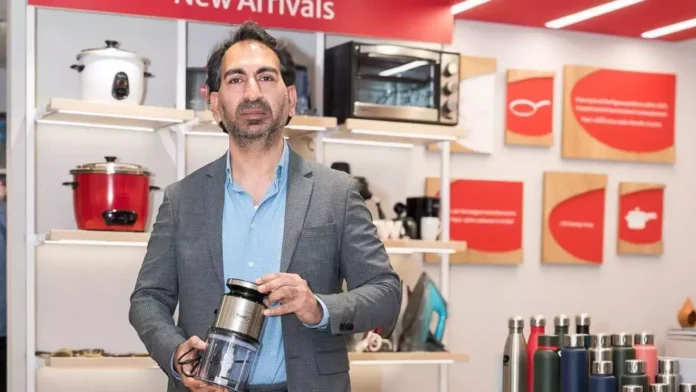
Stovekraft Limited, renowned for its cutting-edge cookware and kitchenware appliances, has broadened its extensive product range by introducing the Pigeon Ultra-Fast Electric Chopper. This strategic initiative reflects Stovekraft’s commitment to delivering progressive solutions that meet the evolving preferences of contemporary households, in harmony with the dynamic lifestyle and changing requirements of Indian consumers.
Rajendra Gandhi, MD, Stovekraft Ltd said, “We are committed to enhancing kitchen experiences through cutting-edge and dependable appliances. In today’s modern and fast-paced lifestyle, where kitchen efficiency and versatility are of the utmost importance, the Pigeon Ultra-Fast Electric Chopper exemplifies this dedication, providing a harmonious mix of performance, durability, and safety. It efficiently chops, minces, and dices various ingredients, delivering professional-grade results, thanks to a powerful 300-watt motor with 100 percent pure copper winding.”
Dr M Nanda, the CMO of Stovekraft Ltd, added “The launch of our ground-breaking Ultra-Fast Electric Chopper speaks of our team’s dedication and innovative spirit! This product made for mass usage redefines efficiency and speed – this isn’t any ordinary chopper, it’s a product that will set new standards in the industry. From fruits and vegetables to herbs and nuts, this chopper’s precision and speed will transform the way we approach food preparation. In seconds, what used to take minutes will now be accomplished effortlessly, allowing our customers to save time without compromising on quality.”
The Pigeon Ultra-Fast Electric Chopper boasts a sturdy build, equipped with a robust 300-watt motor and versatile twin blades made of stainless steel for quick and efficient chopping. Its durability is evident in the construction, featuring a 600 ml BPA-free container with an unbreakable plastic body. Operating the chopper is a breeze with the user-friendly one-touch button, and safety is a priority with anti-slip rubber feet. The addition of a multi-splash lid minimizes mess, revolutionizing the approach to food preparation. With its precision and speed, this chopper not only saves valuable time but also maintains high-quality results, establishing itself as a noteworthy addition to Stovekraft’s product portfolio.
We use cookies to ensure that we give you the best experience on our website. If you continue to use this site we will assume that you are happy with it.